Paris is a city of enduring beauty, but many of its most iconic places have vanished over the centuries. From royal palaces and medieval fortresses to bustling markets and amusement parks, the history of Paris is also a story of disappearance.
1 – Palais des Tuileries
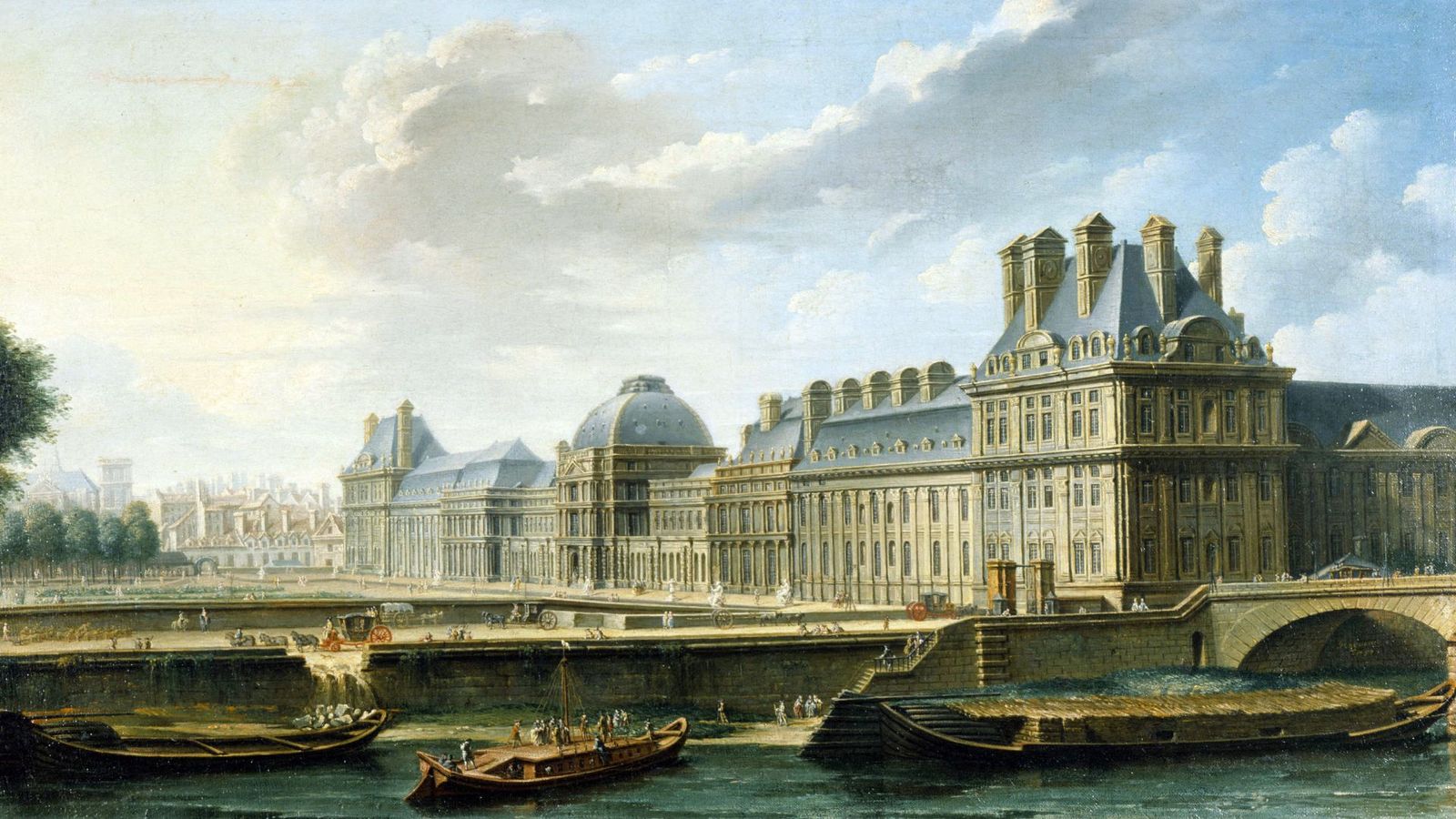
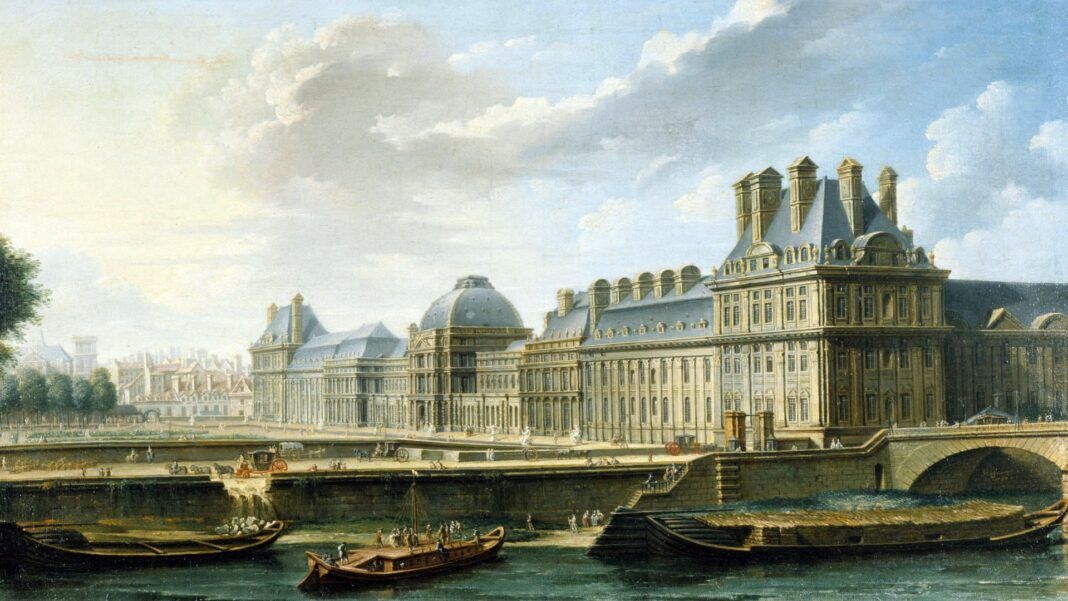
Former royal and imperial palace begun in 1564 for Catherine de Médicis, later expanded and united with the Louvre. The Palais des Tuileries served as the residence of French monarchs through several regimes. The palace was set on fire by Communards in May 1871 and subsequently demolished in 1883, leaving only the Louvre connection and garden.
2 – Château de la Bastille
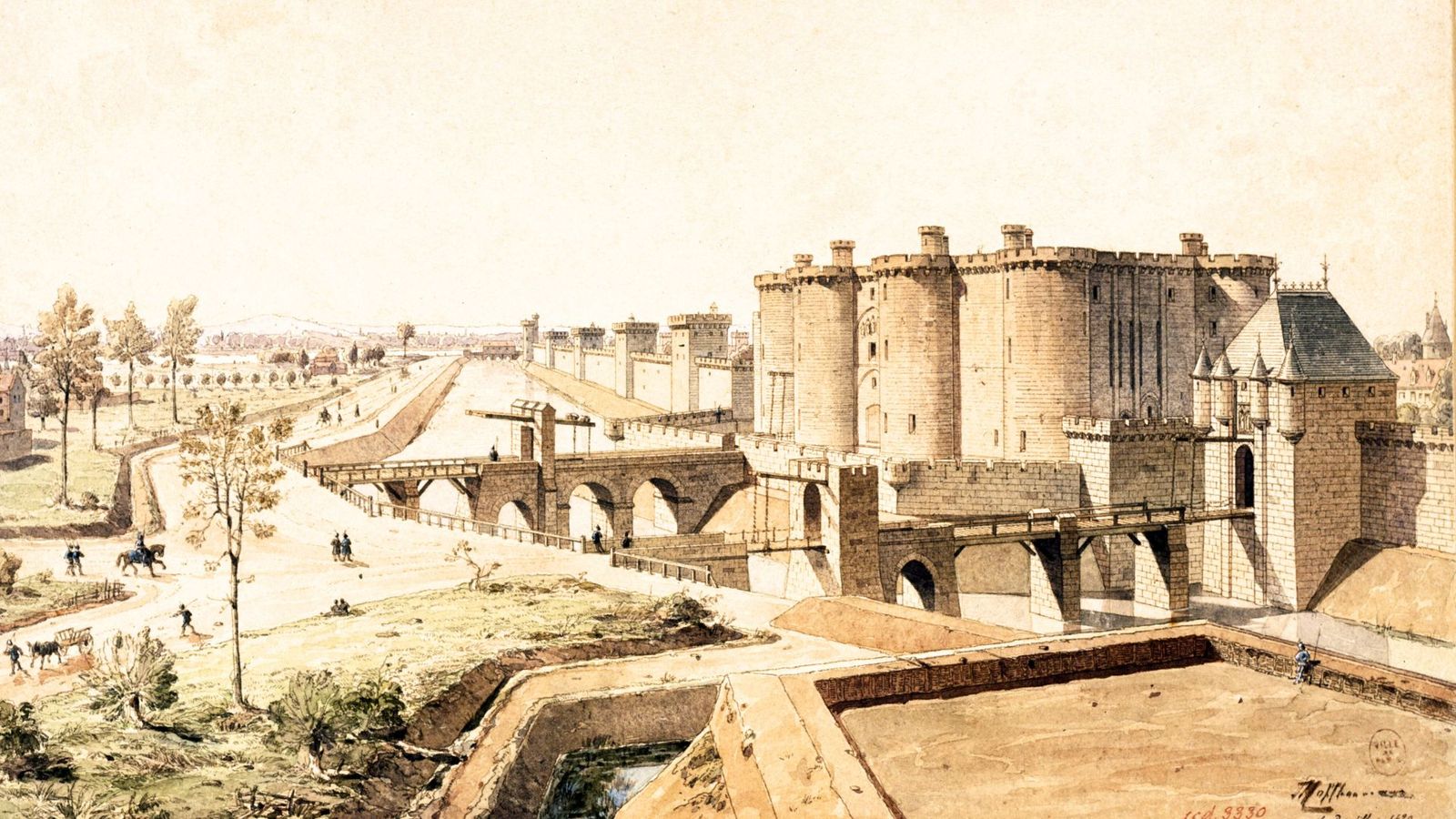
A medieval fortress constructed in the late 14th century, later used as a state prison. It became a key symbol of royal authority and was stormed by revolutionaries on 14 July 1789 during the French Revolution. The Bastille’s walls were demolished soon afterward, with its stones sold as souvenirs; a few archaeological traces remain visible today.
3 – Les Halles de Paris
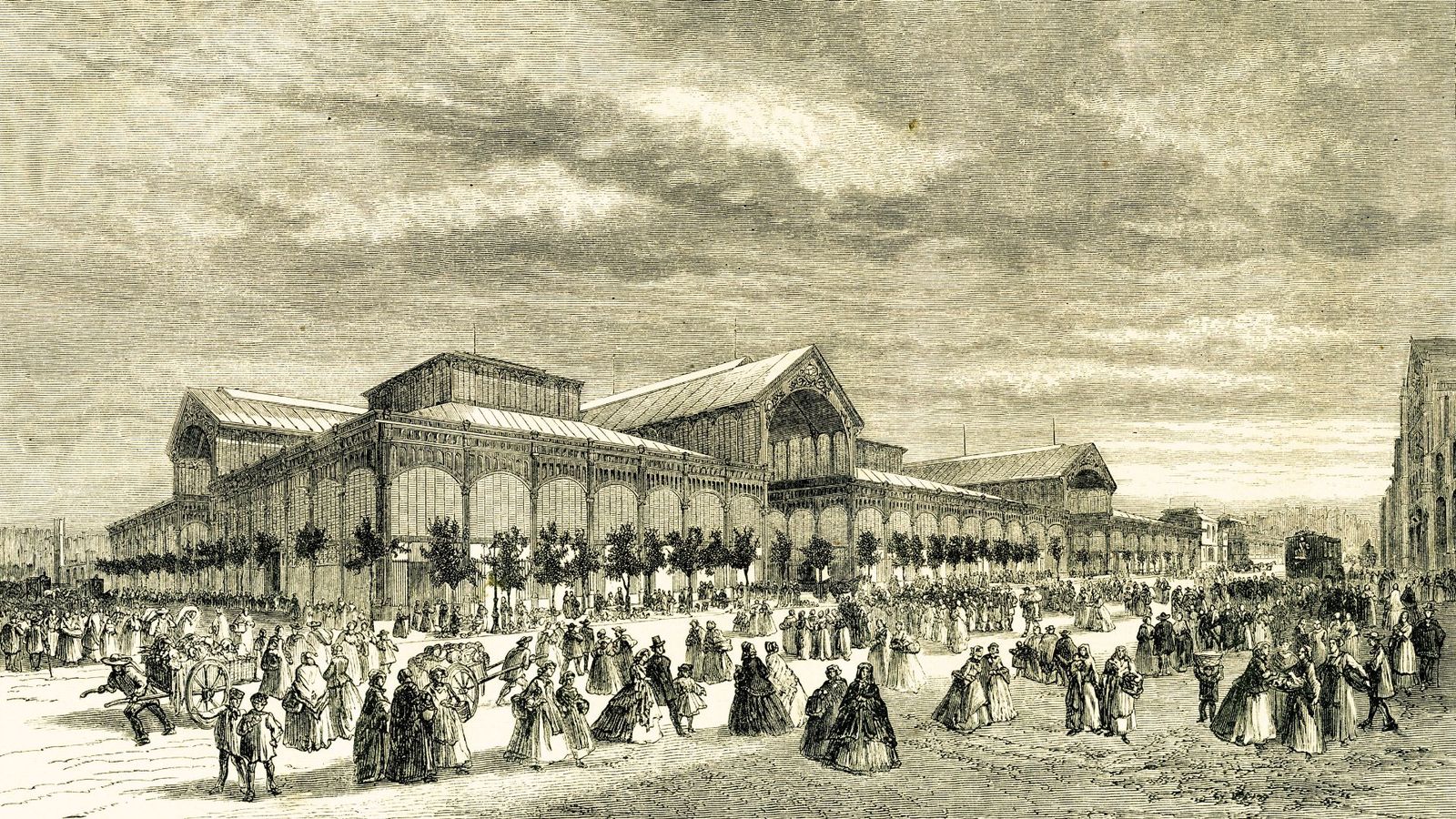
Paris’s historic market centre, originating in the 12th century, was transformed in the 19th century by metal and glass pavilions designed by Victor Baltard. By the late 1960s, the wholesale market moved to Rungis, and the old Halles structures were largely demolished; the site was redeveloped into the Forum des Halles and associated public space.
4 – Grands Magasins Dufayel
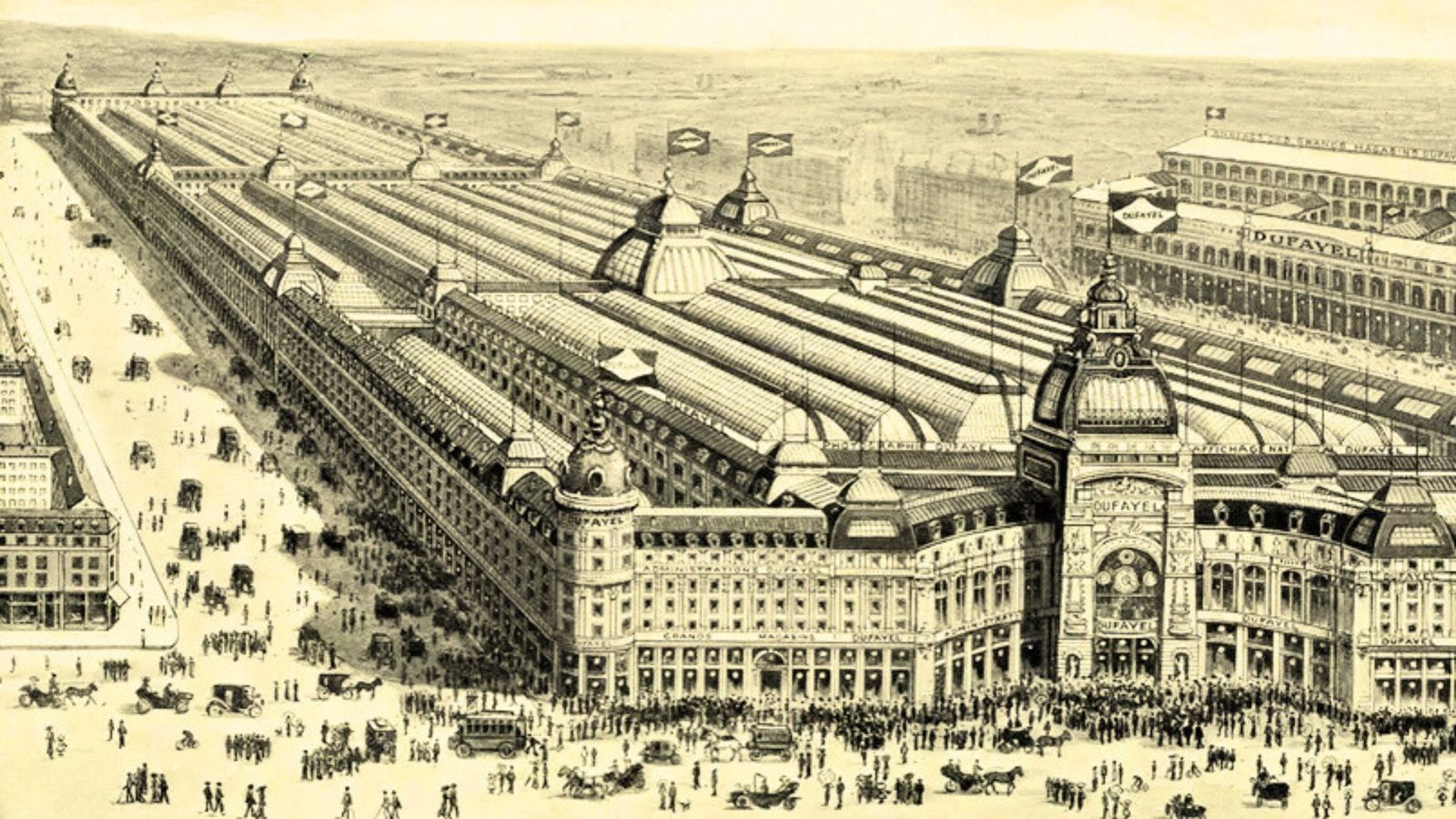
Founded in 1856 on rue de Clignancourt and at times considered among the largest department stores of its kind, Dufayel was a pioneer in retail and consumer credit. The emporium closed in 1930 after decades of commercial success.
5 – Gare de la Bastille
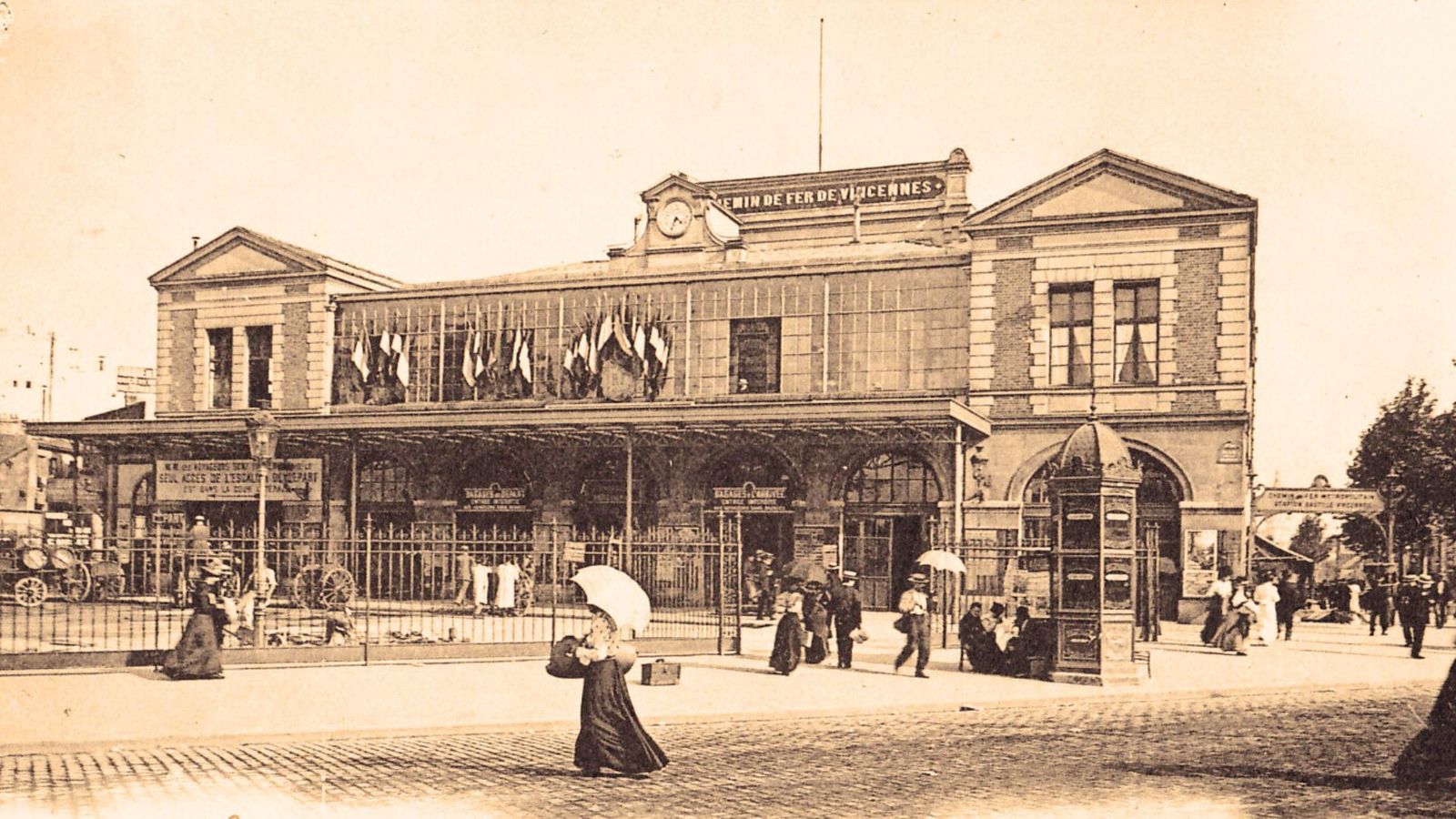
Rail terminal inaugurated in 1859 as the Paris terminus of the Vincennes line, carrying suburban and regional trains. It was the last main Paris terminus to operate steam locomotives, closing to passenger service in 1969. The station buildings were demolished in 1984 to allow the construction of the Opéra Bastille, and its rail approaches were repurposed into the Coulée verte René‑Dumont promenade.
6 – Luna Park
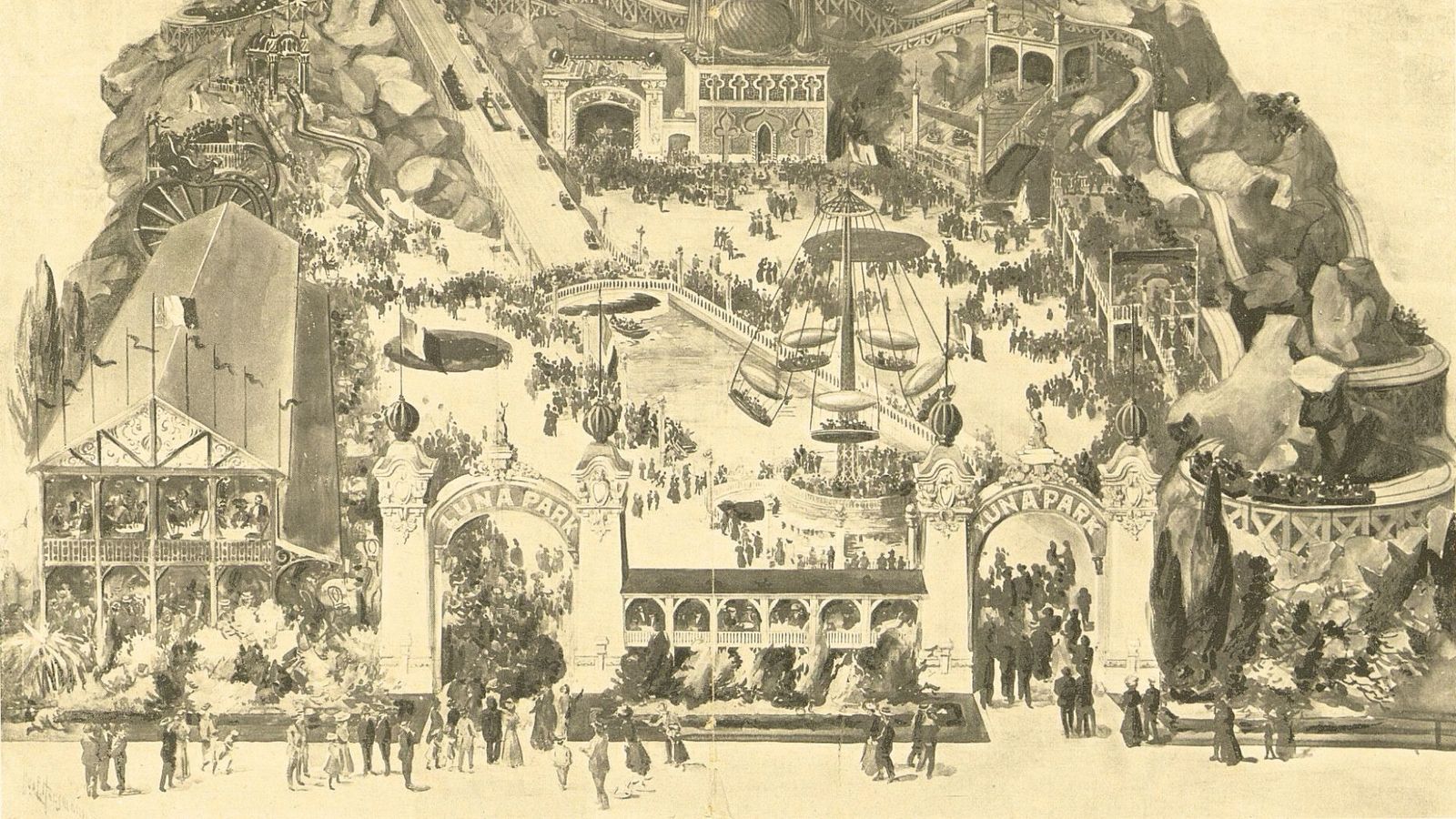
An amusement park opened on the avenue de la Grande‑Armée in May 1909, featuring rides, sideshows, and entertainment typical of the early 20th century. It was a major leisure site for decades but eventually closed and was destroyed in the post‑war era (final demolition by 1948).
7 – Stade Bergeyre
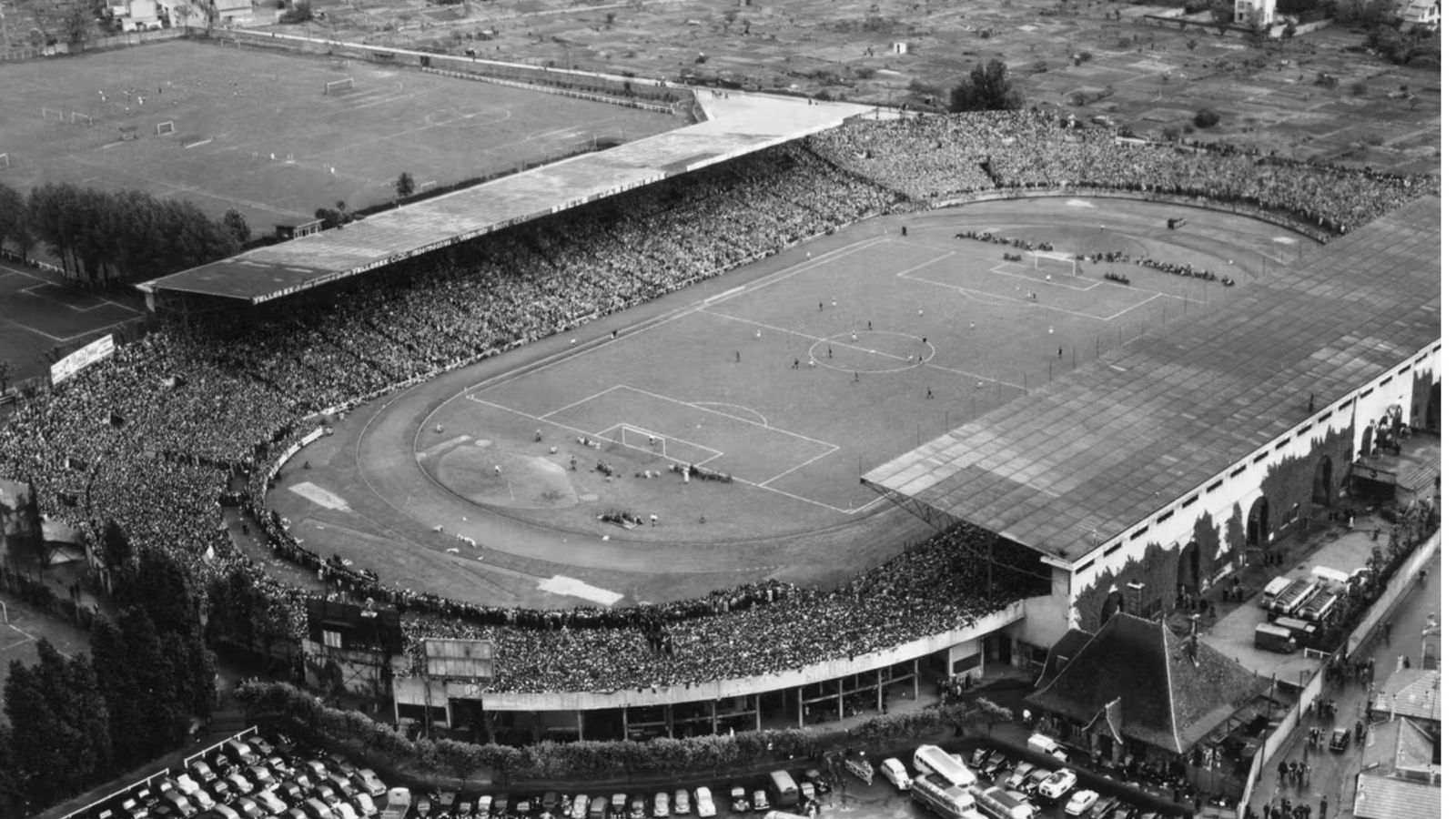
Stade Bergeyre was a sports stadium on the Butte Bergeyre in Paris, opened in 1918 and named after rugby player Robert Bergeyre. Hosting football, rugby, athletics, and some Olympic events in 1924, it held around 15,000 spectators. The stadium was demolished in 1926 for housing, though the neighbourhood still bears its name.
8 – Magic City
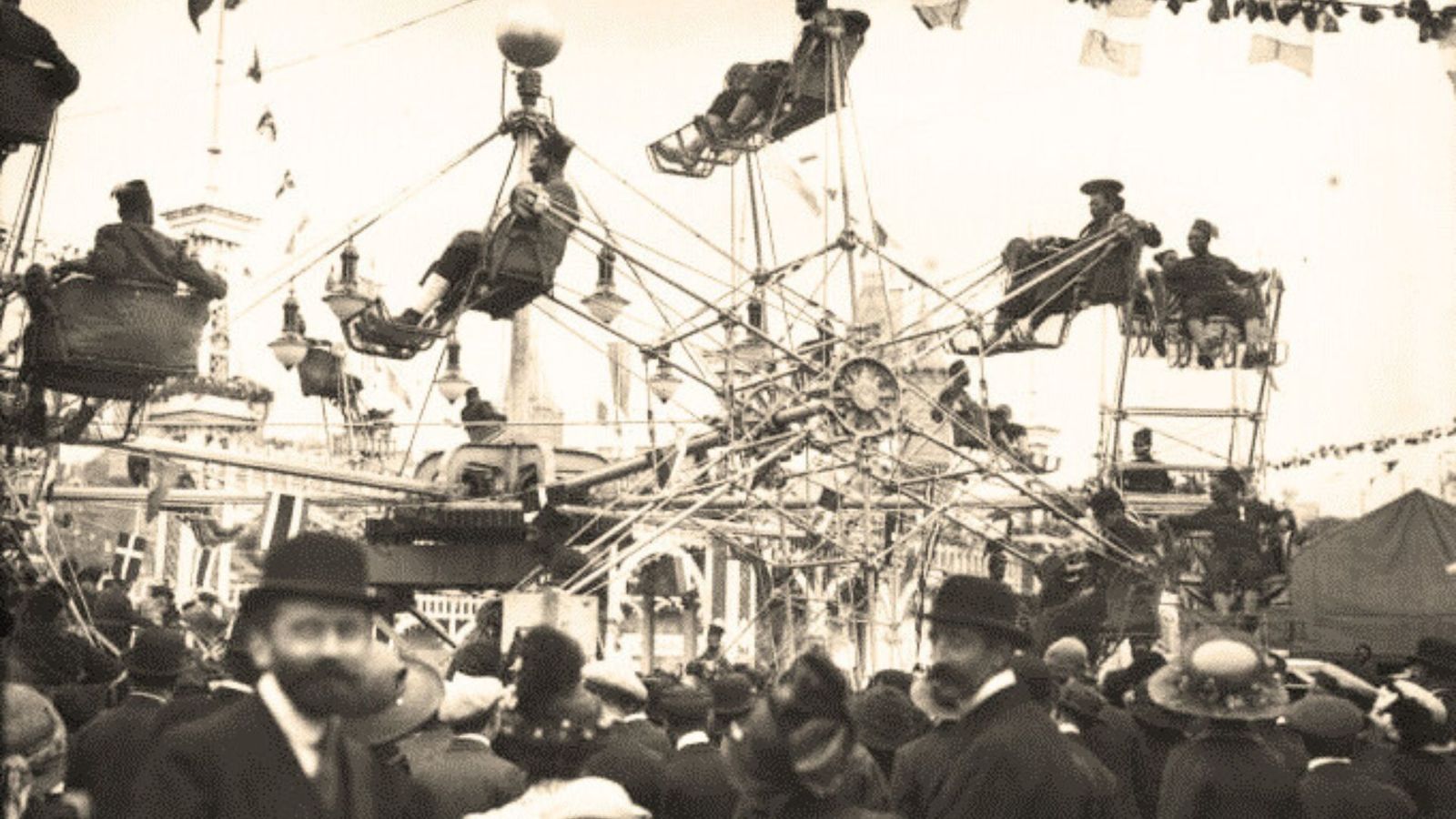
Large amusement park and entertainment complex opened in 1911 between the quai d’Orsay and rue de l’Université. It became known in the 1910s and 1920s for its attractions and social events (including notable costume balls). It declined in the 1930s and was eventually replaced by other developments; later the site housed television studios and other facilities.
9 – Galerie des Machines
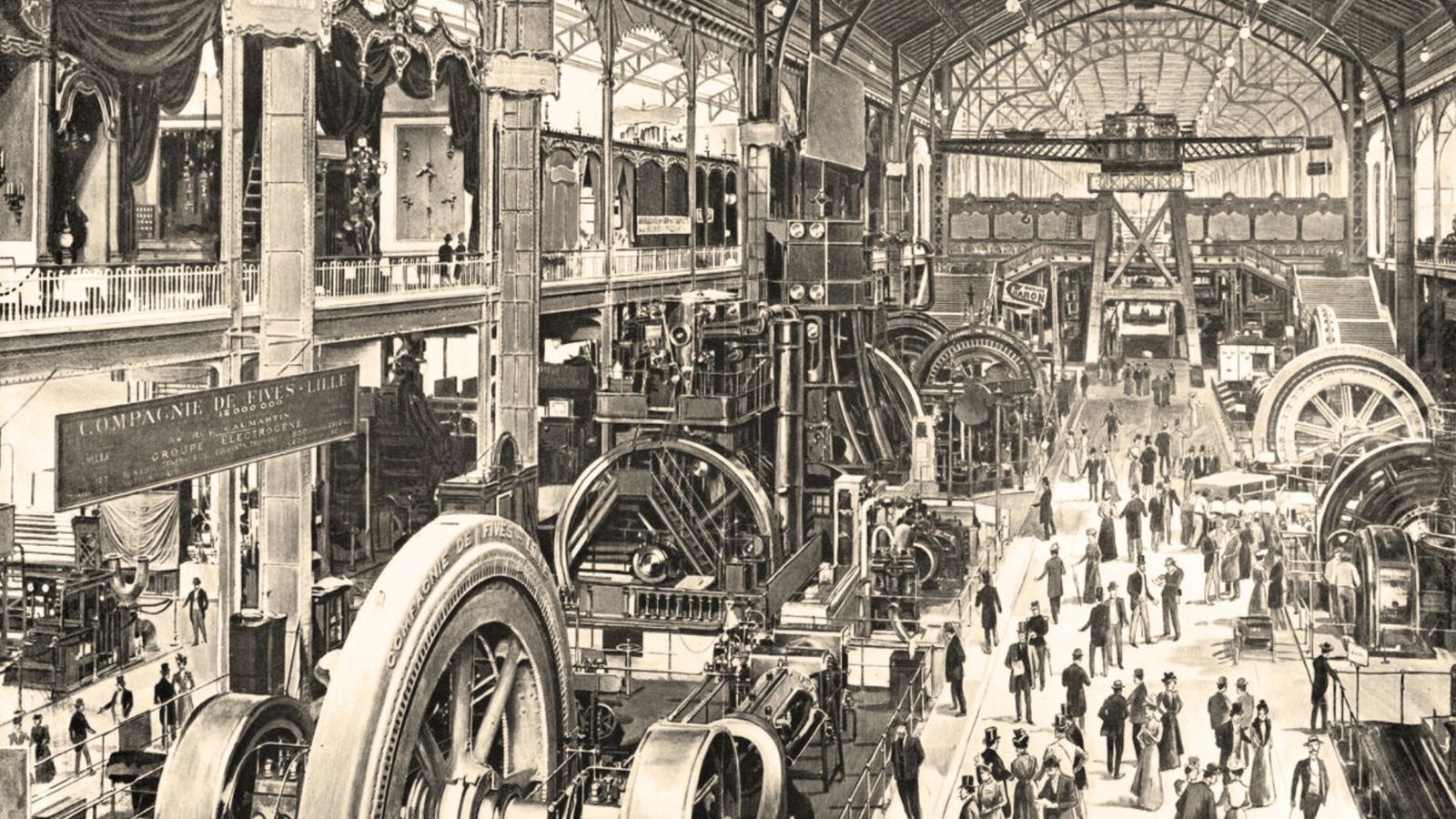
Constructed for the 1889 Exposition Universelle as a colossal glass and iron exhibition hall with unprecedented clear span and vast interior volume. It served subsequent fairs and events (including as a velodrome), but was demolished by 1910 to open up the Champ‑de‑Mars.
10 – Fontaine de la Régénération
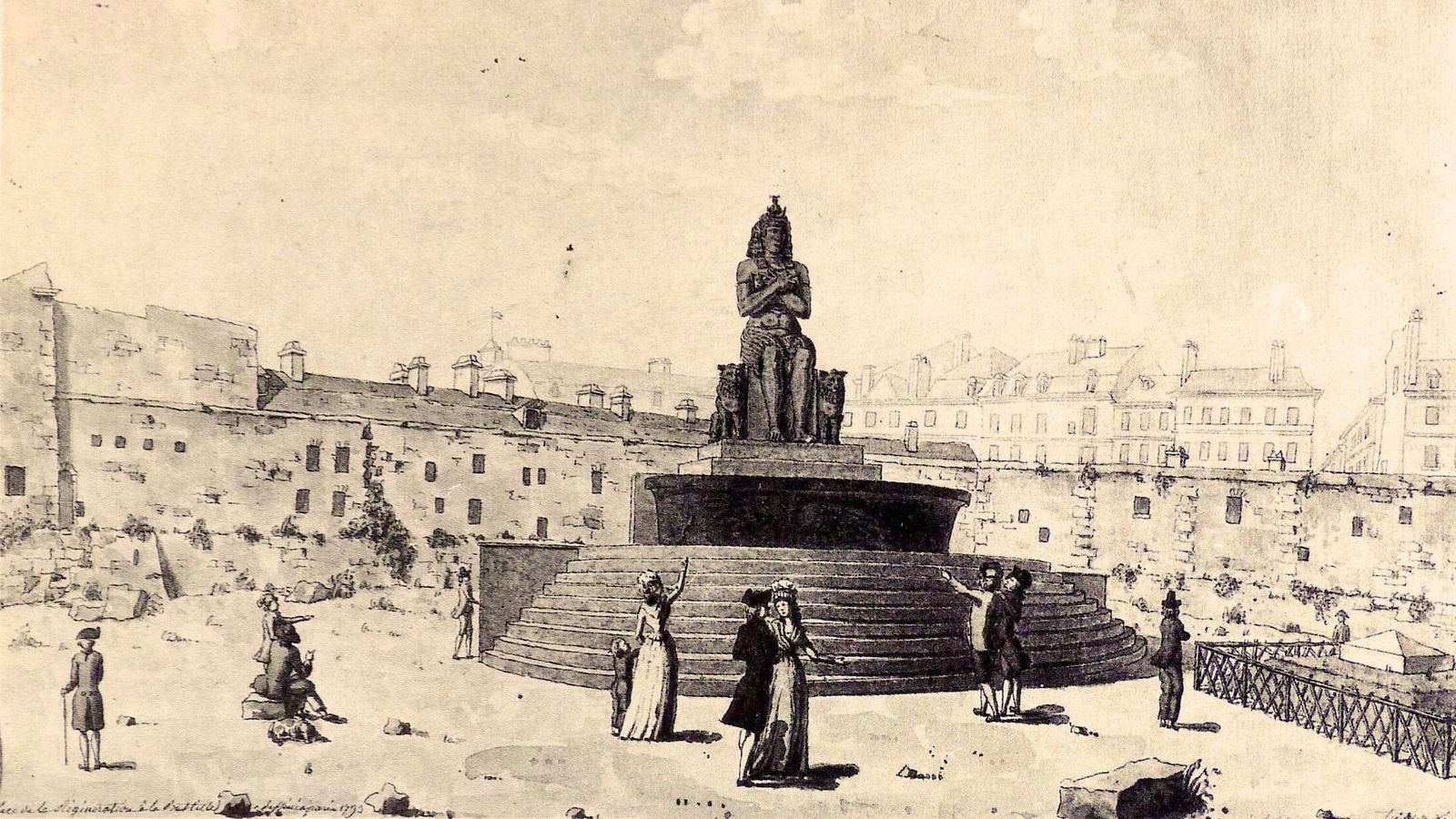
A revolutionary fountain erected in 1793 on the future Place de la Bastille, featuring a depiction of the Egyptian goddess Isis to celebrate revolutionary “regeneration.” Built of plaster, it deteriorated quickly and was removed within a few years.
11 – Grand Châtelet
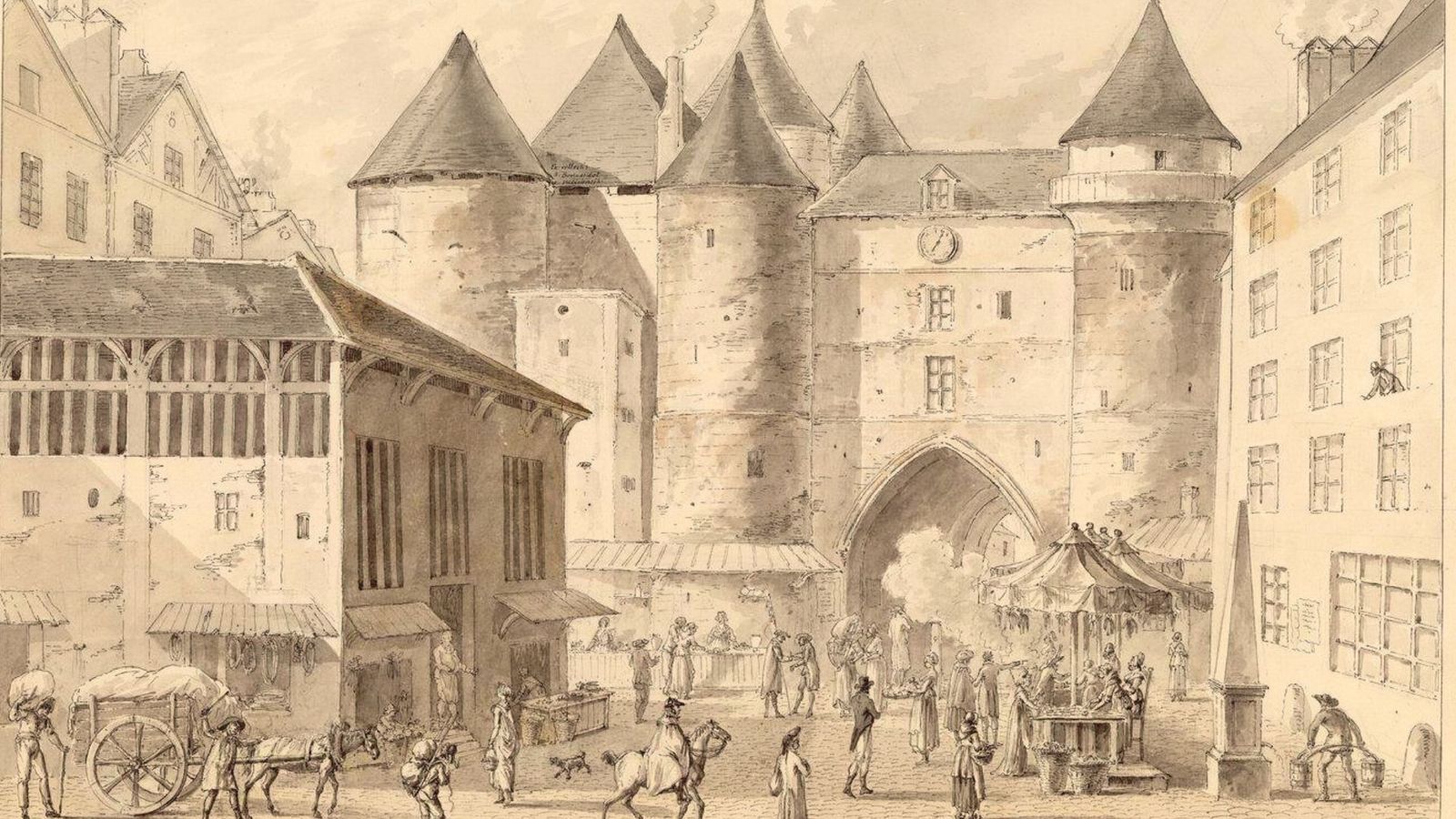
A medieval fortress and prison complex founded in the 12th century under Louis VI, controlling the northern end of the Pont au Change. Transitioning over time from defensive stronghold to judicial and administrative centre, it was demolished beginning in 1802 to make way for urban renewal and the modern Place du Châtelet.
12 – Cimetière des Innocents
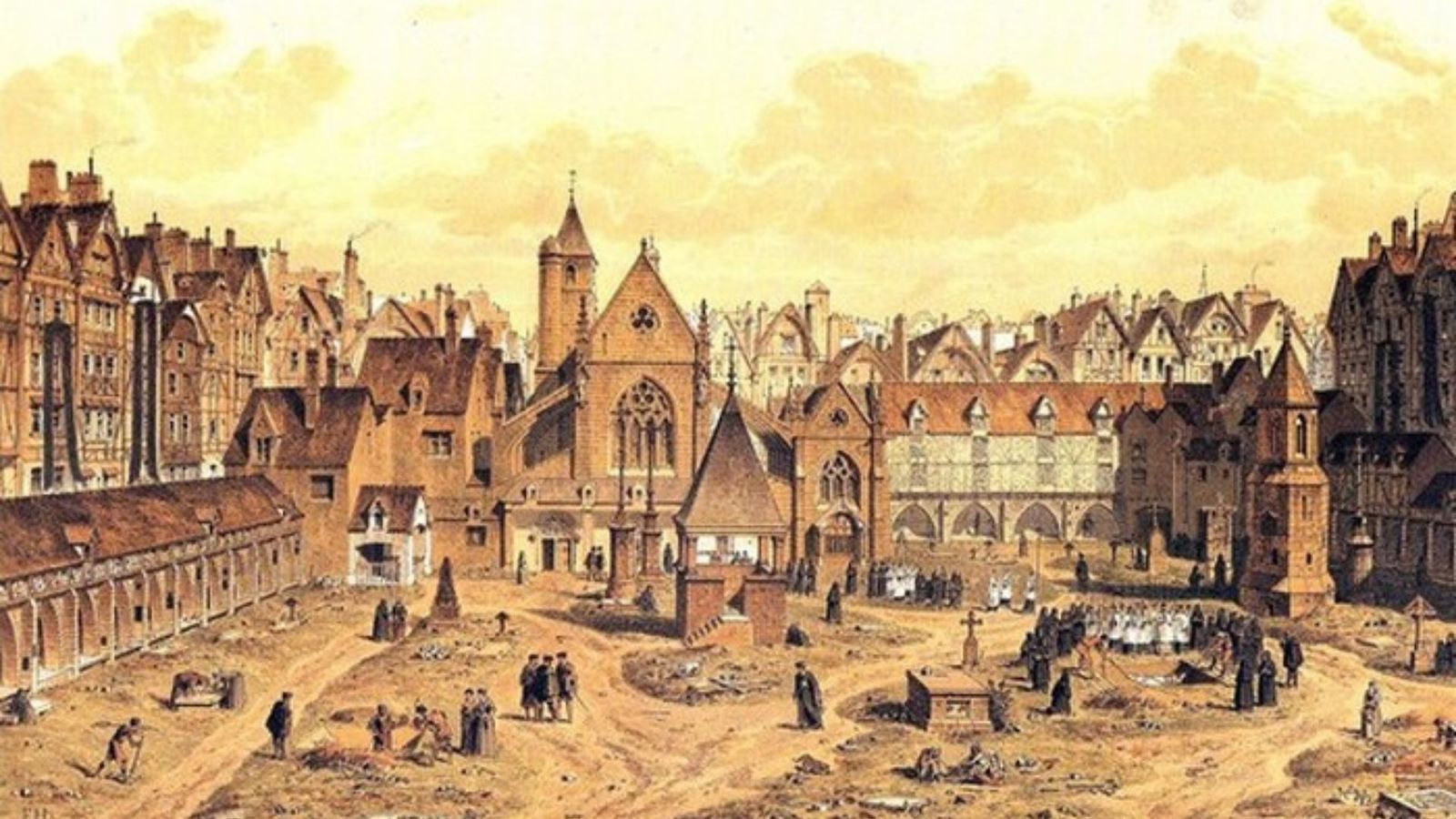
Paris’s principal medieval burial ground located near today’s Place Joachim‑du‑Bellay. Overcrowded by the 18th century, its unsanitary conditions led to its closure in 1780 and eventual dismantling, with remains transferred to the Catacombs of Paris.
13 – La dernière Cour des miracles
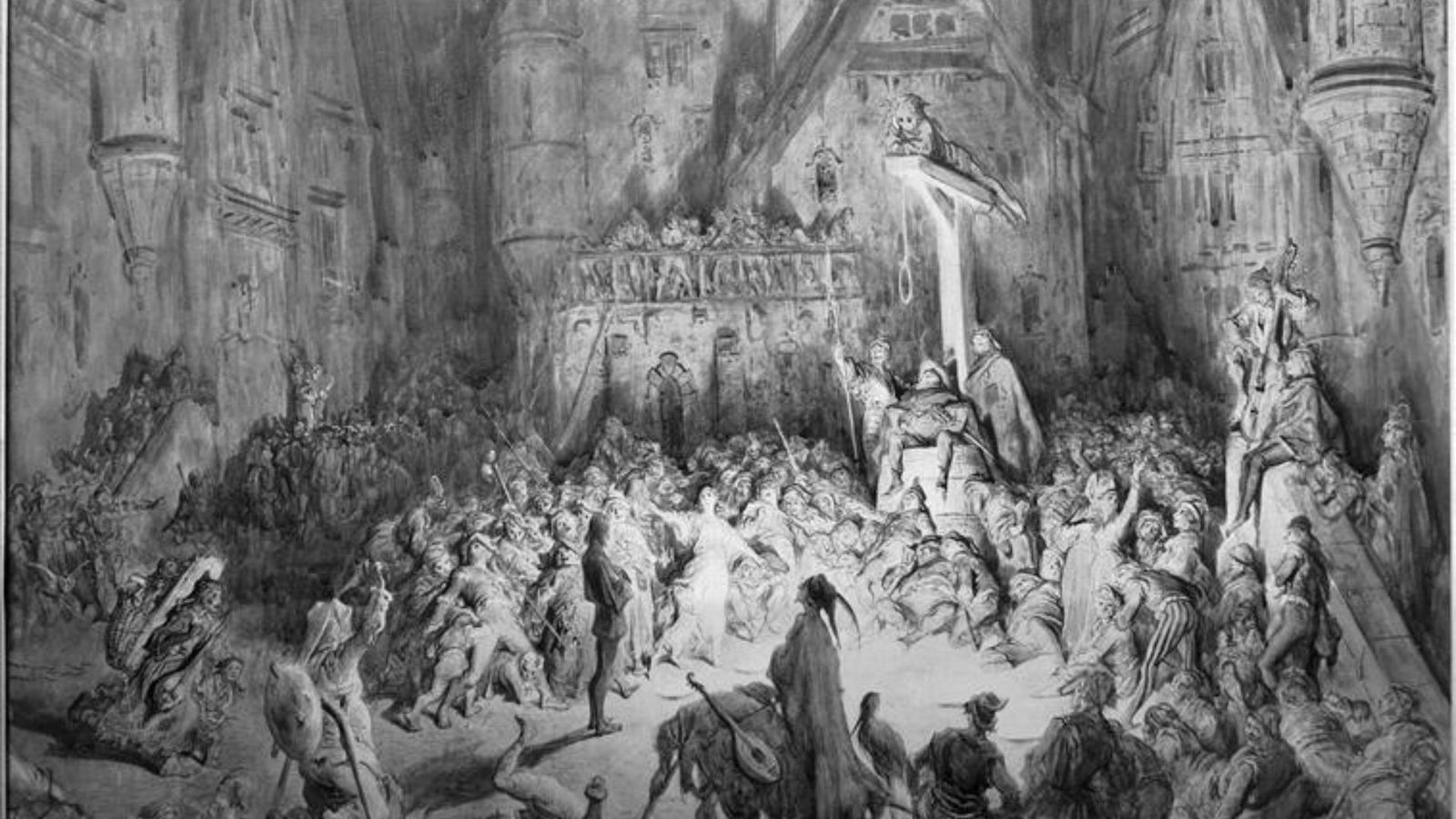
“Courts des Miracles” were slum districts of medieval Paris associated in literature with beggary and deception. By the late 17th century, royal policing and urban reform had dismantled most of these quarters, ending their notorious existence.
14 – Tour de Nesle
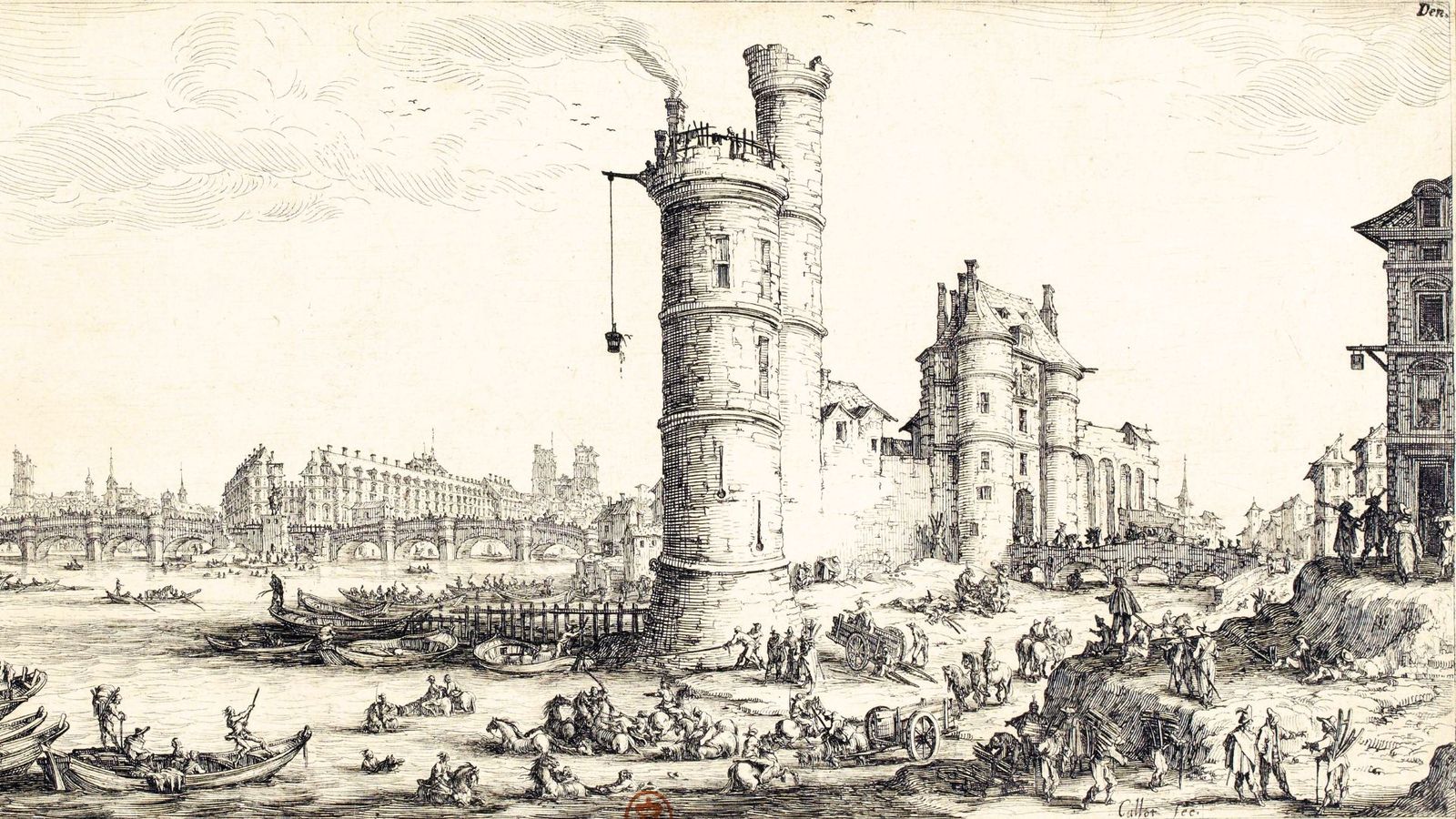
One of the towers of the medieval walls of Paris (built under Philippe Auguste). Located on the left bank near the Seine, it stood until mid‑17th century when it was removed to make way for new urban institutions, including the Institut de France.
15 – Palais du Trocadéro
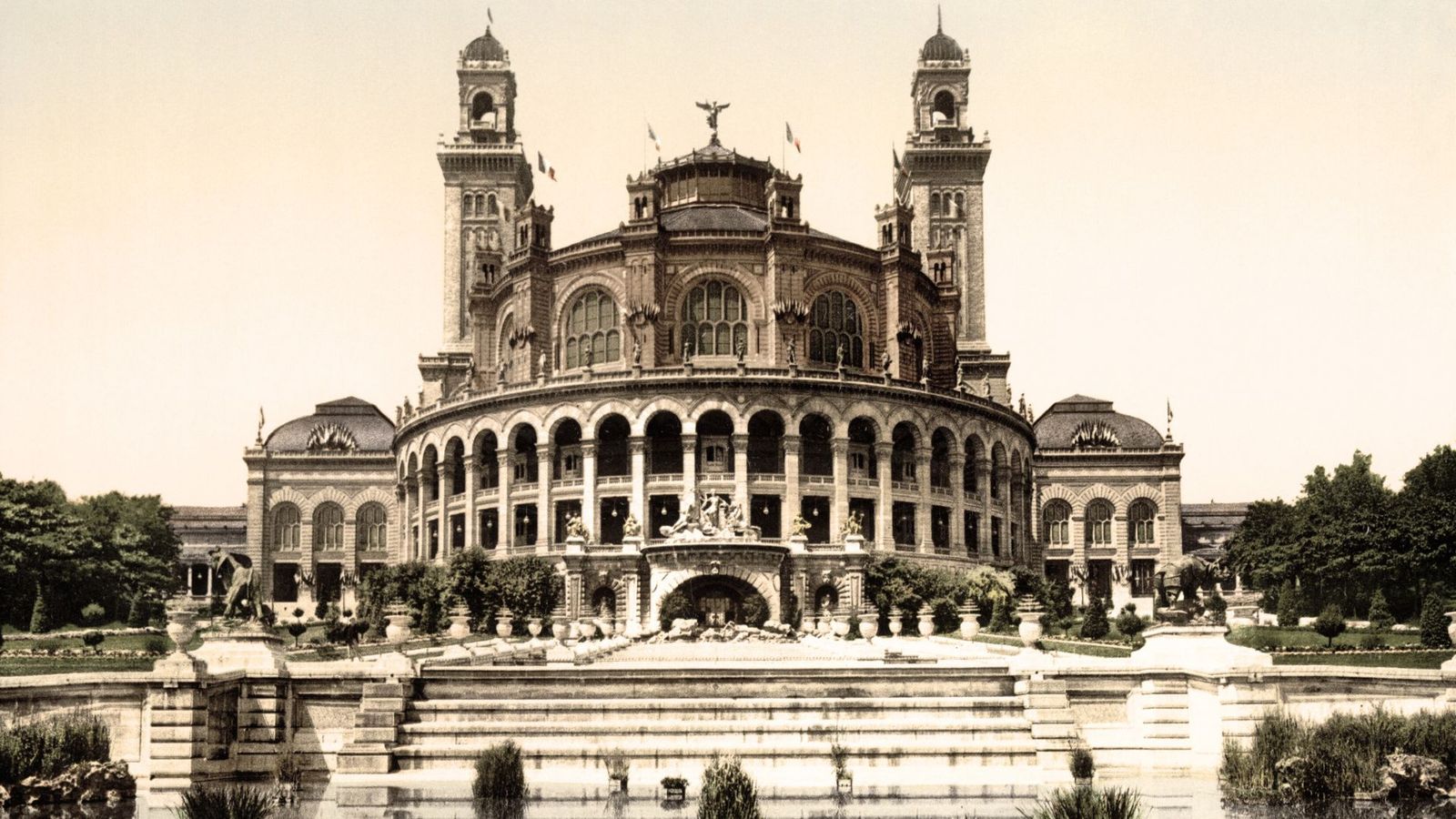
Large exhibition palace built for the 1878 Exposition Universelle on the heights of Passy with eclectic architecture. It was demolished in 1935 to allow construction of the Palais de Chaillot for the 1937 exposition.
16 – Gibet de Montfaucon
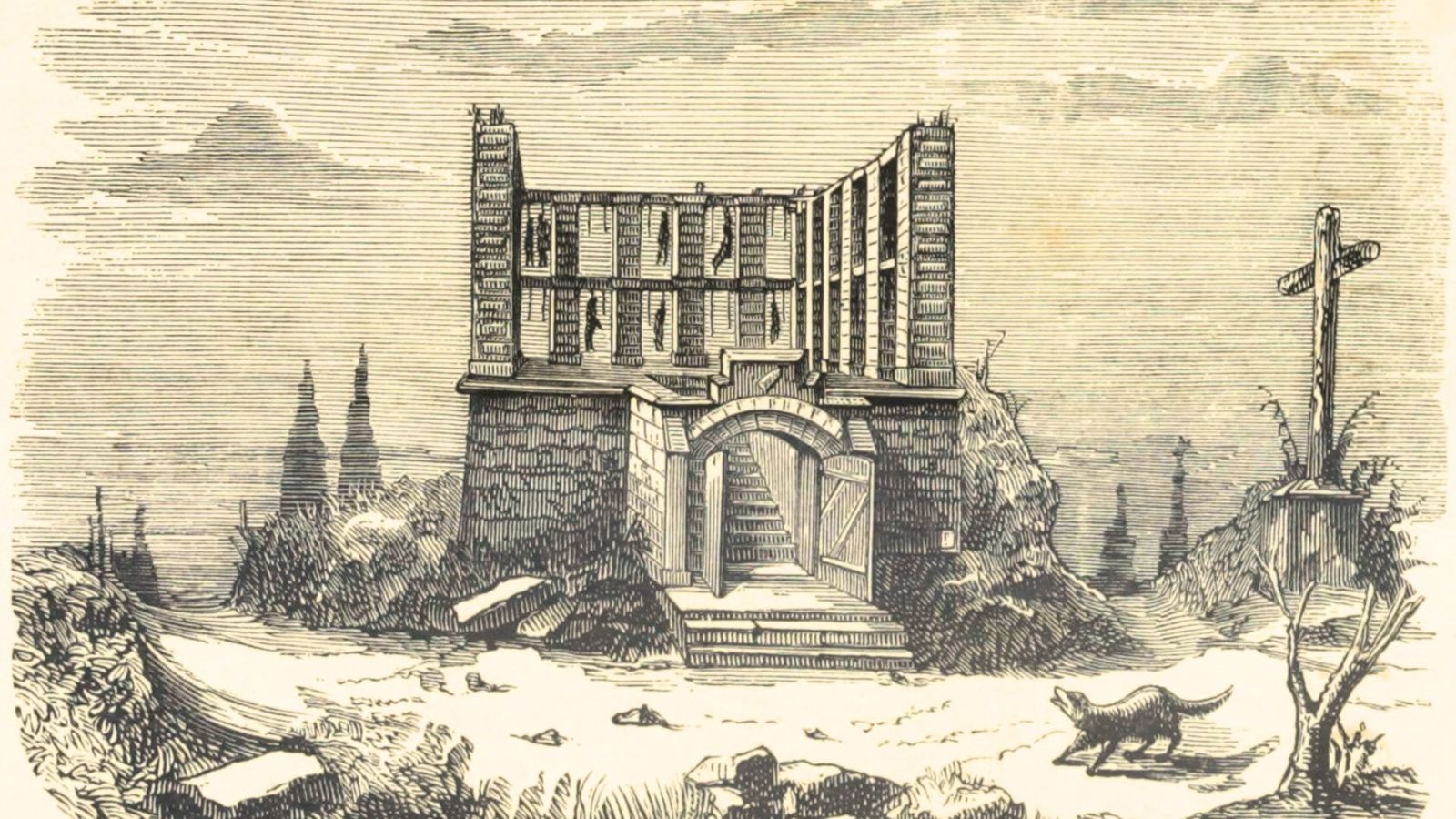
Principal site of medieval gallows established in the 11th century outside then‑Paris, notable for public executions and deterrence. It remained in use through the early modern period and was removed in the 18th century as the city expanded.
17 – Abattoirs de la Villette
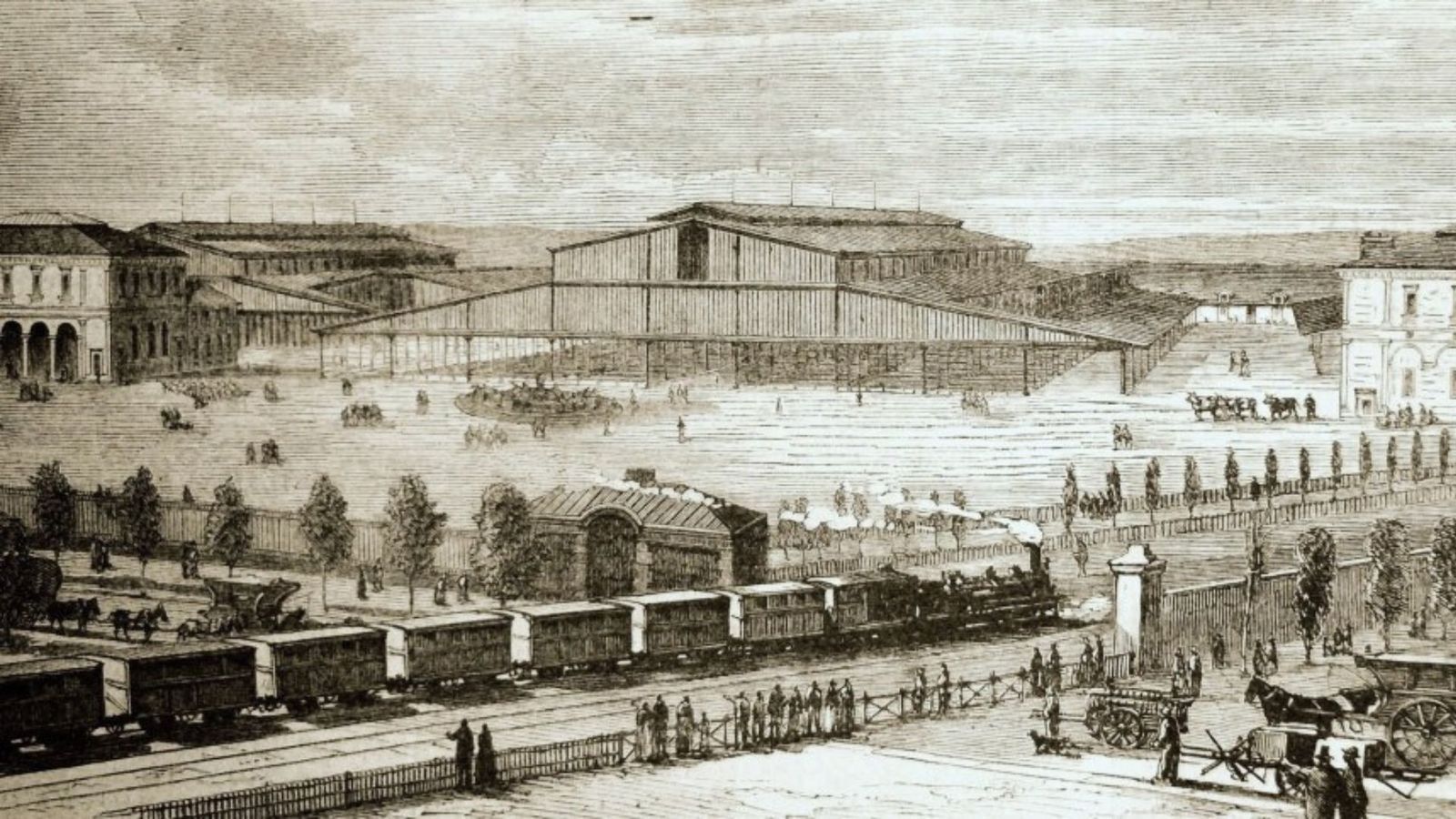
Extensive slaughterhouse complex created under Haussmann in the mid‑19th century, pivotal in Paris’s meat processing. By the 1970s it was deemed outdated; operations were suspended from 1974, and much of the site was demolished, with portions repurposed (e.g., La Grande Halle de la Villette).
18 – Grande Roue de Paris
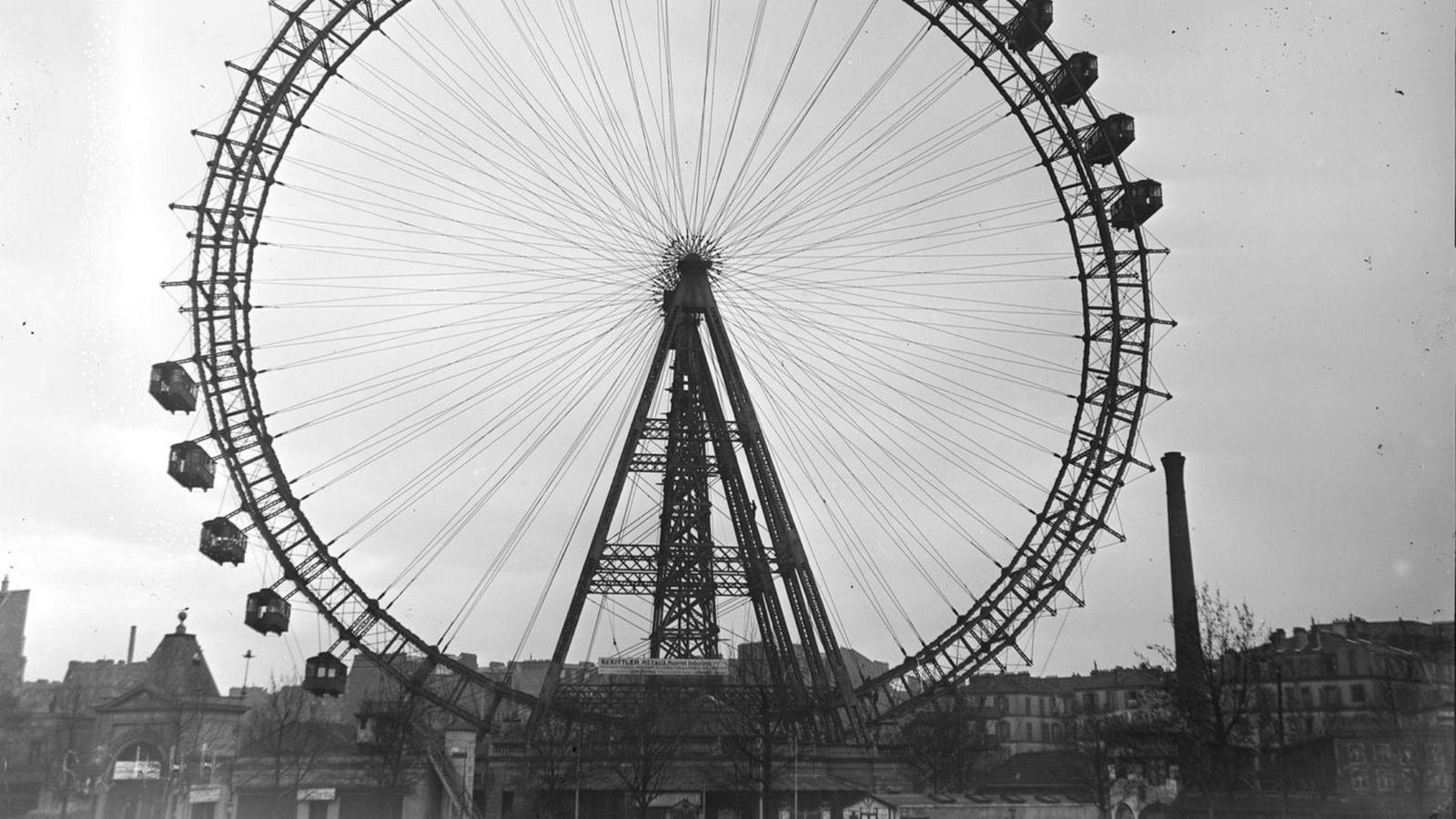
A giant Ferris wheel erected for the 1900 Exposition Universelle near the Champ‑de‑Mars, offering panoramic views of the capital. It was dismantled after the exposition; the exact removal year varies in accounts but it did not persist into the 20th century’s later decades.
19 – Colisée de Paris
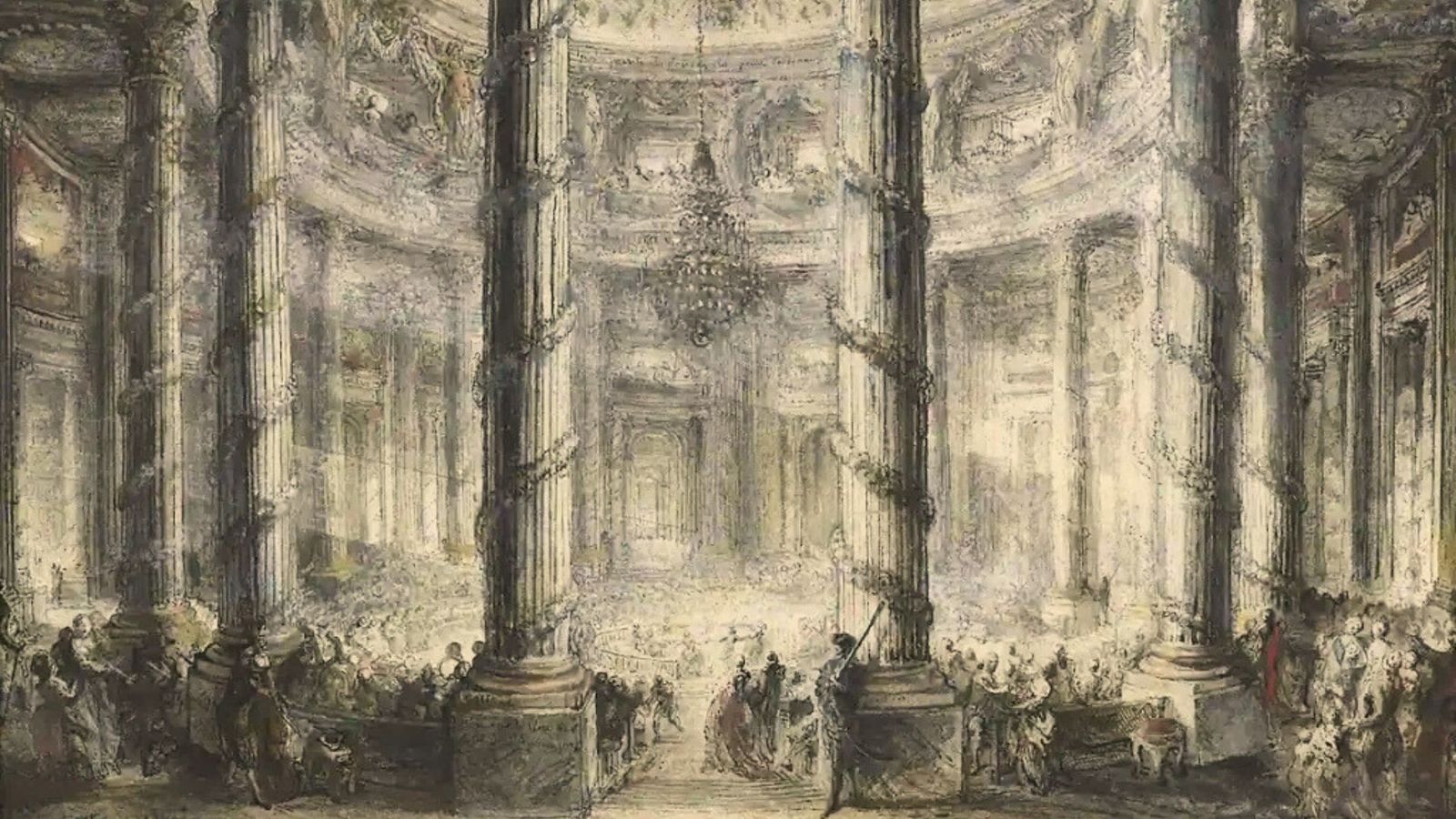
An 18th‑century large entertainment hall near the Champs‑Élysées used for spectacles including mock naval battles and fairs. It faded from relevance and was eventually demolished as the area modernised.
20 – Château de Chaillot
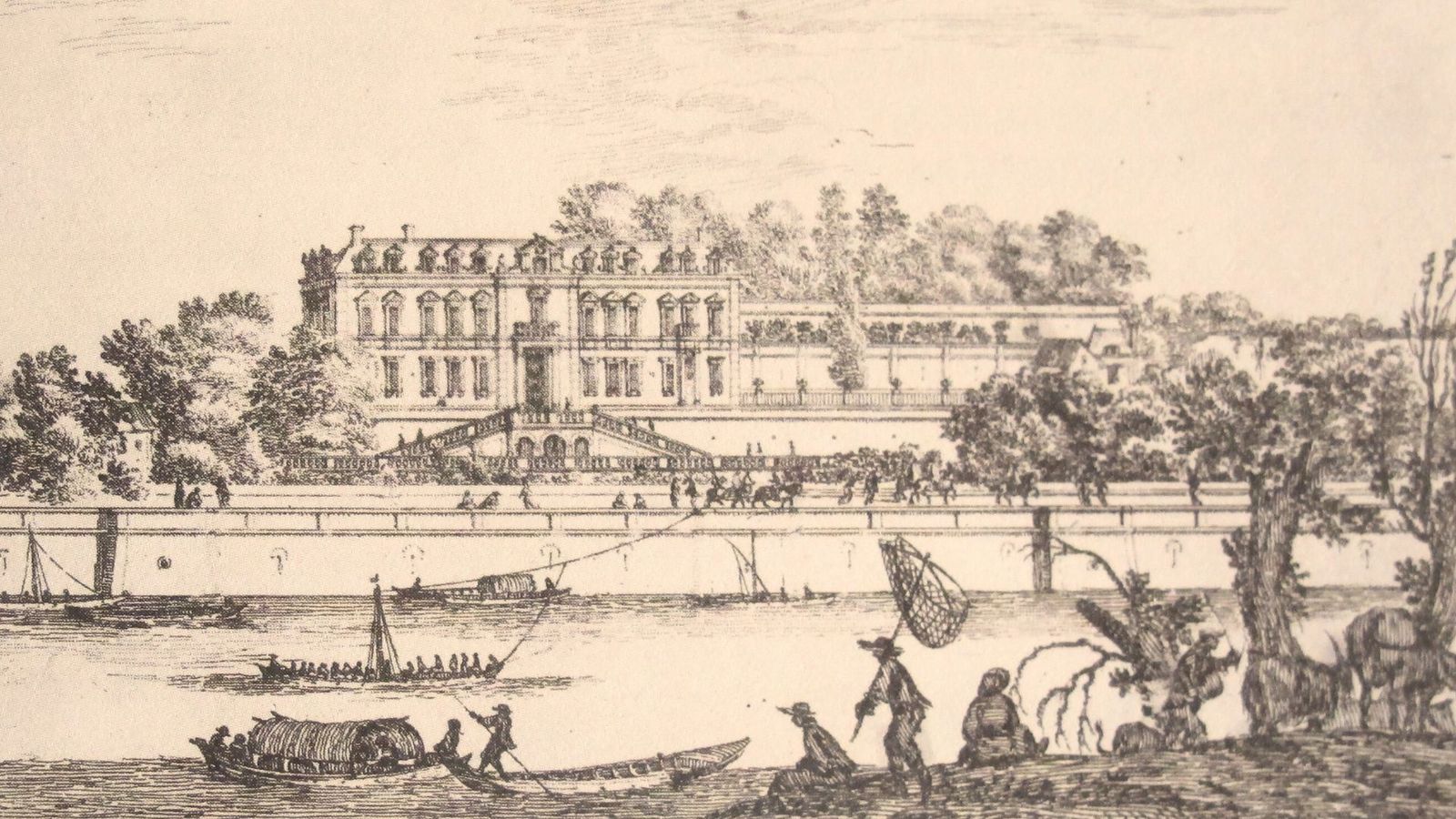
Predecessor to the Palais de Chaillot on the Passy heights; the original château was demolished in the late 19th century to support the 1878 exposition’s Trocadéro construction.
21 – Viaduc d’Auteuil
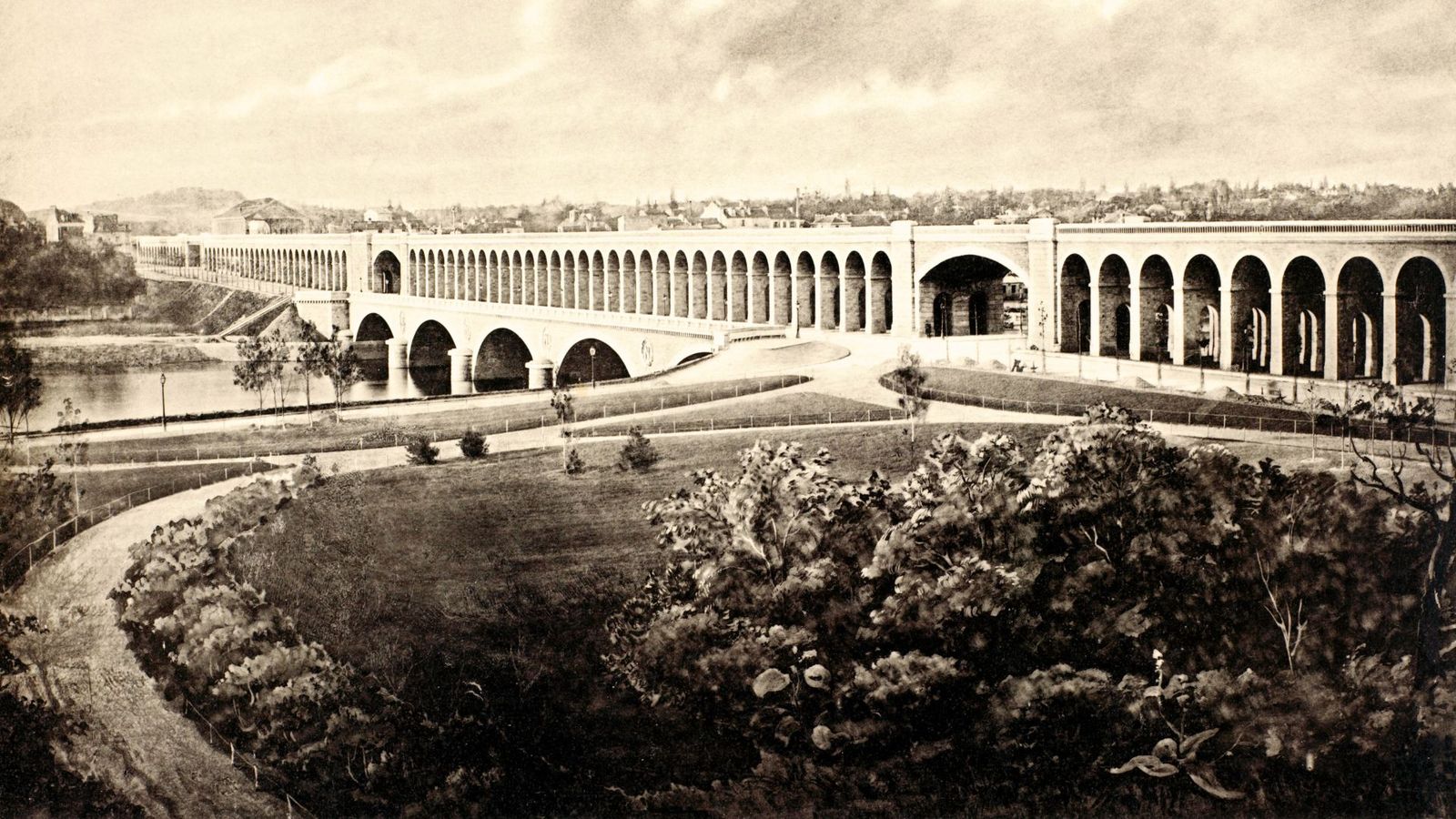
Part of the 19th‑century railway infrastructure in the 16th; much of the iconic viaduct carrying the Auteuil line was later dismantled in the 20th century as rail services were reconfigured, but remnants inform current urban landscape and greenways.
Although these landmarks are gone, their stories still shape the streets of Paris, which lost place would you most want to visit if time travel were possible?