The Palace of Versailles lies about twelve miles southwest of Paris. What began as a modest hunting lodge was expanded in stages during the reign of Louis XIV into the political center of France.
By the late seventeenth century, the court, the government, and the king himself had moved there permanently. The palace was designed not only to house power, but to display it.
The hall that would define royal ambition: birth of the Galerie des Glaces

One room in particular came to define that ambition. It is long and narrow, running along the western side of the palace, overlooking the gardens; the Galerie des Glaces, also know as the Hall of Mirrors.
Its walls are lined with reflective glass, its ceiling painted with scenes celebrating the reign of Louis XIV. At the time of its construction, nothing like it existed in Europe.
The mirrors were the most important feature of the room, and the hardest to obtain.
Murano mirrors: Venice’s best-kept secret that shaped European luxury
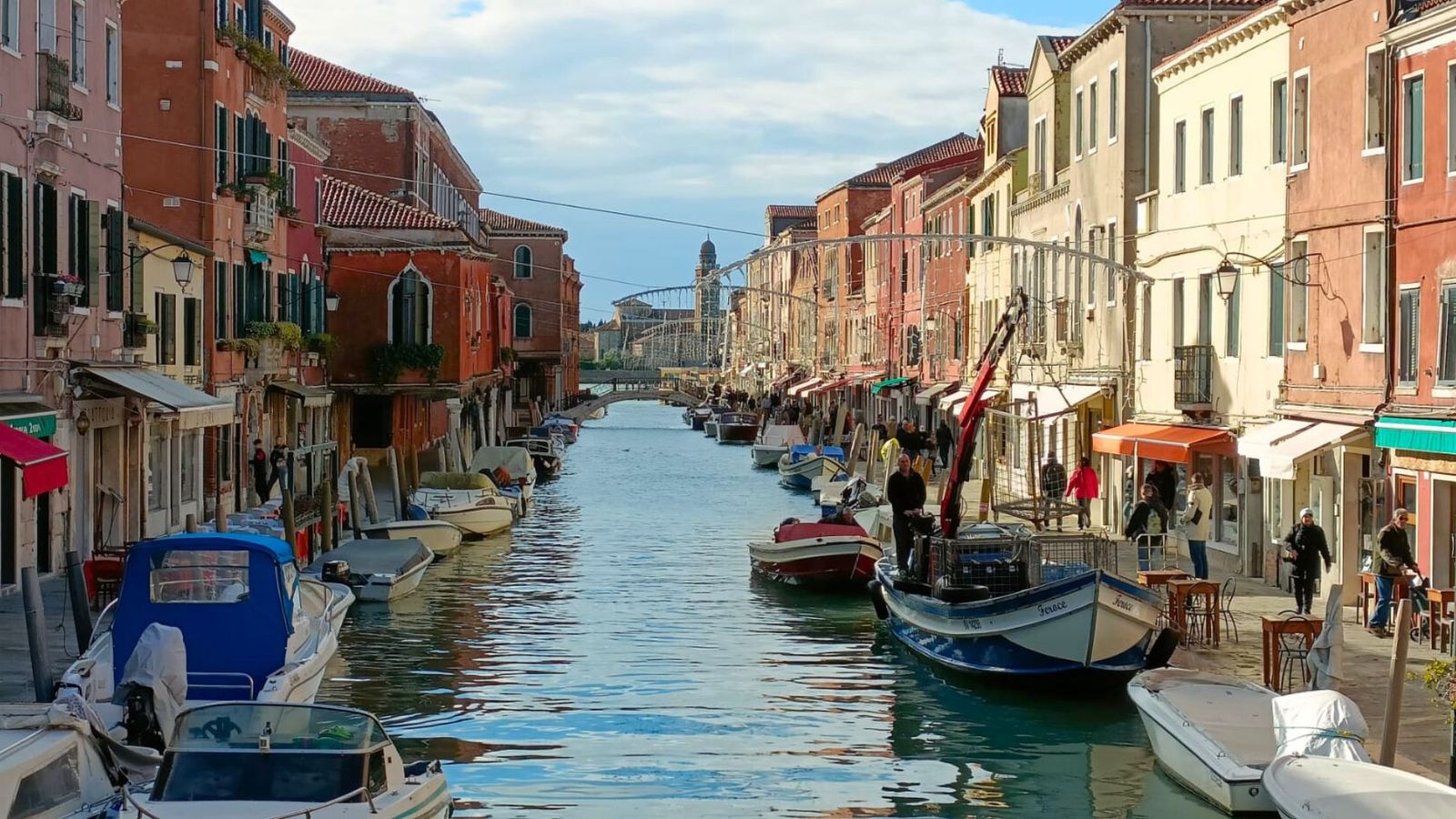
In the seventeenth century, nearly all high-quality mirrors in Europe came from one place: Murano, an island in the Venetian lagoon.
For centuries, Venetian glassmakers had developed techniques that others could not replicate. They produced clear, nearly colorless glass and coated it with a reflective amalgam of tin and mercury. The result was a mirror brighter and more accurate than anything made elsewhere.
The Venetian Republic treated this knowledge as a state secret. Glassmakers were forbidden to leave Murano without permission. The techniques of glassmaking were closely guarded, passed down within families.
Murano mirrors were expensive, fragile, and coveted. They were exported across Europe and installed in royal residences, often as individual luxury objects rather than architectural features.
When mirrors appeared in French palaces before Versailles, they were imported from Venice.
Louis XIV’s ambition sparks a mirror revolution in France
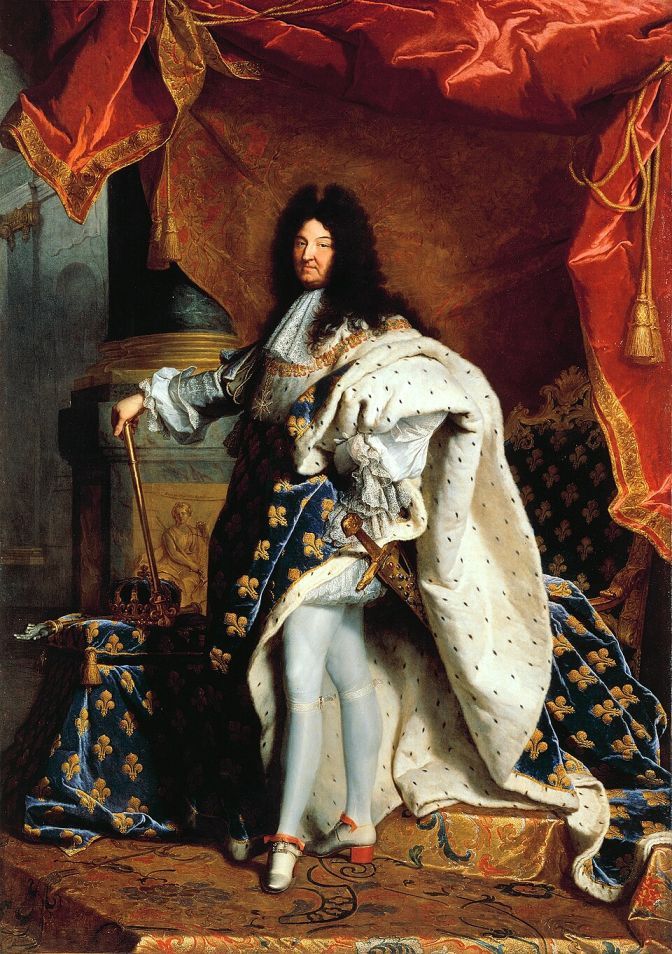

By the 1660s, Louis XIV had begun a major expansion of Versailles. The king wanted a palace that would rival or surpass any court in Europe.
That ambition created a practical problem. Filling a large ceremonial gallery with Venetian mirrors would be extraordinarily costly and would advertise France’s dependence on a foreign power for one of its most prestigious luxury goods.


Jean-Baptiste Colbert, the king’s chief minister, sought an alternative. In 1665, he established the Manufacture royale de glaces et de miroirs.
The goal was to produce mirrors in France, using French labor, for royal projects. At the time, France did not possess the necessary expertise.
Smuggling expertise across borders: Venetian glassmakers in France
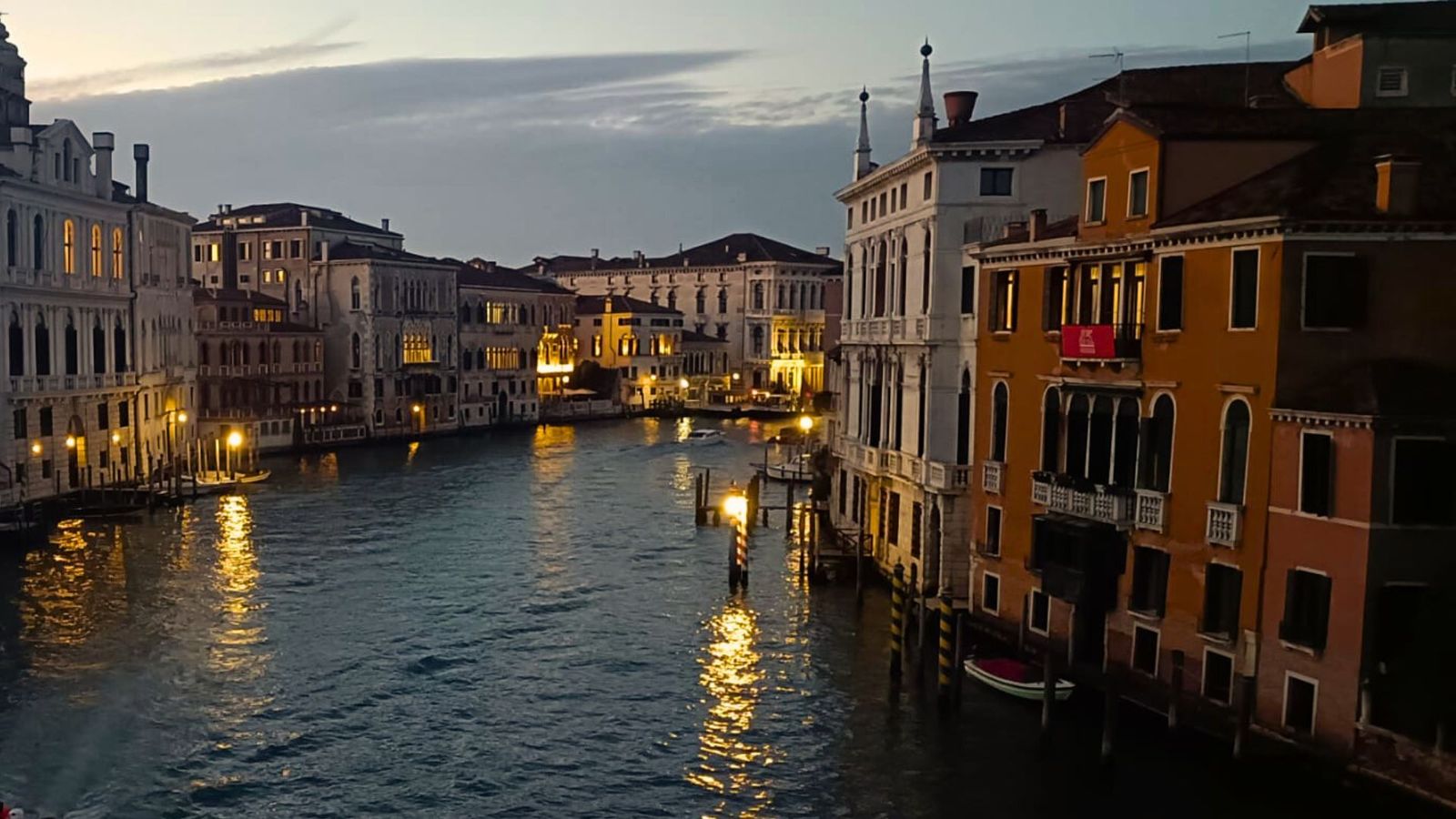
To solve that problem, Colbert recruited glassmakers from Venice. Some came openly, others in secret. They brought with them the methods used in Murano: glass preparation, polishing, and mirror coating.
Venetian authorities objected and attempted to stop the departures. The movement of craftsmen across borders became a source of diplomatic tension.
The first French mirrors were uneven in quality. The workshops struggled with breakage and defects. But the presence of Murano-trained artisans allowed the industry to stabilize.
From blown glass to table-poured innovation: France surpasses Venice
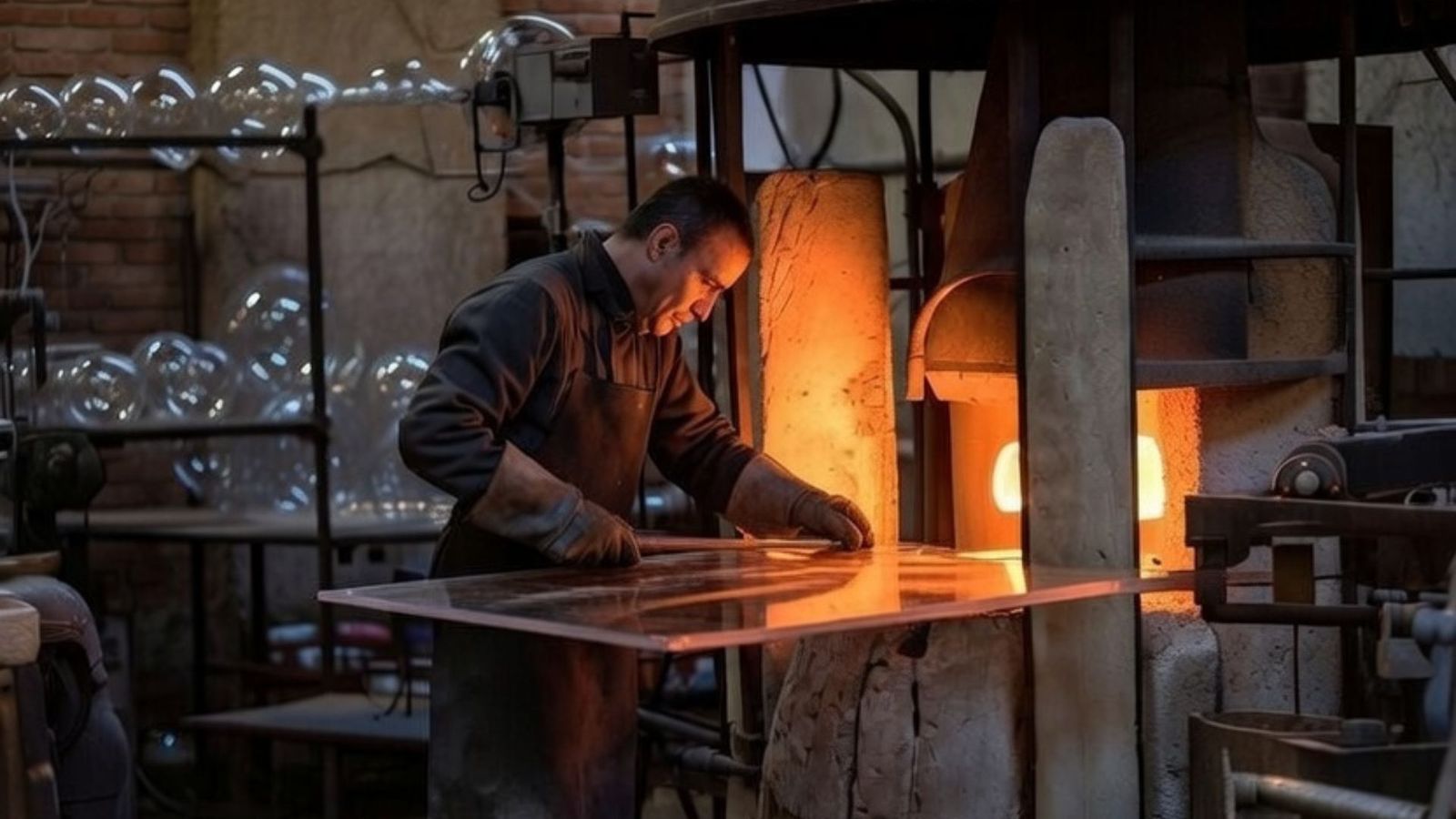
Over time, French manufacturers began to diverge from Venetian practice. Murano mirrors were made from blown glass, a method that limited the size of each piece.
French workshops developed a different approach: pouring molten glass onto flat tables, then grinding and polishing it once cooled. This technique made it possible to produce larger mirror plates with more consistent surfaces.
By the late 1670s, French mirrors could be made in dimensions that Venetian workshops could not easily match. The shift was gradual, but its implications were clear.
France was no longer simply copying Murano. It was developing a competing, and in some respects superior, production system.
The construction of the Hall of Mirrors: a symphony of light and grandeur
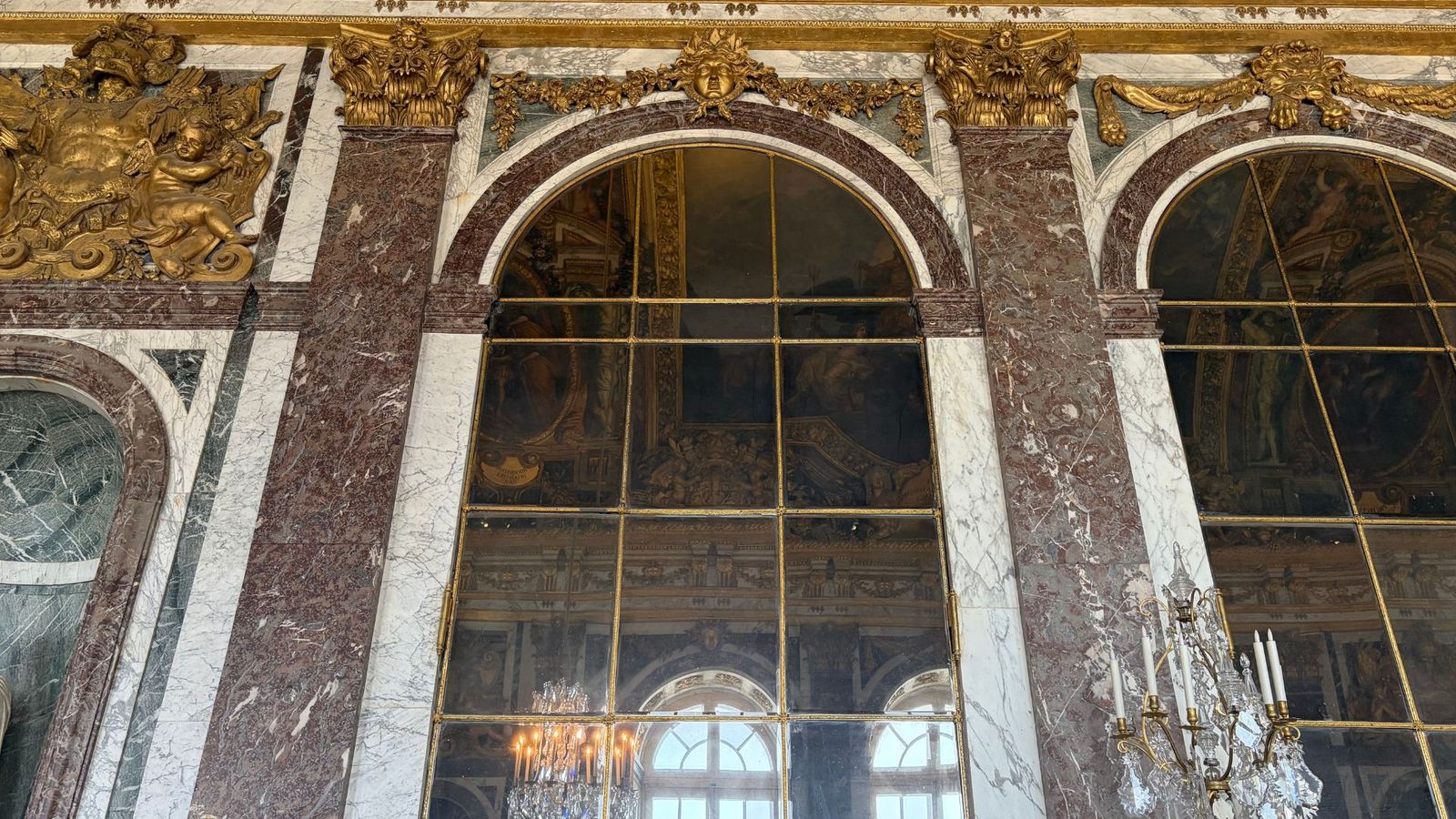
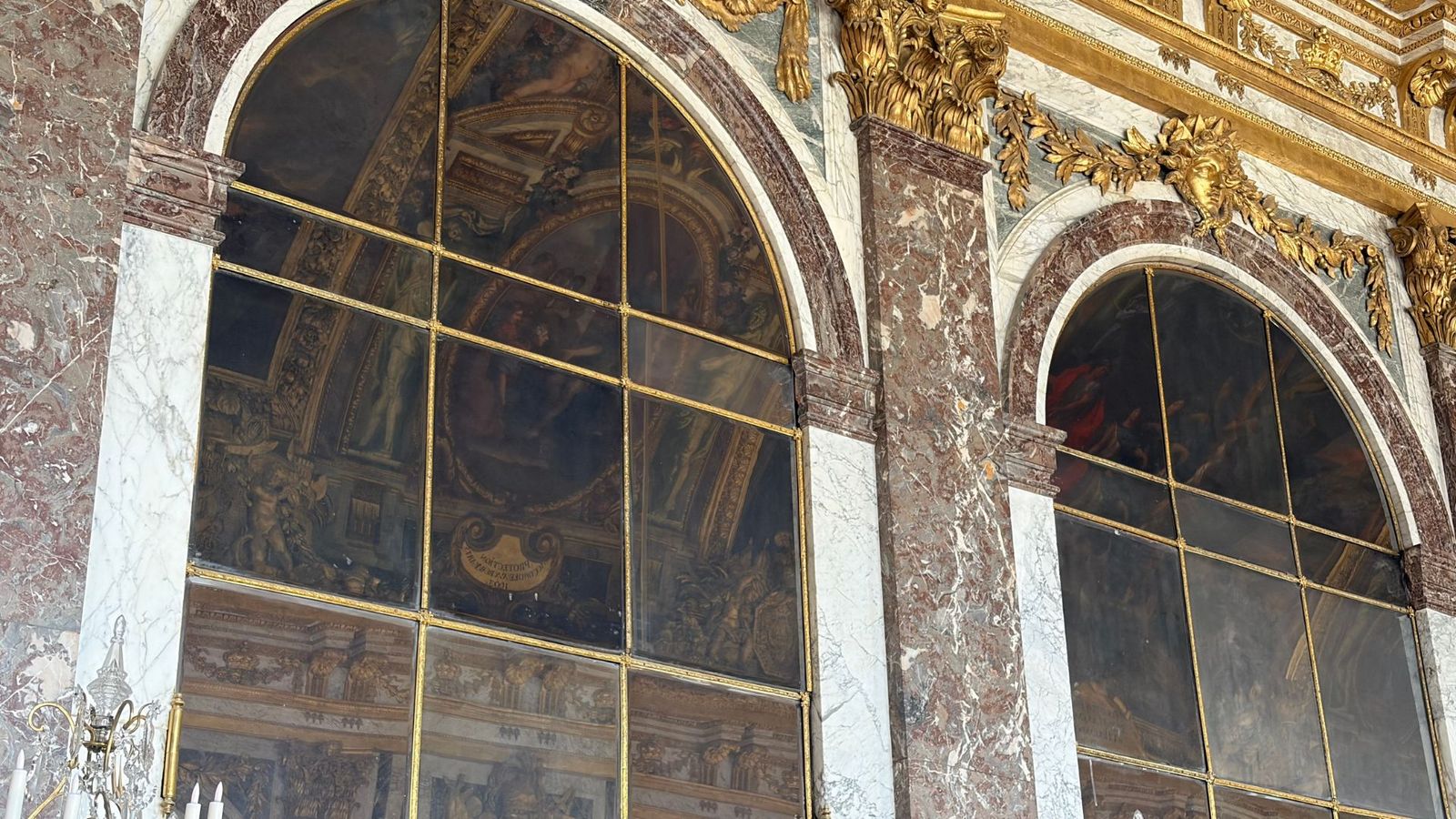
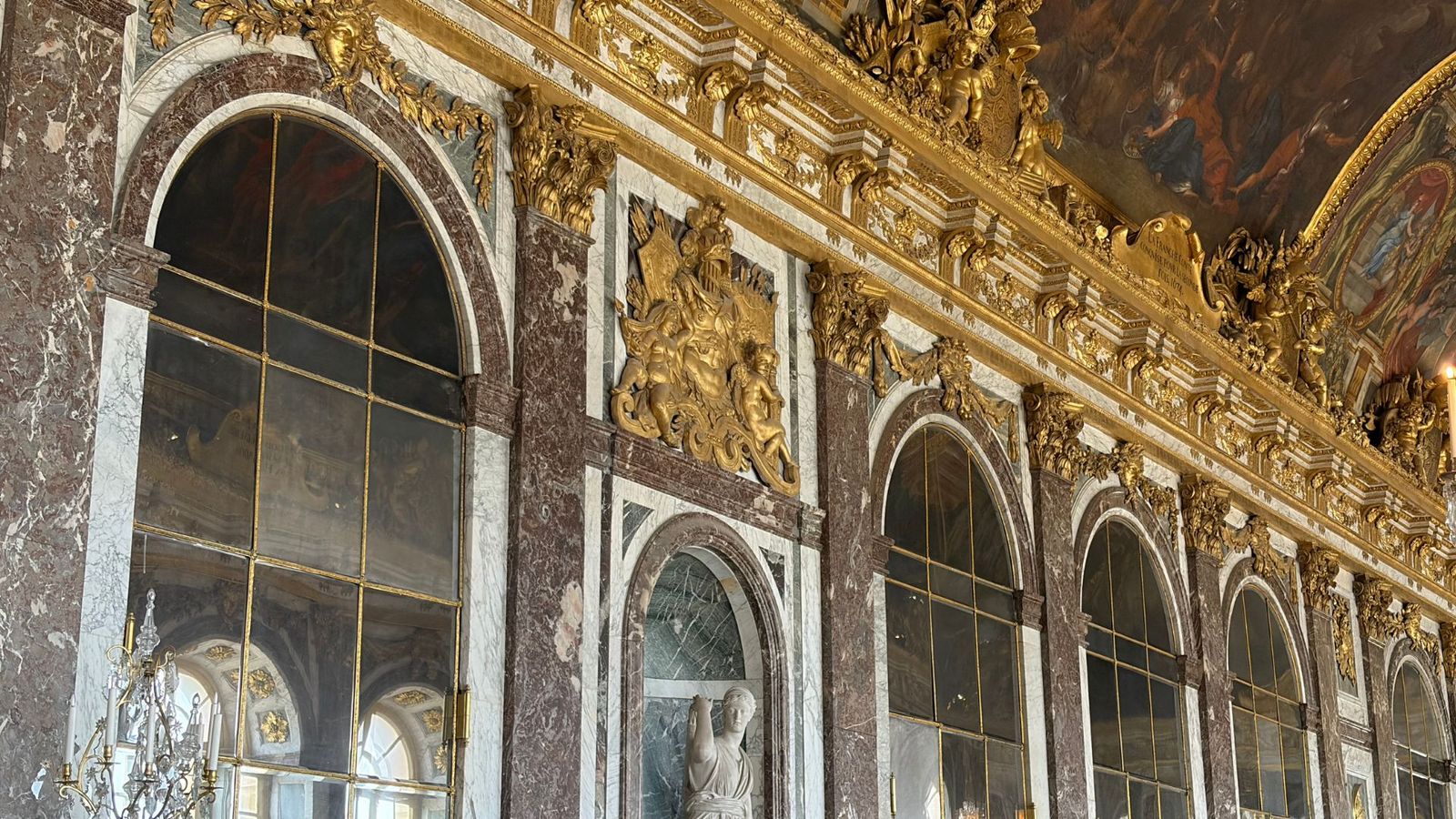
Between 1678 and 1684, the west-facing terrace of Versailles was enclosed to create a long gallery.
On one side, seventeen tall windows opened onto the gardens designed by André Le Nôtre. Opposite them, seventeen arcades were filled with mirrors. In total, 357 mirror plates were installed.
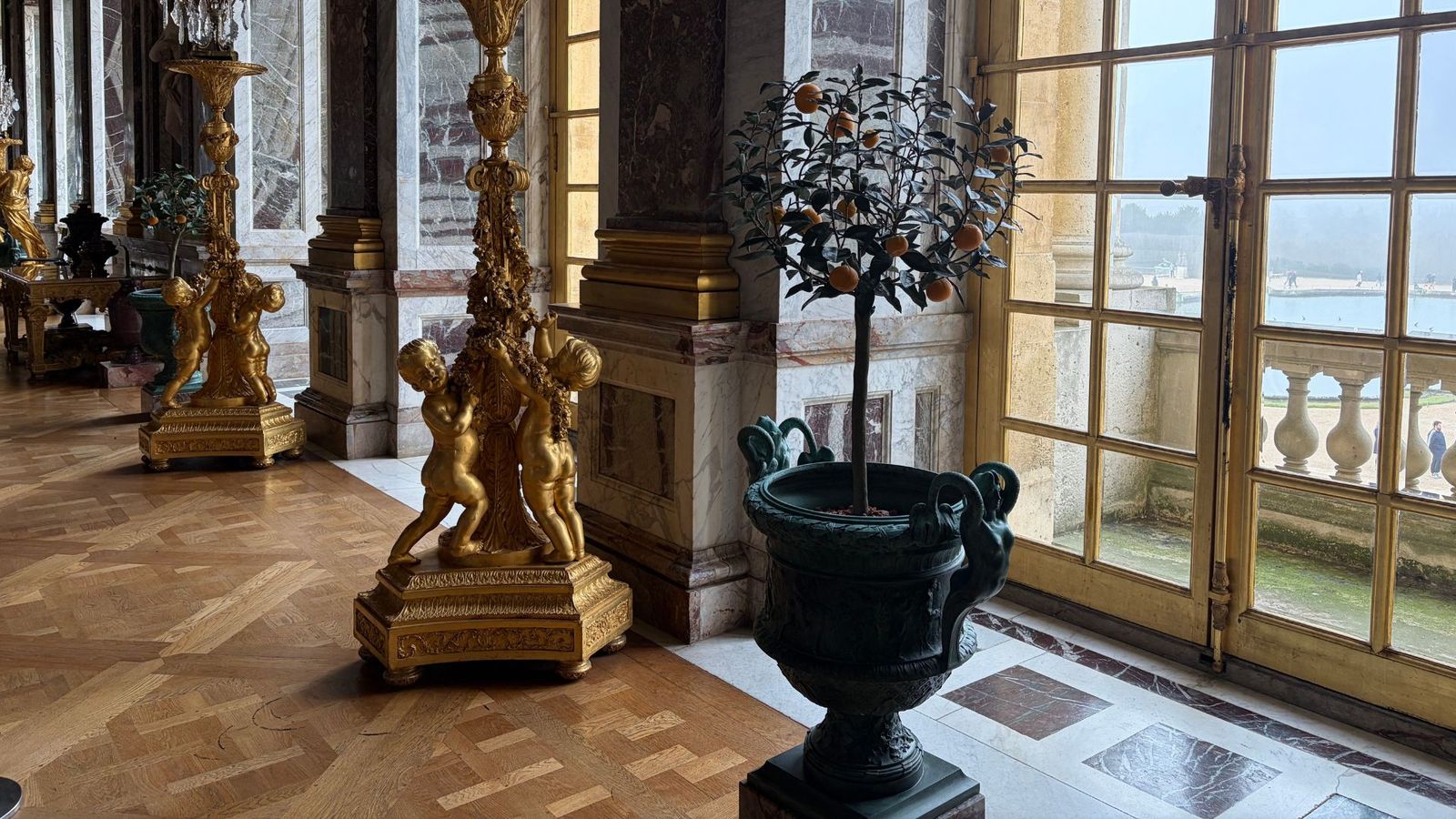
The gallery measured roughly seventy-three meters in length. It connected two important ceremonial rooms, the Salon of War and the Salon of Peace.
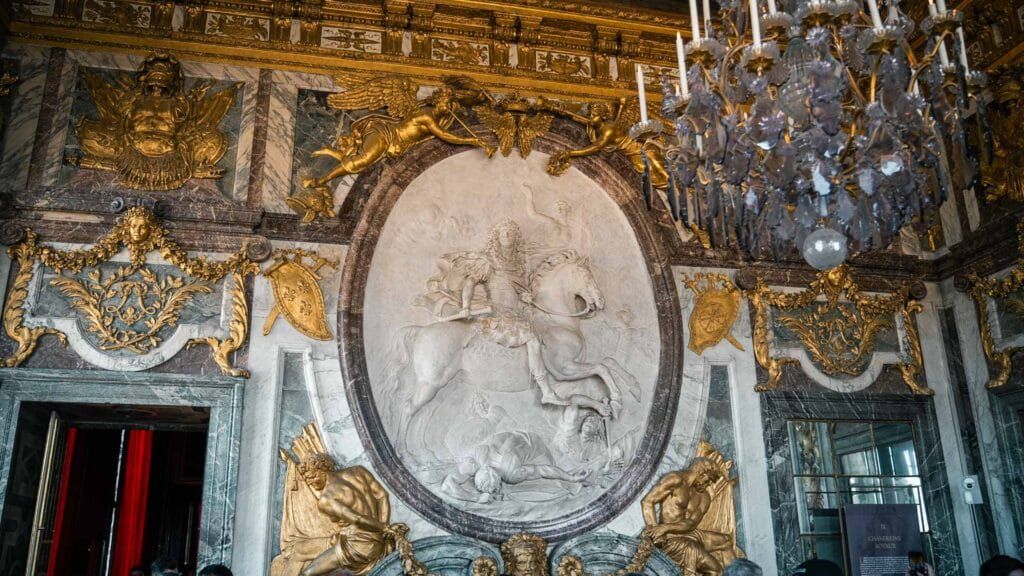
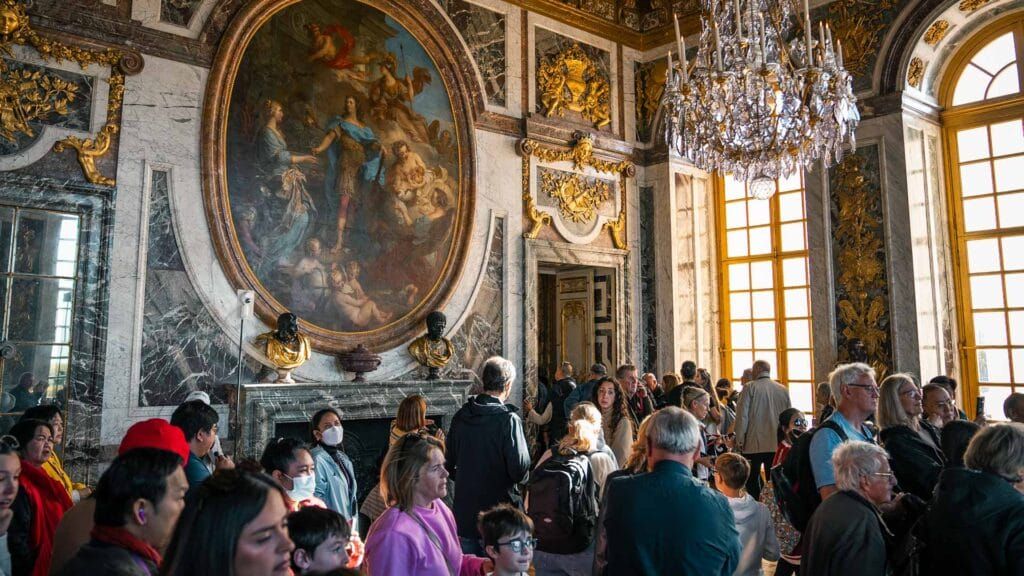
The ceiling paintings, executed by Charles Le Brun, depicted scenes from the early reign of Louis XIV, including military victories and administrative reforms.
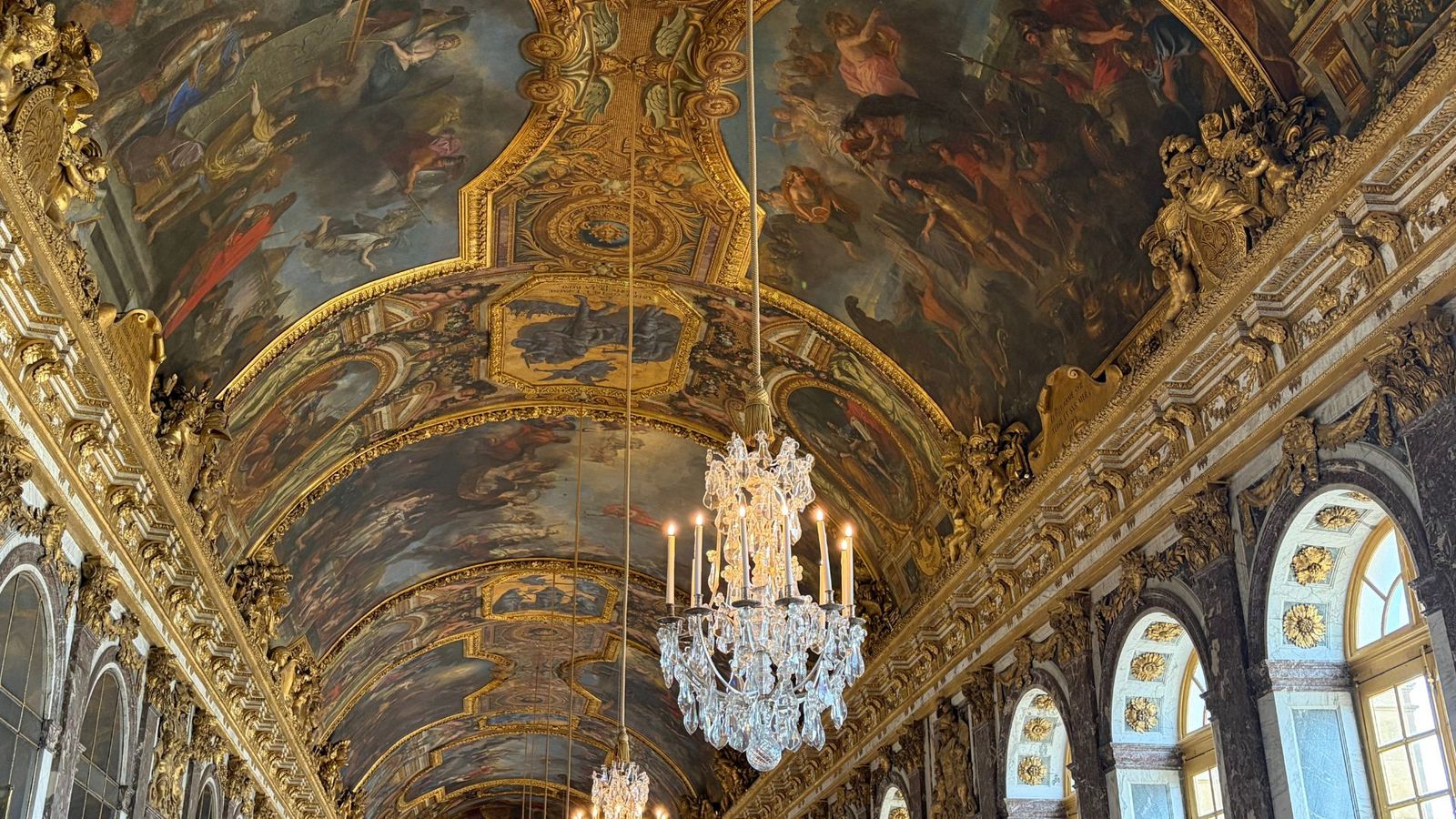
The mirrors amplified the effect of the space. Daylight from the gardens was reflected across the room. At night, candlelight multiplied along the walls. The gallery became the setting for receptions, ceremonies, and diplomatic encounters.
At the time of its completion, it was the largest mirrored interior in Europe.
Reflecting nature and power: how mirrors transformed Versailles’ relationship with its gardens
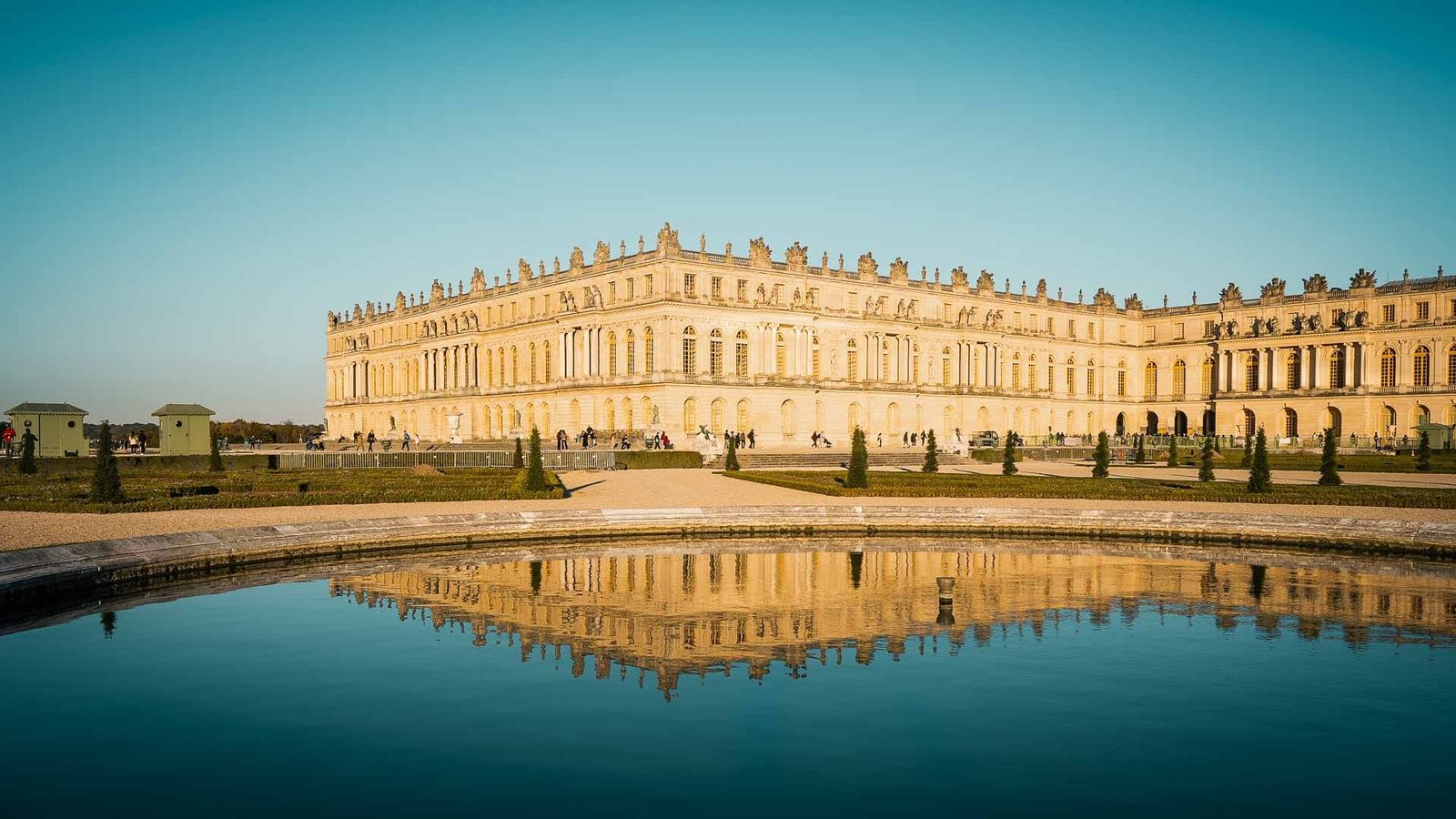

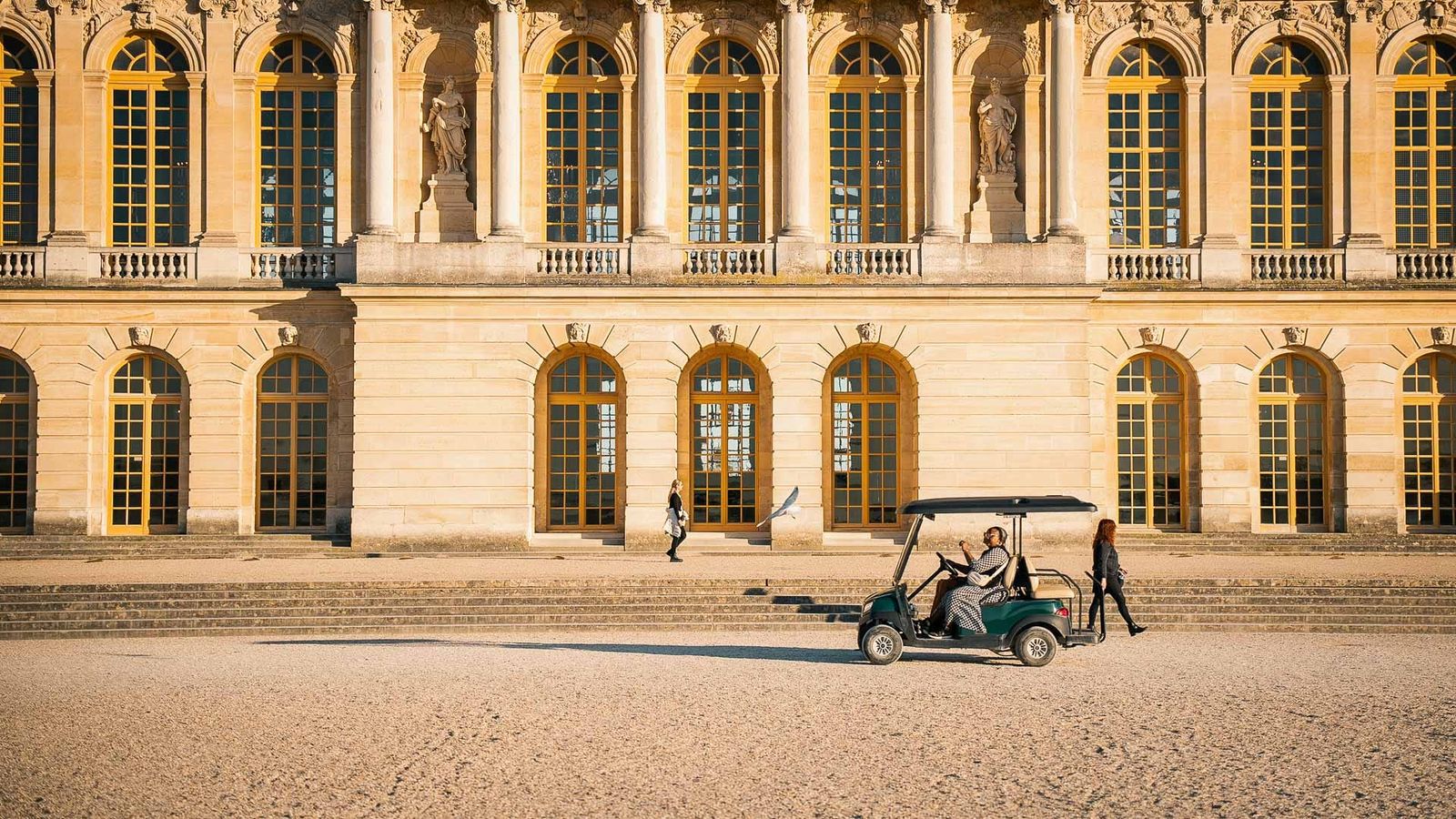
The mirrors also changed how the palace related to its surroundings. The gardens appeared to extend into the interior, reflected repeatedly along the length of the gallery. Visitors walking through the space saw the landscape reproduced beside them, ordered and controlled.
The mirrors were produced in France, but their existence was the result of decades of technical exchange and rivalry. Official descriptions of Versailles emphasized French achievement and did not acknowledge the Venetian origins of the craft.
Murano was absent from the public narrative.
From luxury to diplomacy: mirrors witness history beyond Louis XIV

By the end of the seventeenth century, France had become a major exporter of mirrors. Venetian dominance declined, though Murano remained a center of glassmaking.
The Galerie des Glaces outlived the political system that created it. In 1871, after France’s defeat in the Franco-Prussian War, the German Empire was proclaimed there.
In 1919, representatives of the Allied powers signed the Treaty of Versailles in the same room, formally ending the First World War.
The mirrors remained in place through revolutions, restorations, and wars.
Visitors often see the Gallerie des Glaces as a symbol of royal extravagance. The mirrors reflect not only the gardens of Versailles, but a moment when industrial capability became a tool of state power.