Visitors come to Versailles for the palace. They tour the apartments of Louis XIV, cross the Hall of Mirrors, wander the gardens. Fewer walk beyond the gates into the surrounding town.
A ten-minute walk from the château, in the Saint-Louis neighborhood, stands the Salle du Jeu de Paume, the Royal Tennis Court. It is one of the most important sites of the French Revolution and one of the least visited.
A modest building outside the palace
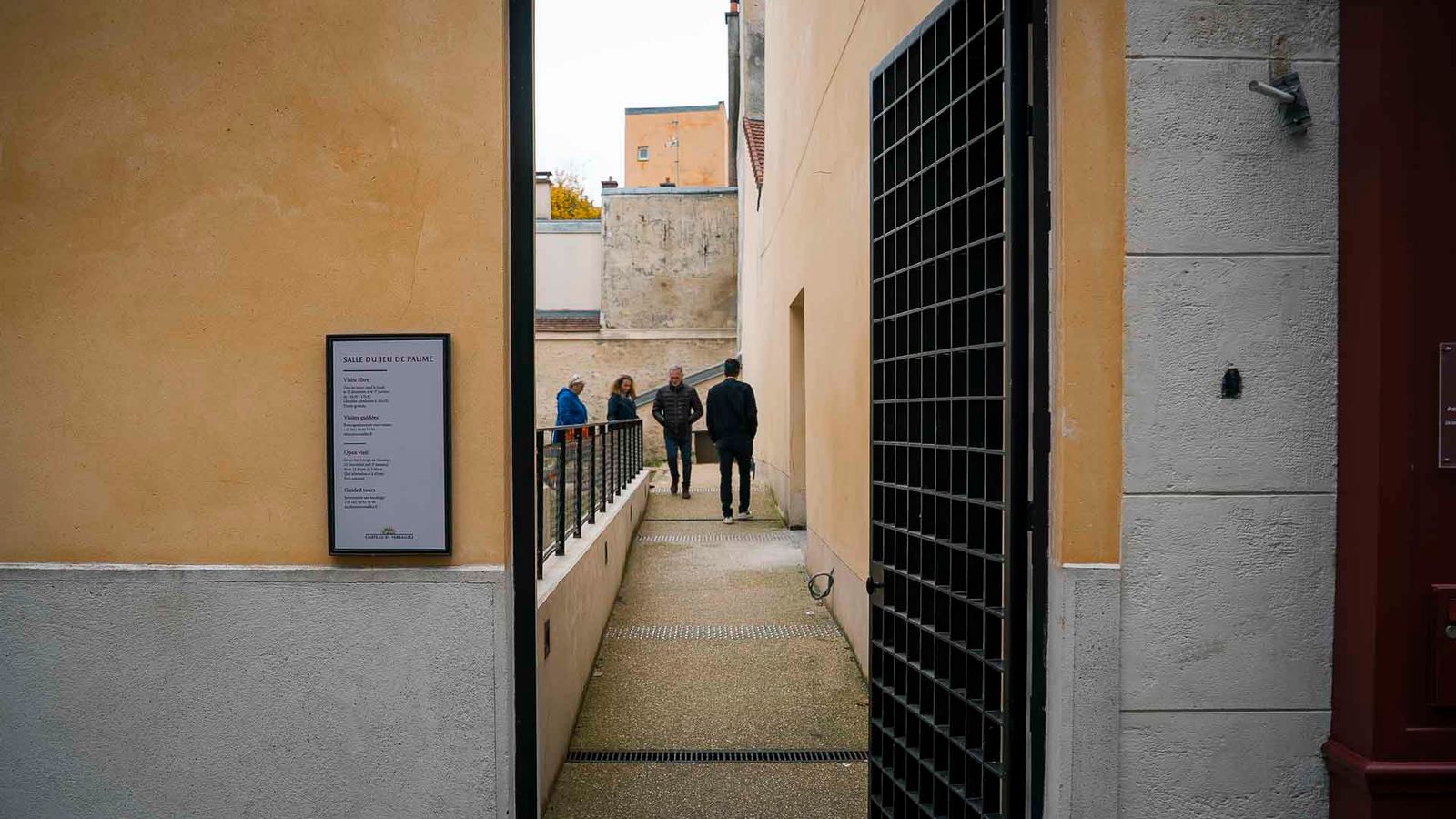
The building, at No. 1 rue du Jeu de Paume, looks modest. Long, narrow, and undecorated from the outside, it was never intended as a political space. It was built in 1686 by Nicolas Creté, a professional tennis master who served the king, at a time when Versailles itself no longer had a court for the game.
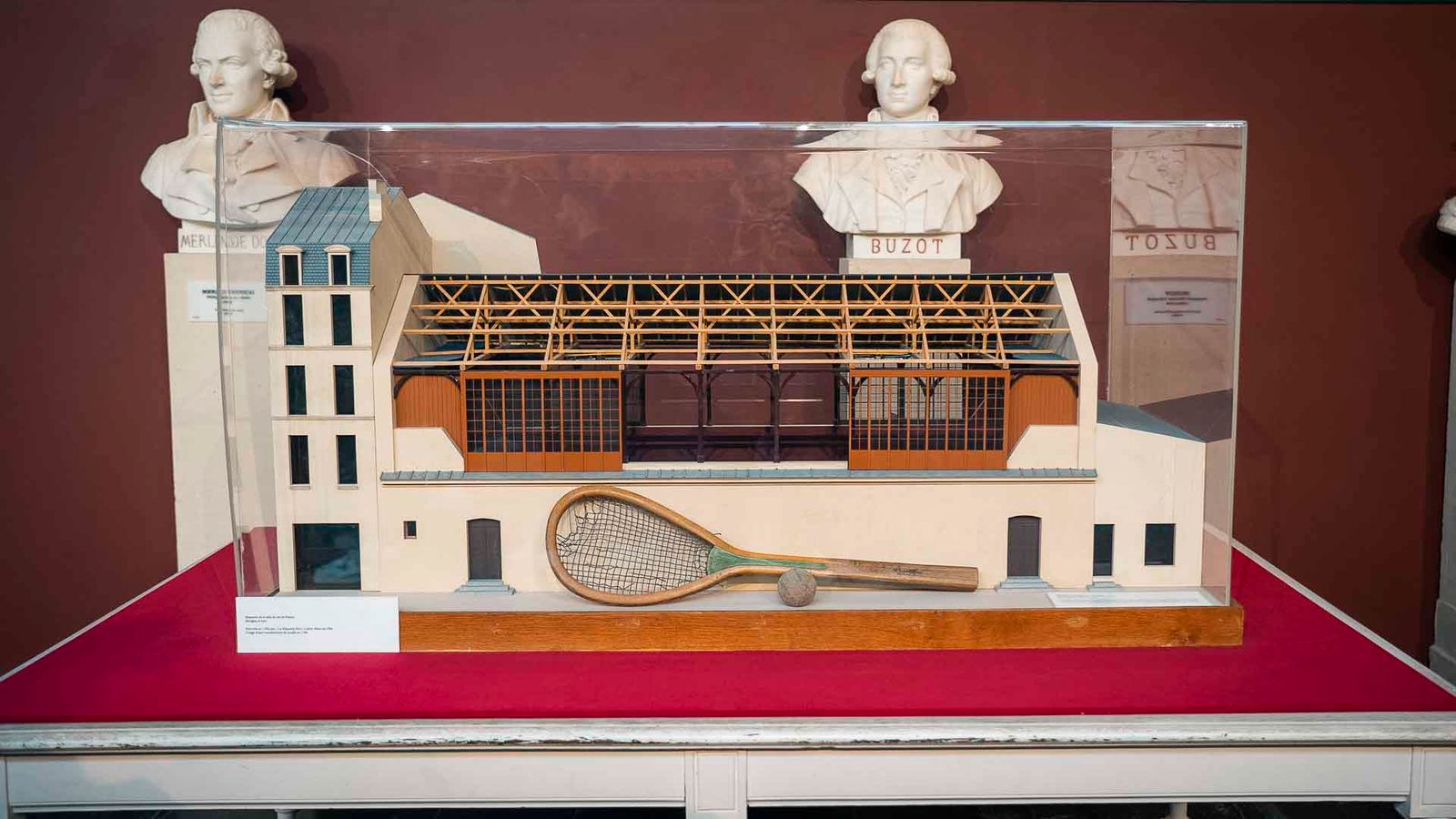
Jeu de paume, the ancestor of modern tennis, was popular at court in the 17th century and formed part of princely education. Louis XIV played here, as did members of the royal family and the court. According to the memoirs of Charles Perrault, the king’s physician even recommended the game as a healthy form of exercise.
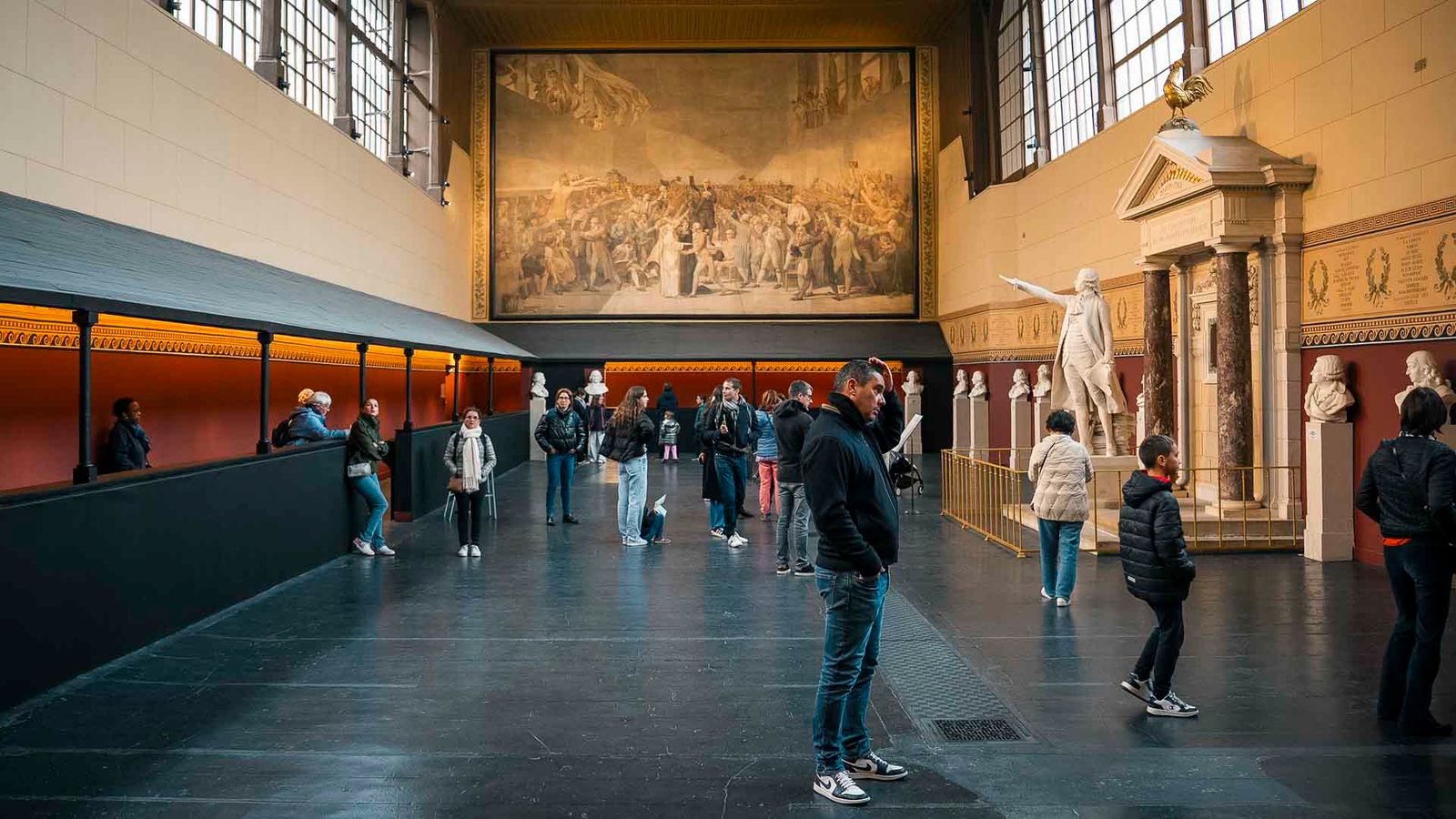
Inside, the architecture reflected its purpose. The room is elongated, measuring roughly 29 meters by 10. The walls were painted dark to help players see the ball. The ceiling was blue and decorated with fleurs-de-lis. It was a private sporting venue, used by the court and Parisian tennis masters. For nearly a century, it had no historical significance.
June 1789: Locked doors and a sudden detour
That changed on June 20, 1789.
At the time, deputies of the Estates-General were meeting in Versailles to address France’s financial crisis. Tensions had escalated quickly. On June 17, representatives of the Third Estate declared themselves a National Assembly, dissolving the traditional division between the three orders of society.
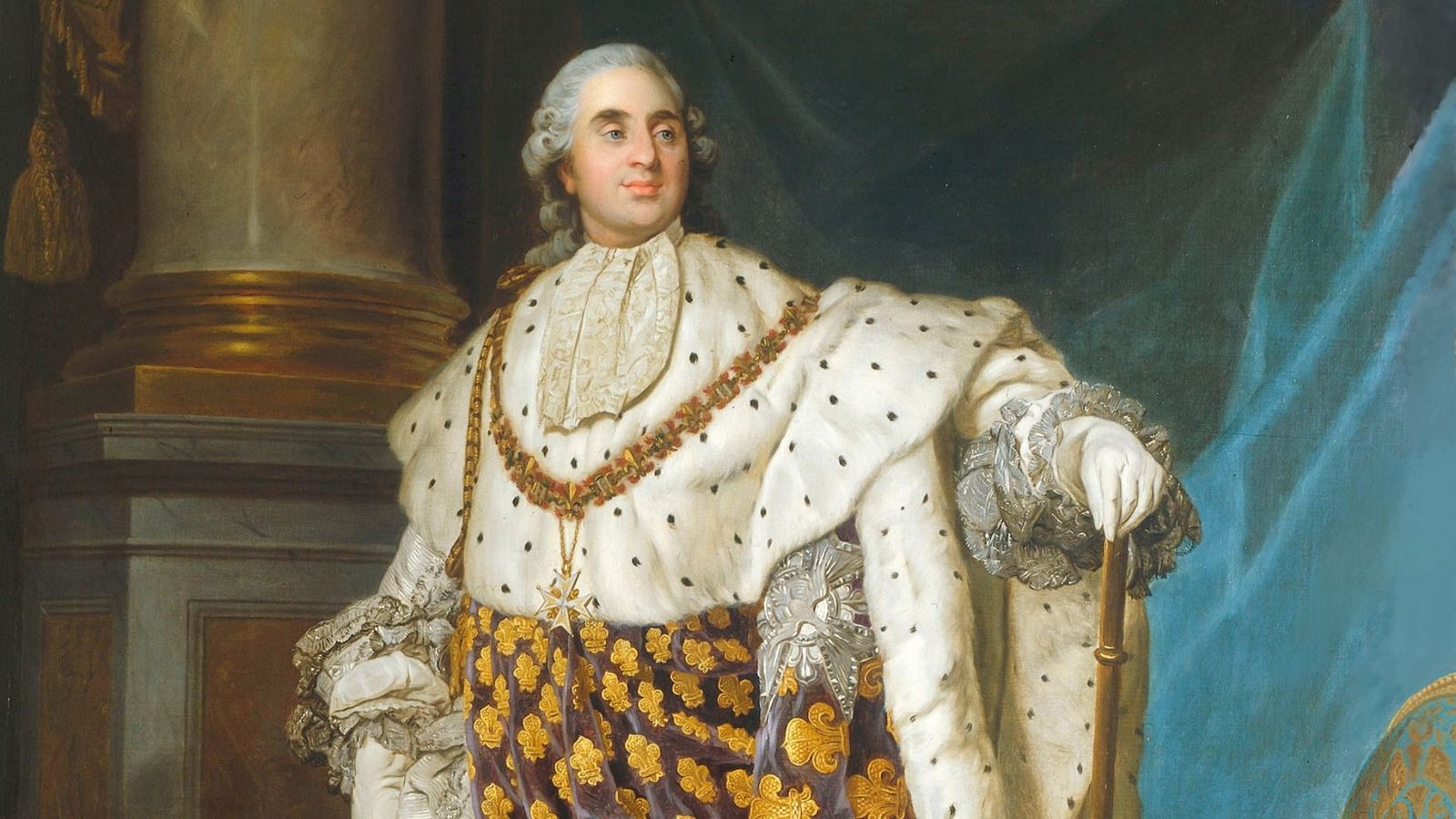
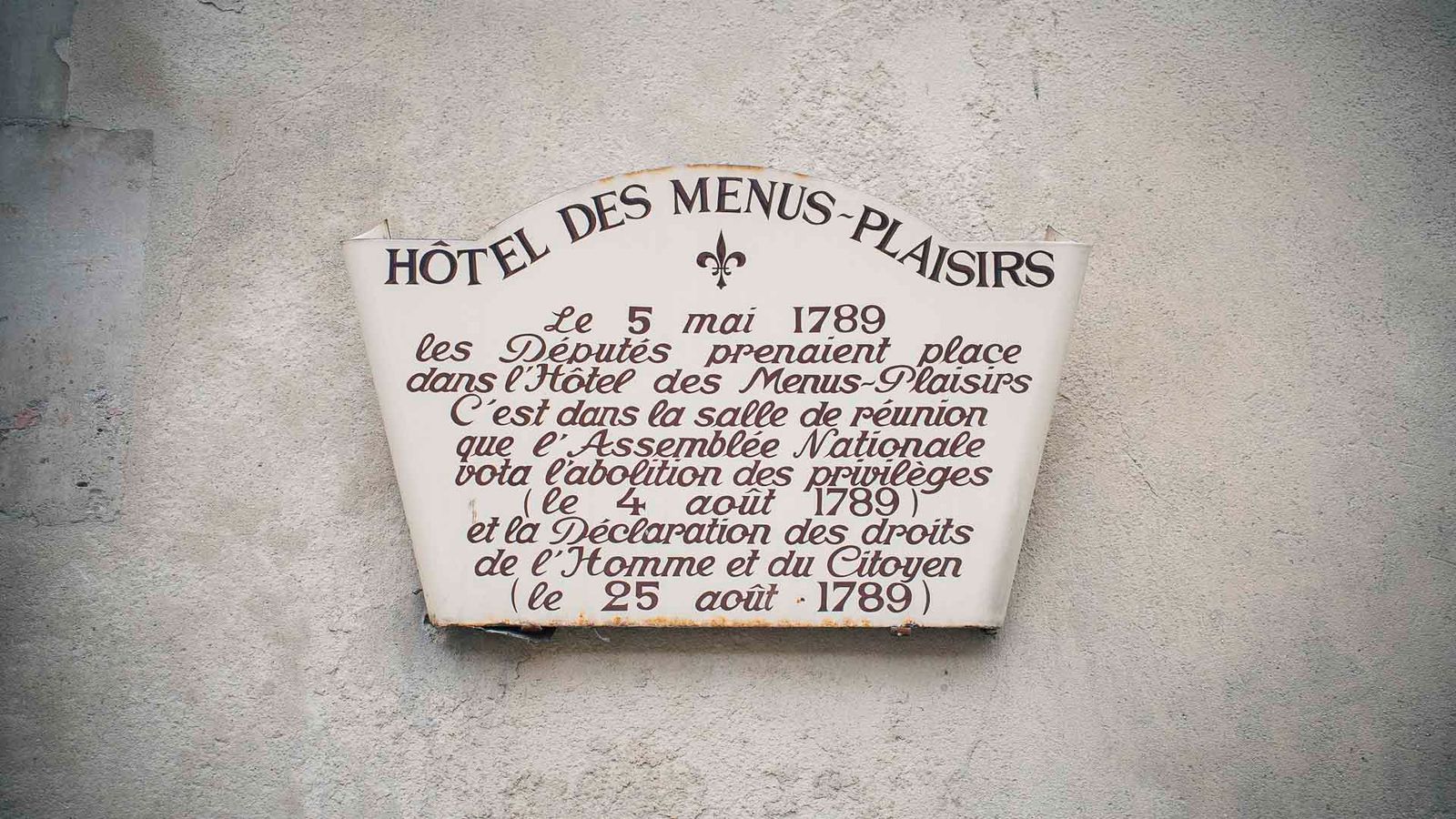
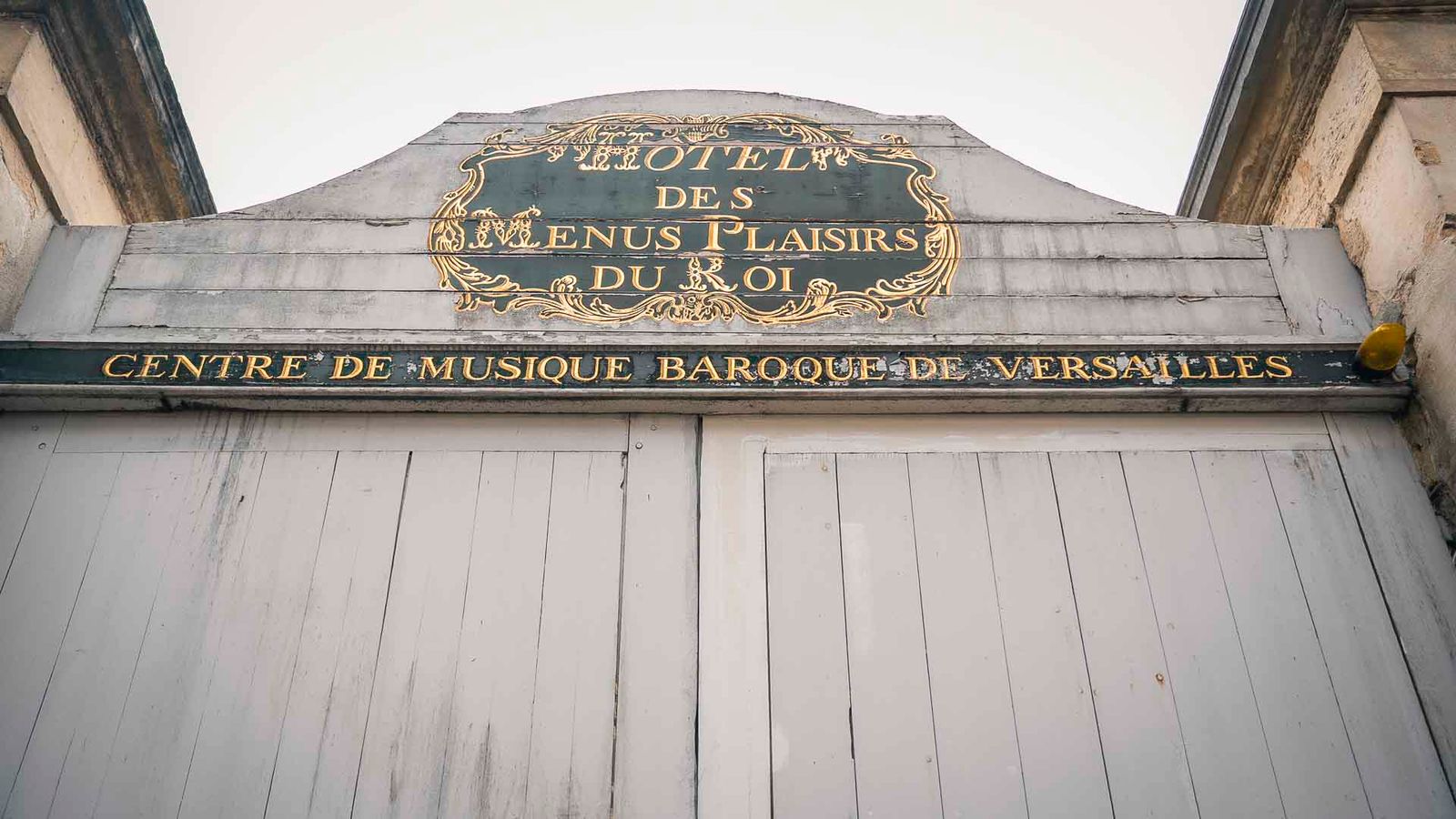
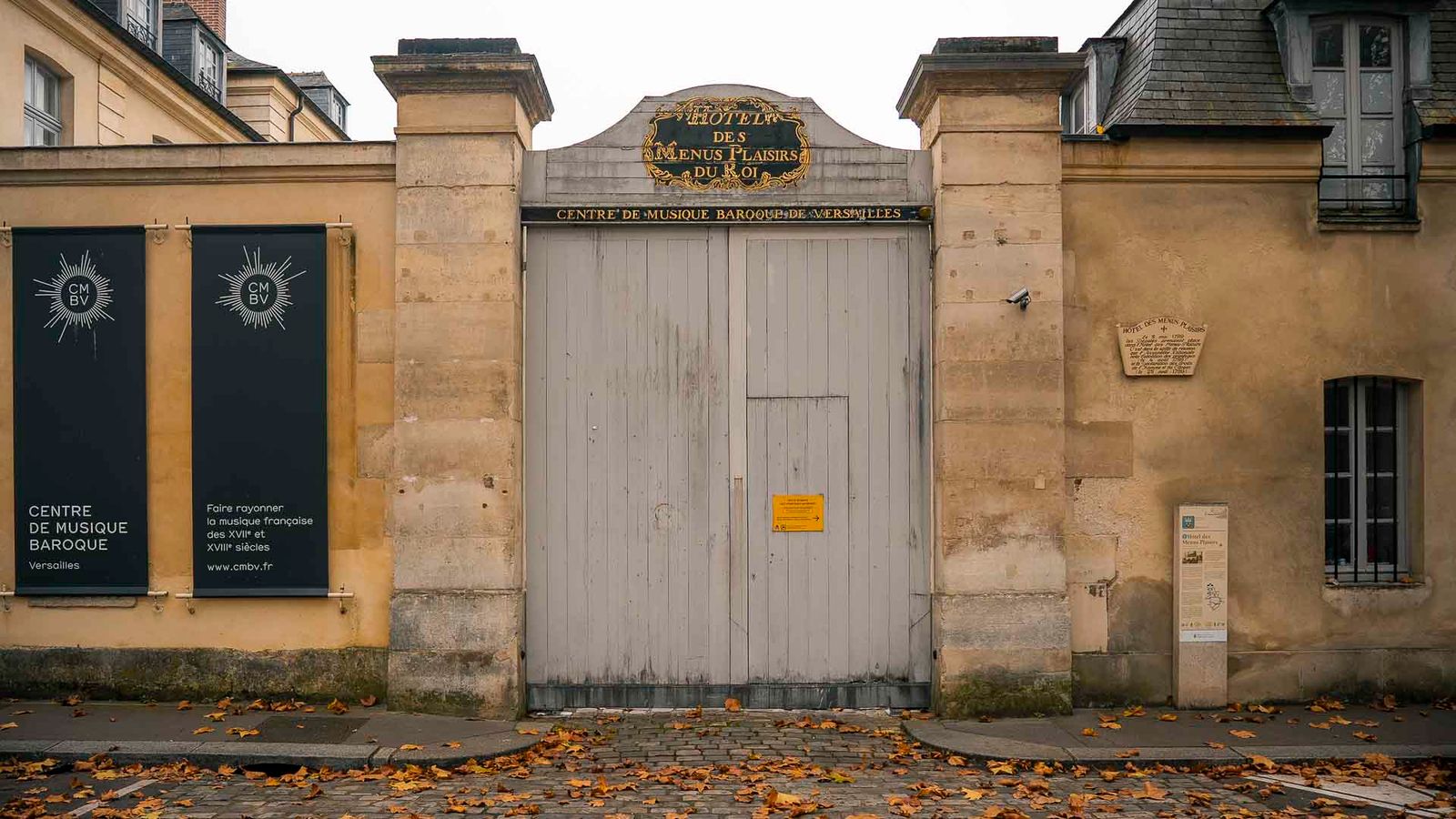
Louis XVI responded by convening a royal session for June 23 and ordering the closure of the Hôtel des Menus-Plaisirs, where the deputies normally met. The official explanation was preparation and decoration. The effect was to bar the Assembly from its meeting place.

On the morning of June 20, Jean-Sylvain Bailly, president of the Assembly, arrived to find the doors locked and guarded by soldiers. Rumors of a coup circulated through Versailles. Crowds gathered in the streets. The deputies sought an alternative location to continue their work.
The Tennis Court Oath
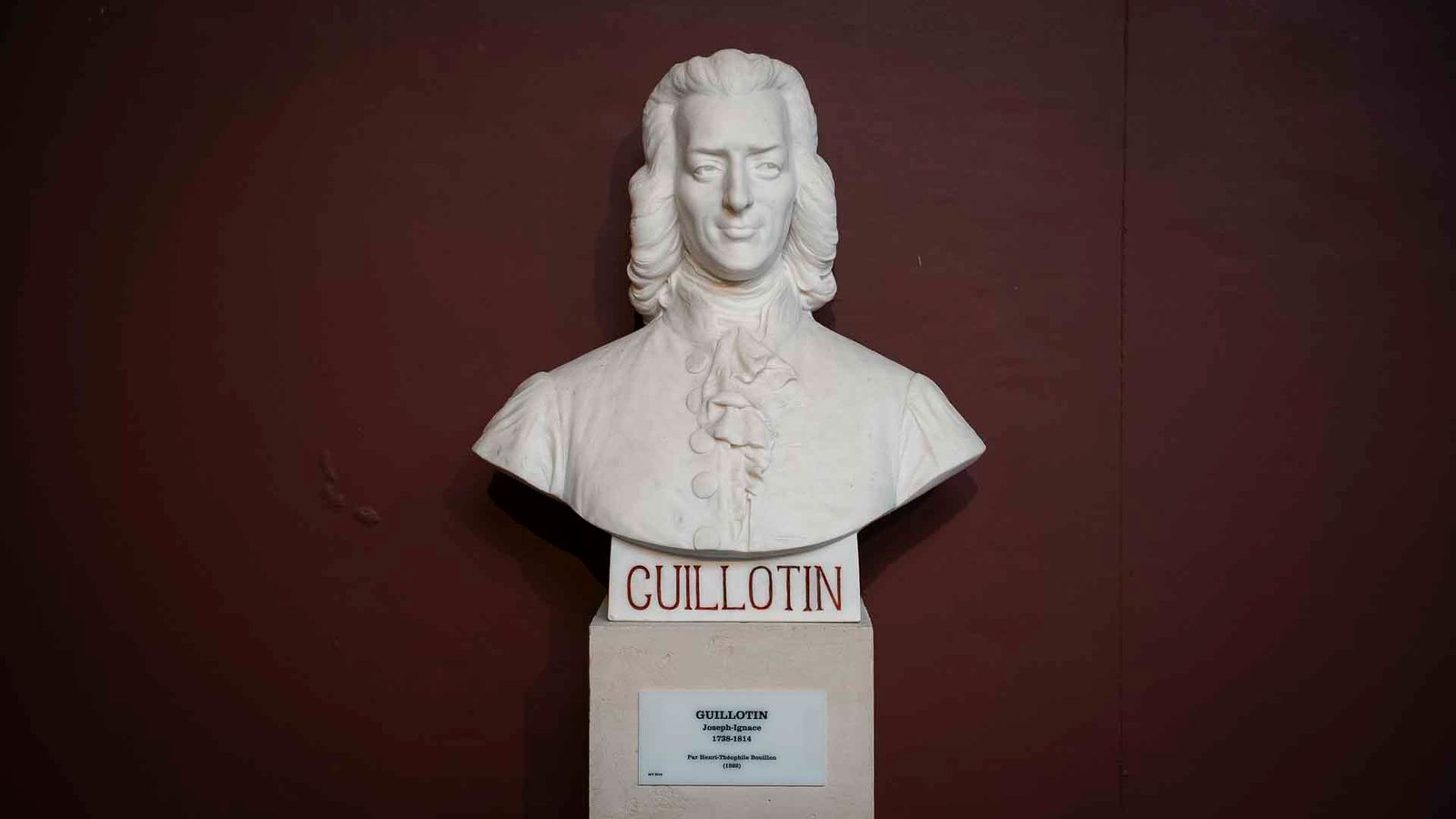
On the suggestion of the deputy Joseph-Ignace Guillotin, they went to the nearby tennis court.
The Salle du Jeu de Paume belonged to private owners. It was not guarded. Inside, the deputies improvised. Chairs were brought in. A door laid across two barrels served as a table. Bailly climbed onto it to address the Assembly.
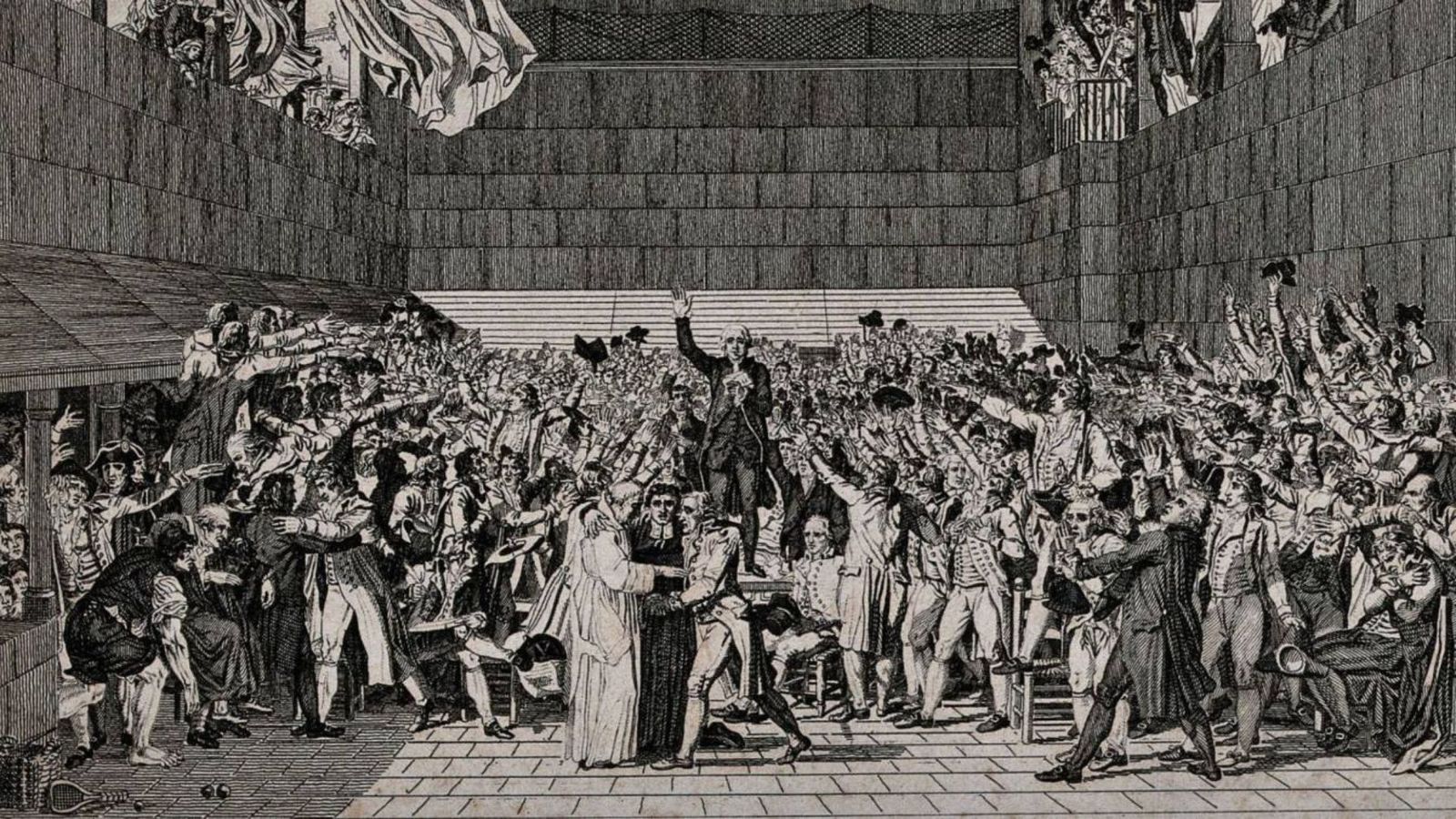
There, beneath a ceiling still marked with royal symbols, the deputies swore an oath not to separate until France had been given a written constitution. The pledge became known as the Tennis Court Oath.
The oath did not immediately end the monarchy, but it marked a decisive shift. Authority was claimed by representatives acting in the name of the nation, not by royal decree.
From political moment to national symbol
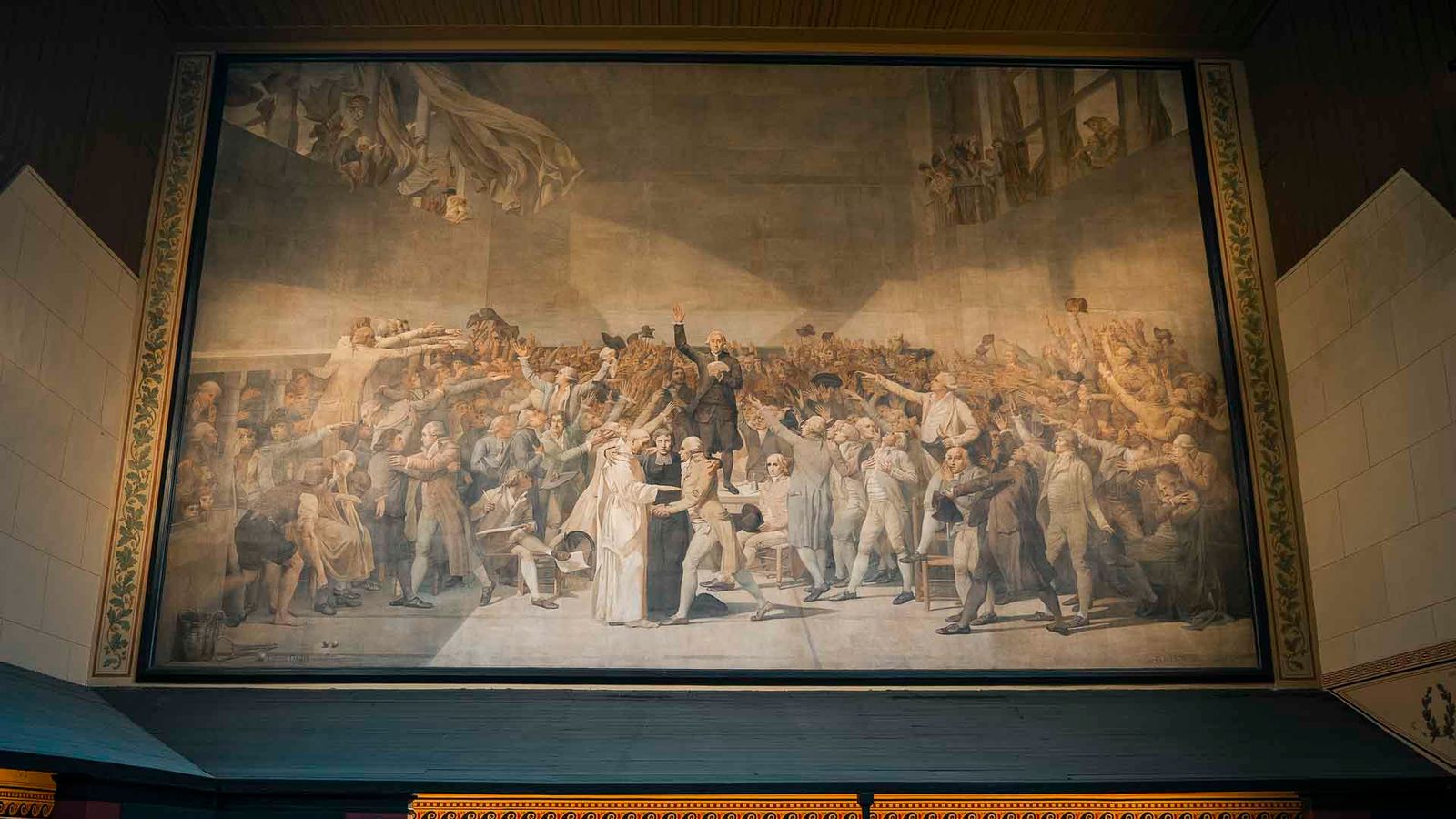
The event was quickly recognized as foundational. The painter Jacques-Louis David began work on a large historical composition depicting the scene. Although the painting remained unfinished, David’s preparatory drawing became one of the most enduring images of the Revolution.
The building itself became a site of commemoration. In 1790, a bronze plaque bearing the text of the oath was presented to the National Assembly and carried in procession to Versailles, where it was affixed to the entrance of the tennis court.
A long period of neglect and reuse
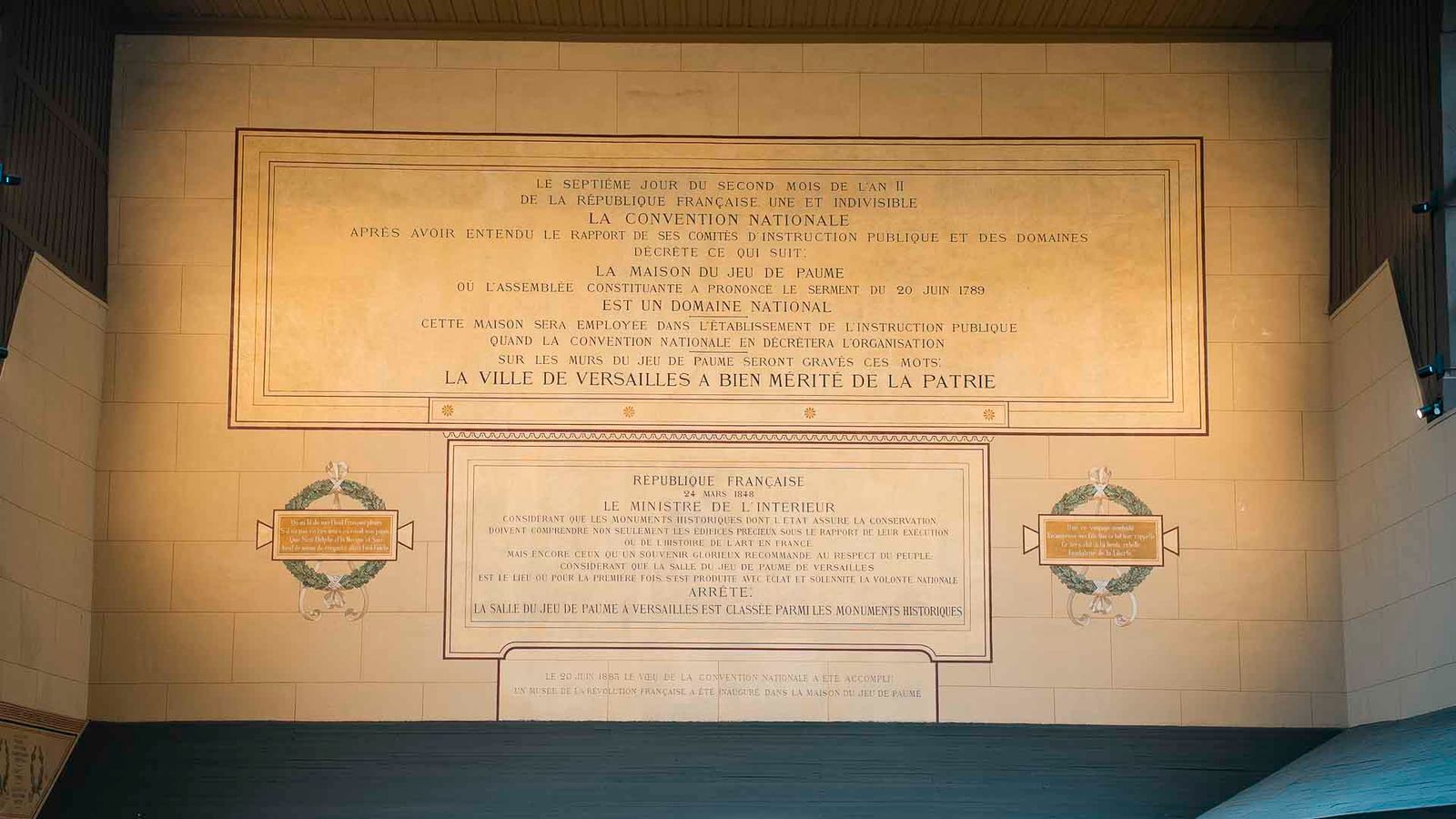
Declared a national property in 1793, the Salle du Jeu de Paume was soon closed to the public. Over the 19th century, it served various functions, including storage space, theater reserve, and artists’ workshop. Painters such as Antoine-Jean Gros and Horace Vernet worked there. At times, the room was even returned to its original use as a tennis court.
In 1848, the building was classified as a historic monument, the first site in France to receive such protection by official decree. The designation did not prevent deterioration.
The Third Republic and the making of a museum
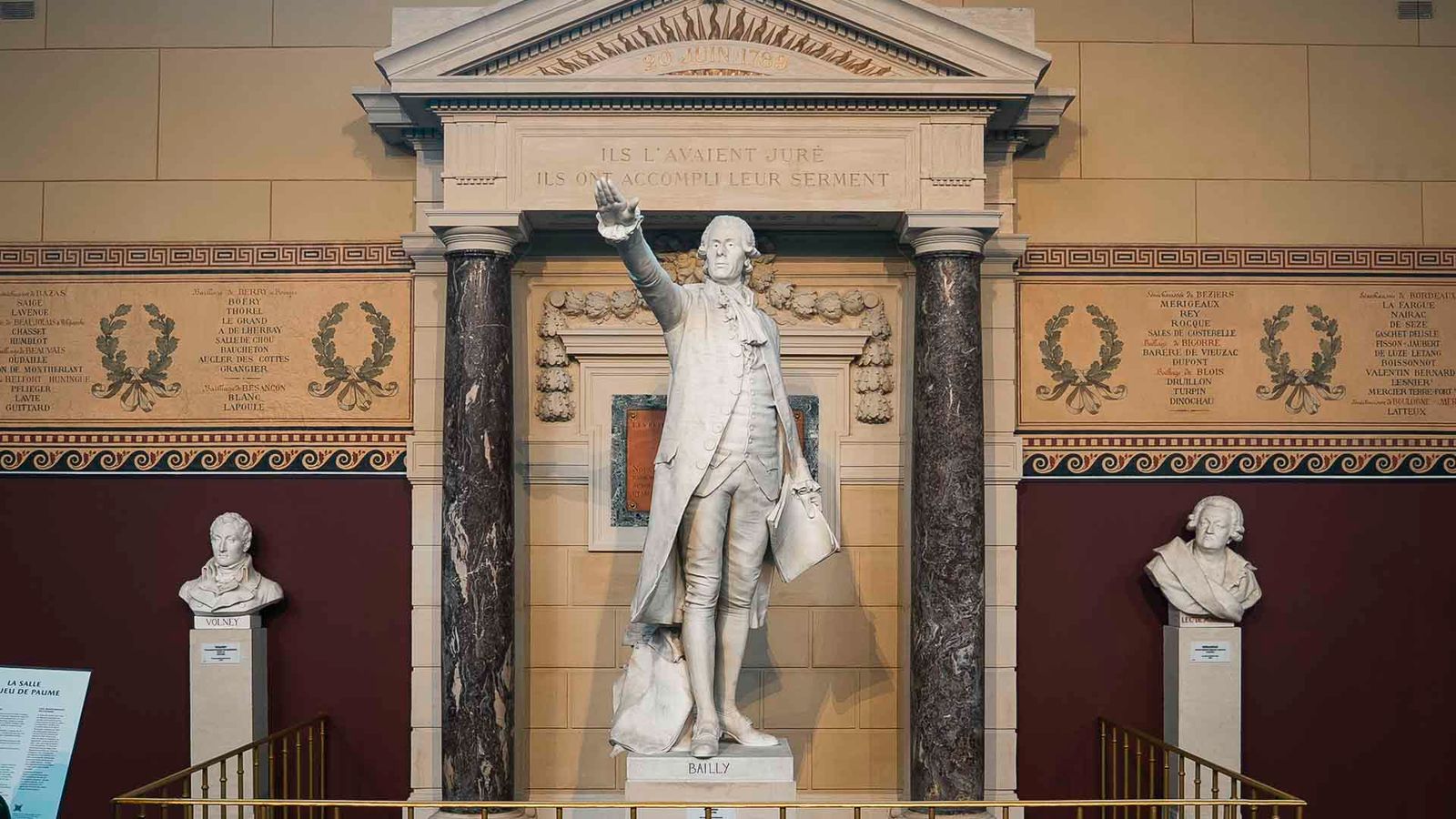
It was under the Third Republic that the Salle du Jeu de Paume was deliberately transformed into a place of national memory. In 1879, the architect Edmond Guillaume was commissioned to restore the building and convert it into a museum of the French Revolution. Using contemporary engravings, he reconstructed the interior as it might have appeared at the end of the 18th century.
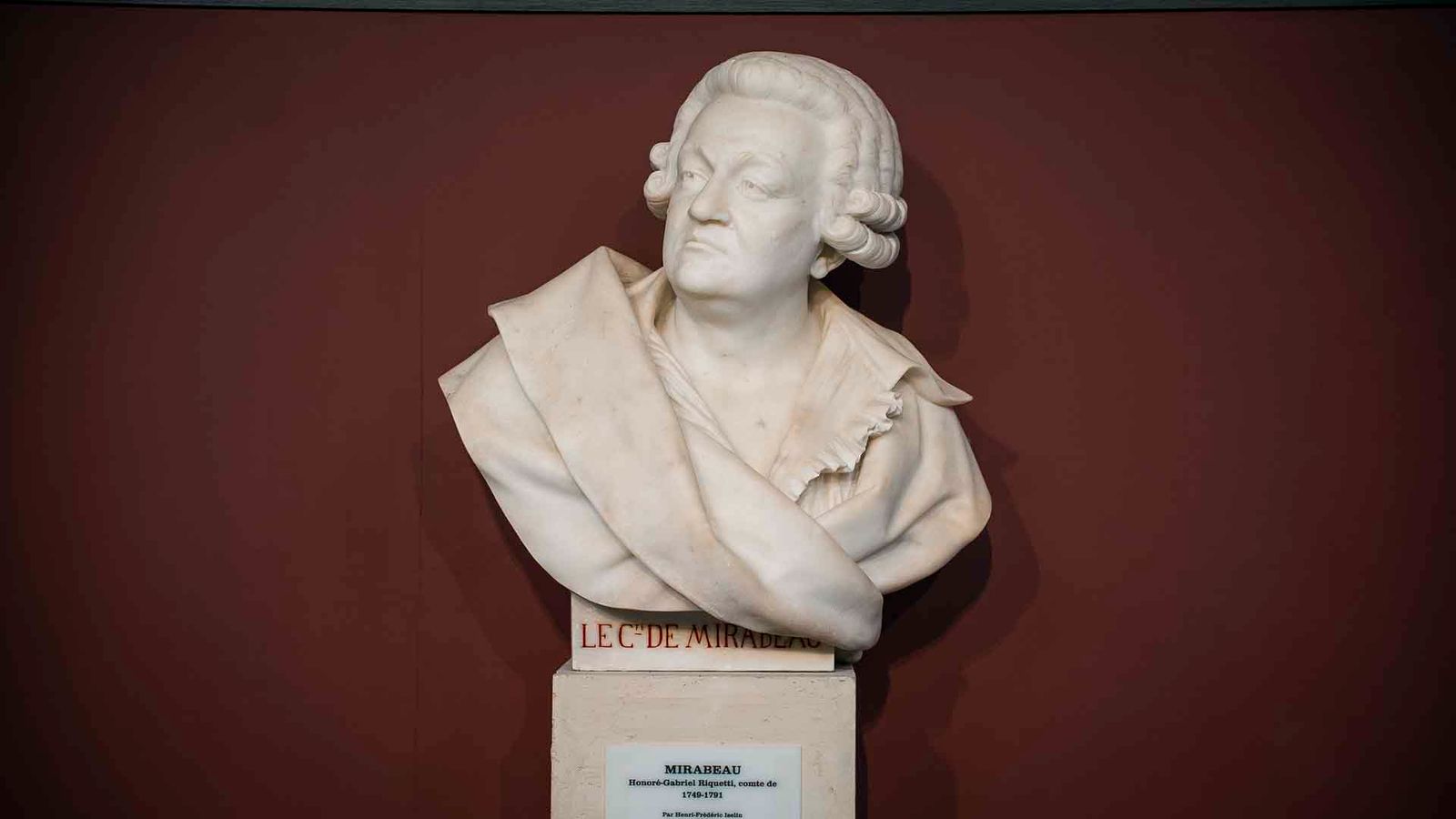
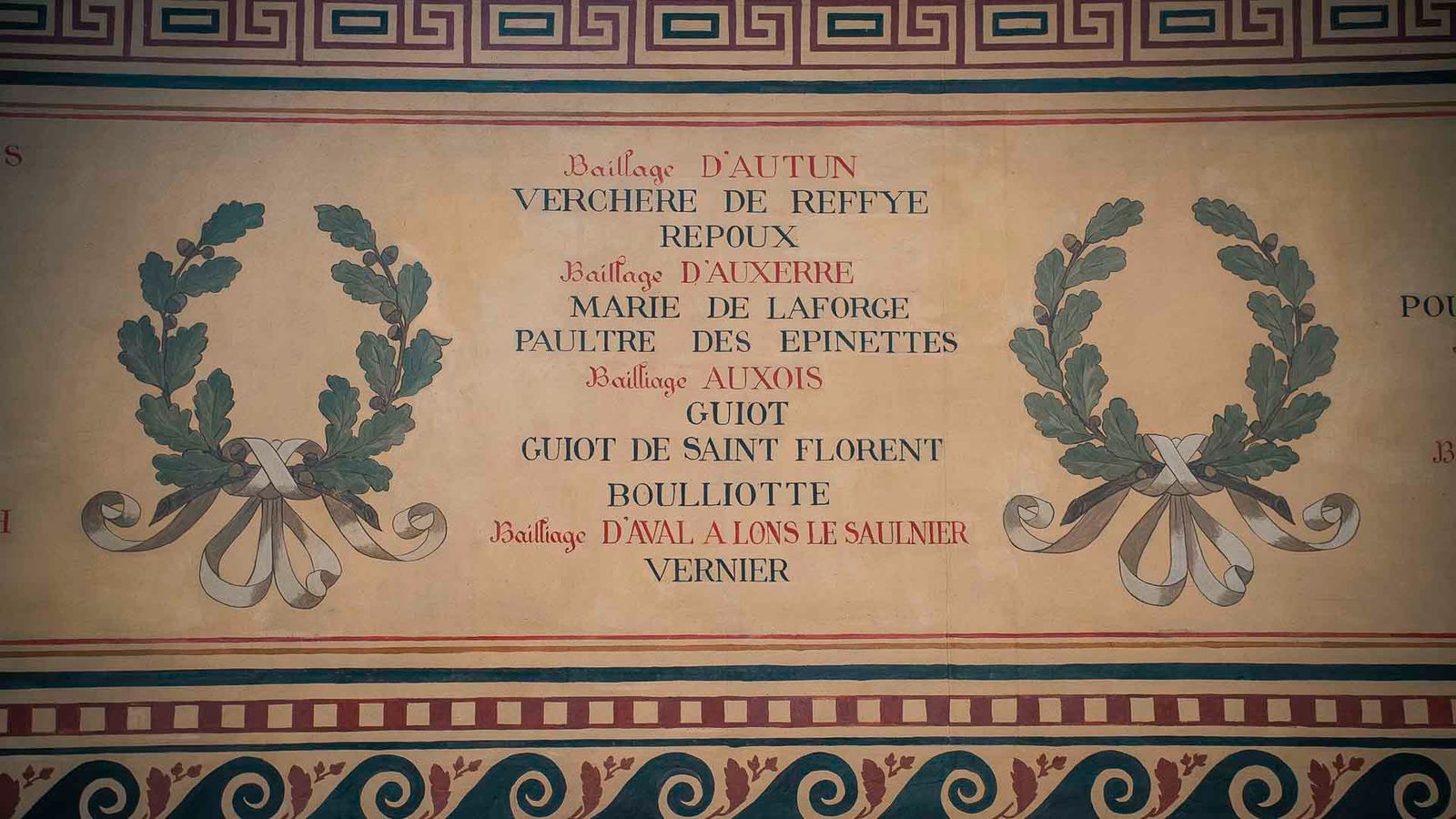
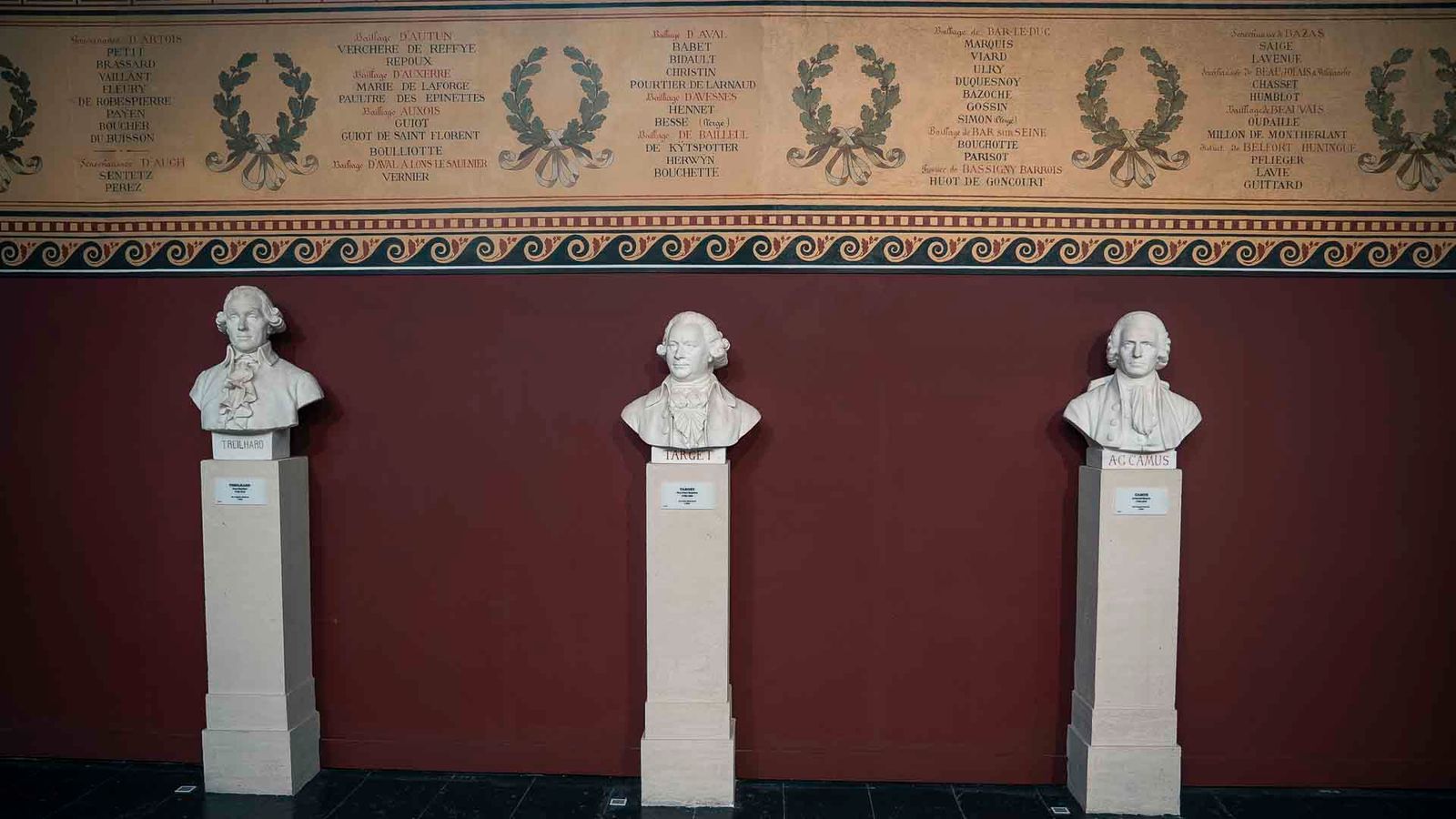
Guillaume installed a Doric edicule topped with a gilded Gallic rooster. Beneath it stands a marble statue of Bailly. Busts of key figures from June 20 line the walls, while the names of the oath’s signatories are painted in a frieze above. At the far end of the room hangs a monumental canvas by Luc-Olivier Merson, executed after David’s preparatory drawing and scaled to the dimensions of the unfinished original.
The museum was inaugurated on June 20, 1883, in the presence of Jules Ferry.
Restoration, then and now
After the centennial celebrations, the site again fell into relative obscurity. By the mid-20th century, it was in poor condition. Following World War II, officials briefly considered converting it into a ping-pong room for Senate staff housed at Versailles.
Major restorations took place ahead of the bicentennial of the Revolution in 1989 and again between 2021 and 2022. The most recent work restored the building to its late-19th-century appearance and included conservation of Merson’s painting. Funding came in part from current and former members of France’s National Assembly, a symbolic link to the deputies who met there in 1789.
Today, the Salle du Jeu de Paume is managed by the Château de Versailles and is open to the public free of charge. It remains lightly visited.
For travelers willing to leave the palace grounds, it offers a different view of Versailles — not as a monument to royal power, but as the setting for a moment when political authority changed hands, in a room never meant to hold it.