Wooden cobblestones were introduced in the 1850s during the urban transformations led by Baron Haussmann and engineer Eugène Belgrand. They were used to reduce noise from horse-drawn traffic, particularly in residential areas.
Those wooden cobblestones declined in use at the beginning of the 20th century due to limited durability, sensitivity to weather, slipperiness when wet, and maintenance requirements. Their use became obsolete with the growth of motor traffic, and they had largely disappeared from Paris by the end of the Second World War.
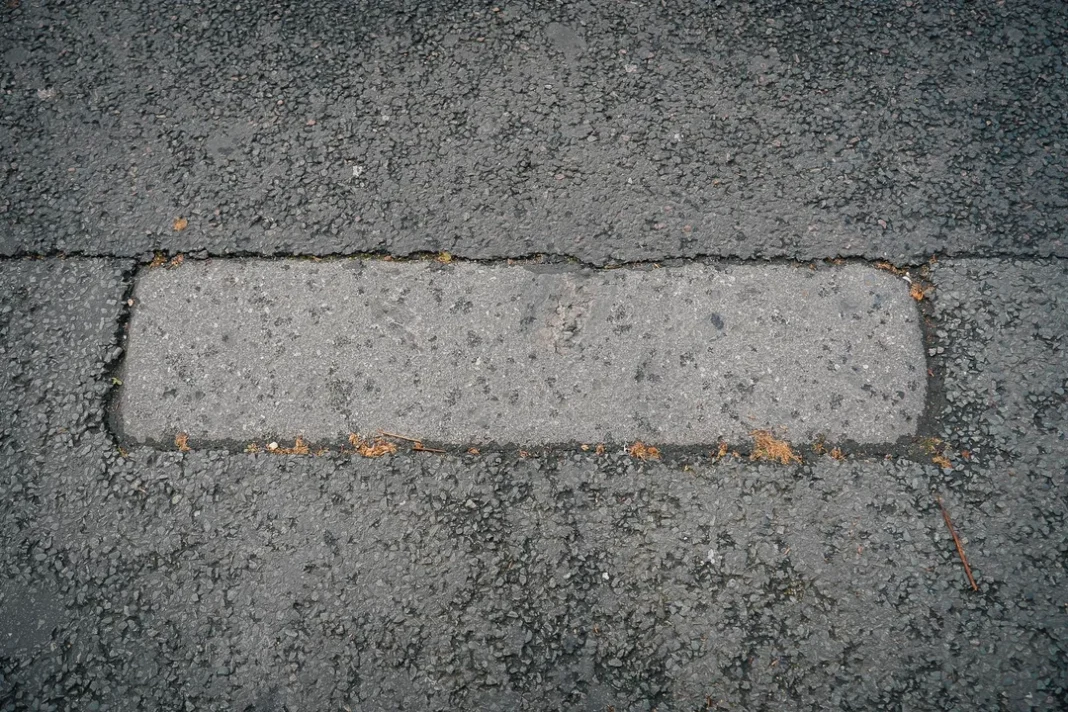
One of the last remaining examples can be seen at Passage Saint-Maur, hidden behind the gate at 81 rue Saint-Maur, 11th arrondissement, where rare wooden cobblestones are preserved under the archway.
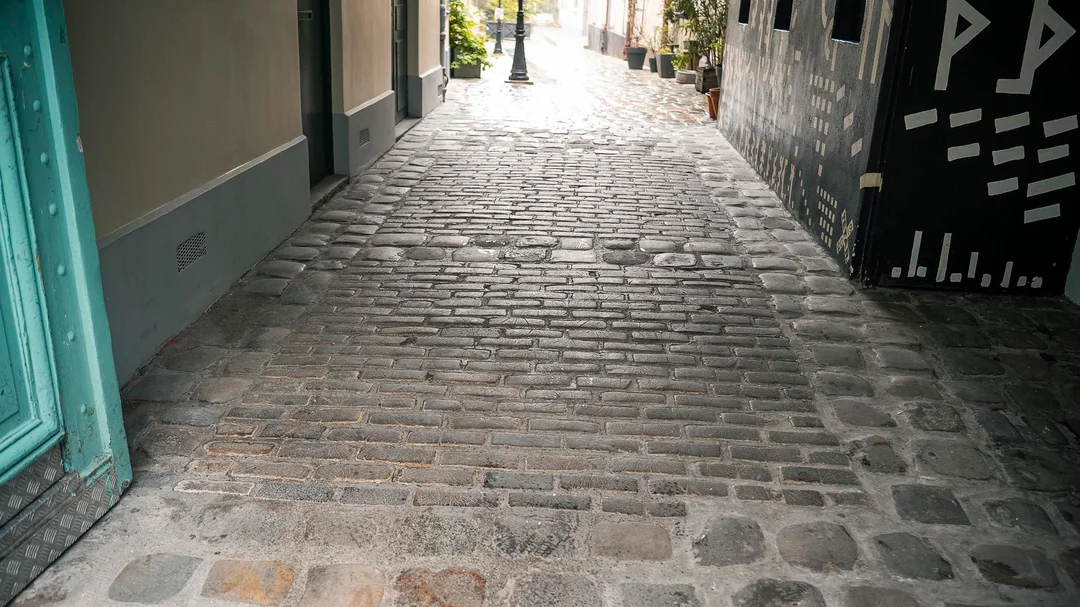
The passage is private but open to pedestrians by day, unmarked from the street. It once housed 19th century metalwork and sewing workshops, now converted into small studios. Nearest metro: Rue Saint-Maur, Line 3.
A second, smaller fragment of wooden paving survives on Rue de Nazareth in the 3rd arrondissement, so Passage Saint-Maur isn’t quite the only trace left in Paris.