


Passages in Paris

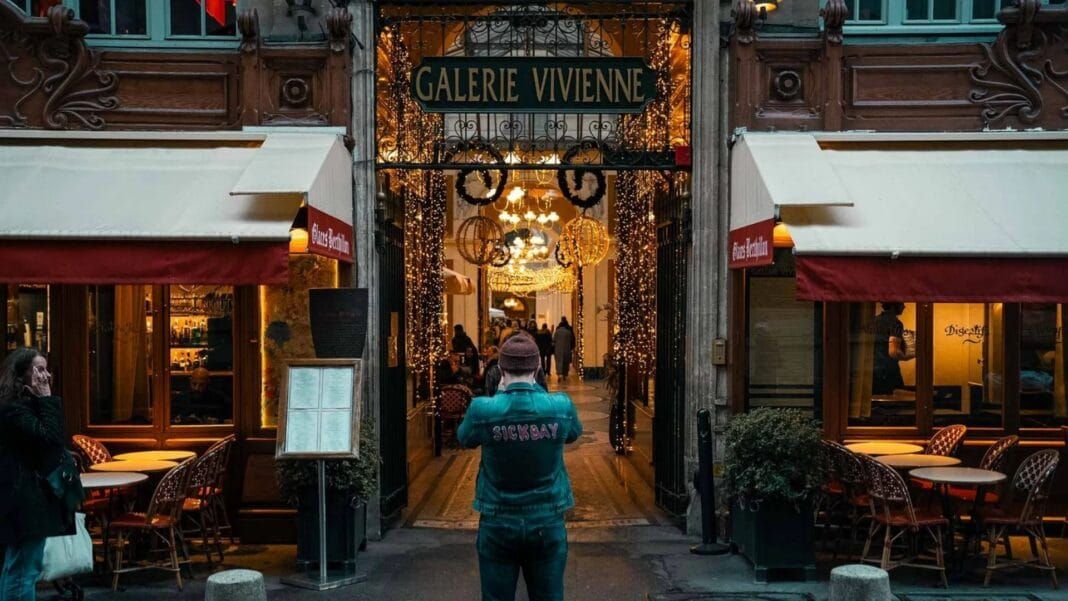
Galerie Vivienne

Passage du Havre

Passage des Panoramas

Passage Jouffroy

Les Arcades des Champs-Elysees – Arcades du Lido

Galerie Véro-Dodat

Galerie Colbert


Passage du Grand Cerf
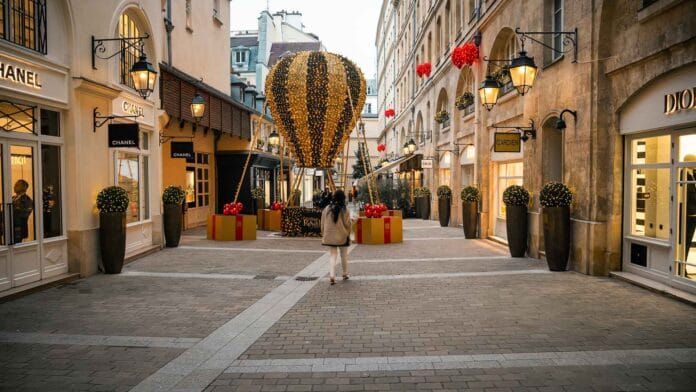

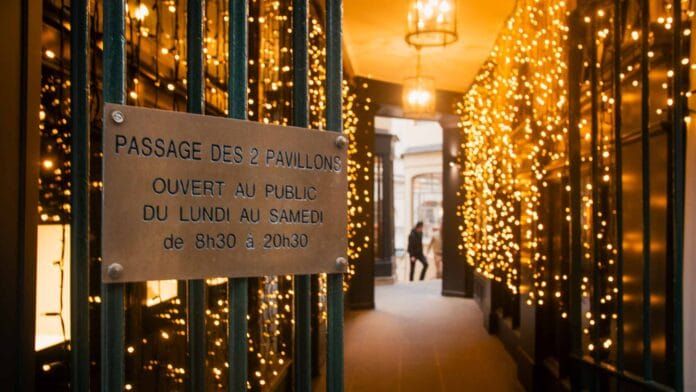
Passage des Deux Pavillons


Passage du Caire

Cour du Commerce Saint-André

Passage du Prado

Passage Ponceau
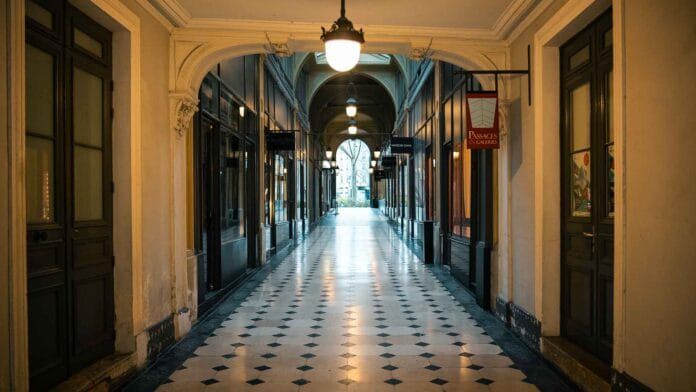
Galerie de la Madeleine

Passage Brady
Passage Puteaux

Passages des Princes

Passage Sainte-Anne

Passage du Bourg Abbé

Passage Molière
Looking for Ideas? We've Got You Covered!
FAQ
There are 21 covered passages in Paris, each offering a unique glimpse into the city's historical and architectural heritage.
The most famous covered passage in Paris is the Galerie Vivienne. Known for its elegant architecture and upscale shops, it is a must-visit for anyone exploring the city's hidden gems.
The Passage du Grand-Cerf is the longest covered passage in Paris, stretching over 117 meters. It is characterized by its high glass ceilings and a variety of unique boutiques and artisan shops.
The covered passages in Paris are known for their beautiful 19th-century architecture, charming boutiques, antique shops, and cozy cafes. They offer a unique shopping and walking experience away from the bustling streets.
Most of the covered passages are located in the 2nd and 9th arrondissements, particularly between the Grands Boulevards and the Palais Royal.
Yes, a popular walking tour starts at Passage des Panoramas, continues through Passage Jouffroy, and ends at Passage Verdeau. This route offers a mix of historical charm and vibrant modern shops.
Yes, the covered passages are open to the public and free to enter. They are generally open during regular business hours, although some shops and cafes may have varying hours.
The covered passages were built in the early 19th century as precursors to modern shopping malls. They provided a sheltered shopping experience and were a symbol of Parisian elegance and innovation at the time.
Yes, several companies offer guided tours of the covered passages. These tours provide historical insights and highlight the architectural features and unique shops within the passages.