


The Passage Molière is more than just a historical passageway; it is a living, breathing part of Paris that combines history, culture, and modern comfort. Whether you are interested in its rich history, literary events, or unique shopping experiences, the Passage Molière offers something for everyone. It stands as a testament to Paris’s ability to preserve its historical treasures while adapting to contemporary needs.
A Brief History
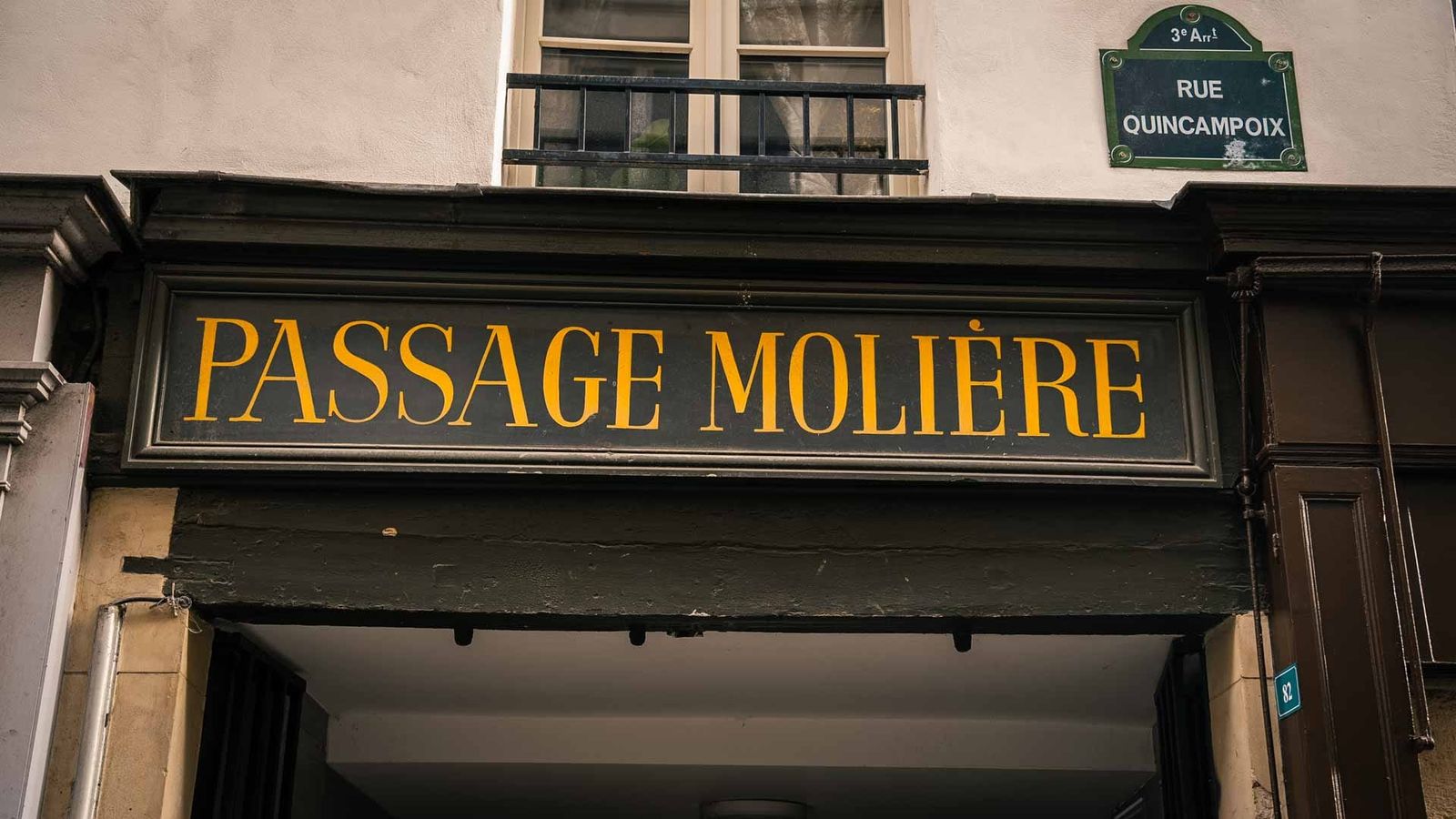
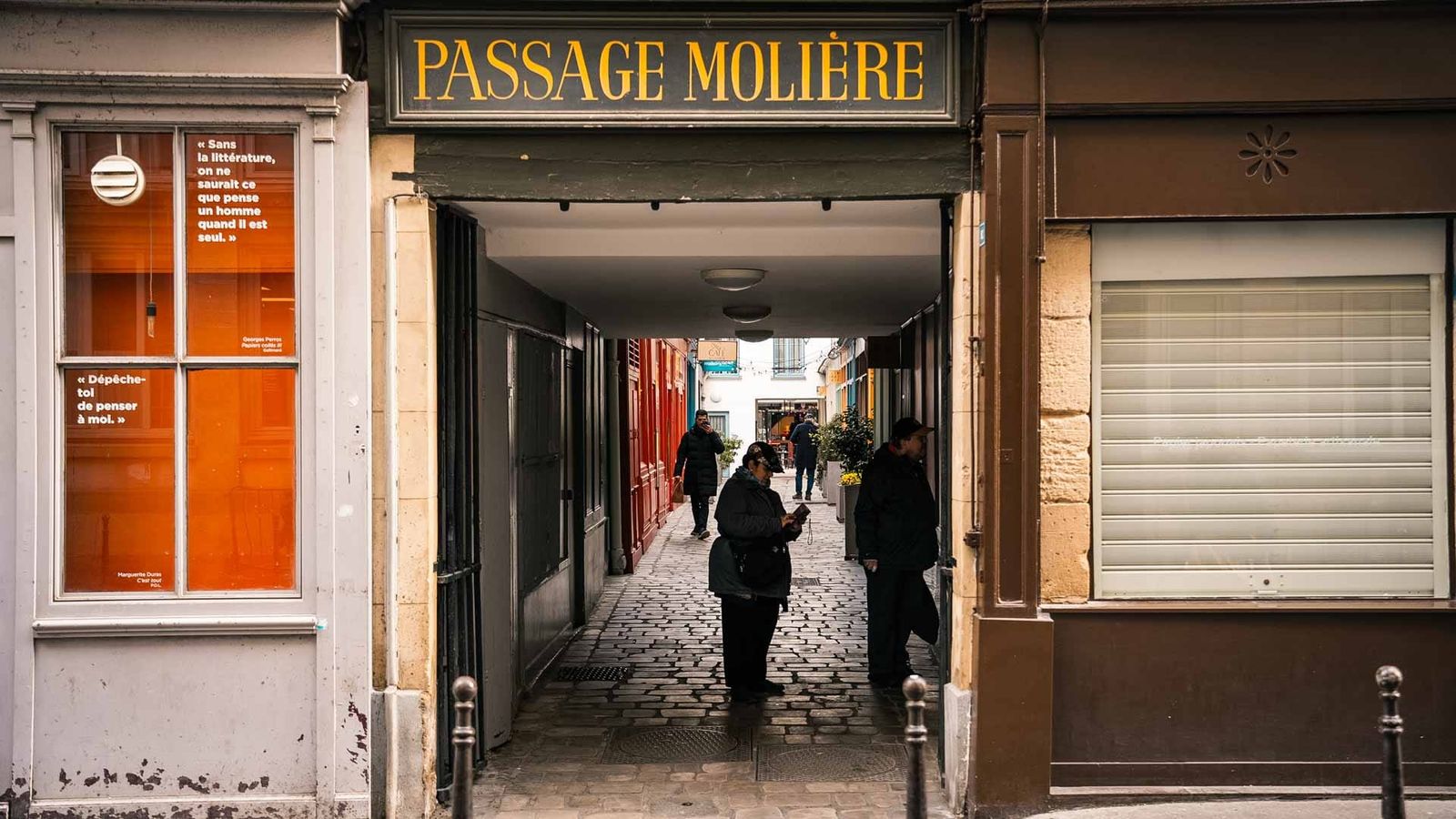
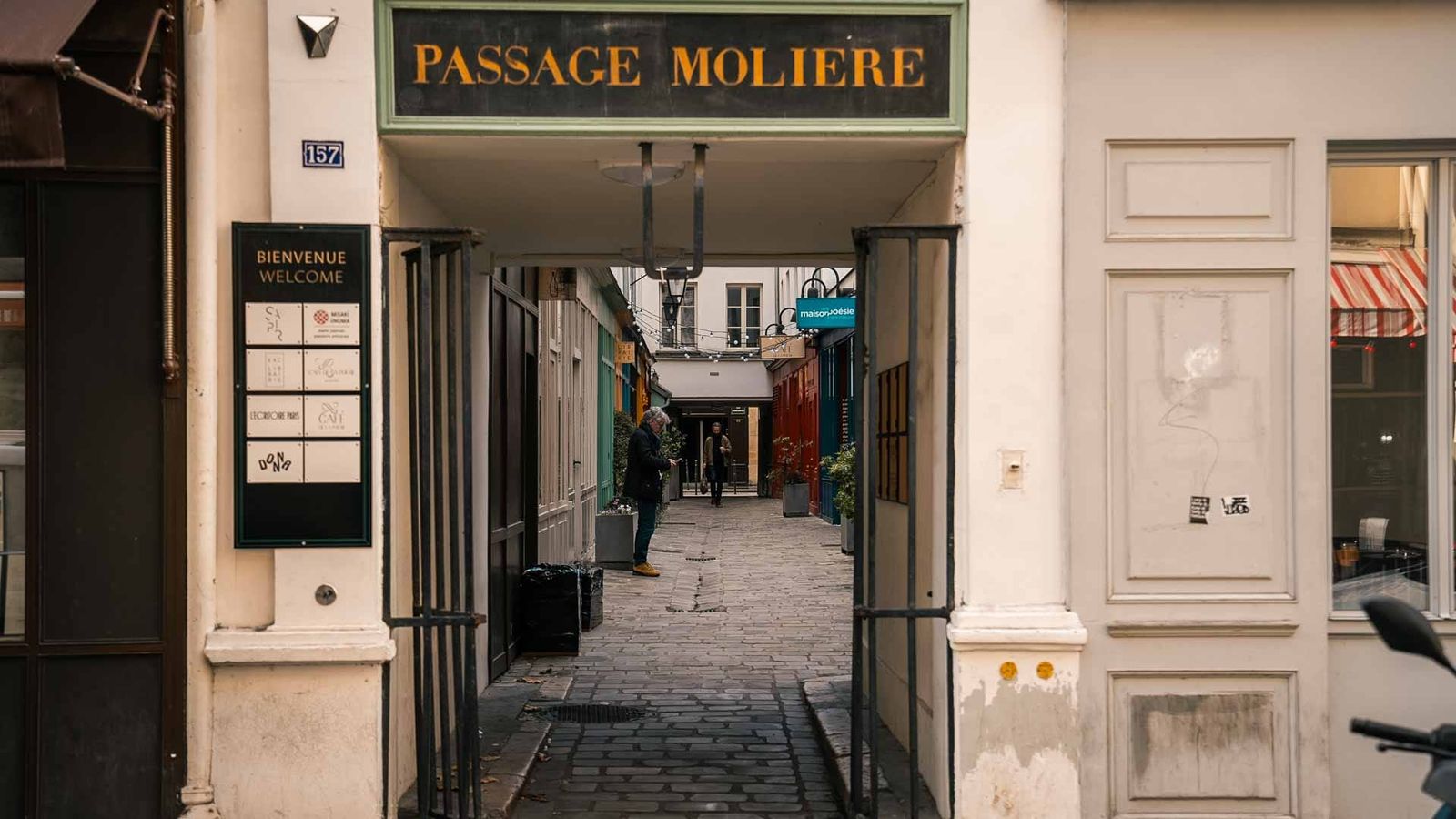
The Passage Molière, a pedestrian walkway nestled between rue Saint-Martin and rue Quincampoix in the 3rd arrondissement of Paris, was established in 1791. Originally named Passage des Nourrices, it was acquired by playwright Jean-François Boursault-Malherbe, who transformed it into a theater and inaugurated it with a performance of Molière’s “The Misanthrope.” This transformation led to the passage being renamed in honor of the famous playwright, despite Molière never having lived there.
Renovation and Modern Revival
Recently, the Passage Molière has undergone a significant renovation. This comprehensive restoration included the rehabilitation of 34 social housing units by Paris Habitat, improving thermal comfort from energy class “F” to “C” through interior insulation, new heating systems, and improved ventilation. The refurbishment has revitalized the passage, making it an attractive and comfortable place for its residents.
Cultural Hub: Maison de la Poésie
The Passage Molière is home to the Maison de la Poésie, a cultural institution that offers a variety of literary events, including readings, literary concerts, and acoustic sessions. Established in the former theater in 1995, it serves as a vibrant venue for literary and poetic exploration. The Maison de la Poésie has become a cornerstone of the passage, preserving its cultural heritage.
Unique Shops and Artisan Boutiques
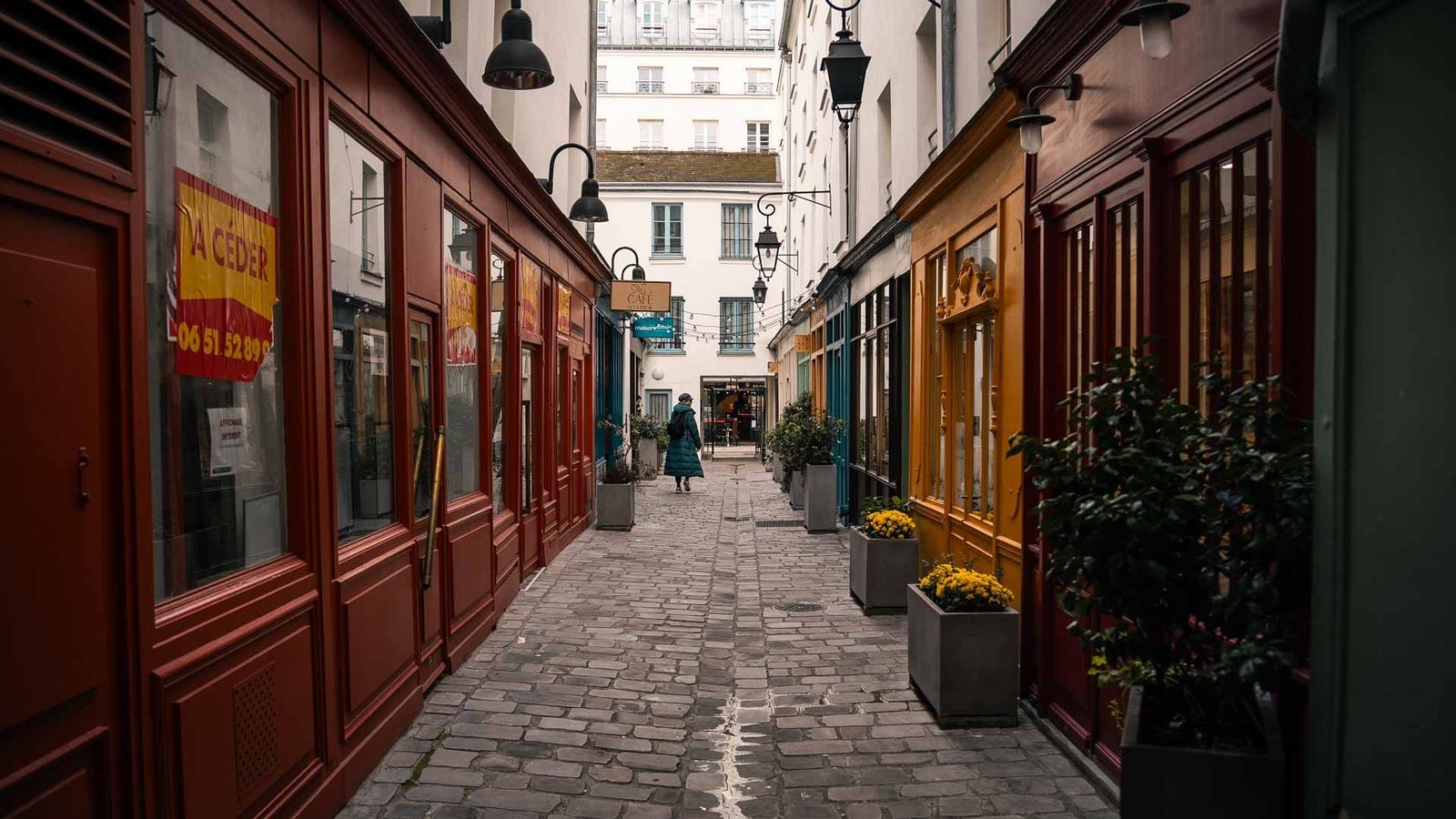
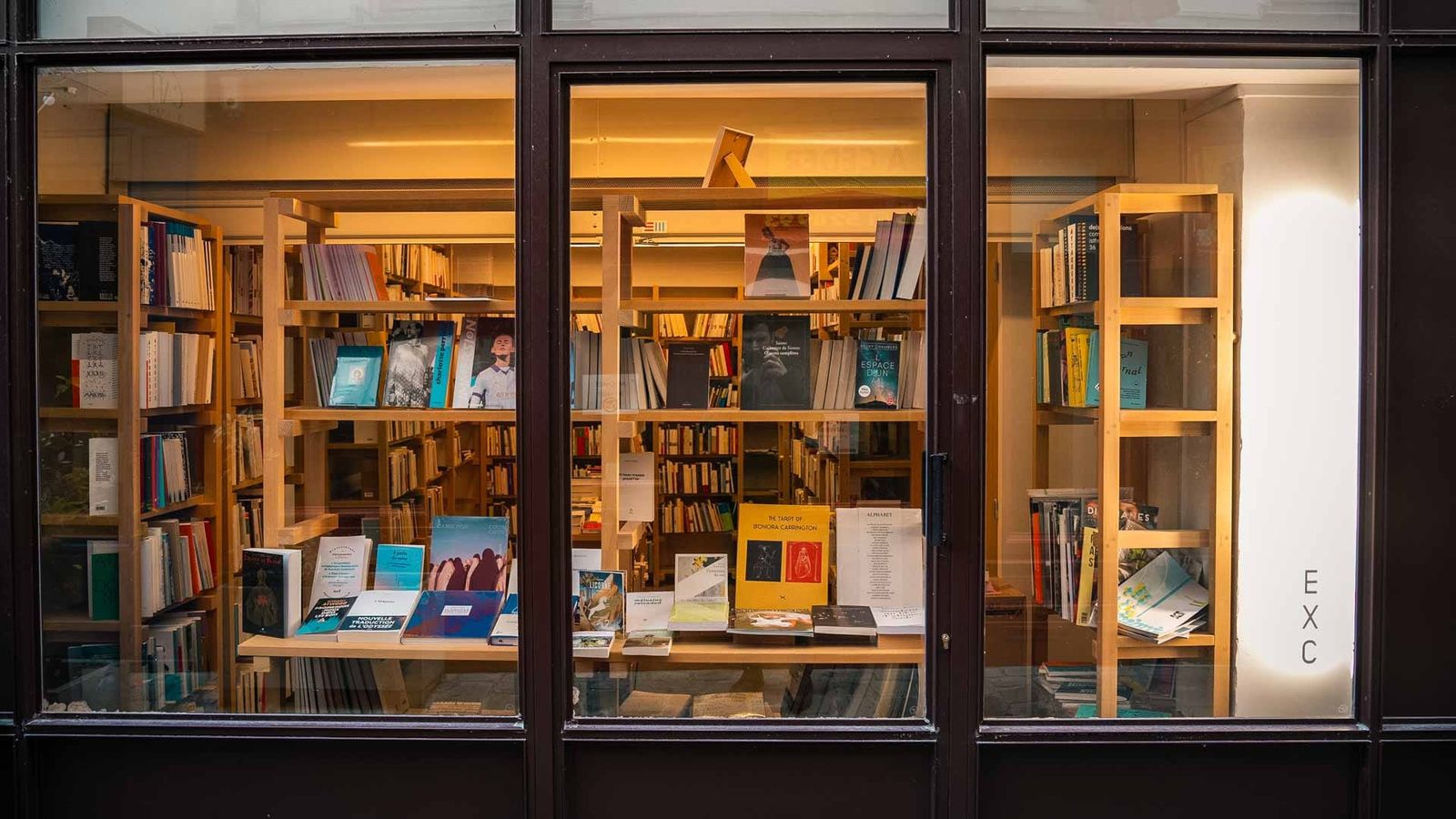
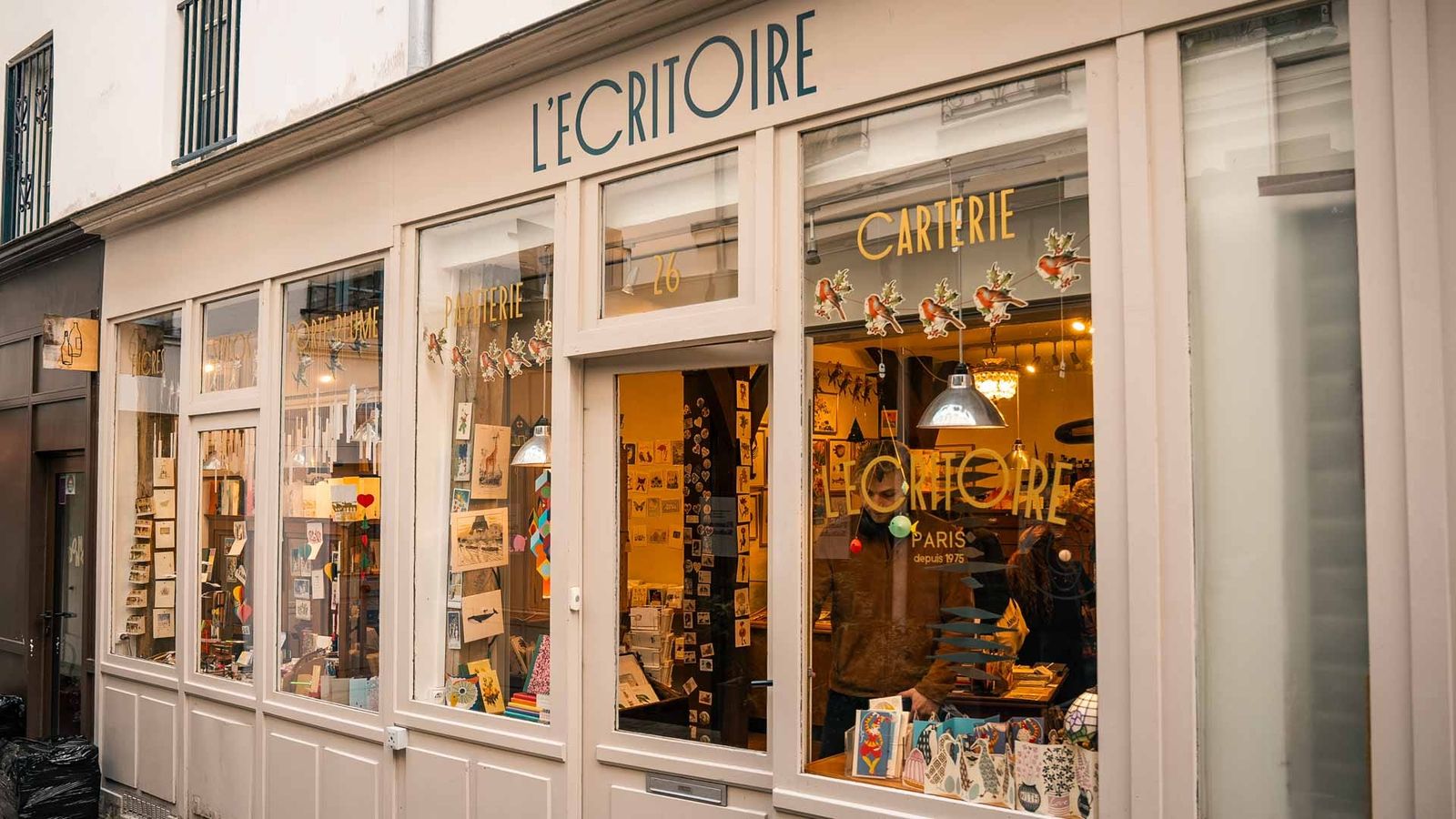
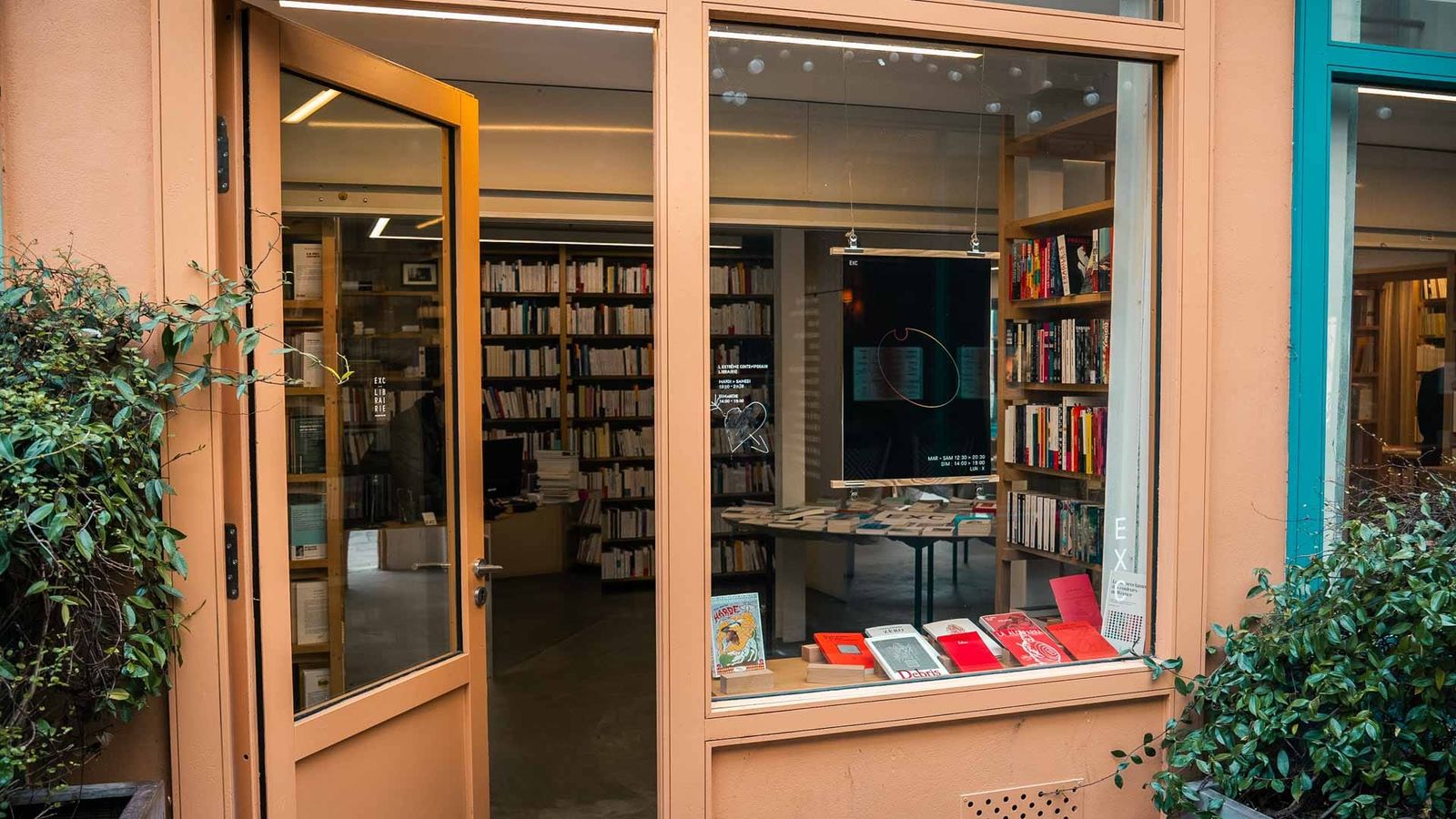
The passage is lined with unique shops and artisan boutiques that add to its charm. The bookstore EXC offers an extensive collection of poetry, while L’Écritoire continues a family tradition of providing writing supplies, including inkwells and school ink pots. Misaki Iinuma’s shop blends Japanese folding and calligraphy with Western traditions, and the Maison Sapir specializes in the restoration and sale of antique jewelry. These shops, selected through a competitive process by GIE Paris Commerces and the City of Paris, emphasize craftsmanship, literature, and culinary delights.
A Tranquil Escape
Despite its proximity to the bustling Centre Pompidou, the Passage Molière offers a peaceful retreat. Its cobblestone path, slightly inclined to form a central stream, invites visitors to take a leisurely stroll and enjoy a step back in time. The passage’s exterior spaces have been greened, and the façades of the shops have been renovated with vibrant colors, enhancing its picturesque appeal.