


Ancient Ruins in Paris

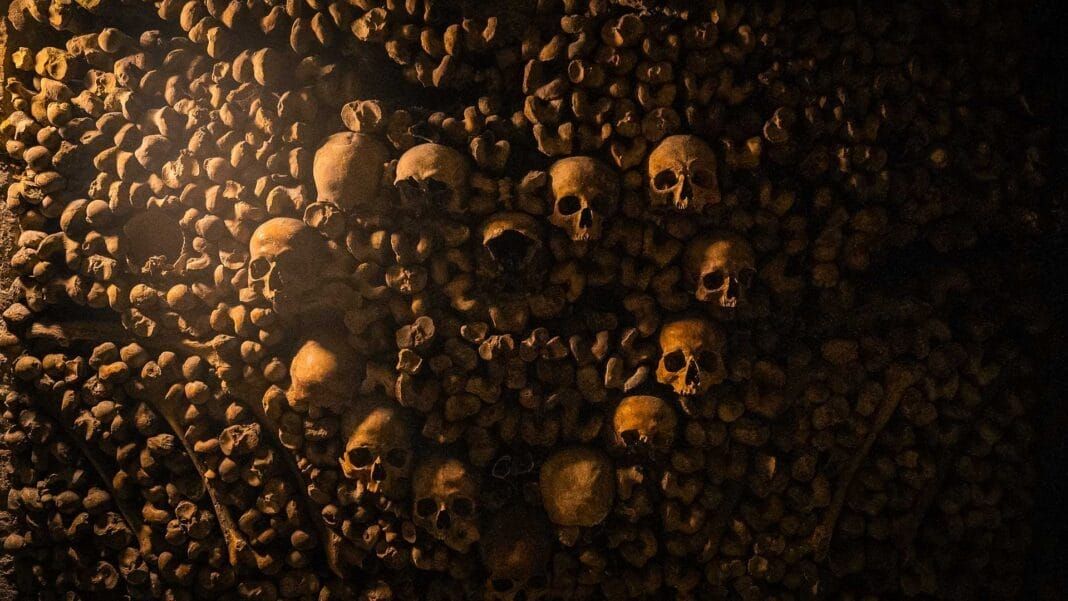
Catacombs of Paris

Cluny Museum – National Museum of the Middle Ages

Arènes de Lutèce

Archaeological Crypt of the Paris Notre-Dame
Looking for Ideas? We've Got You Covered!
FAQ
The most iconic ancient ruins in Paris include the Arènes de Lutèce, a Roman amphitheater dating back to the 1st century, and the Thermes de Cluny, the remains of Roman thermal baths located within the Musée de Cluny. Additionally, the Paris Catacombs feature ancient underground quarries that date back to Roman times.
The best-preserved Roman ruins in Paris are the Arènes de Lutèce, a 1st-century amphitheater in the Latin Quarter, which once hosted gladiator games and public gatherings. The Thermes de Cluny, now part of the Musée de Cluny, offers a glimpse into ancient Roman baths, including well-preserved frigidarium (cold rooms) and vaults. The ancient limestone quarries in the Paris Catacombs are another fascinating connection to the city’s Roman history.
The Paris Catacombs are unique because they combine history and mystery. While they are most known for their ossuary containing millions of bones, the catacombs' tunnels were originally ancient limestone quarries. These underground spaces date back to the Roman era and were instrumental in building the early architecture of Paris.
Yes, Paris has several medieval ruins worth exploring. The Philippe Auguste Wall, built in the 12th and 13th centuries to protect the city, still has visible remnants scattered throughout Paris. Parts of the wall can be found in areas like the Marais and near the Musée de Cluny. Additionally, Notre-Dame Cathedral's crypt reveals remnants of medieval Paris beneath the city’s surface.
The Arènes de Lutèce are the remains of a Roman amphitheater, built in the 1st century AD during the Roman settlement of Paris, then known as Lutetia. It could hold up to 15,000 spectators for gladiatorial games and other public events. Today, it’s a serene spot to explore Roman history while relaxing in the heart of the Latin Quarter.
Yes, the Thermes de Cluny, located within the Musée de Cluny (the National Museum of the Middle Ages), are open to visitors. These ancient Roman baths feature remarkable structures such as the frigidarium (cold room) and vaulted ceilings. The site is a must-visit for history enthusiasts interested in Paris' Roman past.
Some ancient ruins, such as the Arènes de Lutèce, are free to visit and open to the public. However, others, like the Thermes de Cluny at the Musée de Cluny and the Paris Catacombs, require an admission ticket to enter. It's always a good idea to check ahead for opening hours and entry fees.
Medieval Paris can still be seen in places like the Philippe Auguste Wall, whose remains are scattered across the city. Key fragments are visible near the Marais and the Musée de Cluny. Additionally, the Crypte Archéologique de l’Île de la Cité beneath Notre-Dame Cathedral showcases remains from medieval and ancient Paris.
The Crypte Archéologique is located beneath Notre-Dame Cathedral. This underground site contains excavated remains of ancient Roman streets, medieval structures, and remnants of the original city of Lutetia. Visitors can enter with a ticket, which is often included in guided tours of Notre-Dame and its surroundings.
Visiting key sites such as the Arènes de Lutèce or the Thermes de Cluny typically takes 30 minutes to an hour. The Crypte Archéologique beneath Notre-Dame can be explored in about 45 minutes ,and count 90 minutes to visit the Paris Catacombs. If you plan to visit multiple sites, set aside a few hours to fully appreciate the history.
Yes, guided tours focusing on Roman and medieval Paris are available. These tours often include stops at the Arènes de Lutèce, the Thermes de Cluny, the Philippe Auguste Wall, and the Crypte Archéologique de l’Île de la Cité. Guides provide historical context and bring the stories of ancient Paris to life.