




A Unique Blend of Theater and Combat
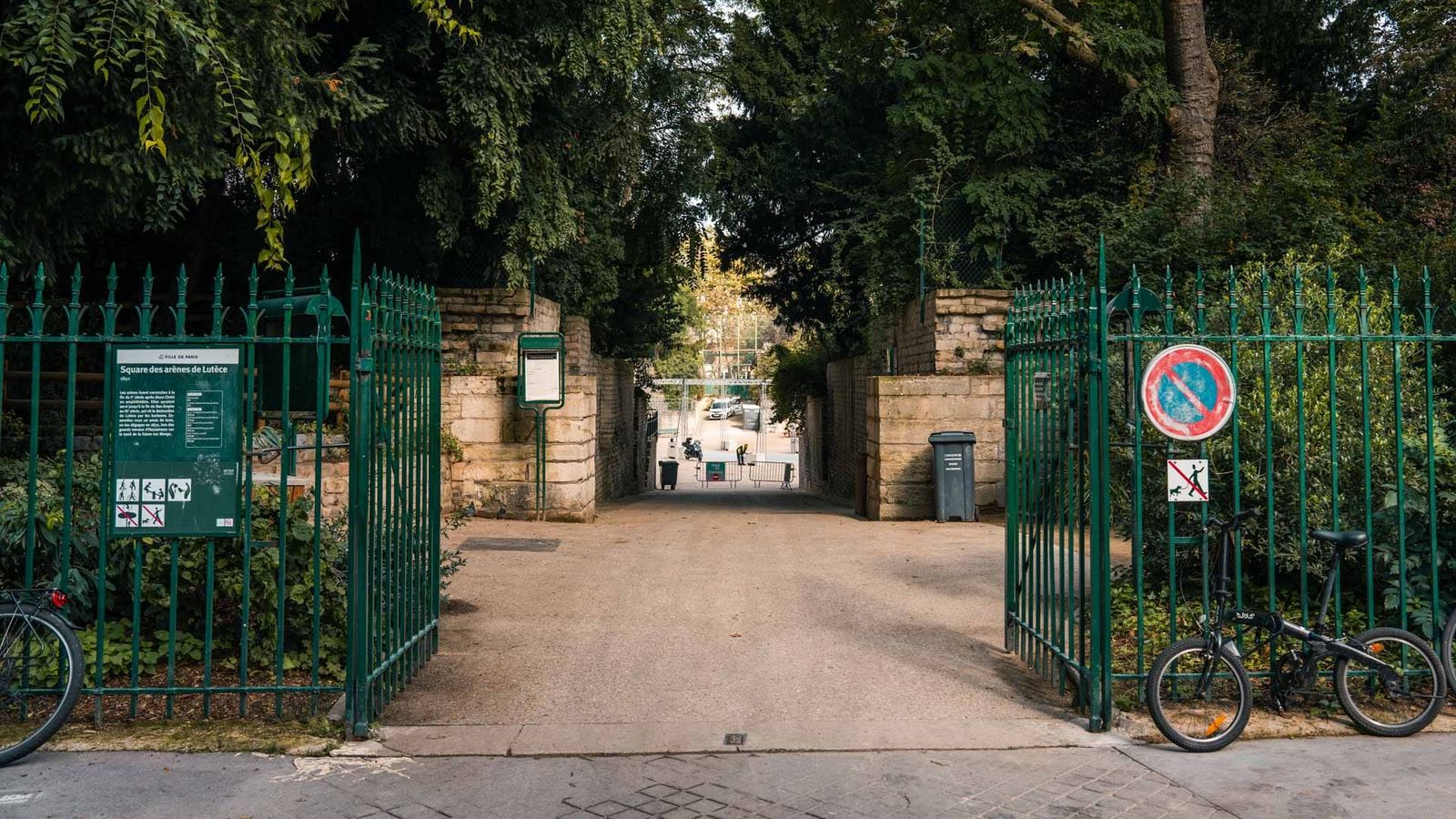
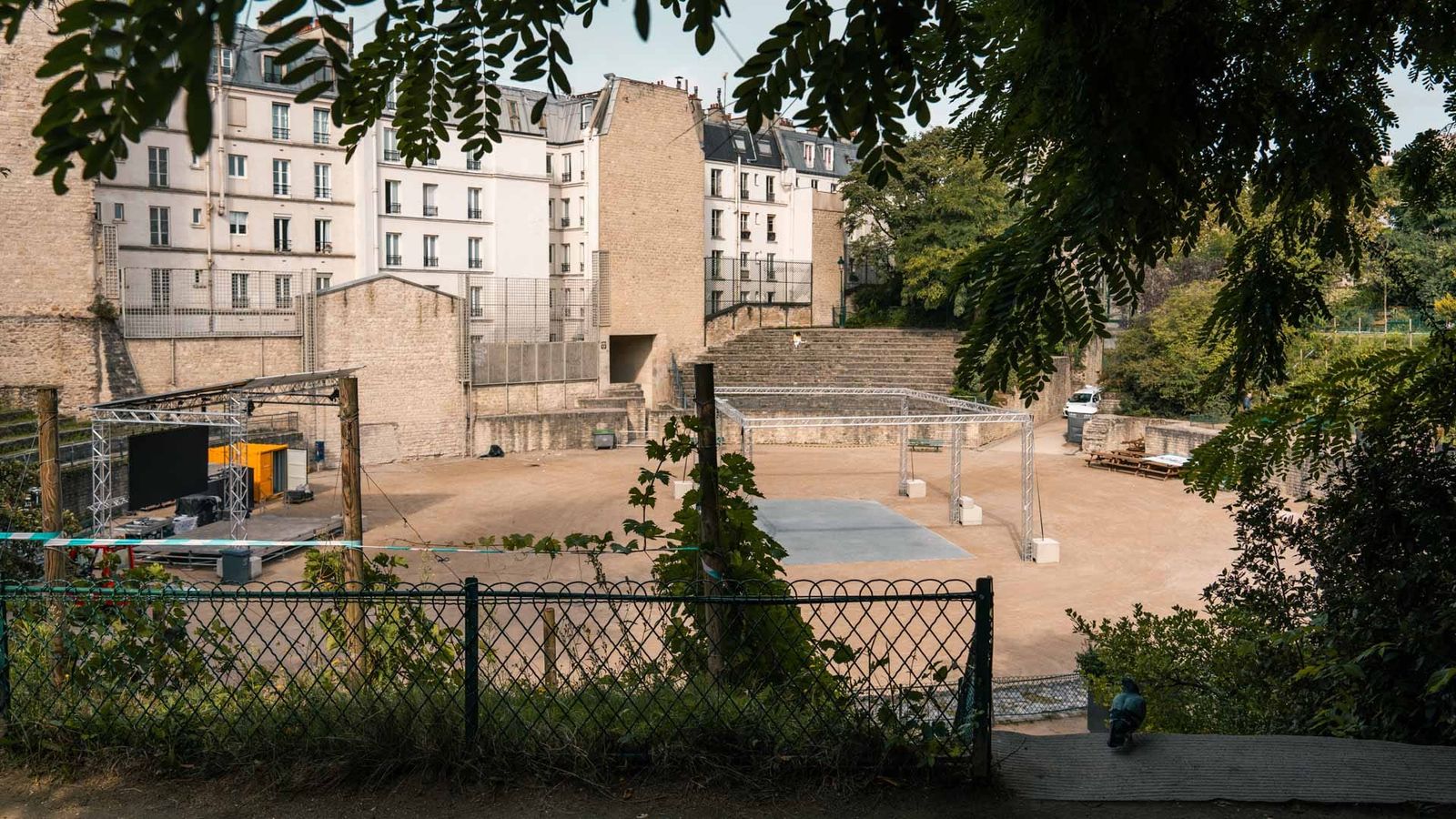
Built in the 2nd century AD, Les Arènes de Lutèce is a rare example of an amphitheater-theater hybrid, combining a stage for theatrical performances with an arena for gladiator games.
This dual-purpose design highlights its importance as a cultural and entertainment hub of Roman Paris, or Lutetia.
The elliptical central arena measures an impressive 51.8 meters by 44.4 meters, surrounded by grand tiers capable of seating nearly 15,944 spectators, according to historical estimates.
Forgotten Glory, Rediscovered Treasure
Lost to time and buried under layers of history, the Arènes were rediscovered during the 19th-century Haussmann renovations. A significant find during the construction of Rue Monge, the site was saved from complete obliteration thanks to archaeologists and public advocacy.
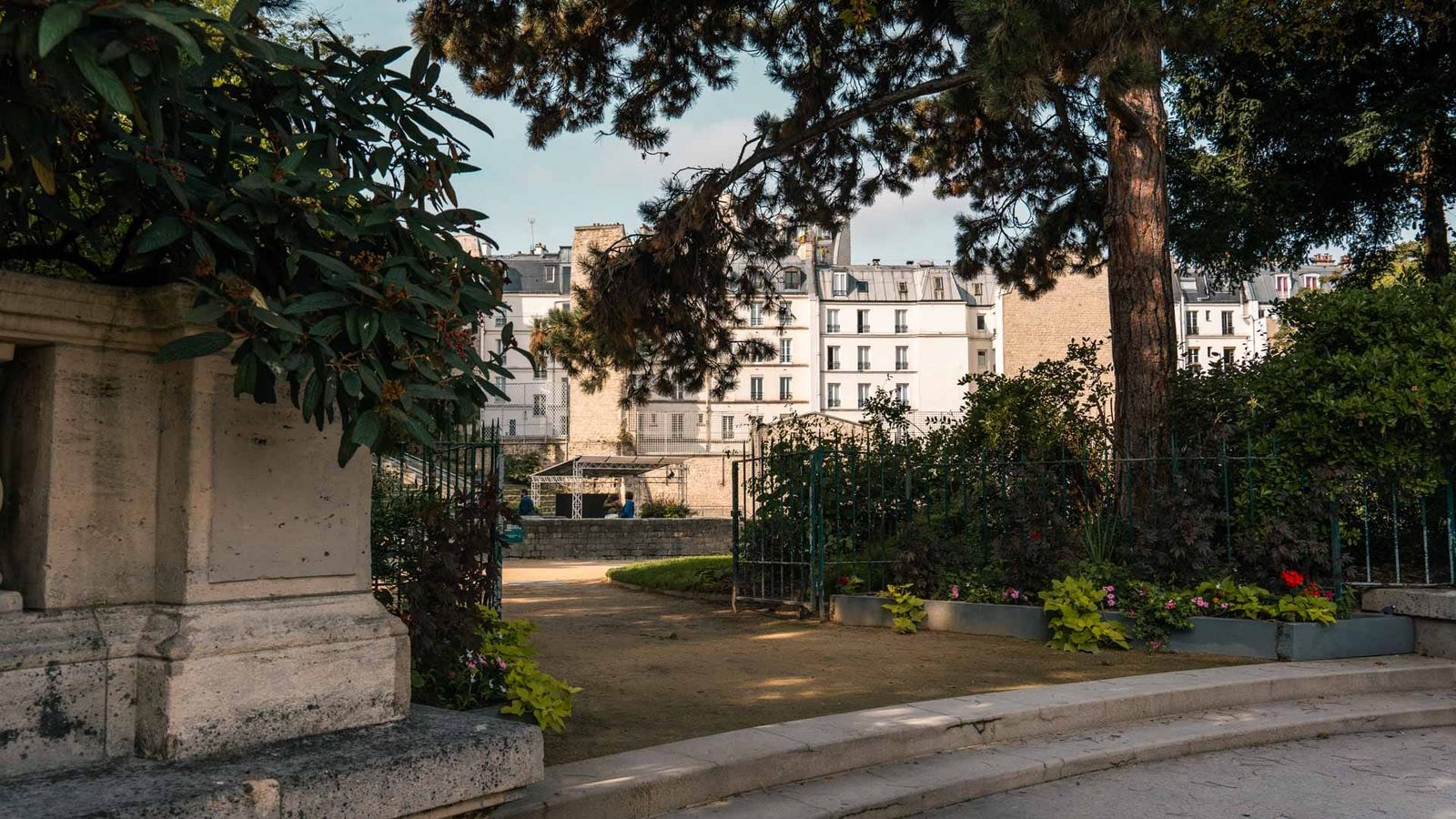
It serves now as a public space, offering visitors a chance to reflect on its ancient grandeur while hosting occasional concerts and theatrical performances.
A Day at the Arènes: From Gladiators to Petanque
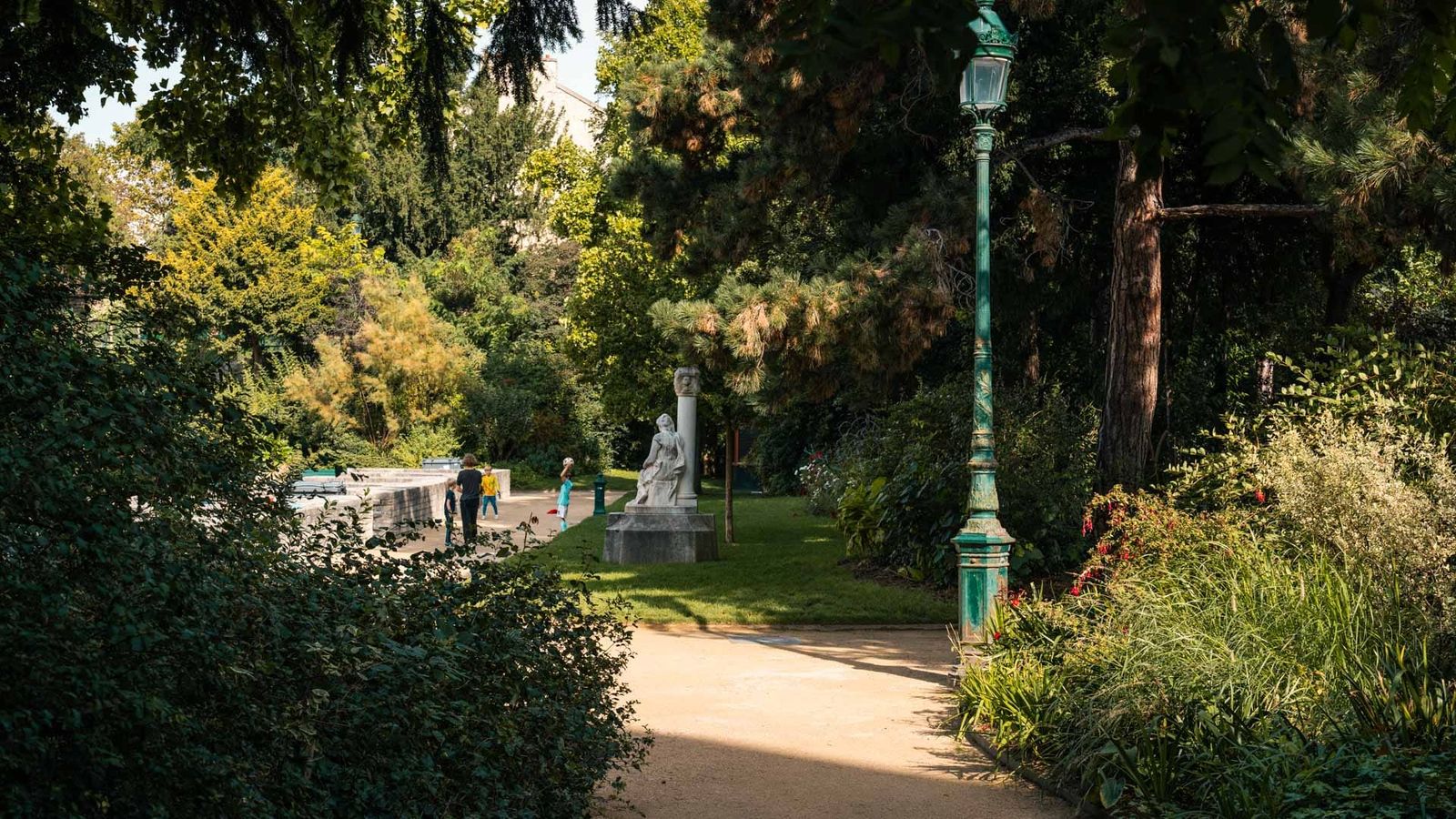
While the roars of gladiators are long gone, Les Arènes de Lutèce remains a lively gathering spot.
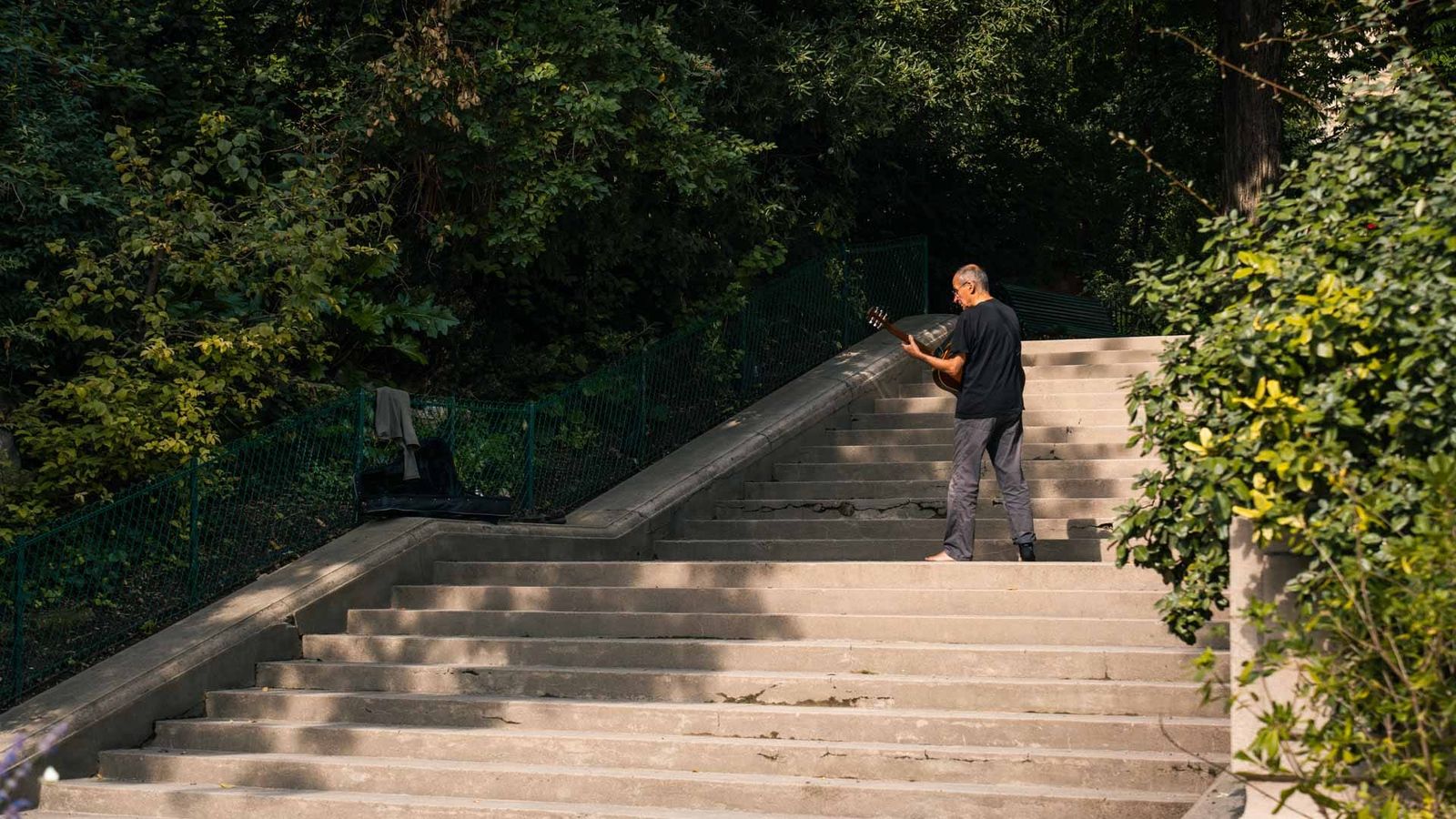
Locals use it for casual soccer matches or petanque games, while the grassy steps and stone benches provide an ideal place for a picnic or study session. Visitors can sit where Roman spectators once cheered, immersing themselves in the echoes of history.
A Stage Built on a Hill
Situated on the Montagne Sainte-Geneviève, the Arènes occupied a strategic position overlooking the Seine and Bièvre rivers.
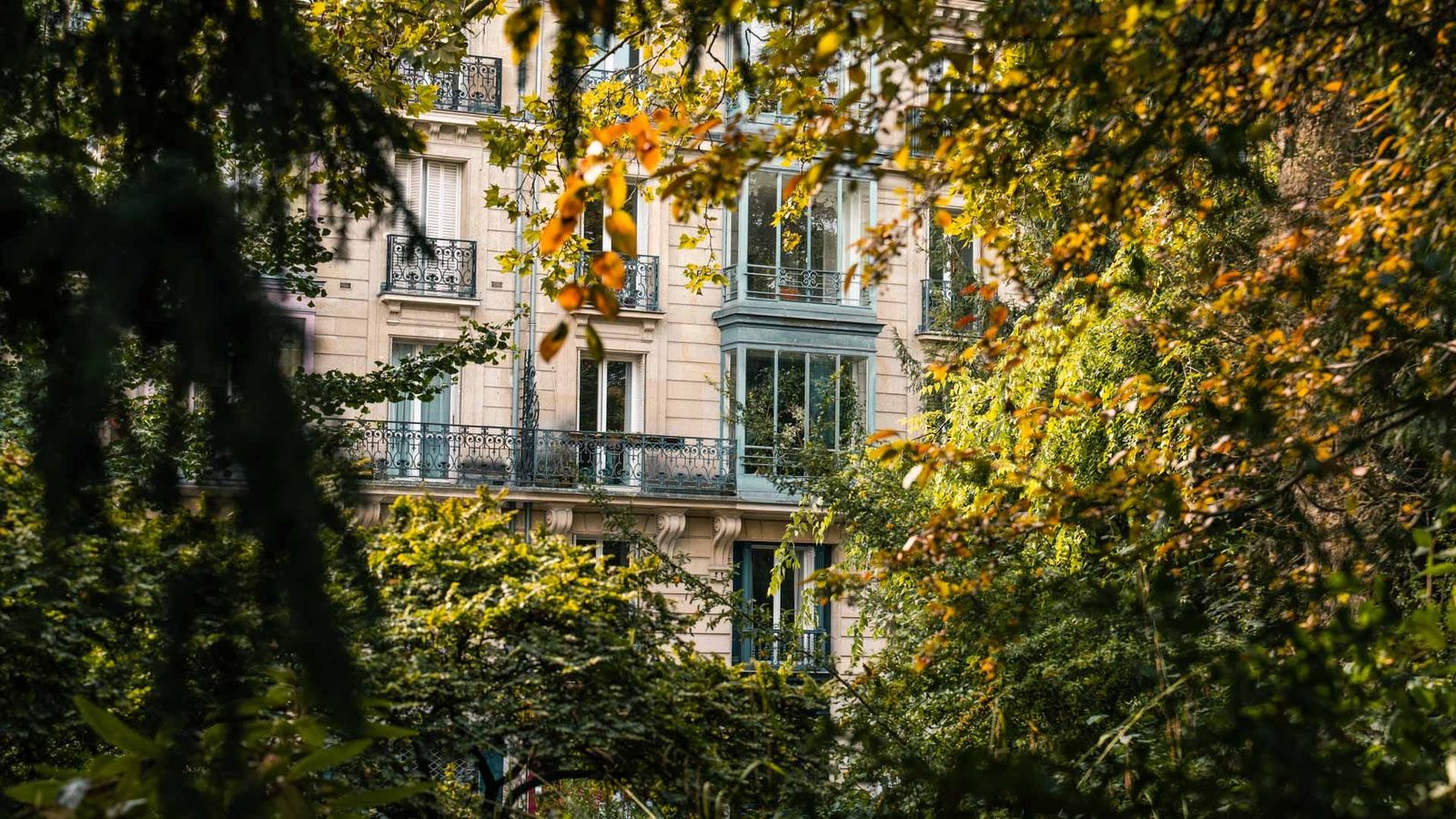
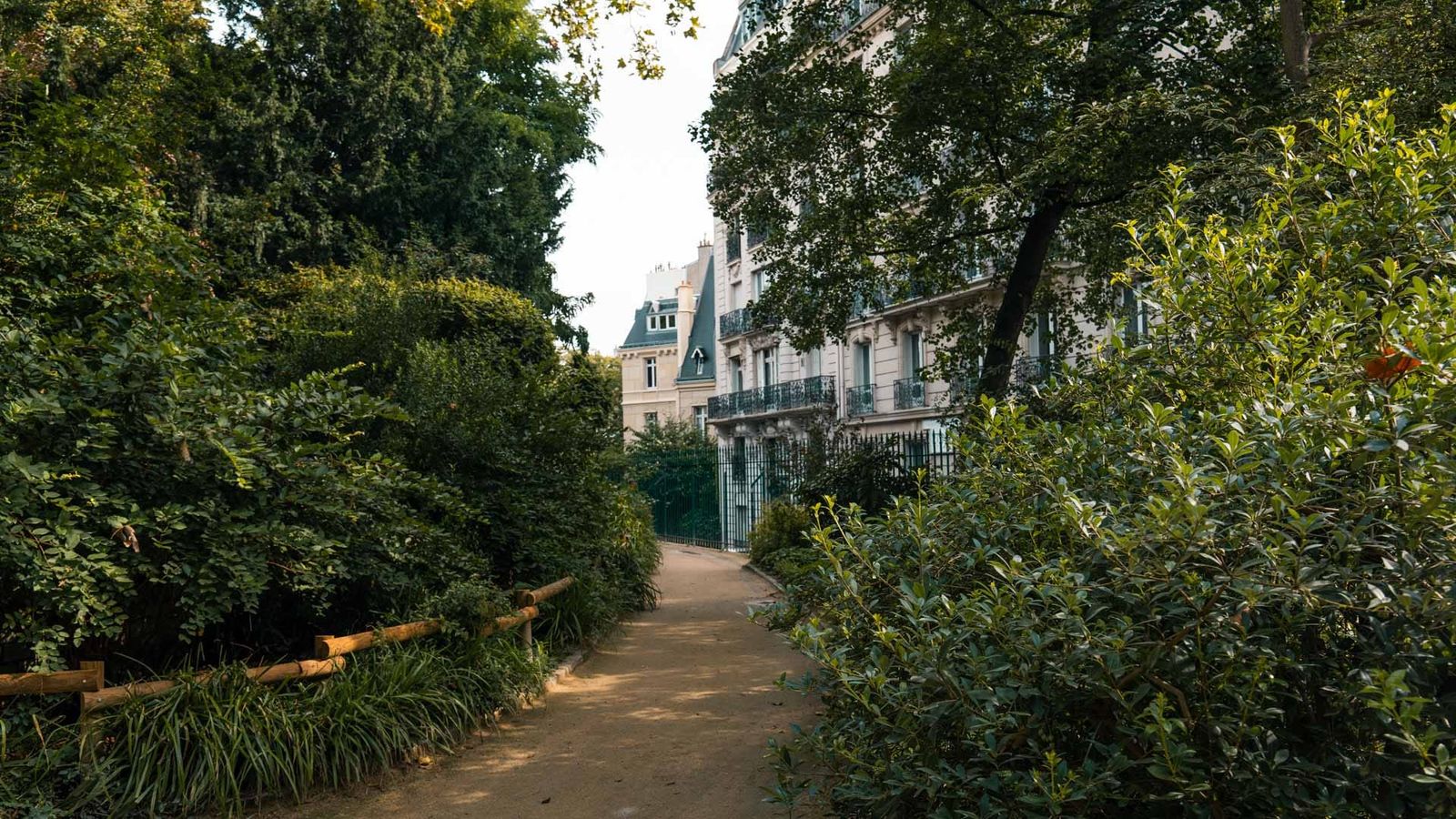
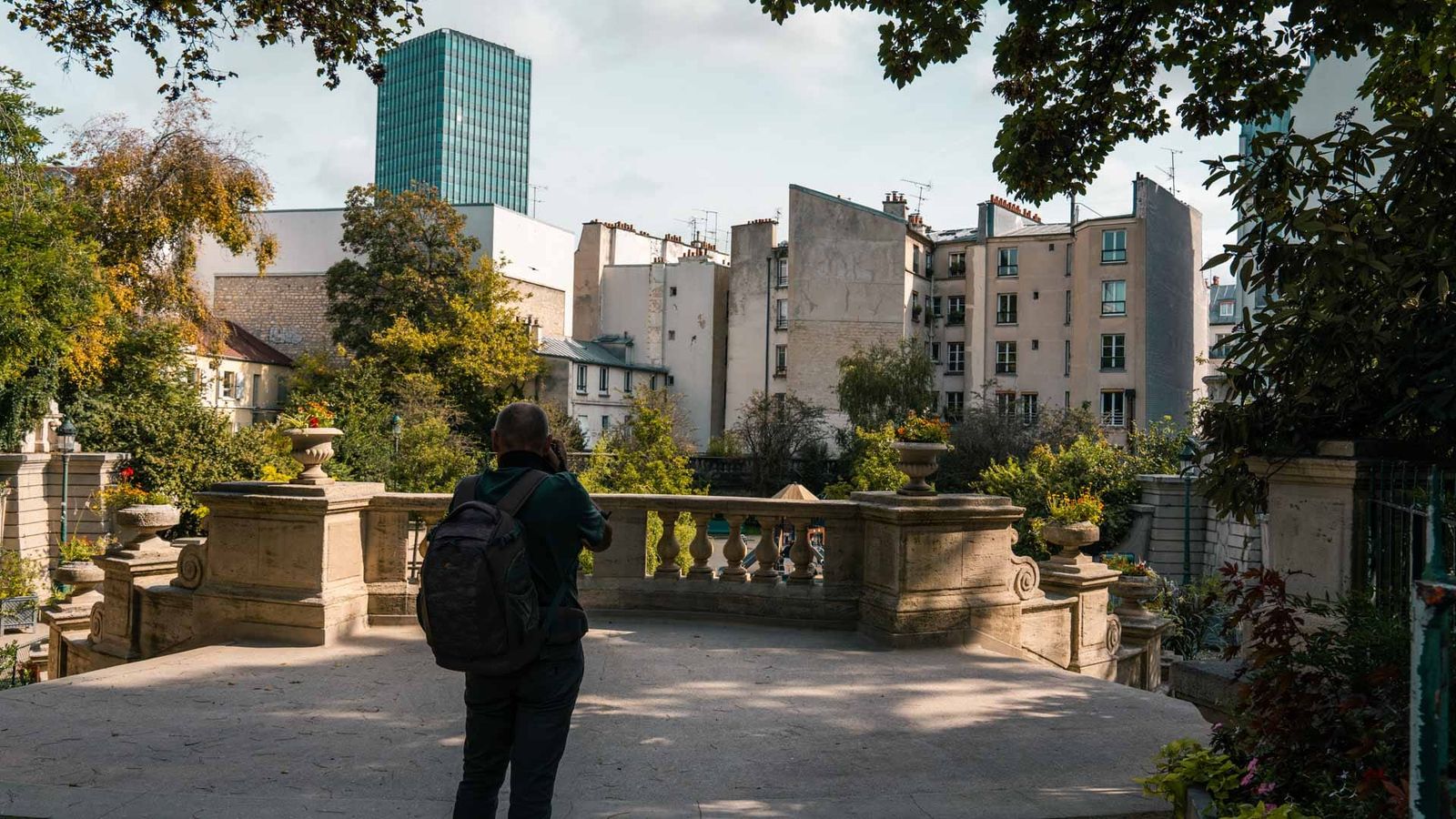
Constructed from locally quarried Lutetian limestone, this elevated site gave the structure visibility across ancient Paris. Even today, the quiet charm of the location contrasts beautifully with the bustling Latin Quarter nearby.