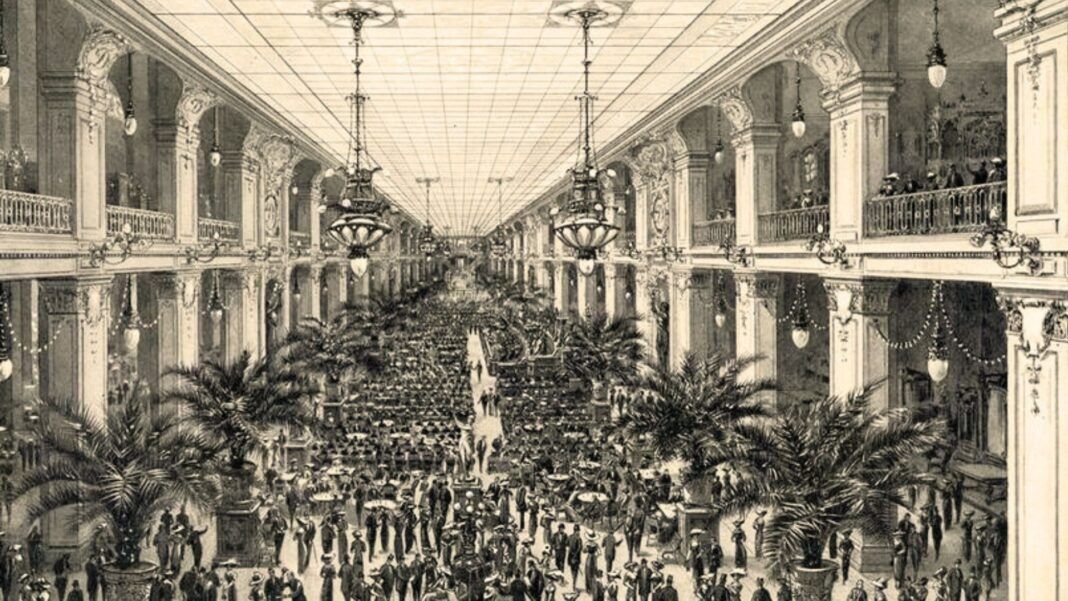
Paris looks solid. Stone, monuments, history, all that. But it’s a lie. Under your feet, the city is hollow.
Hundreds of kilometers of tunnels wind beneath boulevards and gardens. Old limestone quarries. Some reinforced, some half-collapsing. Some filled with bones. Some just… empty. Dark. Forgotten. Welcome to the Paris Catacombs.

That’s where Philibert Aspairt becomes more than a name on a stone.
1793. Worst possible year to go missing
The Revolution is chewing through Paris. Cemeteries are overflowing, so bones are being moved underground. Above ground, people scream about liberty. Below ground, everything is quiet.

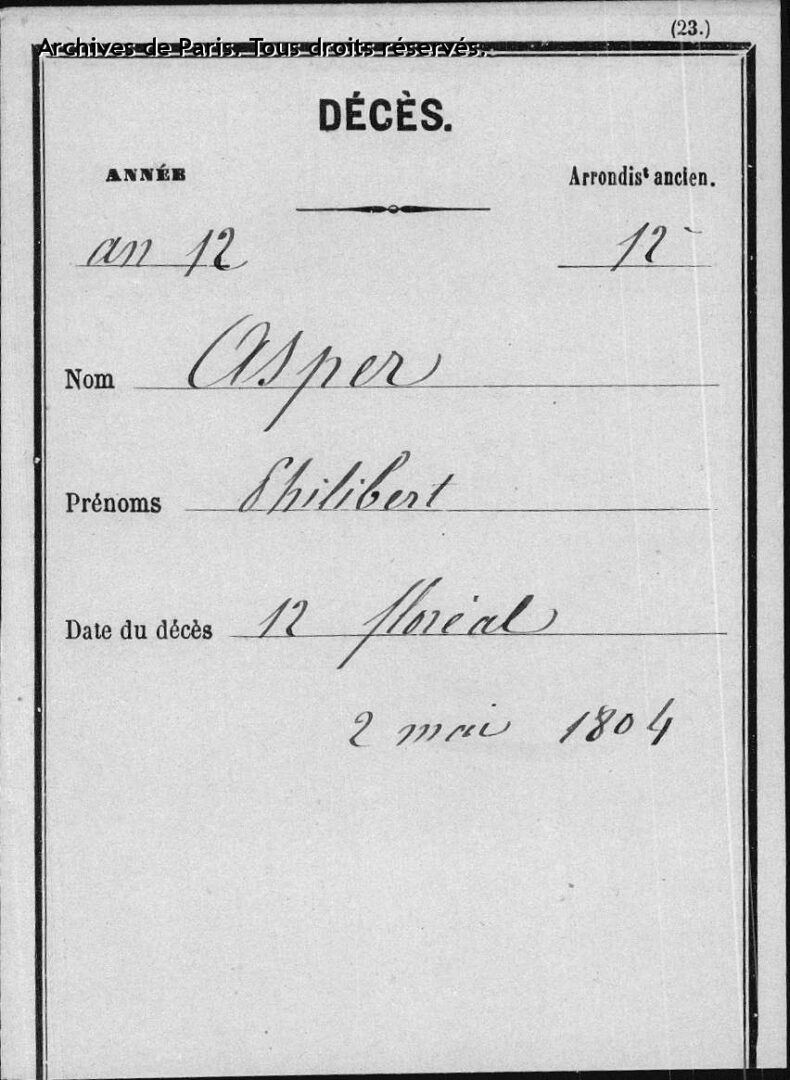
Aspairt wasn’t a noble or a general. He was born Philiber Asper on April 13, 1732, in Ravel-Salmérange in central France. He moved to Paris, married Elisabeth Millard in 1768, and they lived in the city through the upheavals of the late 18th century.
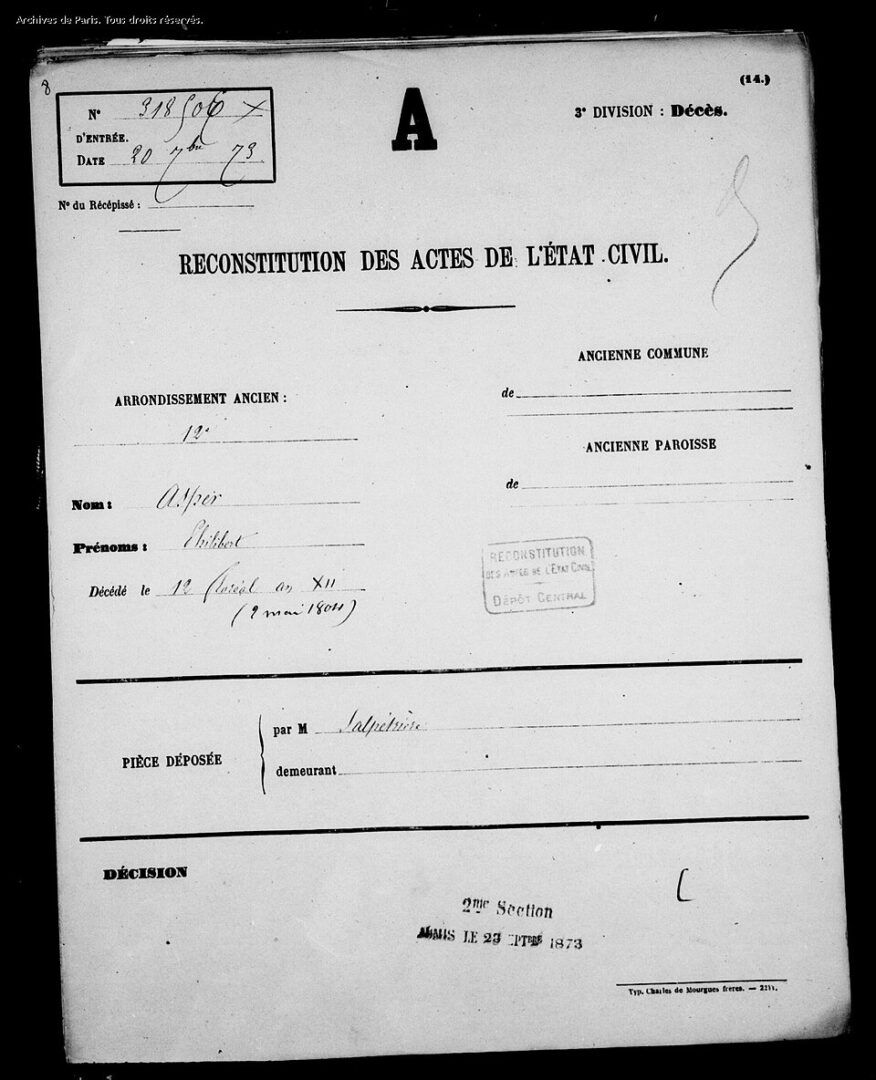
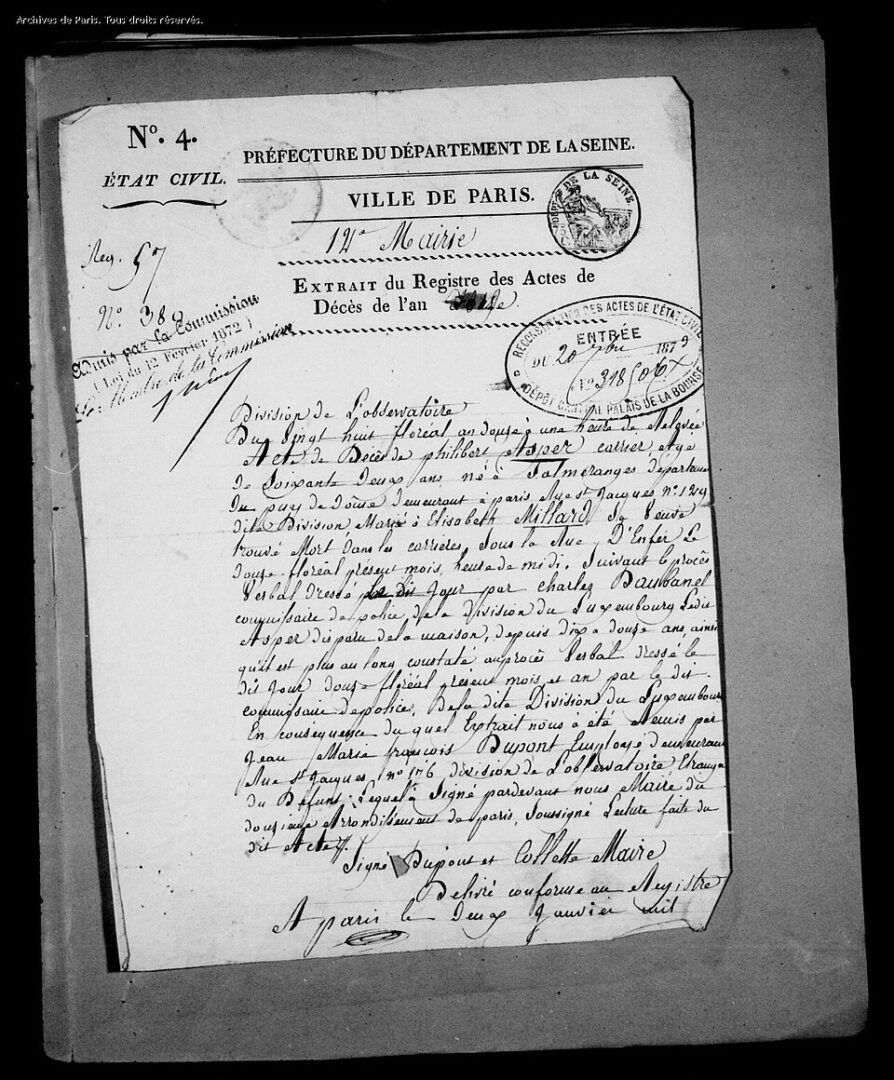
By 1793, he was about 62 years old and working in or around the underground quarries, likely on consolidation work, shoring up collapsing ground above. The historic records that survive are fragmentary, but his death certificate and other documents affirm he did exist, did disappear into the galleries, and was found years later.
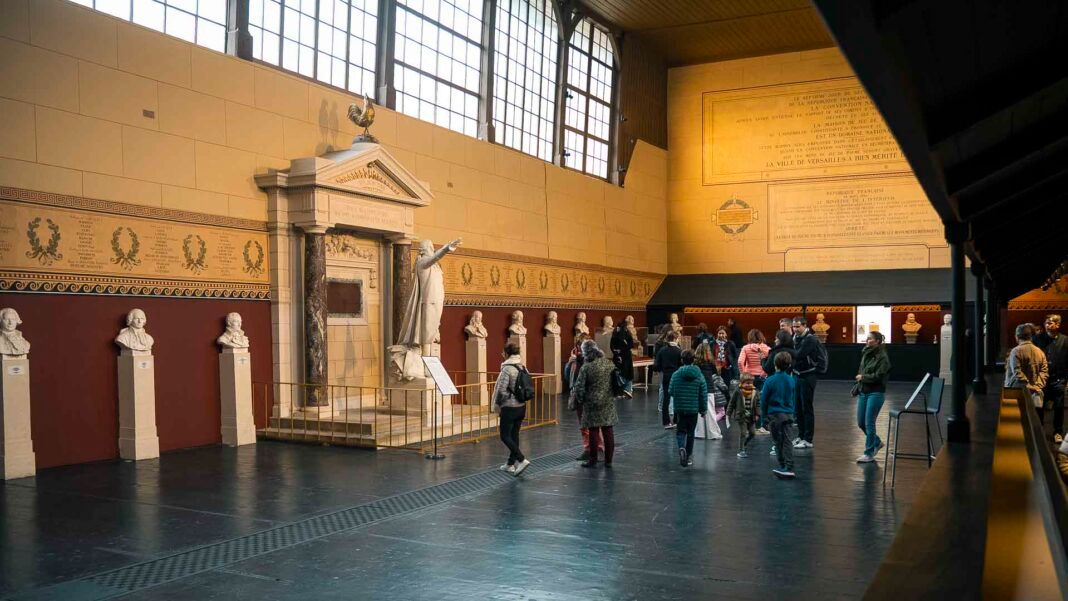
Some versions of the story put him at the Val-de-Grace, staking down into the tunnels via the old Mansart staircase, thirty meters straight down from that courtyard where, today, you might still glimpse round arches and weathered stone.

Others later writers embellish that he was the hospital’s gatekeeper with a ring of keys, reinforcing the mythic image of a man who literally held access both above and below.
Why he went down that day, November 3, 1793, is still unknown.
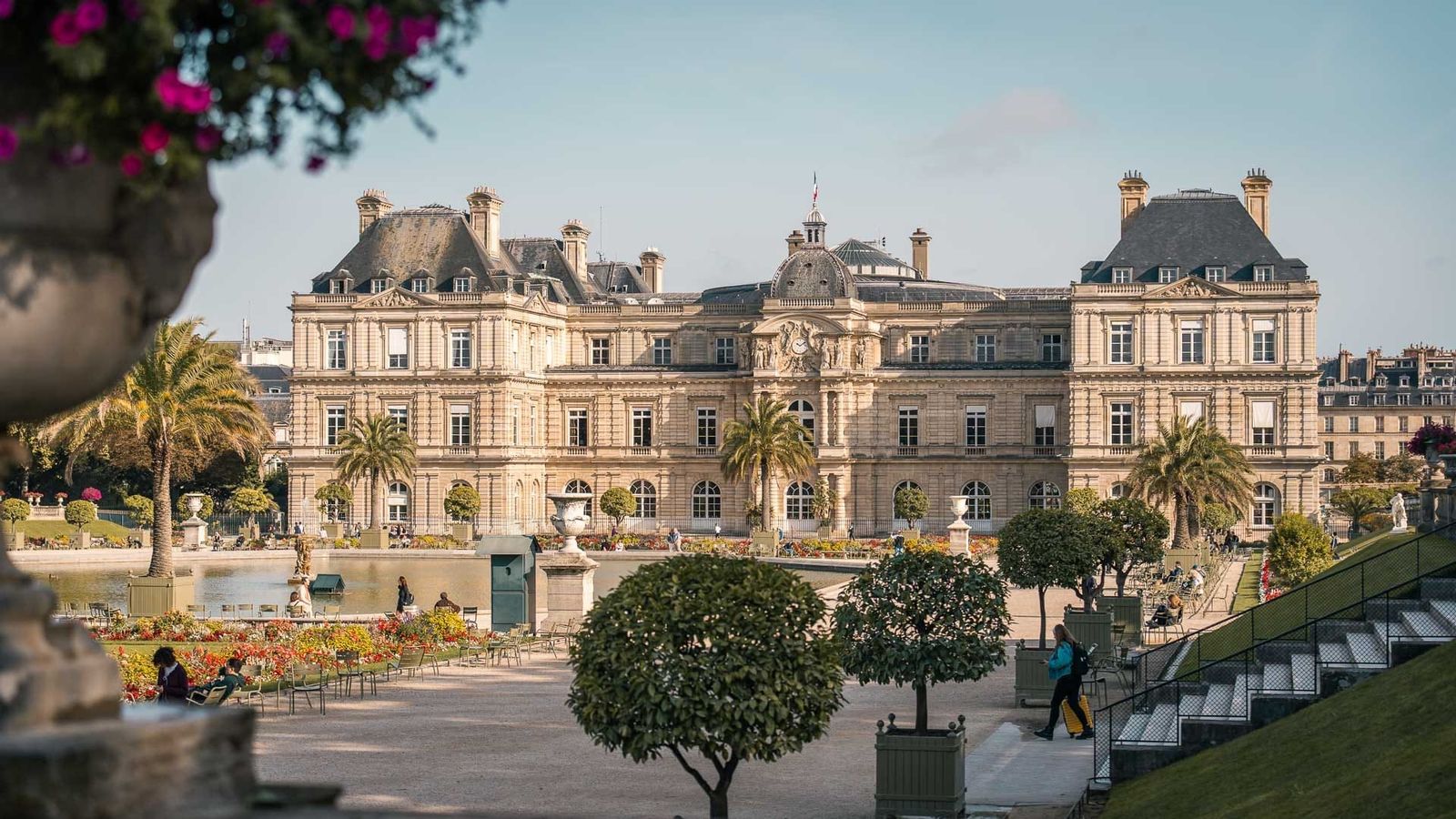
Wine is the popular theory. The monks at the Chartreux once stored bottles down there. Revolution or not, thirst is eternal. Others suggest he might have been heading toward the old Luxembourg Palace cellars. Maybe he just wanted to explore. Maybe he thought he knew the way.
That’s how the catacombs get you.
He takes the Mansart steps. Oil lamp in hand. Then corridors. Pillars. Turns that all look the same once your light starts to die.

Philibert never comes back.
No alarm is raised. No search party. In 1793, Paris is excellent at ignoring disappearances. Compared to mass executions, a missing quarry worker barely exists.
Years pass. Empires rise and fall faster than Philibert’s memory.

1804. Eleven years later
Inspectors and workers mapping or reinforcing galleries under what was then called rue d’Enfer, close to the Luxembourg district, find a skeleton in a remote tunnel.
Nearby are fragments of clothing, a belt, and a set of keys. That’s enough to identify him. He isn’t brought back to light.
They bury him close to where he died, or perhaps his remains were placed in the great ossuary that the city was building at the time. Records don’t clarify this; the surviving death certificate was ordered years later.
What is clear is the monument erected under the street now called Henri Barbusse still stands underground.
The inscription is stark:
“In memory of Philibert Aspairt
Lost in this quarry on November 3, 1793
Found eleven years later and buried in the same place”
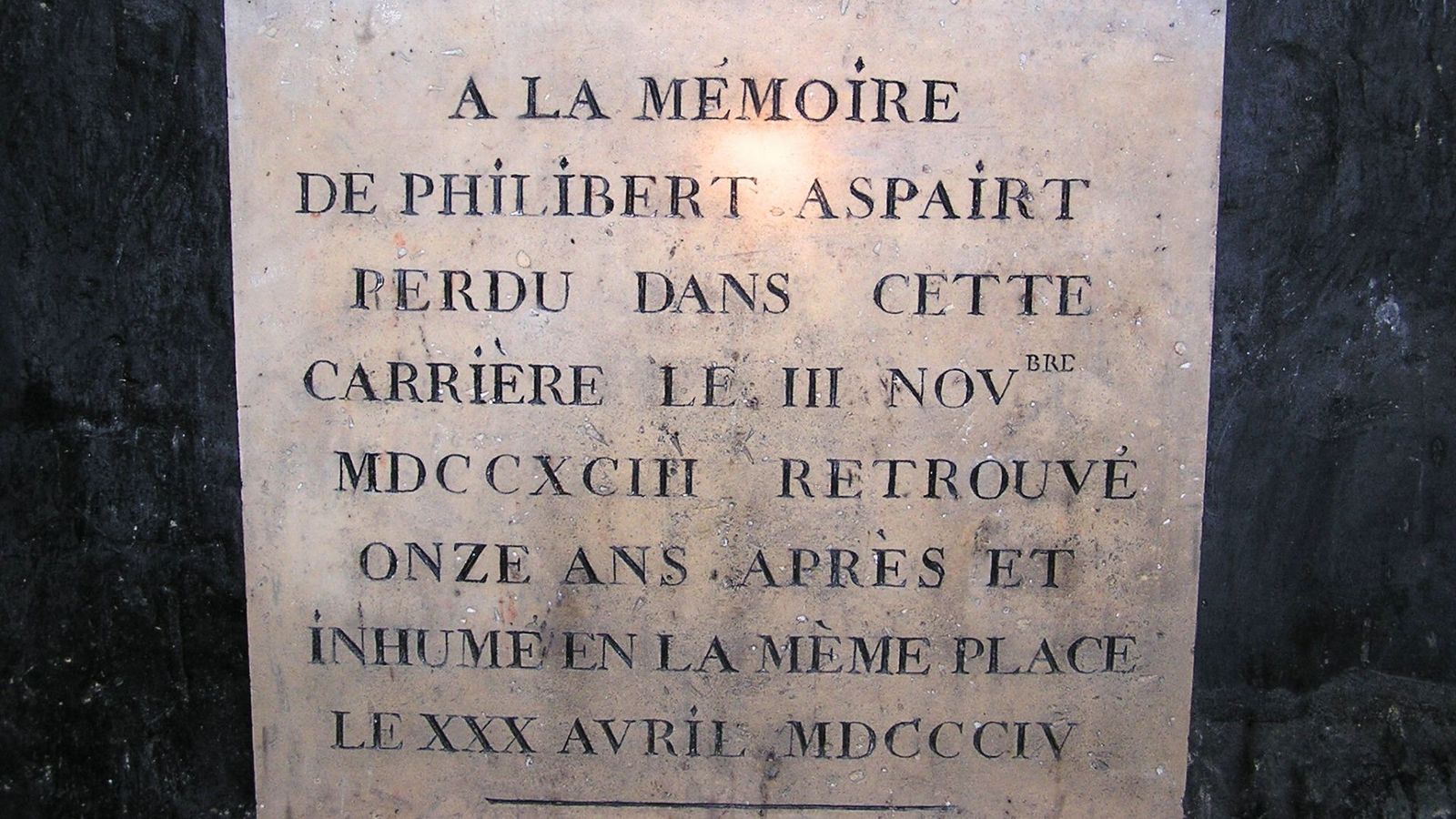
This stone sits well outside the official tour routes, past rails and lights, where the tunnels are genuinely forgotten.
And that’s where the story should end.
Instead it rots into legend.
Some people say Philibert never existed. The name changes spelling over the years — Aspairt, Asper, Apper — which makes confirming details tricky. Some of the earliest press mentions don’t tie him to the Val-de-Grace at all but describe an anonymous quarry worker who vanished for ten to thirteen years before his skeleton was discovered.
Then there’s the symbolism crowd.
Philibert means “bright,” “luminous.” He loses his lamp. Dies in total darkness. His tomb lies under rue d’Enfer. A gatekeeper with keys who descends and never comes back. People start whispering about moral lessons hidden underground by very Catholic engineers.
Or maybe he was just drunk.
That explanation never gets enough respect.
Whatever the truth, the cataphiles adopted him. Explorers, legend hunters, people who crawl through forbidden tunnels at night. They call Philibert their patron saint. Every November 3rd, some leave candles or notes near his tomb. Not because he protects them. Because he didn’t.
He’s proof the tunnels don’t care.

When you visit the Catacombs, you’re safe. Lights. Railings. A marked path beneath Place Denfert-Rochereau. There’s even a black line painted on the ceiling to guide workers, like an apology written 200 years too late.
Philibert had none of that.
So if the air feels heavier down there, or the silence presses a little too hard, that’s him. Or at least that’s what people say. The man who went looking for a drink and found eternity instead.

When you come back up, blinking in the daylight near the gardens and boulevards of Paris, remember this:
Paris lets you leave. Philibert didn’t get that courtesy. And the tunnels still remember.