


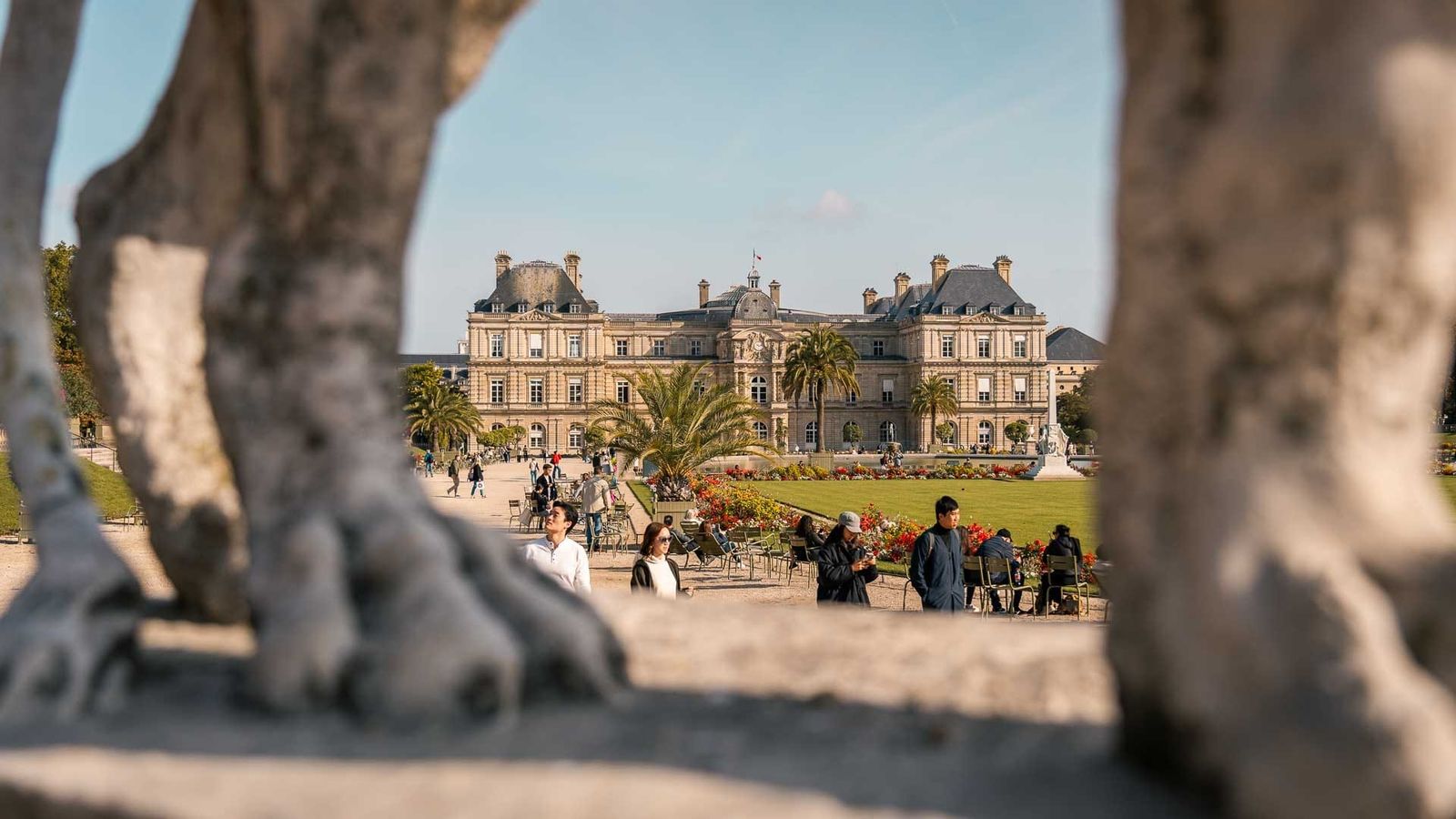






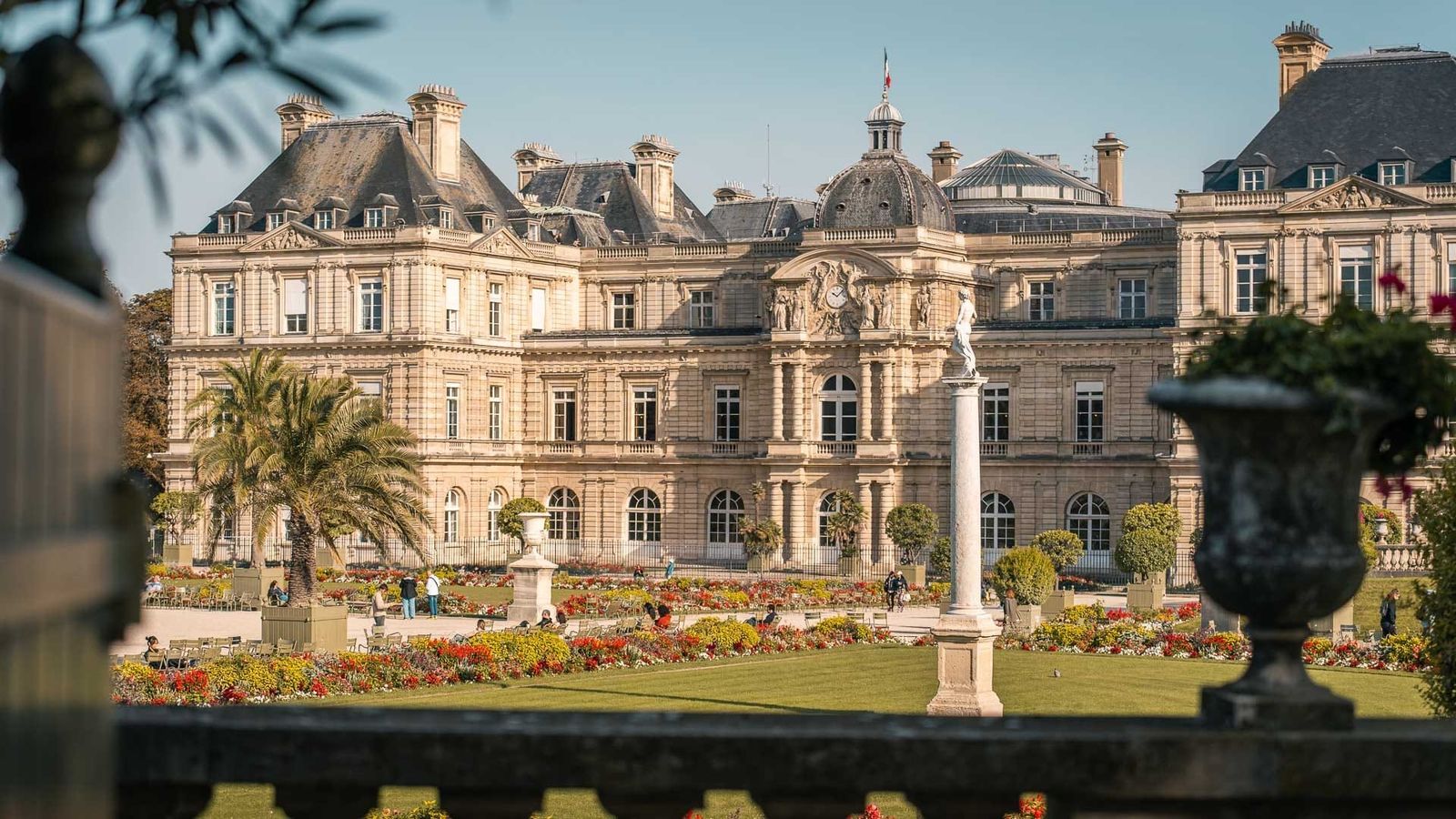
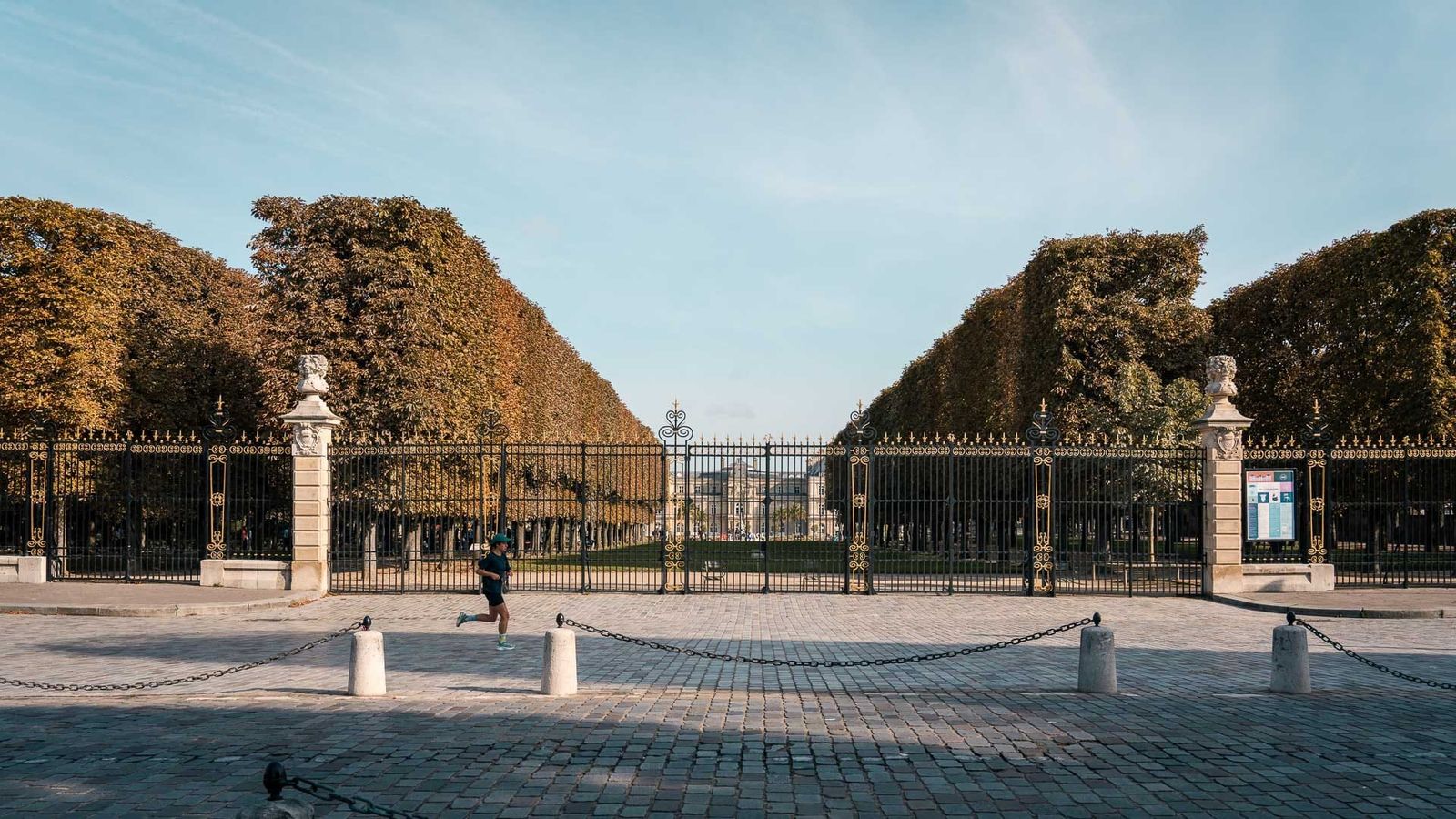

The Luxembourg Garden is an exquisite blend of nature, history, and art. Created in 1612 by Marie de’ Medici, the widow of King Henry IV, the garden was initially designed as a private retreat surrounding the Luxembourg Palace. Today, it is managed by the French Senate, whose members convene in the palace. Spanning 23 hectares (56.8 acres), the garden remains a popular escape for locals and tourists alike.
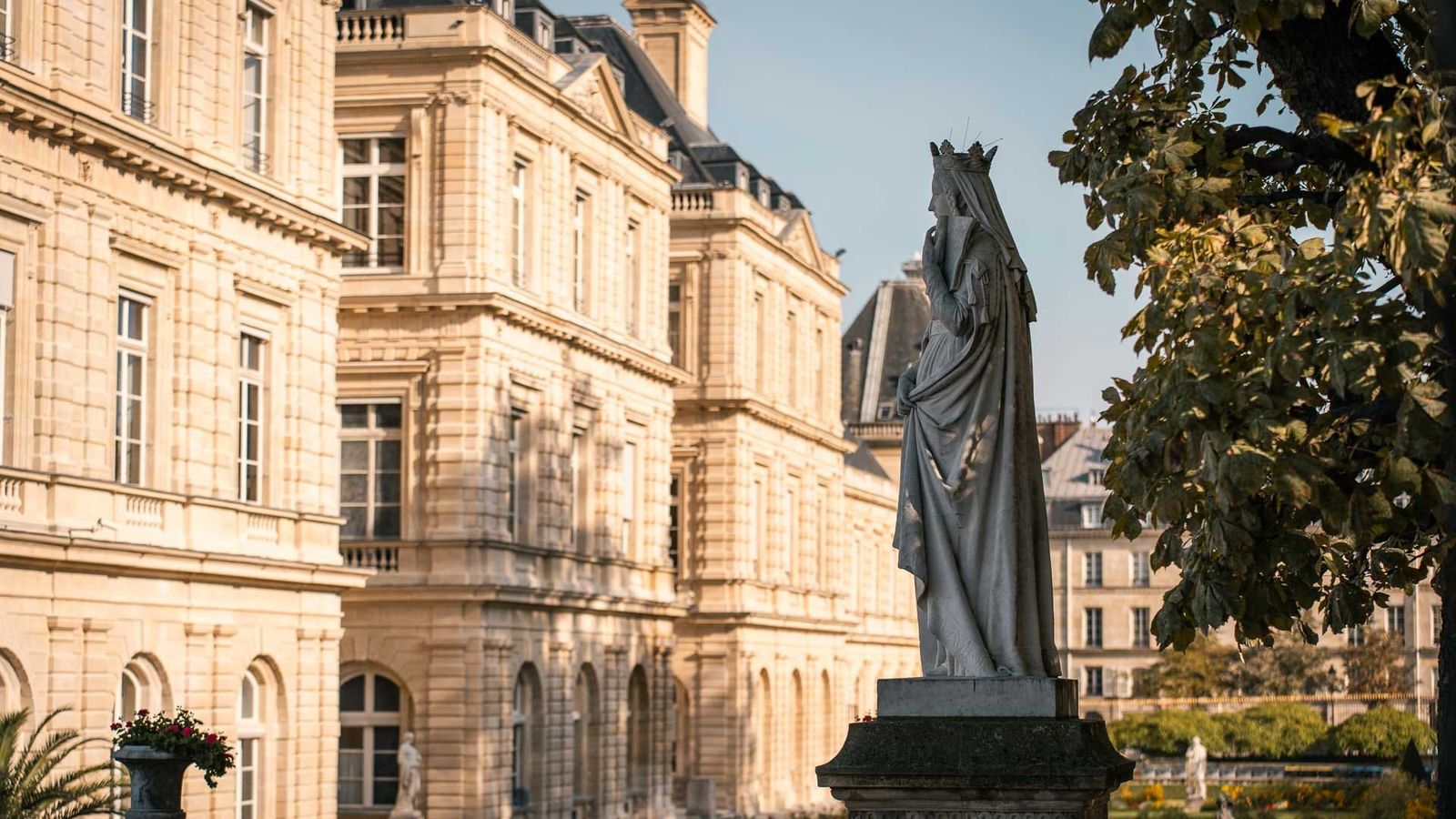
As you stroll through the garden, you’ll encounter a delightful mix of lawns, tree-lined promenades, and flowerbeds. One of the most iconic features of the Luxembourg Garden is its Grand Bassin, an octagonal pond where children can be seen sailing model boats on warm afternoons. Surrounding the pond are statues of French queens and historical figures, including Marie de’ Medici herself. These statues, first commissioned in 1848 by King Louis-Philippe, add a regal charm to the garden’s atmosphere.
Medici Fountain: A Renaissance Gem
The Medici Fountain, a prominent feature of the garden, tells a story of Italian elegance and French restoration. Originally built in 1630 by Marie de’ Medici, this grotto-style fountain was designed by Florentine engineer Tommaso Francini. The fountain fell into disrepair over the centuries but was restored in the early 19th century by Jean Chalgrin, the architect of the Arc de Triomphe. Today, the fountain stands as a beautiful reminder of Renaissance Italy in the heart of Paris, with its dramatic sculptures of Polyphemus and the lovers Acis and Galatea.
A Garden Filled with Sculptures and Serenity
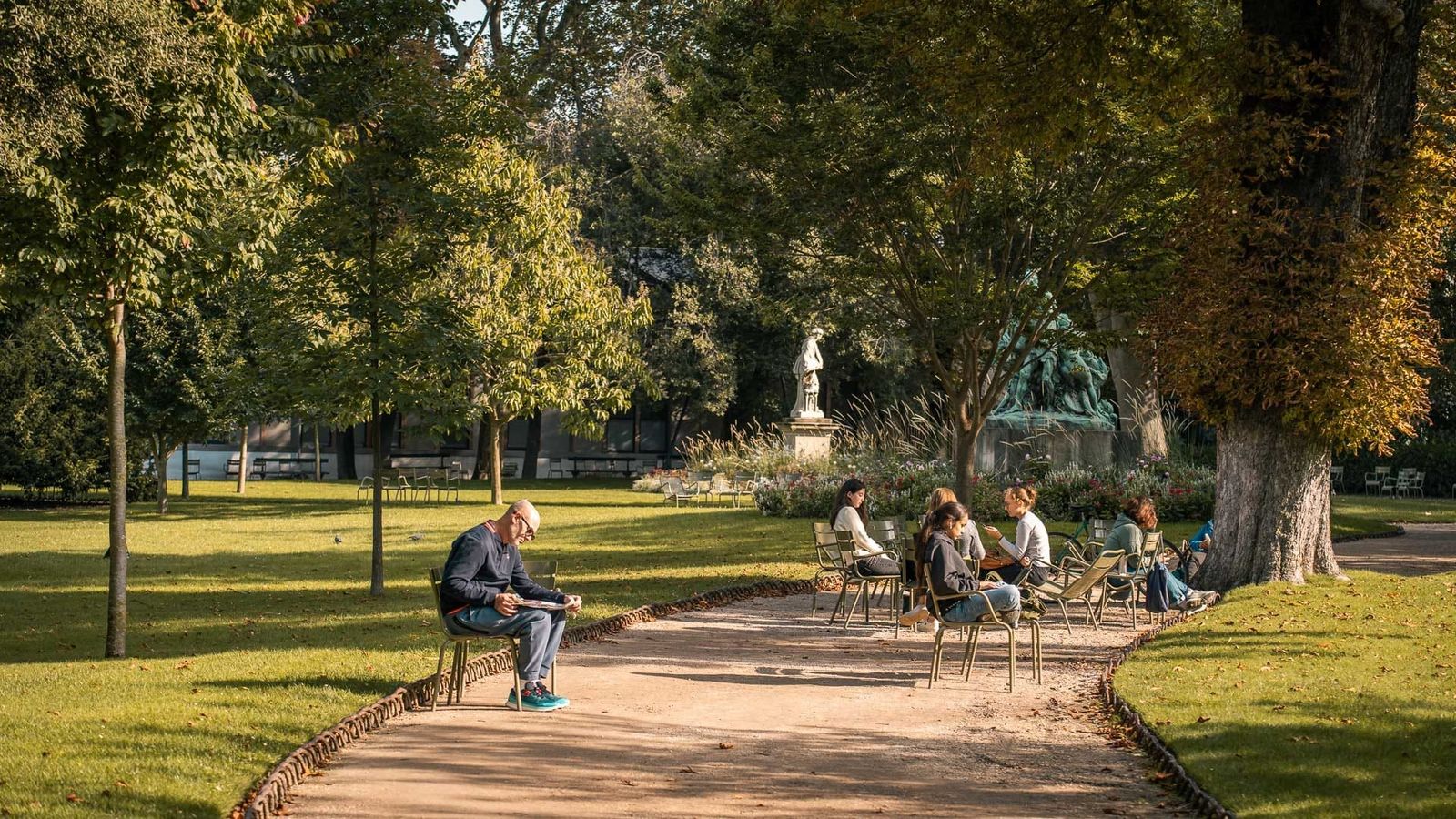
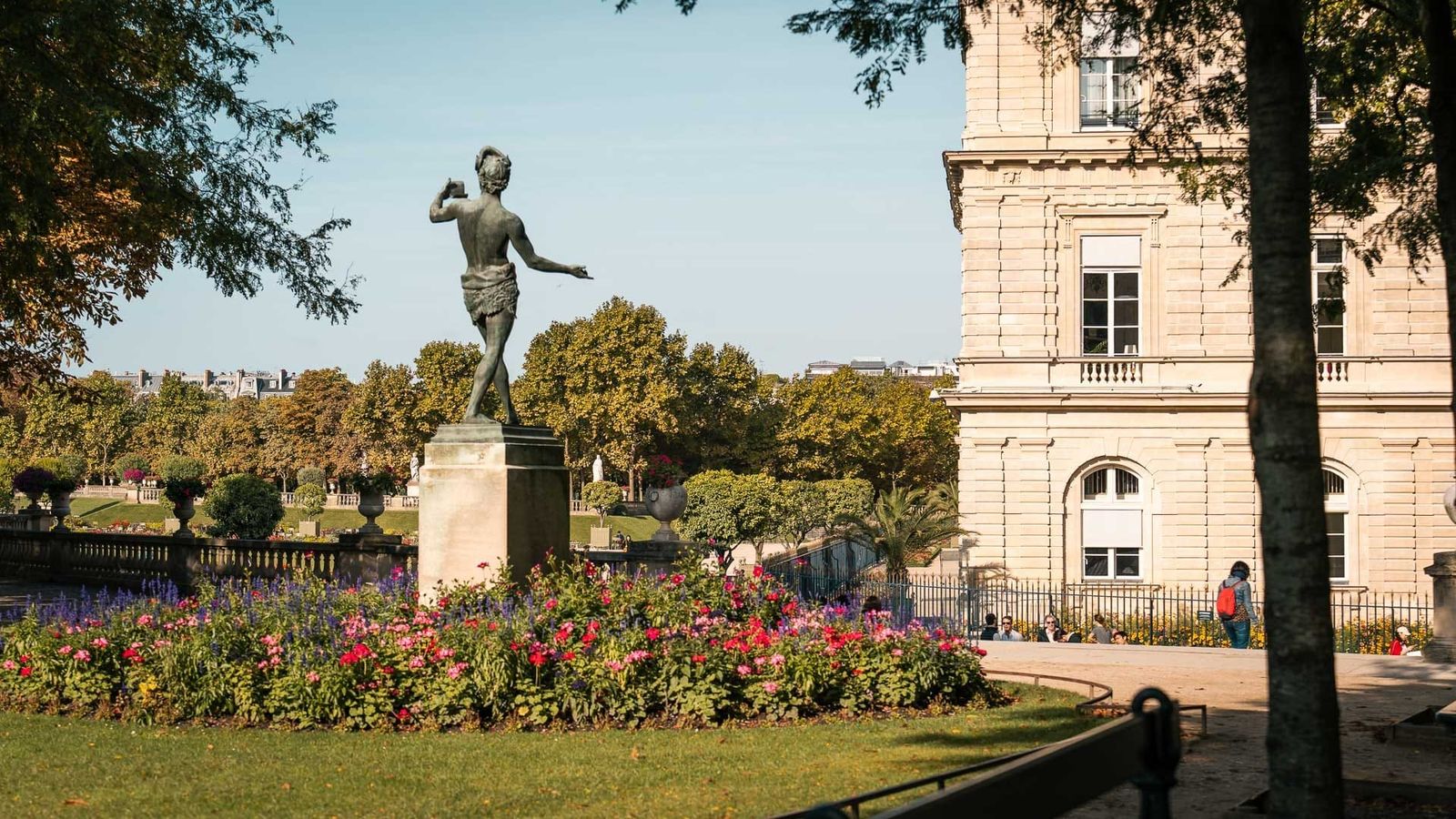
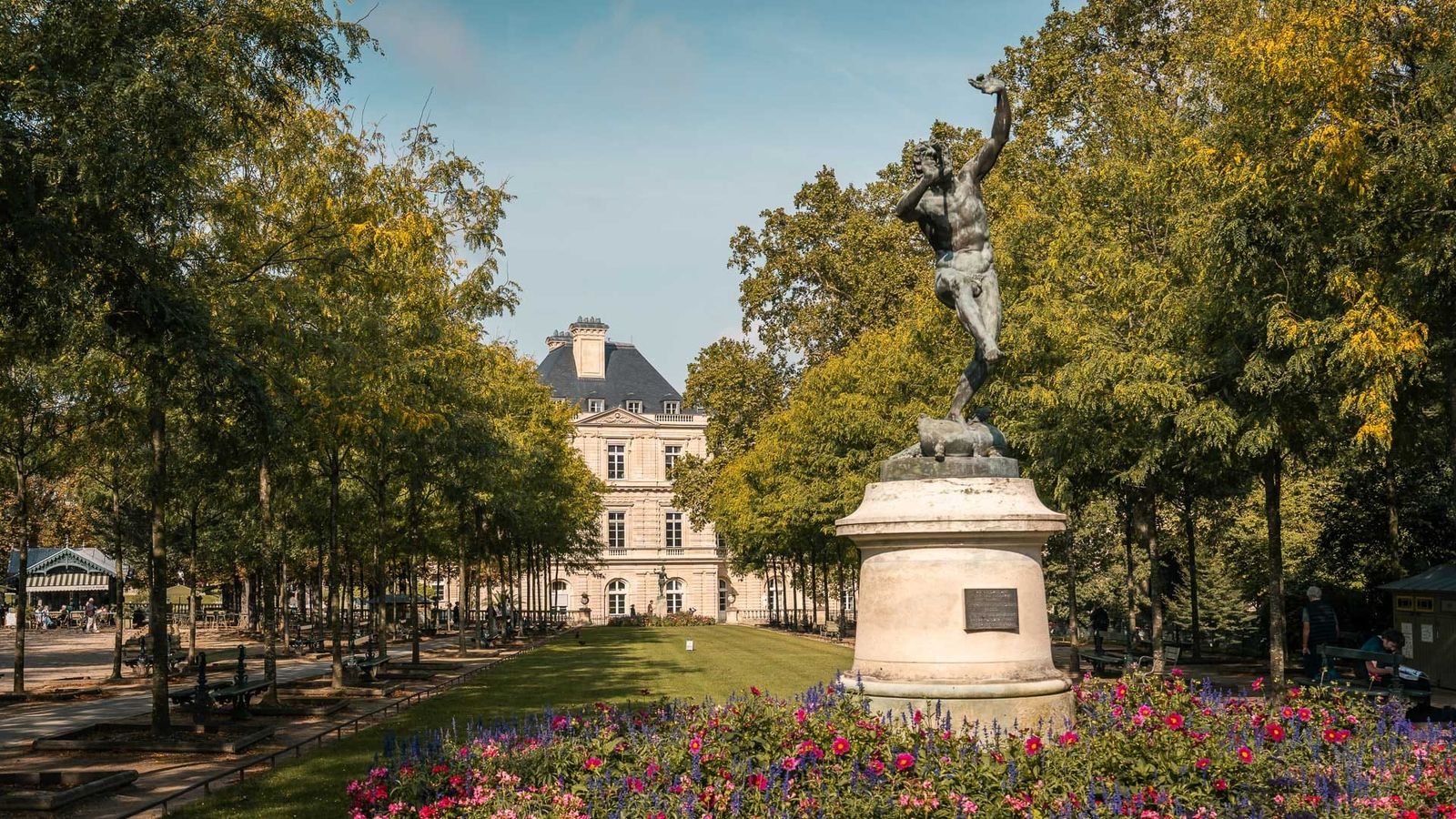
The Luxembourg Garden is also home to over 100 statues, ranging from famous French queens to legendary figures from history and art. The park is dotted with statues that tell the stories of French royalty and cultural icons, adding an intellectual dimension to the visual beauty of the garden. The famous Statue of Liberty, created by Frédéric Bartholdi, stands in one corner of the garden as a smaller replica of the monumental figure gifted to the United States.
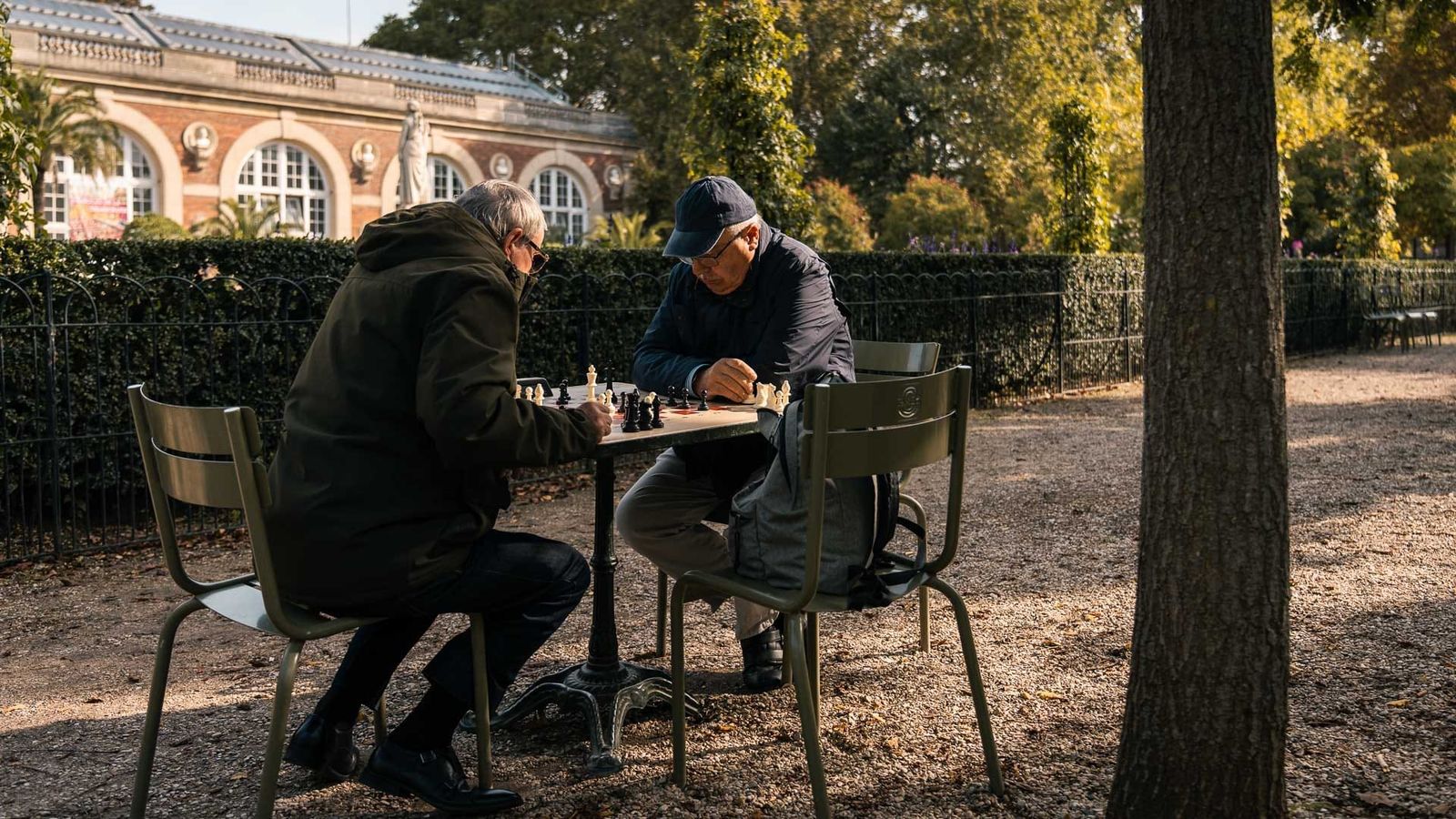
The garden’s southern section, the Orchard of apple and pear trees, offers a more secluded atmosphere, while the puppet theater and vintage carousel bring a sense of nostalgia and joy to families visiting the garden. For those interested in culture, the Orangerie hosts rotating exhibits of modern art, often featuring sculptures and photography.
The Luxembourg Palace: A Symbol of Royal Grandeur
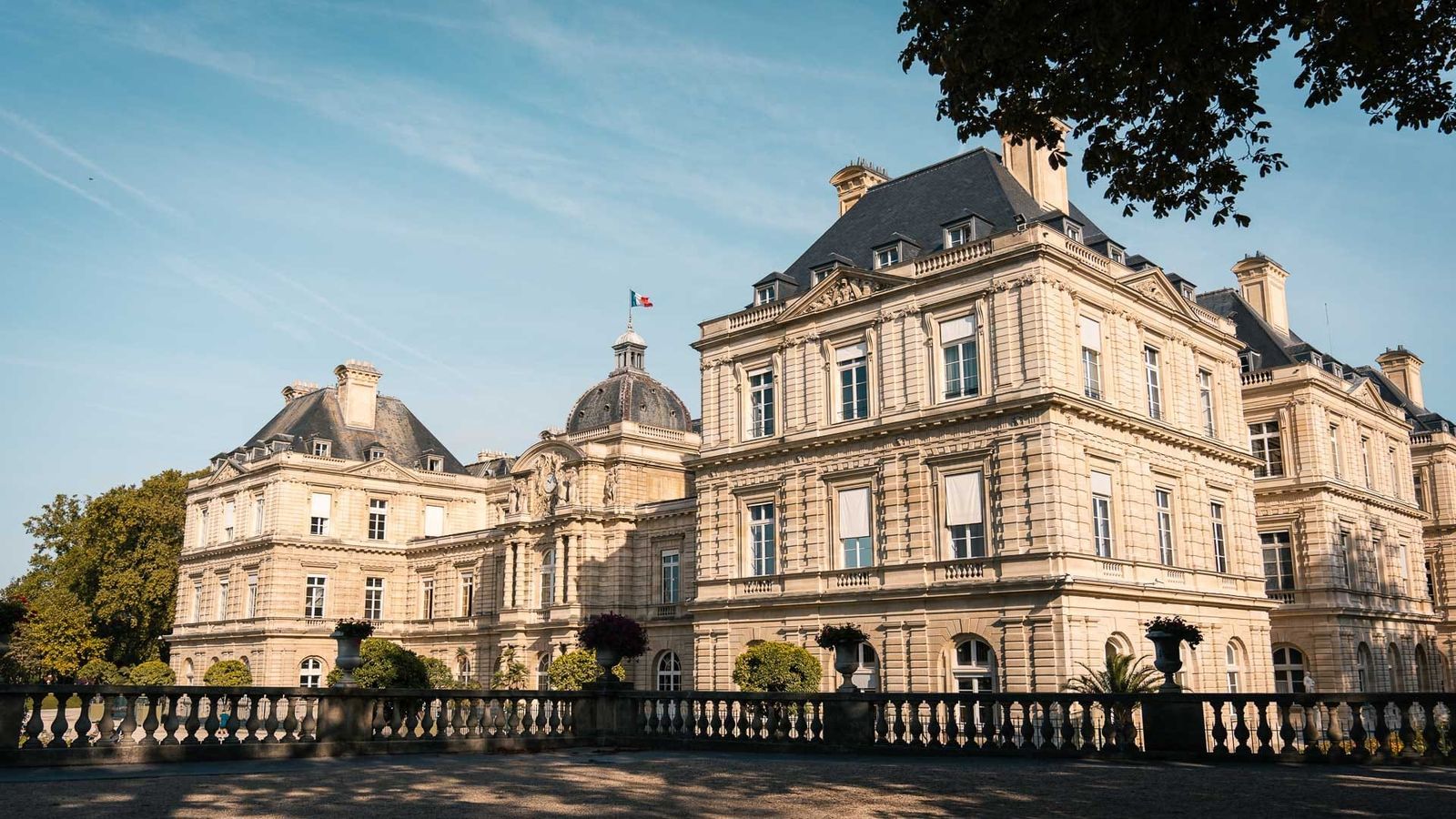
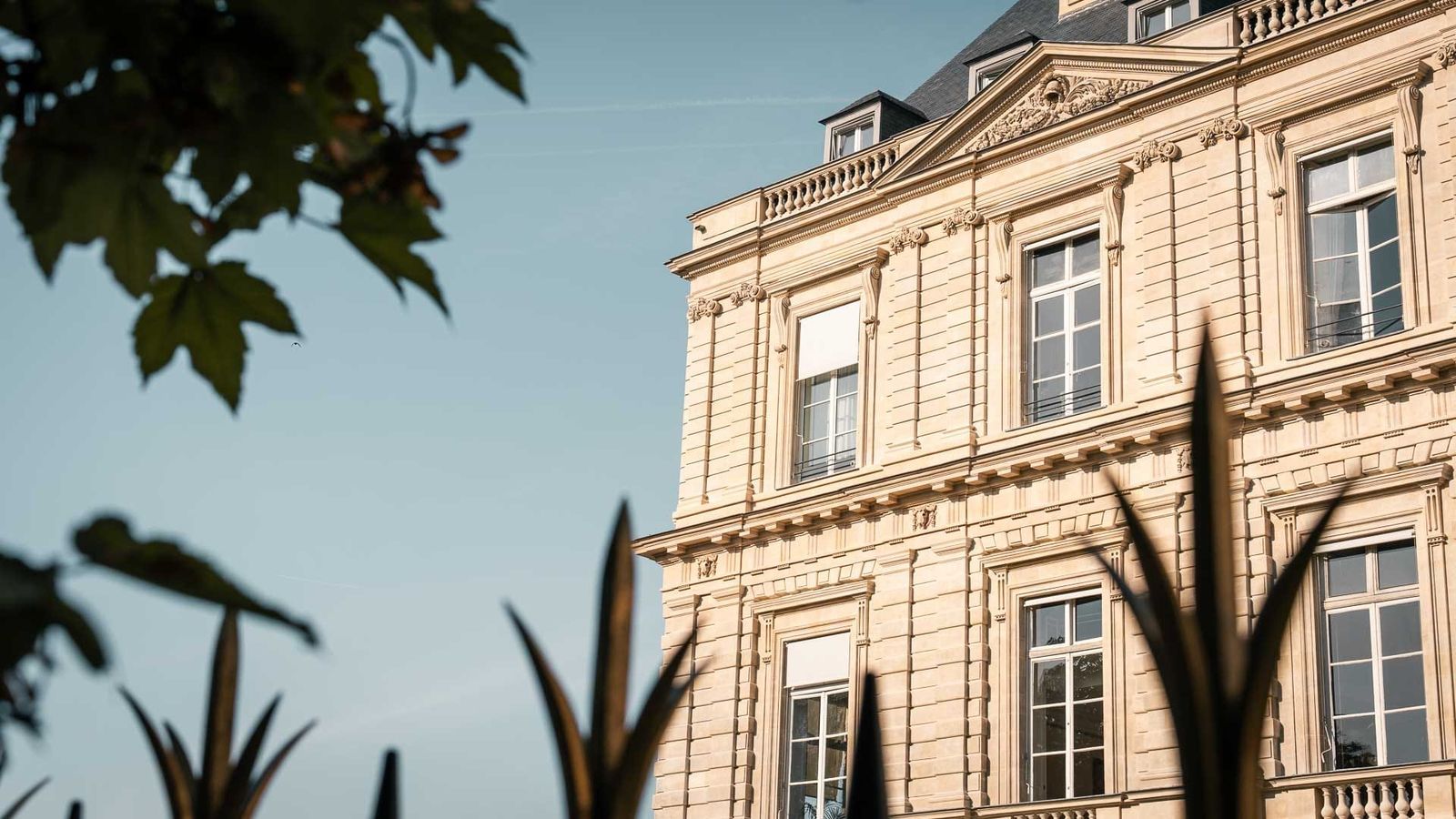
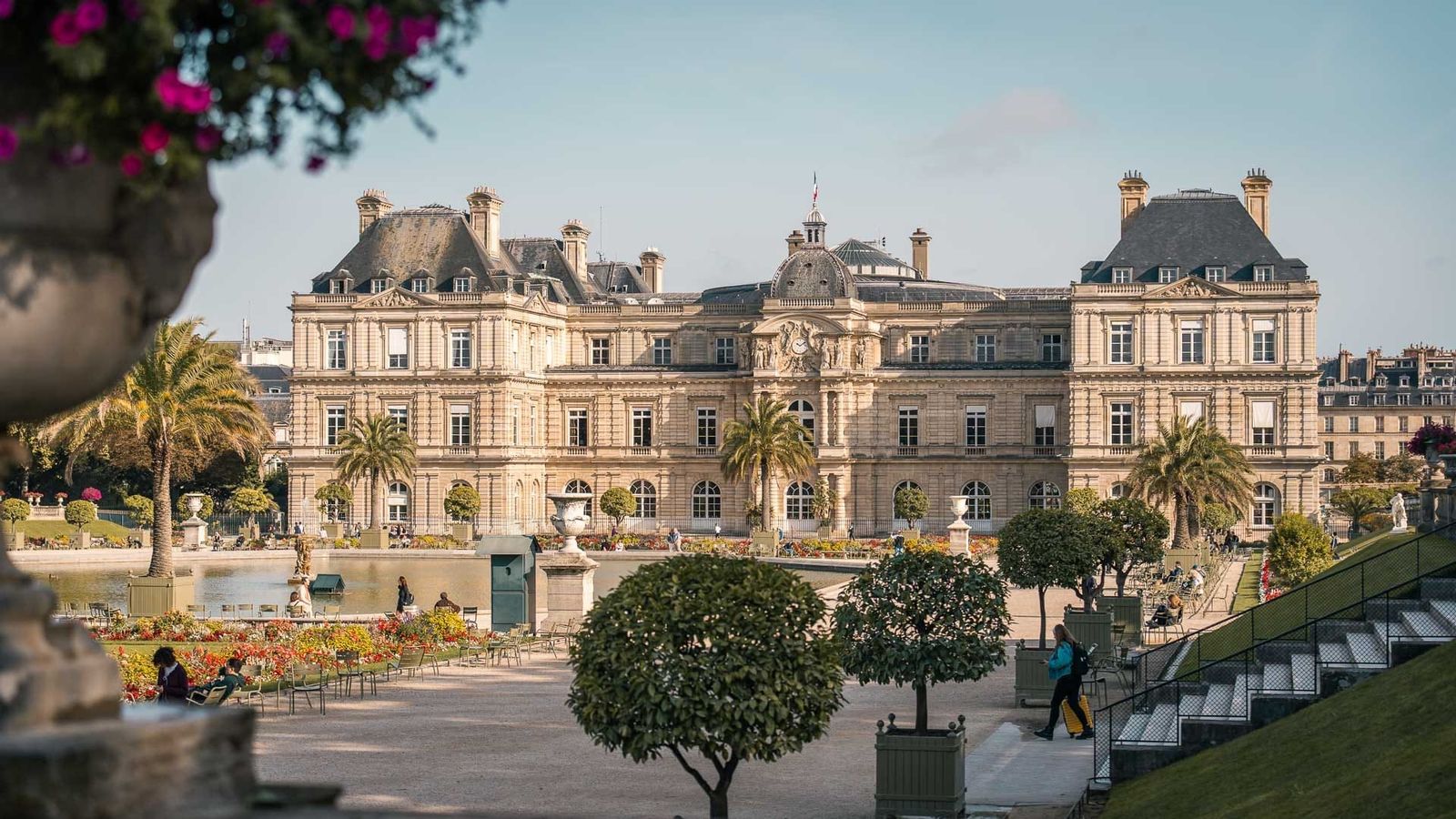
At the heart of the Luxembourg Garden, the Luxembourg Palace is a stunning architectural landmark. Built between 1615 and 1627 under the orders of Marie de’ Medici, the palace was originally a royal residence, designed as a counterpart to the Pitti Palace in Florence.
Today, it is home to the French Senate, where the political pulse of the country is felt in this historic and beautifully preserved space. Visitors can admire the palace’s imposing façade and expansive gardens, offering a fascinating juxtaposition of power, politics, and art in one location.
Tranquil Lawns and Picture-Perfect Walkways
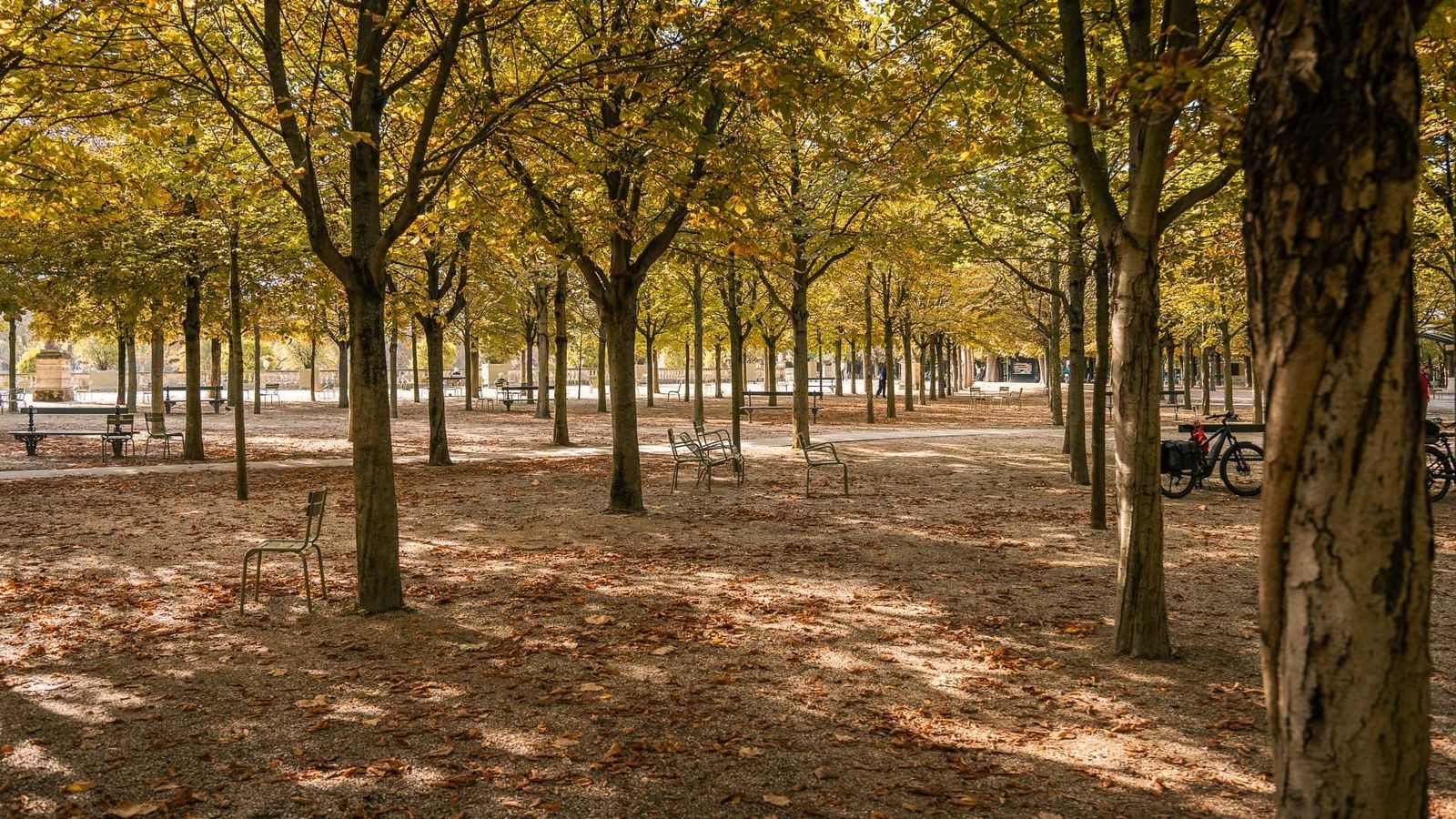
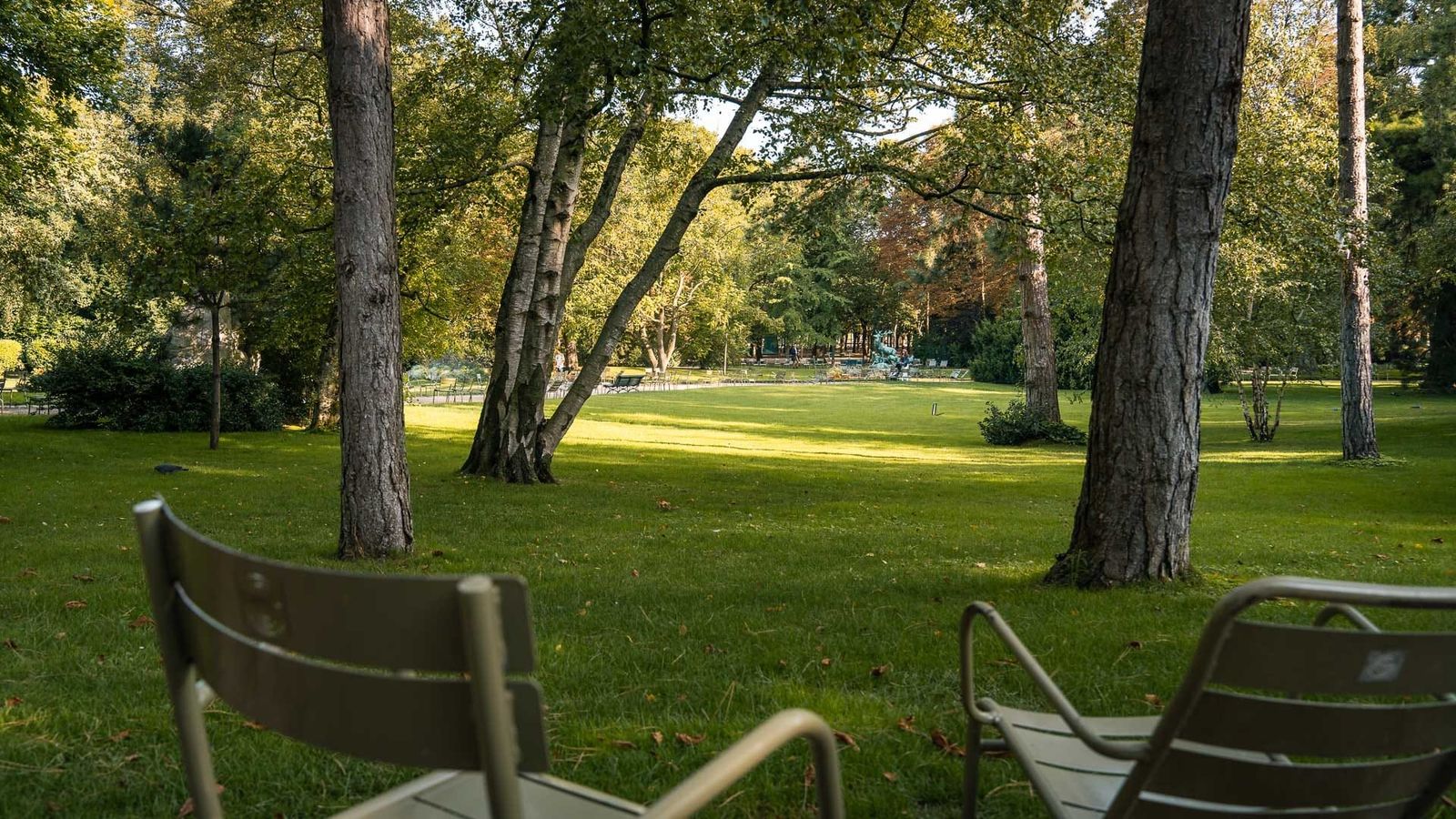
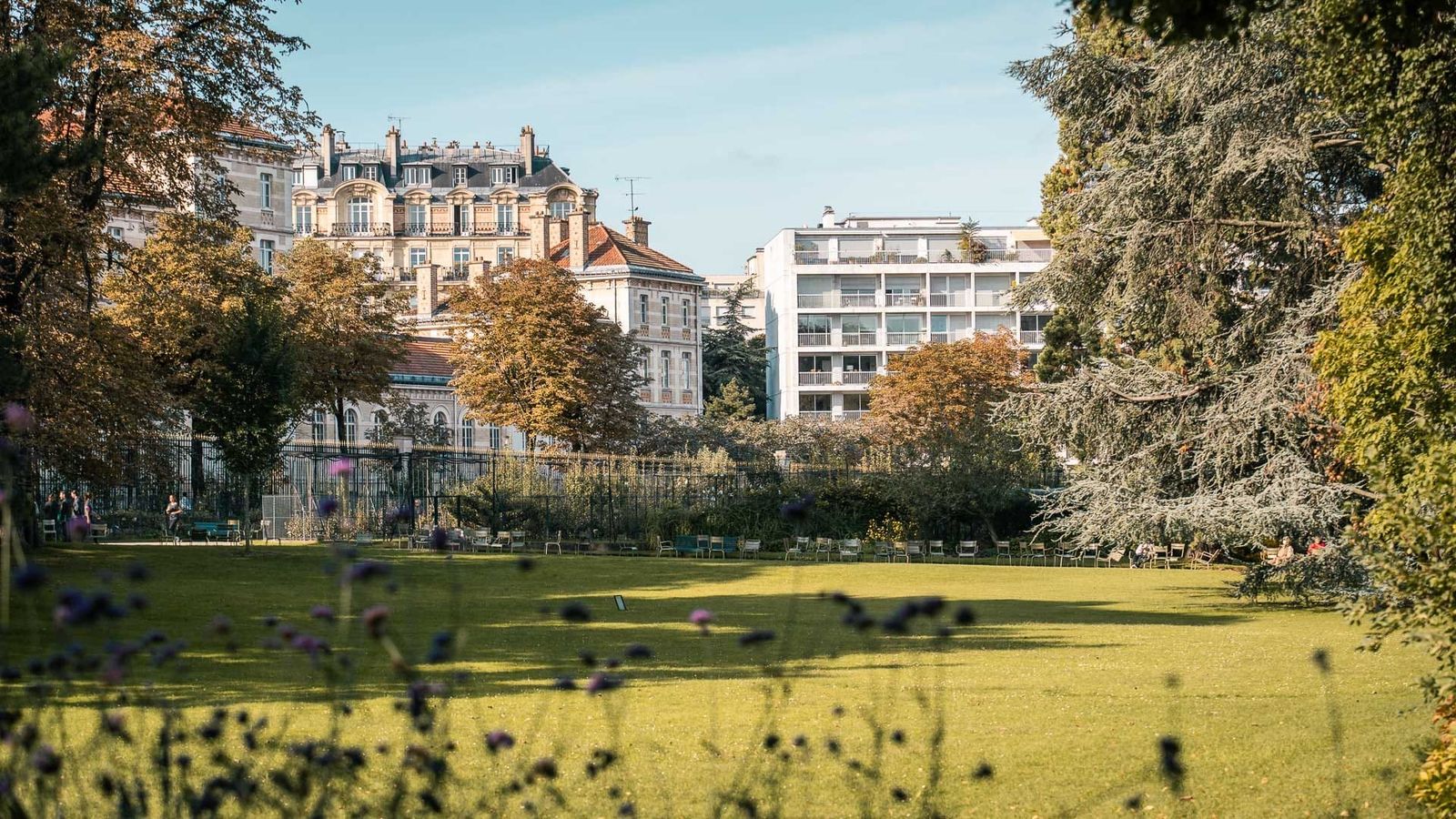
As you wander through the expansive grounds of the garden, you’ll find yourself immersed in peaceful surroundings. The meticulously manicured lawns offer the perfect setting for a leisurely picnic or an afternoon nap under the shade of centuries-old trees. The winding paths invite exploration, with picturesque walkways leading to hidden corners and tranquil spaces.
Seasonal Blooms: The Garden’s Colorful Palette
A true testament to nature’s beauty, the Luxembourg Garden transforms with the seasons. In spring, the garden bursts into life with vibrant tulips and daffodils. Summer brings lush greenery and the fragrant roses in the central promenade, while autumn paints the trees in rich golden and amber hues. Each season offers visitors a new perspective of the garden’s stunning landscape.
A Family-Friendly Haven: Fun and Education for All Ages
The Luxembourg Garden is not just for those seeking peace and quiet; it’s a lively, family-friendly space. Children can enjoy sailing boats on the Grand Bassin, while the puppet theater and carousel provide nostalgic entertainment.
The garden’s educational appeal extends to its rich history and collection of statues, offering young visitors a glimpse into French culture and heritage.
The Role of the Luxembourg Garden in Parisian Life
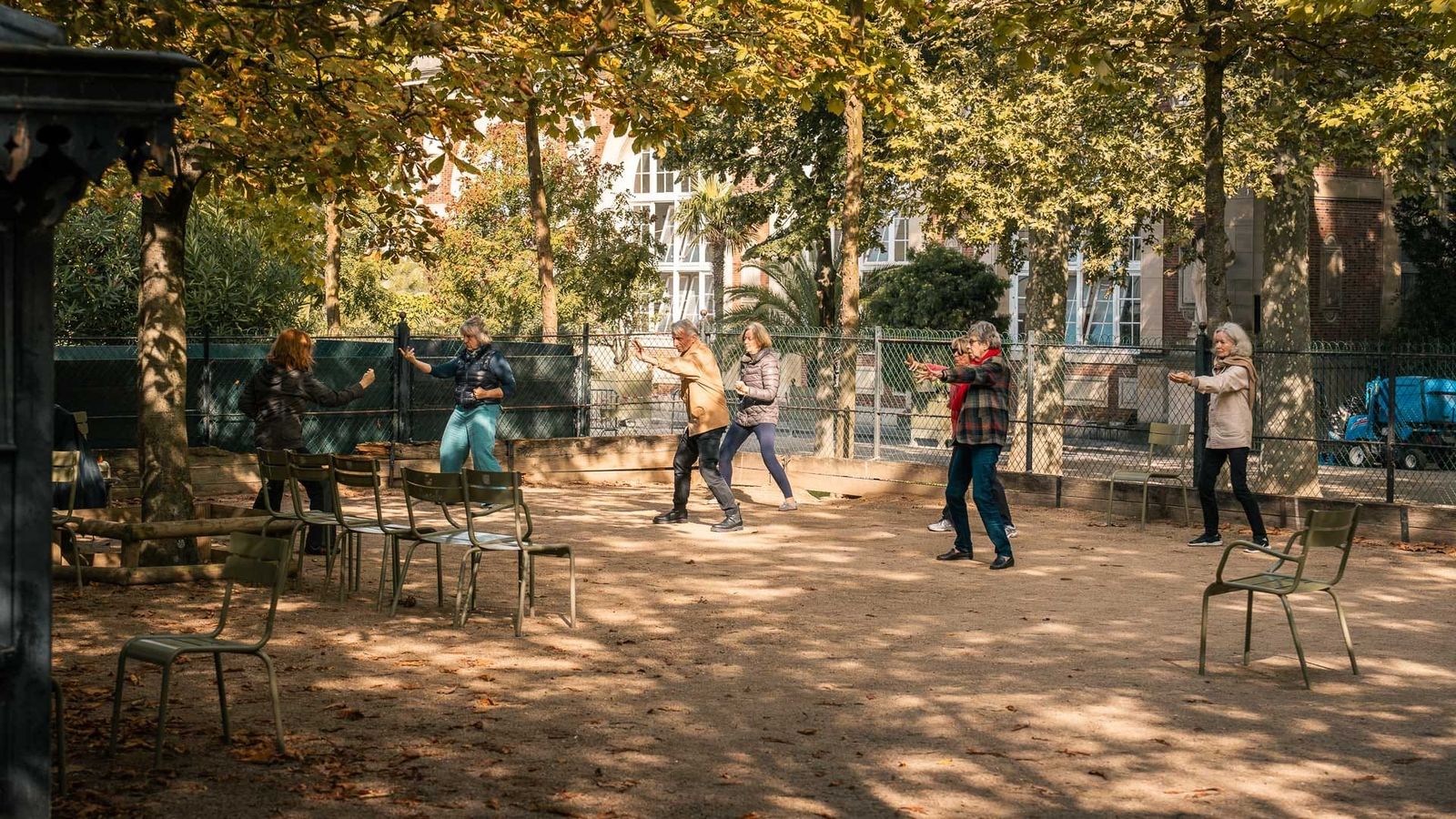
Beyond its beauty, the Luxembourg Garden plays an integral role in Parisian life. Whether it’s Parisians enjoying their daily walks, tourists discovering its history, or senators going about their work in the palace, the garden remains an essential part of the city’s fabric. It serves as a reminder of how green spaces can blend art, nature, and history in a single location.
The French Senate and Political Legacy
While the Luxembourg Garden is a place of beauty and serenity for visitors, it is also a significant political symbol. As the seat of the French Senate, the Luxembourg Palace is central to the legislative life of France. The gardens surrounding the palace offer senators a tranquil setting for contemplation and respite from the hustle of their demanding duties.
Though the Senate itself is not open to the public, the gardens provide a glimpse into the ongoing political history that the Luxembourg Garden has witnessed over the centuries.
Educational and Cultural Spaces: The Orangerie and Beyond
The Luxembourg Garden is more than just a public park—it is also an important cultural space. The Museum of Luxembourg, located near the entrance, is housed in the historic Orangerie and hosts temporary art exhibitions and cultural events. Its exhibits often feature contemporary art, including sculptures and photography, making it an essential stop for art lovers.