


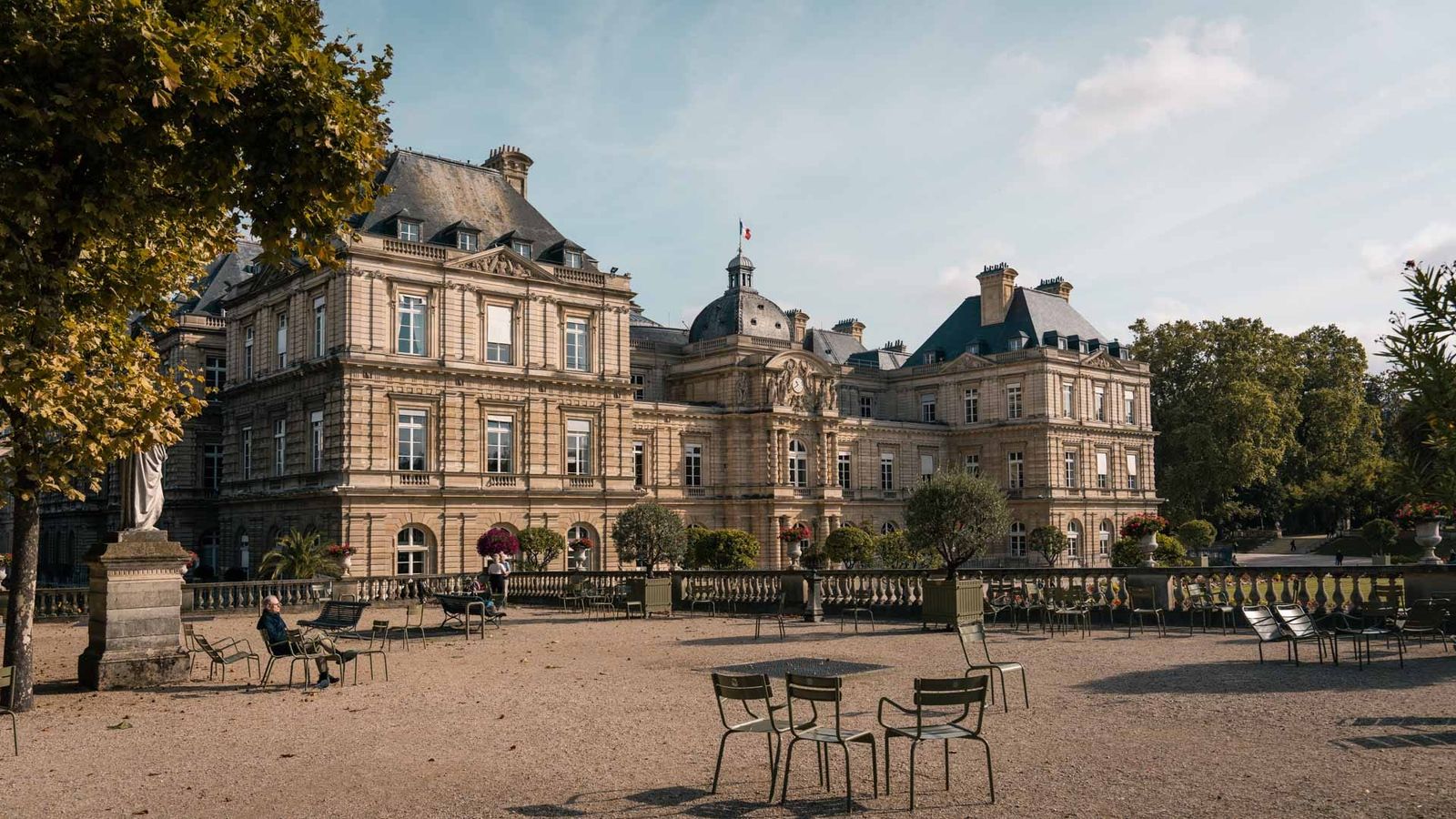


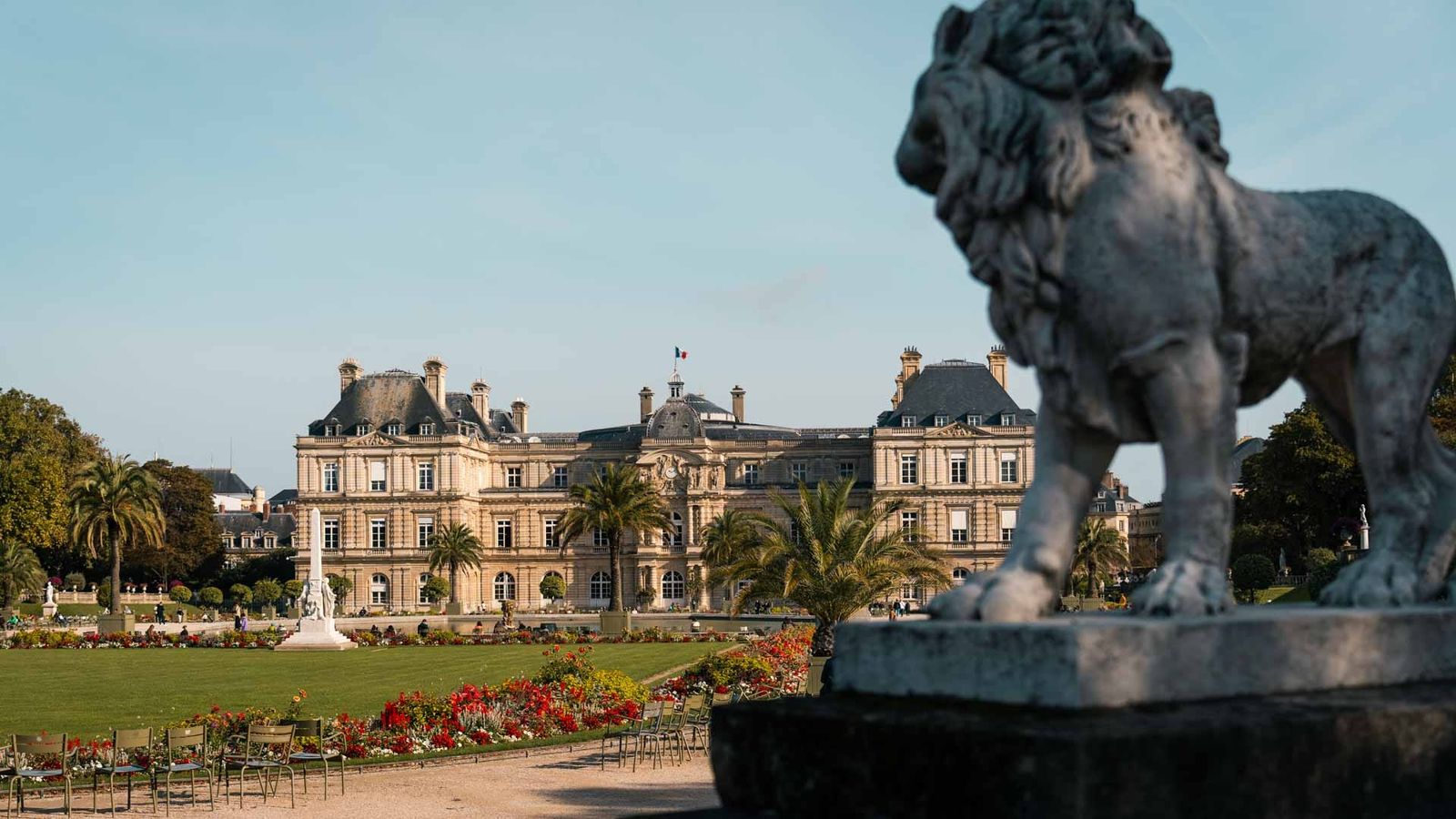
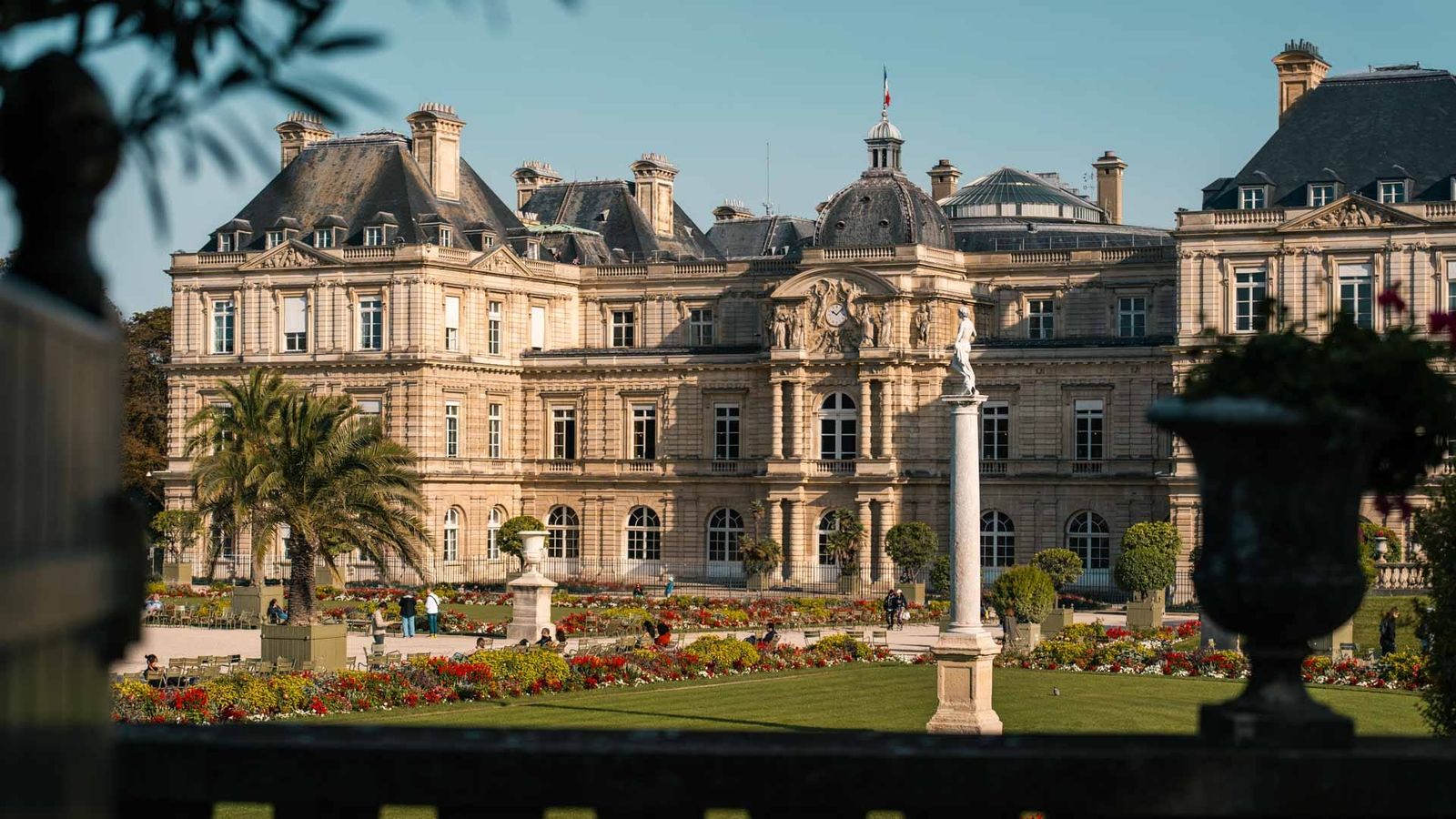
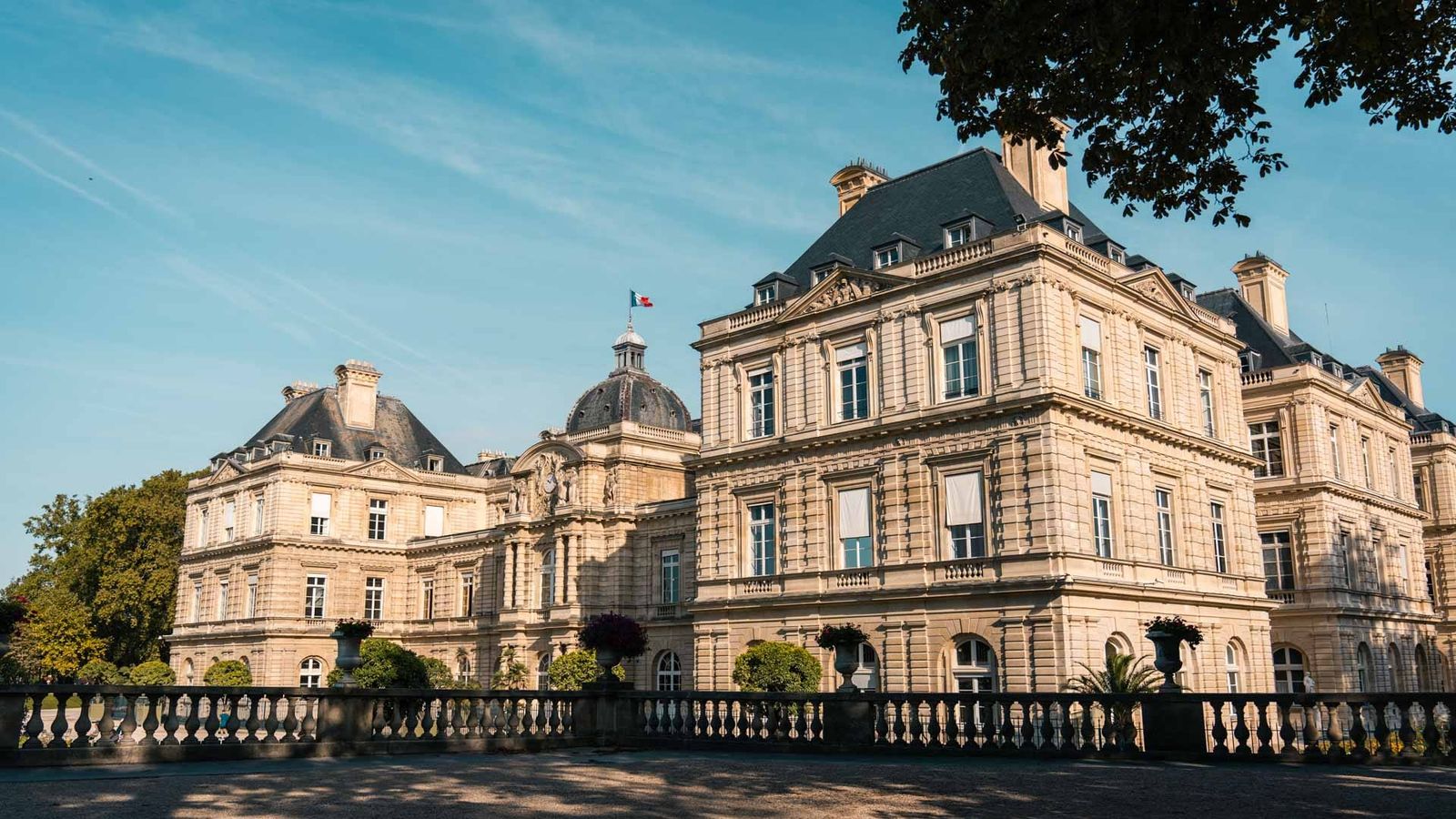
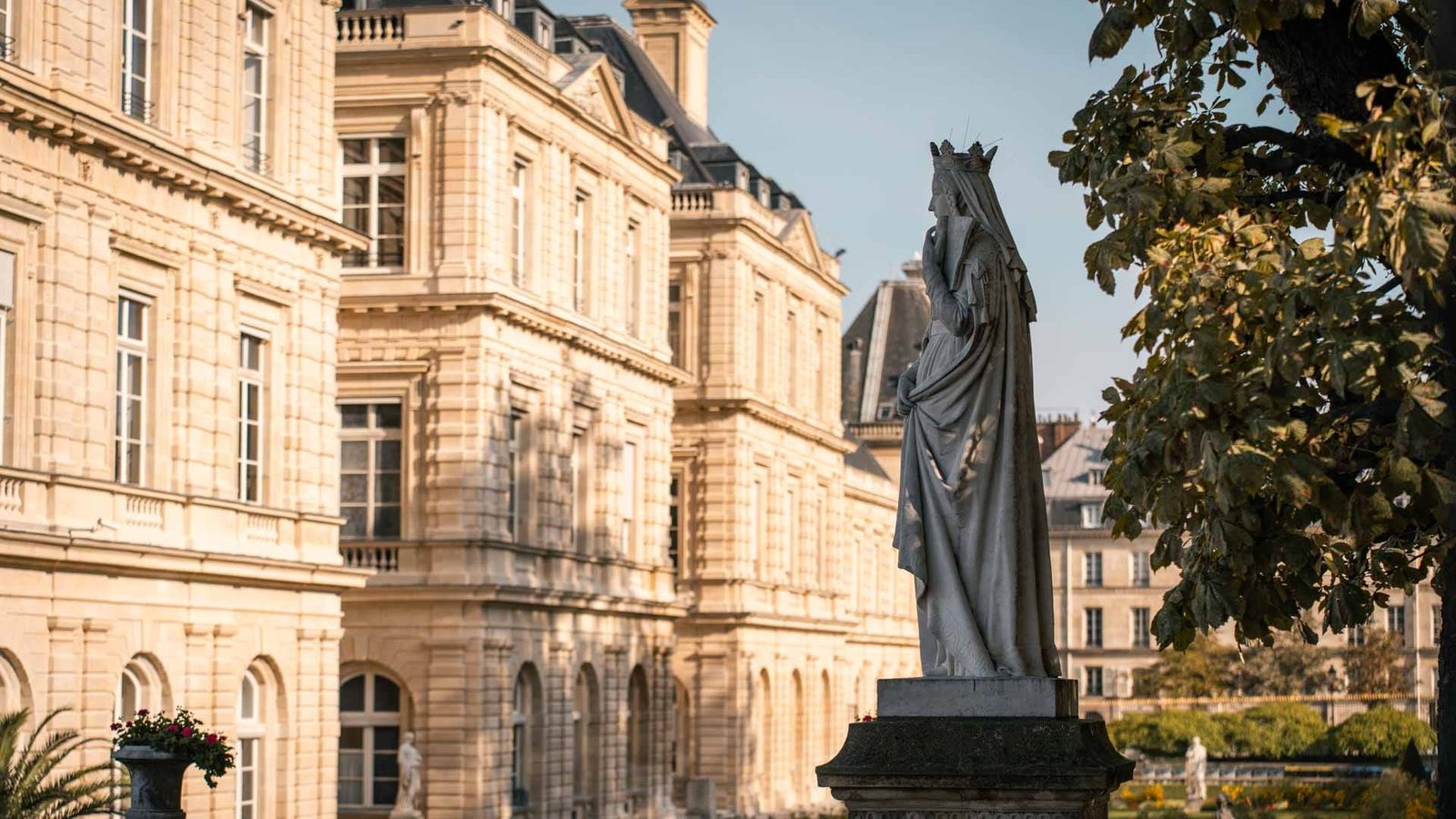
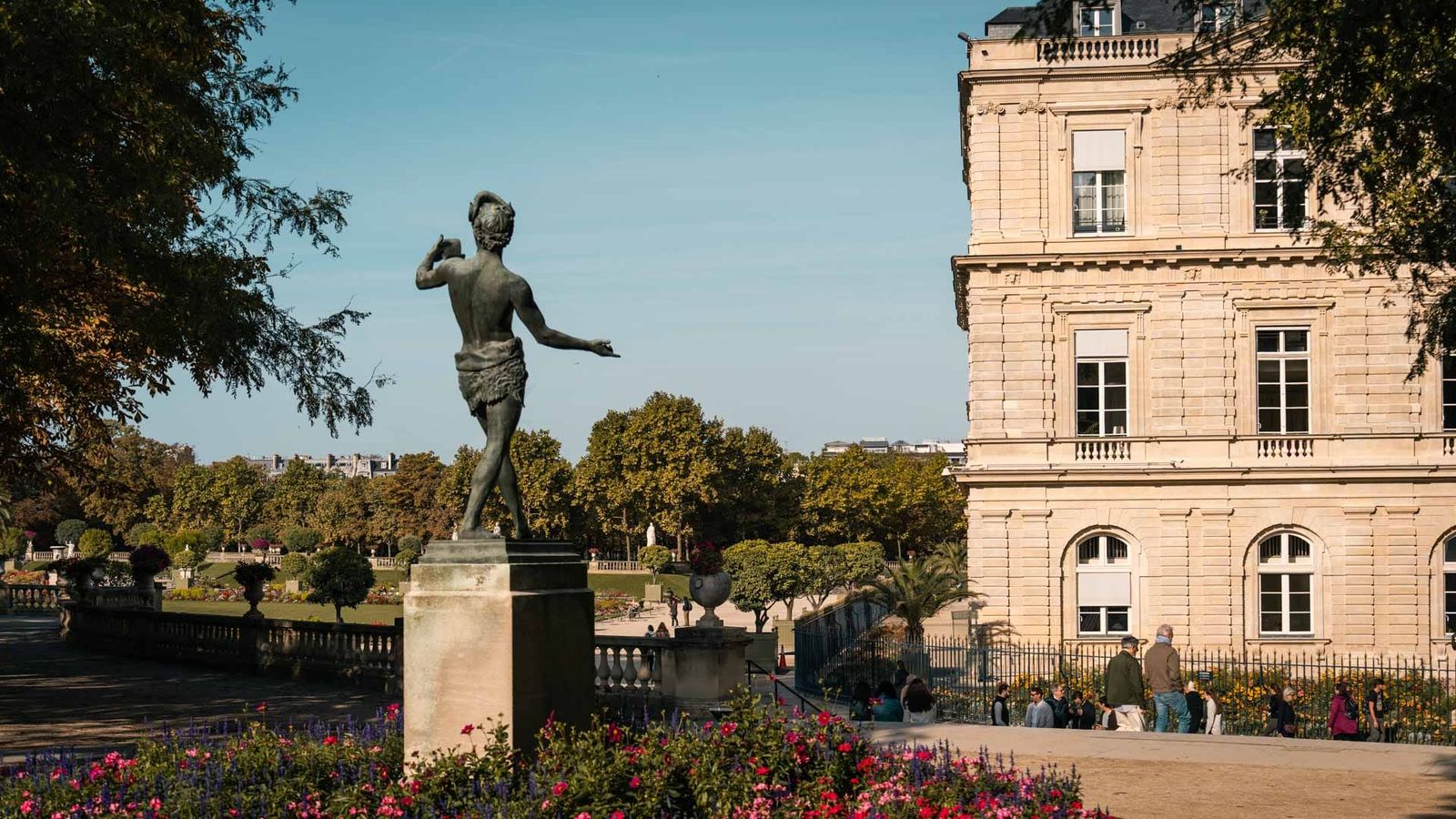
The Luxembourg Palace is a grand architectural landmark that serves as the seat of the French Senate. The palace, built at the beginning of the 17th century, stands within the beautiful Luxembourg Garden and is a testament to France’s rich political and architectural history.
The Origins of Luxembourg Palace
The palace’s story begins in 1612 when Marie de Médicis, widow of Henry IV and mother of Louis XIII, acquired the site from François de Piney-Luxembourg, a nobleman.
Originally intended to be a private residence, Marie commissioned the construction of the Luxembourg Palace in 1615, enlisting architect Salomon de Brosse. The initial inspiration for its design was the Palazzo Pitti in Florence, reflecting Marie’s Italian heritage.
Although the project faced delays, it marked the beginning of the palace’s enduring association with France’s royal and political history.
A Palace of Changing Fortunes
After Marie’s exile in 1631, the palace passed through various hands, including Gaston d’Orléans, and was later named the Palais d’Orléans.
It became a royal residence for several generations, notably housing the Duchess of Berry in the 18th century, before being appropriated during the French Revolution.
During this turbulent period, the palace became a prison, holding figures such as Georges Danton and Camille Desmoulins.
Following the revolution, the palace became an essential part of French governance, housing the Senate in 1799 under Napoleon Bonaparte.
The Senate and Luxembourg Palace Today
Since its transformation into the Senate’s home in the early 19th century, the Luxembourg Palace has witnessed a series of architectural and political changes. The palace underwent significant modifications to accommodate the growing needs of the Senate.
In 1836, Alphonse de Gisors advanced the building’s facade and created a new hemicycle to seat the senators, a design still in use today.
The Luxembourg Palace continues to serve as the seat of the French Senate and remains one of Paris’s most politically significant buildings.
The Petit Luxembourg, adjacent to the palace, serves as the official residence of the President of the Senate, adding to the palace’s ongoing role in French governance.
A Rich Cultural Tradition
The palace has long been linked to culture, with its gallery of paintings opened in 1750, which was one of the first public art museums in France.
Today, the Museum of Luxembourg continues this tradition, hosting temporary art exhibitions, making it a must-visit destination for anyone interested in French history, politics, and art.