


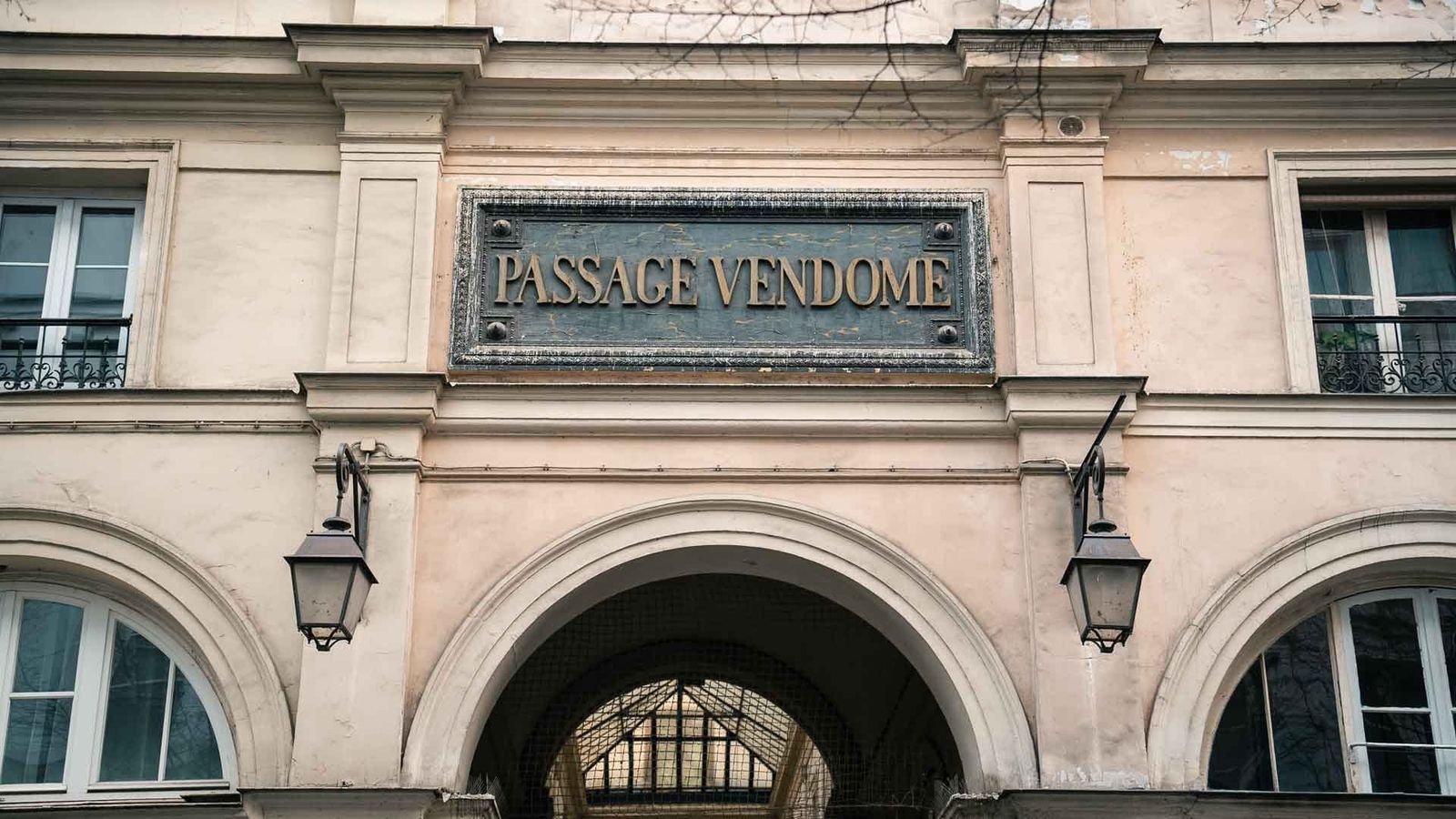

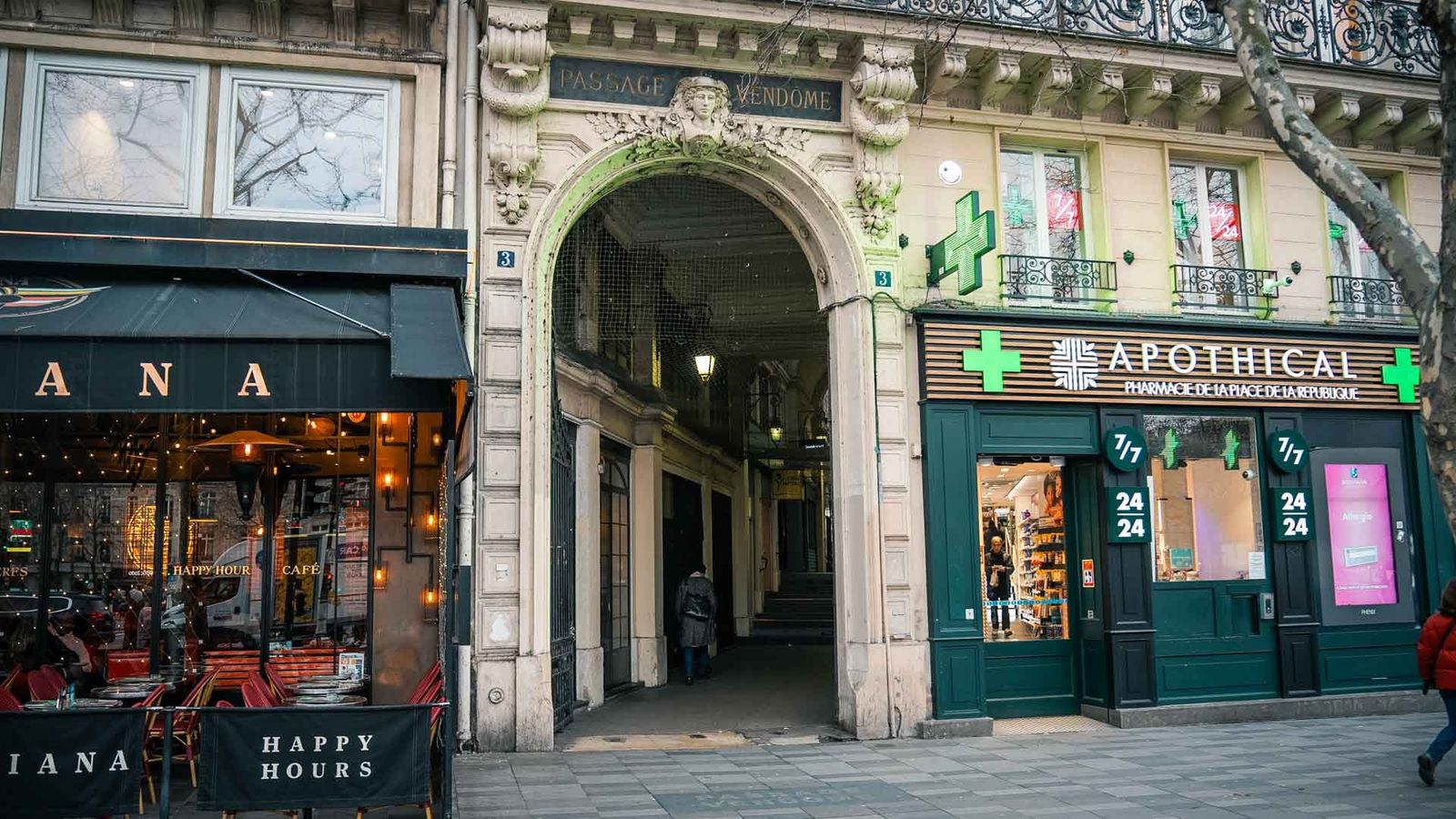
Passage Vendôme stands as a testament to Paris’s rich architectural and historical heritage. Despite its turbulent past and periods of neglect, ongoing restoration efforts aim to preserve its charm and historical significance, making it a hidden gem worth exploring in the heart of Paris.
Historical Overview
Construction and Early Days
Passage Vendôme was constructed in 1827 by Jean-Baptiste Labadye on the site of the former Passage du Jeu de Paume, which had replaced the convent of the Filles-du-Sauveur. Despite its strategic location on Boulevard du Temple and its connection to the bustling Marché du Temple, the passage saw limited foot traffic and quickly fell out of favor.
Impact of the Second Empire
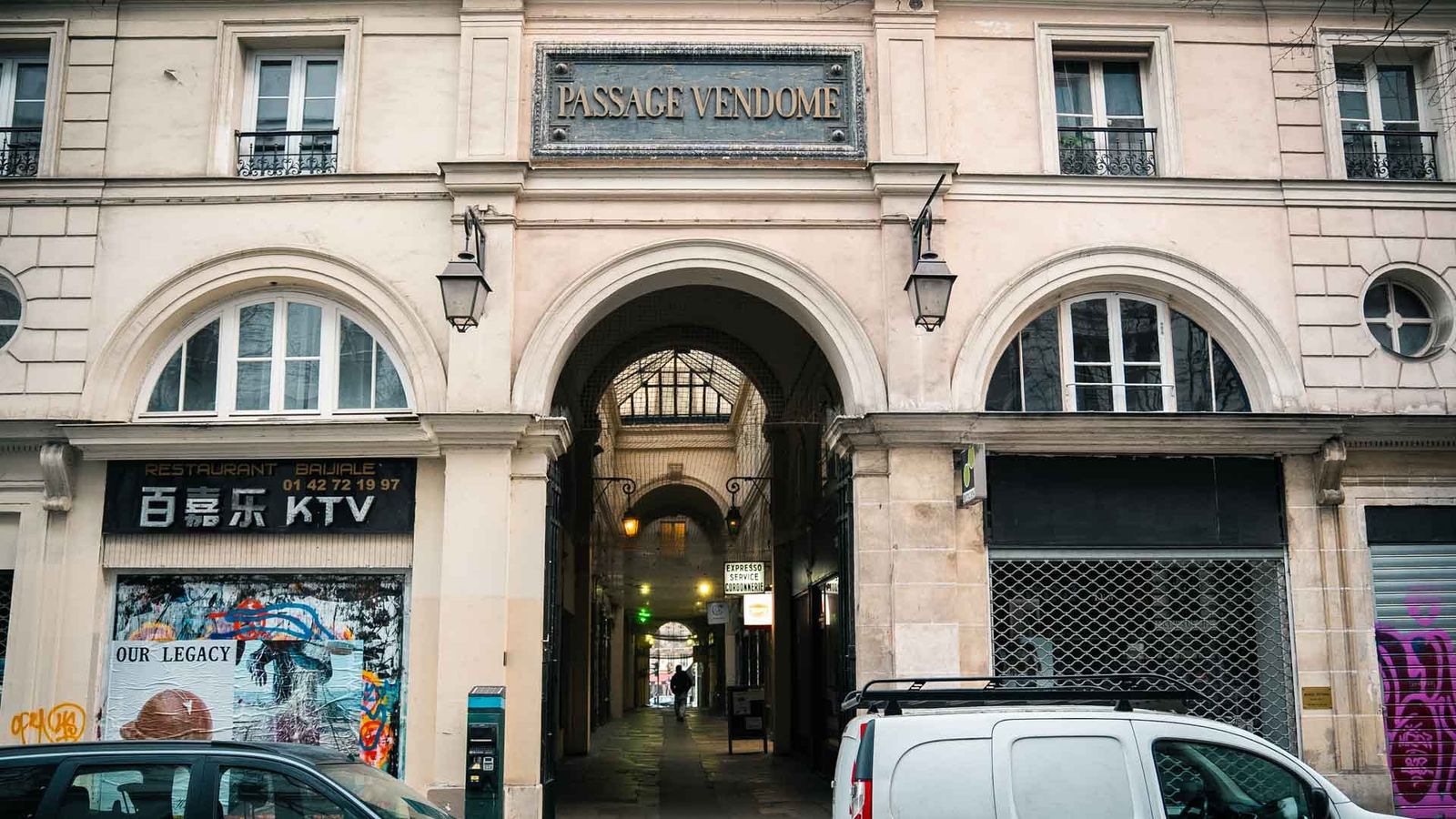
The situation worsened during the Second Empire with the extensive urban renewal projects led by Baron Haussmann. His transformation of Boulevard du Temple into Place de la République resulted in the demolition of a significant portion of the boulevard, reducing Passage Vendôme by four meters. The façade building was rebuilt, and a new entrance designed by Sotoy was introduced.
Architectural Features
Dimensions and Design
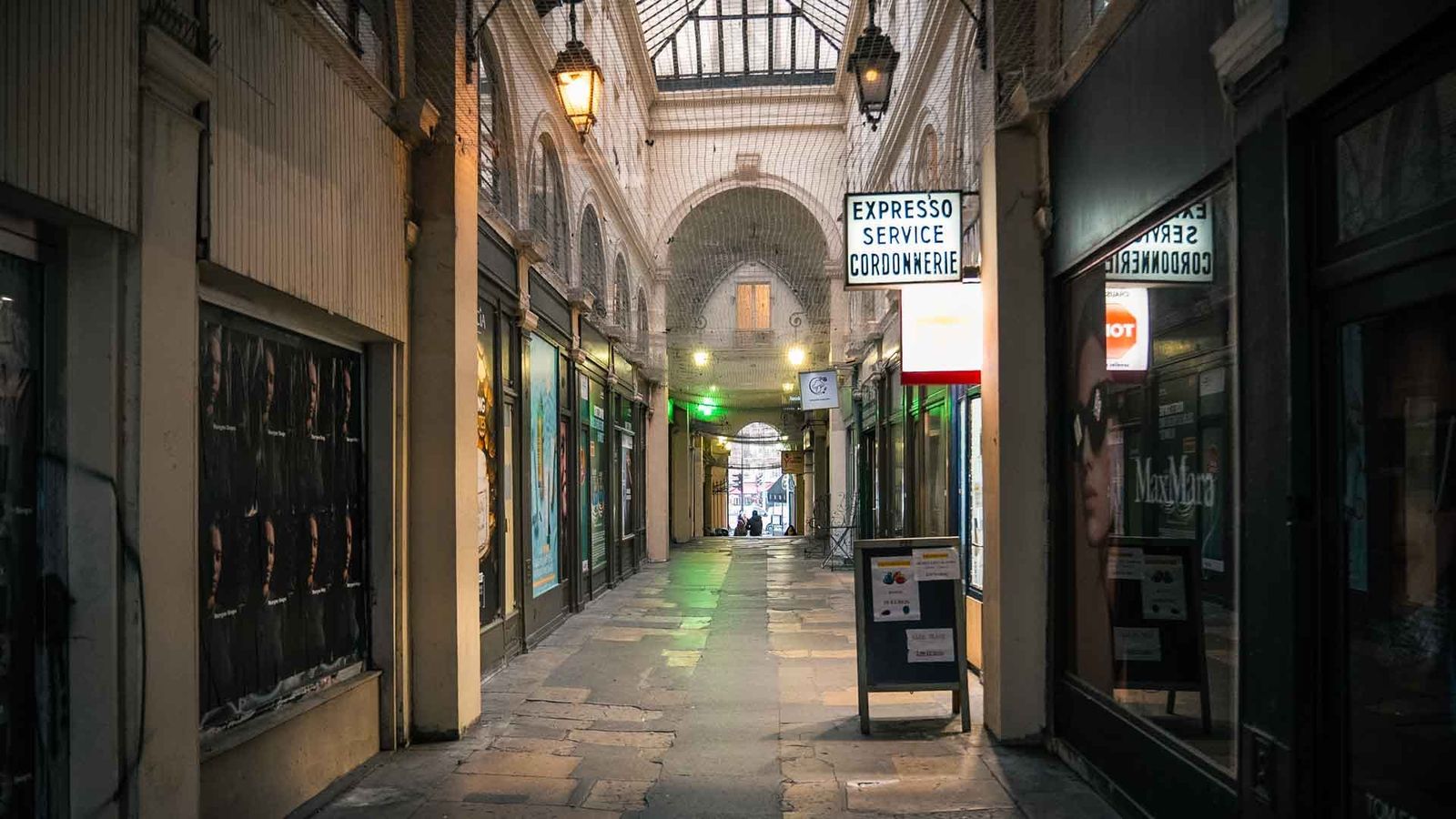
Passage Vendôme spans a length of 57 meters and a width of 4 meters. It features elegant architecture, including glass ceilings and intricate ironwork, which create a charming atmosphere for visitors.
Historical Significance
The passage is listed as a historical monument (ISMH) since April 13, 1987. This designation covers the entire passage as well as the façades on the street, highlighting its architectural and historical value.
Location and Accessibility
Prime Position in the 3rd Arrondissement
Situated in the 3rd arrondissement, Passage Vendôme connects Place de la République to Rue Béranger. This prime location places it near the vibrant Enfants-Rouges neighborhood, known for its historical and cultural significance.
Metro Accessibility
The passage is conveniently accessible via the République metro station, making it easy for both locals and tourists to visit.
Restoration Efforts
Renovation Initiatives
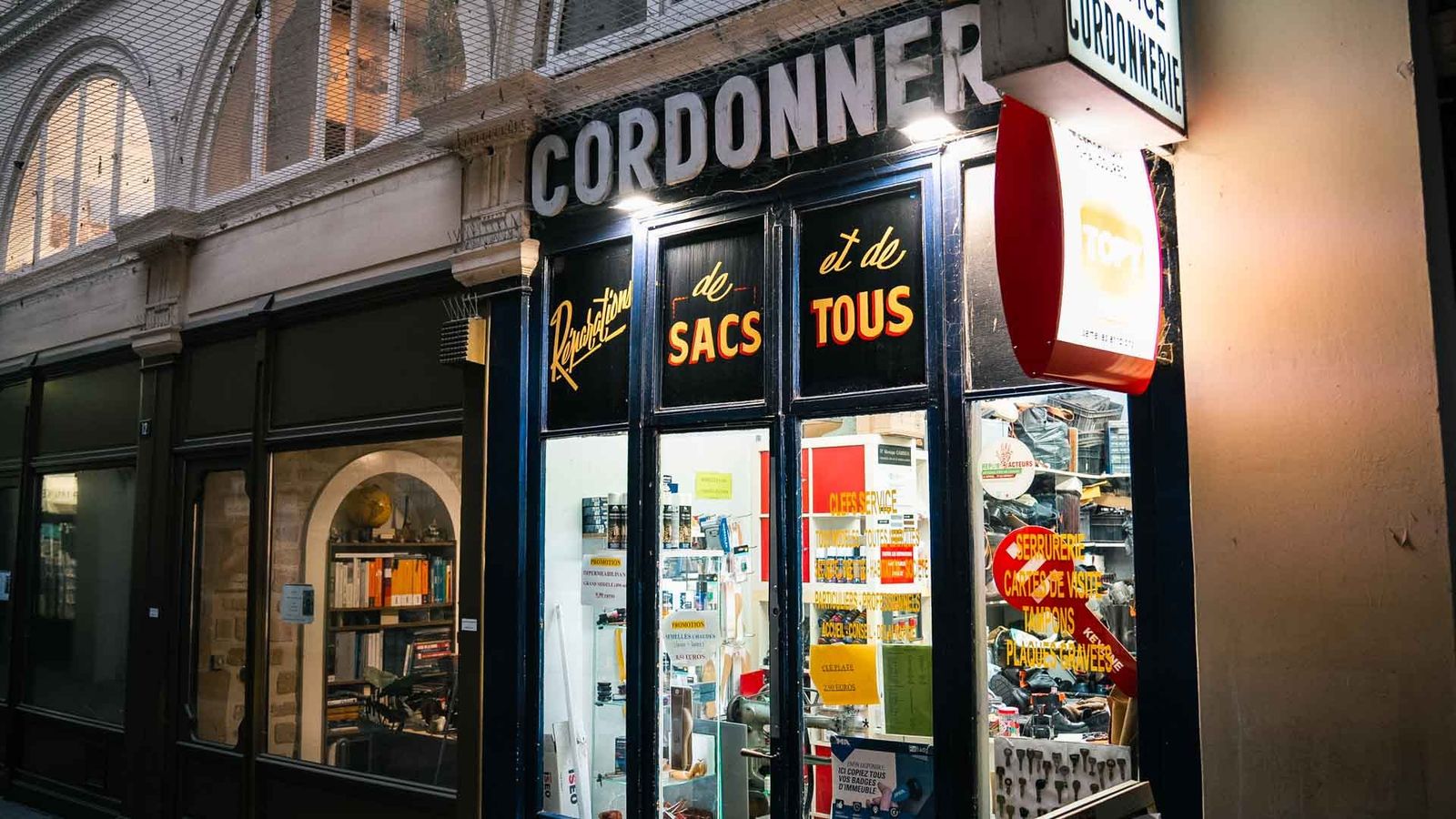
In partnership with the city of Paris, several restoration projects have been undertaken to preserve Passage Vendôme. These include the refurbishment of the glass ceilings, cornices, and shopfronts. Future plans include restoring the flooring to its original design.
Unique Characteristics
Dual Coverage
One of the unique features of Passage Vendôme is its dual coverage. The original structure had a continuous glass roof, but the modifications during the Second Empire left it with two distinct types of coverings.
Historical Layers
The passage’s steps and its elevated section are remnants of the old Charles V fortifications dismantled in 1670, adding another layer of historical intrigue to this charming arcade.
Cultural and Social Context
Decline and Revival
Despite its elegant architecture and strategic location, Passage Vendôme experienced a decline shortly after its inauguration. However, ongoing restoration efforts aim to revive its historical charm and attract more visitors.
Connection to Duc de Vendôme
The passage is named after Rue de Vendôme, itself named in honor of the Duc de Vendôme, the Grand Prior of France. This historical connection adds a layer of nobility and significance to the passage.
Visiting Information
Operating Hours
Passage Vendôme is open from Monday to Friday, 7:15 AM to 8:00 PM, and on Saturdays from 8:00 AM to 8:00 PM. It remains closed on Sundays.
Current Status
Today, Passage Vendôme is a private way, offering a serene and historical escape from the bustling streets of Paris.