


The Passage du Prado is more than just a covered walkway; it is a historical and cultural landmark that encapsulates the spirit of Paris. From its origins as Passage du Bois-de-Boulogne to its modern-day incarnation, it has evolved while retaining its unique charm. Whether you’re a history buff, an architecture enthusiast, or simply looking for a new culinary adventure, the Passage du Prado offers something for everyone.
Location and Access
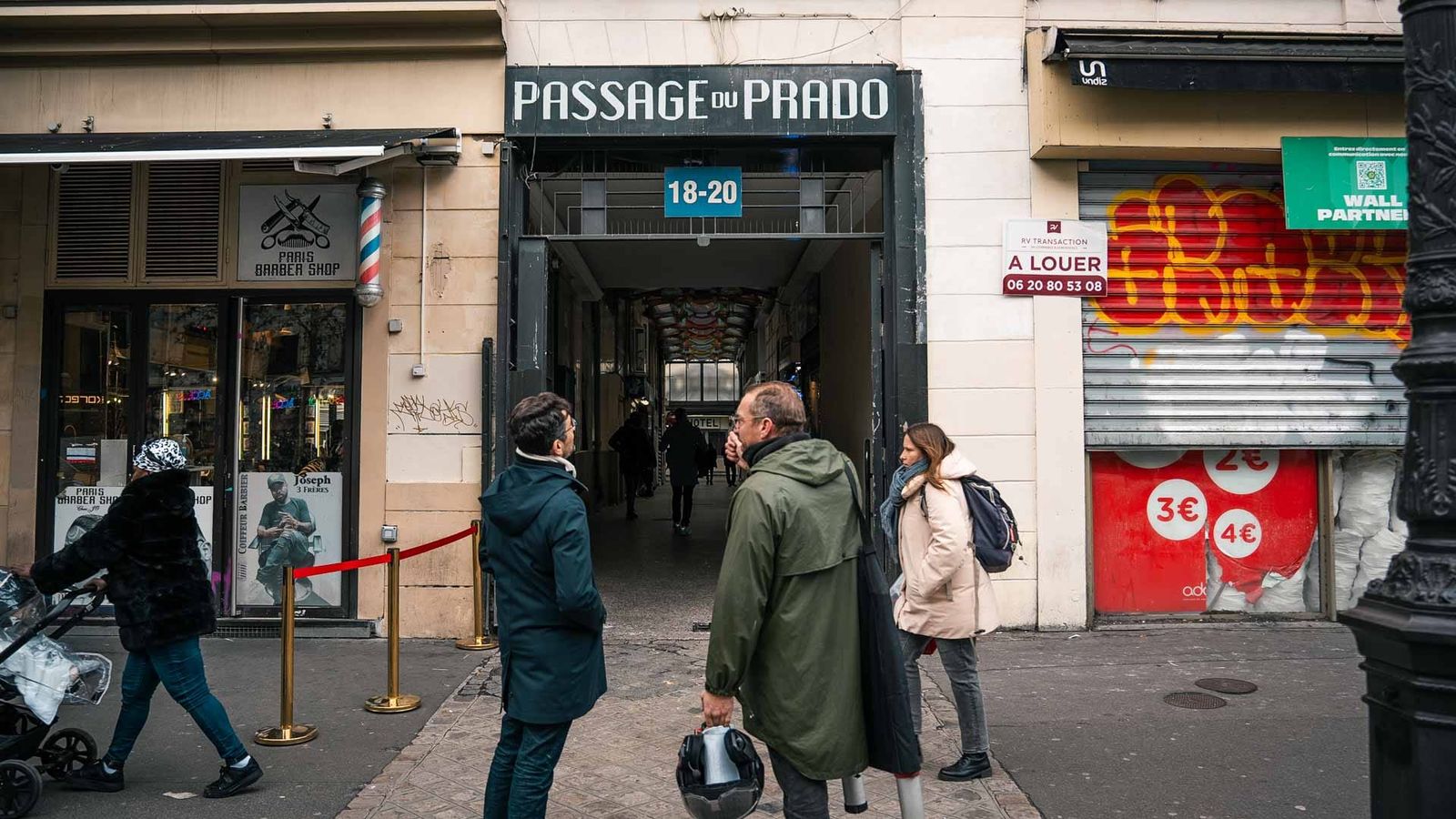
Nestled in the bustling 10th arrondissement of Paris, the Passage du Prado connects the rue du Faubourg-Saint-Denis to the boulevard Saint-Denis. This covered passage, one of the two in the area alongside Passage Brady, is conveniently accessible from the Strasbourg – Saint-Denis metro station. Open daily from 8 AM to 8 PM, it offers a unique slice of Parisian life.
A Historical Journey
From Bois-de-Boulogne to Prado
Originally named Passage du Bois-de-Boulogne, this passage dates back to 1785. It was initially an open-air passage, reflecting the architectural trends of the time. The name referred to a popular public ball, the bal du Bois-de-Boulogne, held in the area. It wasn’t until 1930 that it received its current name, inspired by the famed Prado Museum in Madrid, Spain.
Architectural Evolution
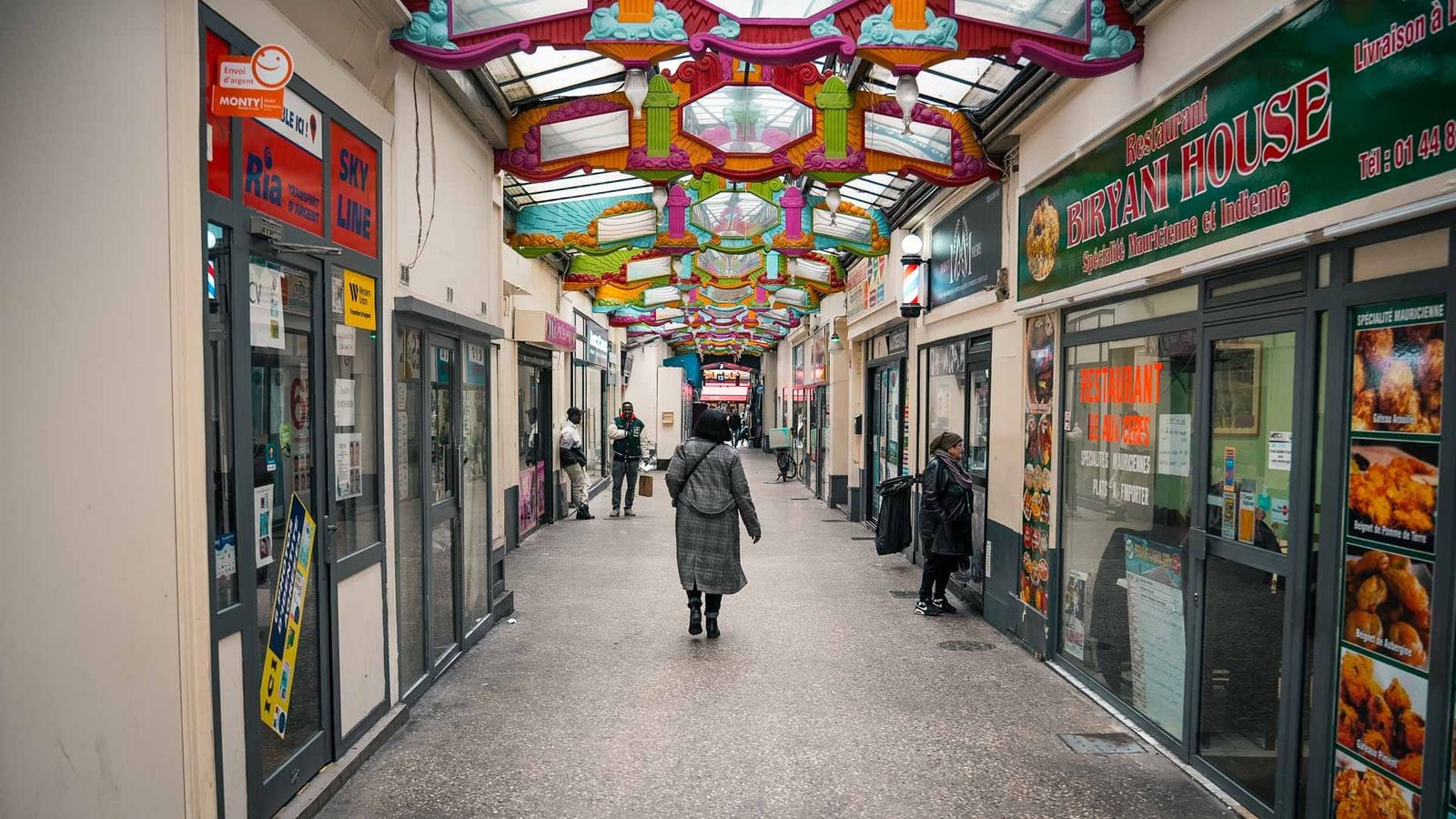
The passage was covered in 1925, transforming it from an open-air walkway to a sheltered, bustling corridor. The architectural style of the supports for the glass roof is a nod to the 1925 Arts Décoratifs exhibition. The central domed glass ceiling, or rotonde, divides the passage into two sections, adding a touch of grandeur to its structure.
Architectural Highlights
Art Deco Elegance
Despite the passage’s mixed reputation over the years, it retains its Art Deco splendor. The buttresses and metal framework of the glass roof are adorned with elegant, decorative elements from the 1920s. These features are particularly well-preserved on the boulevard Saint-Denis side, offering a glimpse into the passage’s glamorous past.
Modern Renovations
In 2012, the Passage du Prado underwent significant renovations to restore its former glory. The project included the demolition of the old flooring, installation of new electrical systems, and the laying of an innovative asphalt surface embedded with glass pieces. The lighting, designed by artist Yann Kersalé, adds a contemporary touch to this historic space.
A Cultural Melting Pot
Exotic Commerce
Today, the Passage du Prado is a vibrant hub of activity, filled with a diverse array of exotic shops, restaurants, and hair salons. It is particularly known for its South Asian cuisine, drawing food enthusiasts from all over Paris. The eclectic mix of businesses adds to the passage’s unique charm, making it a must-visit for anyone exploring the 10th arrondissement.
Community Efforts
In recent years, local residents and associations have taken active steps to improve the passage’s atmosphere. In 2014, a petition with 200 signatures was submitted to then-mayor Bertrand Delanoë, highlighting concerns about the passage’s condition and security. These community efforts aim to make the Passage du Prado a more serene and welcoming place for both locals and visitors.