Paris wasn’t just the backdrop to the French Revolution; it was the engine. It was here that crowds stormed prisons, kings fell, radicals rose, and the modern world cracked into being. If you want to trace the Revolution’s fury, hope, and blood across the city, these places still whisper, and sometimes shout, the story.
1. Place de la Concorde – The Guillotine’s Grim Stage

This grand square, once known as Place Louis XV, became the grim heart of the Revolution during the Reign of Terror. Renamed Place de la Révolution, it was here that the guillotine claimed the heads of Louis XVI, Marie Antoinette, Danton, and Robespierre. Over 1,200 executions took place. Today, the Luxor Obelisk stands at the site of the scaffold, surrounded by fountains and statues, a silent witness to a city’s descent into bloodlust.
2. Place de la Bastille – The Spark of Revolution

Nothing ignited revolutionary Paris like the fall of the Bastille on July 14, 1789. Though the fortress-prison was demolished, the square still marks the eruption of popular rage against royal despotism. A few stones from the original structure survive underground and nearby at Square Henri-Galli. The July Column at the center commemorates later revolutions but sits atop the Revolution’s original earthquake.
3. Hôtel de Ville (City Hall) – The Revolution’s Nerve Center

The Hôtel de Ville was revolutionary Paris’s command center. Here, the municipal government orchestrated uprisings, toppled monarchs, and enforced radical laws. Robespierre, Marat, and the sans-culottes often gathered within its halls. It was also here that the Girondins fell to the Montagnards, pushing the Revolution into darker, bloodier waters.
4. Palais-Royal – The Cradle of Revolutionary Ideas

Two days before the Bastille fell, Camille Desmoulins climbed onto a table in the Palais-Royal gardens, pistol in hand, and called Parisians to arms. This place buzzed with pamphlets, speeches, and secret plots. Gambling dens and cafés in the arcades nurtured revolutionary fires under the noses of royalist spies.
5. Assemblée Nationale (Palais Bourbon) – Where Words Turned to Uprising

The Revolution wasn’t just fought with muskets; it was fought with speeches and votes. The National Assembly met here to hammer out the Declaration of the Rights of Man and of the Citizen, strip away noble privileges, and put a king on trial. Facing Place de la Concorde, the Palais Bourbon stands as a stone ledger of a nation’s rebirth.
6. Church of Saint-Sulpice – Temple of Victory

Saint-Sulpice became the “Temple of Victory” during the Revolution. Religious ceremonies gave way to civic cults celebrating abstract ideals like liberty and virtue. A Revolutionary-era inscription on the facade still speaks of the “Supreme Being” and the “immortality of the soul,” echoes of Robespierre’s attempt to replace Catholicism with his own civic religion.
7. Café Procope – The Revolution’s Coffeehouse

Paris’s oldest café, Procope, was a revolutionary brain trust. Danton, Robespierre, and Marat plotted and argued here under cracked chandeliers and next to battered tables. Today, it proudly displays Revolutionary relics, including a reproduction of Marie Antoinette’s last letter, a stark reminder of how close history can feel when the coffee’s strong and the walls are old.
8. Place Vendôme – From Monarchy to Melted Cannons

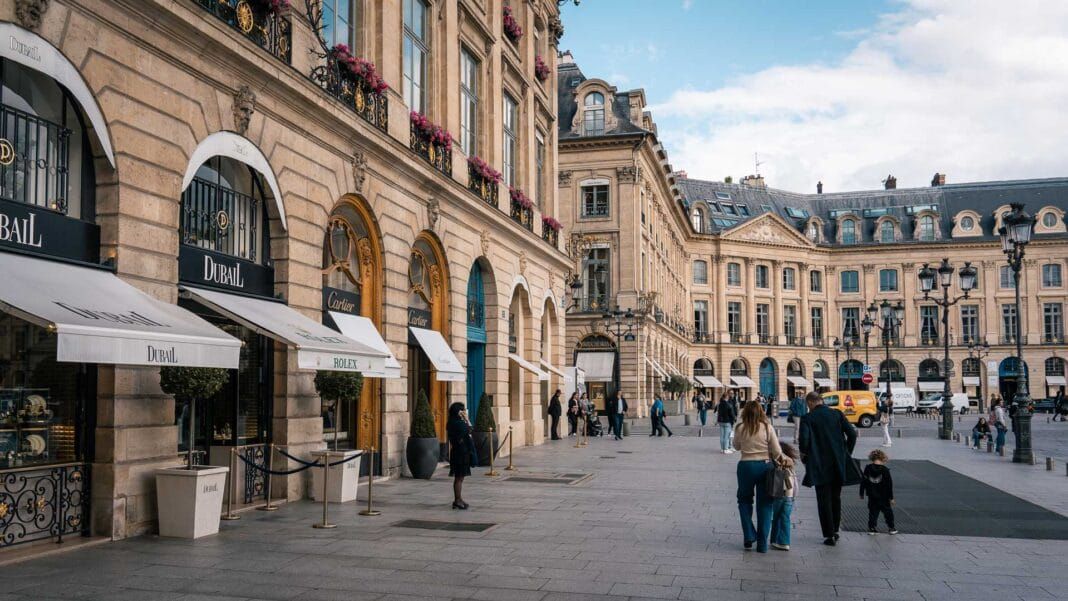
Built to glorify Louis XIV, Place Vendôme saw the old regime’s statues torn down and melted into revolutionary cannons. Though Napoleon later planted his column here, the Revolution’s spirit of smashing monarchy to forge new power still haunts the luxurious boutiques surrounding the square.
9. Tuileries Gardens – Pathways of Blood and Celebration

Adjacent to the now-destroyed Tuileries Palace, these gardens witnessed the brutal assault of August 10, 1792, when insurgents stormed the palace and slaughtered the Swiss Guards protecting the king. Later, festivals celebrating liberty and reason filled the paths. Stroll through today and you can almost hear the cheers and musket fire lingering in the air.
10. Palace of Versailles – The Fall of Royal Splendor

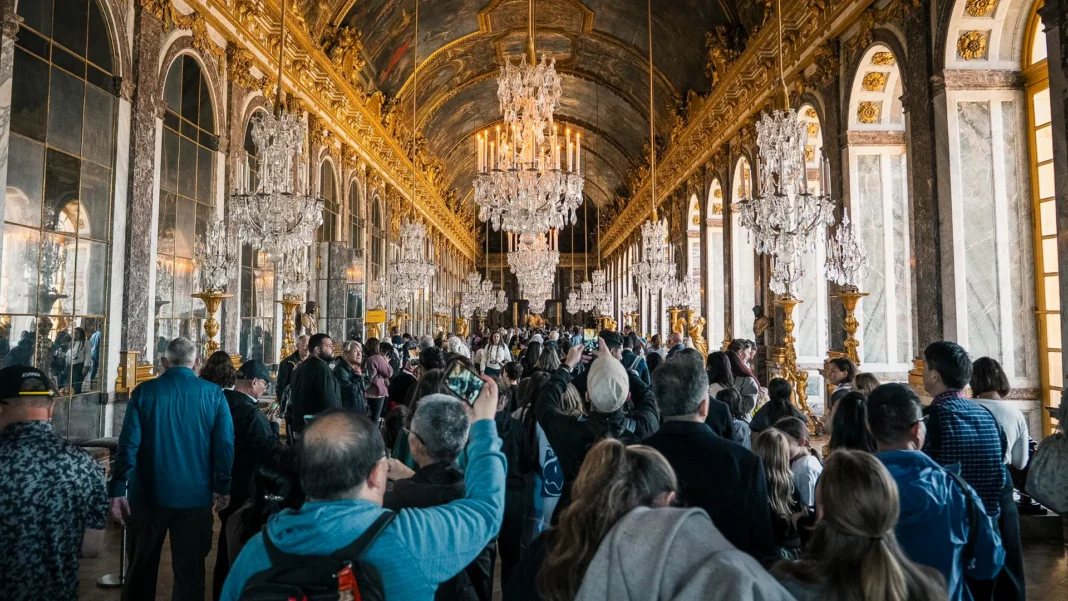
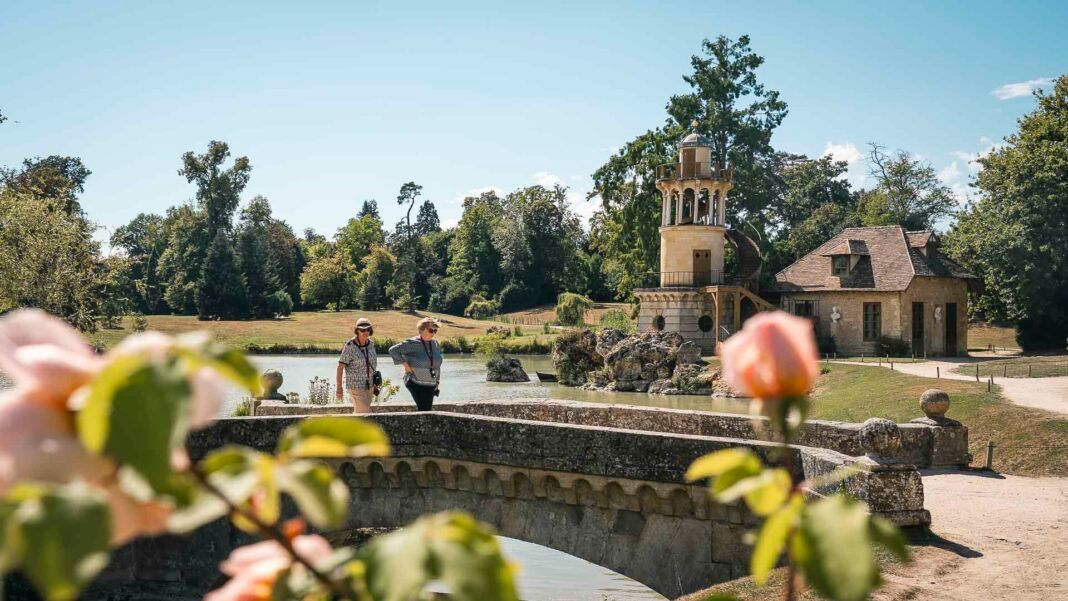
Versailles was the gilded cage from which the people dragged their reluctant monarch. In October 1789, women marched from Paris to Versailles in the rain, demanding bread and revolution. They forced Louis XVI and Marie Antoinette to abandon their splendid isolation and return to Paris under guard. Walk through the Hall of Mirrors and the Queen’s Hamlet, and it’s impossible not to feel the suffocating contrast between royal opulence and a starving nation.
11. Conciergerie – Death’s Antechamber

The Conciergerie served as the “antechamber to the guillotine.” During the Terror, prisoners, noble and commoner alike, awaited execution in its cold, crowded cells. Marie Antoinette spent her final days here under harsh surveillance. Visit her reconstructed cell and the Revolutionary tribunal courtroom to feel the weight of a justice system spiraling into terror.
12. Notre-Dame de Paris – Cathedral of Reason

Revolutionaries desecrated Notre-Dame, smashing statues and altars in a frenzy of anti-clerical rage. They stripped the cathedral of its religious identity, transforming it into the “Temple of Reason.” The heads of the statues of biblical kings, mistaken for French monarchs, were ripped off and buried nearby, only rediscovered in 1977.
13. Panthéon – Shrine to Revolutionary Heroes

Commissioned as a church, the Panthéon was secularized in 1791 and turned into a temple honoring the Revolution’s intellectual giants. Voltaire, Rousseau, and eventually other luminaries found their final resting place here. Its soaring neoclassical dome proclaims reason, human achievement, and the Revolution’s war against superstition.
14. Church of Saint-Eustache – The People’s Temple

Saint-Eustache was converted into the “Temple of Agriculture,” honoring farmers as the backbone of the nation. Revolutionary festivals celebrated harvests and the earth itself here, instead of saints. Honoré Mirabeau, one of the Revolution’s early heroes, received a massive public funeral at Saint-Eustache in 1791, sealing his status as a people’s tribune.
15. Champ de Mars – Unity and Bloodshed

The Champ de Mars hosted the first Federation Festival on July 14, 1790, a moment of fleeting unity among France’s warring factions. But a year later, it became the scene of massacre when Lafayette’s National Guard fired into a crowd petitioning for the king’s abdication. The blood spilled here showed that the Revolution’s dream of unity was cracking apart.
16. Place du Carrousel – A Killing Field

On August 10, 1792, after storming the Tuileries Palace, revolutionaries turned the Place du Carrousel into a killing field. Swiss Guards died by the hundreds, fighting for a monarchy that was already doomed. The Arc de Triomphe du Carrousel now commemorates later victories, but the ground remembers a more violent birth of liberty.
17. Musée Carnavalet & Musée du Louvre – Guardians of Revolutionary Memory

If you want to understand Revolutionary Paris in vivid detail, the Musée Carnavalet is essential. Revolutionary artifacts, flags, portraits, pamphlets, even Robespierre’s personal items, fill the halls. Special exhibits dive deep into the lives of famous figures and the nameless crowds that drove history forward, often at the cost of their own lives.
Then visit the Louvre, where artworks and relics from the Revolution reveal the power struggles that shaped modern France.
18 – Salle du Jeu de Paume, Versailles
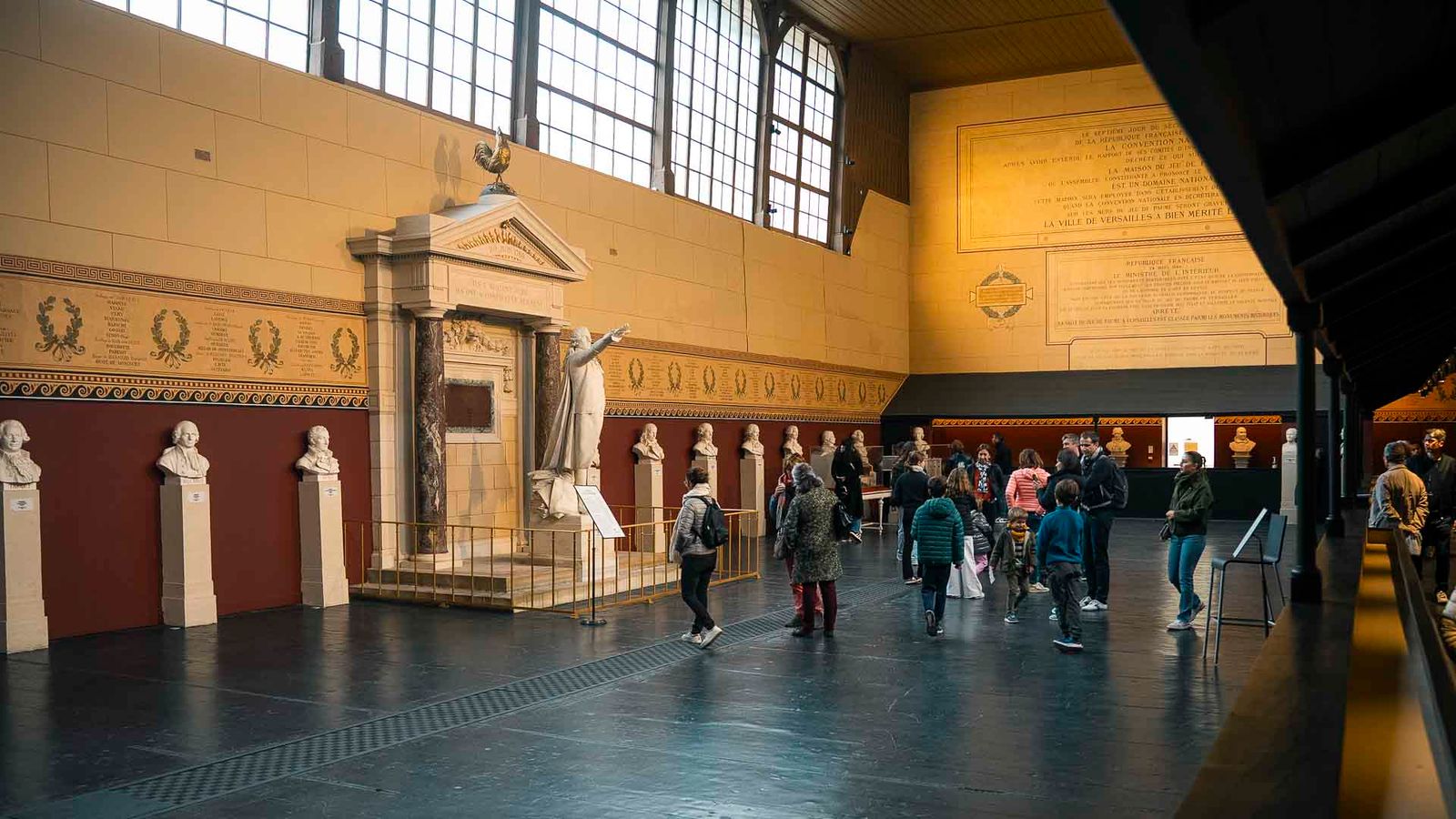
Just outside Paris in Versailles, this former indoor court for the game jeu de paume became a key Revolutionary site on 20 June 1789.
Deputies of the Third Estate, joined by some clergy after their usual meeting place was closed by royal order, gathered here and took the Tennis Court Oath, pledging not to separate until they had drafted a constitution for France. This event is considered a foundational moment in the creation of the National Assembly and the birth of French democracy.
Want to dive deeper into the revolutionary spirit of Paris?
To experience history beyond the museum walls, book a guided walking tour. Hear real stories from those turbulent years, stand where the revolutionaries stood, and see Paris through revolutionary eyes.