


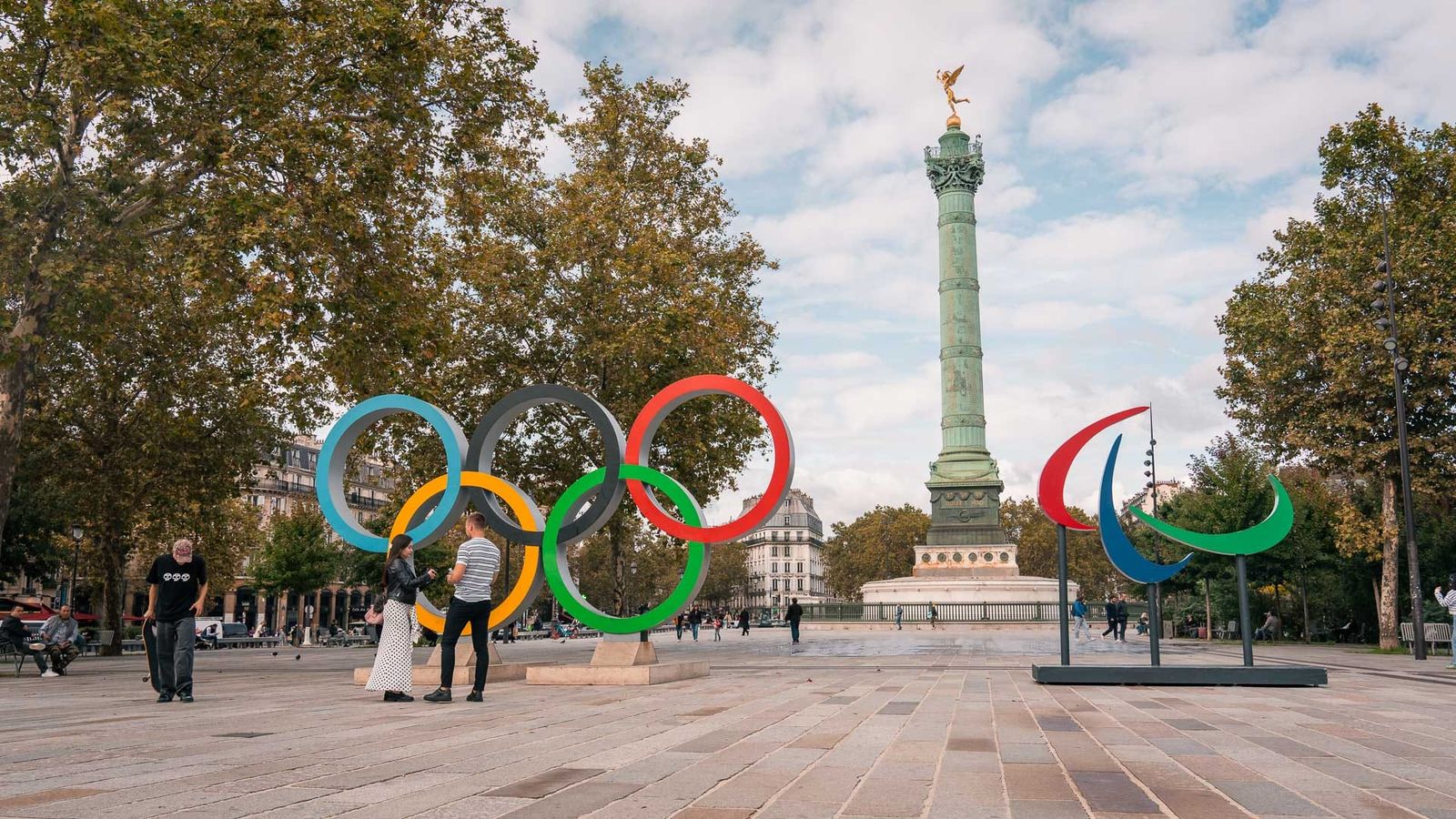




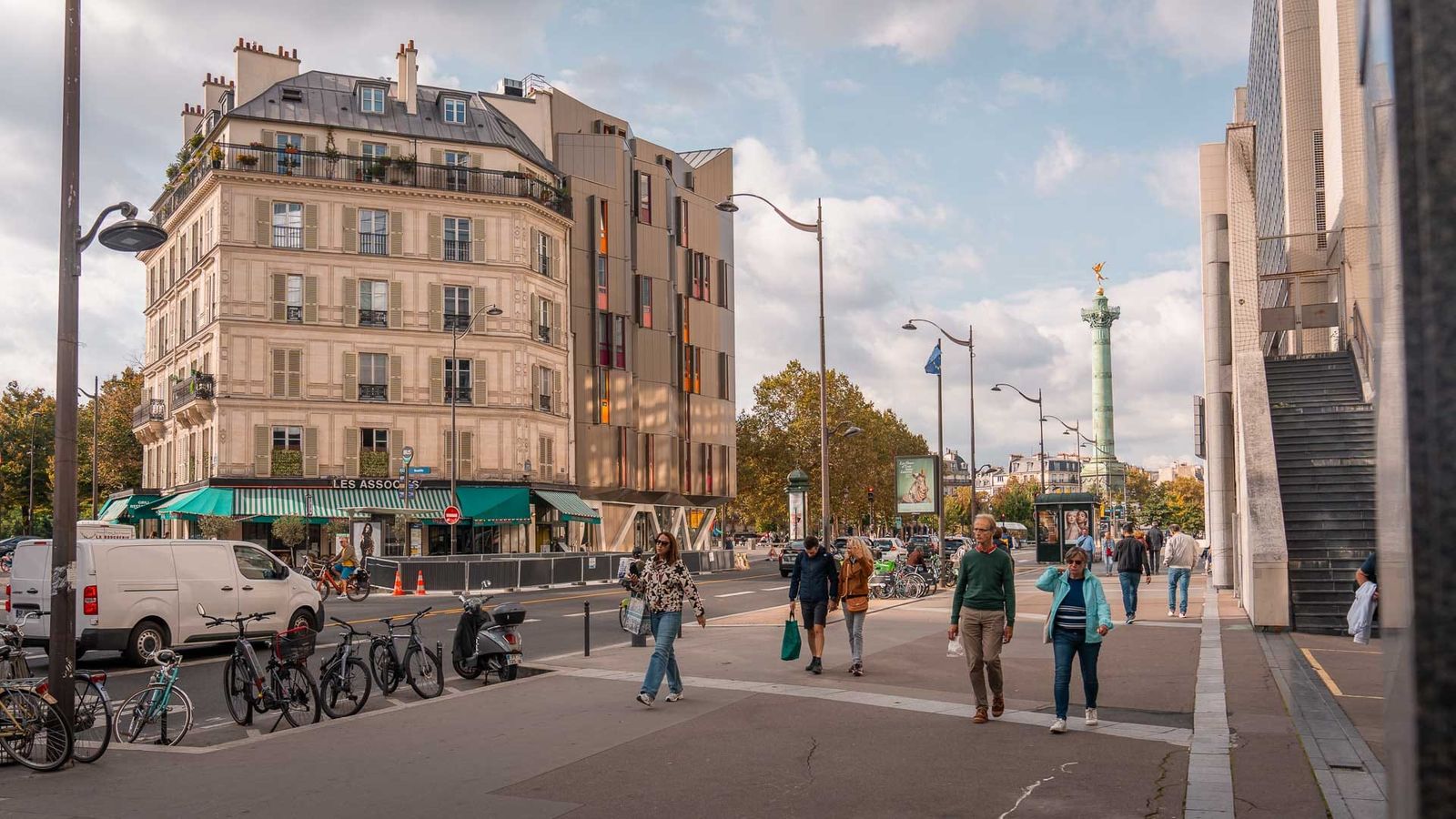

Place de la Bastille, a symbolic landmark of the French Revolution, serves as a powerful reminder of the past where the once-mighty fortress of the Bastille stood before its destruction in 1789.
A Monument to Revolution
The Place de la Bastille is not just a square; it’s a monument to the spirit of freedom that ignited the French Revolution. It marks the site of the infamous storming of the Bastille on July 14, 1789, an event that signified the beginning of the end for absolute monarchy in France.
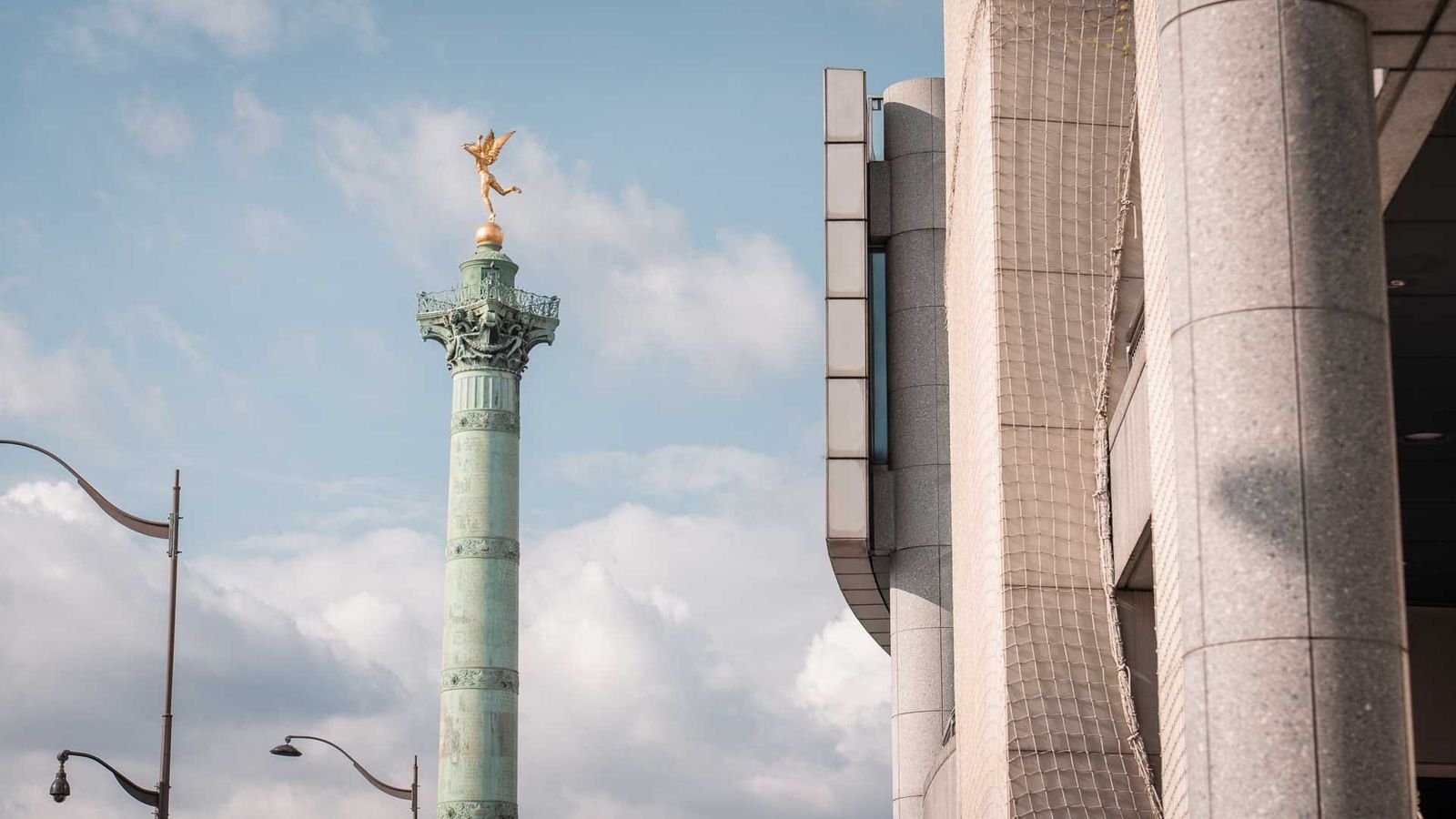
The square features the Colonne de Juillet, an imposing structure erected in 1840 to commemorate the July Revolution of 1830 and the martyrs who lost their lives during the uprising.
Surroundings and Architectural Highlights
The square is encircled by several notable streets, each contributing to its vibrant atmosphere. Rue Saint-Antoine leads to the heart of the Marais district, while Boulevard Beaumarchais connects to the lively Place de la République.
Visitors will find cafes and restaurants spilling out onto the sidewalks, offering a perfect spot to enjoy a coffee while soaking up the historical ambiance. The Port de l’Arsenal is nearby, which connects the square to the Canal Saint-Martin, adding to the picturesque scenery.
Cultural Significance and Events
Over the years, Place de la Bastille has been a stage for numerous political demonstrations and cultural events. It continues to host celebrations, especially on Bastille Day, where Parisians come together to celebrate their liberty with parades and fireworks.
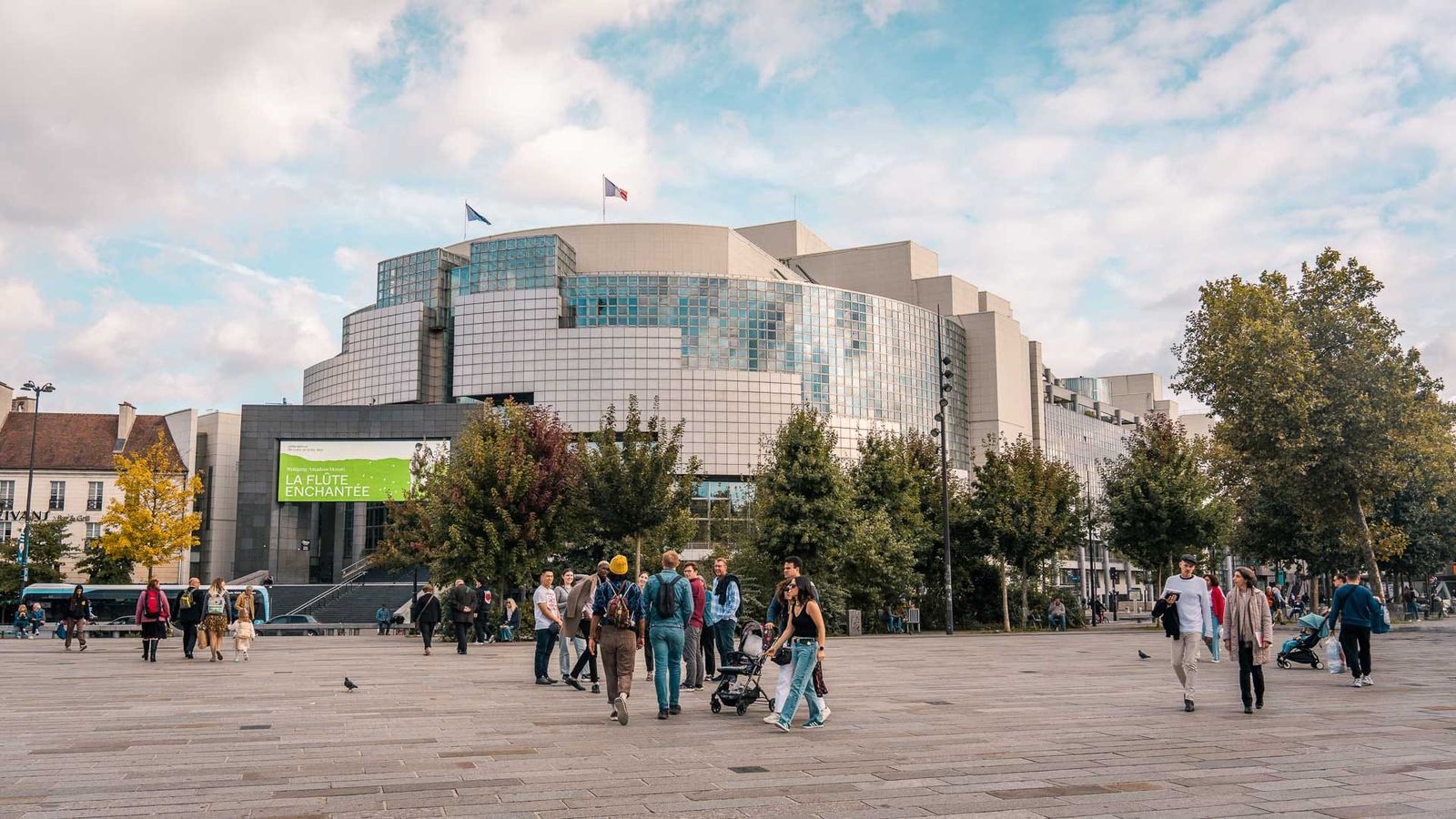
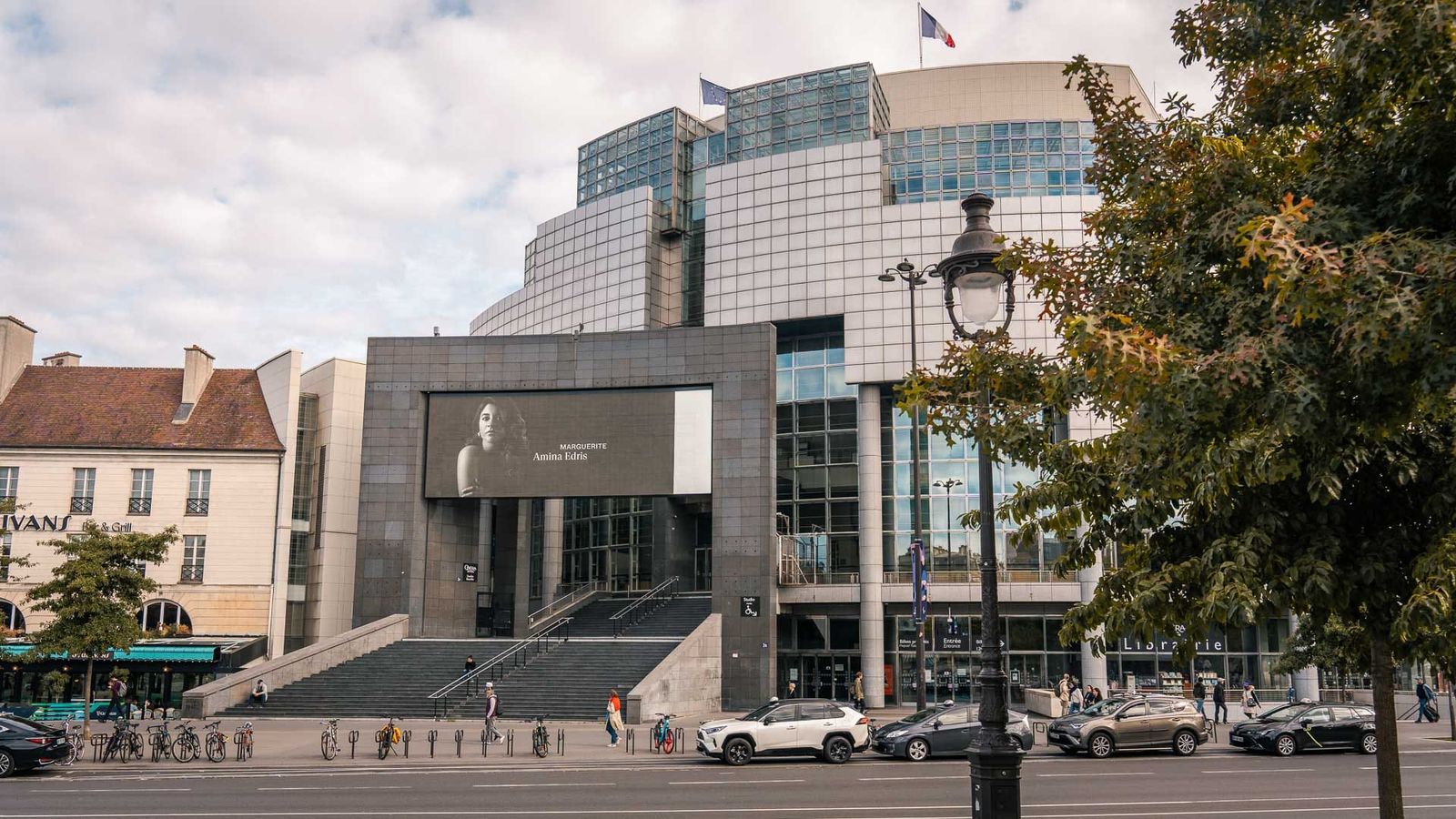
The square is also home to the Bastille Opera, a modern architectural marvel that enhances the cultural landscape of the area.