For film lovers visiting Paris, the most memorable screen may not be inside a museum or archive, but on a busy boulevard in the 2nd arrondissement. The Grand Rex, a 1932 movie palace with a star-lit ceiling and a 2,700-seat auditorium, still draws large audiences night after night.
Named the most beautiful cinema in the world by Time Out in 2025, the Grand Rex occupies a rare position: a historic landmark that functions as a contemporary cinema, not a relic.
An Imported Idea, Built for Paris
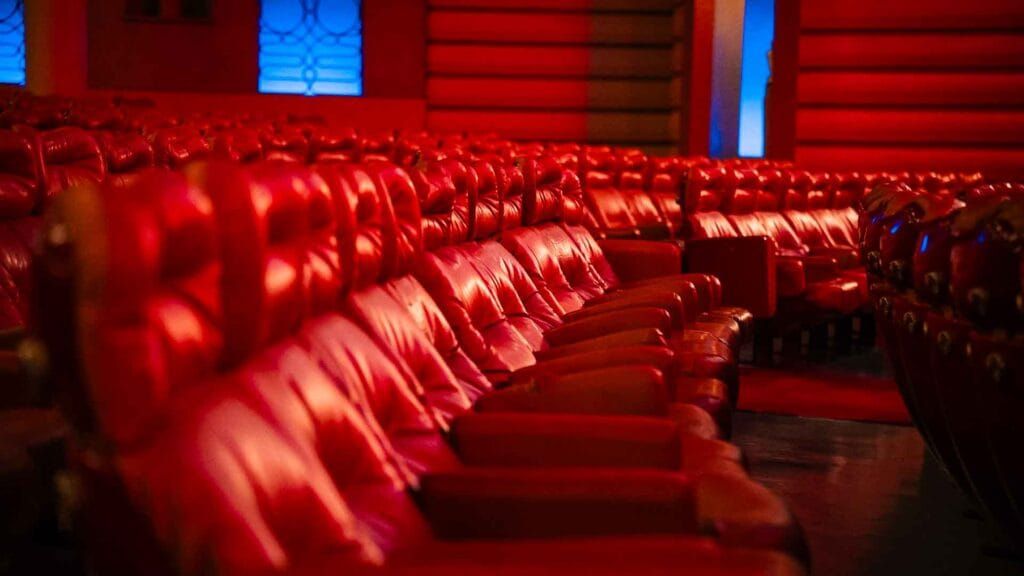
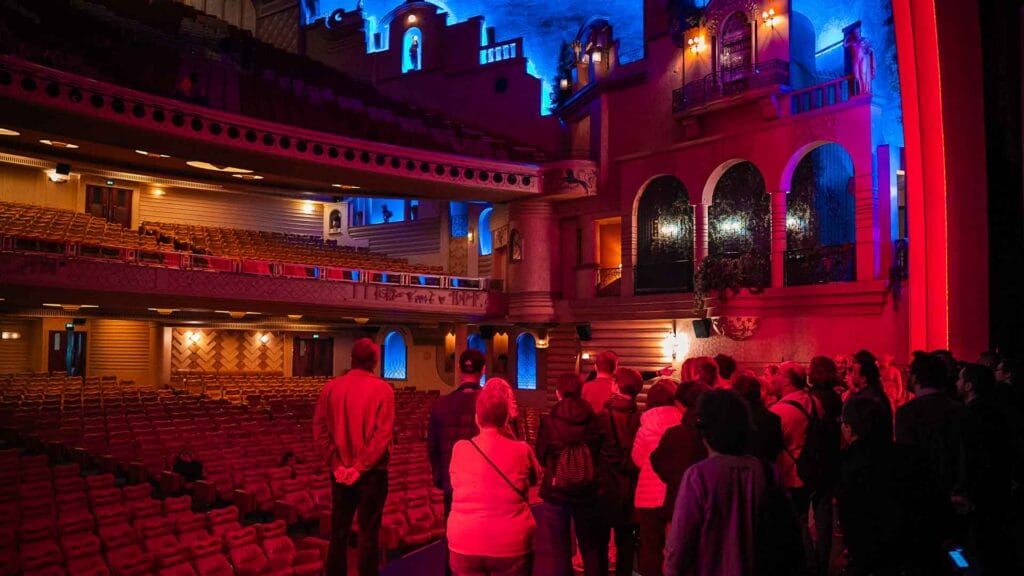
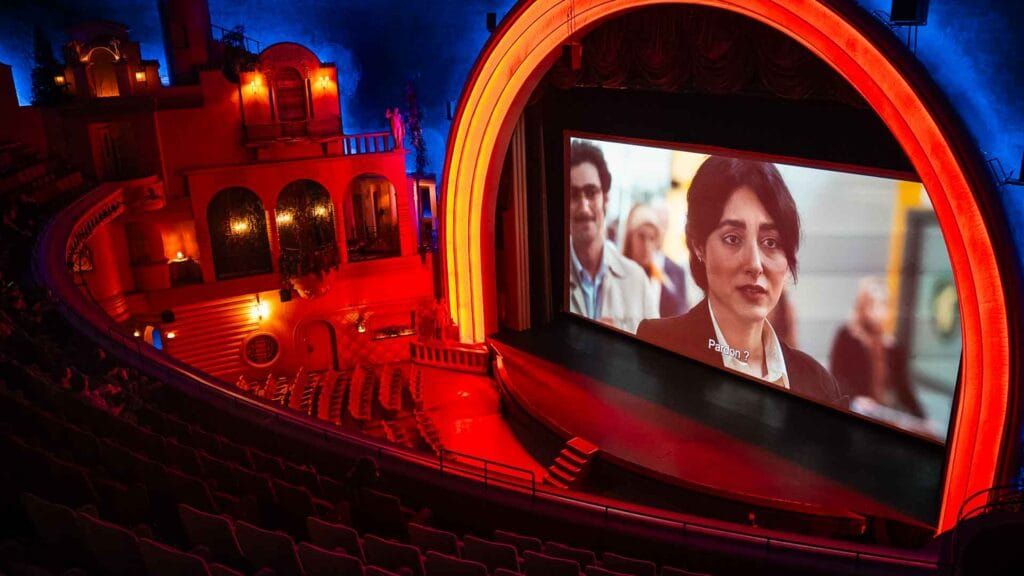
The cinema was the project of Jacques Haïk, a producer and distributor who introduced Charlie Chaplin to French audiences and owned the Olympia music hall. He commissioned Auguste Bluysen as architect and John Eberson, an American engineer known for “atmospheric theaters,” to design the interior.
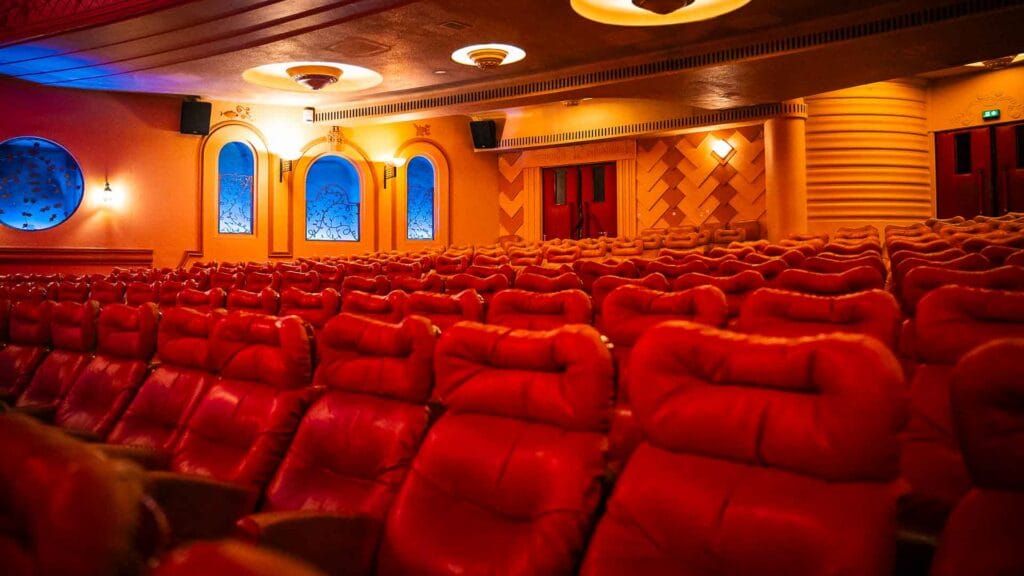
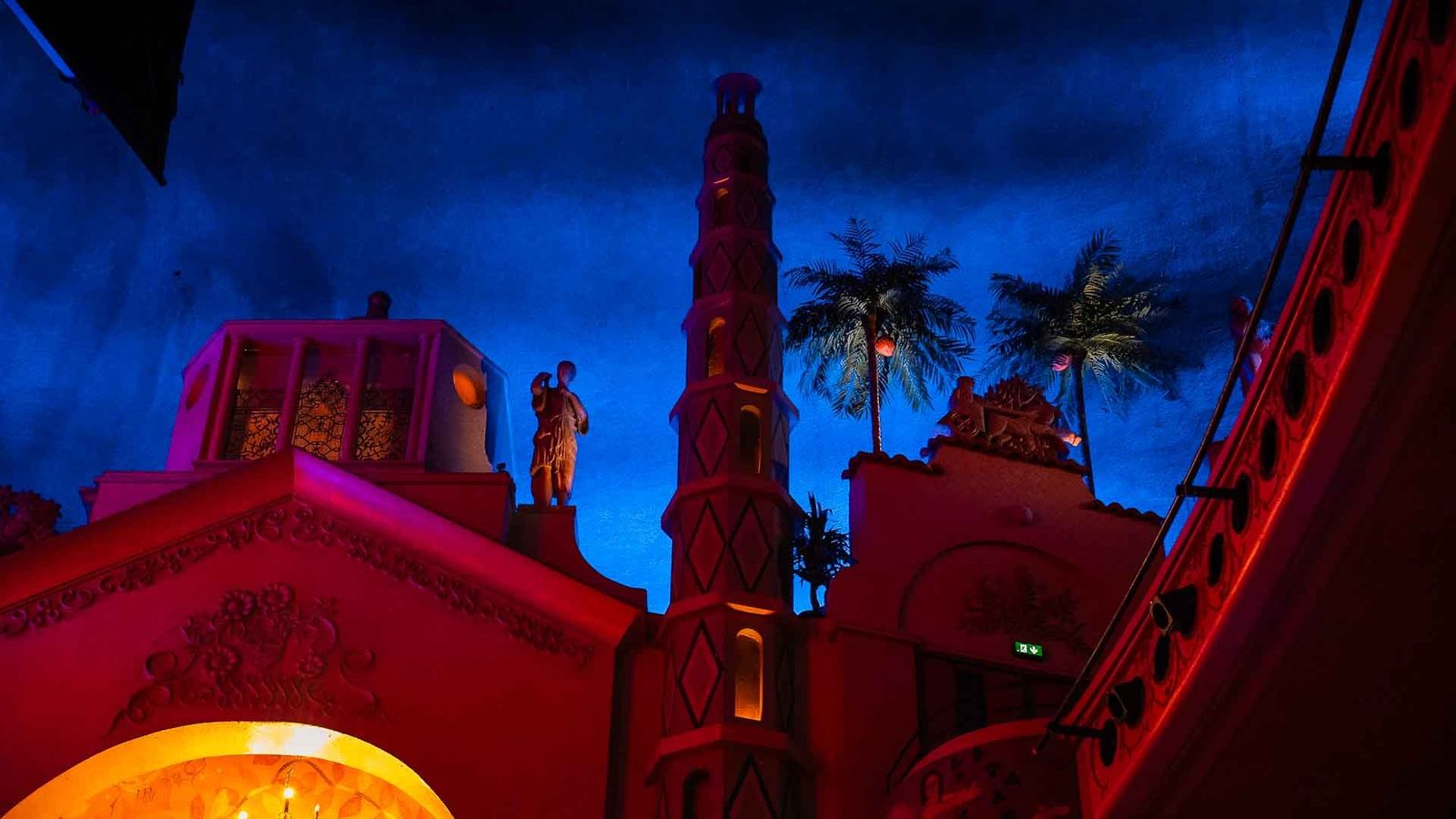
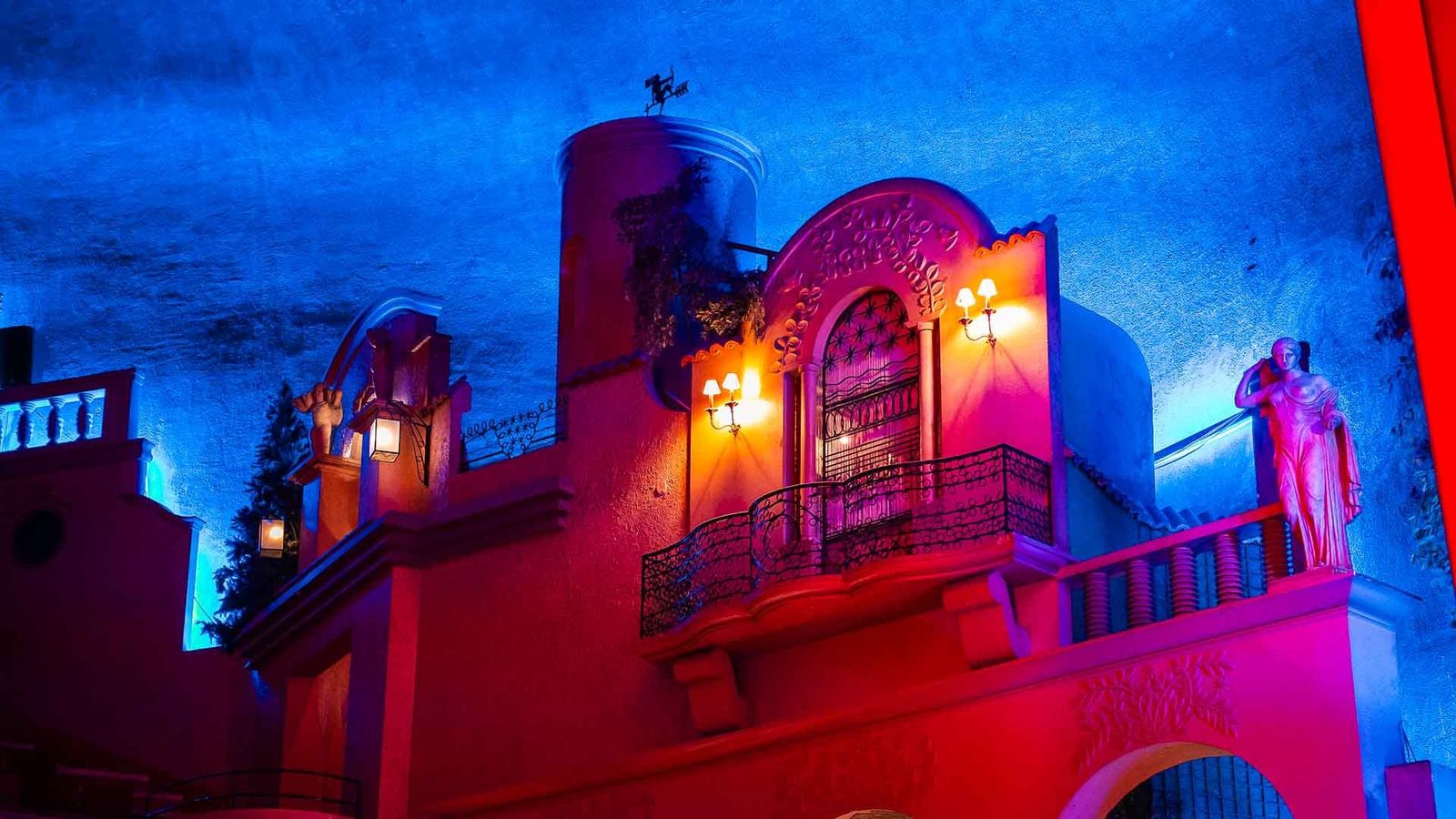
Eberson’s concept placed spectators in an outdoor setting: façades, balconies, palm trees and artificial stars beneath a moving cloud ceiling. Maurice Dufrêne oversaw interior decoration; sculptural elements were executed by Henri-Édouard Navarre.
The auditorium was initially planned for more than 5,000 seats. The final configuration reduced capacity but preserved scale.
Occupation and Reopening
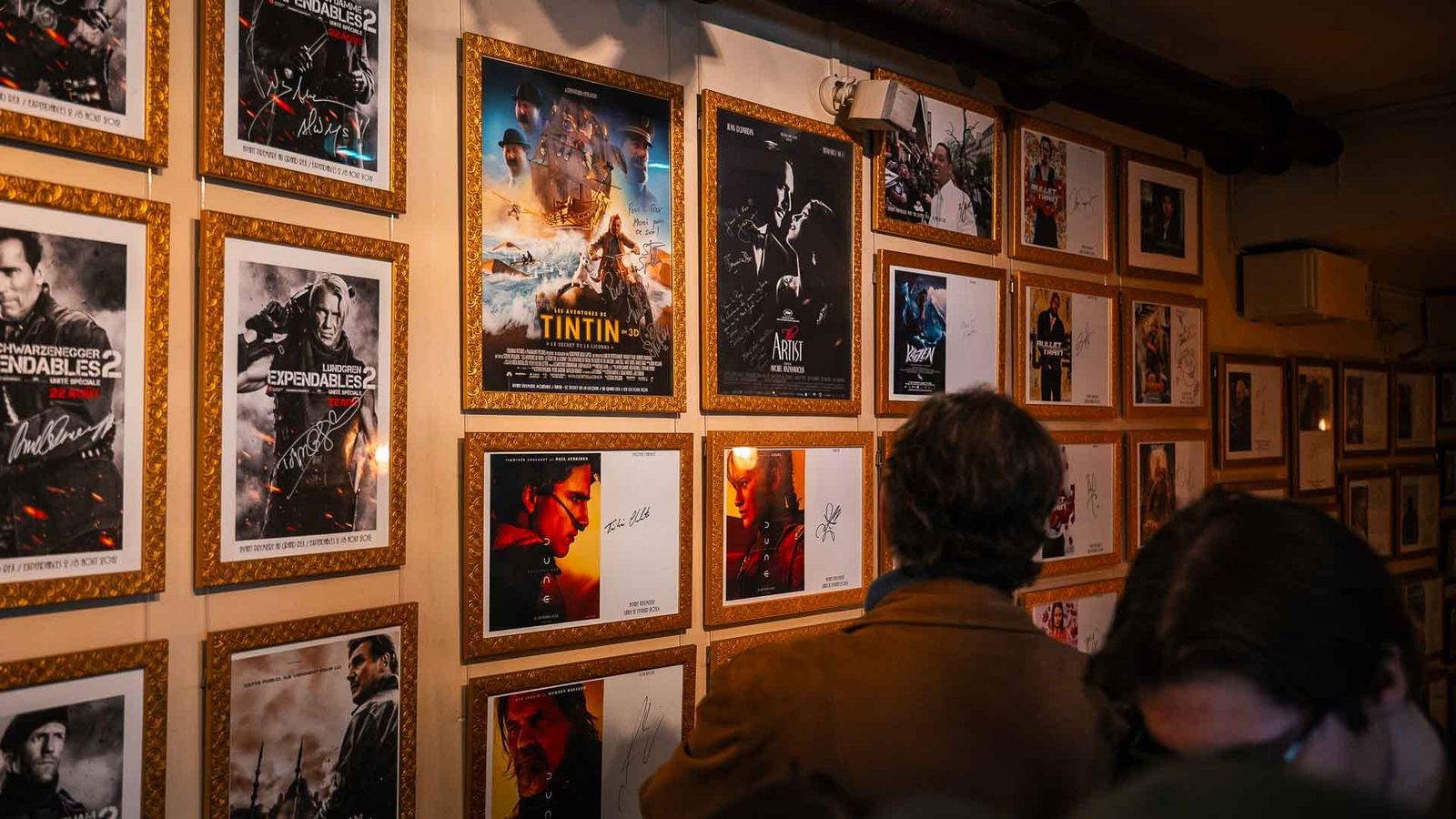
During the German Occupation, the Grand Rex was requisitioned and used exclusively by German troops. A clock was installed inside the auditorium, and announcements interrupted screenings. In 1942, the building was damaged during a bombing carried out by the French Resistance.
It reopened on Oct. 13, 1944. In 1946, Pinocchio became the first Disney feature shown at the Rex, beginning a long-standing association with family and holiday programming.
Stage Effects and the Water Show
For decades, screenings at the Rex were preceded by live performances and mechanical stage effects. Sets moved. Water features were installed. Musicians and dancers performed before the film.
In 1954, after the failure of an aquatic ballet titled The Mirror of Neptune, the theater introduced La Féerie des eaux. The show uses several thousand liters of water, projected up to 20 meters and synchronized with light and music. It is performed annually before the Christmas release and remains in operation.
Early Adoption of Scale and Technology
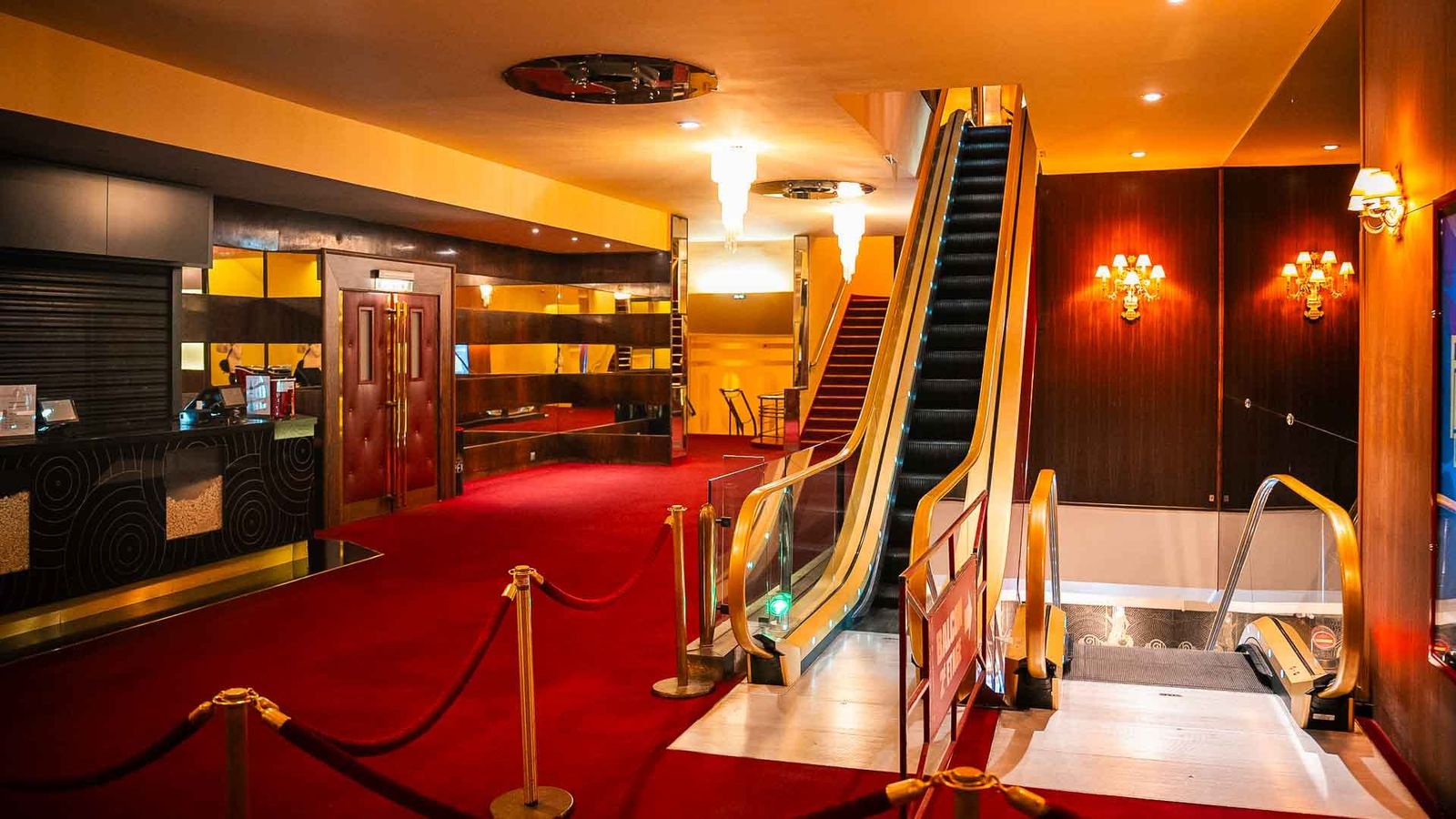
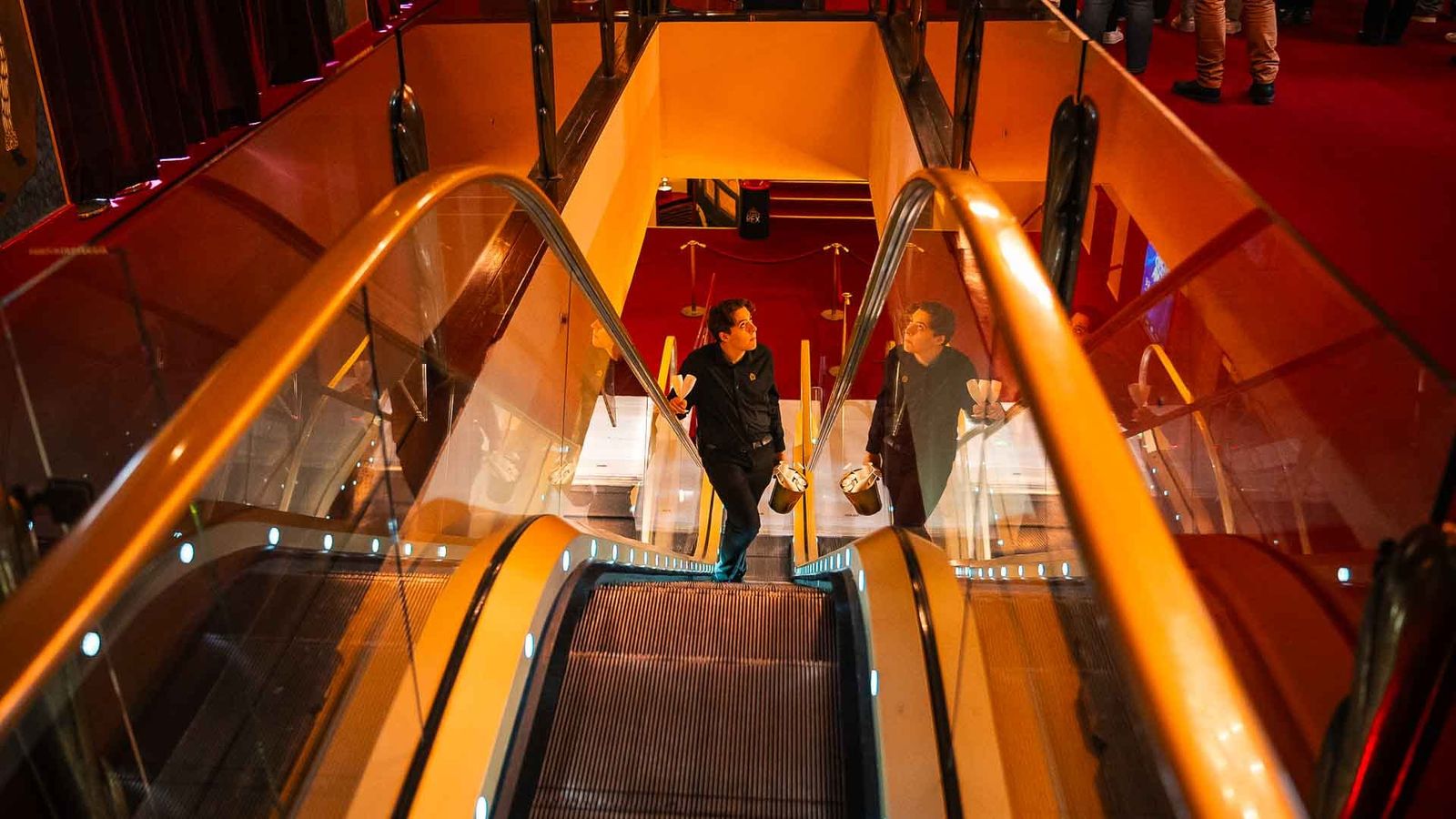
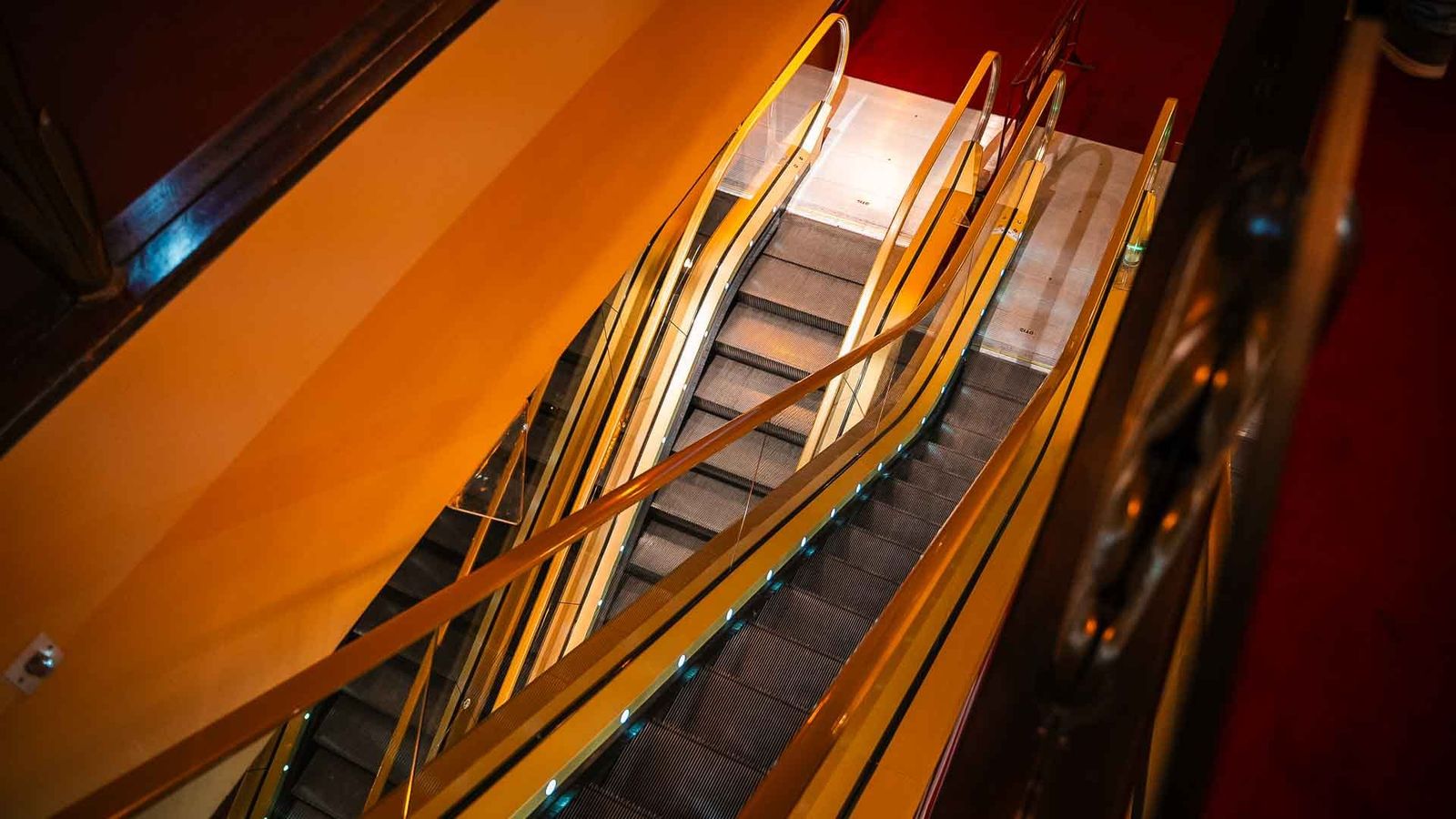
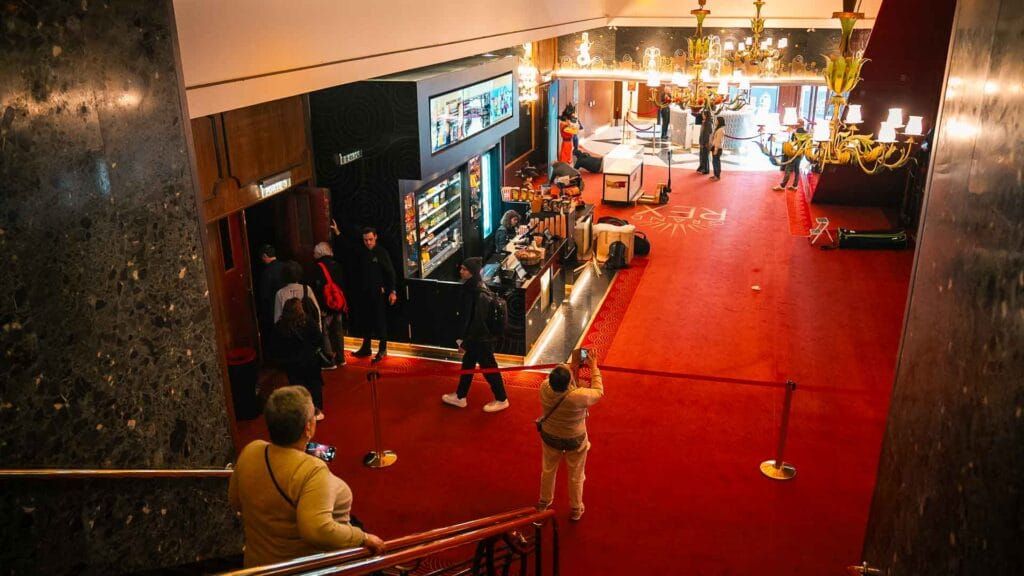
The Rex screened early widescreen formats in the 1950s. In 1957, it became the first cinema in Europe to install an escalator, inaugurated by Gary Cooper and Mylène Demongeot.
By 1960, annual attendance exceeded that of the Louvre.

In 1988, the Rex installed Le Grand Large, a 280-square-meter screen, still the largest non-IMAX indoor screen in Europe. Luc Besson’s The Big Blue inaugurated it and sold more than 700,000 tickets at the Rex alone.
That year also saw the opening of the Rex Club, which later became a major electronic music venue.
The Main Hall Remains Intact
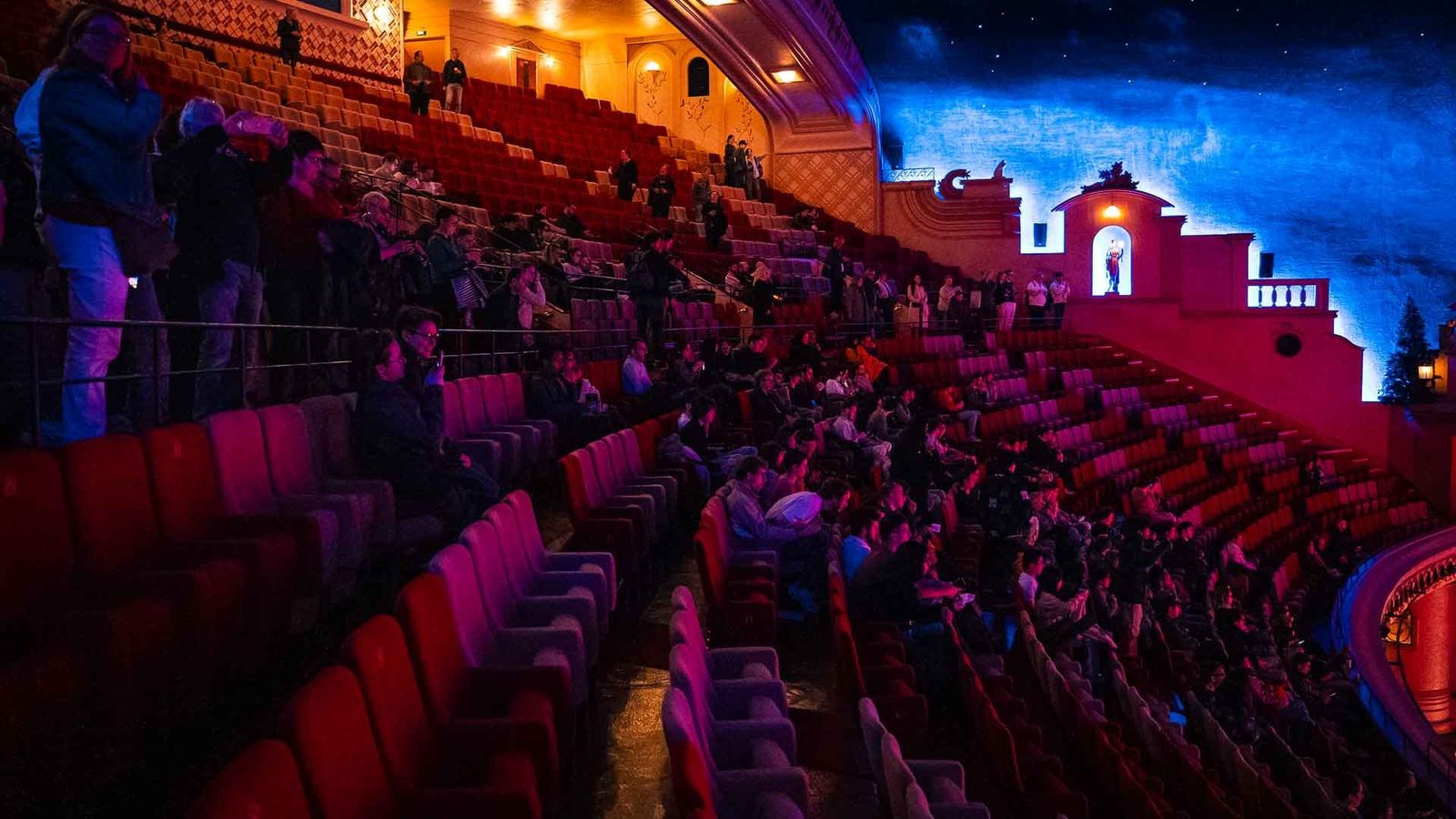
While many large cinemas were subdivided in the late 20th century, the Grand Rex retained its principal auditorium. Smaller theaters were added around it.
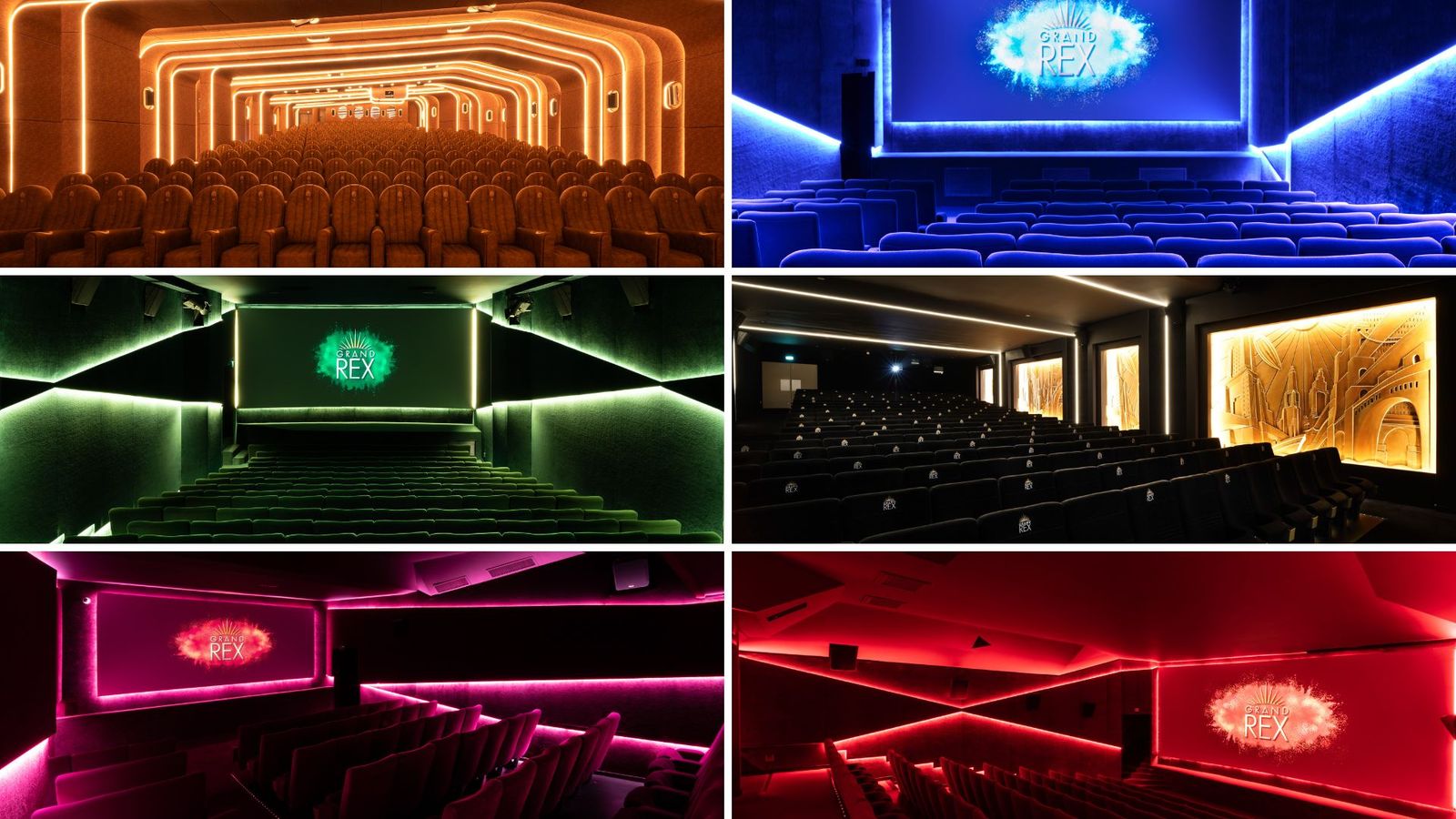
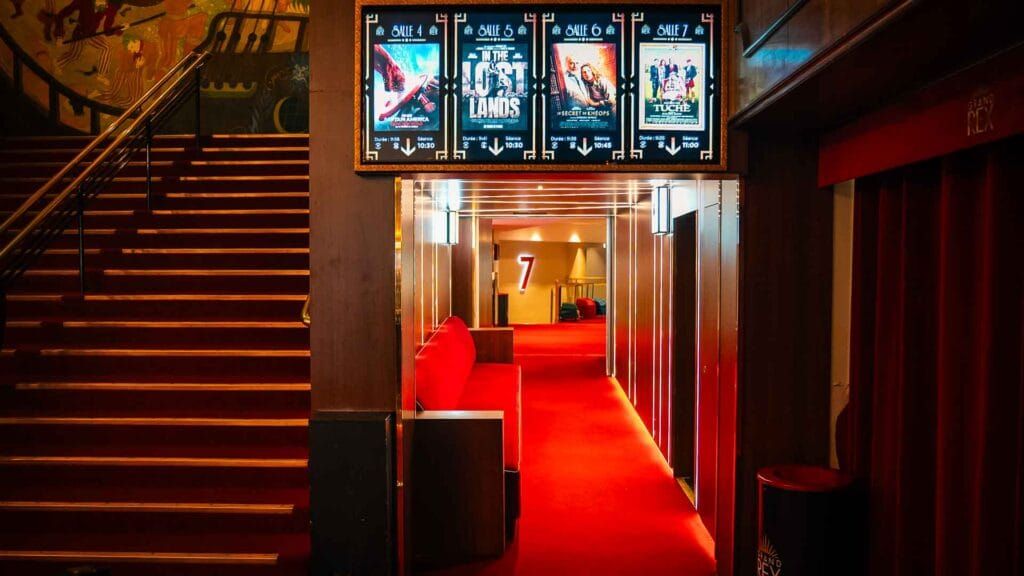
The complex includes seven screening rooms, a performance stage, Rex Studios — an immersive exhibition on film production — and the Rex Club.
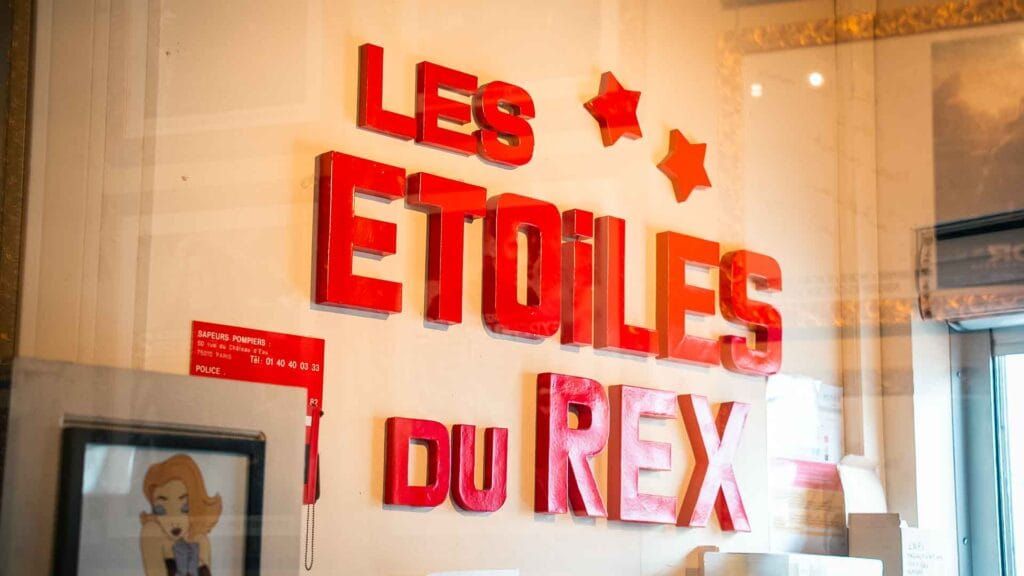
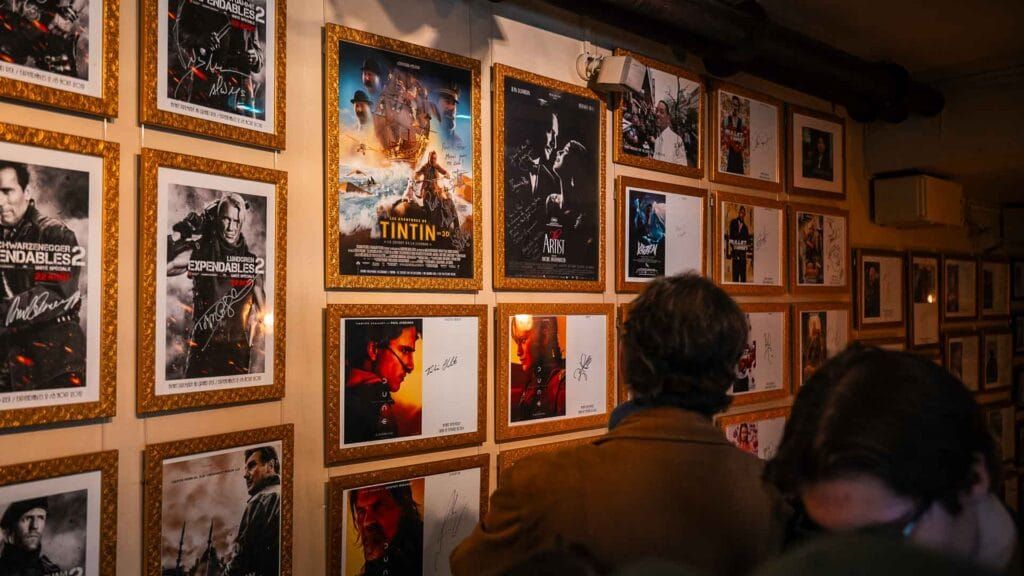
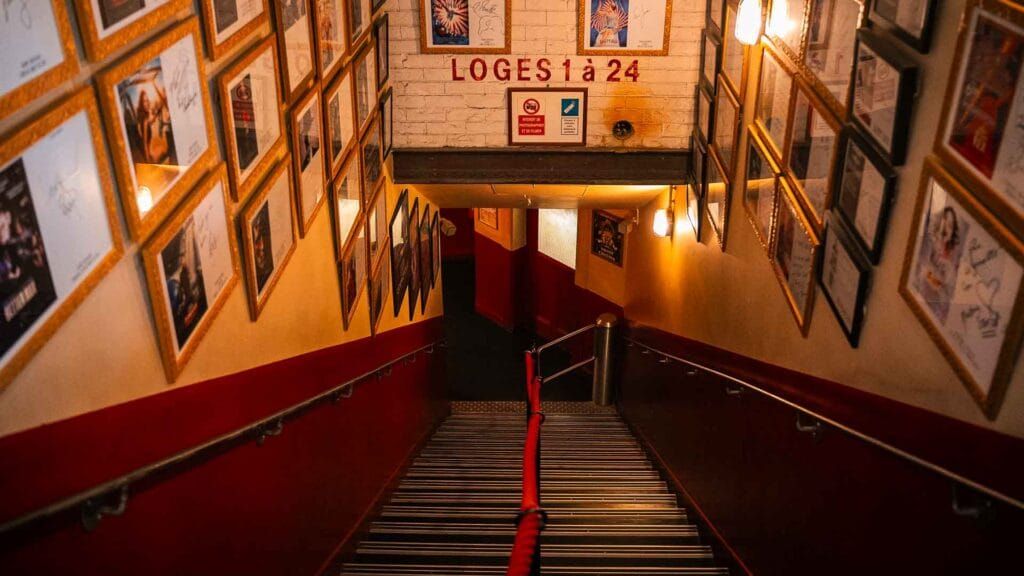

The main auditorium now seats 2,702 people, making it the largest cinema hall in the world still in regular operation. Annual attendance is approximately one million.
Restoration and Recognition
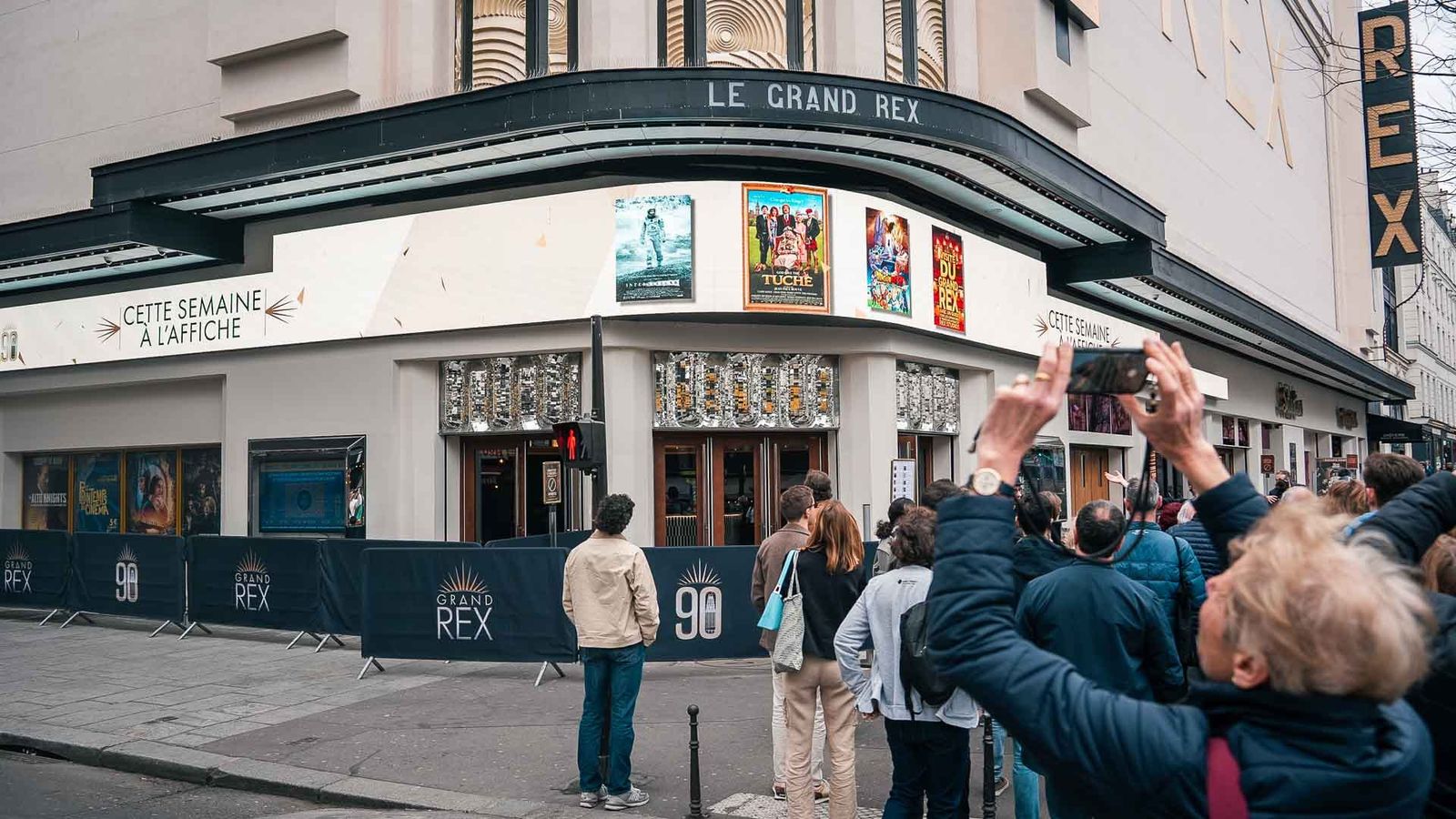
The Grand Rex has been listed as a Monument Historique since 1981.
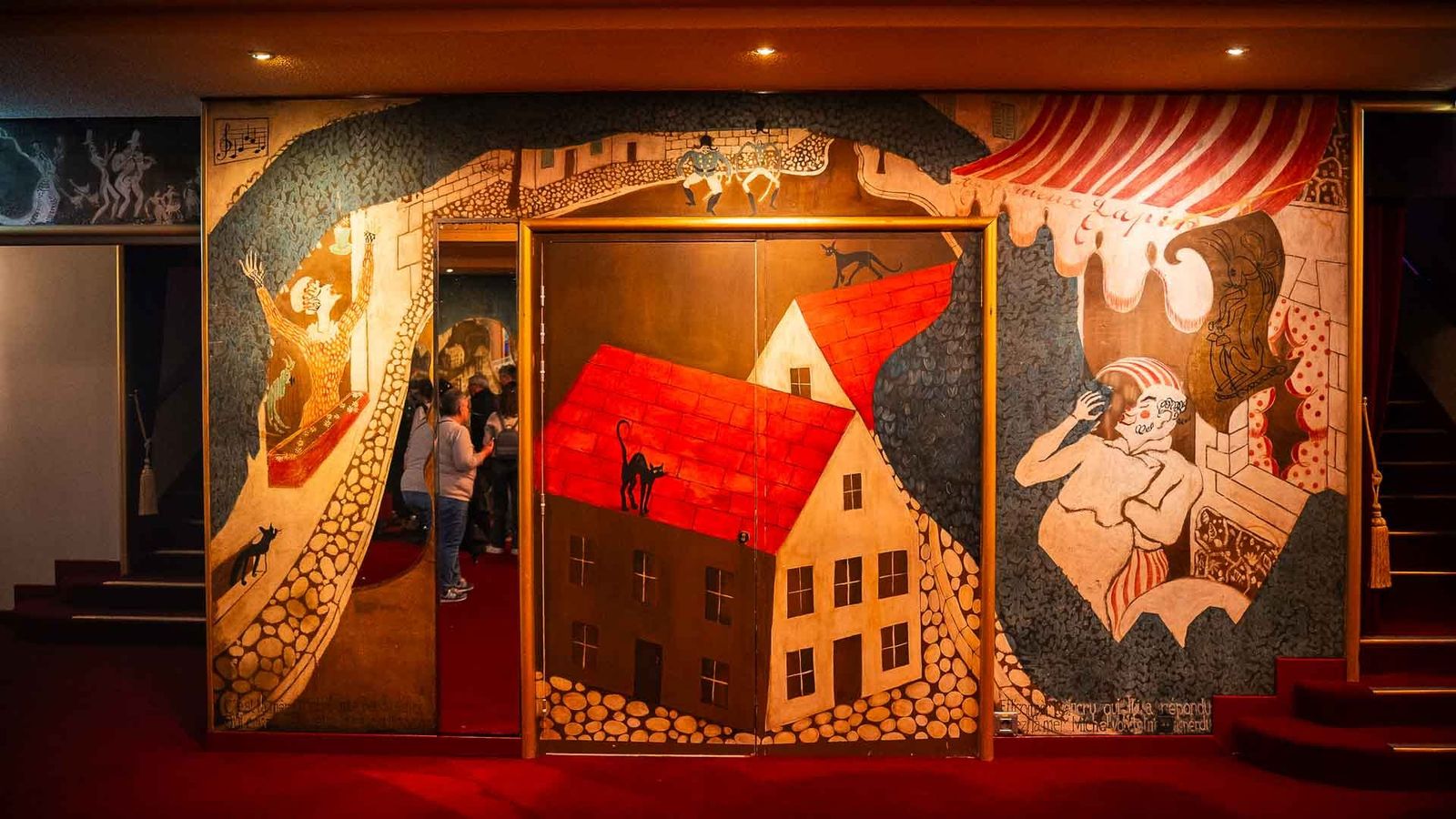
A major restoration, completed in 2022 and extended through 2025, was led by architects Grichka Martinetti and Stéphane Thomasson. Archival research and stratigraphic studies guided the work. Later paint layers were removed. Original frescoes were restored. A mural by Henri Mahé depicting Charlie Chaplin was returned to its original form after wartime alterations.
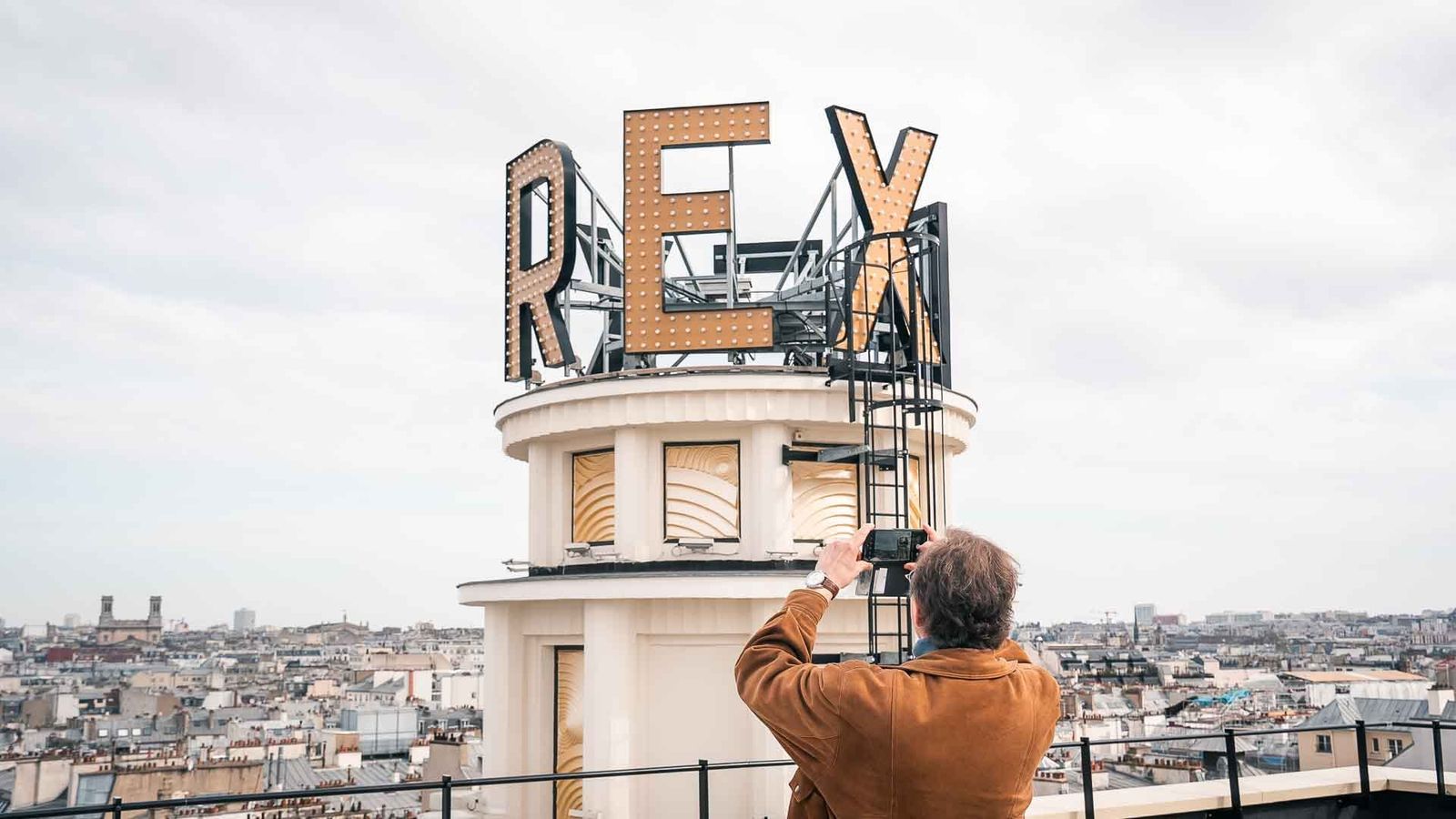

The rotating rooftop “REX” sign, now unique in Paris, was restored. Lighting was redesigned using LED systems calibrated to replicate 1930s incandescent light.

Nearly a century after it opened, the Grand Rex still does what it was designed to do. People buy tickets, take their seats and watch a film together in a room built for scale. In a city where many historic venues now function primarily as landmarks, the Rex remains, first and foremost, a cinema.