The guillotine was introduced in 1792 at Place de Grève, known today as Place de l’Hôtel de Ville. From there it moved around Paris over the years, appearing at Place de la Concorde, Place de la Nation, Place du Carrousel, and Place de la Bastille. During the French Revolution, public executions gave to the crowds, hungry for spectacle and blood, the dramatic show they came for.
But customs changed, and by the mid 19th century, executions, though still public, were carried out more modestly at the entrances of prisons.
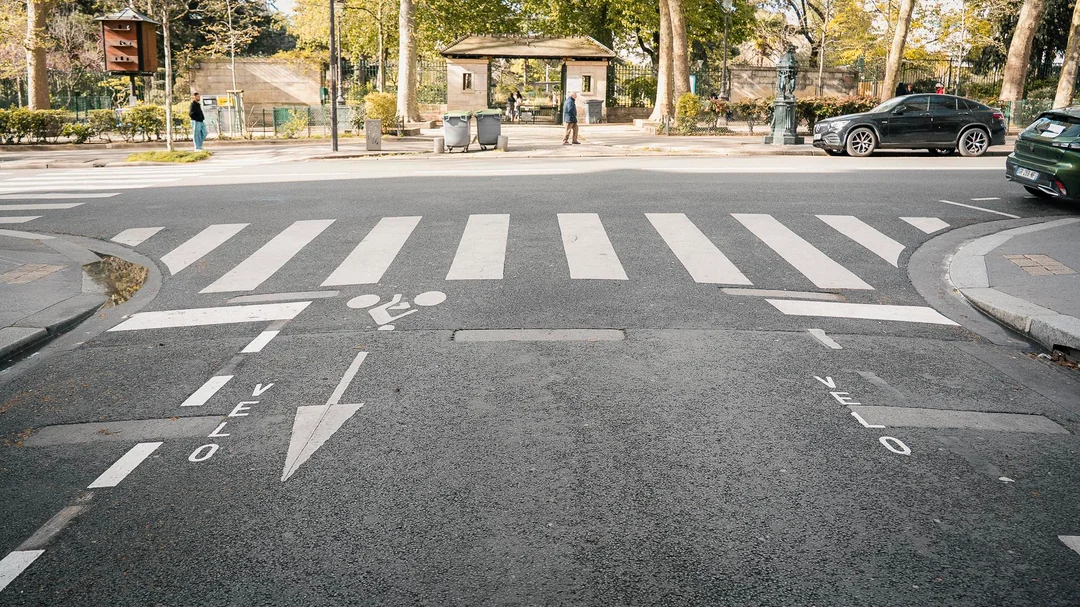
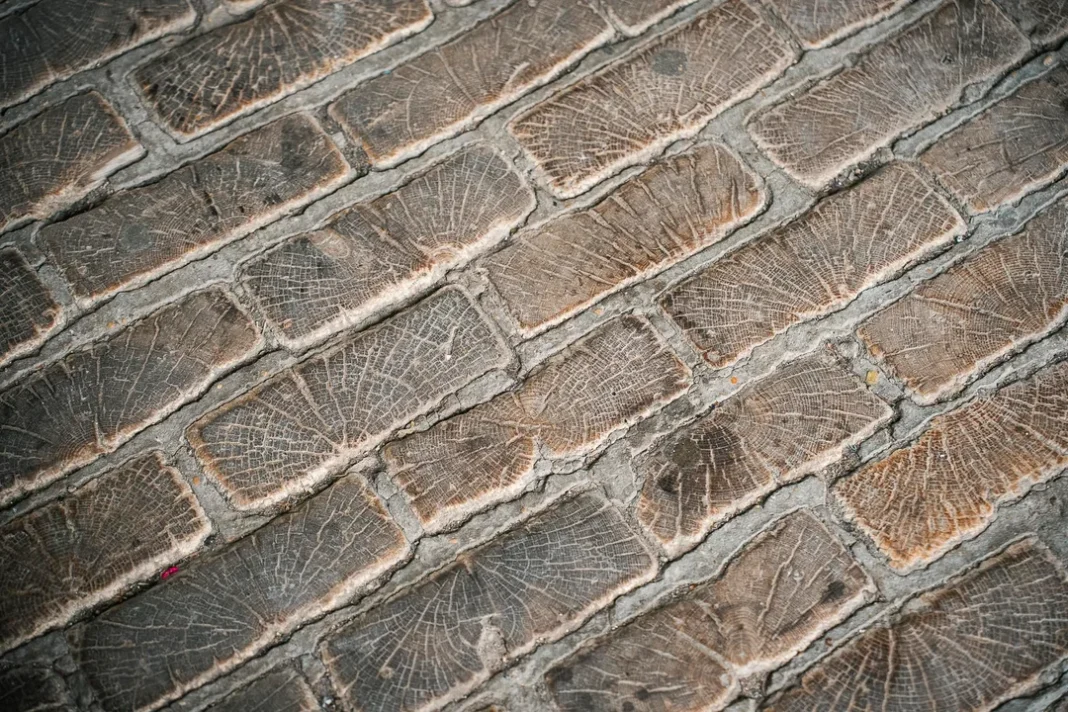
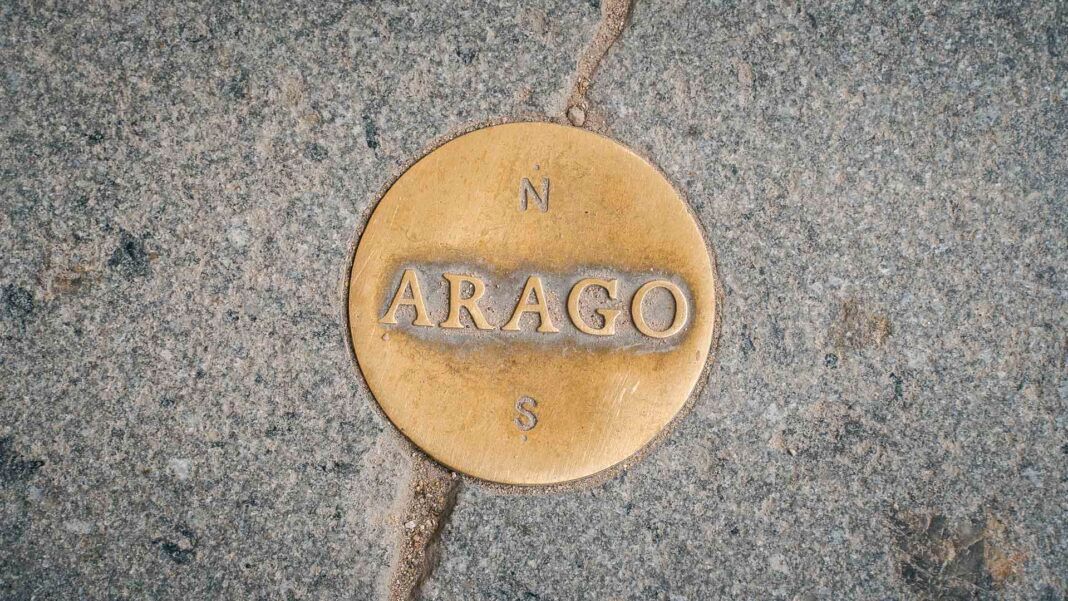
At the corner of the current Rue de la Croix-Faubin and Rue de la Roquette in the 11th arrondissement stood the Grande Roquette prison, where condemned prisoners were held. From 1851 till 1899, the guillotine was installed at the prison’s entrance. Five flat slabs were then placed in the middle of the cobbled street to stabilize the feet of the scaffold.
Now almost invisible to passers-by, these slabs remind us that the streets of Paris still hold echoes of its darkest past.