The desecration of the royal tombs at the Basilica of Saint-Denis was not just an act of destruction. It was a reckoning. In 1793, this sacred place, where the bones of kings had rested undisturbed for centuries beneath stained glass and Gothic stone, became a theater of revolutionary fury. What had long symbolized divine order and unbroken lineage was torn open by citizens who came not to mourn the dead, but to erase them.

On August 1, the National Convention, ablaze with anti-monarchist fever, decreed the destruction of every royal tomb in France. Saint-Denis was the first. The official excuse was practical: reclaim the lead from coffins for bullets. But everyone knew the truth. This was no salvage mission. It was a ritual of erasure.

August 6 to 8: The First Blow
The tombs of the Merovingians and Carolingians, ancient and silent, were the first to fall. Marble shattered. Crowns cracked. History crumbled under the weight of hammers. The dead had no defense, no voice, no honor.
October 12 to 16: The Feast of Desecration
Then came the Bourbons. Turenne. Henri IV. Marie de Médicis. Her corpse was dragged from its resting place, her hair torn from her skull and passed hand to hand like a relic of a fallen god. Louis XIII. Louis XIV. Monarch after monarch, unburied and defiled.
Eyewitness Henri-Martin Manteau wrote that the air turned thick and black. The living choked on the smell of the dead. Vinegar and gunpowder were burned to fight the stench, but the odor of centuries would not yield.
On October 16 alone, twenty-one more tombs were opened. Some bodies were waxy and preserved, others little more than sludge. The workers did not flinch. They looted jewels. They pulled teeth. They broke bones. Catherine de’ Medici’s leg was taken as if it were a souvenir from a battlefield. One official, Charles Brulay, pocketed relics from at least six kings.
Crowds came. Parisians, drunk on revolution, wandered the desecrated basilica like pilgrims of a new faith. They jeered. They stole tufts of hair, fingernails, scraps of flesh. The dead, once untouchable, now lay at their mercy.

Why Such Fury?
This was not just revenge. It was exorcism. The tombs stood for a kingdom that had ruled by divine right, insulated from the hunger and despair of the people. Saint-Denis held not only bodies, but symbols. And symbols had to be destroyed.
Two Pits for a Dynasty
When it ended, more than 170 corpses had been cast into quicklime pits outside the Basilica. Forty-six kings. Thirty-two queens. Sixty-three royal children and relatives. Ten servants. Two dozen abbots. Two trenches, dug by revolution, swallowed a millennium of monarchy.
A sacred necropolis became a graveyard of rage.

The Resurrection of Memory
In 1815, the monarchy returned. Louis XVIII ordered the remains of Louis XVI and Marie Antoinette to be reburied with ceremony. In 1817, a marble mason named François-Joseph Scellier searched the trenches for royal fragments. He found dust. Bits of bone. A handful of names. What remained was gathered into an ossuary and sealed behind two marble plaques.
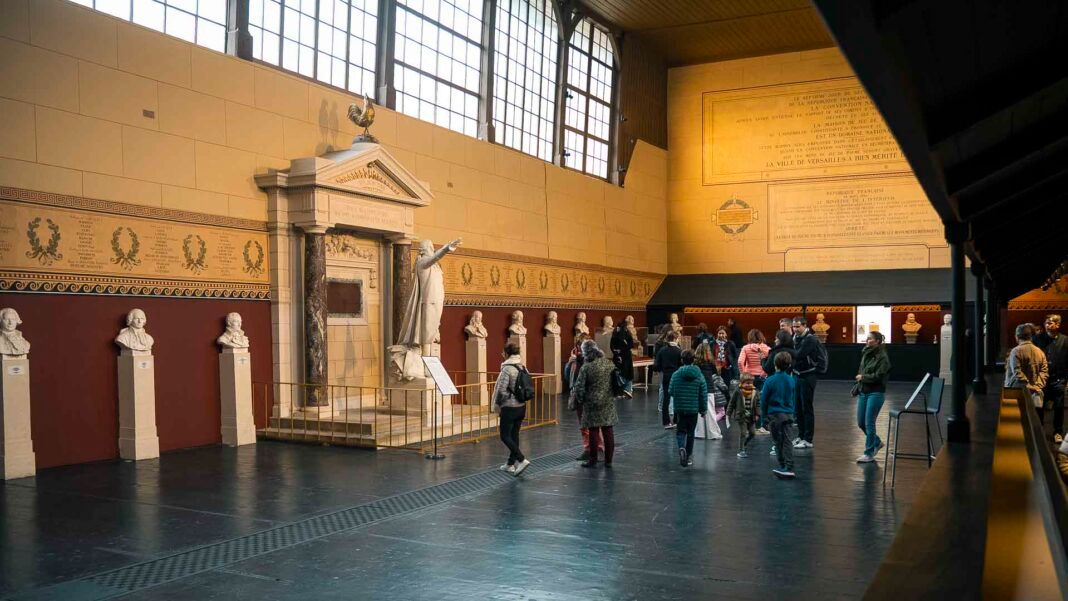
Today, visitors to Saint-Denis still walk among the statues that escaped the mobs. Cold faces carved in stone. Hands clasped in prayer. Eyes that never saw their own undoing.
The crypt is quiet now, but not at peace. The scars of 1793 lie deeper than broken tombs. The Basilica is not just a place of burial. It is a wound in stone. A memory that refuses to rest.