


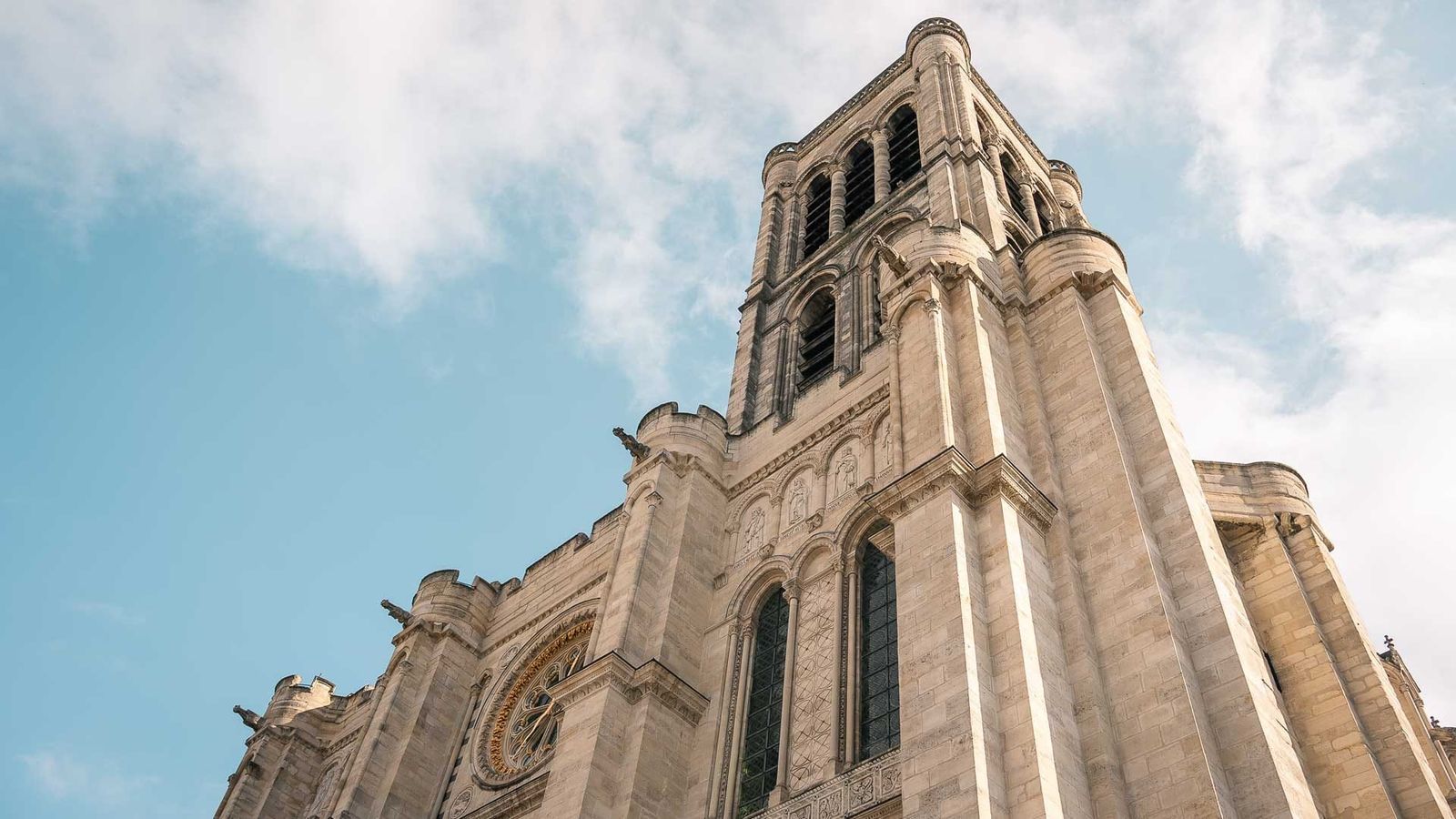


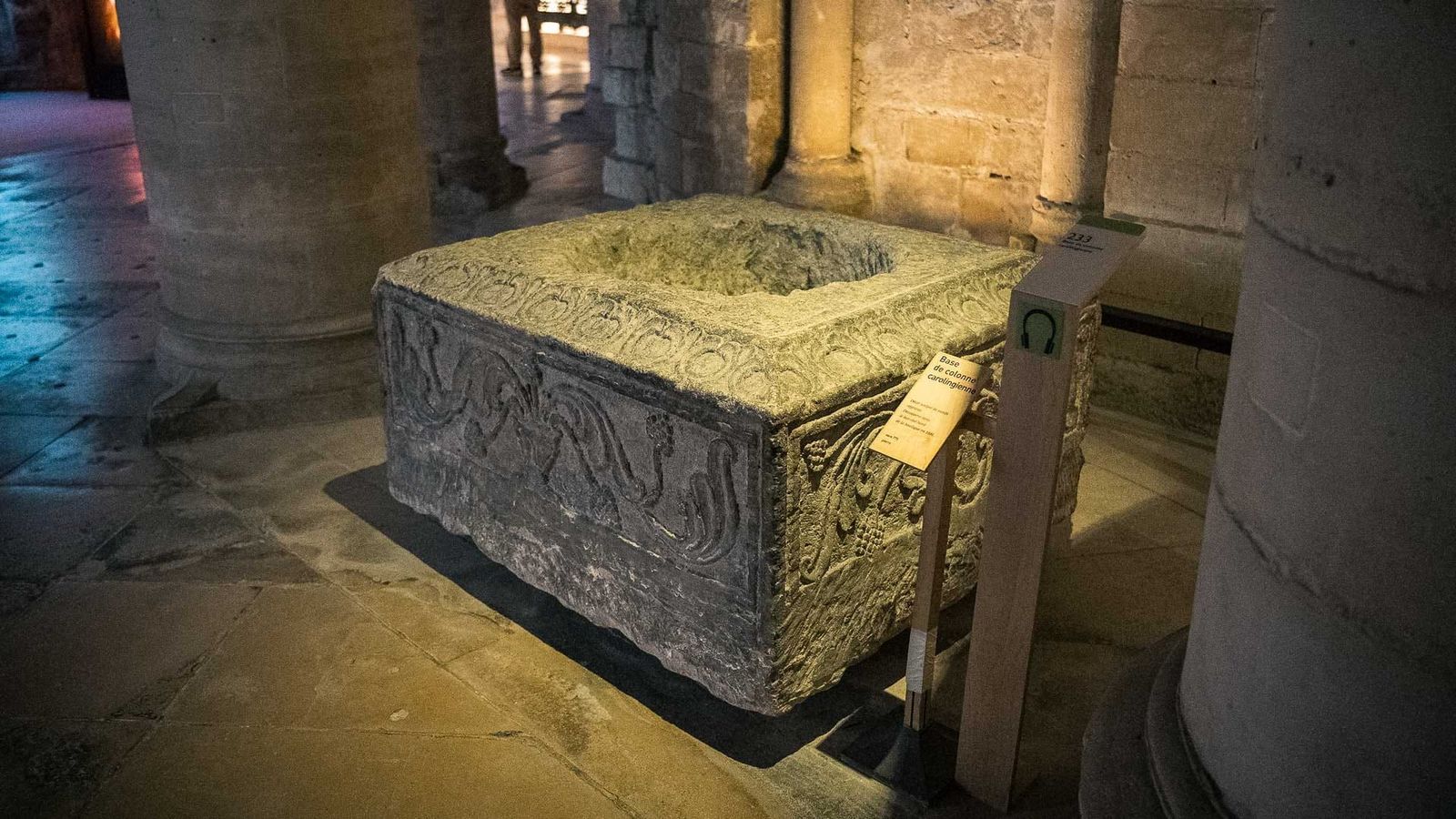



The original church at the site established in the 7th century as a mausoleum for Saint Denis, the patron saint of France. It is recognized as the burial site for nearly all French kings, beginning with Clovis I, the first King of the Franks, in 511 AD. Among the notable figures interred within its walls are Louis XVI and Marie Antoinette, marking the basilica as a symbol of the monarchy’s rise and fall throughout French history.
Gothic Architectural Marvel
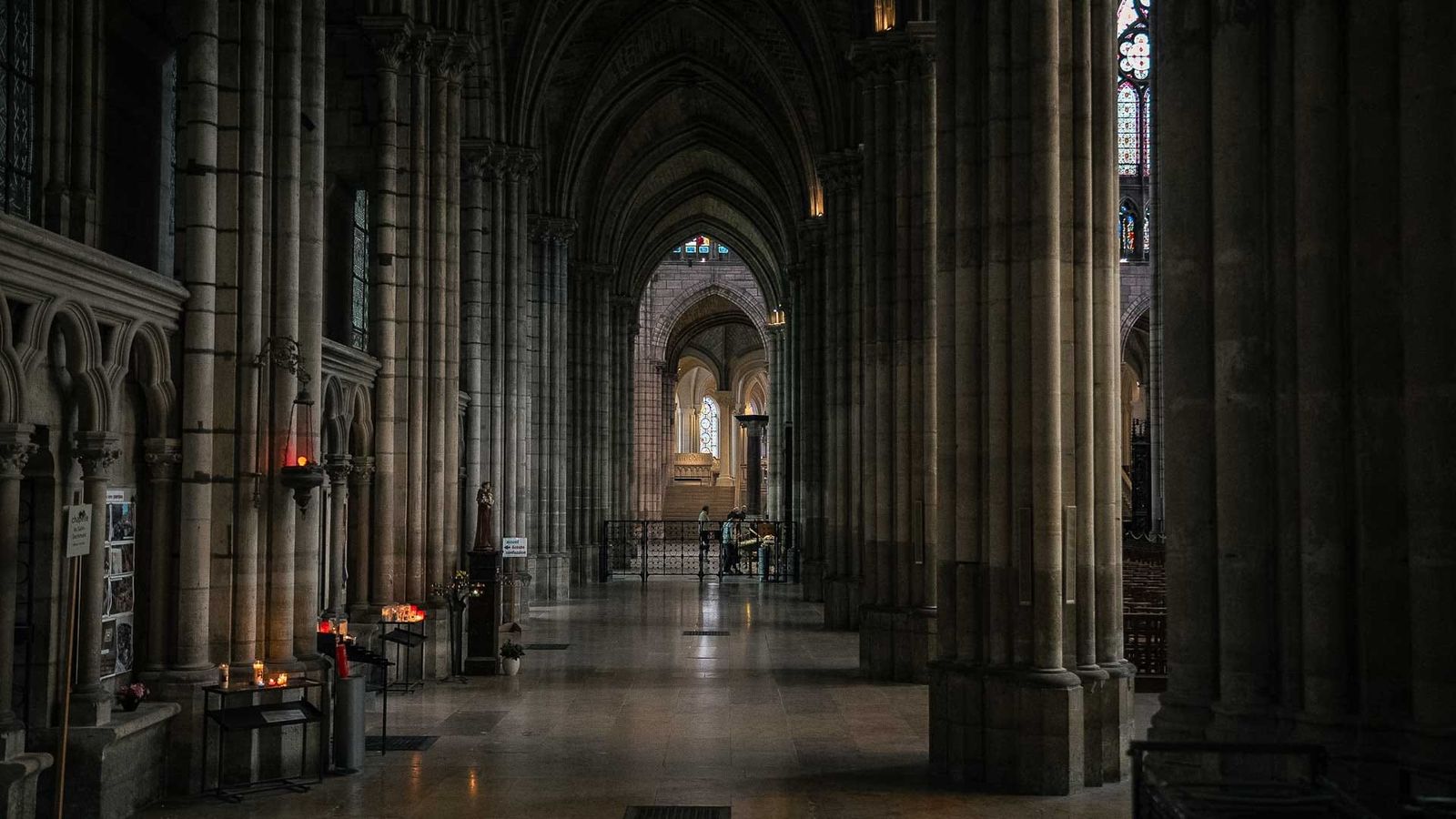
Often hailed as the birthplace of Gothic architecture, the basilica underwent a profound transformation in the 12th century under the visionary leadership of Abbot Suger. He sought to create a space that reflected divine light and glory, leading to innovative architectural features. The introduction of pointed arches allowed for greater height and more intricate designs than the earlier rounded arches. The implementation of ribbed vaults provided enhanced support and enabled larger windows, while flying buttresses permitted thinner walls filled with stunning stained glass.
The result of Suger’s vision is a breathtaking interior, adorned with stained glass windows that illuminate the space with colorful light. These windows narrate biblical stories and highlight the lives of saints, creating an atmosphere of reverence and beauty.
Cultural and Spiritual Importance
The basilica is dedicated to Saint Denis, the patron saint of France, who was believed to have been martyred in the 3rd century. Legend has it that he carried his head after being decapitated, a story that underscores his significance in the hearts of the French people. The basilica quickly became a major pilgrimage site, attracting visitors seeking spiritual solace and a connection to their revered saint.
Treasures of the Basilica
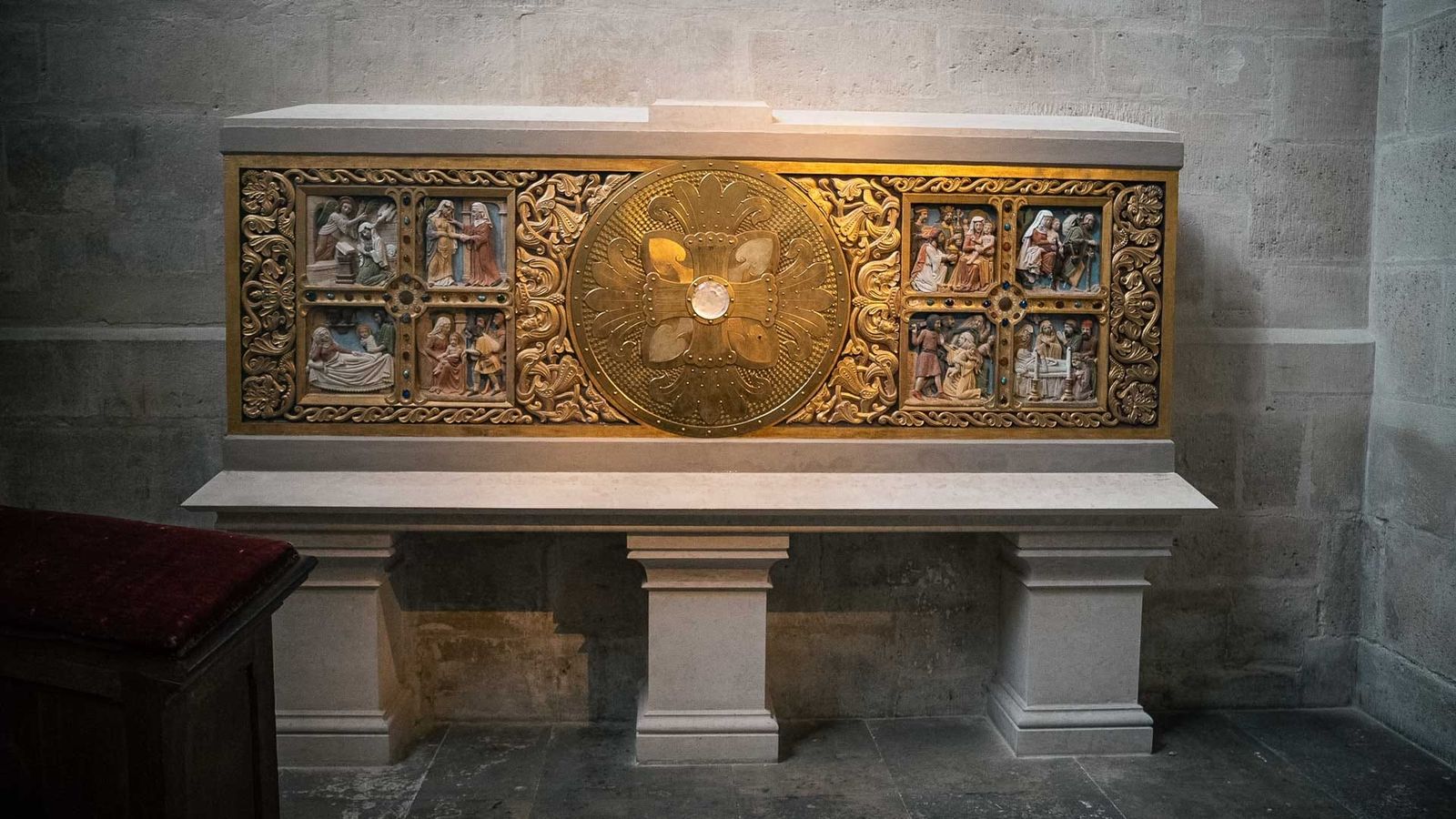
The Basilica of Saint-Denis is renowned not only for its architectural grandeur but also for its rich collection of treasures. Within its walls lie the tombs of 58 French kings, including the revered Louis IX (Saint Louis) and Charles V. Each tomb is intricately decorated, reflecting the historical significance of the individuals interred there.
Among its most venerated relics are the remains of Saint Denis and other saints, housed in ornate reliquaries that continue to draw pilgrims and the faithful. Additionally, the basilica possesses various sacred vessels, including chalices and vestments, some dating back to the medieval period, enhancing its status as a place of both worship and historical significance.
Preservation Efforts
Despite facing significant challenges, including vandalism and damage during the French Revolution, the basilica has undergone extensive restoration. The 19th-century renovations, led by Eugène Viollet-le-Duc, aimed to restore the building to its original Gothic splendor. Ongoing preservation efforts continue to ensure that this architectural masterpiece remains a testament to France’s rich historical and cultural heritage.