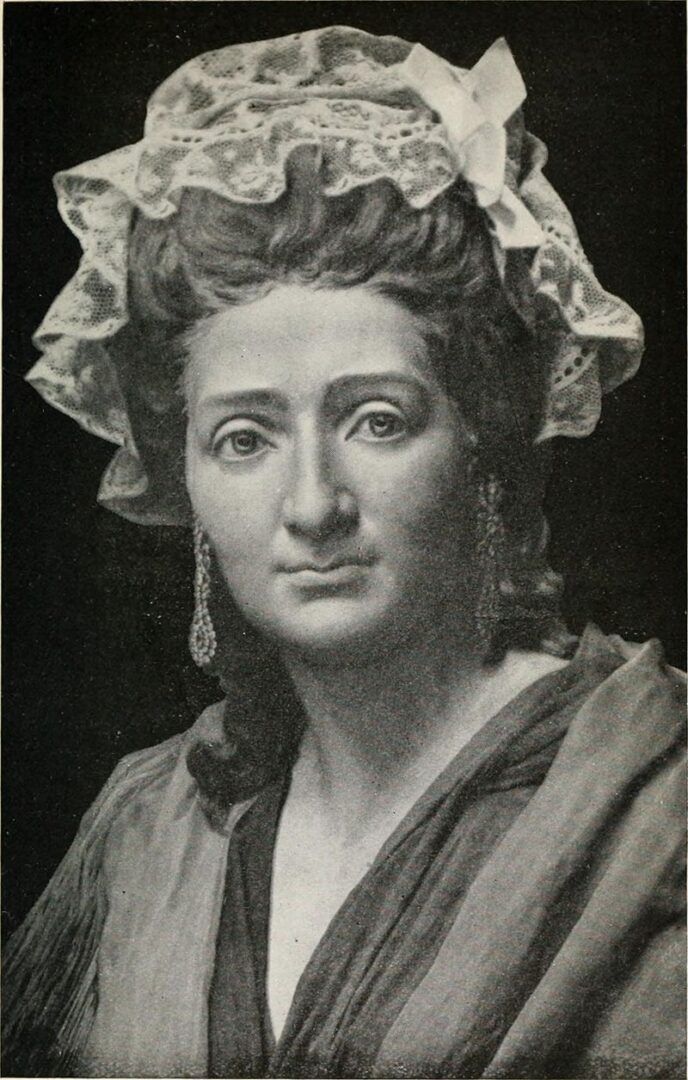
Hours after the blade fell, Marie Antoinette’s face lay in a sculptor’s hands. Her body was dumped into an unmarked grave. But her expression, part defiance, part serenity, was preserved in wax.
The woman who preserved it was Marie Grosholtz, better known to the world as Madame Tussaud. What she created was not a tribute. It was an exhibit.
Whether she touched the queen’s decapitated head or recreated it from memory, no one can say for certain. But the result, a wax death mask of France’s last queen, became a star attraction in a traveling “Chamber of Horrors.” Crowds came not out of reverence, but for the thrill of witnessing death without risk. A safe terror. A curated execution.
Wax, Blood, and Revolution
Marie Grosholtz was born in Strasbourg in 1761 and apprenticed as a girl to Philippe Curtius, a Swiss physician-turned-wax modeler who blended science with spectacle. She learned to cast faces, bodies, entrails, first for Enlightenment salons, then for paying audiences. In time, her waxwork was good enough for Versailles.
By the 1780s, she was teaching King Louis XVI’s sister. Then the world turned upside down.
When the Revolution came, her royal ties nearly killed her. Imprisoned by the Jacobins, she was reportedly shaved for execution. But instead of losing her head, she gained a new role: documentarian of the dead.
She was tasked with making death masks of the freshly executed. Heads still warm from the guillotine arrived at her workshop. Robespierre. Marat. Louis XVI. And, perhaps, Marie Antoinette.
“It was grisly work,” she later wrote. “But I considered it my duty.”
Death as Display
The authenticity of the queen’s mask remains disputed. Tussaud’s memoirs, ghostwritten, inconsistent, make it hard to know what’s true. She may have worked from memory. She may have had direct access to the severed head. Either way, the wax effigy became something greater than a relic: it was a symbol, a commodity, a curiosity.
In 1802, Tussaud arrived in London with a trunk full of wax figures, including the queen. She never returned to France. Britain gave her what the Republic never could: a stable audience. Over time, her exhibition became a national institution. And in the centre, Marie Antoinette, frozen in time, stripped of power but rich in meaning.
The Business of Terror
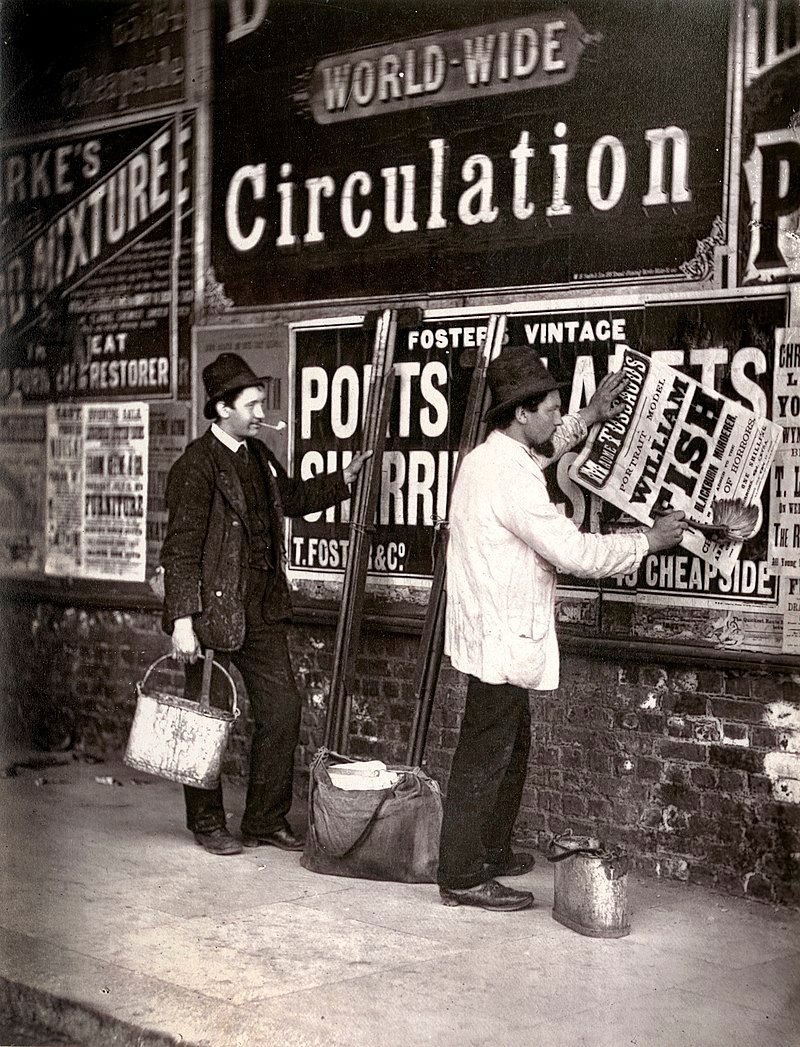
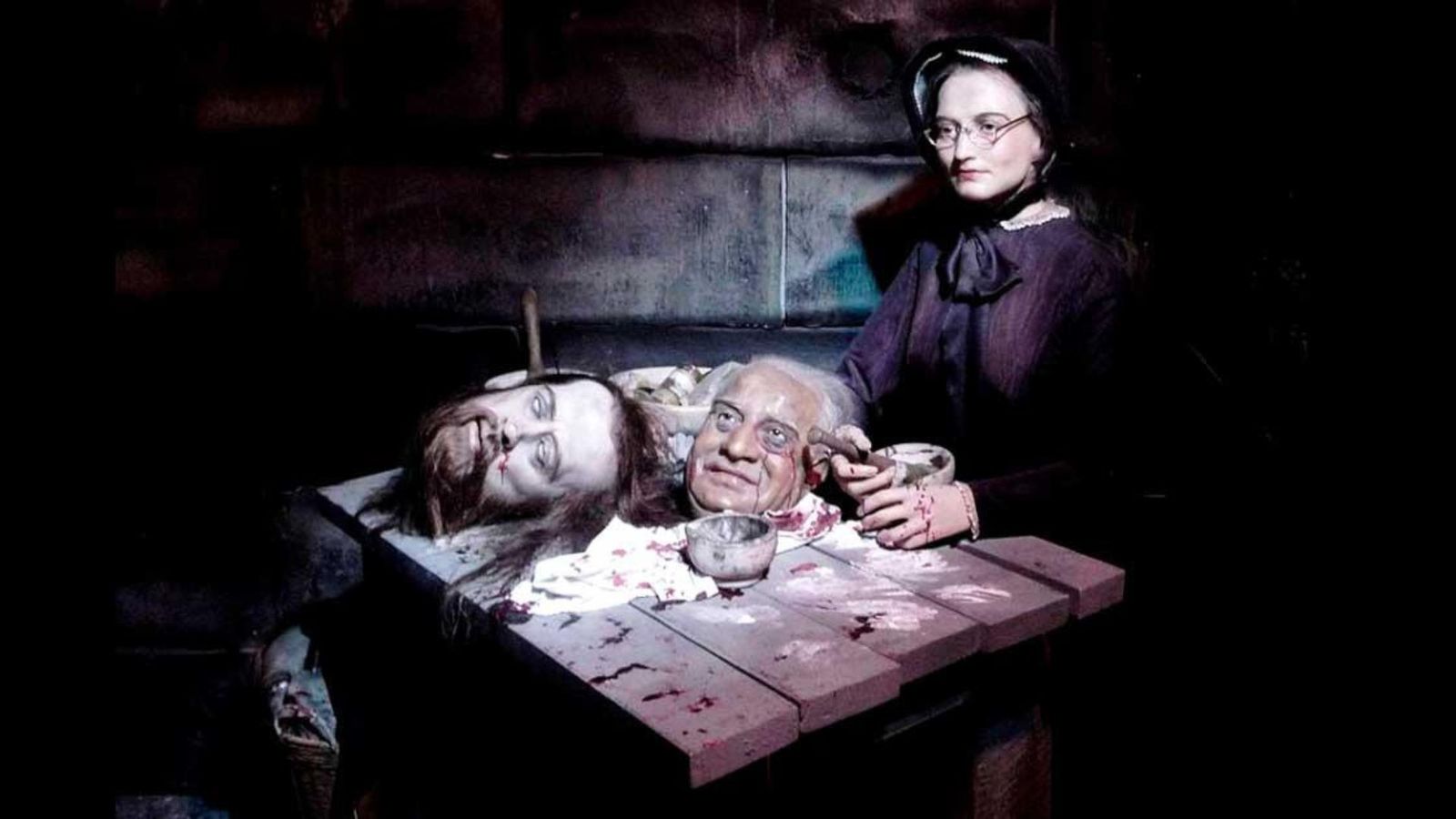
Tussaud’s “Chamber of Horrors” wasn’t just a freak show. It was a masterclass in emotional manipulation. Visitors could gape at monarchs and murderers, and at the instruments that ended them. The guillotine blade. A bloodied shirt. The vacant gaze of a dead queen.
It was history reduced to sensation. And it sold tickets.
British crowds, untouched by the French Revolution, projected their own fantasies onto the wax. To some, Antoinette was a martyr. To others, a cautionary tale. Either way, the wax didn’t flinch.
Tussaud understood this instinct. She didn’t just make figures; she made mythology. She turned death into a brand. Her figures weren’t static, they breathed with fear, desire, regret.
She didn’t just sculpt faces. She sculpted memory.
The Face That Wouldn’t Die
Today, versions of Marie Antoinette’s death mask survive, though their origins are murky. The original may be lost. But the idea endures: the queen, preserved in wax, copied and recast for centuries.
The monarchy died in blood. The queen lived on in exhibition.
Tussaud, once an anonymous assistant, became an empire-builder. She didn’t just preserve history. She made it consumable.
Long after the guillotine rusted, the crowds kept coming. Not for the revolutionaries. Not for the ideals. But for her.
For the face that wouldn’t die.
For Those Passing Through Paris
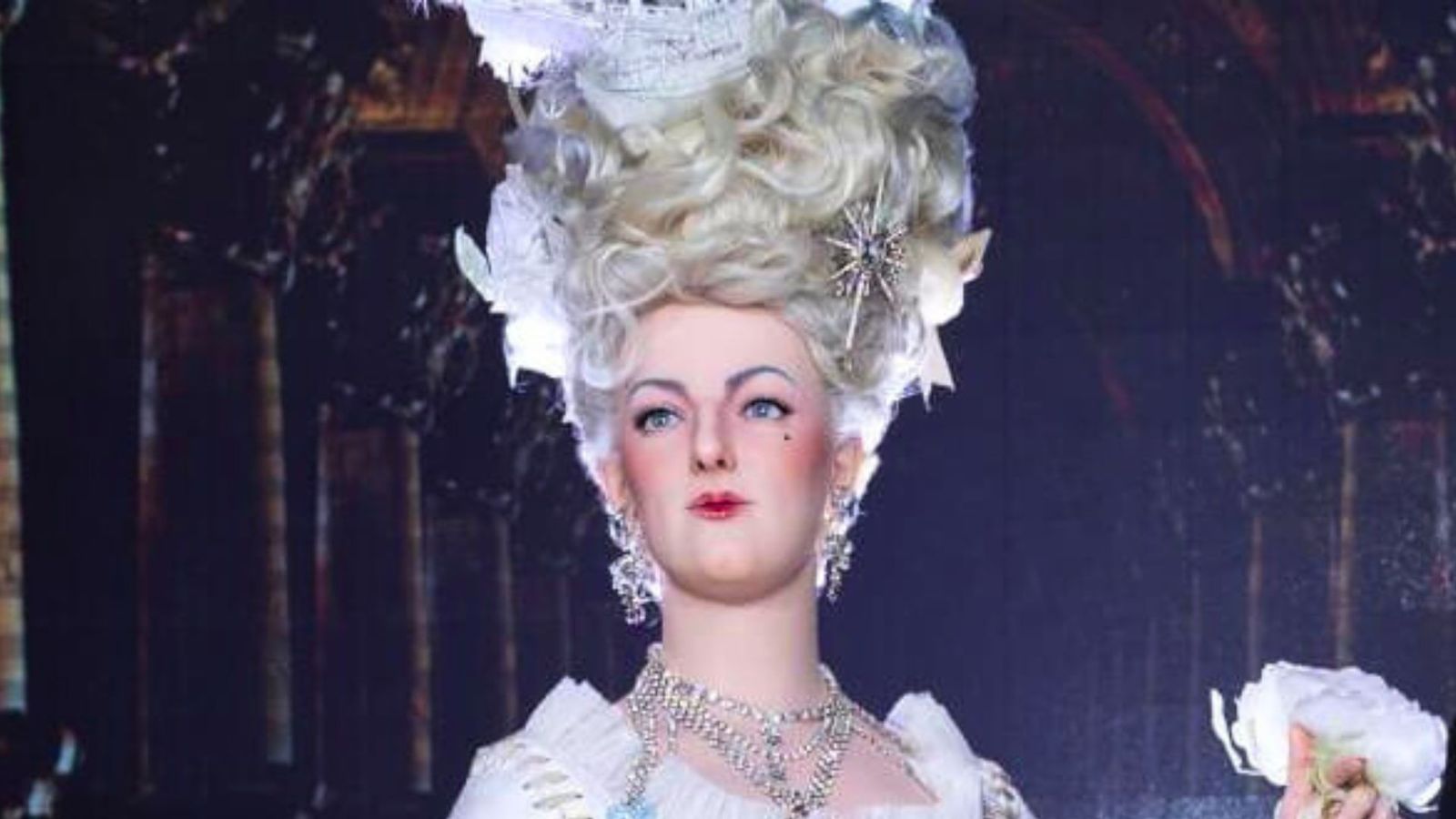
A wax figure of Marie Antoinette still stands in Paris today, at the Musée Grévin.
Tucked behind gilded doors on Boulevard Montmartre, the museum continues the tradition Tussaud helped shape: history as theatre, memory as display.
The queen’s face remains, unblinking, immaculate, as if the blade never fell.