I must have walked through the Tuileries Garden a hundred times before it occurred to me that something was wrong with the proportions.


The garden’s too big. Or not too big, exactly, but too formal, too insistent for what it’s doing now, which is basically just connecting the Louvre to the Place de la Concorde. It’s like finding a driveway that goes on for half a mile. You start wondering what it was driving toward.
Turns out it was driving toward a palace. A huge one. The Palais des Tuileries, which stood here until 1883.
Tile Factories and Dead Husbands

The site started as tile workshops, tuileries, in the Middle Ages, which I only mention because it’s strange to think of this area as industrial. Catherine de Médicis bought the land in 1564 after her husband died and she couldn’t bear to stay in their old palace.
She hired architects to build something modern, something Italian. She was superstitious, though. An astrologer told her she’d die near Saint-Germain and there was this church, Saint-Germain-l’Auxerrois, close by, so she abandoned the project. Classic Renaissance logic.
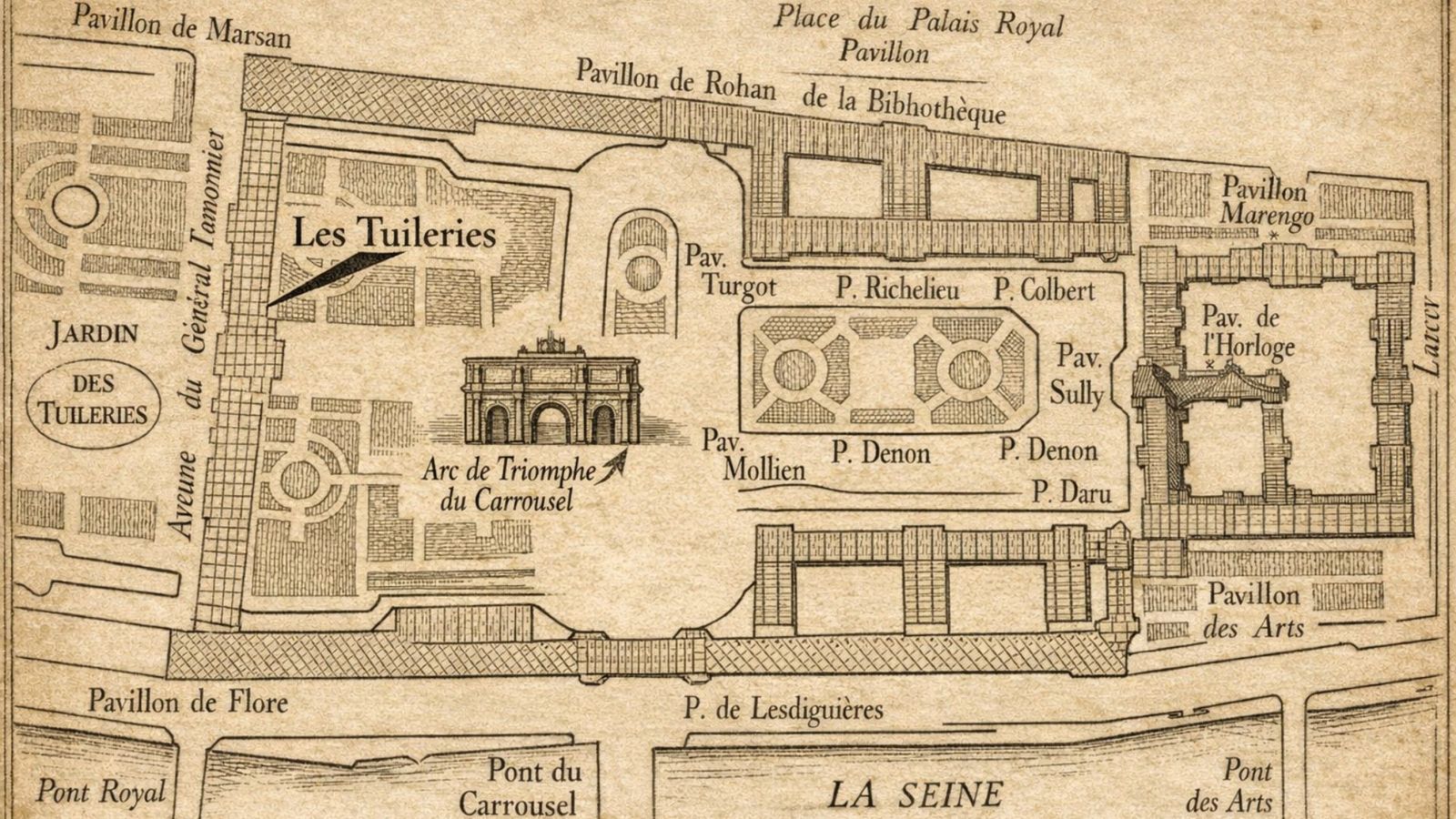
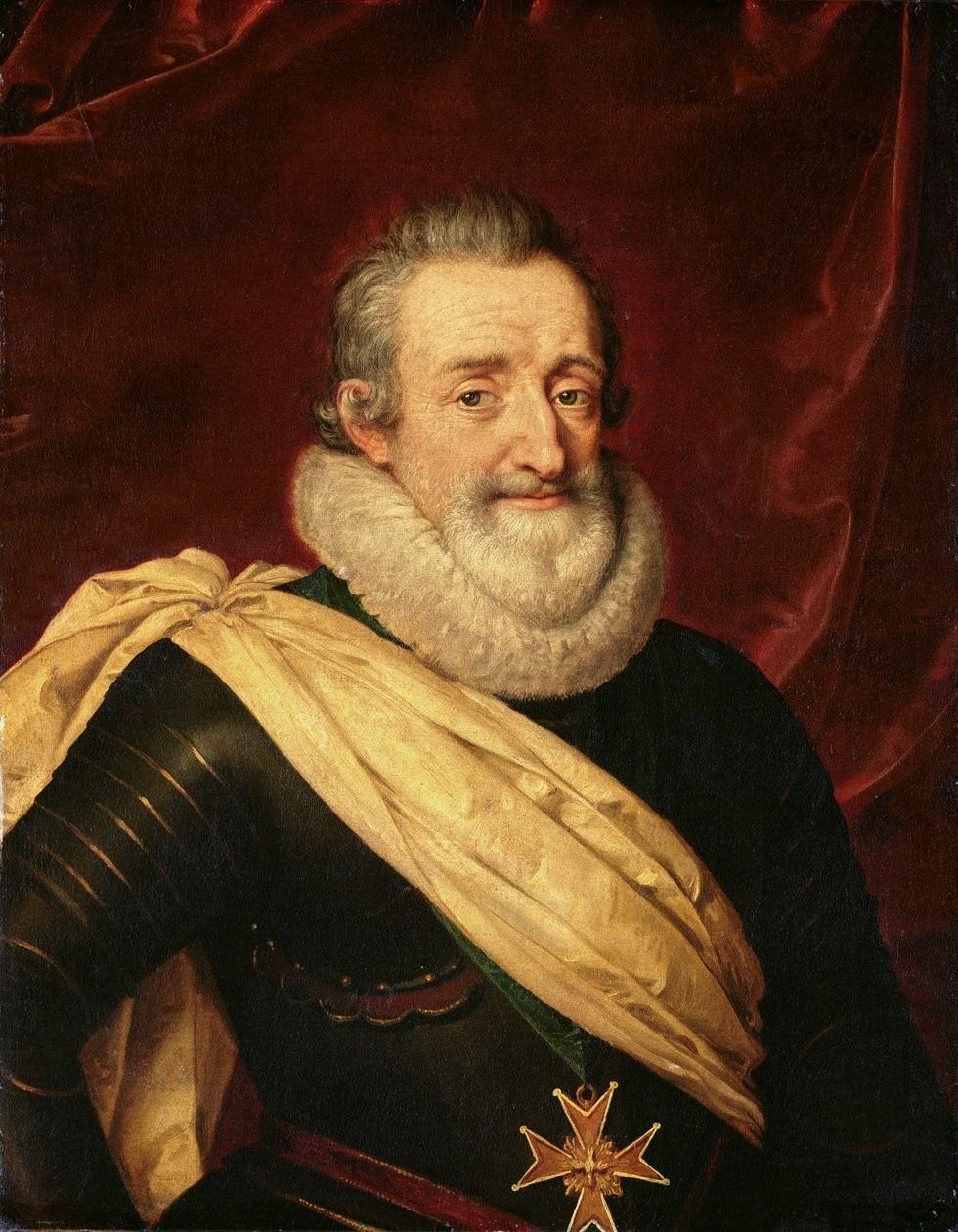
But the palace kept getting built by whoever came next. Henri IV added the Grande Galerie along the river to connect it to the Louvre. That was the start of what they called the Grand Dessein; this idea of one continuous royal complex running through central Paris.
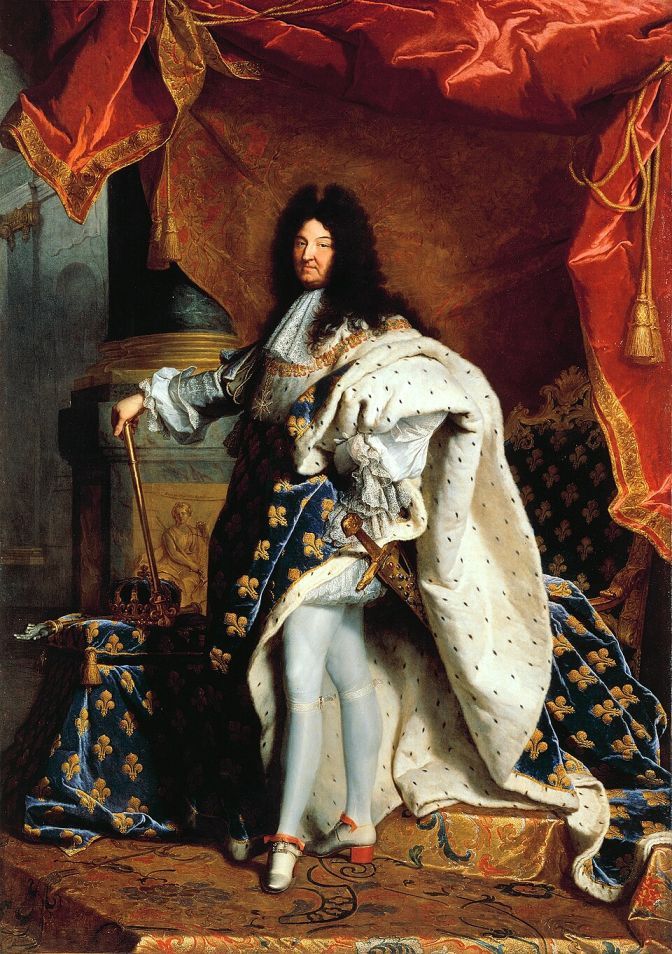
Louis XIV finished most of the construction, then immediately left for Versailles. For the next century the Tuileries was sort of a secondary space. People lived there, plays got staged there, but it wasn’t really the center of anything.
The Palace That Became a Cage

1789 changed that. After the march on Versailles, they brought Louis XVI and Marie-Antoinette back to Paris and essentially imprisoned them in the Tuileries.
August 10, 1792. They stormed the place. The Swiss Guards got massacred on the steps. That was it for the monarchy; it ended there in the courtyard, not at the guillotine. Within a few months the building had revolutionary slogans painted on it and a Phrygian cap stuck on the dome. The Convention took over the interior and used the same ceremonial rooms where kings had held court to debate which aristocrats to execute next.
Napoleon’s Sense of Staging


Napoleon understood immediately what the palace meant. When he took power he moved right in, slept in the king’s bedroom, brought back all the imperial ceremony. Just swapped out the symbols. He built the Arc de Triomphe du Carrousel as a new entrance, had military parades in the courtyard, the whole thing. His son was born there. It’s hard to overstate how much Napoleon grasped the importance of staging.
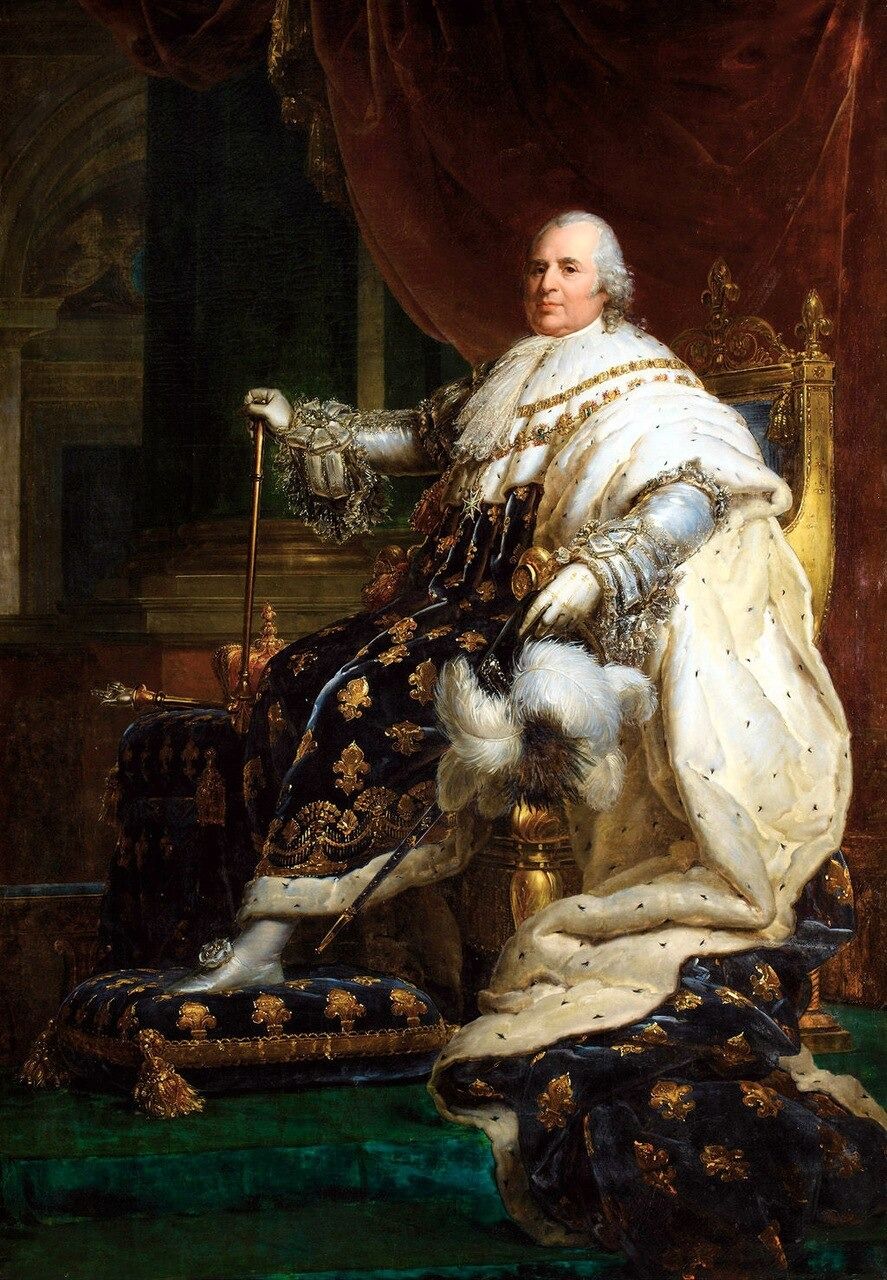
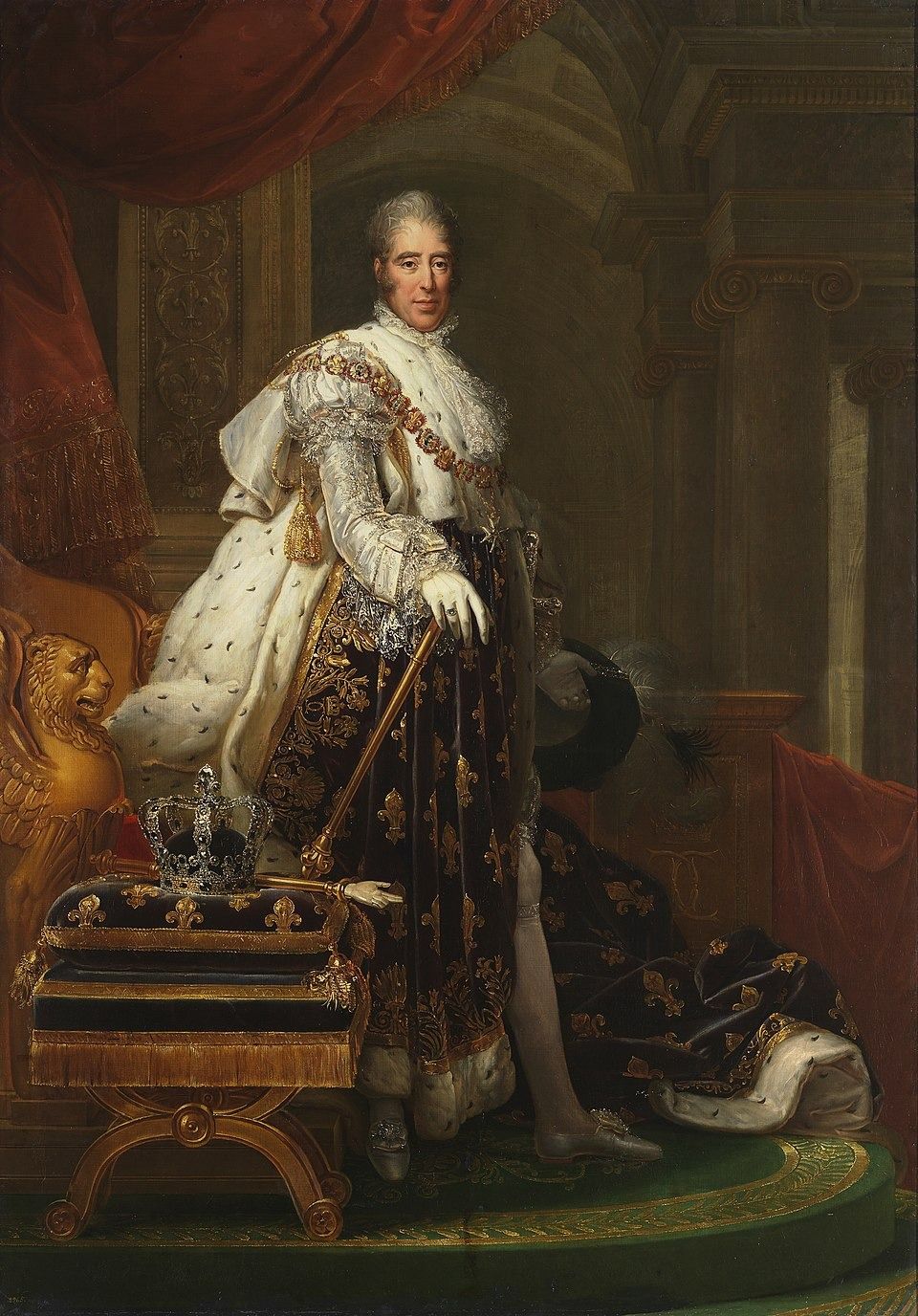
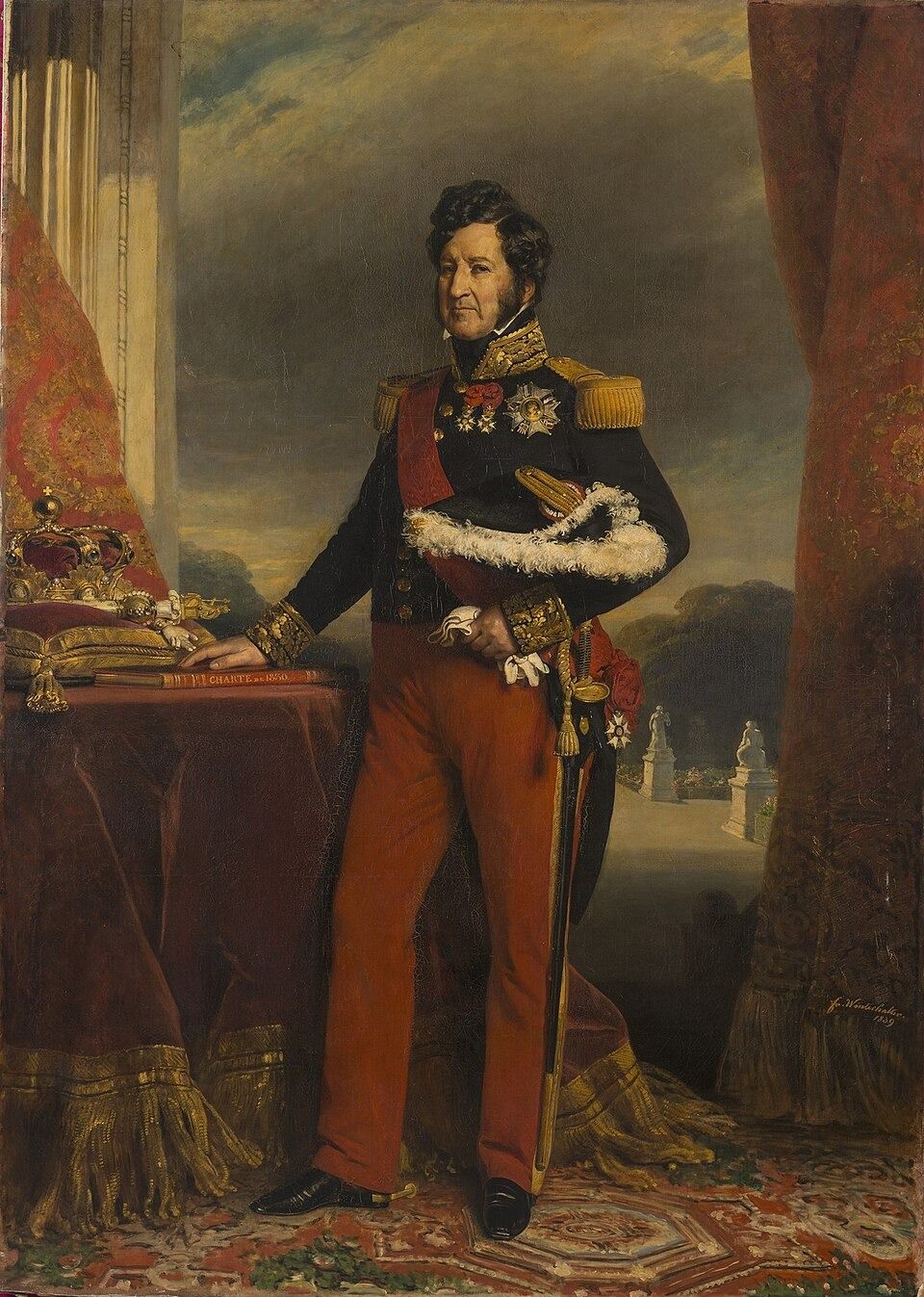
Then everything happened again. Restoration, revolution, restoration, revolution. Louis XVIII died in the Tuileries. Charles X fled it. Louis-Philippe lived there but complained about it. 1848, another round of looting.
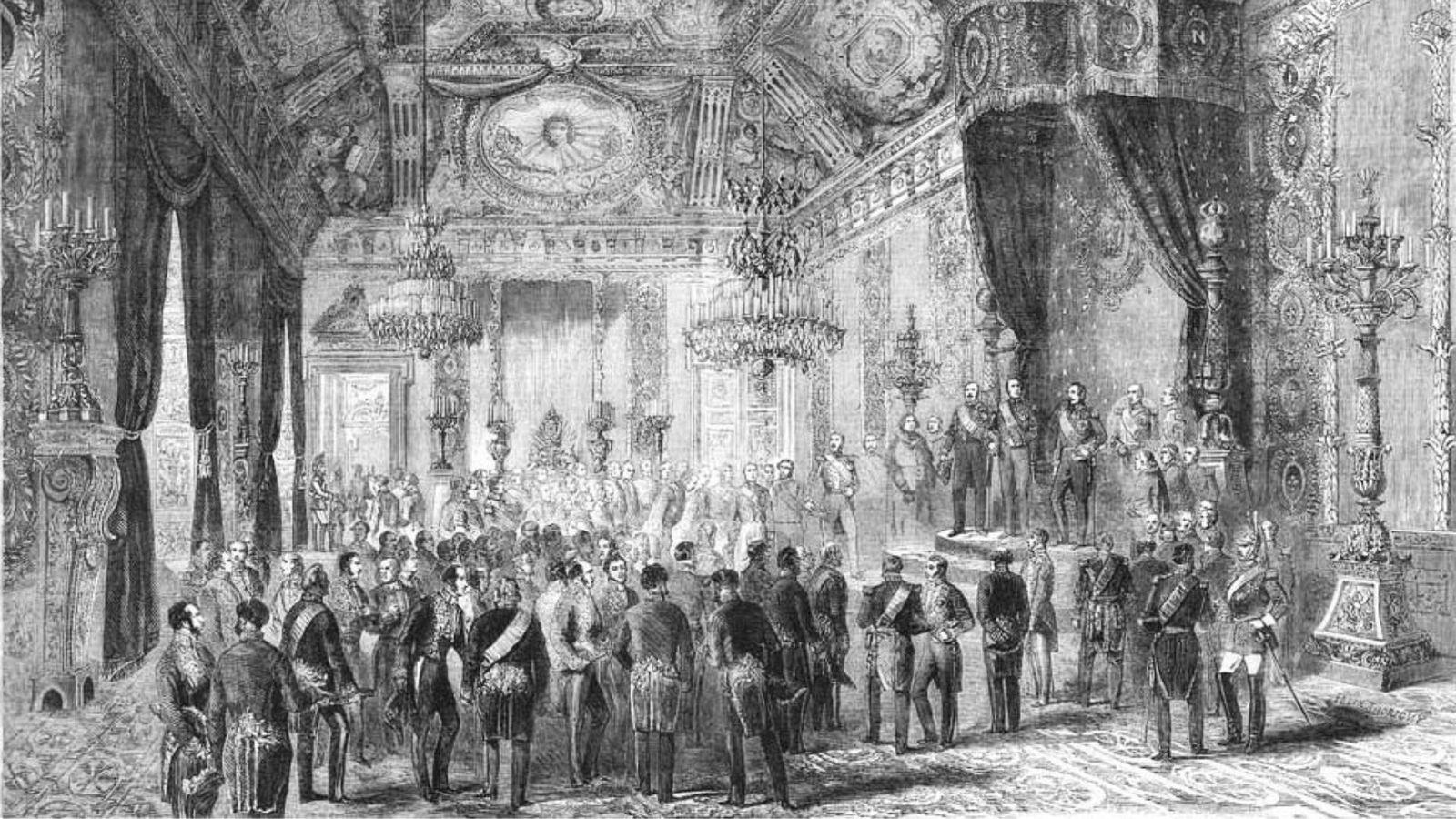
Napoleon III, weirdly, is the one who finally finished the Grand Dessein; in 1857 he completed the connection between the Louvre and the Tuileries, creating this enormous palace complex. For maybe fifteen years Paris actually had what it had always sort of wanted, which was one clear seat of power right in the middle of the city.
Three Days of Fire
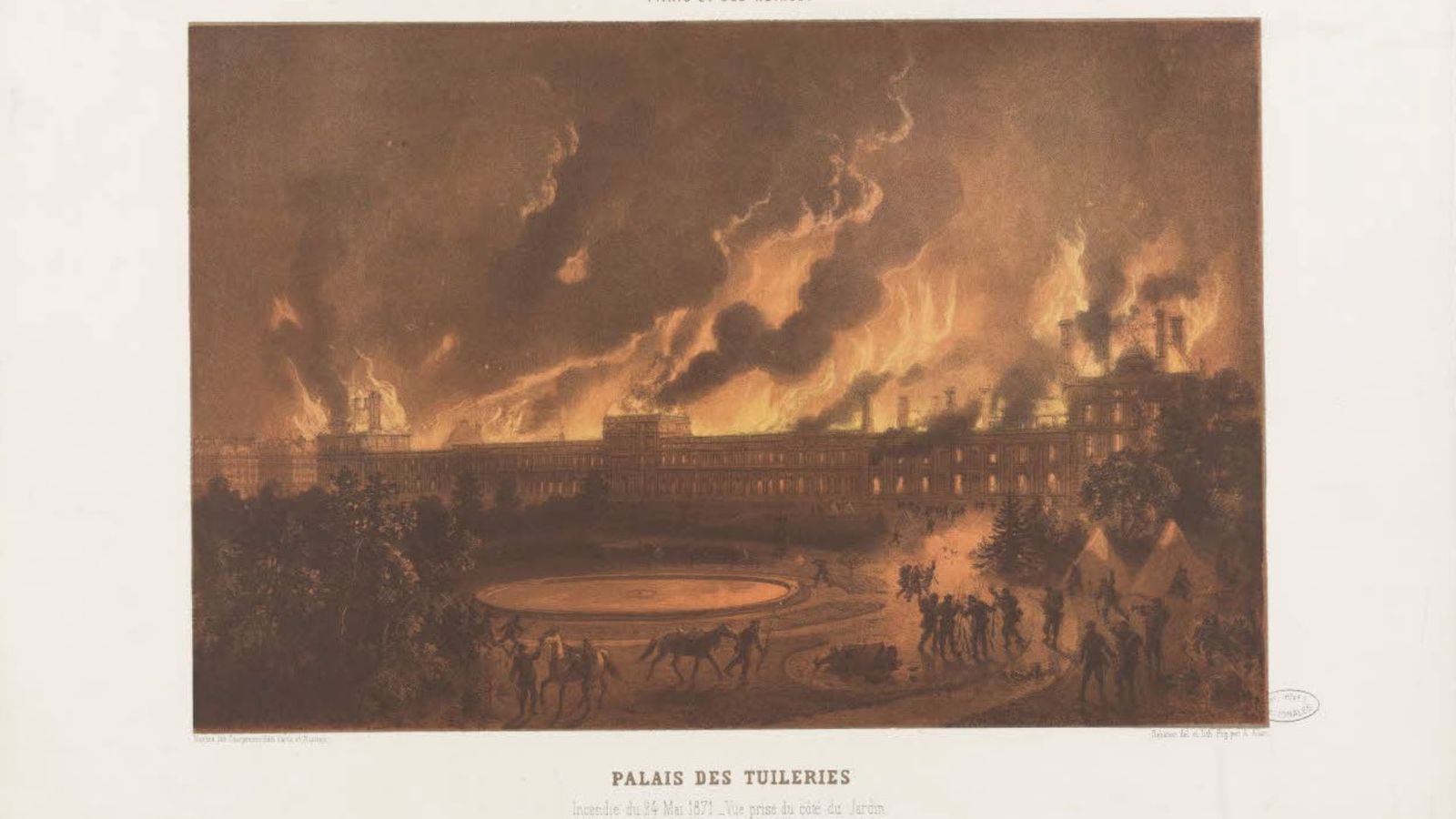
May 1871. The Commune’s falling apart. Somebody (accounts differ on who exactly) decides to burn the palace down. They haul in barrels of gunpowder and petroleum, stack them under the central pavilion, and set it on fire. It burns for three days. The dome collapses. By the end you’ve got these blackened walls and not much else.
What’s strange is that they left the ruins standing for twelve years. Long enough that people started getting used to them. There were serious proposals to restore it. Victor Hugo wrote an entire plea to save the ruins. But the Third Republic had zero interest in keeping a palace around. The symbolism was all wrong. So in 1882 they started demolition and by 1883 it was gone.
Scattered Across Half the World
The stones got sold off. This is the part that gets me; they’re everywhere now. There are Tuileries columns in school courtyards in the provinces. Garden sculptures that came from the palace. Someone reassembled an entire wing in Corsica, though I’ve never been able to confirm exactly where. I’ve seen pieces in Berlin. Supposedly there are fragments in Quito. The palace got redistributed across half the world.

What’s here now is just air. The garden stayed, the axis opened up from the Louvre to the Champs-Élysées, and after a while the empty space stopped being remarkable. I asked a French historian once whether there was any serious movement to rebuild and he laughed. “Rebuild it for what? For whom?” Which is a good question. Every few years someone proposes it and every few years it goes nowhere.
What Erasure Does
The absence does something that a building couldn’t. It tells you that Paris chose this. That they looked at the ruins and decided that leaving them was too painful and rebuilding them was too dishonest and the only real option was to erase the whole thing and let the gap speak for itself. That’s a very particular kind of historical memory.
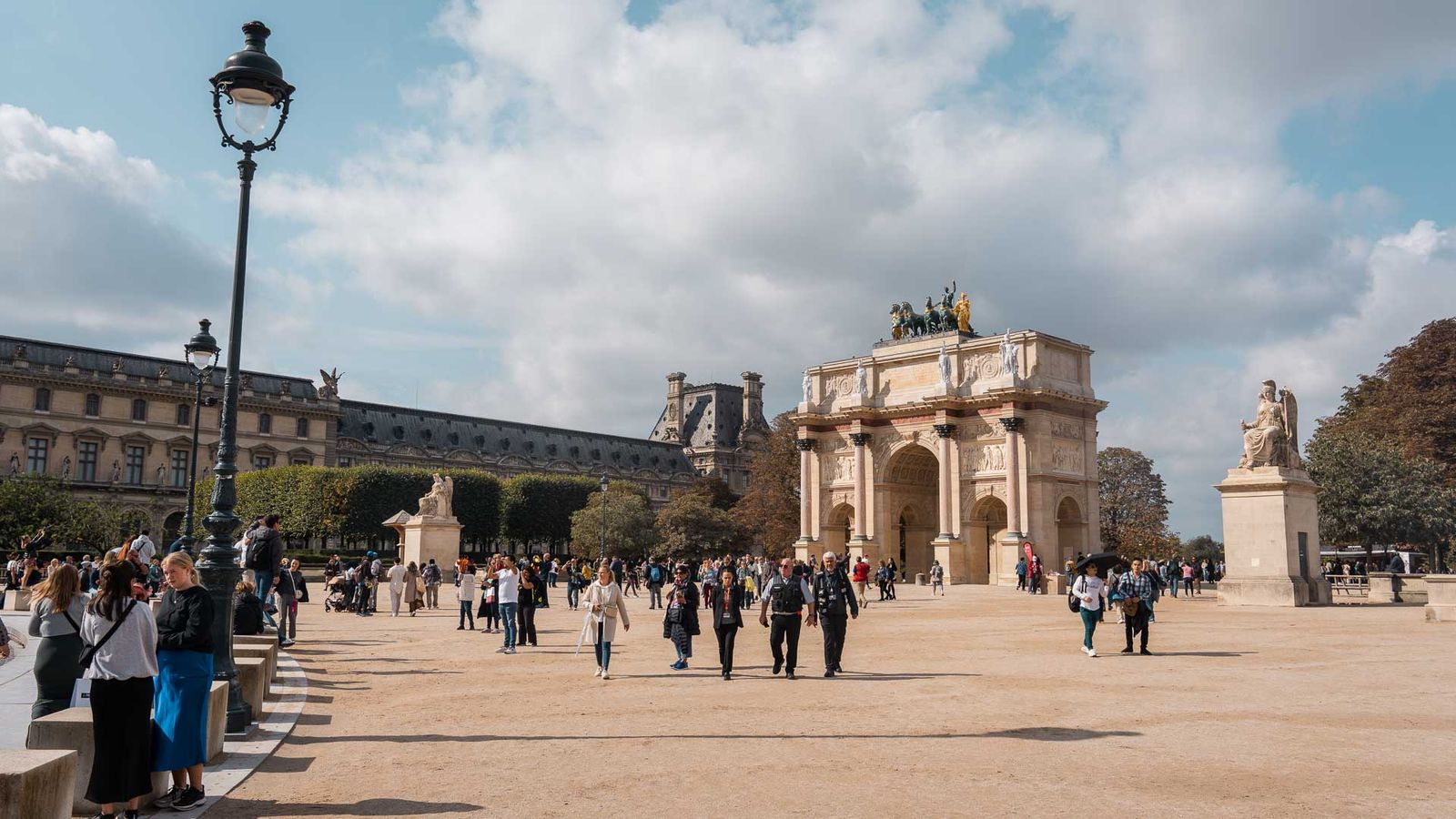
When I walk through now I try to see it. I stand near the Arc du Carrousel and look west and try to picture a 260-meter facade where the path runs. Kings looking out, revolutionaries smashing through, Napoleon reviewing troops. But mostly what I see is the garden and the people who have no idea they’re walking through a demolition site.
Paris kept everything else. The Marais, the Île de la Cité, every medieval church and Belle Époque apartment building. But here they made a choice. They erased it. And a hundred and forty years later the erasure is so complete that most visitors don’t even know there’s something missing.