In the spring of 1871, something extraordinary happened in Paris. The people took control of their own city. For just over two months, the working class governed the capital of France, issuing decrees, electing officials, and trying to build a society on their own terms. The Paris Commune was disorganized, improvised, and short-lived. But in its brief existence, it became one of the most influential uprisings in modern political history.
Why Paris Rose Up
France in the late 1860s was nearing a breaking point. The Second Empire under Napoleon III had become a hollow shell, riddled with censorship, repression, and inequality. In Paris, frustration simmered. Working-class neighborhoods were packed with people who had been pulled in by industrial expansion, only to find long hours, low wages, overcrowded housing, and no political voice.
Then came the Franco-Prussian War. It was a disaster. France lost. Napoleon III was captured. Paris was besieged for months, cut off and slowly starving while Prussian troops encircled the city. Inside the walls, desperation bred radicalism. The national government, inept and distant, fled to Versailles. Parisians were left to fend for themselves.
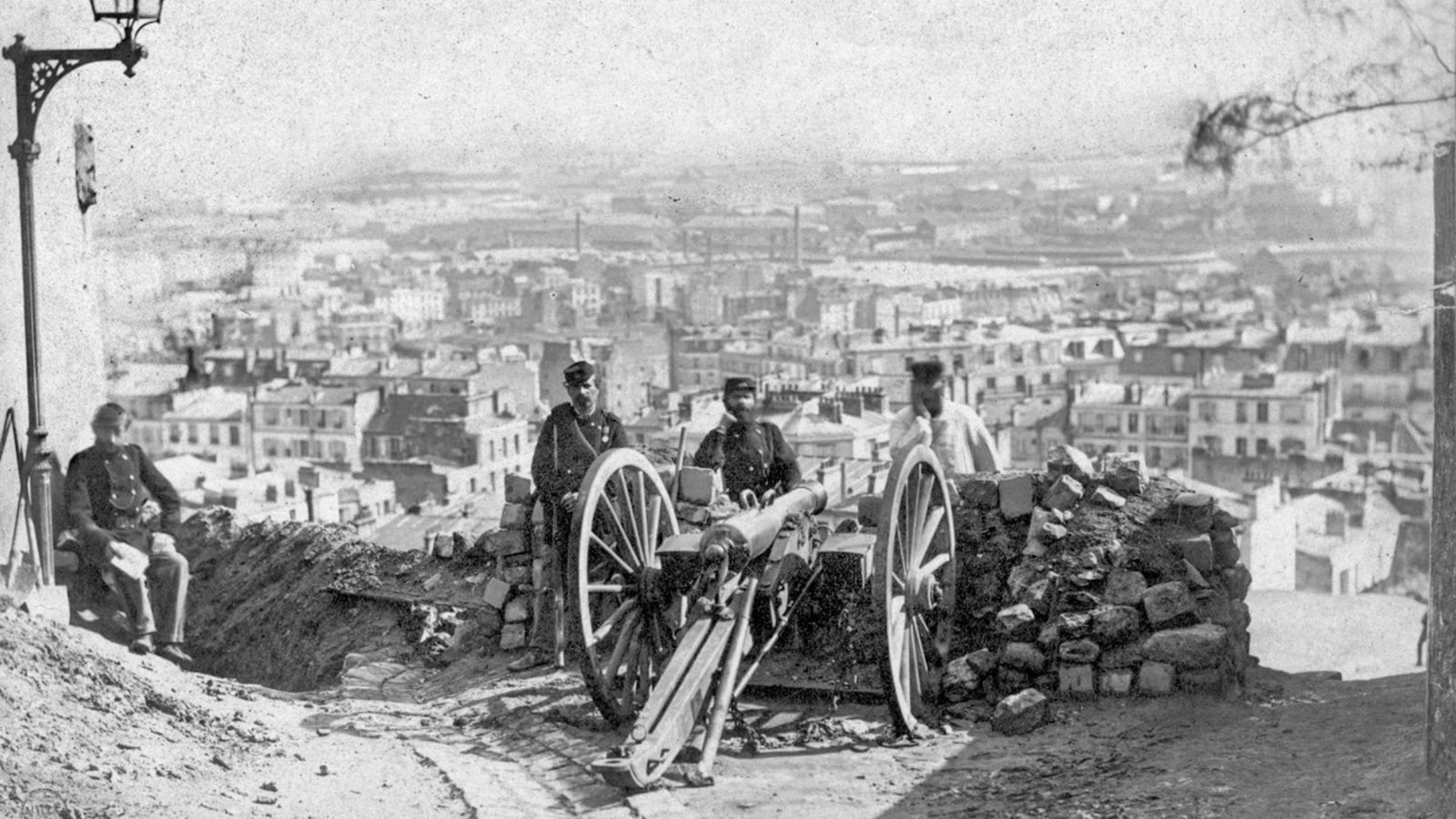
The National Guard, a local militia made up mostly of workers, became both a defense force and a political body. On March 18, 1871, government troops tried to seize cannons from Montmartre, a working-class district. Locals resisted. Soldiers refused to fire. Some turned their guns on their officers. Government forces withdrew. Paris, suddenly and unexpectedly, belonged to its people.
An Unpolished Revolution
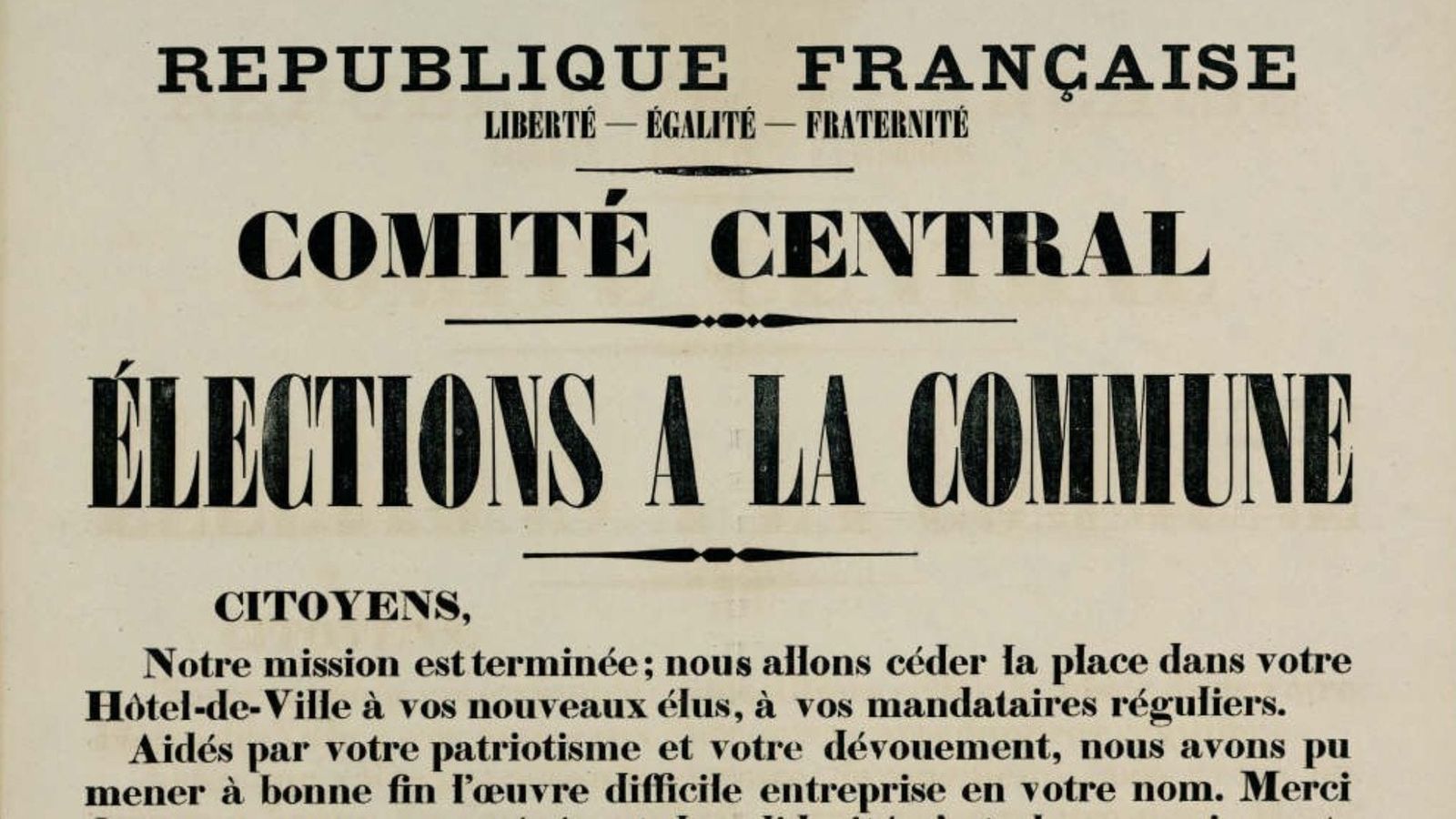
The Communards didn’t want to replace one distant authority with another. They wanted to run the city themselves. On March 26, they held elections. The resulting council was a jumble of workers, radicals, socialists, and anarchists. Many had no prior political experience. They were teachers, printers, doctors, mechanics. The city government was now a reflection of the city itself.
Power was distributed. Committees took charge of public affairs. Officials were paid workers’ wages and could be recalled. Council sessions were open to the public. Decisions were debated in full view. It wasn’t always efficient, but it was transparent. The Commune was messy, experimental, and deeply democratic.
They replaced the standing army with a citizen militia. Press freedom was protected. Churches lost their state support. Education was made secular. The emphasis was on self-governance and accountability—not slogans, but structures. This wasn’t a theoretical revolution; it was administration by people trying to make it work in real time.
What They Built and Tried to Build

The reforms came quickly. Rent was suspended. Pawnshops were closed to keep the poor from losing their belongings. Night work for bakers was banned. Factories abandoned by fleeing owners were handed over to workers. These weren’t abstract gestures. They were attempts to make daily life less punishing.
The Commune encouraged cooperative economics. Workers were urged to manage workshops collectively. Schools were overhauled to remove religious influence and broaden access. Divorce laws were liberalized. Public services like food distribution, healthcare, and sanitation were organized by citizens who had never held office before.
Women played critical roles. They staffed hospitals, organized food relief, and maintained barricades. The Union des Femmes pushed for gender equality, equal pay, and education. Louise Michel, a schoolteacher turned militant, became a symbol of defiance. She wasn’t alone. Thousands of women stepped into roles previously denied to them, reshaping the gender boundaries of political struggle.
Not all plans were realized. The Commune had neither the time nor the resources to finish much of what it started. But its intent was clear: to run a city in which working people had power not just in theory, but in practice.
Under Siege
Outside Paris, the national government was regrouping. From Versailles, it plotted its return. A new siege began, not from foreign armies this time, but from French troops sent to crush the uprising.
The Commune had heart but little coordination. The council operated in full public view, which slowed down military decisions. Command was decentralized. There was confusion, hesitation, and infighting. Despite the population’s determination, the lack of a centralized defense made the Commune vulnerable.
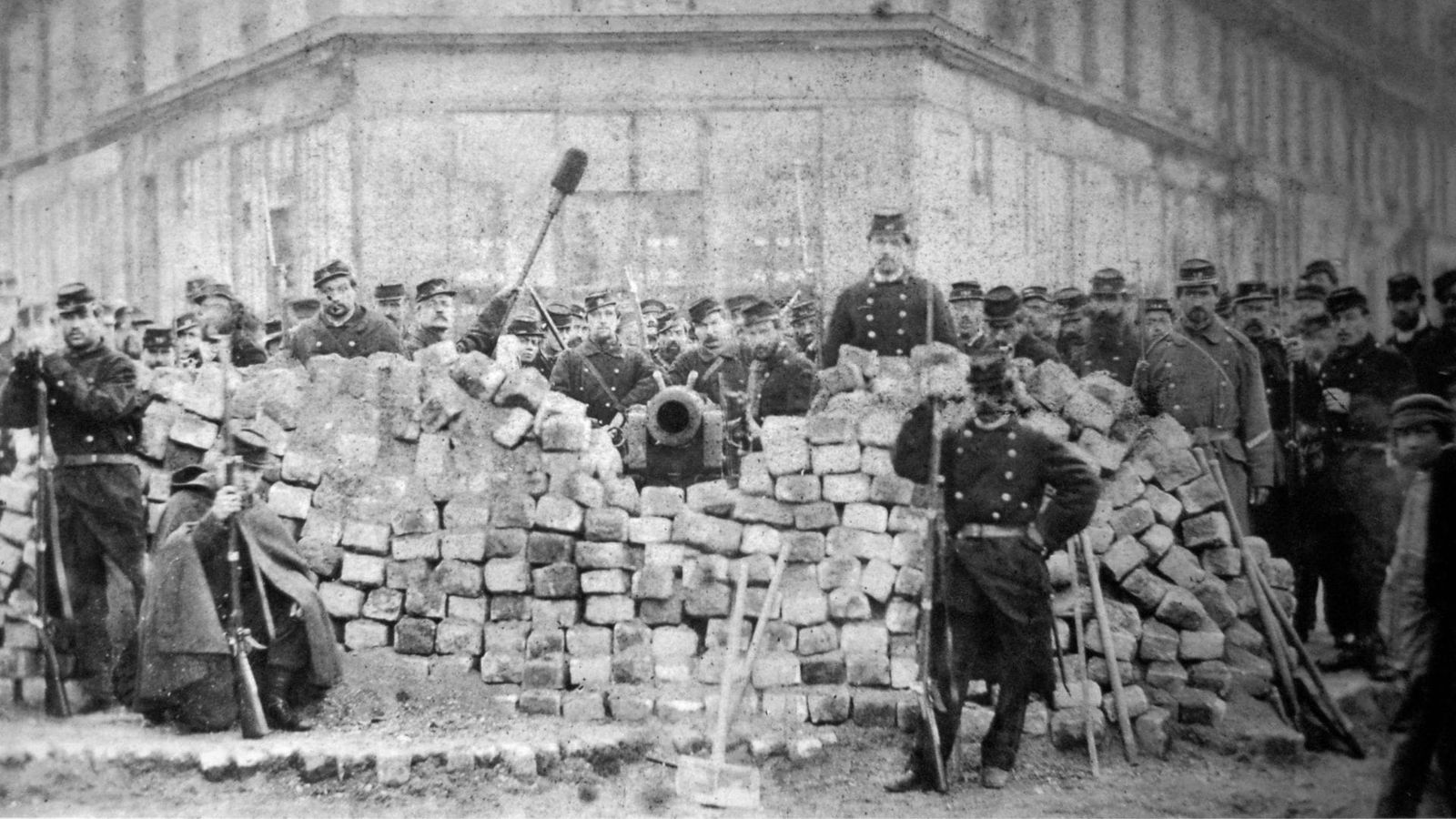
Versailles troops launched probing attacks in early April. The Commune tried a counteroffensive, but it failed. Internal divisions grew. Morale wavered. Still, in neighborhood after neighborhood, residents dug in. They built barricades, organized street defenses, and prepared for the inevitable assault.
A Week of Slaughter
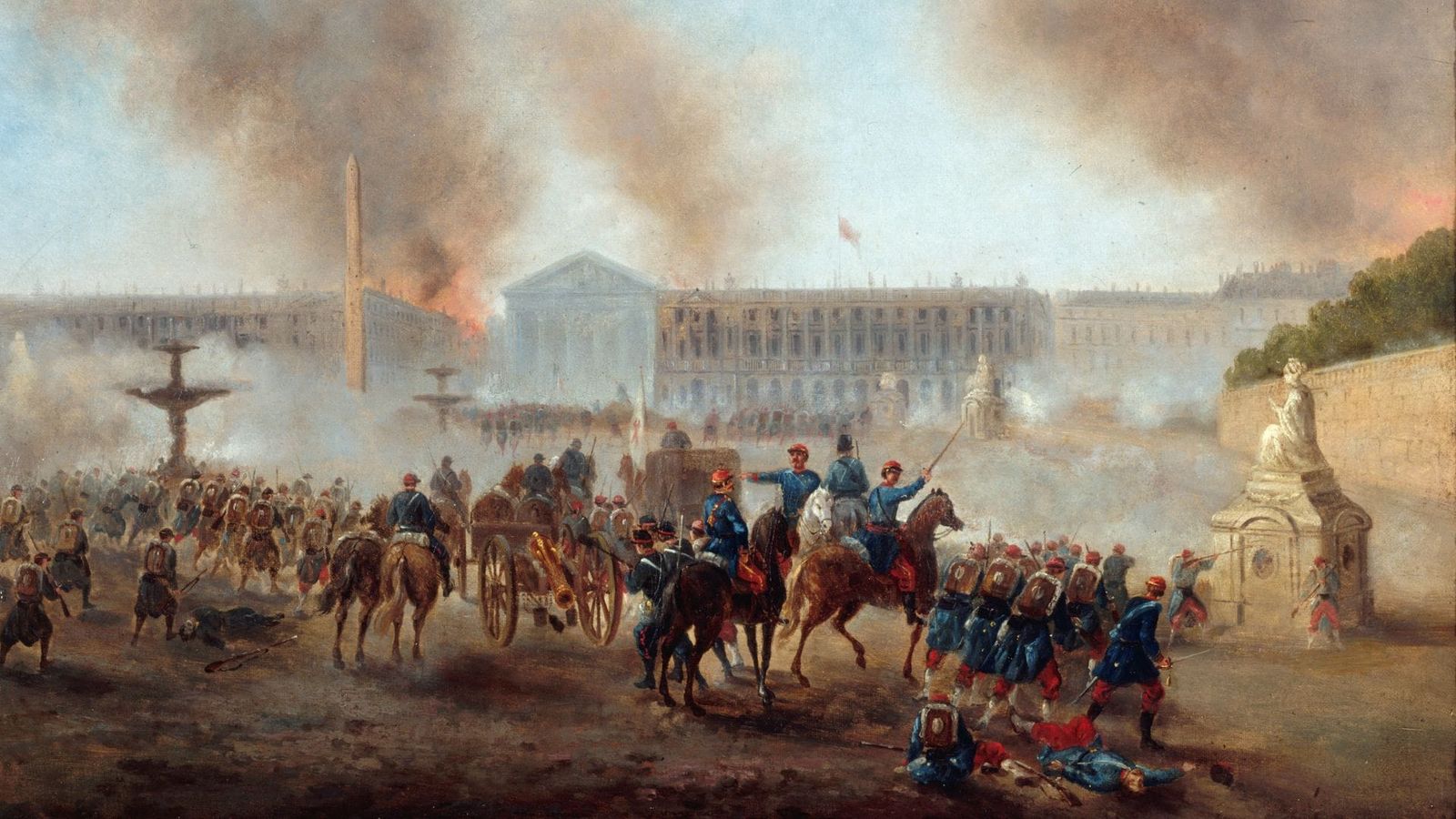
It came in May. From the 21st to the 28th, government forces stormed Paris in what became known as La Semaine Sanglante (Bloody Week).
The fighting was close-range, brutal, and often frenzied. Working-class districts turned into battlegrounds. Rifle fire echoed through alleys. Whole streets burned. The Communards fought fiercely, house by house. But they were outgunned and overwhelmed.
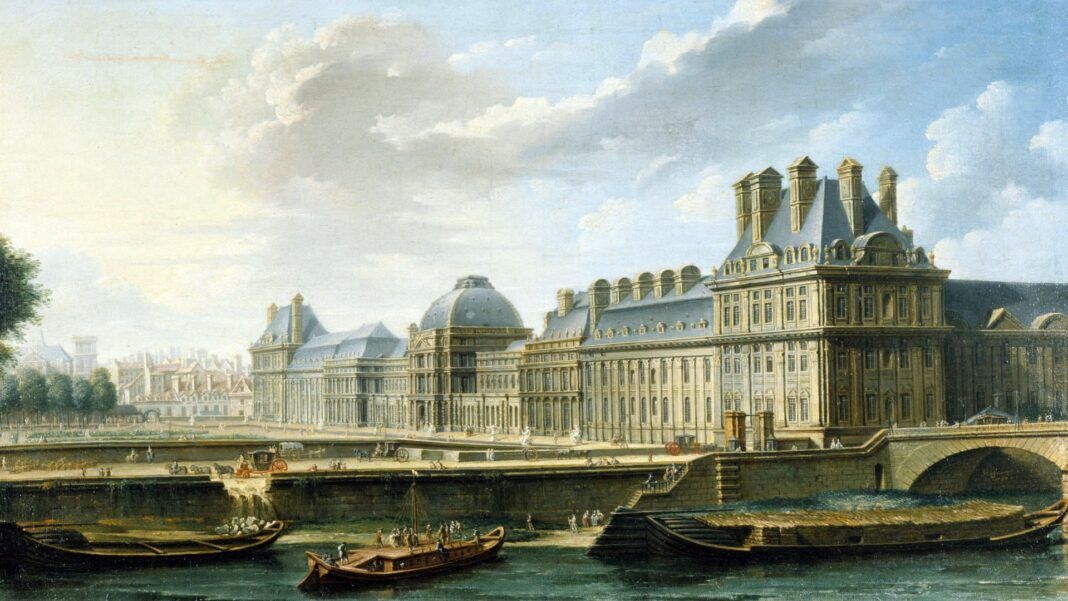
Key buildings were destroyed. The Tuileries Palace. The Ministry of Finance. The Cour des Comptes. Some were military targets. Others were symbolic. Their destruction was meant to erase the old order, and did, though at cultural cost.
Versailles troops killed thousands. Many were executed on the spot. At the Mur des Fédérés in Père Lachaise Cemetery, 147 Communards were lined up and shot. Women were accused of being incendiaries and killed without proof. The repression was indiscriminate. Civilians, fighters, the elderly, all were targets.
After the fighting stopped, the purge continued. More than 13,000 people were arrested. Thousands were deported. Prisons overflowed. Families were destroyed. The memory of the Commune was buried beneath fear, exile, and silence.
What Remained
The Commune lasted 72 days. It failed. But it was never forgotten. Karl Marx called it the first example of workers taking direct control of a state. Engels saw it as a prototype of future revolution. Anarchists cited it as proof that people could govern without centralized authority.
It shaped future uprisings. The Russian Revolution drew on its lessons. Spanish Republicans in the 1930s evoked its spirit. Even later student movements referenced it as a symbol of grassroots resistance.
Artists were caught up in its current. Gustave Courbet participated and was punished. Paul Verlaine and Arthur Rimbaud filtered its chaos into poetry. Bertolt Brecht, decades later, used it to explore revolutionary hope and failure.
The physical city changed too. Some buildings were rebuilt. Others were left in ruins. The Hôtel de Ville was reconstructed in a grand style. The Tuileries Palace was never restored. These choices became part of how France remembered, and selectively forgot, the Commune.
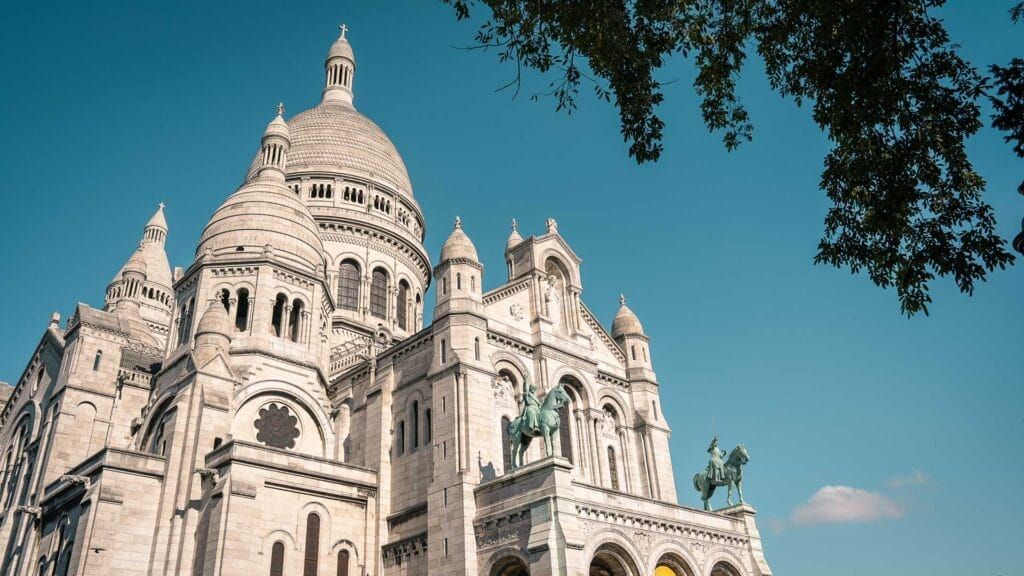
One new structure stood out: the Basilique du Sacré-Cœur. Planned in 1873 and built on Montmartre, it was framed as a national penance for the Commune and the defeat by Prussia. To build a towering church where the revolution began was not just piety. It was politics. A clear message: rebellion is sin; order is sacred.
Memory and Meaning
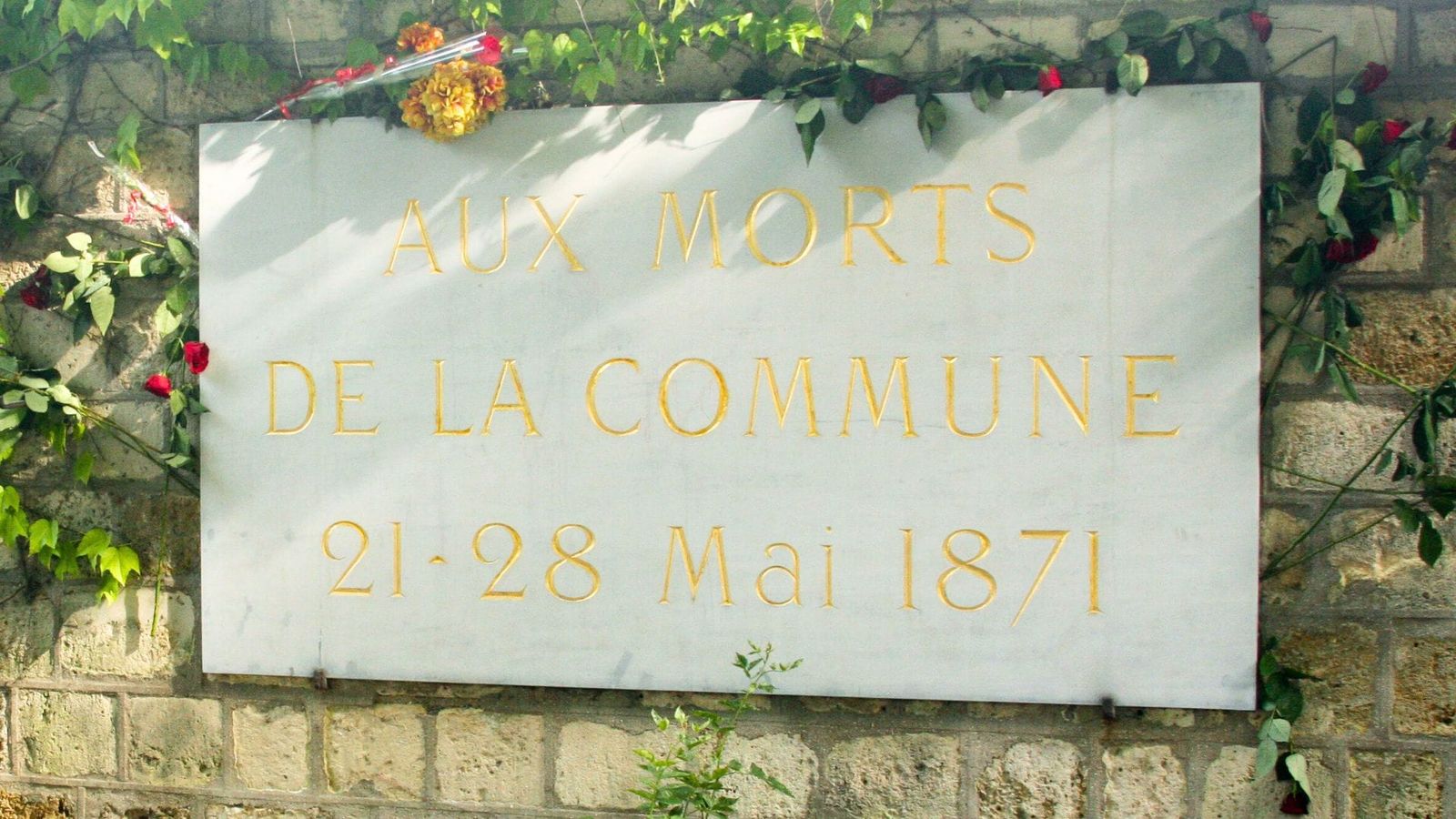
Every May, people still gather at the Mur des Fédérés to lay flowers. The Commune remains divisive in French memory. For some, it was a courageous experiment in popular rule. For others, a dangerous outbreak of mob violence.
It is not settled history. Schools still debate its meaning. Politicians still invoke or condemn it. Was it naive? Reckless? Or was it an early attempt to build a democratic society from the bottom up?
The Paris Commune was unplanned, short-lived, and ultimately doomed. But it offered something rare: a real attempt by ordinary people to run things themselves, with no blueprint, no elite guidance, and no guarantees. That audacity, not just to protest, but to govern, is what keeps its memory alive.
It didn’t last. But it proved that something else was possible, however briefly. That idea still matters.