








A Living Monument of Art and History
Spanning over 43 hectares, Père Lachaise Cemetery is the largest cemetery in Paris and one of the most visited in the world, attracting more than three million visitors annually.
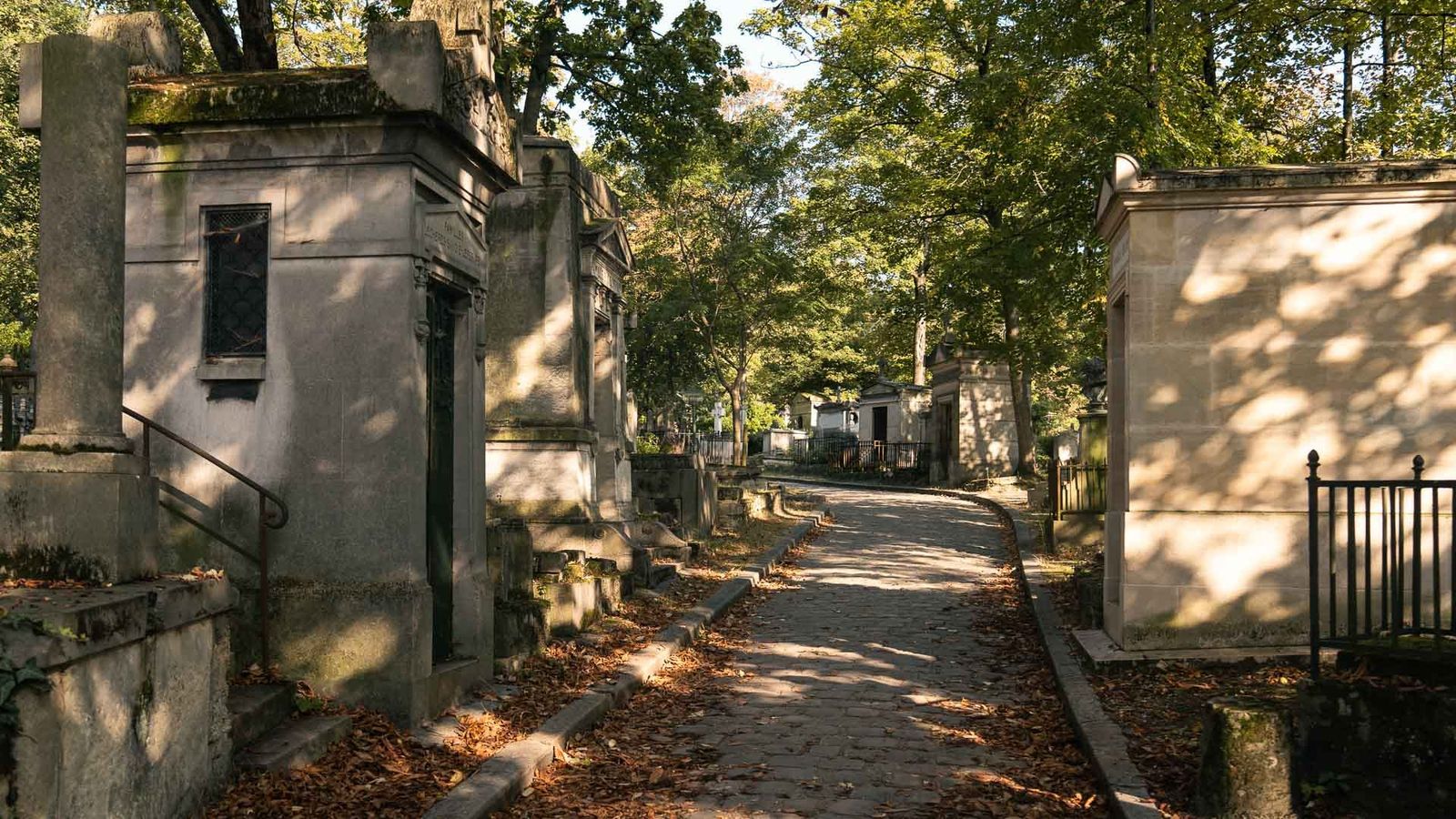
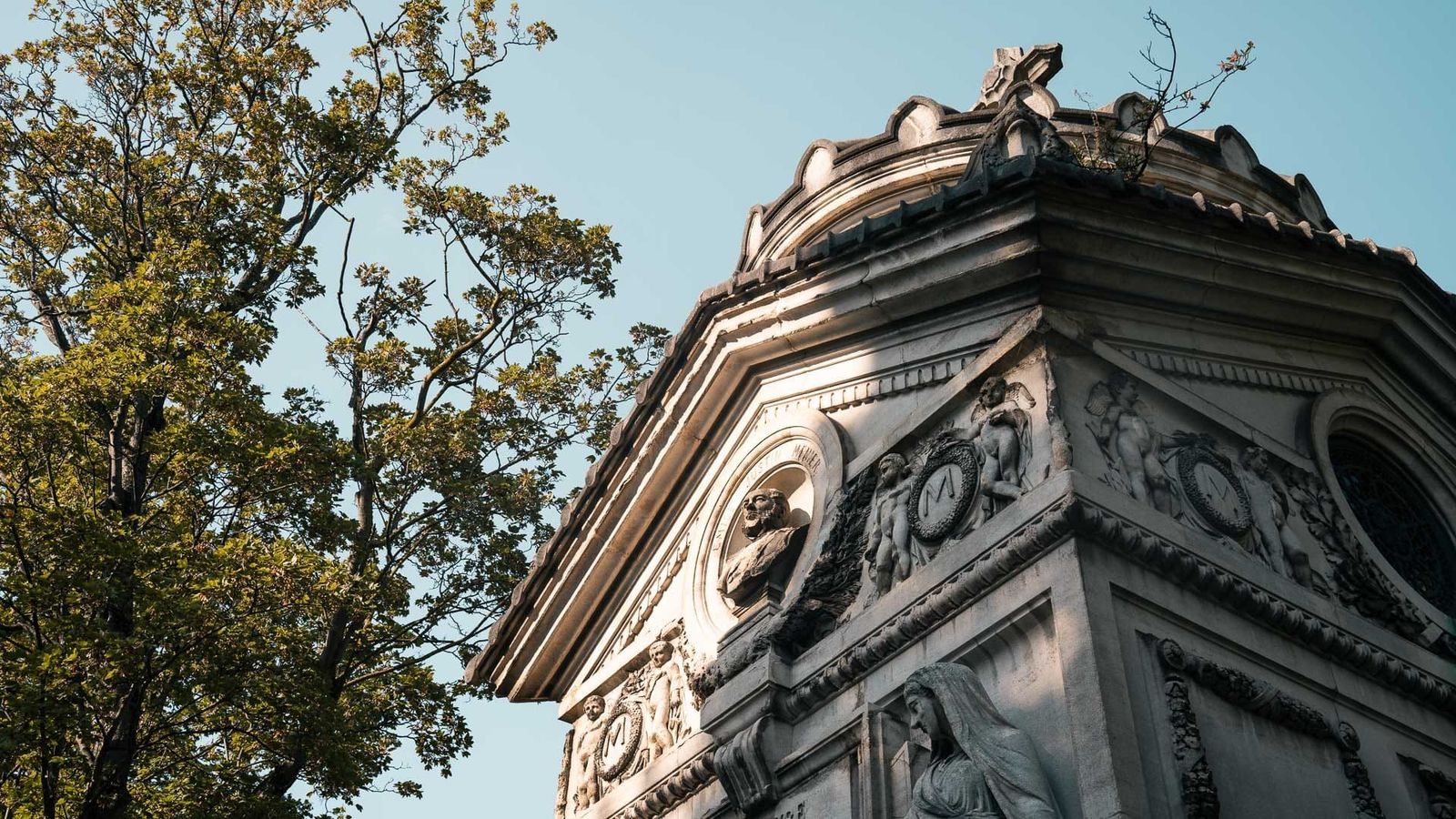
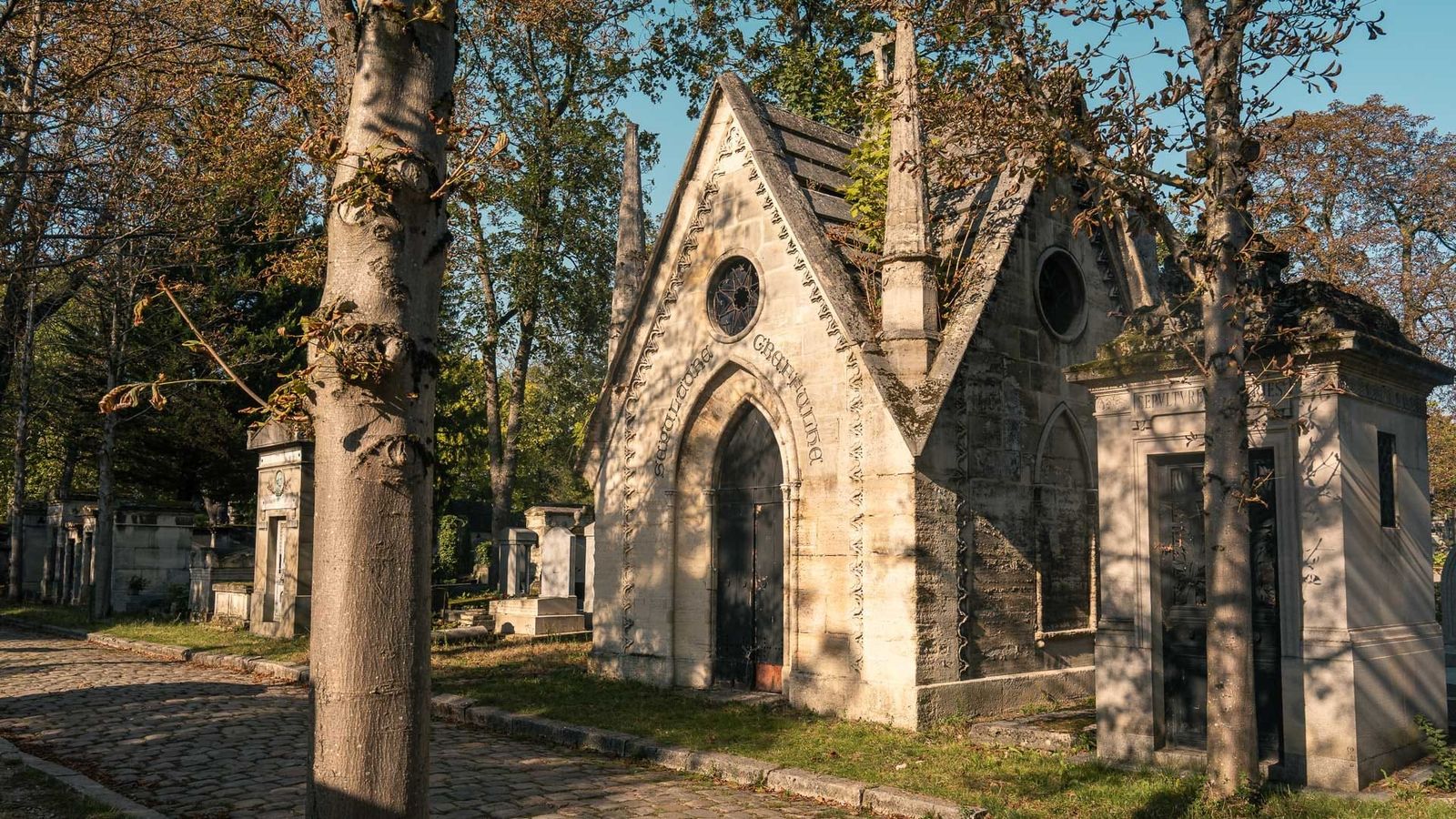
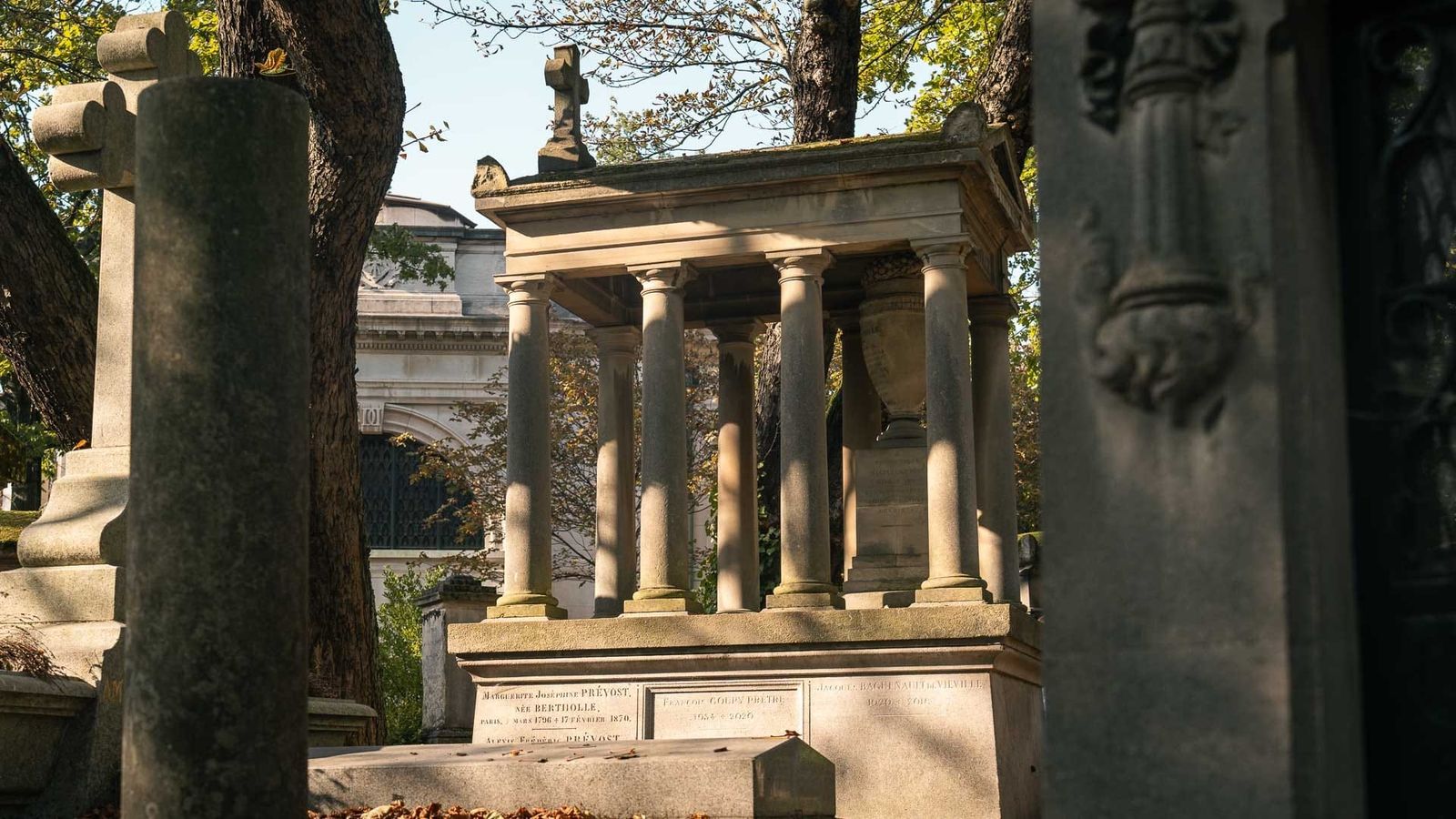
While it serves as a place of remembrance, its tranquil atmosphere, lush greenery, and fascinating monuments make it a unique destination. Walking through its paths, visitors can admire impressive funeral art and historical gravestones, each telling a different story.
Originally opened in 1804, the cemetery has evolved from a small burial ground to a monumental space that reflects both 19th-century Parisian culture and modern-day reverence for iconic personalities.
It holds the remains of some of the world’s greatest artists, musicians, and writers, including Frédéric Chopin, Jim Morrison, Edith Piaf, Molière, and Oscar Wilde. The cemetery’s serene environment and magnificent tombs make it an ideal place for quiet reflection.
The History Behind Père Lachaise
The cemetery’s history traces back to the early 19th century when the land was originally part of a large estate called Mont-Louis. The area’s transformation into a cemetery began after the closure of the Cimetière des Innocents, which prompted the need for burial grounds outside the city’s dense quarters.
In 1804, Napoleon Bonaparte sanctioned the creation of a new cemetery, which became Père Lachaise, named after the Jesuit priest François d’Aix de La Chaise, who had once lived in the area.
Although Père Lachaise initially struggled to attract the Parisian population, by the mid-19th century, the cemetery had gained significant importance and fame, especially after the famous tomb of Héloïse and Abélard was relocated here in 1817.
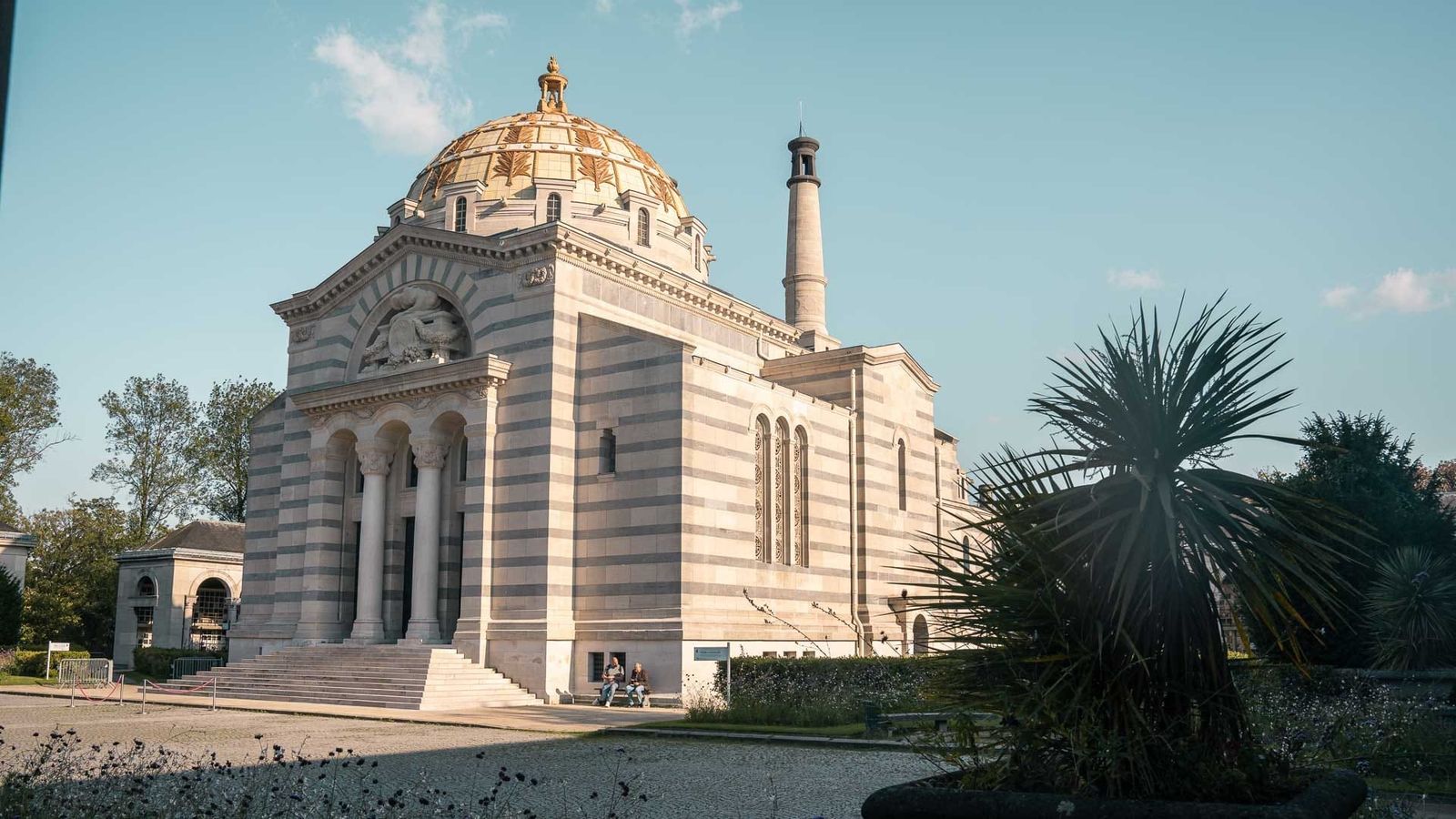
With successive expansions and the interment of notable figures, the cemetery grew into a cultural hub, revered not only as a burial place but also as an open-air museum of monumental sculpture and memorial art.
Notable Figures and their Final Resting Places
Père Lachaise is home to the graves of legendary figures from various fields.
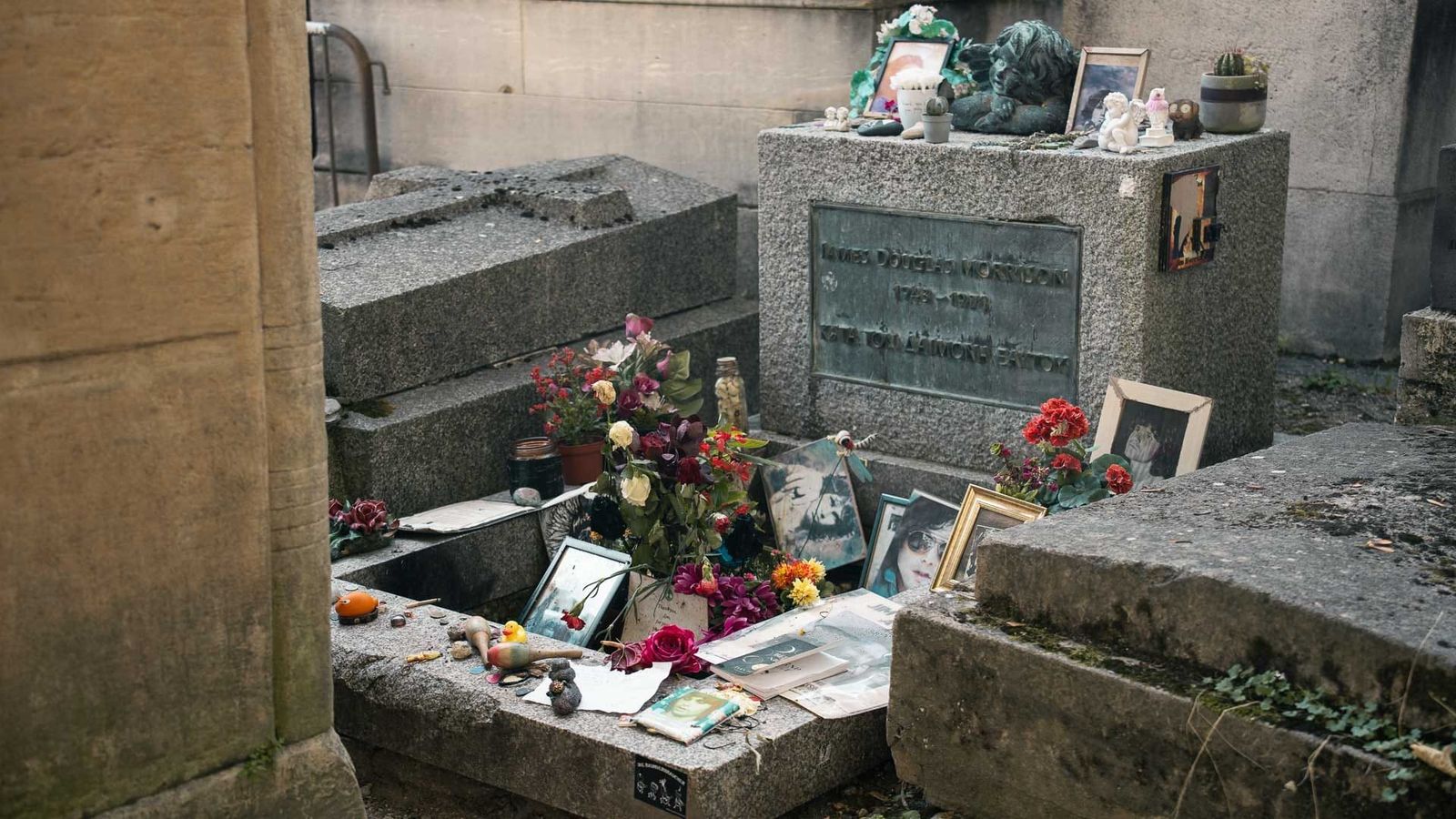
Frédéric Chopin, the celebrated Polish composer and pianist, rests in a tomb that attracts music lovers from around the globe. Jim Morrison, lead singer of The Doors, is buried in a more modern section, surrounded by tributes left by his devoted fans.
Visitors also pay respects to French legends such as Edith Piaf and Alain Bashung, whose graves reflect the country’s rich musical heritage.
Beyond the musicians, the cemetery also houses writers like Molière, Colette, and Marcel Proust, alongside political figures and intellectuals such as Jean de La Fontaine and Oscar Wilde.
The Père Lachaise Experience: A Walk Through Time
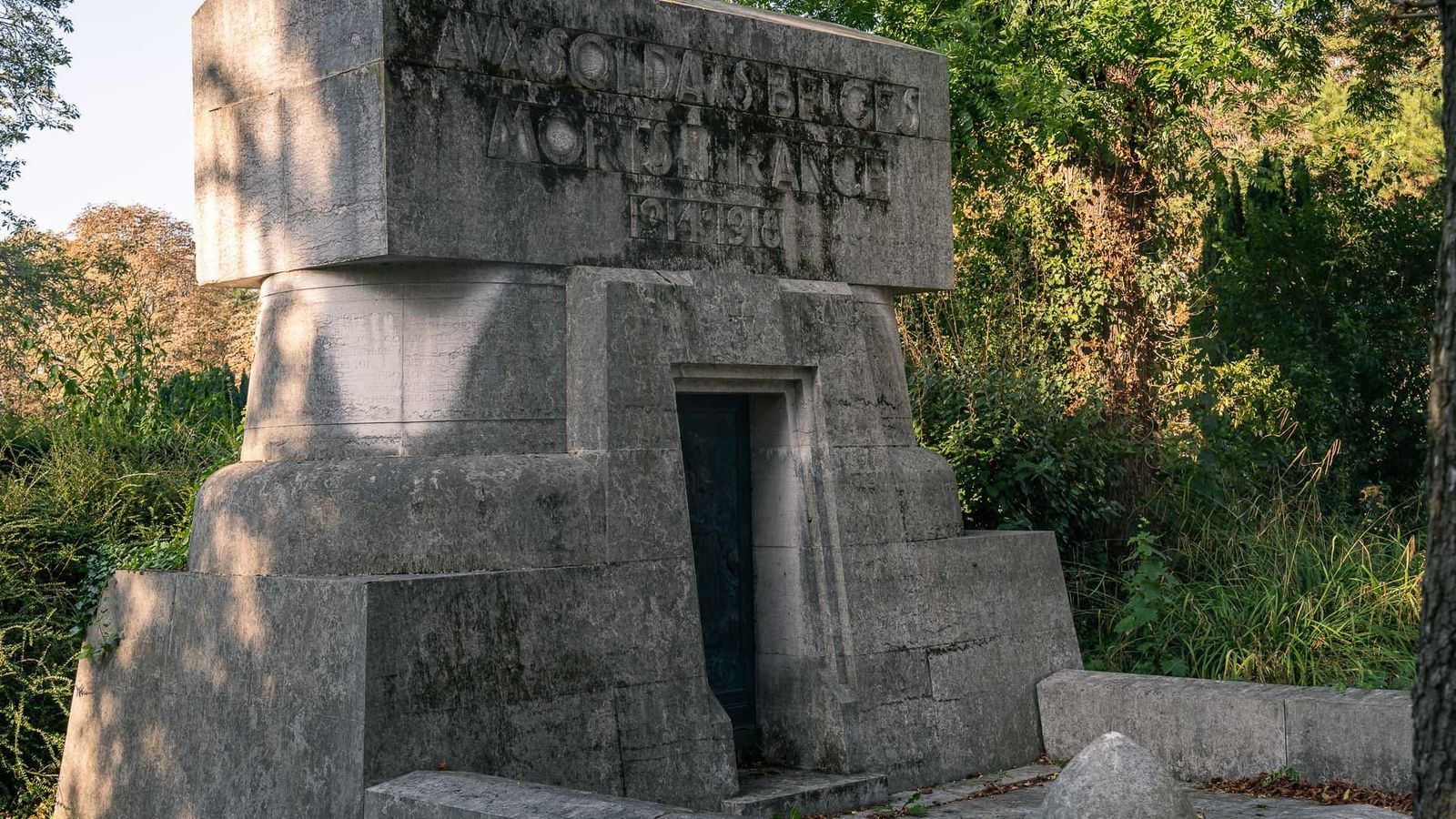
Aside from its famous graves, the cemetery also features a number of memorials dedicated to significant historical events, such as the Wall of the Federals (Mur des Fédérés), a poignant reminder of the Commune of Paris of 1871.
The cemetery’s expansive grounds offer much more than a place for quiet contemplation—it’s a living museum where the past and present meet, offering unique insights into the cultural and historical fabric of Paris.