Georges Méliès didn’t just direct films—he redefined what cinema could be. Born in Paris on December 8, 1861, he started as a stage magician, captivating audiences with sleight-of-hand and spectacle. But when he saw a motion picture for the first time, he saw something more than novelty: he saw a new kind of magic. He grabbed the camera and never looked back.
From Magician to Cinematic Illusionist


Raised in a well-off, business-minded family, Méliès was expected to follow in his father’s footsteps and join the family’s successful shoe business. But Georges had other plans. From a young age, he was drawn to painting, puppet shows, and especially magic. He studied at the Lycée Michelet, where he showed artistic promise and creative flair.
In 1888, he bought the Théâtre Robert-Houdin, named after France’s most legendary magician. There, he modernized performances, introduced over 30 new illusions, and made a name for himself in Paris’s vibrant performance scene. That theatrical flair would later infuse his cinematic storytelling.

When the Lumière brothers unveiled their Cinématographe in 1895, Méliès immediately grasped its potential. He tried to buy their camera; they refused. So he reverse-engineered his own. By 1896, he was filming, editing, and projecting his own short films—but unlike most, he wasn’t interested in reality. He wanted fantasy.
Inventing Movie Magic
Méliès was a technical pioneer. He stumbled upon the “substitution splice” when his camera jammed and resumed recording—an object seemed to vanish and transform. From that happy accident, he built a toolkit of visual effects that hadn’t existed: multiple exposures, time-lapse, dissolves, stop-motion animation, and hand-painted color.
His films introduced multi-scene narratives to a medium that had only shown real-life snippets. He treated the camera like a stage and the screen like a canvas. He created spectacle, mystery, and structured stories when the idea of storytelling in film was still new.
Key Films That Shaped Cinema


Between 1896 and 1913, Méliès directed over 500 films. Though fewer than half survive, their influence is undeniable. His most iconic, A Trip to the Moon (1902), remains a cornerstone of early cinema. It follows a group of astronomers who launch a rocket into the moon’s eye and explore its bizarre interior. Its special effects, painted sets, and narrative scale were unlike anything audiences had seen.
Other major works include An Impossible Voyage (1904), The Haunted Castle (1896), and The Kingdom of the Fairies (1903). Each pushed the boundaries of visual effects and fantastical storytelling. These weren’t just tricks—they were early blueprints for genres like science fiction, fantasy, and horror.
The Studio That Built the Dream

To bring his ideas to life, Méliès needed more than magic tricks—he needed control. In 1897, he built one of the world’s first film studios in Montreuil, just outside Paris. It was a glass-walled greenhouse that used natural light for filming. It became a lab for visual innovation.
He also founded the Star Film Company to produce and distribute his work. His brother Gaston ran the American branch, helping to circulate their films internationally. This transatlantic operation marked one of the earliest examples of global film distribution.
Shaping Storytelling
Méliès changed the grammar of film. Before him, movies were static and observational. He introduced storyboards, scripts, scene transitions, and the idea of narrative progression. His films had beginnings, middles, and ends. He pioneered editing as a storytelling device, not just a technical necessity. These changes turned cinema into a narrative art form.
A Visionary in Fantasy and Science Fiction

Méliès is rightly credited as one of the first creators of science fiction and fantasy in film. A Trip to the Moon imagined interplanetary travel two-thirds of a century before the moon landing. Its visual tricks inspired countless filmmakers and special effects artists.
His fantasy work—especially in films like The Kingdom of the Fairies and The Eclipse (1907) —played with scale, illusion, and dream logic. These films weren’t grounded in reality but in imagination, directly influencing later directors from Jean Cocteau to Guillermo del Toro.
Decline and Bankruptcy
By the 1910s, tastes changed. Audiences wanted realism and longer, character-driven films. Méliès’ whimsical style fell out of fashion. Meanwhile, larger studios with more resources and distribution power edged him out.
World War I was a devastating blow. The French government commandeered his studio, and over 200 of his films were destroyed—melted down for the war effort to produce materials like boot soles and munitions. By 1913, overwhelmed with debt, Méliès was forced to sell his studio and declare bankruptcy.
Years of Obscurity
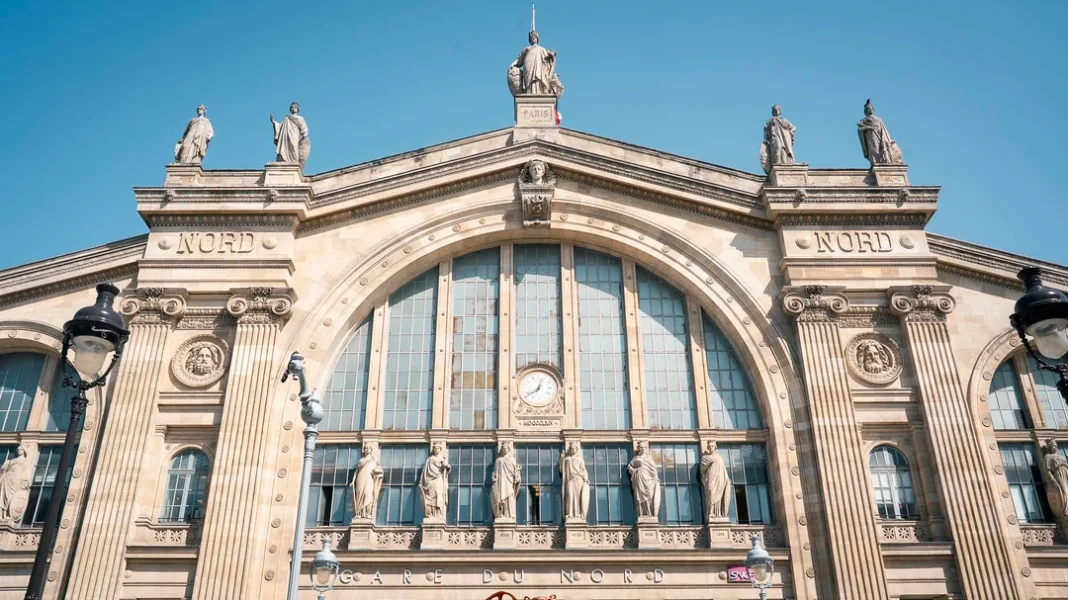
After leaving film, Méliès retreated from the spotlight. He sold toys and candies at the Montparnasse train station, living in near-anonymity. His wife Eugénie died in 1913, and he later remarried Jeanne d’Alcy, an actress who had starred in many of his films.
Despite the hardship, he never lost his creative spirit. Though he no longer made films, he continued drawing and designing stage props. Eventually, his contributions began to be recognized again.
Rediscovery and Legacy

In the 1930s, film historians began to rediscover Méliès’s work. In 1931, he was awarded the Légion d’honneur for his contributions to cinema. Restoration projects began to recover and preserve what remained of his filmography.
Today, institutions like the Cinémathèque Française and international archives have restored films once thought lost. A Trip to the Moon was even restored in its original hand-colored version, stunning modern audiences with its surreal vibrancy.
The influence of Méliès is everywhere: in the visual whimsy of Michel Gondry, the spectacle of Steven Spielberg, the stylization of Baz Luhrmann, and the dream logic of David Lynch. Martin Scorsese’s Hugo (2011) is a direct homage to Méliès’s legacy, dramatizing his later years and celebrating his innovations.
The Final Scene

Georges Méliès died on January 21, 1938, at age 76.
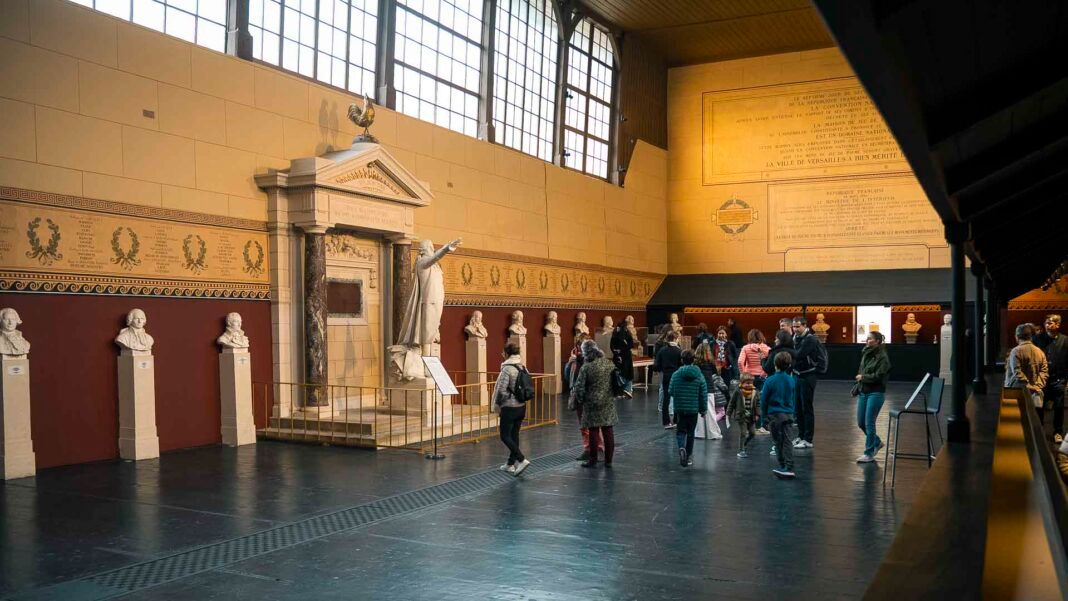
If you’re visiting Paris, you can pay tribute to this cinematic pioneer by stopping at his final resting place in Père Lachaise Cemetery or by exploring the Musée Méliès, located within the Cinémathèque Française. The museum offers an immersive experience with original props, film equipment, costumes, and restored footage.
Today, every explosion of fantasy, every gravity-defying stunt, and every surreal jump cut owes something to him. He wasn’t just a pioneer. He was cinema’s first magician.