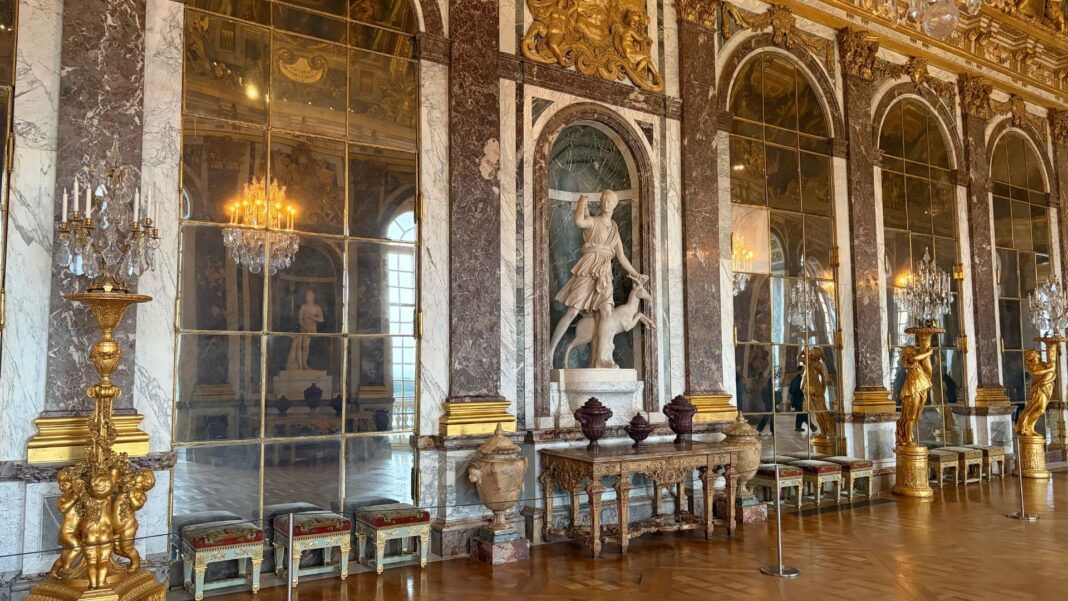
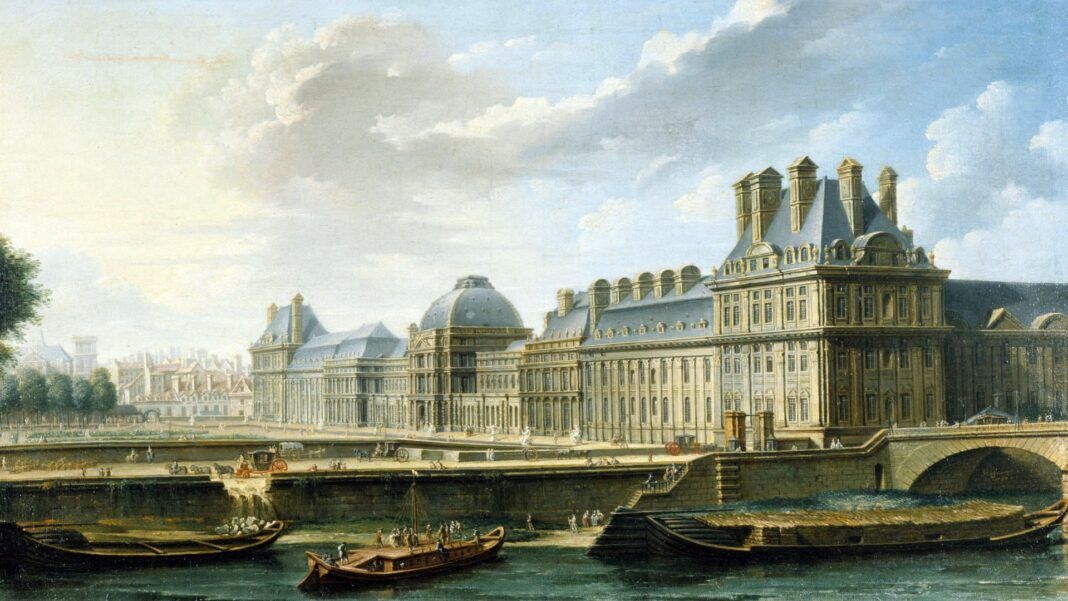
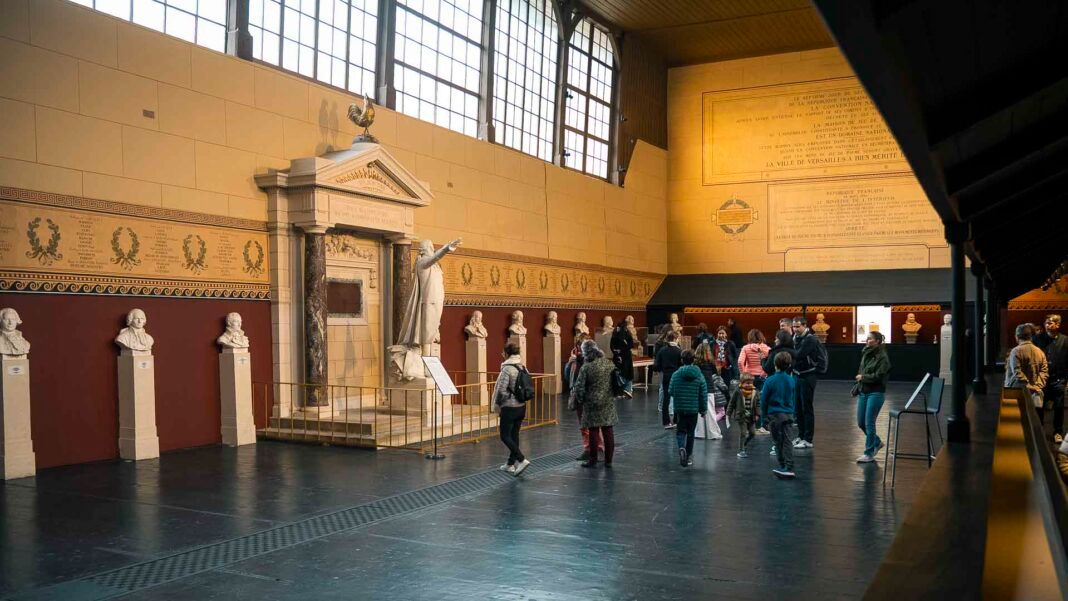
Drive out of Paris and the city thins; the air takes on a countryside hush. After a while, the road opens onto a sight that still stops people in their tracks, a stone palace mirrored in its moat, lawns laid out like a ruler’s blueprint. Vaux-le-Vicomte doesn’t ask to be noticed. It demands it.
But the estate was never just about symmetry and fountains. It was the shorthand of a single life: Nicolas Fouquet’s appetite for influence, patronage, and scale.
The Climb: From Ambition to Power
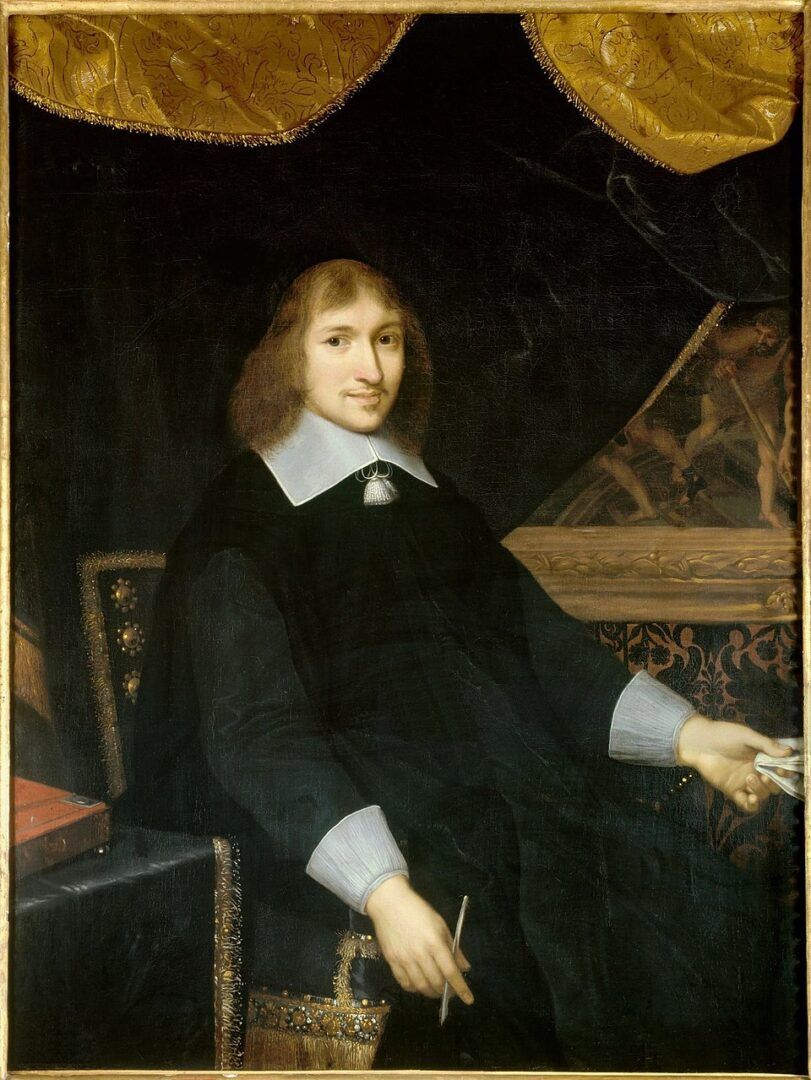
Born in Paris in 1615, Nicolas Fouquet came from a family that had climbed the ladder of commerce and law. Smart, shrewd, and endlessly ambitious, he entered royal service early and rose fast. By 1653, he was Superintendent of Finances, one of the most powerful men in France, second only to the king himself.
He was not just a bureaucrat. Fouquet was a collector, a patron, a dreamer who believed beauty and intellect could project power as much as soldiers or gold could. He owned estates, ships, and even an island, Belle-Île-en-Mer, which he bought and fortified in 1658. Some said it was his insurance policy if things in Paris went wrong.
By 1661, he was fabulously wealthy, perhaps the richest man in the country. He surrounded himself with poets, artists, and scholars, building not just a fortune but a legend.
The Dream: Building a Paradise of Order

Fouquet’s vision found its form in Vaux-le-Vicomte, near Melun. He bought the land in 1656 and brought together the dream team of 17th-century France:
- Louis Le Vau, the architect of elegance.
- Charles Le Brun, painter and master of mythic imagery.
- André Le Nôtre, landscape genius and architect of infinity.
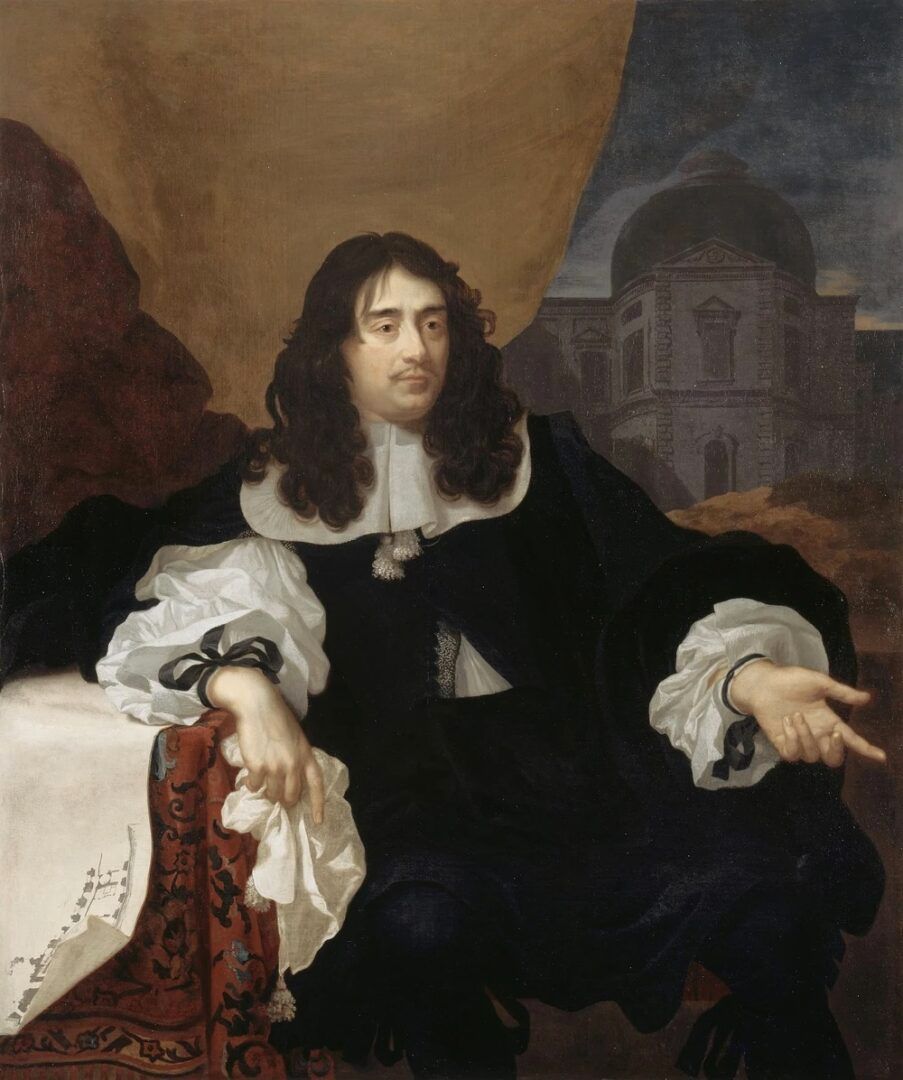
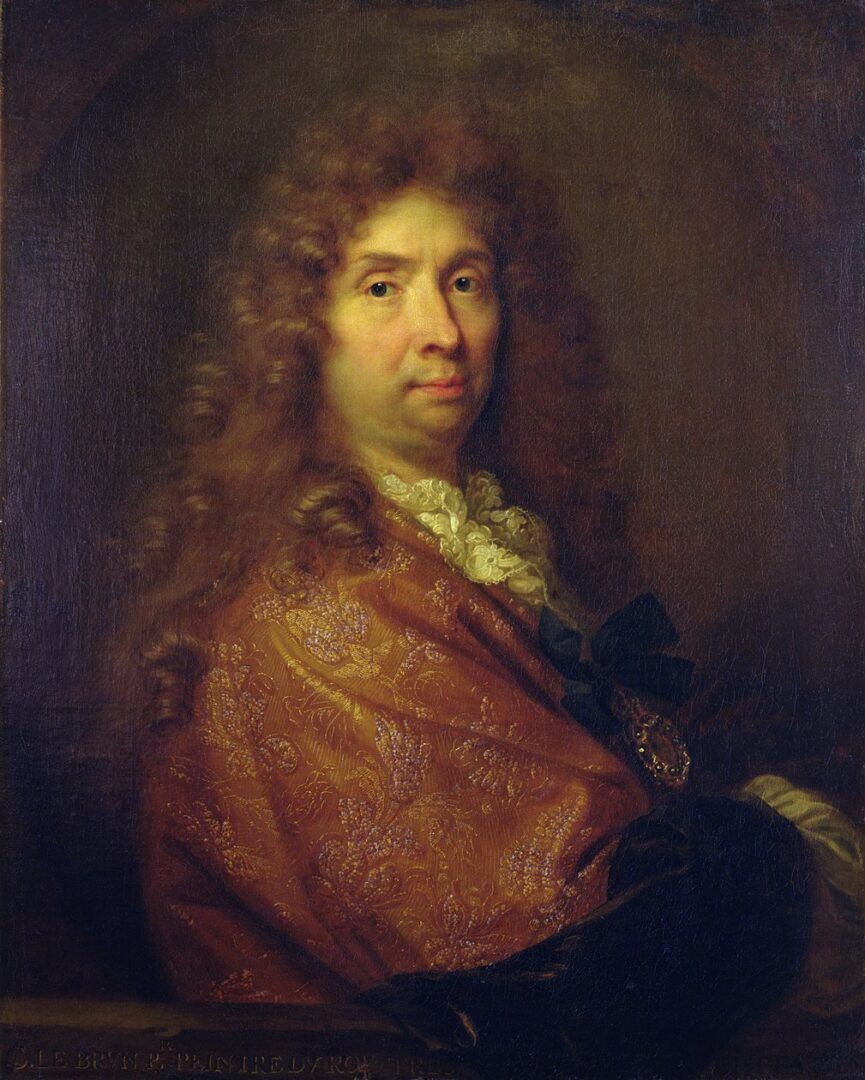
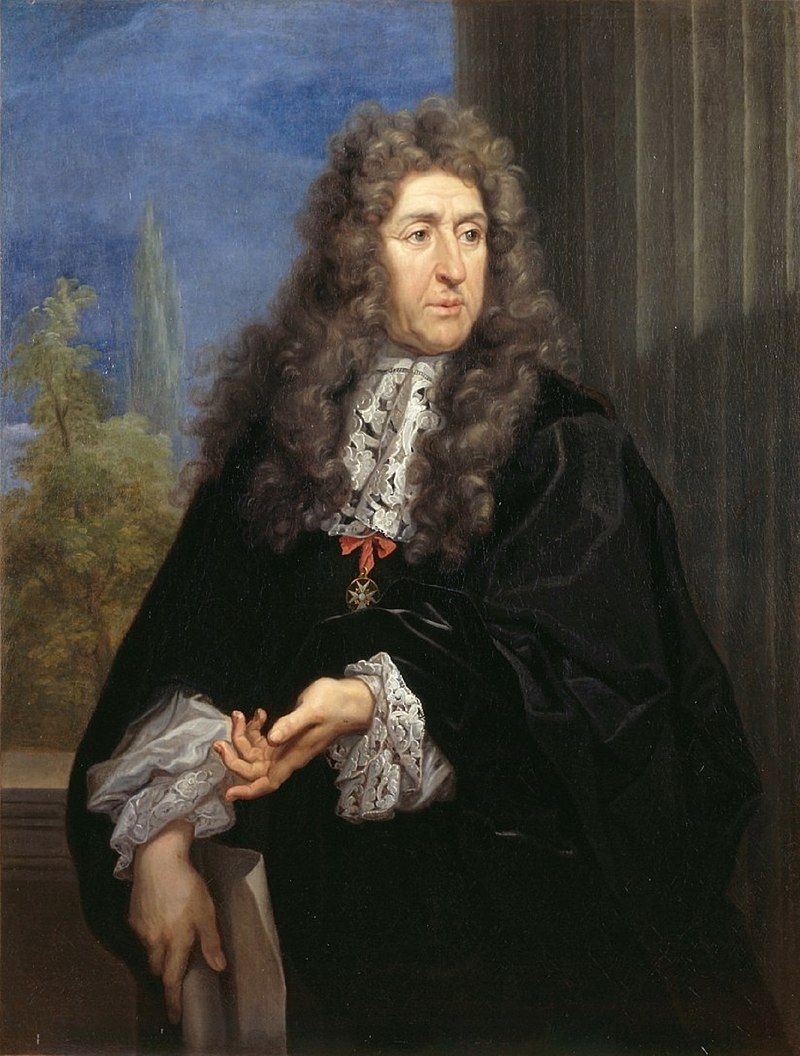
They worked in perfect harmony. The house flowed into the gardens; the gardens reflected the house. The result was revolutionary; a living balance between architecture, art, and nature.


Step into the oval salon today, and you’ll feel what he wanted people to feel: awe. The light pours in from tall windows, framing the long axis of the gardens stretching to the horizon. Every line, every reflection, every tree was part of a plan.
The Night of Glory
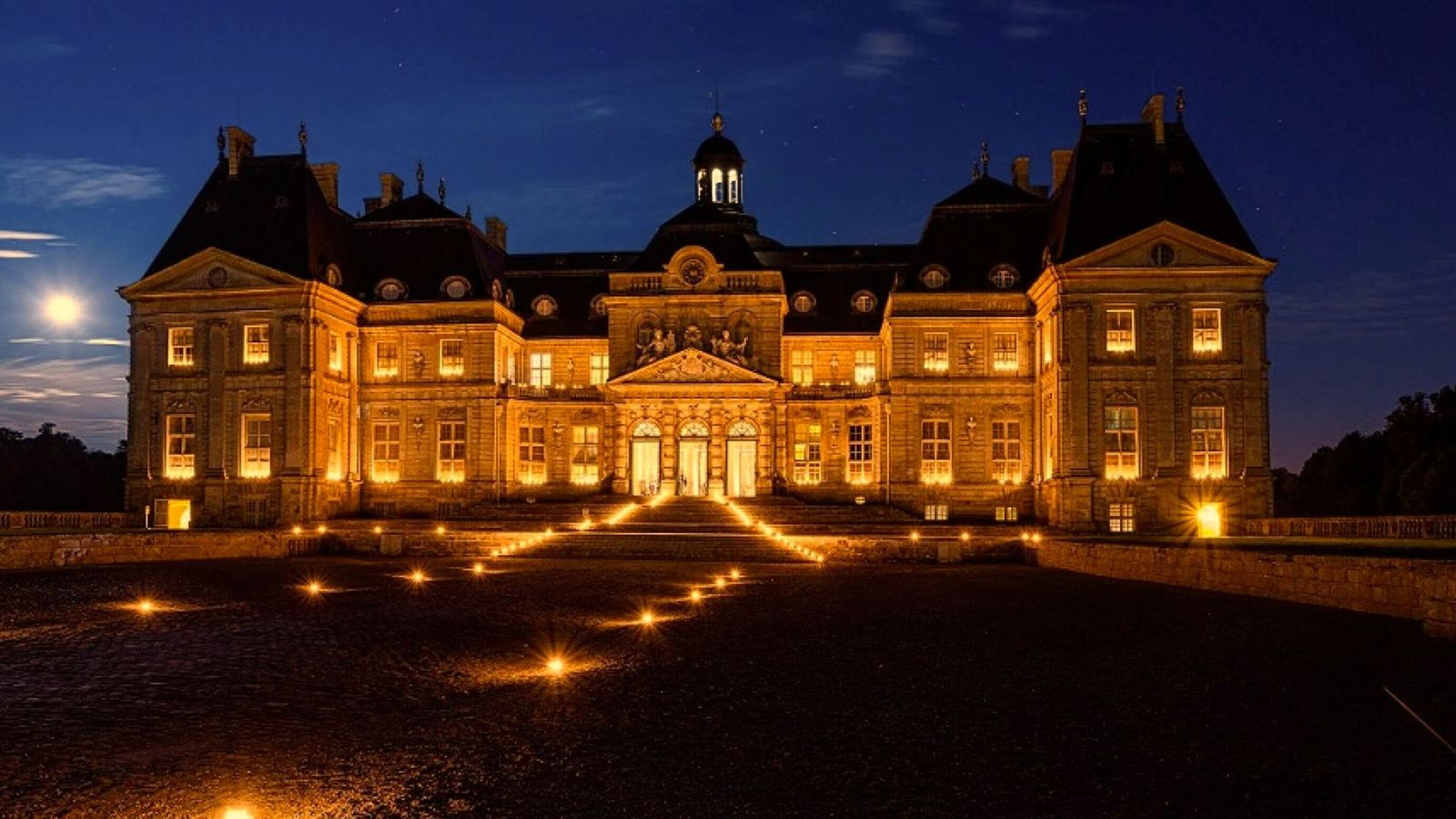
On August 17, 1661, the dream reached its peak. Fouquet decided to celebrate the completion of Vaux with a fête so lavish it would make Paris talk for decades.
The lawns were covered in torches. Fireworks exploded over the fountains. Molière himself performed a new play written for the occasion. Nobles, ministers, and artists filled the gardens. Even King Louis XIV, the young Sun King, attended.
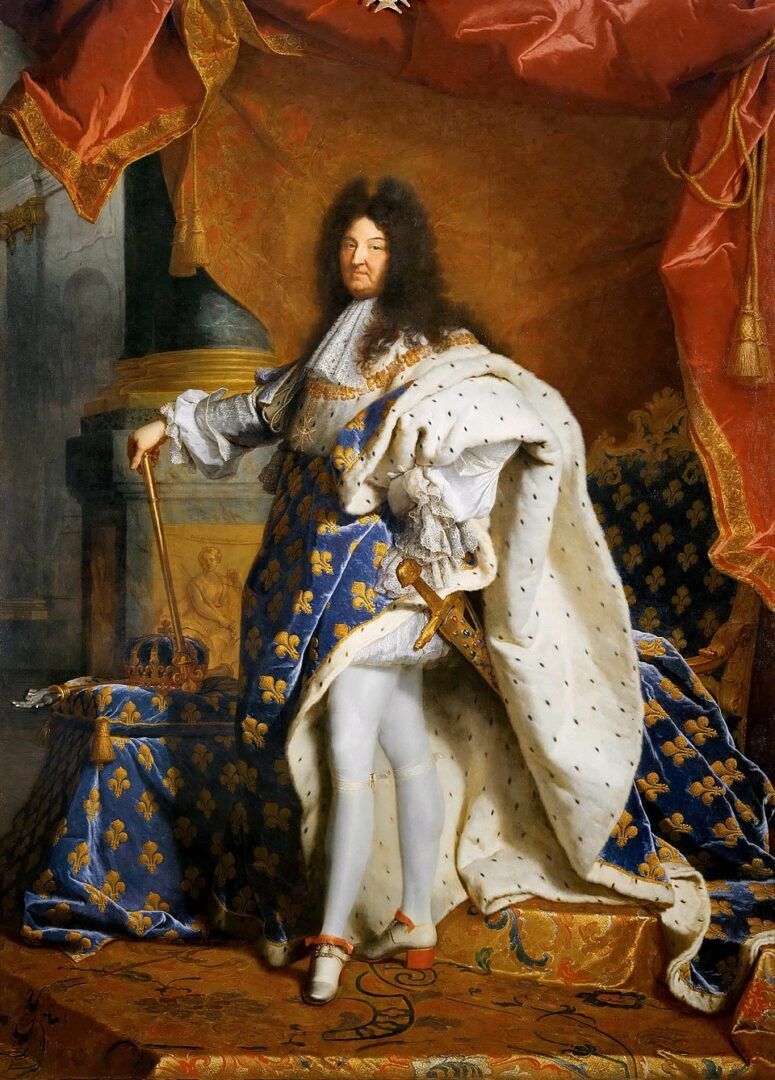
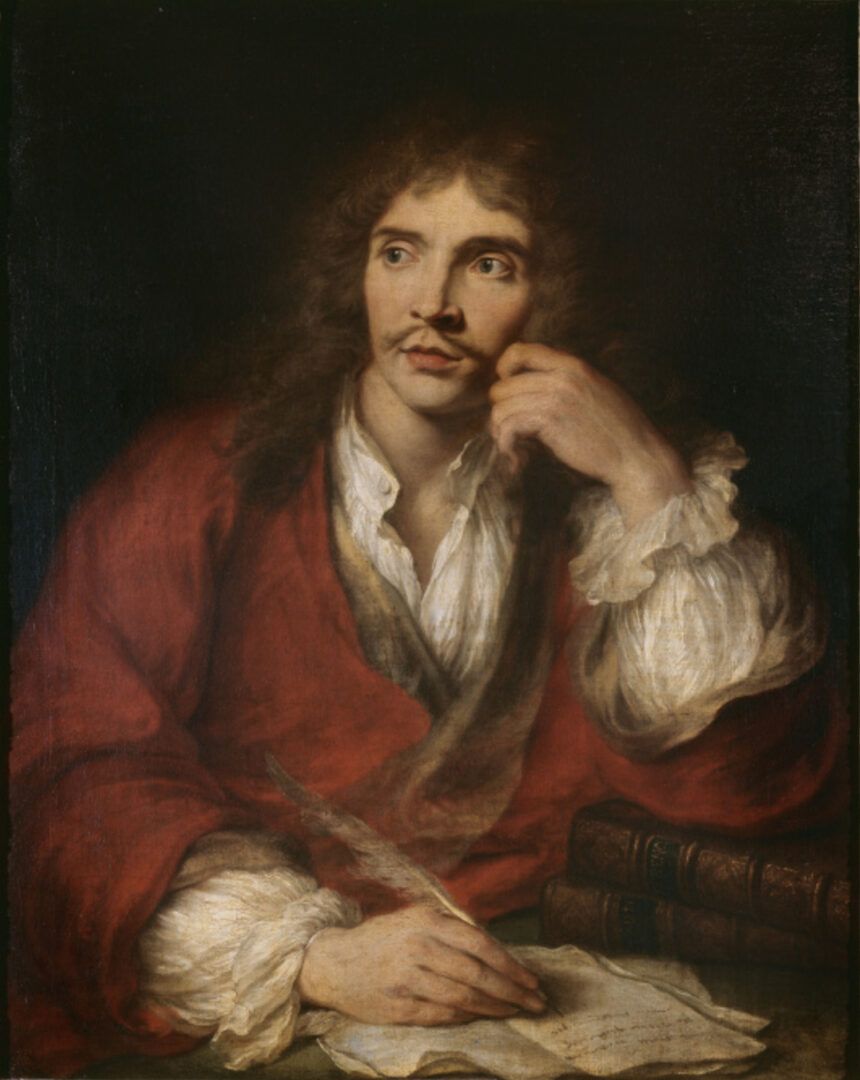
The night was magic. Music echoed over the water; laughter rippled through the air. And yet, somewhere behind the applause, the balance shifted. Louis XIV watched, and what he saw wasn’t just wealth, it was competition. Vaux-le-Vicomte shone brighter than any royal residence. And Fouquet, elegant and generous, looked almost kingly himself.
The next morning, the admiration curdled into envy.
The Fall: Arrested by the Musketeer
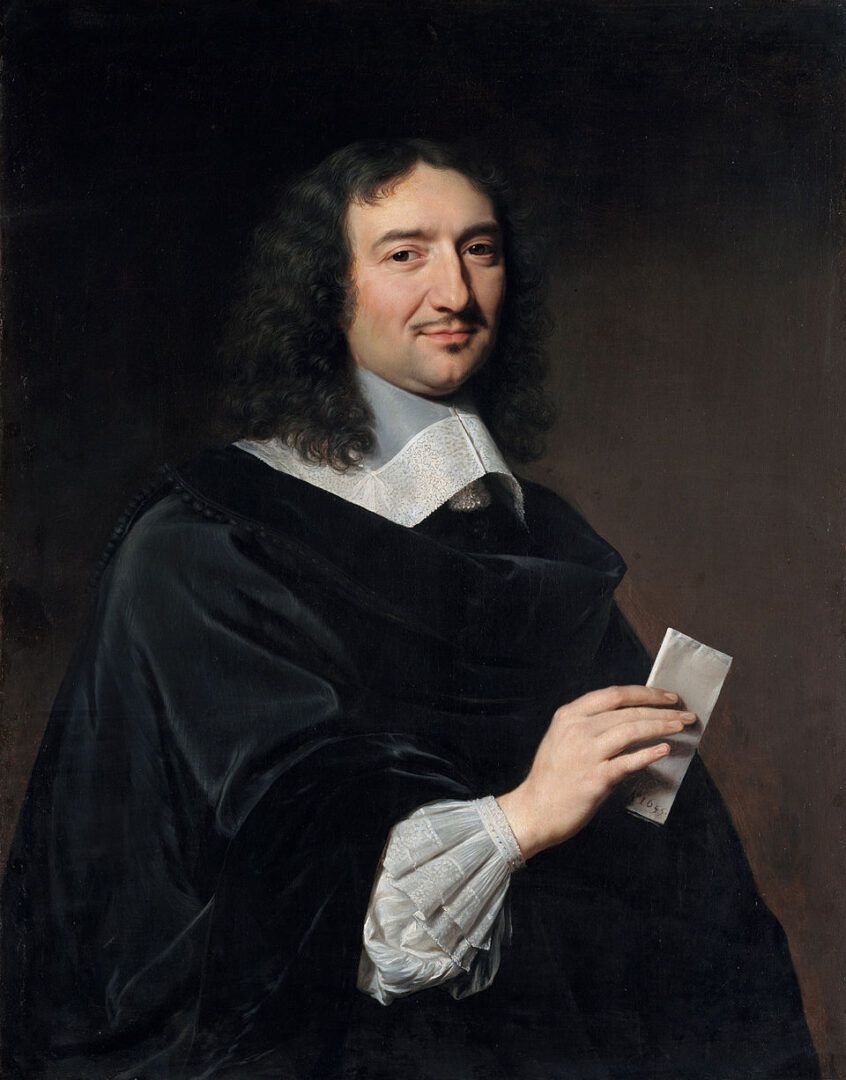
Whispers had already been working against Fouquet. Jean-Baptiste Colbert, the king’s minister, had spent months feeding Louis rumors, that Fouquet was corrupt, that he had stolen from the treasury, that he had built Vaux with the king’s own money.
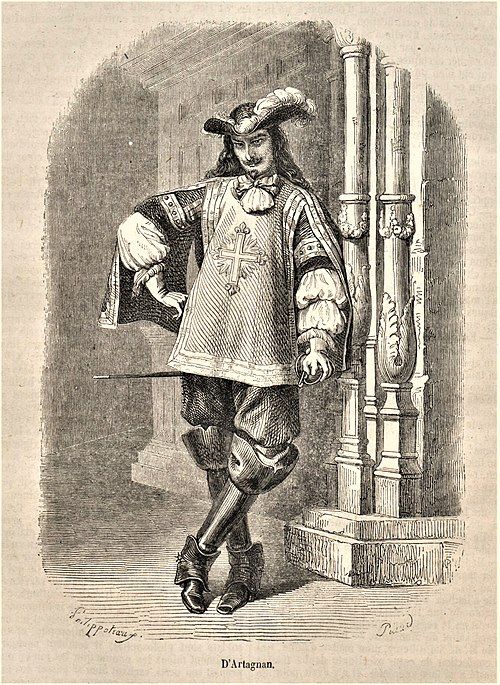
On September 5, 1661, while attending the royal court in Nantes, Fouquet was arrested by none other than Charles d’Artagnan, captain of the King’s Musketeers, yes, the same d’Artagnan from Dumas’ tales.
The scene must have felt unreal. The man who had thrown the grandest celebration in France was suddenly a prisoner. His houses were sealed, his papers seized, and his friends scattered.
The Trial: Three Years of Humiliation
Fouquet’s trial dragged on for three years. The charges were a mix of truth, exaggeration, and royal vengeance. Colbert presented accounts of supposed embezzlement and hidden funds, but Fouquet defended himself brilliantly, even winning the sympathy of many judges.
It didn’t matter. Louis XIV wanted a message sent: no one would rival the crown.
Fouquet’s death sentence was commuted to life imprisonment. He was sent to the remote fortress of Pignerol, deep in the Alps. He spent nearly two decades there, writing, praying, and fading into legend. He died in 1680, a prisoner of his own ambition.
Voltaire later summed it up with brutal precision:
“At six in the evening, Fouquet was King of France; at two in the morning, he was nobody.”
The King’s Revenge: From Vaux to Versailles

Louis XIV didn’t just remove Fouquet, he recycled his genius. The same trio of Le Vau, Le Brun, and Le Nôtre were summoned to design a new palace that would outshine everything before it: Versailles.
What began as one man’s private vision became the blueprint for royal glory. Versailles was born from Vaux’s shadow, and from Fouquet’s fall.
The Visit: Walking Through a Legend

Today, Vaux-le-Vicomte still feels strangely alive. It’s privately owned, lovingly maintained, and far less crowded than Versailles. That intimacy makes it powerful.
Inside, the salons still gleam with gold leaf and original furnishings. The gardens still obey the logic of geometry and light. When you stand at the top of the terrace and look down the long central axis, the world feels like it’s holding its breath.


Visit on one of the estate’s Candlelight Nights, and you’ll see the château exactly as it was on that fateful August evening: thousands of flames flickering across stone and water, soft music drifting through the air. It’s haunting, romantic, and impossible not to imagine Fouquet walking those paths, proud, doomed, unaware.
When you visit, walk slowly. Look up at the ceilings painted with myths of ambition and fall. Look out across the gardens that reach for infinity.


Then think of Nicolas Fouquet, a man who built perfection, lost everything, and left behind one of the most breathtaking places in France.
He dreamed like a king. And for one shining night, he lived like one.