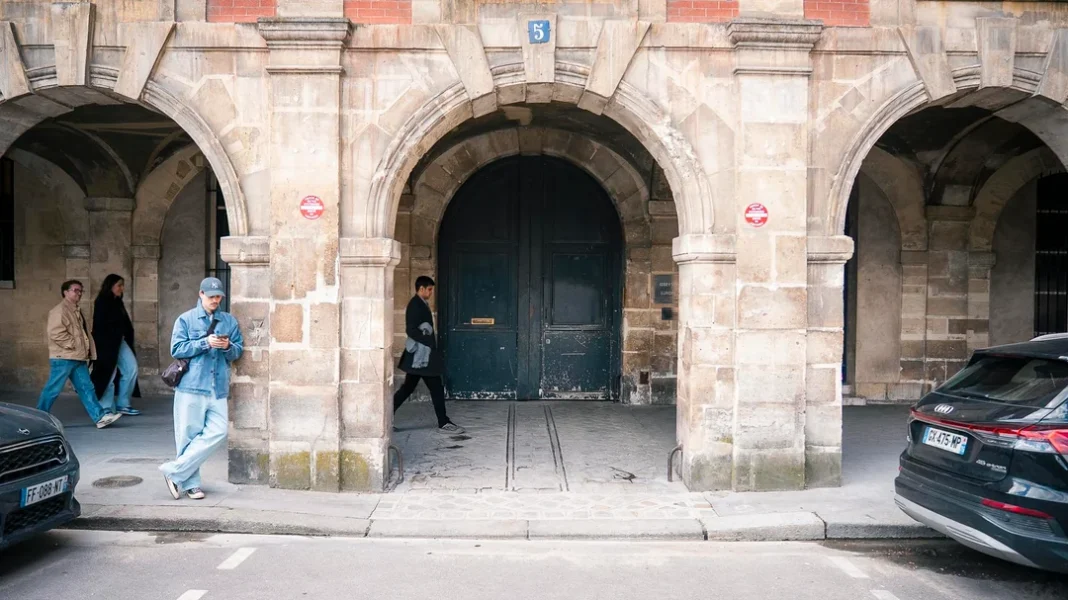
You can walk down Rue de la Ferronnerie in central Paris without realizing what happened there. The street, narrow and unremarkable near Les Halles, looks like many others in the city. Yet it was here, on May 14, 1610, that King Henry IV of France was stabbed to death in his carriage, trapped by traffic and exposed to the crowd.
More than four centuries later, the assassination still shapes how France remembers monarchy, power, and political violence.

A King Who Had Made Peace and Enemies
Henry IV, born Henri de Navarre, came to the throne in 1589 after the assassination of his predecessor, Henry III. France was then fractured by more than thirty years of religious conflict between Catholics and Protestants.
Henry’s reign was defined by compromise. A former Protestant who converted to Catholicism in 1593, he sought stability rather than ideological victory. In 1598, he signed the Edict of Nantes, granting Protestants limited freedom of worship. The measure ended the Wars of Religion, but it also hardened opposition among militant Catholics who never trusted his conversion.
Henry survived roughly twenty assassination attempts during his reign. Some were foiled at the last moment. Others left him wounded. Over time, repeated escapes bred a dangerous confidence.
A Climate That Made Regicide Thinkable
By the early 17th century, the idea that killing a ruler could be morally justified was openly debated. Catholic and Protestant writers alike argued over tyrannicide, the killing of a ruler deemed illegitimate or unjust.
Jesuit theologians such as Juan de Mariana argued that a “tyrant in practice” could be killed by a private individual, without prior approval. His work circulated widely in France. The assassin of Henry III, Jacques Clément, was praised in some Catholic circles as a martyr.
Henry IV ruled in this charged atmosphere. His planned military intervention in the Duchies of Cleves and Jülich, in support of Protestant princes against a Catholic emperor, revived fears of a new European religious war. For hardline Catholics, it was proof that the king had never truly abandoned Protestantism.
The Days Before the Murder
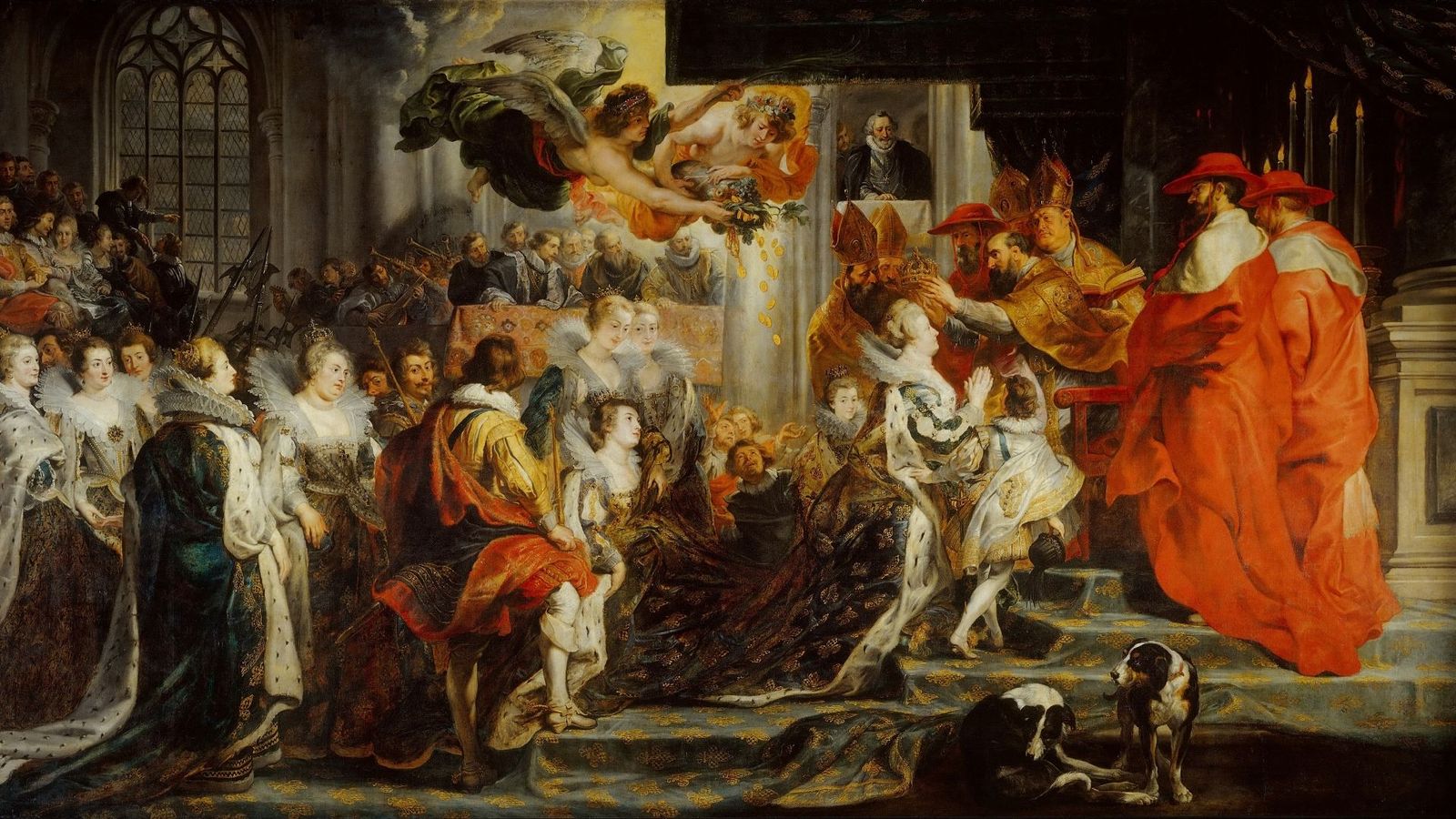
On May 13, 1610, Henry attended the coronation of his wife, Marie de Médicis, at the Basilica of Saint-Denis. The ceremony was meant to secure the succession before the king departed for war.
Witnesses noted that Henry appeared both jovial and unsettled. He spoke openly of ominous dreams. Astrologers and almanacs warned him not to travel. His son urged him to stay inside.
Henry ignored the warnings.
Rue de la Ferronnerie: A Street Built for Ambush

On May 14, shortly before 4 p.m., Henry left the Louvre to visit his finance minister, the Duke of Sully, who was ill at his residence near the Arsenal. Judging the distance short, the king declined a mounted escort.
His carriage was large, open, and lightly guarded. At the last moment, Henry ordered the leather curtains rolled up so he could see the streets prepared for the queen’s ceremonial entry into Paris.
Rue de la Ferronnerie, where the attack occurred, was then a narrow commercial artery near Les Halles, barely four meters wide. Today, visitors still feel its constriction. In 1610, it was crowded with carts, pedestrians, and market traffic.
A hay wagon and a wine cart blocked the king’s carriage near an inn called Au Cœur Couronné. Footmen stepped away to clear the way. The king leaned forward, greeting onlookers.
François Ravaillac Strikes
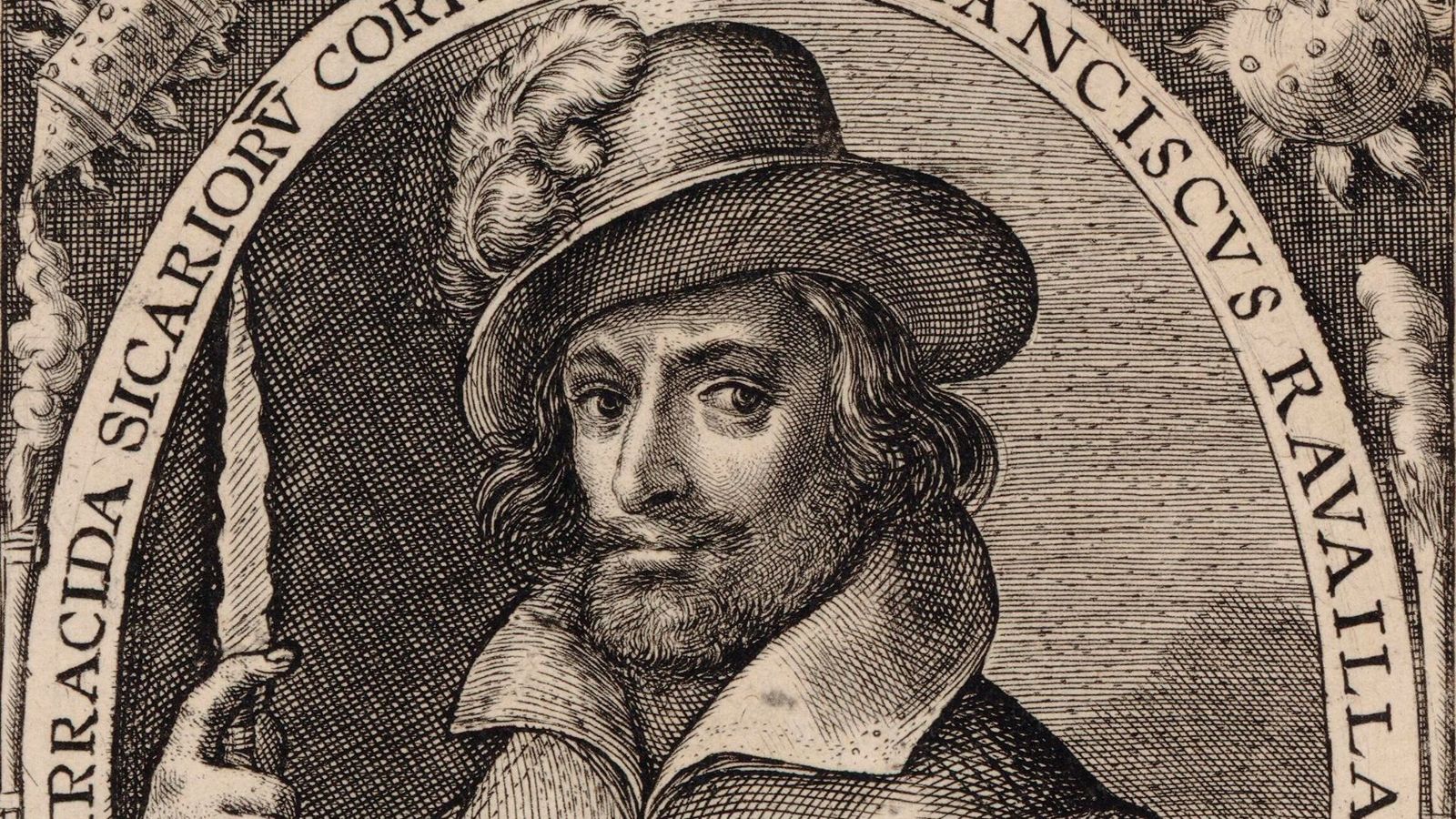
François Ravaillac, a 32-year-old Catholic from Angoulême, had followed the carriage from the Louvre. Deeply religious and prone to violent visions, he believed God had chosen him to stop the king from waging war against Catholics.
Ravaillac climbed onto the wheel of the carriage and struck three times with a stolen knife.
The first blow glanced off the king’s arm.
The second pierced his chest, puncturing the lung and severing major blood vessels.
The third tore through the sleeve of the Duke of Montbazon as he tried to intervene.
Medical accounts written after the autopsy confirm that the second wound was instantly fatal. Henry IV collapsed. He was rushed back to the Louvre and died almost immediately, at approximately 4 p.m.
Arrest and Immediate Aftermath
Ravaillac did not flee. He was seized at the scene and barely protected from lynching by the Duke of Épernon, who insisted he be kept alive for questioning.
The assassin was held for two days in a nearby mansion, where clergy and officials questioned him. He consistently claimed to have acted alone, driven by religious conviction. No accomplices were formally identified.
Paris was stunned. Public celebrations halted. Troops were deployed to prevent unrest. The king’s nine-year-old son was proclaimed Louis XIII that same evening, under the regency of Marie de Médicis.
Trial and Execution of Ravaillac
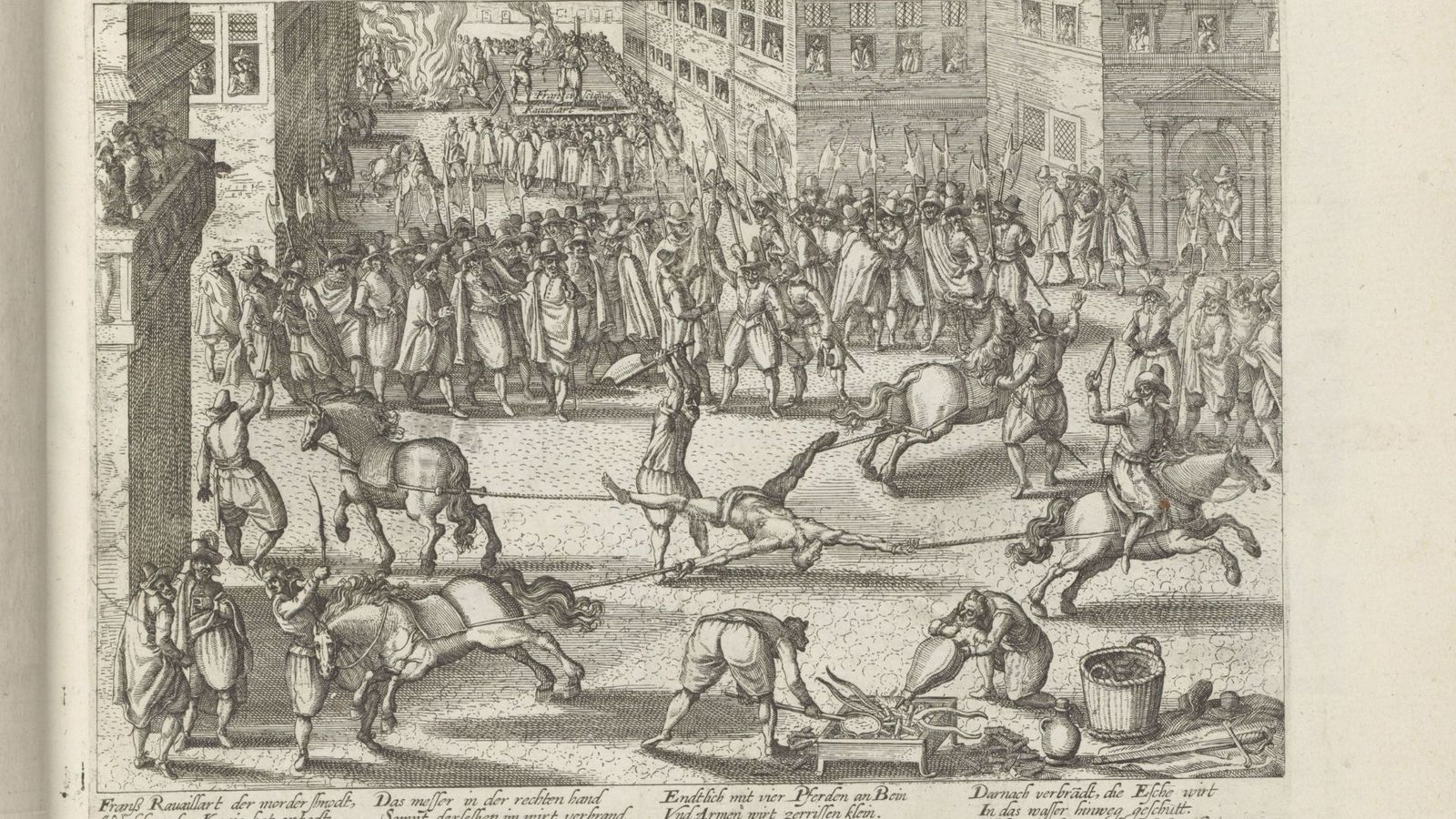
Ravaillac’s trial lasted ten days. Judges focused obsessively on uncovering a conspiracy but conducted little inquiry into his theology or mental state.
On May 27, 1610, he was executed in the Place de Grève, now the Place de l’Hôtel de Ville. The sentence was among the most brutal in French history.

He was tortured, burned with molten substances, and torn apart by four horses. His remains were burned, and the ashes scattered. Witnesses reported that even hardened spectators were shaken by the violence.
A Murder That Strengthened Absolute Power
Henry IV’s assassination marked a turning point. It was the second regicide in a generation. The lesson drawn by political elites was clear: the king’s body must be placed beyond challenge.
In the years that followed, French political theory shifted sharply toward absolute monarchy. Writers and jurists rejected tyrannicide outright and argued that royal authority came directly from God and could not be resisted.
Ironically, the murder of a conciliatory ruler accelerated the concentration of power he had often resisted.
Conspiracy Theories That Never Disappeared
Almost immediately, rumors of a plot spread across Paris. Spain was widely suspected. Some accused the Jesuits. Others pointed to powerful nobles close to the queen.
Historians have proposed theories involving Spanish officials in Brussels, rival claimants to the throne, or shadowy groups present at the scene who may have tried to silence Ravaillac.
No definitive proof has ever emerged. Modern historians remain divided. Some argue that the search for a conspiracy reflects discomfort with the idea that a single, unstable individual could alter the course of history.
Visiting the Site Today
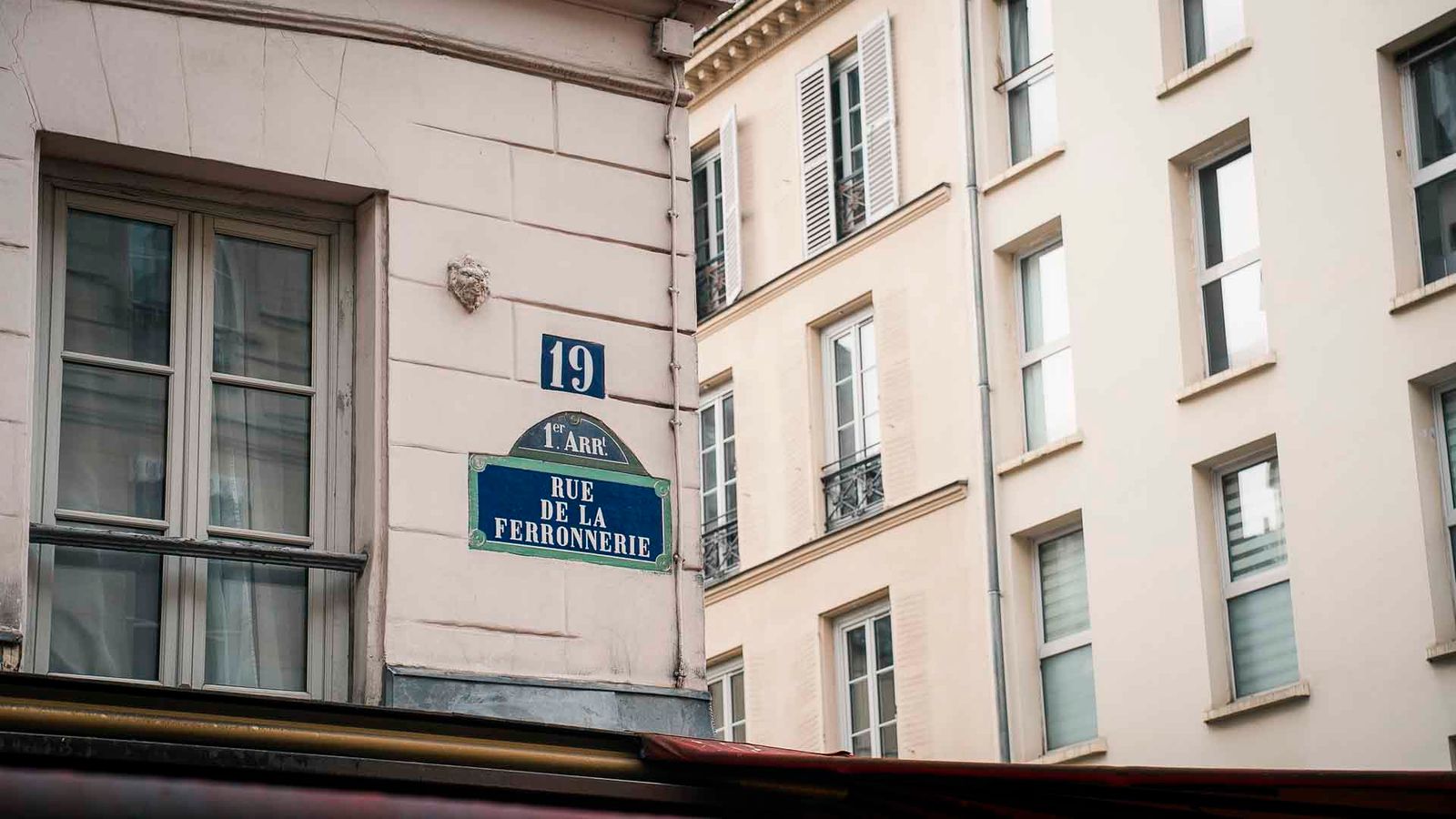
Rue de la Ferronnerie lies in Paris’s 1st arrondissement, a short walk from the Louvre and Les Halles. A discreet plaque embedded in the street marks the spot of the assassination.
For visitors, the setting is striking in its ordinariness. The street remains narrow. Traffic still bunches. It takes little imagination to see how a king, exposed in an open carriage, could be trapped there.
Paris has rebuilt itself countless times, but this corner of the city still bears the memory of a moment when chance, belief, and violence collided.
The Making of “The Good King Henry”
Henry IV’s death sealed his legend. In life, he was controversial. In death, he became “Henri le Grand,” the benevolent king who fed his people and healed a divided nation.
Songs, paintings, and monuments followed. His image was reshaped to serve different regimes, from the Enlightenment to the Restoration. The manner of his death, sudden, intimate, public, ensured that his story would never fade.
More than four hundred years later, the assassination of Henry IV remains not just a historical event, but a reminder of how fragile political order can be, and how a single street in Paris can still carry the weight of a nation’s past.