When Notre-Dame de Paris burned on April 15, 2019, the shock was global. The collapsing spire and flaming roof reminded the world that even its most revered monuments are vulnerable. But this was not the first time Notre-Dame nearly disappeared.
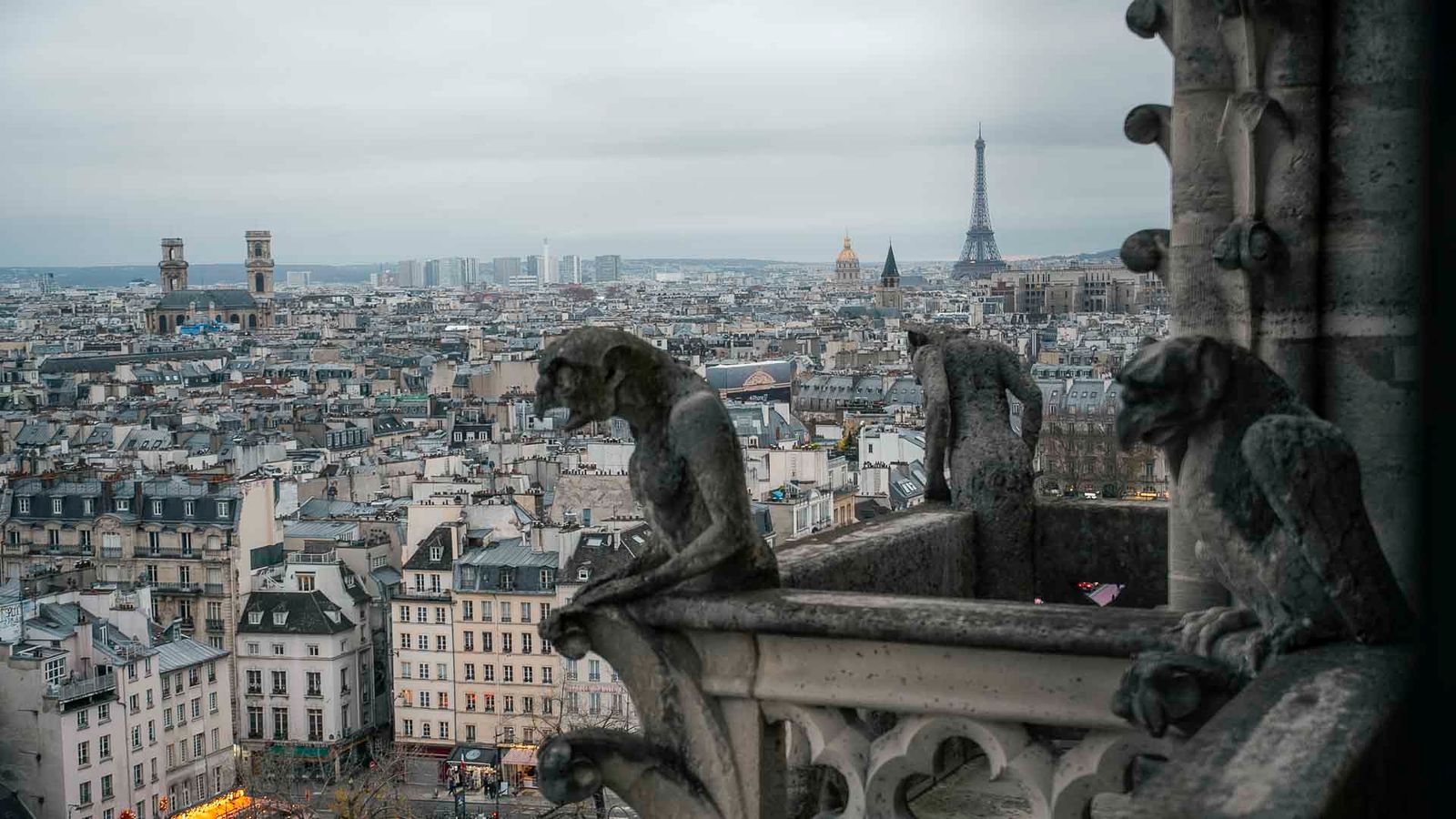
Two centuries earlier, the threat was quieter and more dangerous: neglect, political indifference, and planned demolition. At that moment, the cathedral was saved not by architects or officials, but by a writer: Victor Hugo.
The Making of a Gothic Monument
Construction of Notre-Dame began in 1163 under King Louis VII, traditionally in the presence of Pope Alexander III.


Built on the Île de la Cité, the historic core of Paris, it replaced earlier religious structures dating back to Roman times. Work continued for nearly two centuries, with major phases completed by the mid-thirteenth century.


The building reflects the development of Gothic architecture, from early structural experiments to mature mastery. Pointed arches, ribbed vaults, flying buttresses, and stained-glass windows allowed unprecedented height and light. From the outset, Notre-Dame functioned as both a place of worship and a political symbol.
Revolutionary Damage and Nineteenth-Century Neglect
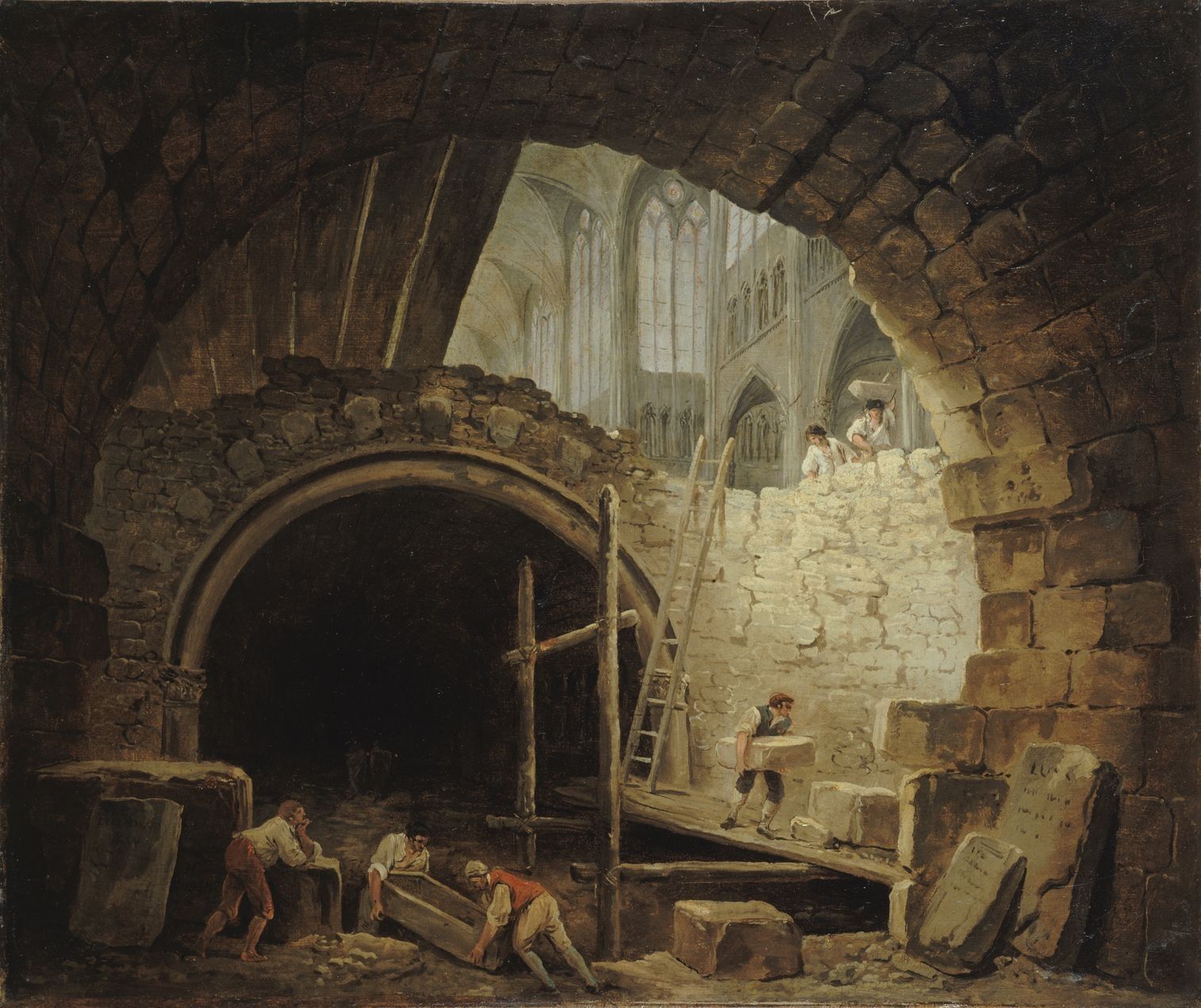
The French Revolution stripped Notre-Dame of its status. Seen as a symbol of monarchy and clerical power, the cathedral was vandalized and dismantled. Statues on the western façade were destroyed, the medieval spire was removed, and the interior was badly damaged.
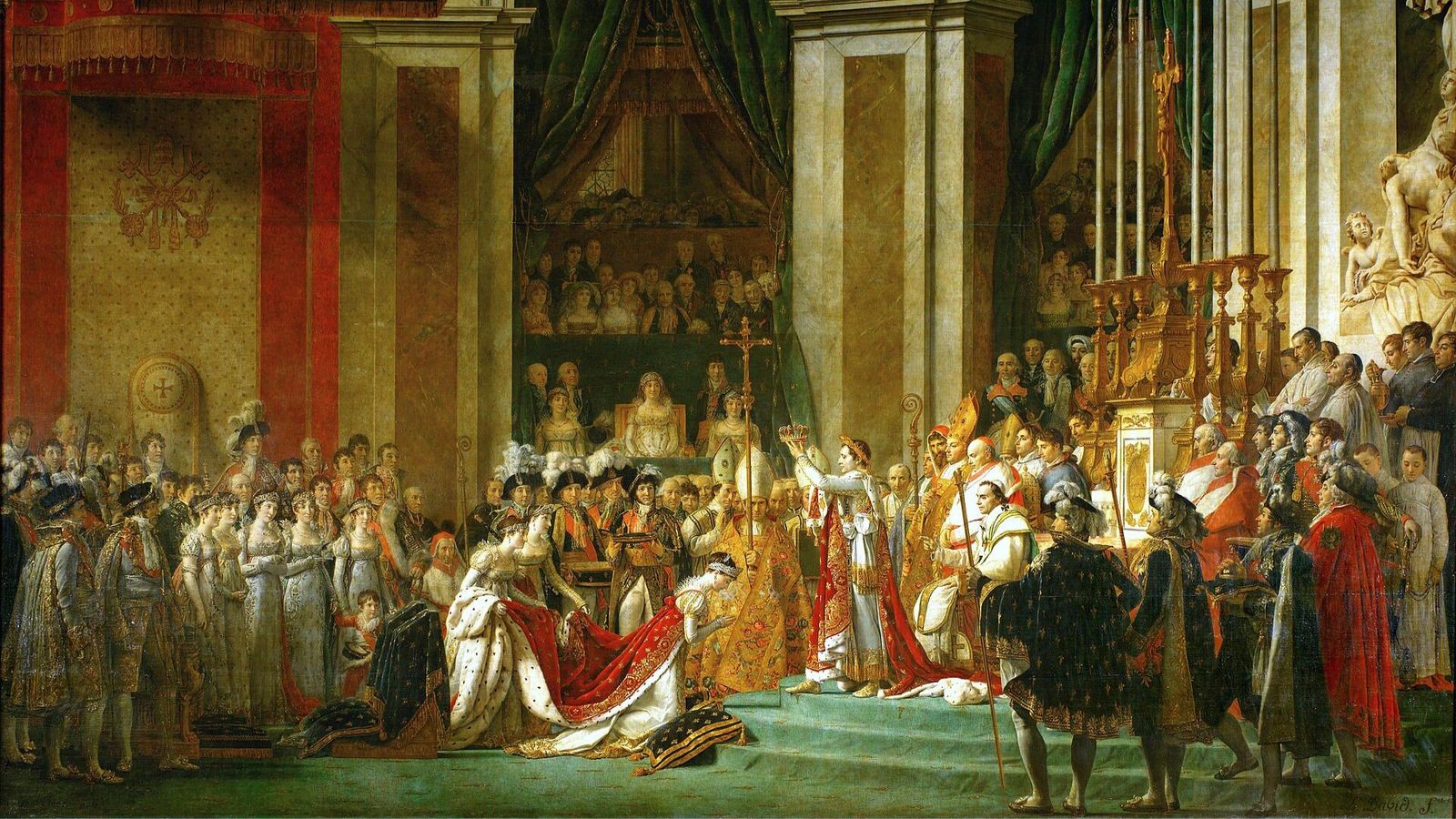
In 1793, the building was closed and turned into a warehouse. When worship resumed in 1802, repairs were superficial. By Napoleon Bonaparte’s coronation in 1804, the structure was so degraded that temporary decorations were used to conceal its condition. Continued unrest in the early 1830s pushed the cathedral closer to demolition.
Victor Hugo and the Defense of the Past
Hugo emerged as one of the earliest defenders of France’s medieval heritage. He denounced those who destroyed historic buildings in the name of progress and argued that architecture was a historical record written in stone.
By the late 1820s, as he turned toward medieval Paris for inspiration, Notre-Dame became central to his concerns. Its decay was not accidental; it was the result of indifference.
A Novel with a Purpose
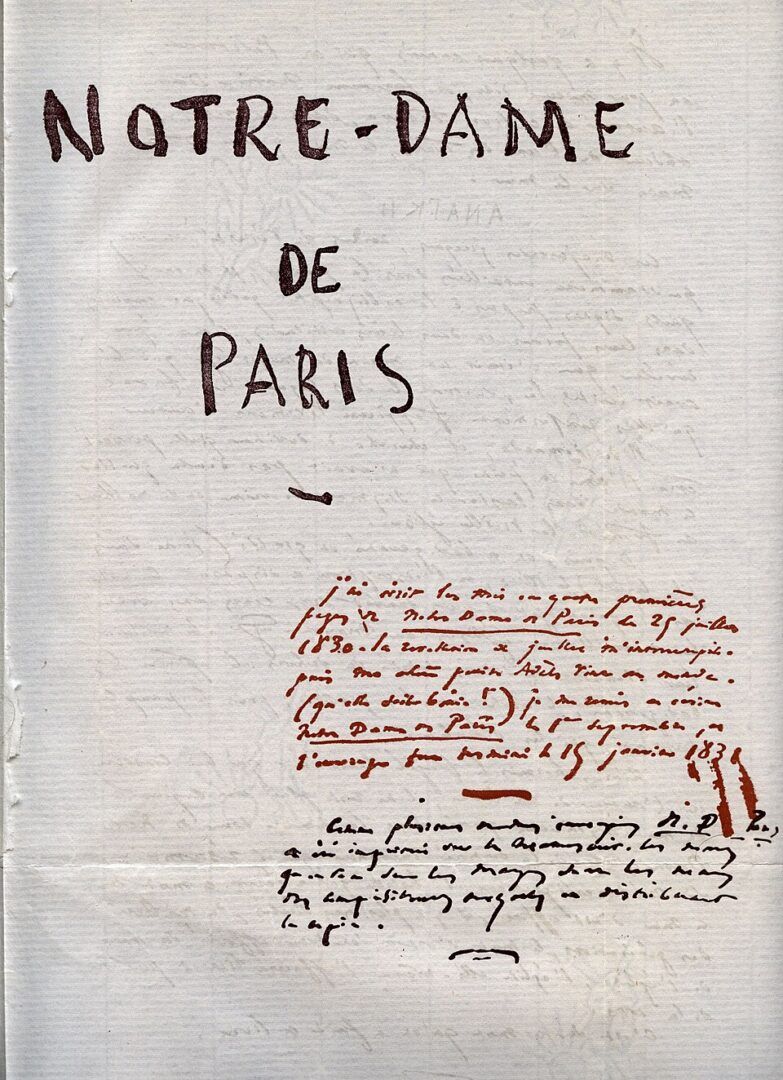
Published in 1831, Notre-Dame de Paris was conceived as an act of cultural intervention. Set in 1482, the novel’s characters matter, but the cathedral dominates the narrative. Hugo presents it as a living structure shaped by time, belief, and violence.
In the chapter “This Will Kill That,” he argues that architecture was humanity’s primary form of expression before the rise of printing and warns that modern society is erasing its own past.
Public Reaction and Institutional Change
The novel’s success altered public perception. Notre-Dame was no longer seen as a decaying relic but as a national monument worth saving. Hugo’s work aligned with a broader Romantic rediscovery of the Middle Ages.
In 1834, the French state created the Inspectorate of Historical Monuments, marking a decisive shift in heritage policy.
From Advocacy to Restoration
Hugo reinforced his position through essays, notably War on the Demolishers. Public opinion followed. Demolition plans were abandoned, and restoration became official policy.
In 1844, the state launched a competition to restore Notre-Dame.
Restoration under Viollet-le-Duc
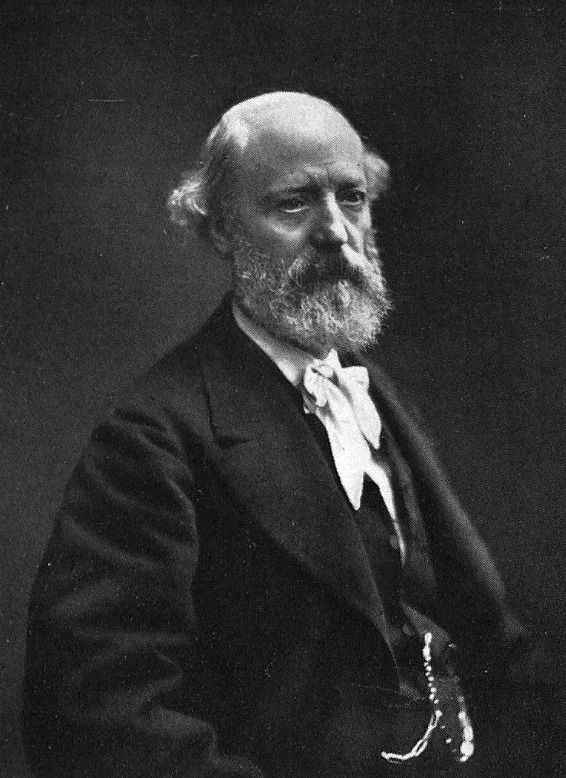
Work began in 1845 under Jean-Baptiste Lassus and Eugène Viollet-le-Duc. After Lassus’s death, Viollet-le-Duc led the project. He stabilized the structure, rebuilt damaged elements, and designed a new spire inspired by medieval forms.
In 1862, Notre-Dame was formally classified as a historical monument. The appearance established during this restoration endured until the fire of 2019.
Literature as Preservation
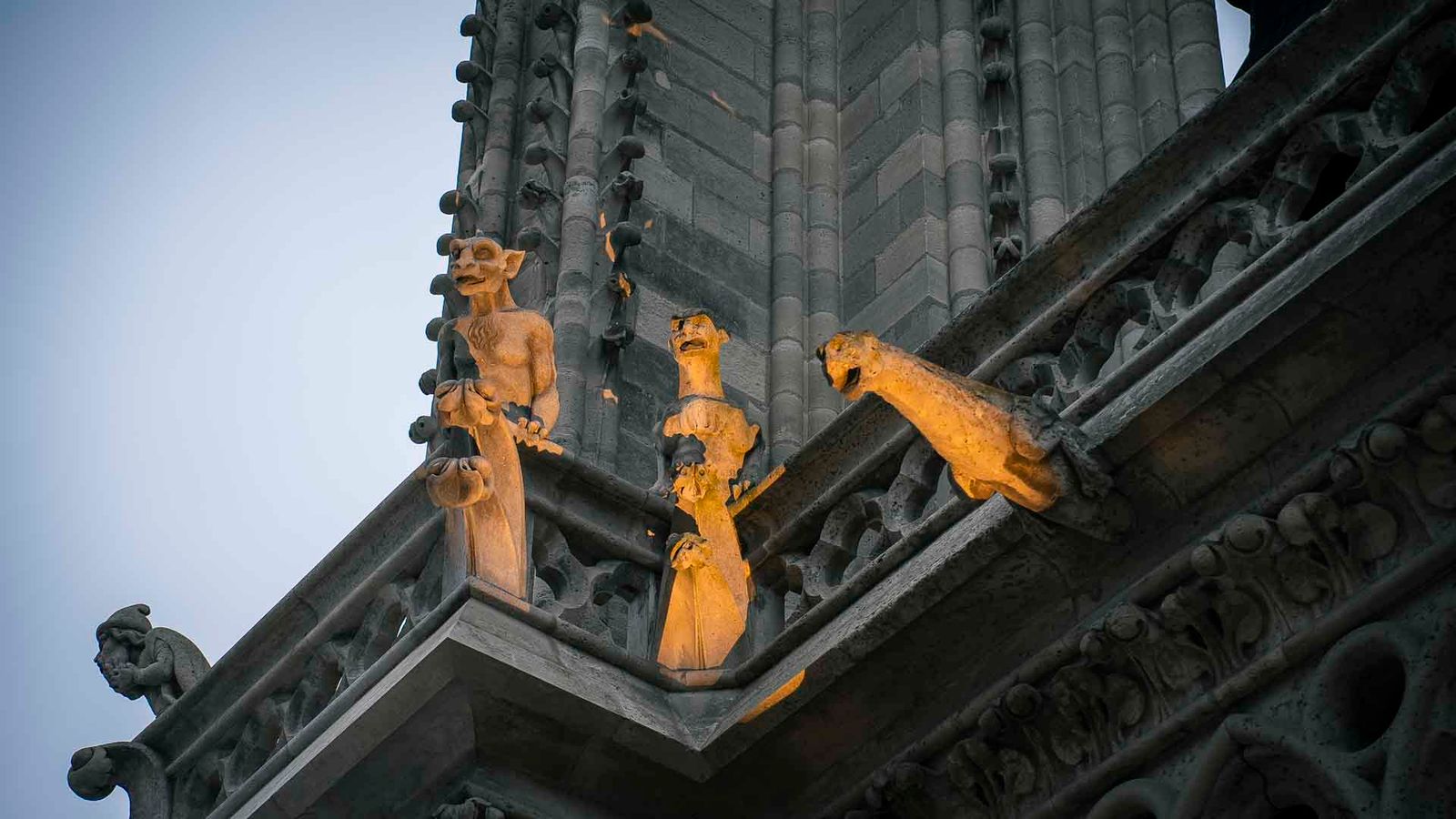


There is little doubt that Notre-Dame de Paris altered the cathedral’s fate. Hugo transformed neglect into concern and concern into action. The building survived because it became emotionally and culturally indispensable.
Hugo’s novel continues to shape how Notre-Dame is perceived, reinforced by adaptations in theater, film, and music. When the cathedral burned in 2019, the global response echoed the awakening sparked in 1831.
Notre-Dame still stands because one writer made its loss unacceptable. Victor Hugo demonstrated that words can preserve stone, and that imagination can protect history.