Bonjour, fellow travelers and art aficionados!
I’m thrilled to take you on an extraordinary journey through one of Paris’ most captivating landmarks—the Musée d’Orsay. This isn’t merely a museum; it’s a living, breathing testament to Paris’s rich history and artistic heritage.
Buckle up, because we’re about to travel back in time!

The Grand Beginnings: Gare d’Orsay
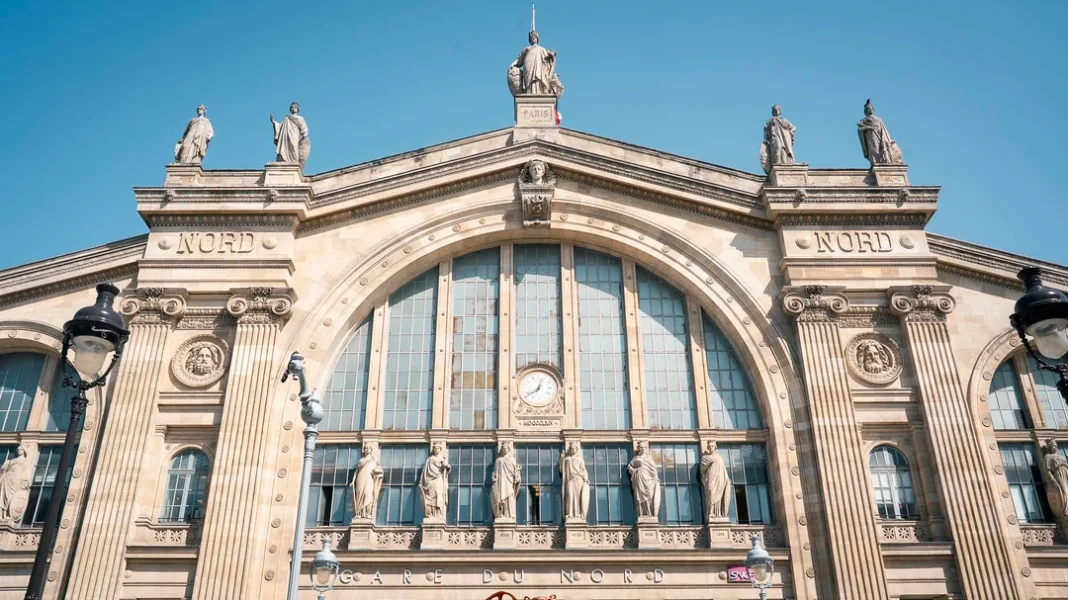
Our story begins in the heart of the Belle Époque. Paris was preparing for the 1900 Exposition Universelle, a world’s fair that would showcase the pinnacle of human achievement. The city needed a new railway station to greet visitors arriving from the southwestern regions of France. Enter the Gare d’Orsay, an architectural marvel designed by Victor Laloux. Completed in 1900, this Beaux-Arts masterpiece was a symbol of modernity, featuring an innovative iron and glass train shed hidden behind an elegant stone facade.
Imagine the excitement of that era—electric trains pulling into a station that looked more like a palace than a transportation hub. The Gare d’Orsay was not just a station; it was a gateway to the wonders of Paris.
A Bustling Hub of Activity
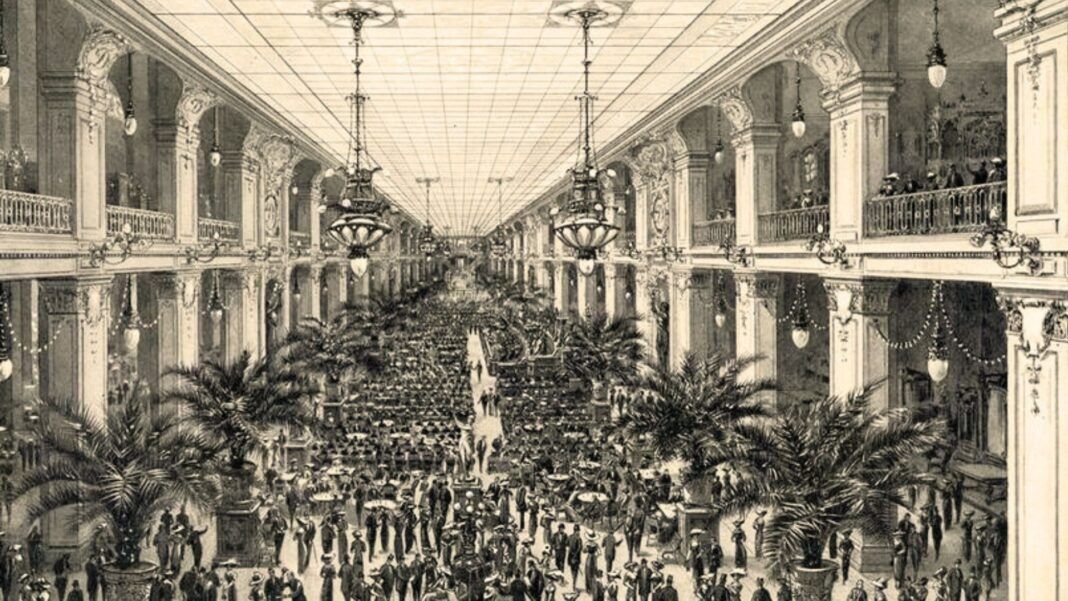
For nearly 40 years, the Gare d’Orsay thrived as a bustling center of travel and commerce. Picture the scene: the rhythmic clatter of train wheels, the chatter of travelers, and the scent of fresh pastries wafting from nearby cafes. This station was the beating heart of Parisian life, connecting people and places with an efficiency that was ahead of its time.
However, by 1939, the station’s platforms had become too short for the longer trains that were now in use, and the Gare d’Orsay ceased its operations as a mainline station. But this was far from the end of its story.
Wartime and Cinematic Roles
During World War II, the Gare d’Orsay served as a mailing center for packages sent to prisoners of war—a poignant chapter in its history. Post-war, the building found new life in unexpected ways. It became a temporary hotel for the homeless and even served as a set for Orson Welles’ 1962 film adaptation of Franz Kafka’s “The Trial.” Imagine walking through these historic halls, knowing that they once echoed with the footsteps of film crews and actors.
The Threat of Demolition
By the 1970s, the Gare d’Orsay had fallen into disrepair, and there were serious discussions about demolishing it. But Parisians, ever the protectors of their cultural heritage, saw potential where others saw decay. The French government decided to save this architectural gem and repurpose it as a museum. The vision was to create a space dedicated to art from 1848 to 1914, bridging the chronological gap between the Louvre and the Centre Pompidou.

The Birth of the Musée d’Orsay
Transforming a railway station into a museum was a monumental task. Architects Pierre Colboc, Renaud Bardon, and Jean-Paul Philippon won the competition to redesign the space, with Italian architect Gae Aulenti tasked with the interior design. They preserved the building’s stunning Beaux-Arts facade while creating a modern museum space within. After years of meticulous work, the Musée d’Orsay opened its doors on December 1, 1986.

A Treasure Trove of Art
Today, the Musée d’Orsay is celebrated for its extensive collection of Impressionist and Post-Impressionist masterpieces. Here, you’ll find iconic works by Monet, Van Gogh, Degas, and Renoir, among others. Each painting tells a story, capturing the light, color, and emotion of a transformative period in art history. But the museum’s treasures don’t stop at paintings. It also houses sculptures, decorative arts, and photography, offering a comprehensive view of artistic achievements from the late 19th and early 20th centuries.

Architectural Splendor
As you explore the Musée d’Orsay, take a moment to appreciate its architectural splendor. The grand clock, a remnant of its railway past, offers a timeless view over the Seine. The vast, open spaces and the interplay of light and shadow create an atmosphere that is both awe-inspiring and intimate. It’s a perfect blend of history and modernity, a true testament to Paris’ ability to honor its past while embracing the future.
So, dear travelers and art lovers, if you find yourself in Paris, the Musée d’Orsay is an absolute must-visit. Trust me, you won’t want to miss it!
Until next time, happy travels and keep exploring!