On the northern edge of Paris, where the city’s noise fades into the hush of old forests, rises a monument so improbable that even the most seasoned travelers hesitate to believe what they see. It is not a château, though it looks like one. Nor is it a cathedral, though its dome soars nearly a hundred feet high. It is, in fact, a palace for horses.
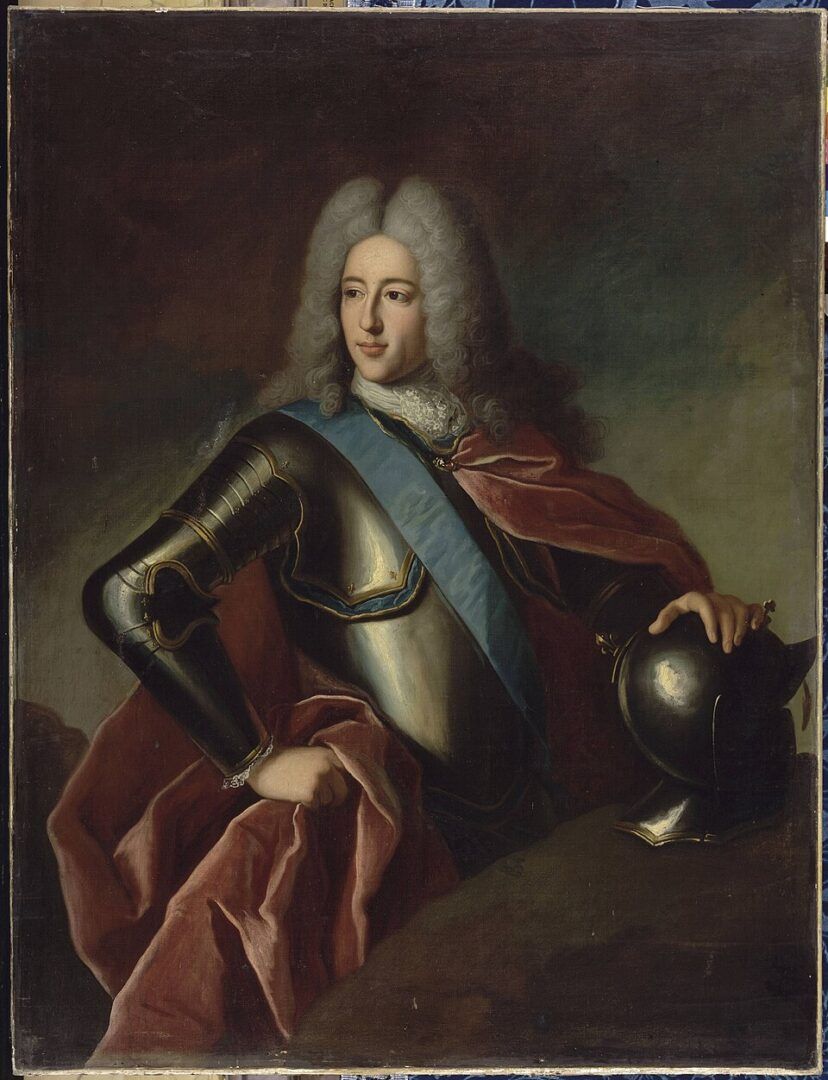
The Grandes Écuries of Chantilly, the Great Stables, were built in the early eighteenth century by Louis-Henri de Bourbon, seventh Prince of Condé. Obsessed with hunting, horses, and grandeur, the prince commanded his architect, Jean Aubert, to build an equestrian estate befitting a king. Between 1719 and 1735, Aubert raised what would become one of the largest and most lavish stables in Europe, a building so ornate and vast that Voltaire himself once joked it was “fit for princes, or their horses.”
“Louis-Henri wanted to impress Louis XV, and he succeeded,” said Nicole Garnier, chief curator of the Chantilly domain. “He built an architectural manifesto. These stables are not functional architecture. They are a declaration of power.”
The Legend of the Prince Who Would Be a Horse

Local legend insists the prince believed in reincarnation, that he would be reborn as a horse, and thus built a residence worthy of his future self. Historians smile at the story, but it endures, perhaps because the building itself seems to affirm it. Nearly two football fields long, carved in stone and crowned with a baroque dome, the Grandes Écuries shimmer with allegories of Diana the Huntress, garlands of trophies, and sculpted heads of horses and stags.


When completed, the stables could house 240 horses and as many as 500 hunting dogs. Grooms and pages lived above the animals in vaulted quarters, while the courtyard echoed each morning with the shuffle of hooves and the horns of the hunt. In the age of powdered wigs and royal hunts, this was not merely an outbuilding; it was theater, the stage for aristocratic ritual.


In those years, guests would dine beneath the great dome, their candlelight reflecting off the polished harnesses and gleaming coats of the animals tethered nearby. “It was an extraordinary idea,” said historian Éric Deschamps. “The prince received guests in the same space as his horses. It was a performance of dominance, beauty, and control.”
Silence After the Revolution
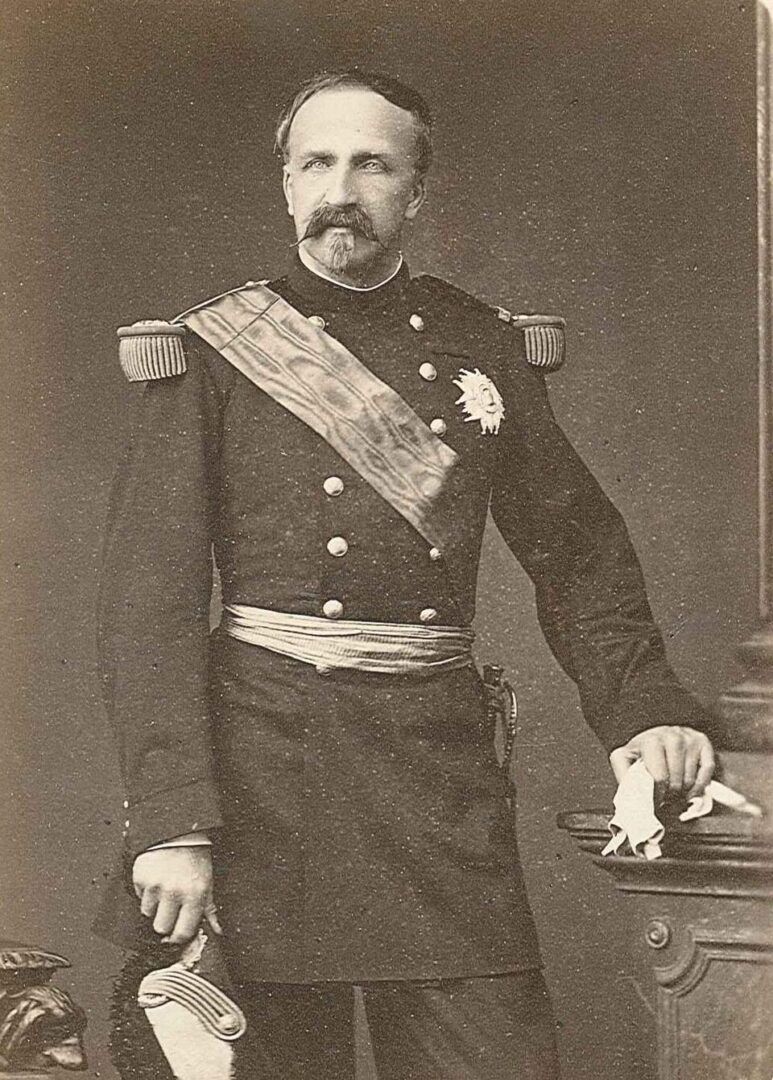
The French Revolution brought silence to Chantilly. The Condé family fled, the horses were requisitioned, and the stables were looted. For decades, the building languished. Then, in the nineteenth century, a new figure stepped into the story: Henri d’Orléans, Duke of Aumale, soldier, collector, and heir to the estate. The duke restored the château and its stables with a scholar’s devotion, filling them once more with horses, and later gifting the entire property to the Institut de France in 1886 on the condition that “nothing be moved, nothing sold.”
That act of preservation saved Chantilly from the fate of so many aristocratic relics. Today, three centuries after their construction, the Grandes Écuries remain astonishingly intact and alive.
The Living Heritage of Chantilly


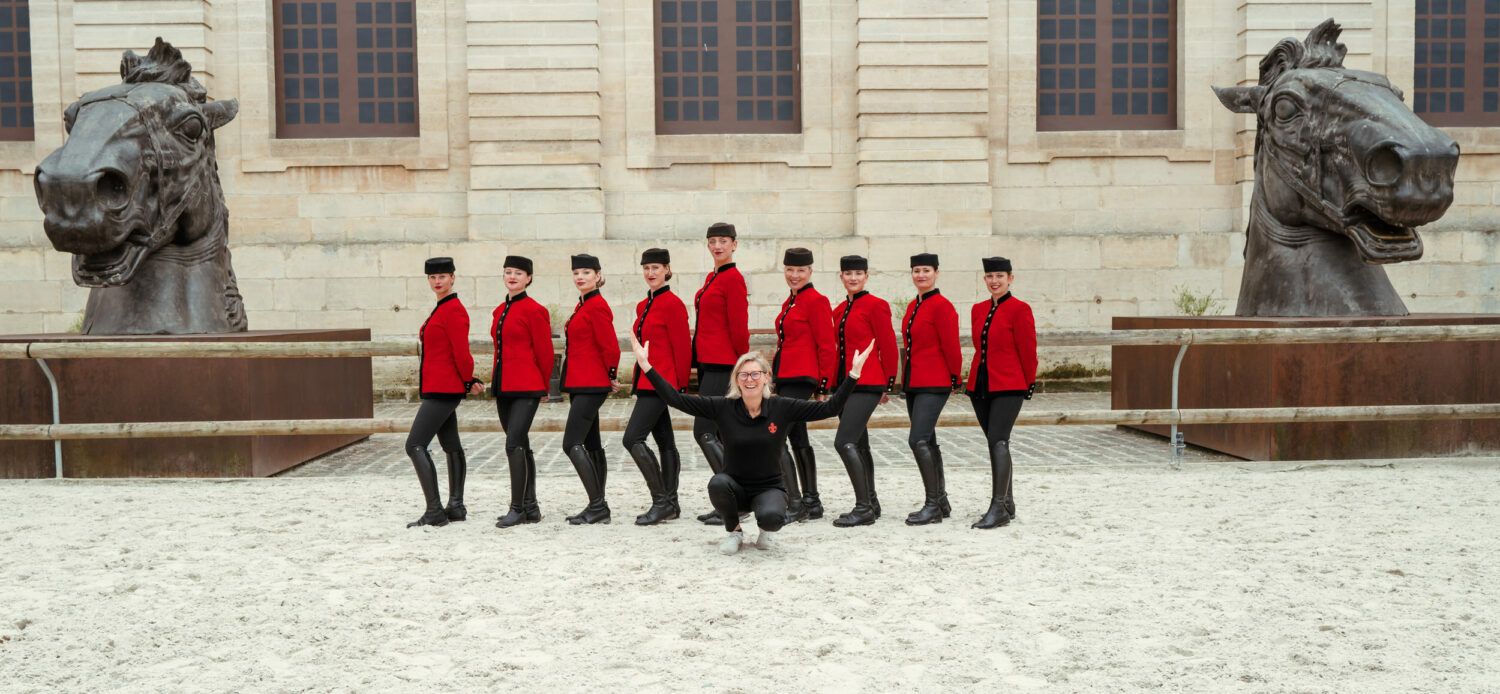
Inside the colonnaded wings, the smell of hay mingles with the faint musk of saddle leather. In the circular arena beneath the dome, a troupe of women riders, the Compagnie Équestre, rehearses a new show, their horses gliding in elegant half-passes to the rhythm of violins.
“I always say it’s not about tricks,” said Sophie Bienaimé, artistic director and daughter of the museum’s founder. “It’s about harmony. We work to make people forget the technique and feel the connection between horse and rider.”
Bienaimé, a rider and choreographer, has led the revival of Chantilly’s equestrian arts for more than twenty years. Each season, her team stages elaborate productions that blend haute école dressage, theater, and myth. Last spring’s creation, Totem, honored horse cultures from Mongolia to Andalusia, using light and movement to weave global traditions into the stone grandeur of Chantilly.
A Museum That Breathes


The performances unfold inside the very structure designed for the Condé princes. The audience sits where courtiers once stood, while the hoofbeats resound against the same limestone vaults that echoed with royal hunts three hundred years ago. “It’s a living museum,” Bienaimé said. “Our horses keep the spirit of the place alive.”
Beyond the spectacle, the Grandes Écuries house the Musée Vivant du Cheval, the Living Museum of the Horse, founded in 1982 and entirely renovated in 2013. Fifteen galleries trace the intertwined story of horse and humankind, from medieval jousts to modern equestrian sports. Saddles of velvet and silver share space with veterinary instruments and paintings by George Stubbs.


Visitors wander through these rooms in near-reverent silence, then step out into the courtyard where the neigh of a real horse brings history back to life. The contrast is striking: centuries of heritage still breathing, still moving.
Where Time Still Trots

When asked why this particular place continues to fascinate, Garnier paused. “Because it speaks to something timeless,” she said. “The bond between humans and horses built civilizations. Here, you can still feel that bond. It’s not nostalgia, it’s continuity.”
As dusk settles over Chantilly, the façade of the stables turns honey-gold, their domes glowing above the fields once crossed by royal hunts. Inside, a rider in a pale blue coat guides her Lusitano through a final pirouette. The horse exhales, the air steams, the rhythm slows.
In that moment, the centuries collapse into one another. The prince’s dream, absurd, audacious, magnificent, still stands, still alive with hoofbeats, as if time itself had learned to trot.