I didn’t plan to climb the towers of Notre-Dame that evening. That’s already a very Parisian sentence. I’d booked the ticket days earlier, yes, but in my head it was still abstract. Just another thing I “should” do. I live here. I pass the cathedral all the time. I thought I knew what I was getting into.
I didn’t.
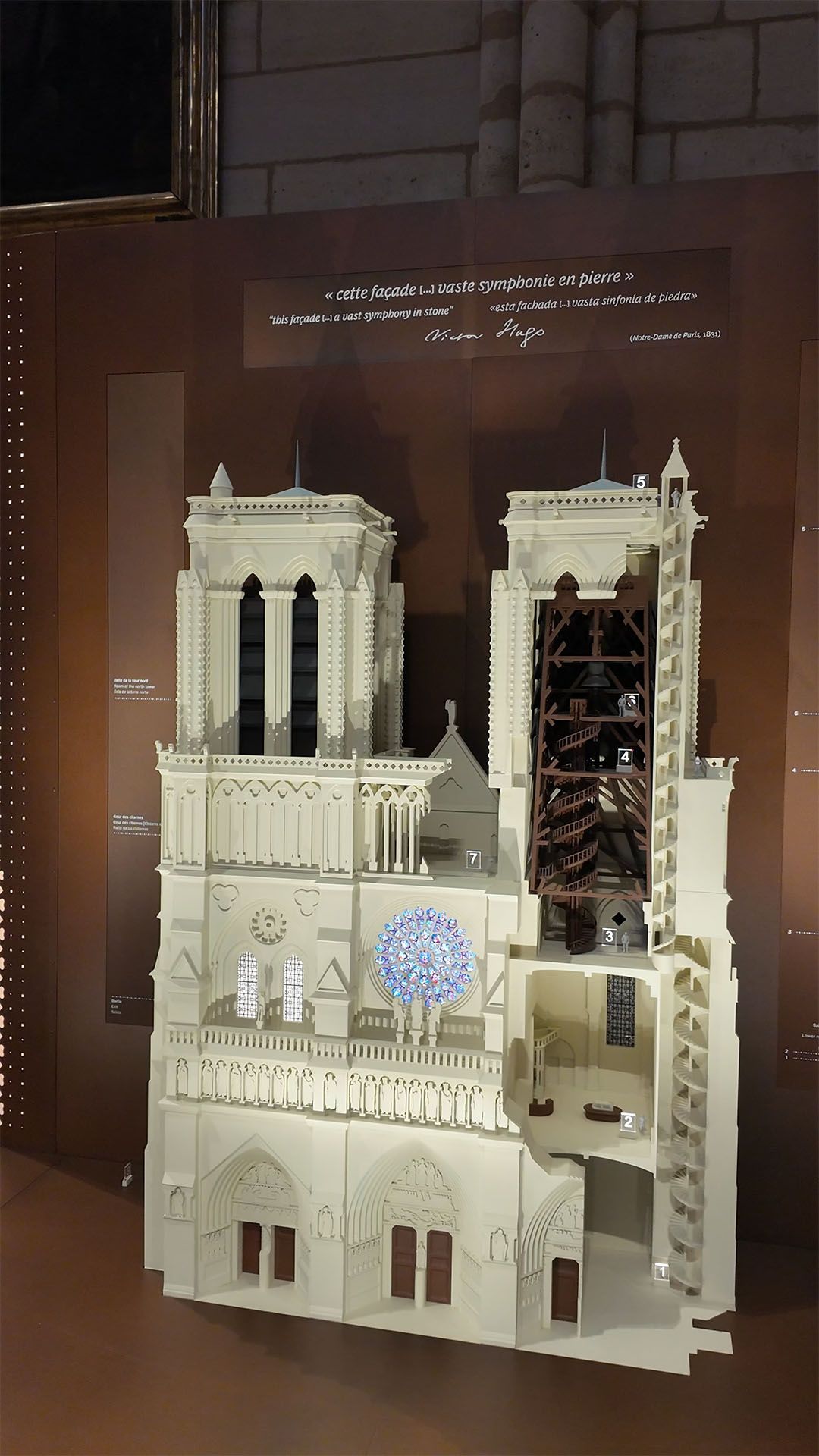
You enter through the South Tower. There’s no choice, and honestly, that feels right. The South Tower decides for you. Inside, the first room is calm. Too calm. Models, explanations, dates, a gentle introduction to the building’s history. You’re still relaxed. Your legs are still innocent.
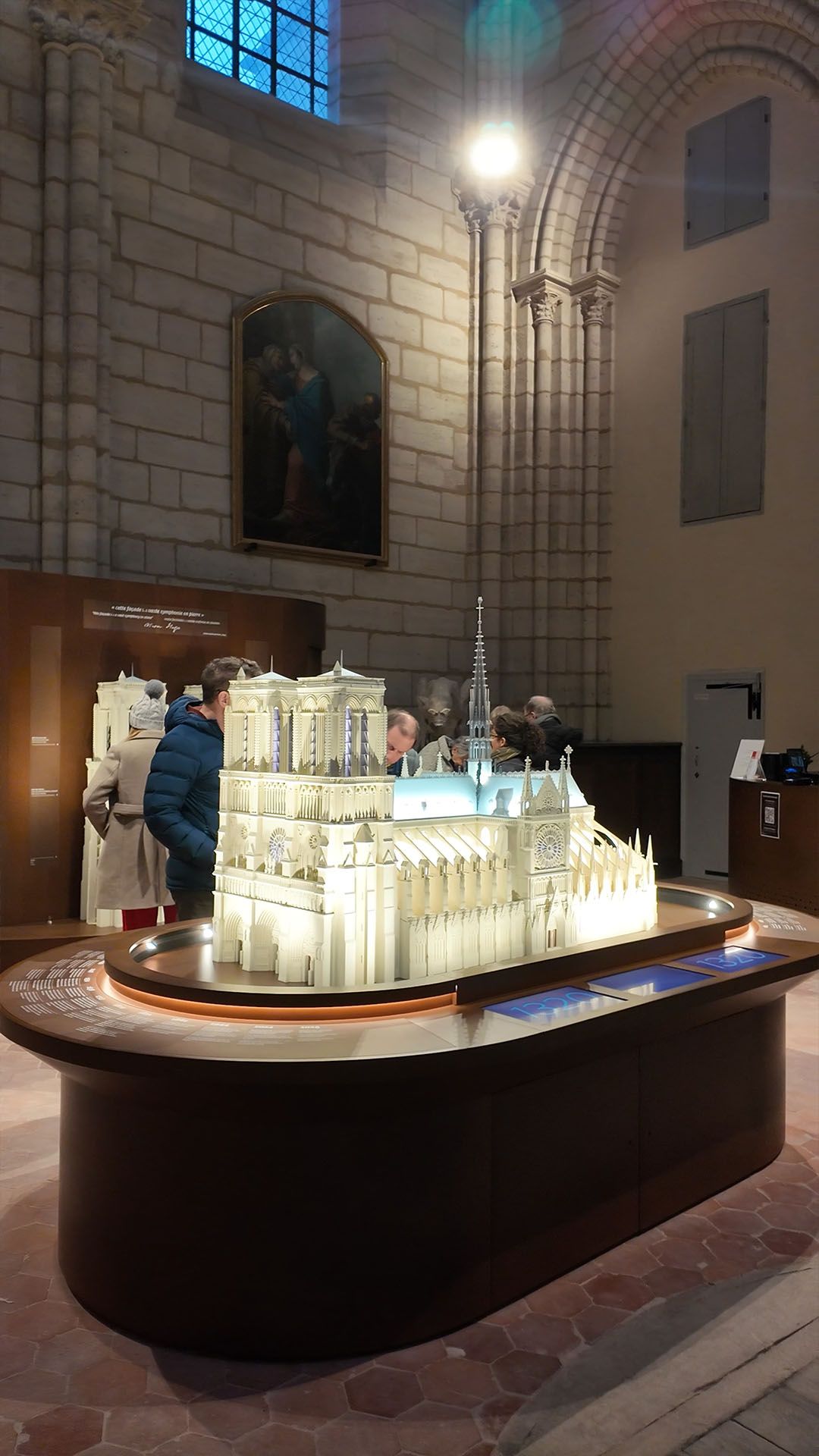
Then you start climbing.
The stairs are immediately narrow. Old. Uneven. You can tell they weren’t built for tourists in sneakers carrying phones and mild anxiety. After maybe five minutes, everyone goes quiet. Not because there’s a sign asking for silence, but because breathing becomes more important than conversation.
I stopped counting steps very quickly. I knew there were 424, but counting them felt like a personal attack. Instead, I counted landings. Small victories. Cold stone under my hand. A curve in the wall that thousands of hands have probably touched before mine.
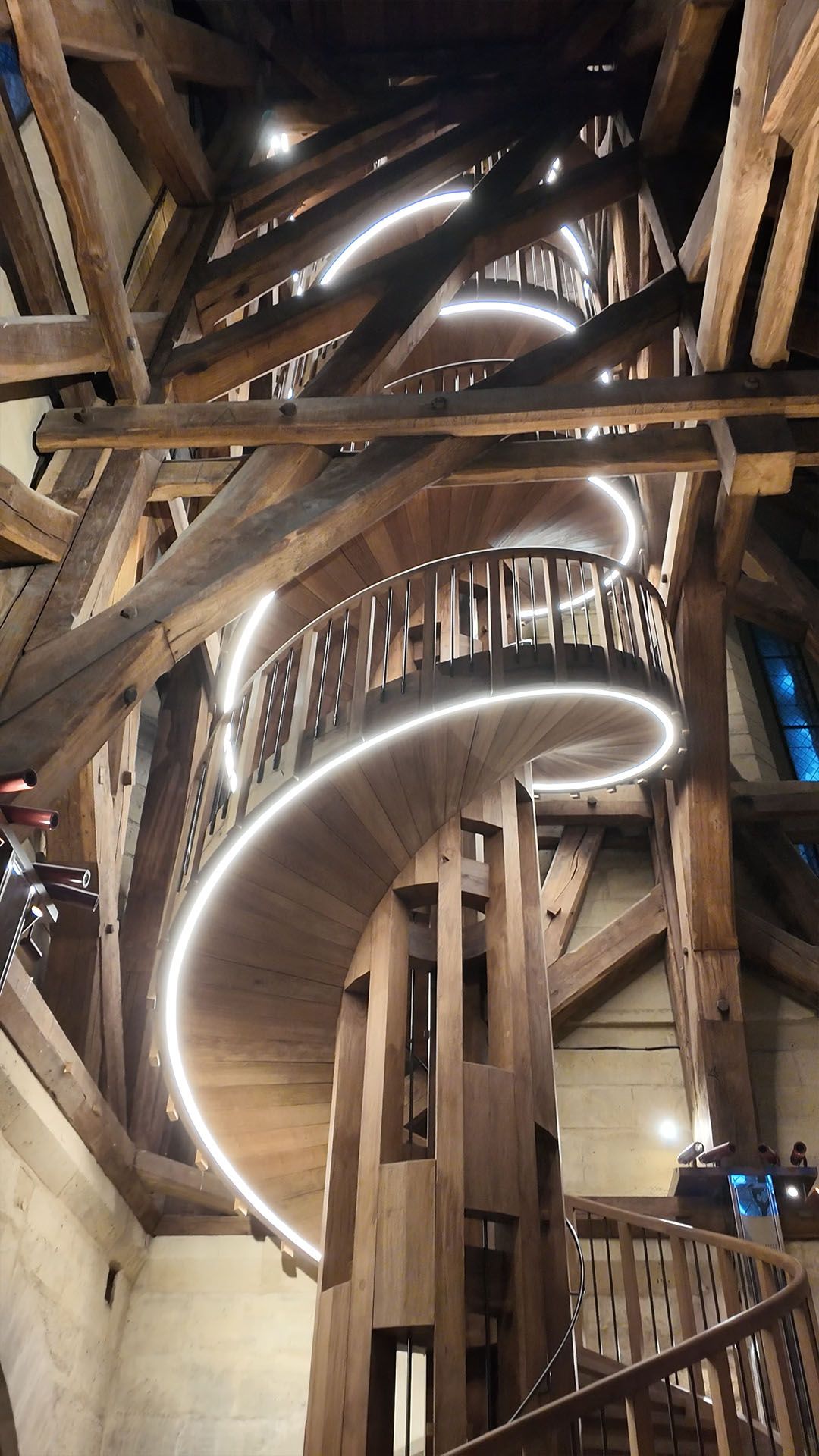
At some point, you reach the new wooden staircase. It’s impossible to miss. It feels different. Warmer. Smoother. Two spirals twisting around each other so people going up don’t crash into people going down. It’s practical, but it’s also beautiful, and you can tell someone thought very carefully about it. After all that stone, the wood feels almost emotional.
Then come the bells.
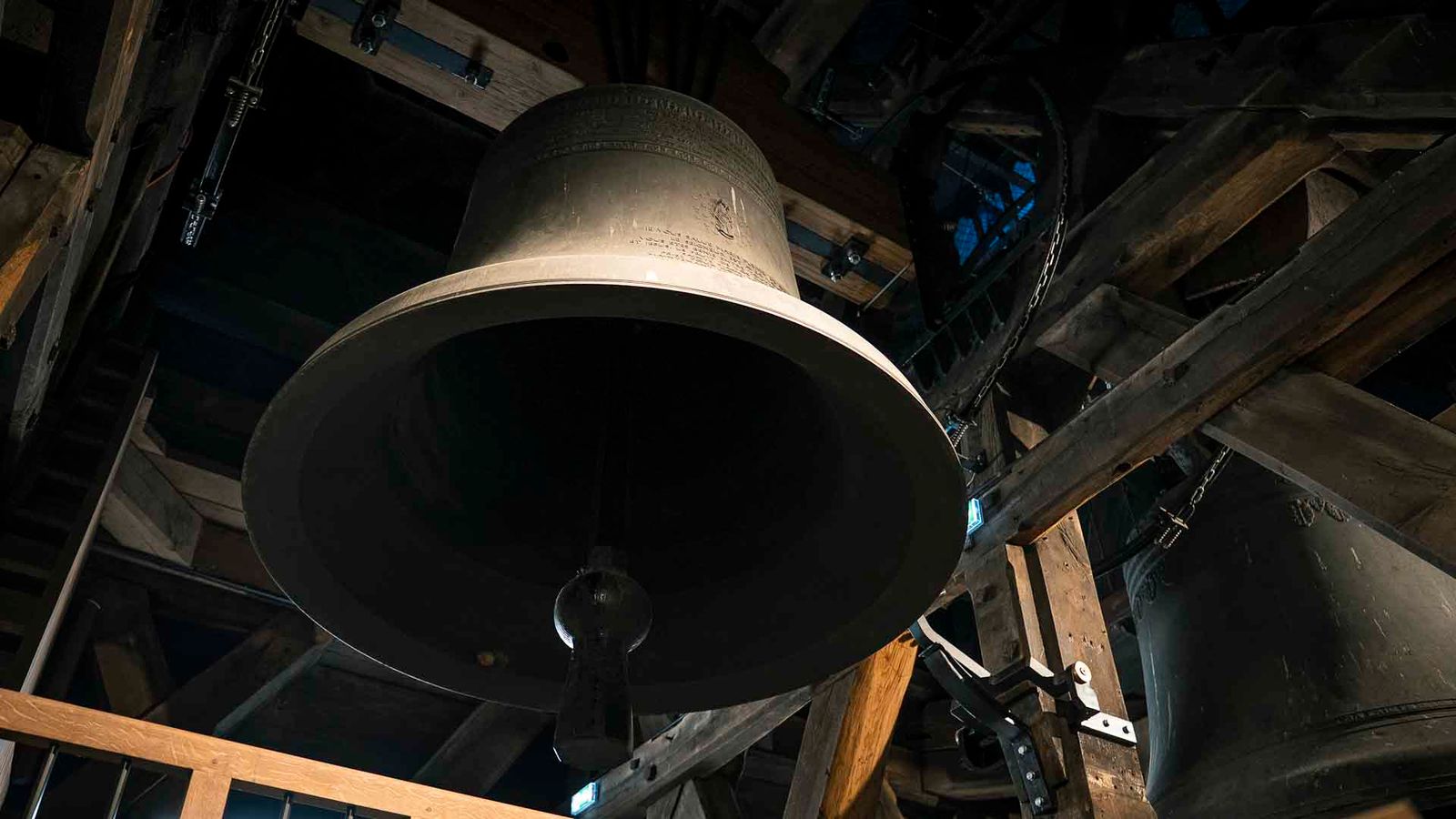
I wasn’t ready for how close you get to them. Emmanuel isn’t just big. It’s absurdly big. You stand there and your brain takes a second to understand scale. This thing has been ringing out over Paris for centuries. Revolutions, fires, celebrations, disasters. It’s all in there somehow. The bells survived the fire, and standing next to them, that fact hits harder than any plaque explaining it.
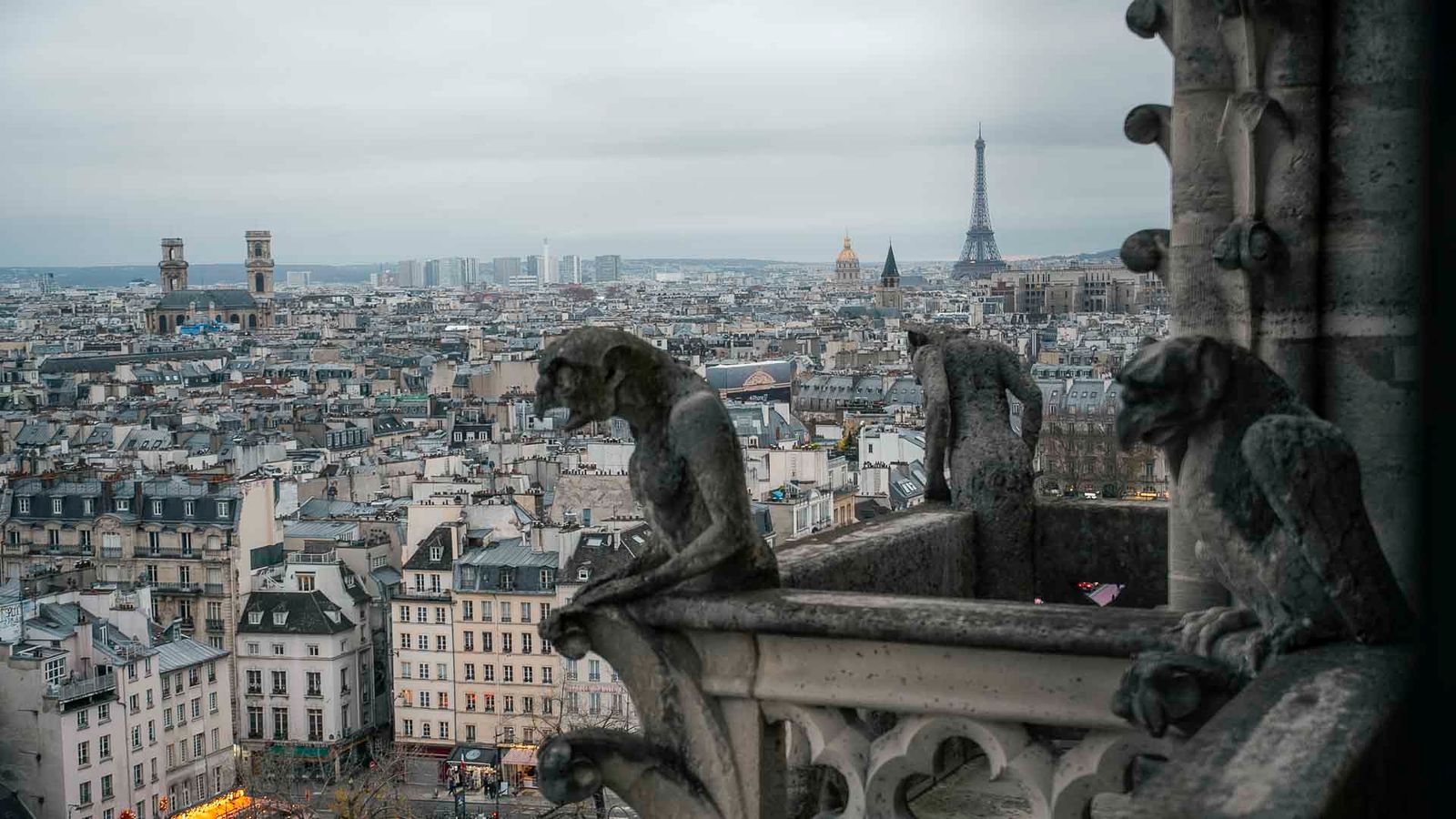
When you finally step outside, it’s quieter than I expected. The city is there, of course, spread out in every direction, but from that height it feels calmer. Slower. The Seine looks almost polite. The rooftops make sense from up there. You see patterns instead of chaos.
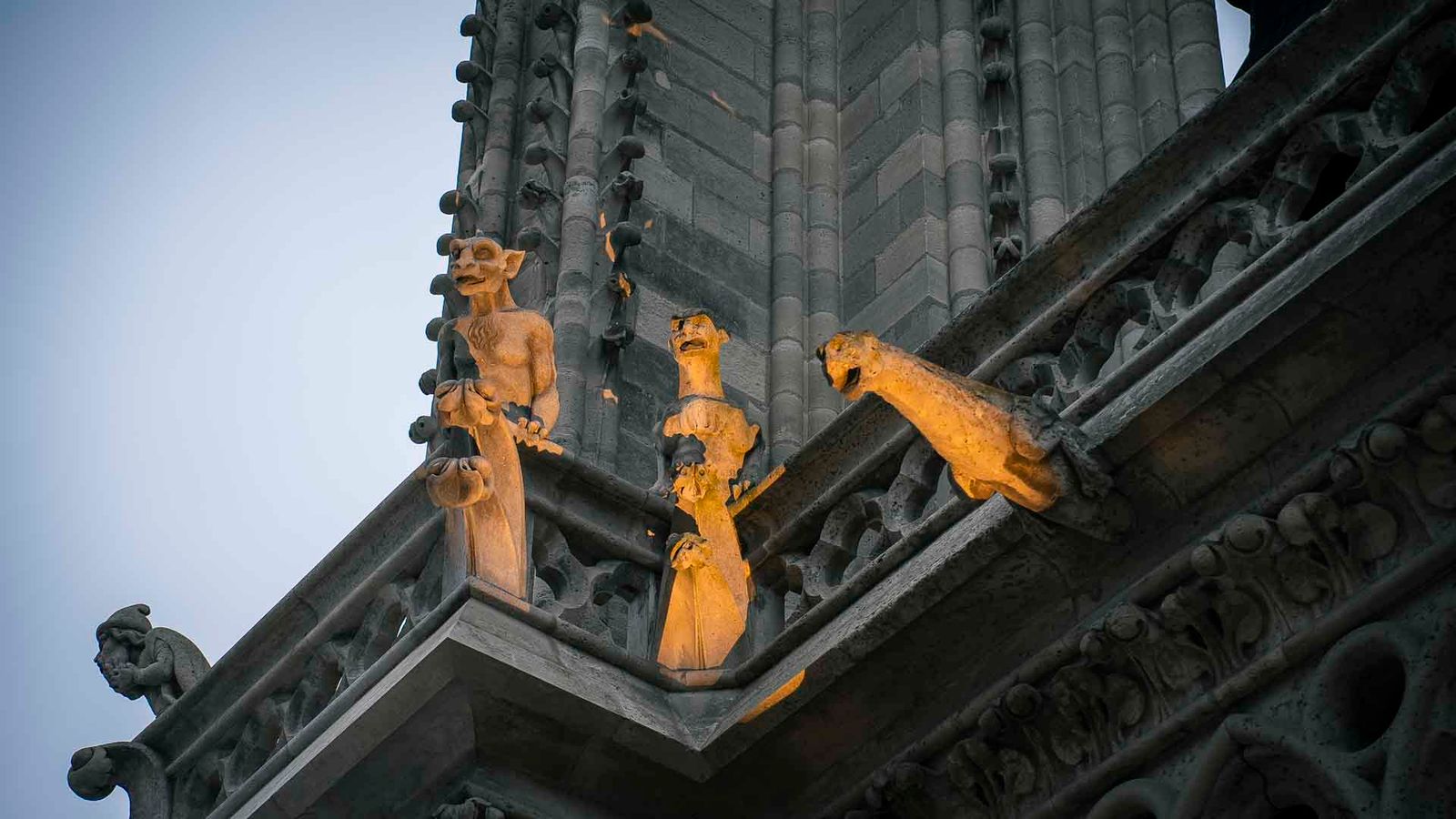
The chimères are right there too, staring outward, looking bored, like they’ve seen enough tourists gasping for air to last several lifetimes. Up close, they’re less dramatic than in photos. More ironic. More human, somehow.
Going back down is strange. Your legs shake a little, not from fear, just from effort. You notice things you missed on the way up. A slit of light. A rough patch of stone. A moment where you suddenly feel how thick the walls really are.
What surprised me most is how popular this kind of experience has become again. Not just Notre-Dame, but climbs, stairs, effort. People seem tired of frictionless travel. They want something physical. Something that leaves a trace in the body. The towers fit perfectly into that shift. You don’t consume them. You negotiate with them.
By the time I stepped back onto Île de la Cité, my legs were done and my head was quiet. That doesn’t happen often in Paris.
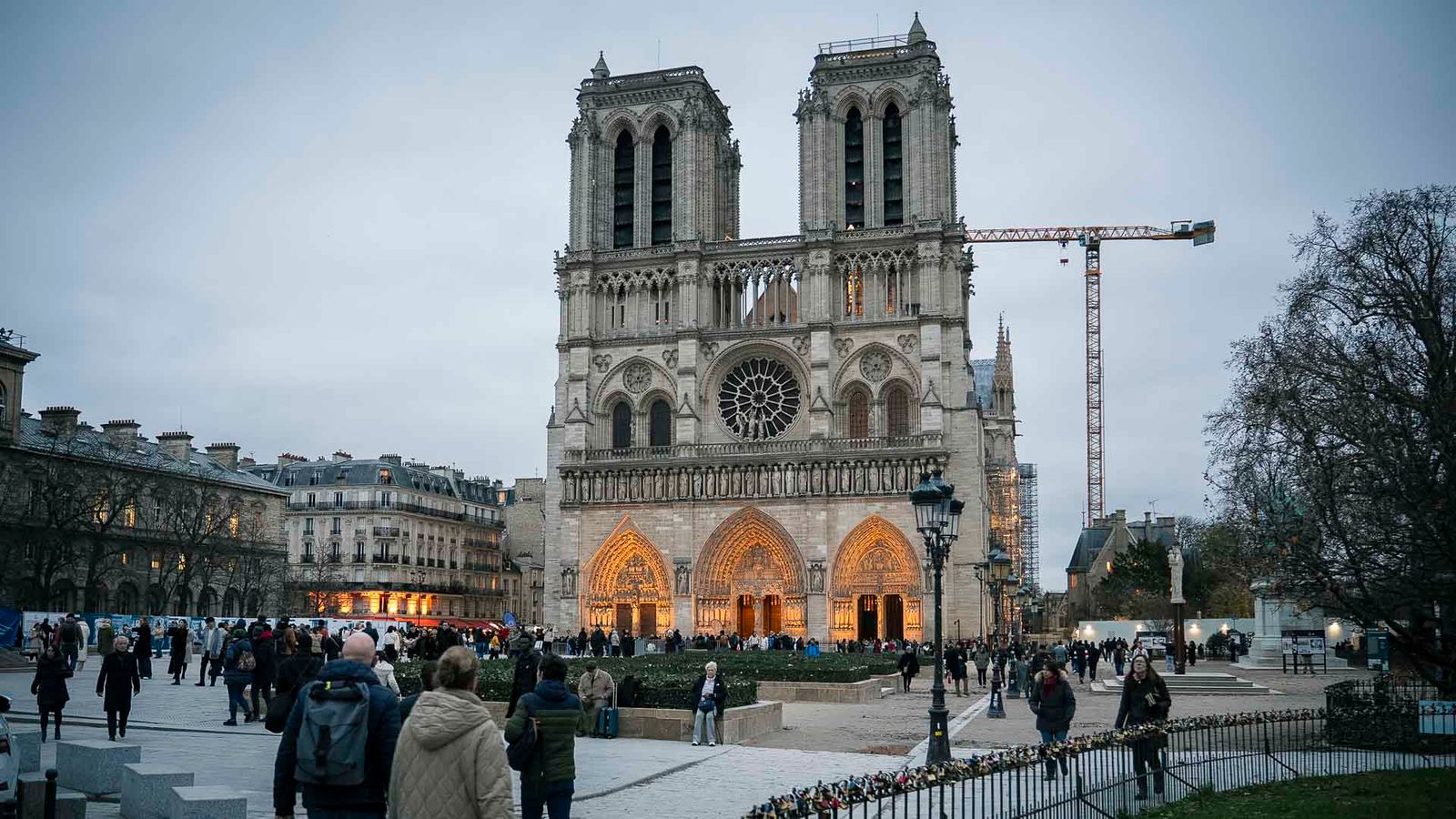
I’ve lived in Paris a long time. This made me see it differently. From above, yes, but also from inside. That’s rarer than it sounds.
Practical Information (The Part You’ll Be Glad You Read)
– Access: Only the South Tower is open to visitors, and tickets must be booked in advance on the official website. There are limited daily slots. Tickets cost €16.
– Steps: 424 stairs. No elevator. No exceptions.
– Time needed: Plan around 45 minutes to one hour, depending on crowd flow and how often you stop.
– Physical level: Moderate to demanding. If you’re claustrophobic or have knee issues, think carefully.
– Best time to go: Early morning or late afternoon for softer light and fewer people.
– What to bring: Comfortable shoes, water, and patience. Leave large bags behind.
– Worth it? Absolutely. But only if you’re willing to work for it.