Most travellers pass through train stations without noticing them. Villejuif–Gustave Roussy is different. People go there on purpose.
Located just south of Paris, this metro station on Line 14 was named the most beautiful train station in the world in 2025 by the Prix Versailles, a respected international architecture prize awarded under the patronage of UNESCO. It is an unusual title for a suburban metro stop, and that’s exactly why it has attracted attention far beyond Île-de-France.
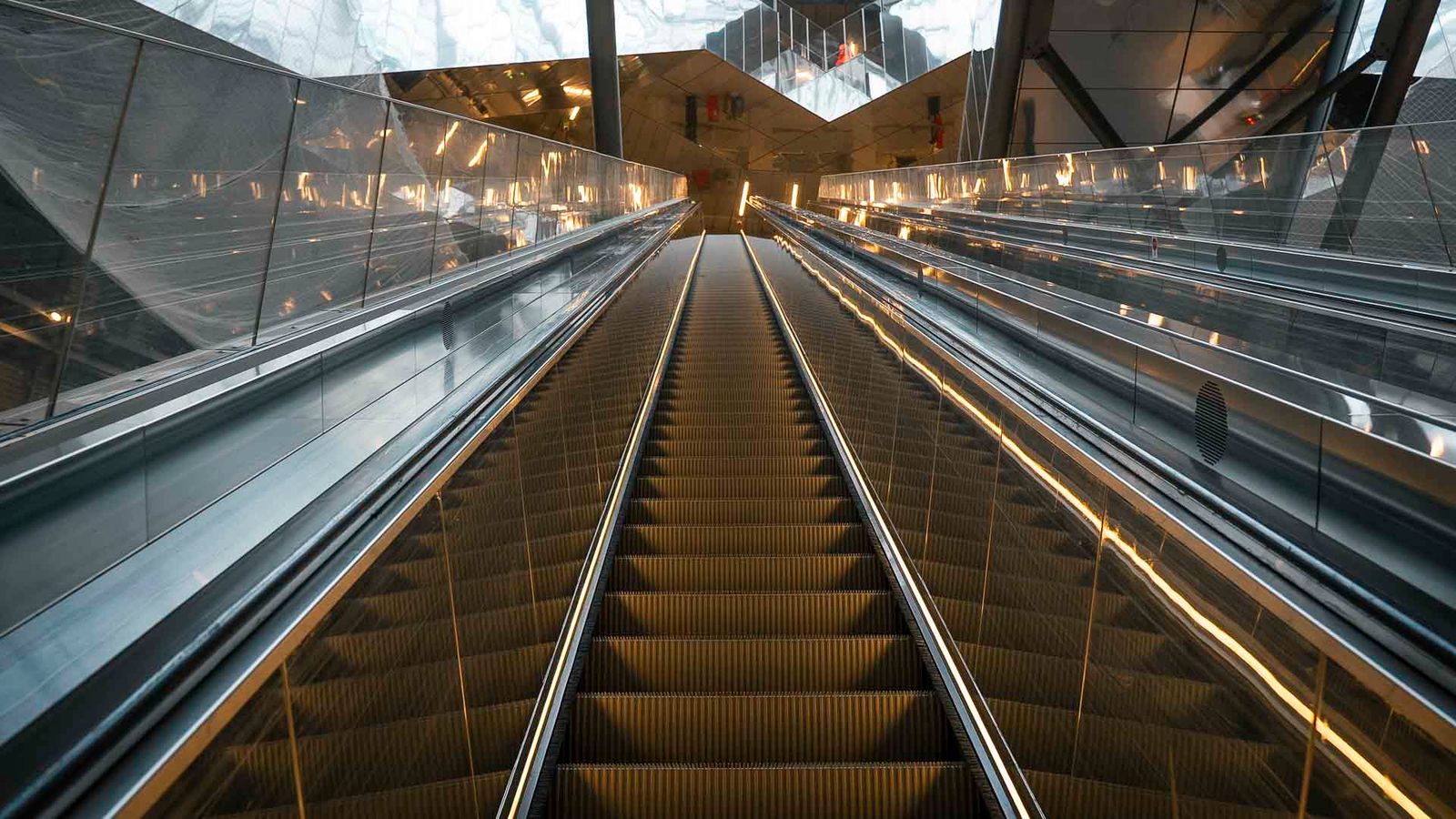
From the street, nothing prepares you for what’s below. The entrance opens onto a vast circular space, cut deep into the ground. A glass roof sits at the top, allowing daylight to travel nearly fifty metres down to the platforms. Instead of descending into darkness, passengers move through light.
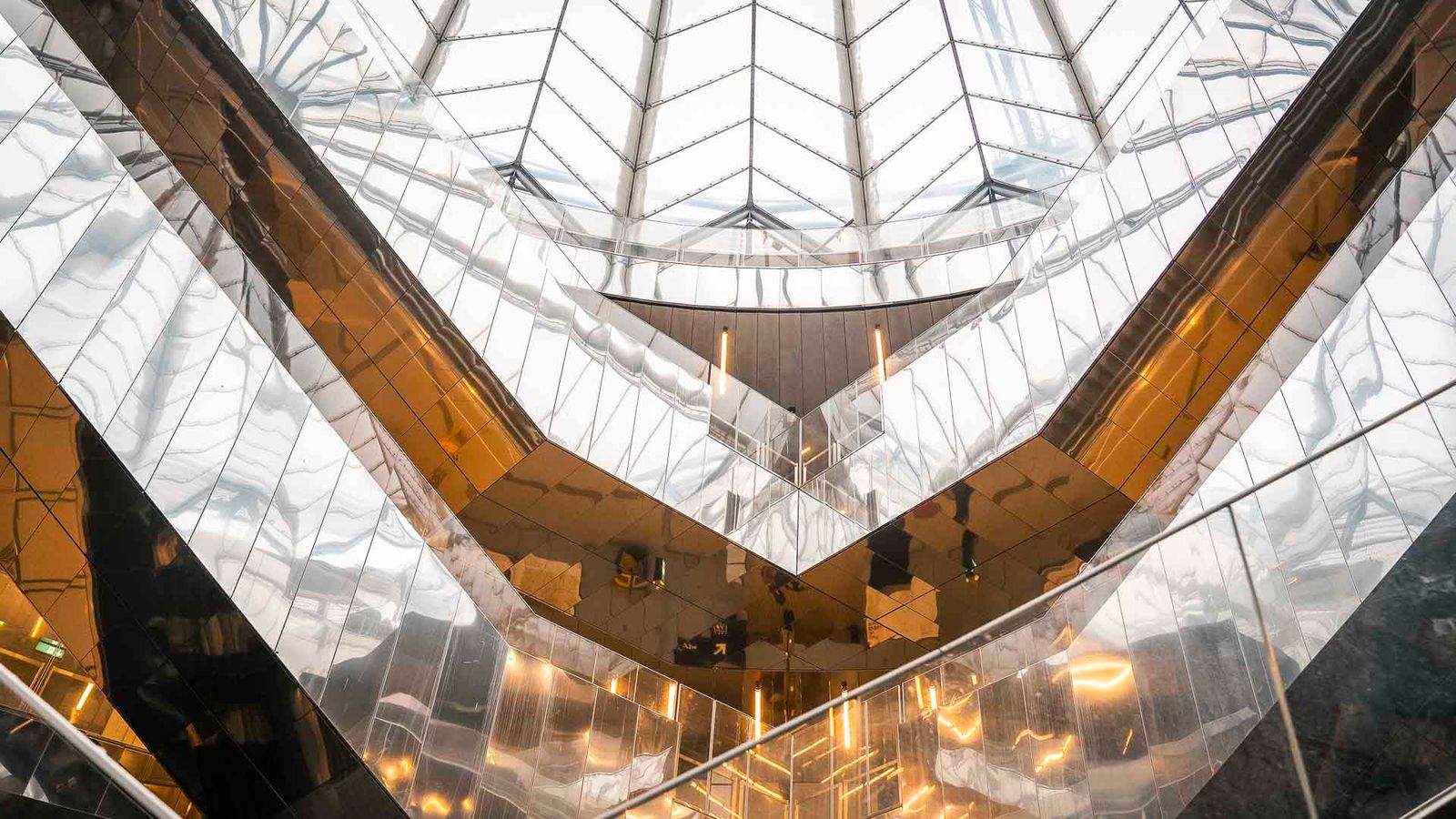
The station was designed by French architect Dominique Perrault, known for the Bibliothèque nationale de France. Here, his idea was simple: if a station has to be deep underground, it should feel open rather than enclosed. Stainless steel surfaces reflect natural light, changing subtly throughout the day. The effect is calm, almost quiet, rare qualities in a major transport hub.
At the centre of the station is a large-scale artwork created with Chilean artist Iván Navarro. It functions as a solar clock, using light to mark the passage of time. It’s not something most commuters stop to analyse, but it contributes to the atmosphere, this sense that the space was designed, not just engineered.
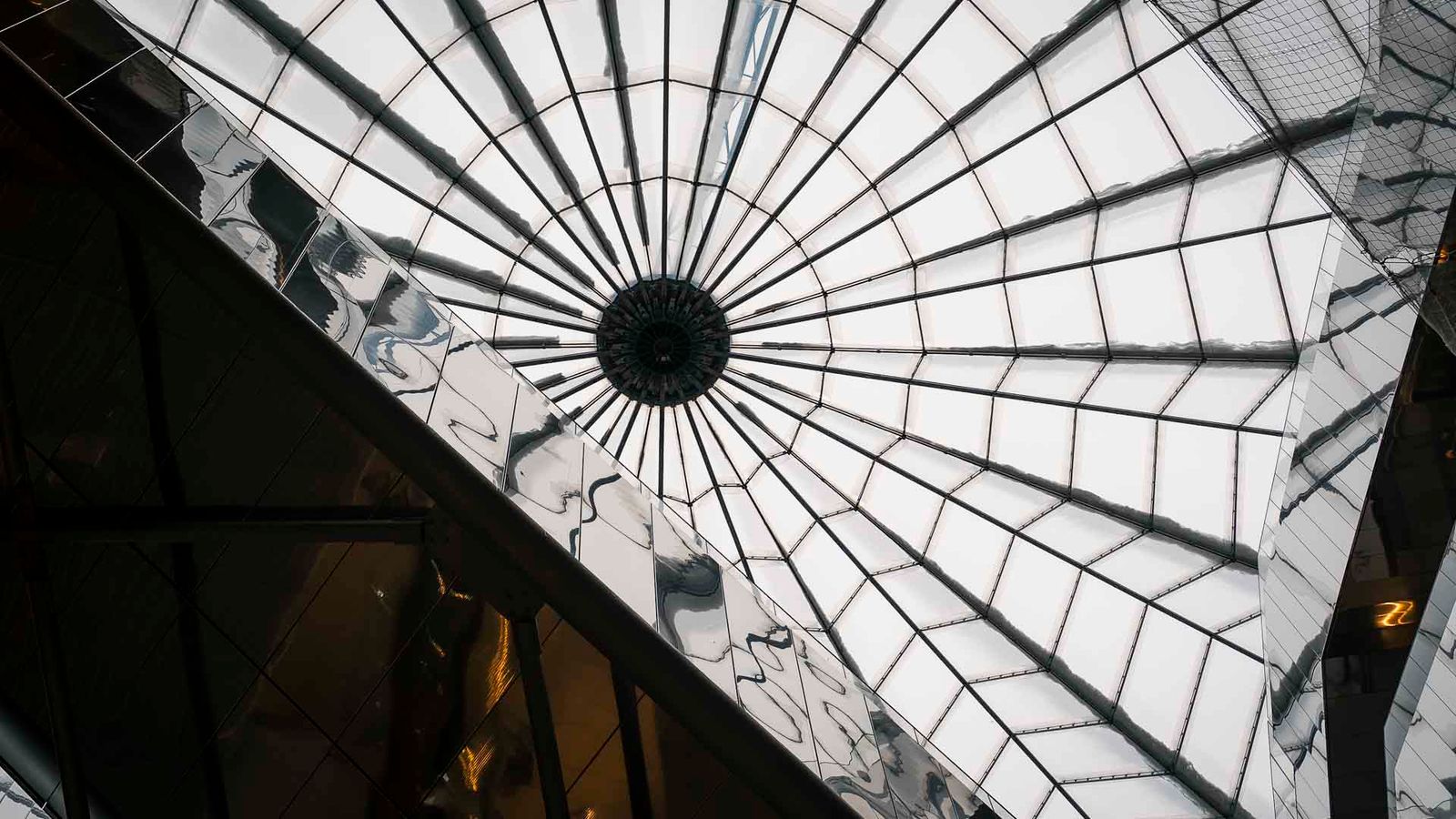
Villejuif–Gustave Roussy is one of the deepest metro stations in France, built as part of the Grand Paris Express, the largest transport project currently underway in Europe. The station is equipped with long escalators, panoramic lifts and wide circulation areas, designed to handle heavy passenger flows while remaining fully accessible.
Its location is also significant. The station serves the Gustave Roussy Institute, Europe’s leading cancer research hospital. Every day, patients, families, medical staff and visitors pass through the station. The architecture avoids spectacle for its own sake; instead, it offers clarity, space and light, qualities that matter in a place like this.
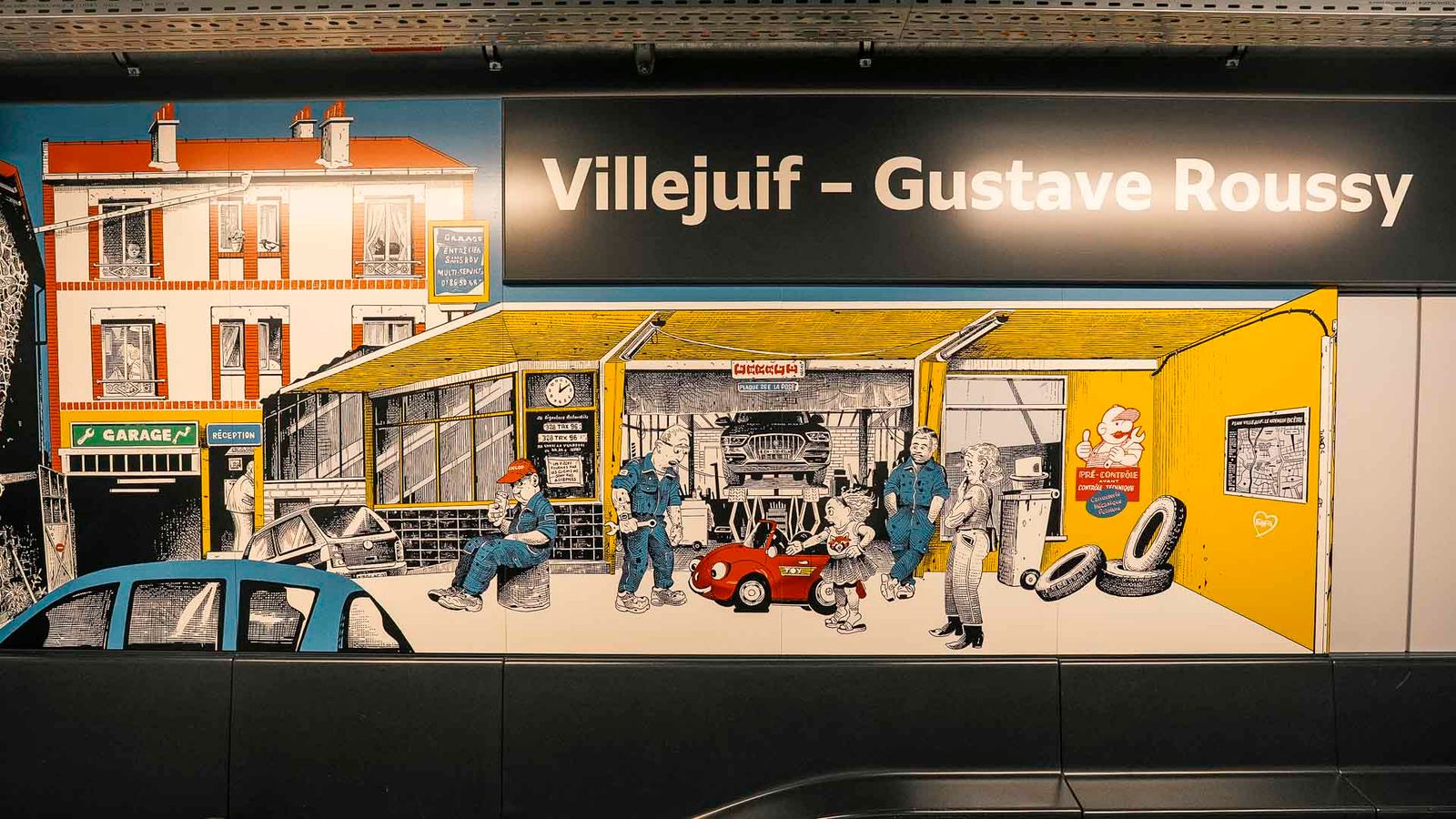
For visitors to Paris, the station has quietly become a destination. Architecture enthusiasts take Line 14 simply to see it. Photographers come for the geometry and natural light. Others stumble upon it by chance and leave surprised that a metro station left such a strong impression.
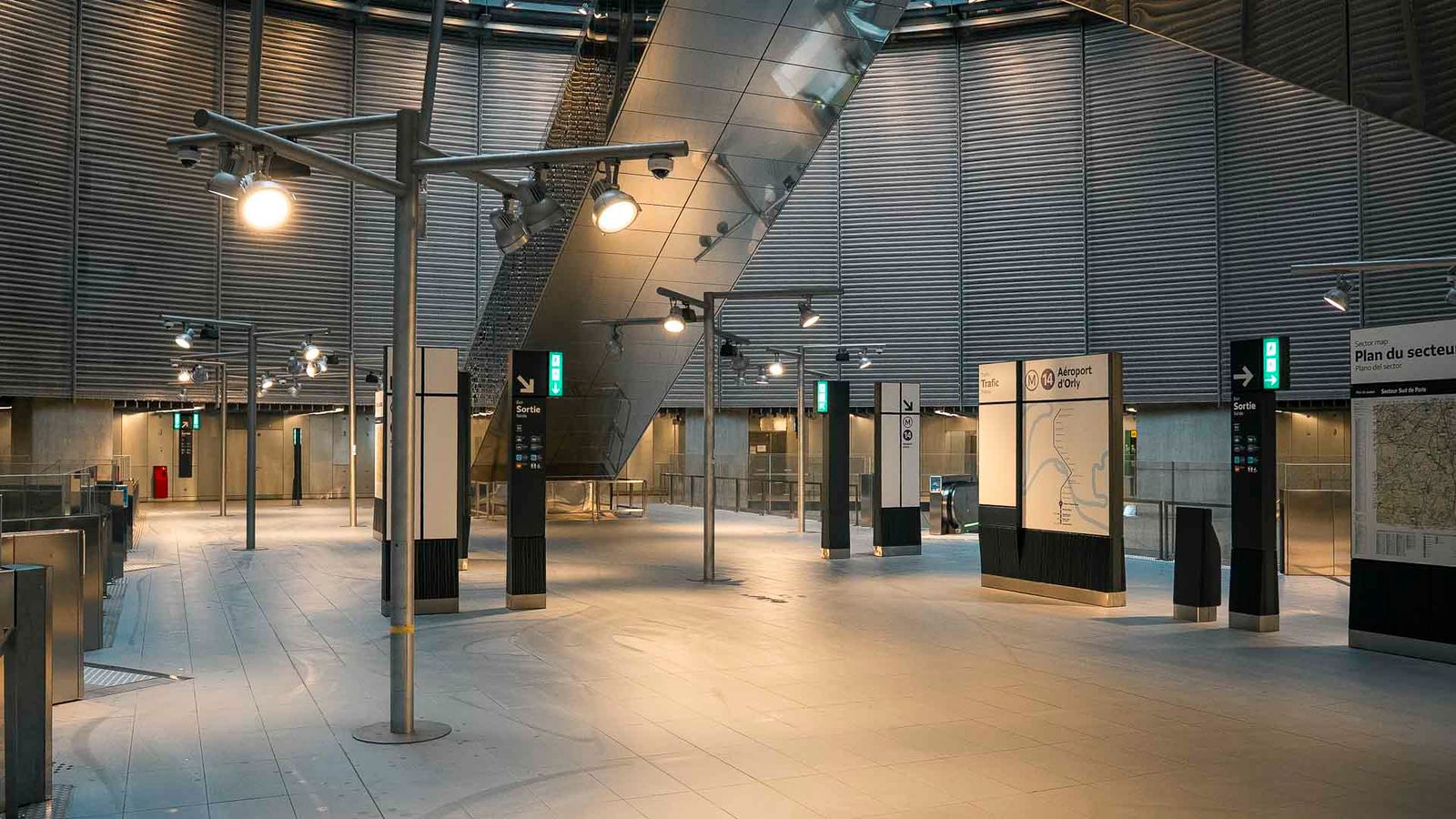
The Prix Versailles jury praised the station for showing how public infrastructure can be both functional and beautiful. But its success is also cultural. It challenges the idea that design excellence belongs only in city centres or historic landmarks. Here, in Villejuif, a daily transport space has been treated with the same care as a museum or cultural venue.
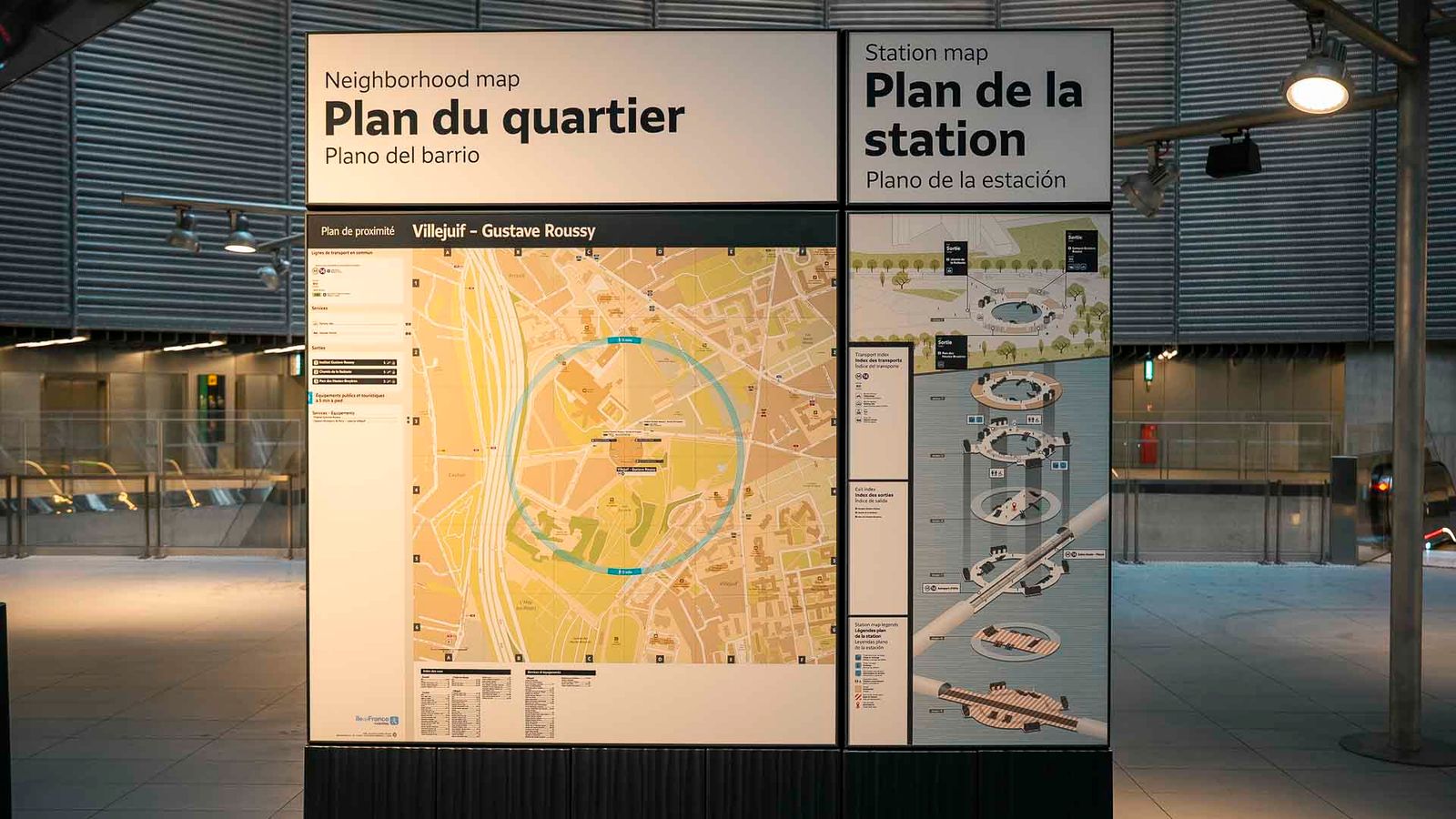
So if Line 14 takes you south of Paris, make a stop at Villejuif–Gustave Roussy and linger for a moment; it’s rare for a metro station to reward attention the way this one does.