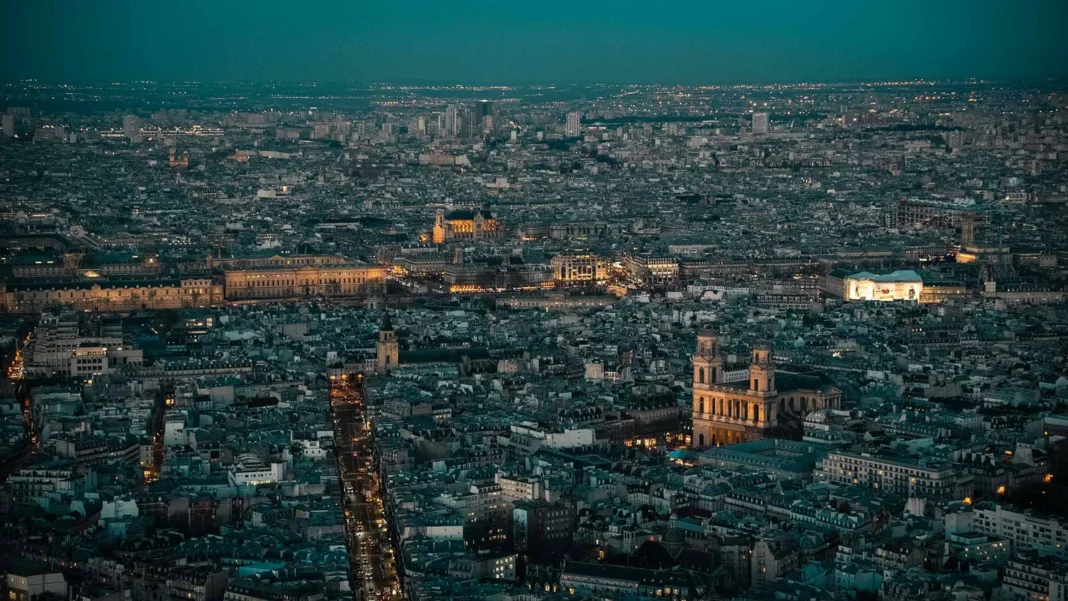
Determining the best time to visit Paris is crucial for a memorable experience. The ideal months to explore the city are from June to October, when the weather is often pleasant and outdoor activities abound. During these seasons, visitors can enjoy vibrant festivals, blooming gardens, and a lively atmosphere that enhances the charm of the city.
Each month offers unique experiences, making it essential for travelers to align their interests with Paris’s seasonal highlights. From summer art exhibitions to fall fashion events, the diverse opportunities increase enjoyment on any trip. This guide will help navigate through the options, ensuring a visit that caters to both personal preferences and the city’s offerings.

Overview of Paris Climate
Paris experiences a temperate oceanic climate, characterized by mild weather throughout the year. The seasons are distinct, each offering unique experiences for visitors.
Spring (March to May):
Temperatures start to rise. Days become longer, with average highs ranging from 13°C (55°F) in March to 20°C (68°F) in May. Spring features blooming flowers and numerous outdoor events.
Summer (June to August):
Summer brings warm weather, with average highs around 25°C (77°F). This is the peak tourist season, resulting in larger crowds at popular attractions. Occasional heatwaves can push temperatures above 30°C (86°F).
Autumn (September to November):
Temperatures gradually decline, averaging 18°C (64°F) in September and 10°C (50°F) in November. Autumn is a beautiful time to visit, with colorful foliage and fewer tourists compared to summer.
Winter (December to February):
Winters are cold, with average lows around 3°C (37°F). Snow is rare, but rain is common. Winter markets and holiday lights create a charming atmosphere.
Rainfall:
Paris sees moderate precipitation throughout the year, averaging about 640 mm (25 inches). The wettest months are May and June.
Visitors should pack accordingly, keeping in mind that the climate can influence travel plans and outdoor activities.
Seasonal Highlights
Paris offers unique experiences throughout the year, with each season bringing its own charm and character. Visitors can enjoy vibrant blooms in spring, lively events in summer, colorful foliage in fall, and cozy atmospheres in winter.
Spring in Paris
Spring, from March to May, is a beautiful time to explore Paris. The city comes alive with blooming flowers and mild temperatures. Parks and gardens, such as the Jardin des Tuileries and the Luxembourg Garden, showcase vibrant floral displays.
Cultural events, like the Paris Book Fair in March, attract literature lovers. Visitors also enjoy outdoor cafés as locals emerge after winter. Spring is particularly great for sightseeing, as iconic landmarks like the Eiffel Tower are less crowded than in summer.
Summer in Paris
Summer, which spans from June to August, marks peak tourist season in Paris. The city becomes a bustling hub of activity, featuring numerous festivals and events, including Bastille Day celebrations on July 14.
Visitors can enjoy Paris Plage, where the banks of the Seine transform into a lively beach atmosphere. Although temperatures can rise, many Parisian attractions extend their hours, allowing for late-night exploration.
However, travelers should be prepared for larger crowds at popular attractions and a higher demand for accommodations.
Fall in Paris
Fall, from September to November, showcases breathtaking foliage as the leaves change color. The city’s parks, particularly the Bois de Vincennes and Parc des Buttes-Chaumont, provide stunning backdrops for leisurely strolls.
Cultural events abound, including the Montmartre Wine Harvest Festival in October. This season also features smaller crowds, allowing for a more intimate Paris experience. Fall is perfect for savoring seasonal dishes in cozy bistros, where traditional French cuisine shines.
Winter in Paris
Winter, from December to February, offers a quieter charm to Paris. The city transforms with festive lights and decorations, especially during the holiday season. Visitors can explore charming Christmas markets scattered throughout various neighborhoods.
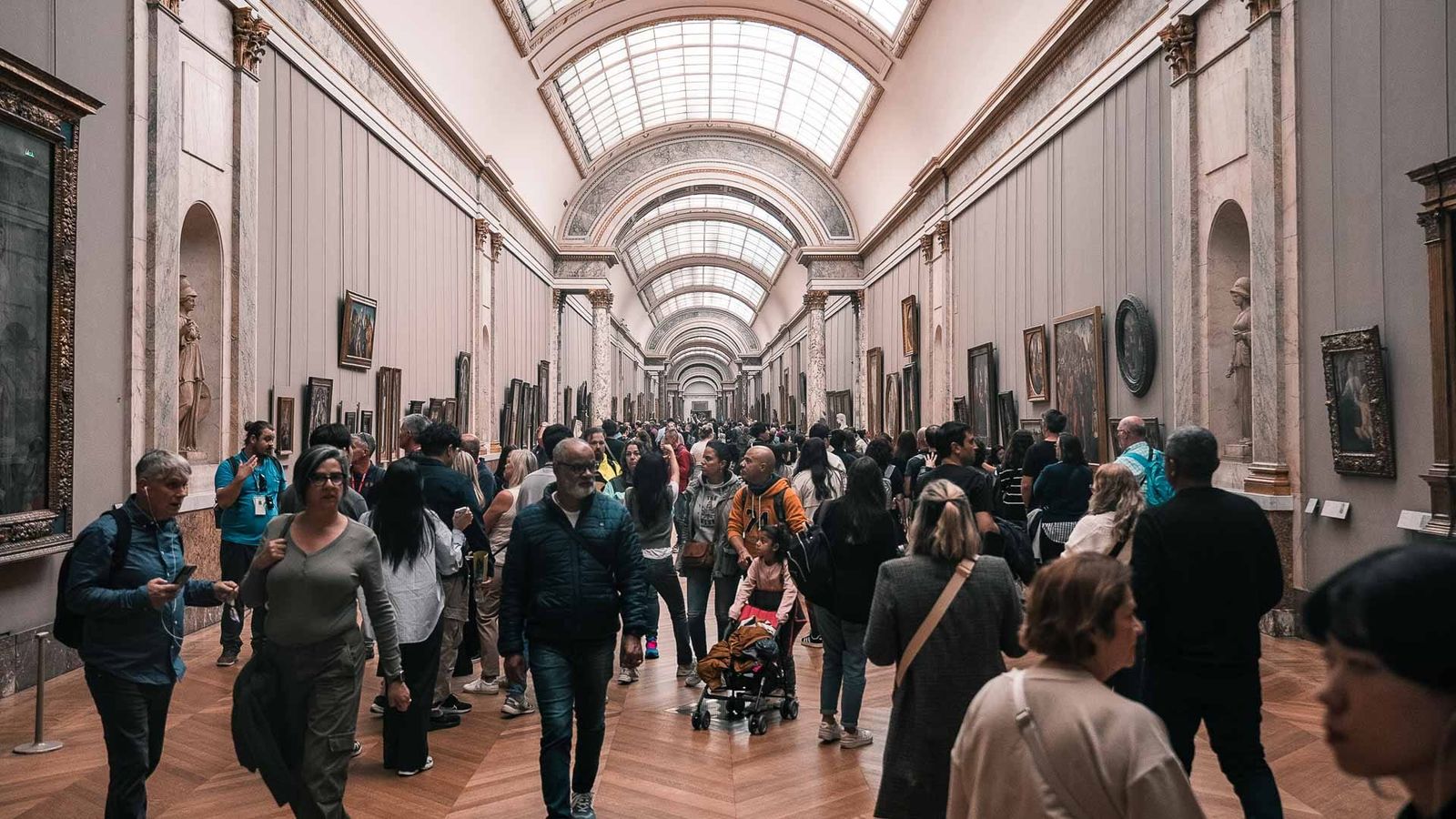
Indoor attractions, such as the Louvre and Musée d’Orsay, are less crowded. The winter months are ideal for museum enthusiasts, providing a chance to enjoy art without long waits. The cooler weather invites warm drinks and pastries in local cafés, creating a cozy atmosphere for exploration.
Peak Tourist Seasons
Paris experiences distinct peak tourist seasons that significantly influence crowds, prices, and the overall experience.
Summer (June to August) is the most popular time to visit. Tourists flock to see iconic landmarks, and the city buzzes with life. Expect crowded attractions and higher accommodation prices during this period.
Christmas and New Year (mid-December to early January) also attract many visitors. The festive atmosphere, decorations, and holiday markets draw large crowds. Travelers can enjoy special events and celebrations across the city.
During these peak seasons, travelers need to plan ahead. Booking accommodations and attractions in advance is essential to secure desired experiences.
Additionally, Spring (April to May) can see increased tourist activity, especially around major holidays. While not as crowded as summer, it’s wise to be prepared for busier streets and popular sites.
Tourists should consider their priorities when planning visits. Those seeking vibrant activities and bustling environments will enjoy the peak seasons. However, experiencing Paris at a more relaxed pace is easier in the shoulder or off-peak periods.
Considerations for Travel Budget
When planning a trip to Paris, understanding the budget is crucial. Different times of the year will significantly impact costs.
High Season (June to August):
- Prices for accommodation and flights peak.
- Expect larger crowds, leading to increased expenses at popular attractions.
Shoulder Season (April to June, September to October):
- Moderate prices for lodging and travel.
- It offers a balance between good weather and fewer tourists.
Low Season (November to March):
- This is the most budget-friendly option.
- Accommodation and flight deals abound.
- Cold weather may deter some tourists, providing a quieter experience.
Additional Factors to Consider:
- Accommodation Type:
- Hotels typically charge more during peak times.
- Alternatives like hostels or vacation rentals can reduce costs.
- Dining Costs:
- Dining out ranges from affordable bistros to high-end restaurants.
- Local markets or bakeries provide budget-friendly meal options.
- Transportation:
- Public transport is cost-effective.
- Consider purchasing a Paris Visite pass for unlimited travel.
- Attractions:
- Many museums offer free entry on certain days.
- Advance booking for popular sites may save money.
By assessing these factors, travelers can set a realistic budget tailored for their visit to Paris.
Crowd Avoidance Strategies
To enjoy Paris with fewer crowds, planning is essential. Here are some effective strategies:
- Travel Off-Season: The months from October to April generally see fewer tourists. The summer and Christmas holidays attract the largest crowds.
- Visit Early or Late: Arriving at attractions like the Louvre or Eiffel Tower right at opening time or later in the evening can help avoid peak times.
- Choose Weekdays: Weekday visits, particularly on Tuesday or Wednesday mornings, can significantly reduce exposure to crowds compared to weekends.
- Plan for Less Popular Attractions: While famous sites are crowded, lesser-known museums or parks can provide a more tranquil experience.
- Use Online Reservations: Many attractions allow visitors to book tickets in advance. This not only saves time but also helps to avoid long lines.
By applying these strategies, visitors can navigate Paris more comfortably and enjoy the city’s sights and culture with greater ease.
Ideal Time for Museums and Attractions
The best time to explore museums and attractions in Paris varies by season.
Winter Months (December to February)
This period is ideal for museum enthusiasts. Crowds are thinner, allowing for shorter queues at popular locations. Indoor exhibitions can be enjoyed without the worry of the cold.
January
Often regarded as one of the least crowded months, January provides visitors with a quieter atmosphere. They can appreciate art and culture without the usual crowds.
Spring (March to May)
Spring brings pleasant weather, making it a great time for both indoor and outdoor attractions. However, crowds start to increase, especially during school holidays.
April’s Importance
Paris sees a surge in family visitors during April, coinciding with school breaks across Europe. Attractions like Disneyland Paris become busier during this time.
Best Days to Visit
For a quieter experience at major attractions, weekdays are preferable. Visiting during early mornings can help avoid the rush.
In warmer months, visitors should be mindful of peak tourist seasons. Major museums remain open year-round, but some smaller venues may be closed in August as locals take vacations.
For museum lovers, acquiring a Museum Pass can provide access to numerous attractions, making the visit easier and more economical.
Tips for First-Time Visitors
When visiting Paris for the first time, it’s essential to be prepared. Below are some valuable tips to enhance the experience.
- Accommodation Location
Choose a central neighborhood for easier access to attractions. Areas like Le Marais and Saint-Germain-des-Prés are popular choices. - Public Transport
Familiarize yourself with the Metro system. It’s efficient and covers most of the city. A day pass can be economical for multiple trips. - Best Time to Visit
The shoulder seasons, spring (April to June) and fall (September to October), usually offer pleasant weather and fewer crowds. - Cultural Etiquette
A polite greeting, such as “Bonjour,” goes a long way. This small gesture is appreciated by locals and sets a positive tone. - Dining Tips
Try to avoid tourist traps near major attractions. Exploring local restaurants can lead to discovering authentic and delicious cuisine. - Stay Hydrated
Walking around can be tiring. It’s important to carry a reusable water bottle. Public fountains are available throughout the city. - Sightseeing Priorities
Focus on key attractions first, such as the Eiffel Tower and the Louvre. This helps manage time effectively during the visit.
These tips will help first-time visitors navigate Paris with confidence and ease.

Weather Preparedness
Being prepared for Paris’s weather can significantly enhance the travel experience. Paris has a varied climate, so understanding what to wear and having plans for rainy days is essential.
What to Wear
Travelers should consider the season when planning their wardrobe. Spring (March-May) and fall (September-November) typically require light layers. A medium-weight jacket is advisable, along with breathable tops and versatile pants.
In summer (June-August), visitors may enjoy warm temperatures, often peaking between 70°F and 85°F (21°C to 29°C). Lightweight clothing and comfortable shoes are essential, especially for long walks.
Winter (December-February) can be chilly, with temperatures averaging 30°F to 45°F (-1°C to 7°C). Heavy coats, scarves, gloves, and thermal layers are crucial. Using a weatherproof jacket is wise, as February is often rainy, making it essential to stay dry and warm.
Read more: Paris Packing List: Everything You Need for a Perfect Trip
Rainy Day Activities
Rain can occur at any time in Paris, particularly in February, when precipitation is common. Travelers should plan indoor activities to make the most of these days.
Museums present an excellent opportunity to escape the rain. The Louvre and Musée d’Orsay offer extensive collections for art aficionados.
Another option is to explore historic cafés, where visitors can indulge in pastries and coffee while observing Parisian life.
Shopping in covered passages also provides a rain-free environment. These charming galleries offer unique boutiques and eateries.
Lastly, consider attending a theater performance or cinema to enjoy Paris’s vibrant culture without braving the elements.
Off-Season Advantages
Visiting Paris during the off-season, typically from November to March, presents several distinct advantages for travelers.
Lower Prices
Accommodation and flight prices tend to be significantly lower. This makes it easier for tourists to find budget-friendly options.
Fewer Crowds
Popular attractions are less crowded, allowing for a more relaxed experience. Visitors can explore iconic sites like the Louvre or Notre-Dame without the long waits.
Enhanced Local Experience
Travelers have the opportunity to witness local life. With fewer tourists around, it’s easier to experience authentic Parisian culture and interactions.
Easier Access to Attractions
Shorter lines mean quicker access to popular exhibits and shows. This is especially advantageous for art lovers who want to enjoy galleries in peace.
Winter Charm
Paris in winter can be enchanting. The city features festive decorations and holiday markets, adding a unique charm not always present in peak seasons.
Cultural Events
The off-season hosts various cultural events, including exhibitions and shows. This provides visitors with unique opportunities to engage with the arts.
In essence, the off-season allows for a more intimate and cost-effective experience in Paris, catering to those who appreciate a quieter, more genuine visit.