


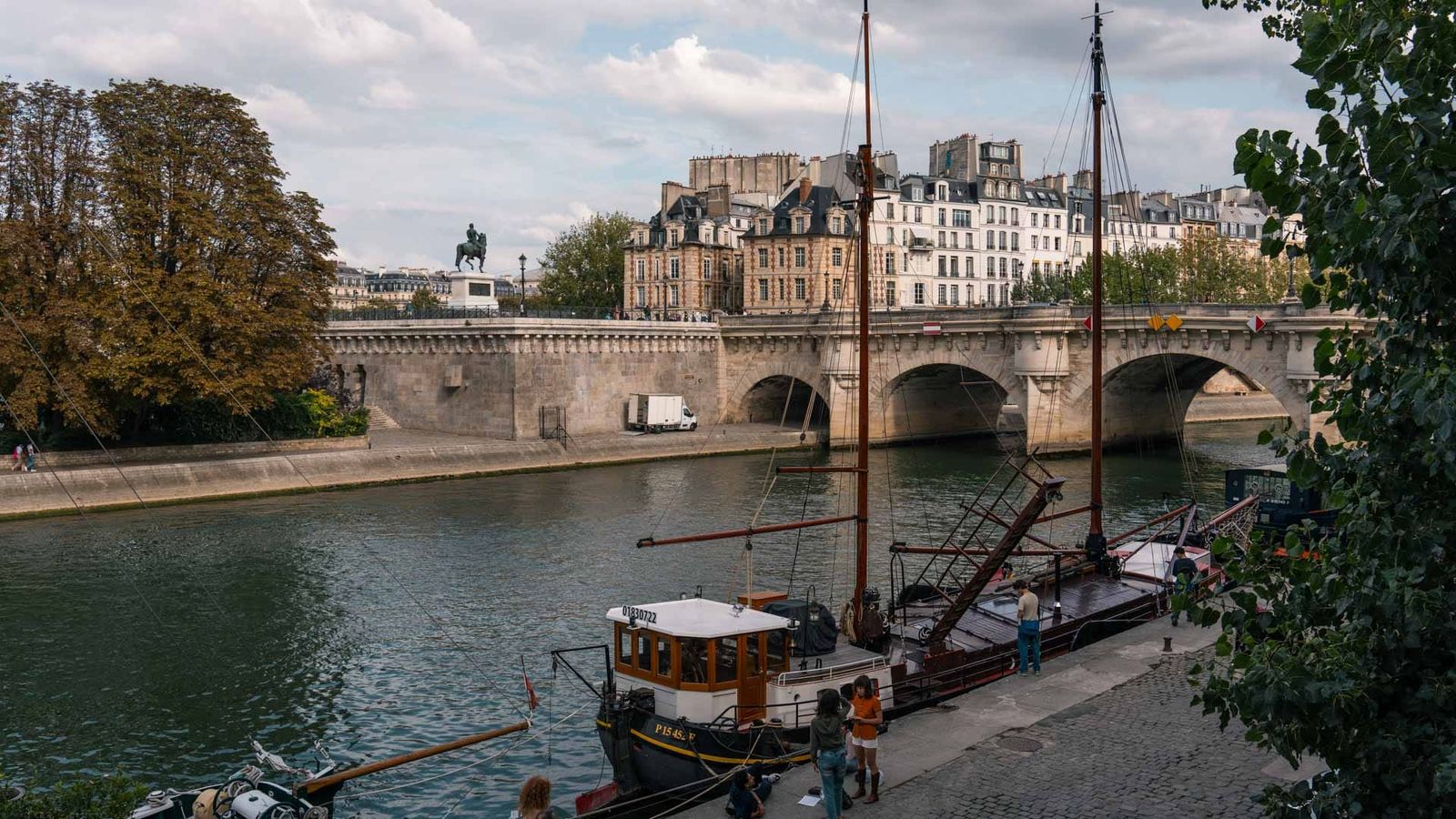
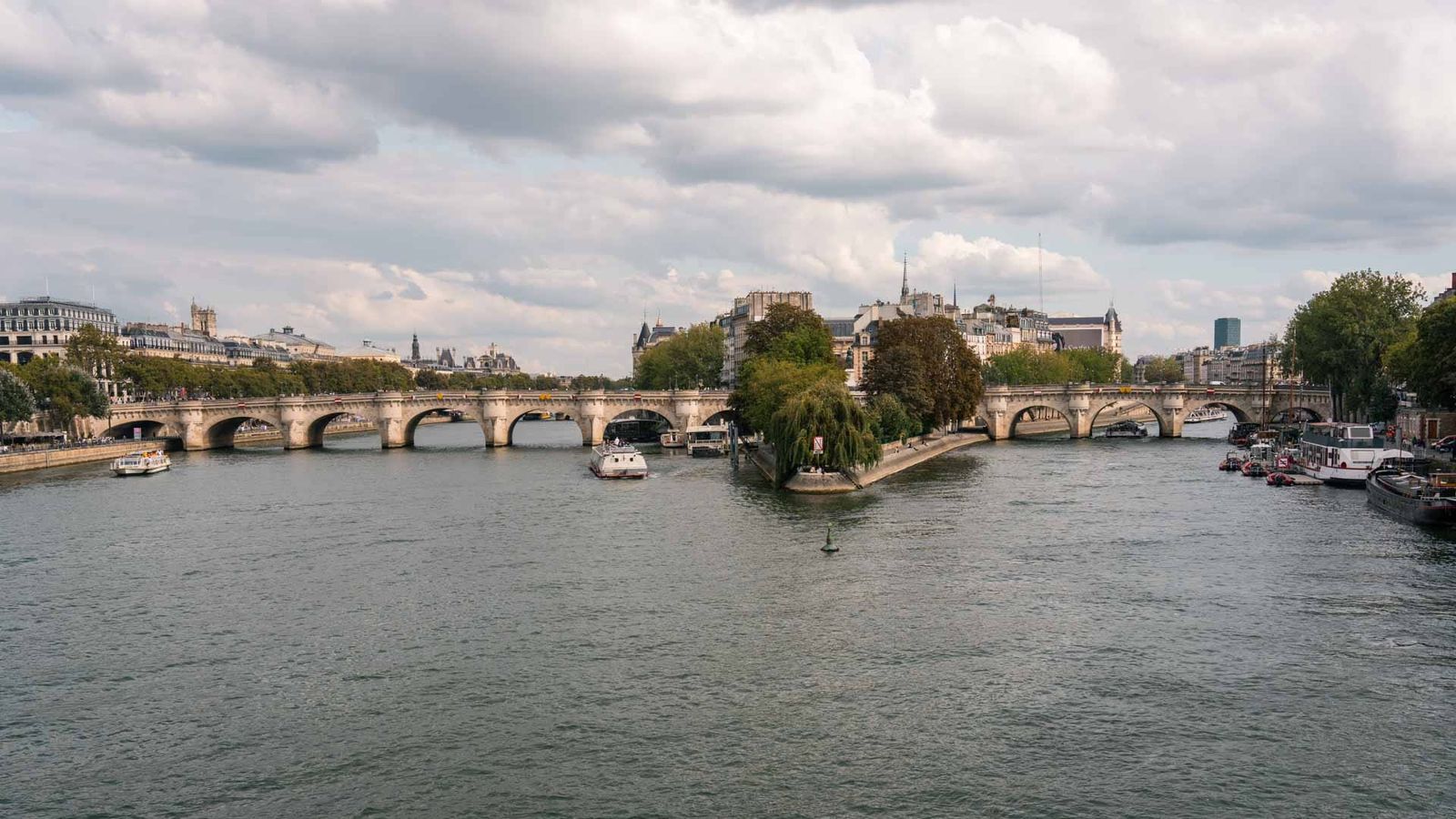



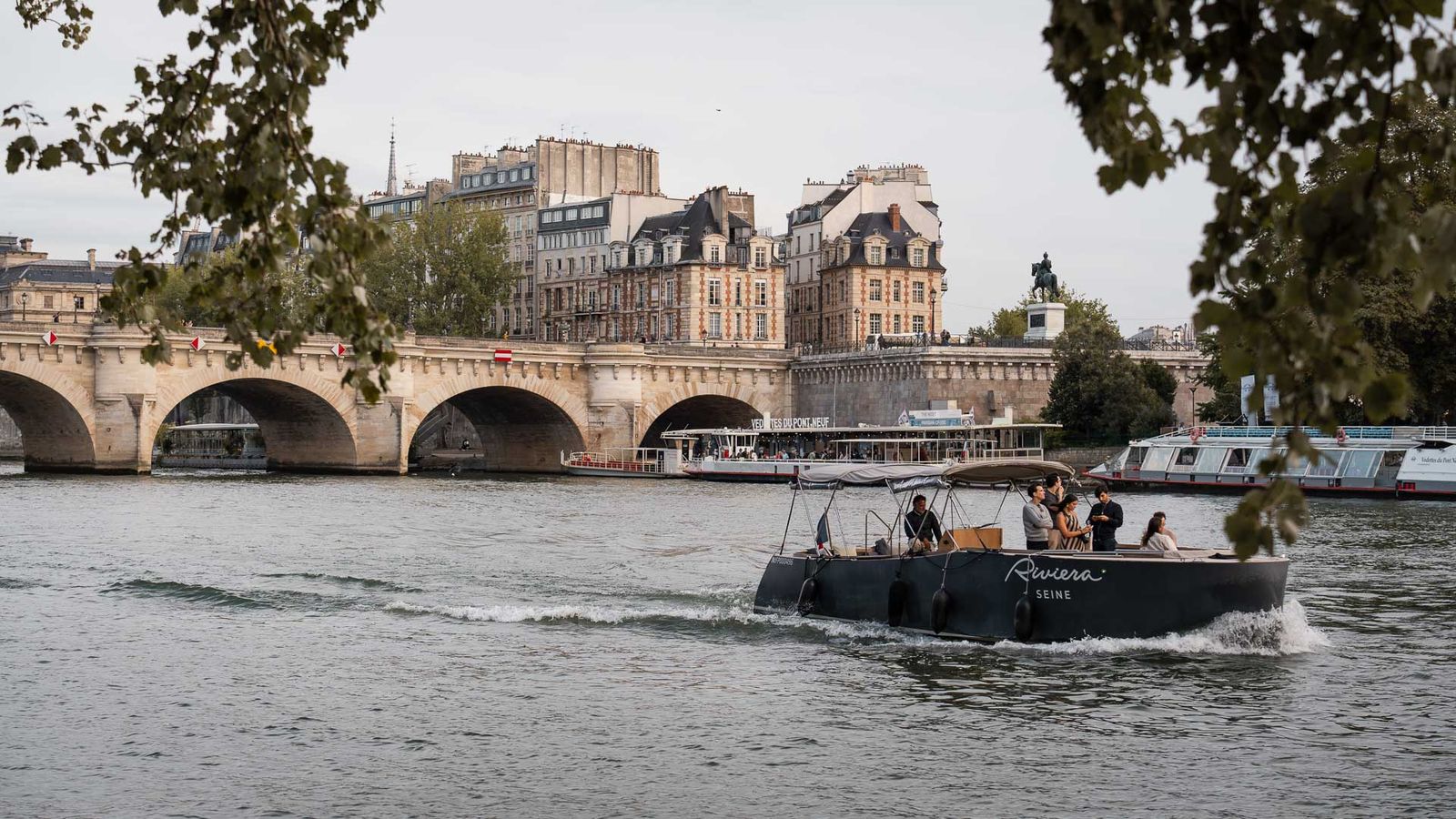


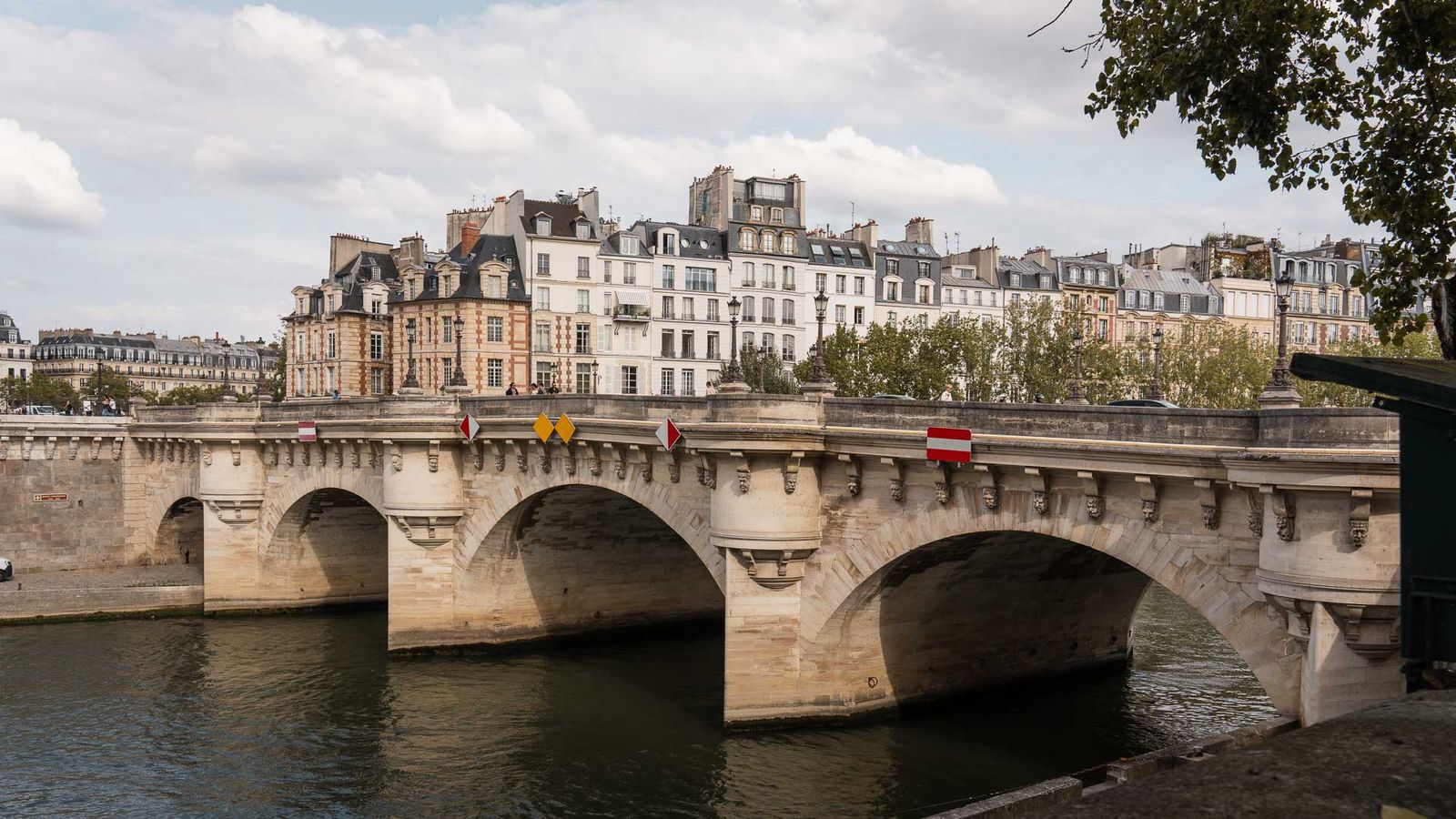


The Pont Neuf, often referred to as the “New Bridge,” is not only the oldest standing bridge across the Seine but also a marvel of engineering.
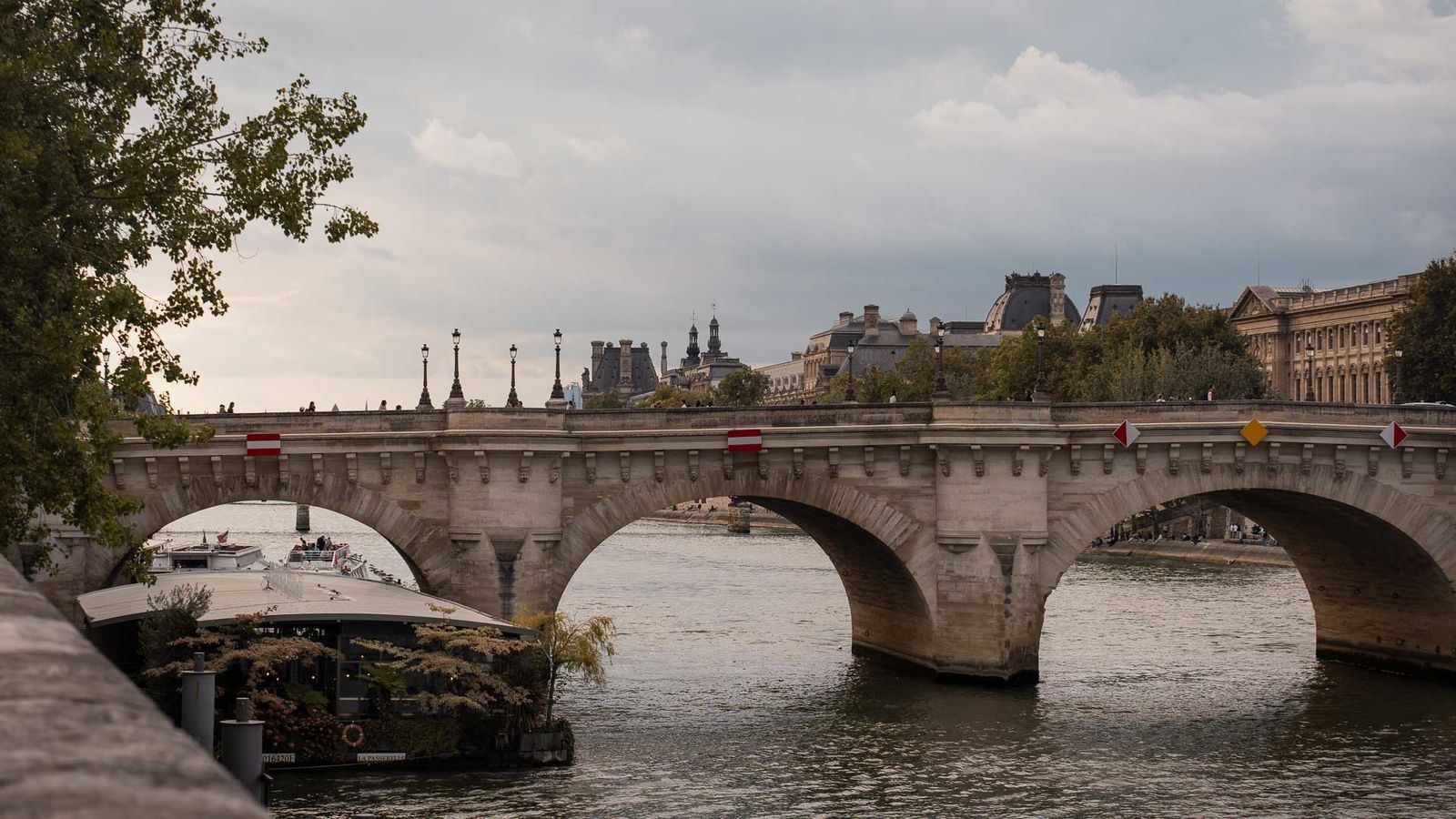
Constructed between 1578 and 1607, it spans 232 meters and connects the Left Bank to the Right Bank, linking the Île de la Cité with the bustling streets of Paris. Its design marked a significant departure from previous bridges, featuring a wide roadway that accommodates both pedestrians and vehicles, along with five arches that elegantly rise above the Seine.
Architectural Features and Design
Renowned for its distinctive architecture, the Pont Neuf showcases a blend of Renaissance and Classical styles. The bridge’s limestone structure is adorned with intricate sculptures and decorative elements, including the 384 masks of “Monsieur de Paris,” which add character and charm.
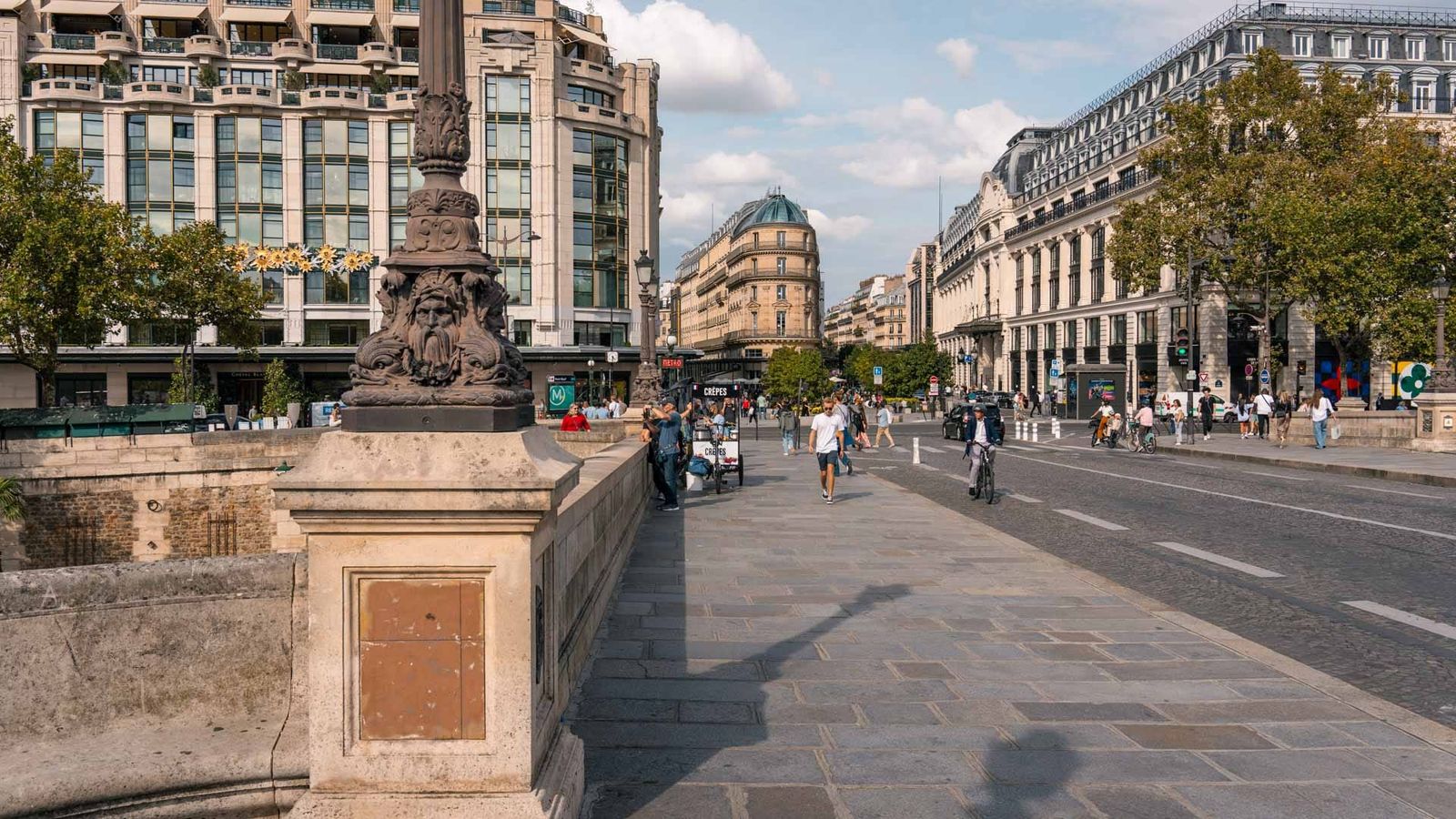
The unique design incorporates pedestrian walkways on both sides, offering stunning views of the river and the surrounding cityscape. The bridge’s balustrades are adorned with decorative shields and garlands, reflecting the artistic trends of the time.
Cultural Significance Through the Ages
The Pont Neuf has played a pivotal role in the cultural and social life of Paris. It was a popular meeting place for Parisians and a hub of commerce, often bustling with street vendors and entertainers. Its iconic status has made it a symbol of the city, frequently depicted in artworks, literature, and photography.
Notably, it has inspired renowned artists, including Édouard Manet and Gustave Caillebotte, who captured its essence in their paintings.
A Witness to Historical Events
Throughout its history, the Pont Neuf has been a silent witness to significant events. During the French Revolution, it served as a site for political gatherings and public speeches.
The bridge was also a location for celebrations, such as the triumphal arches built for the coronation of Napoleon Bonaparte in 1804. More recently, it has been a backdrop for numerous festivals and events, reinforcing its role as a vital part of Parisian life.
Restoration and Preservation Efforts
Recognizing its historical importance, the French government has undertaken extensive restoration efforts to preserve the Pont Neuf for future generations. In the late 20th century, the bridge underwent significant renovations, including the cleaning of its stone facade and structural repairs to ensure its stability. These efforts have not only maintained the bridge’s architectural integrity but also enhanced its appeal as a tourist destination.
A Living Icon
Today, the Pont Neuf stands as a testament to Paris’s rich history and enduring charm. It remains a popular spot for both locals and tourists, offering a picturesque view of the Seine and the surrounding landmarks, such as the Notre-Dame Cathedral and the Louvre Museum. Whether strolling along its walkways or taking in the scenic views, visitors can experience the vibrant spirit of Paris that the Pont Neuf has embodied for centuries.