


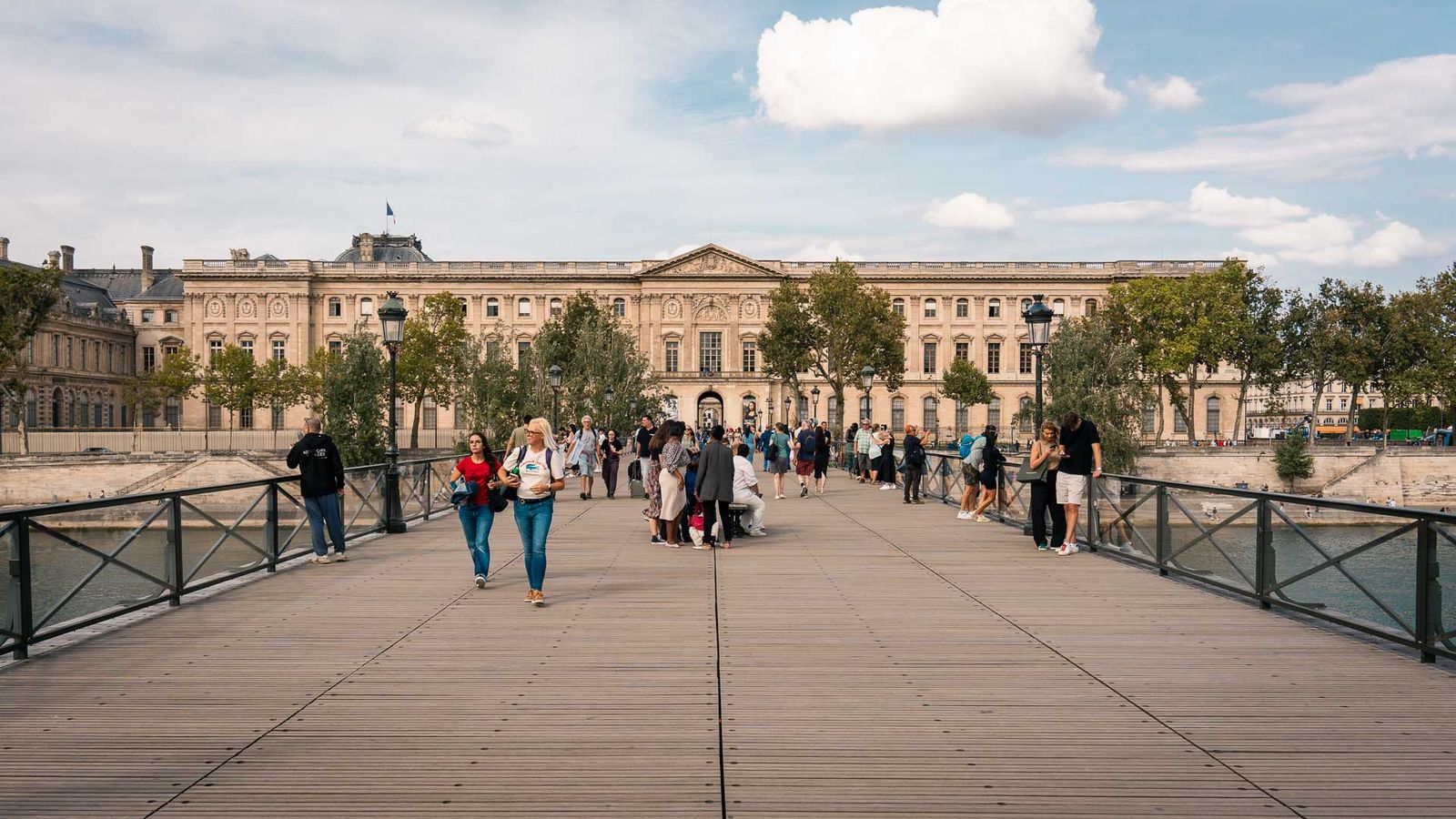
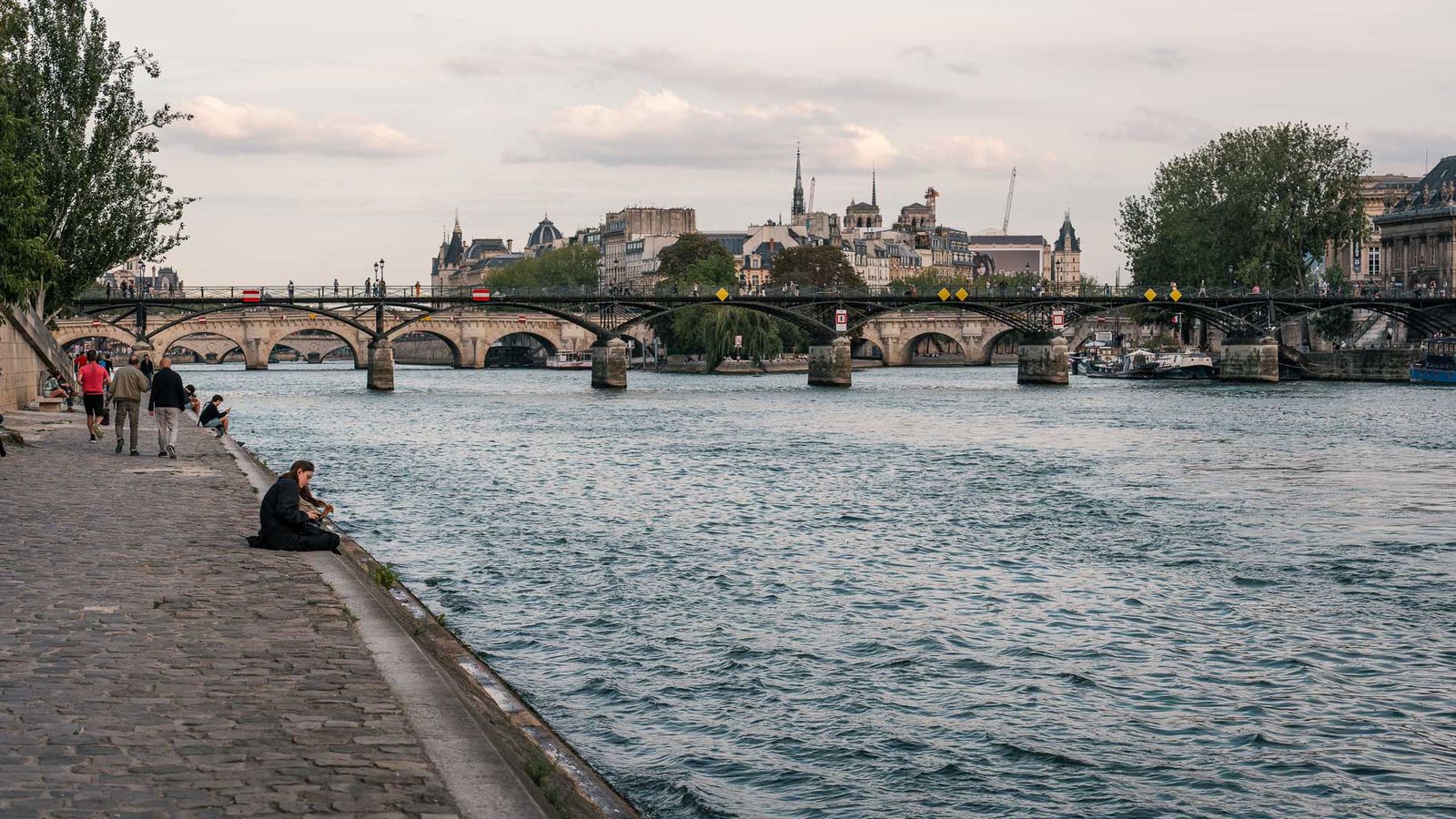
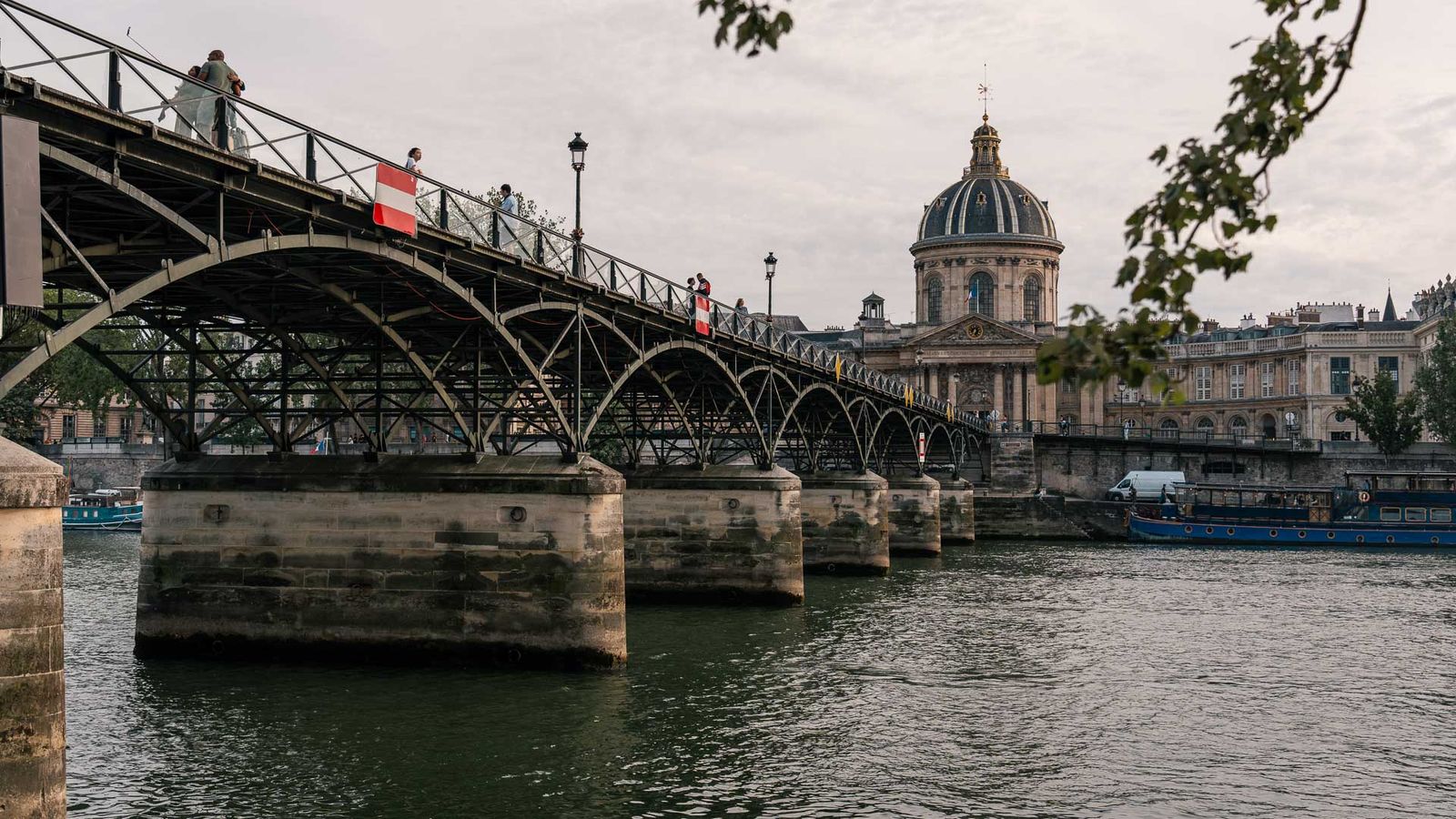

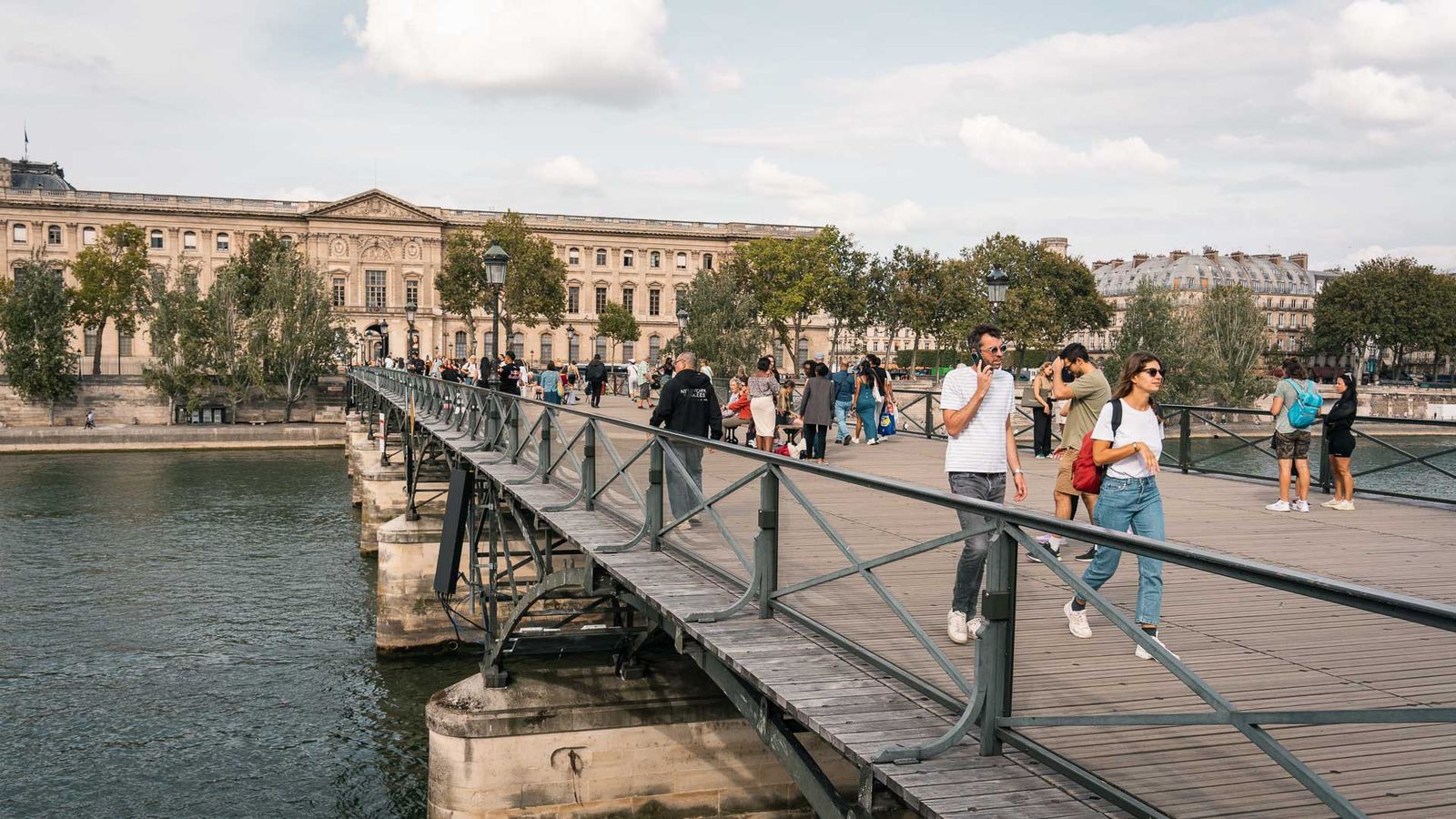
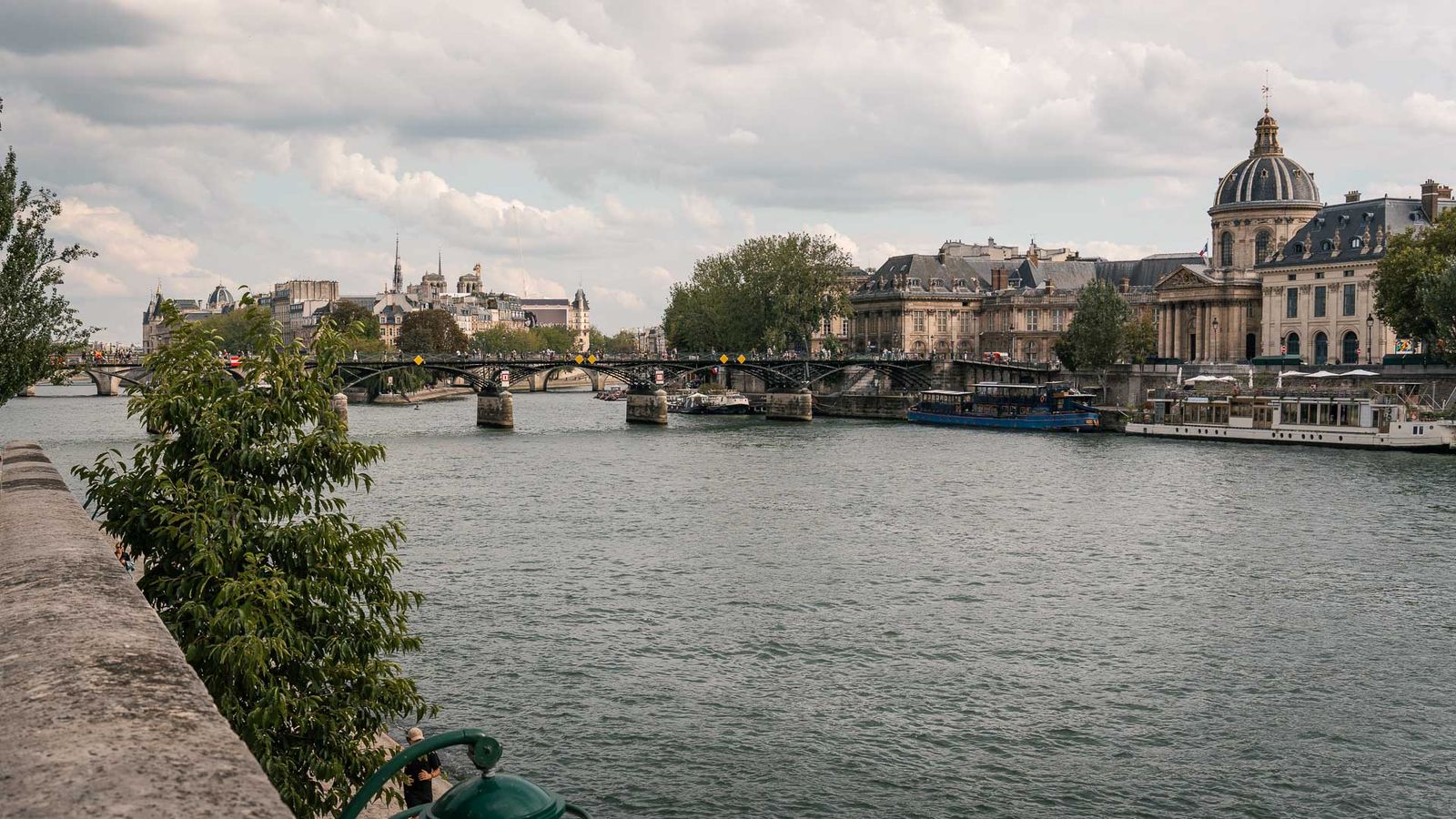
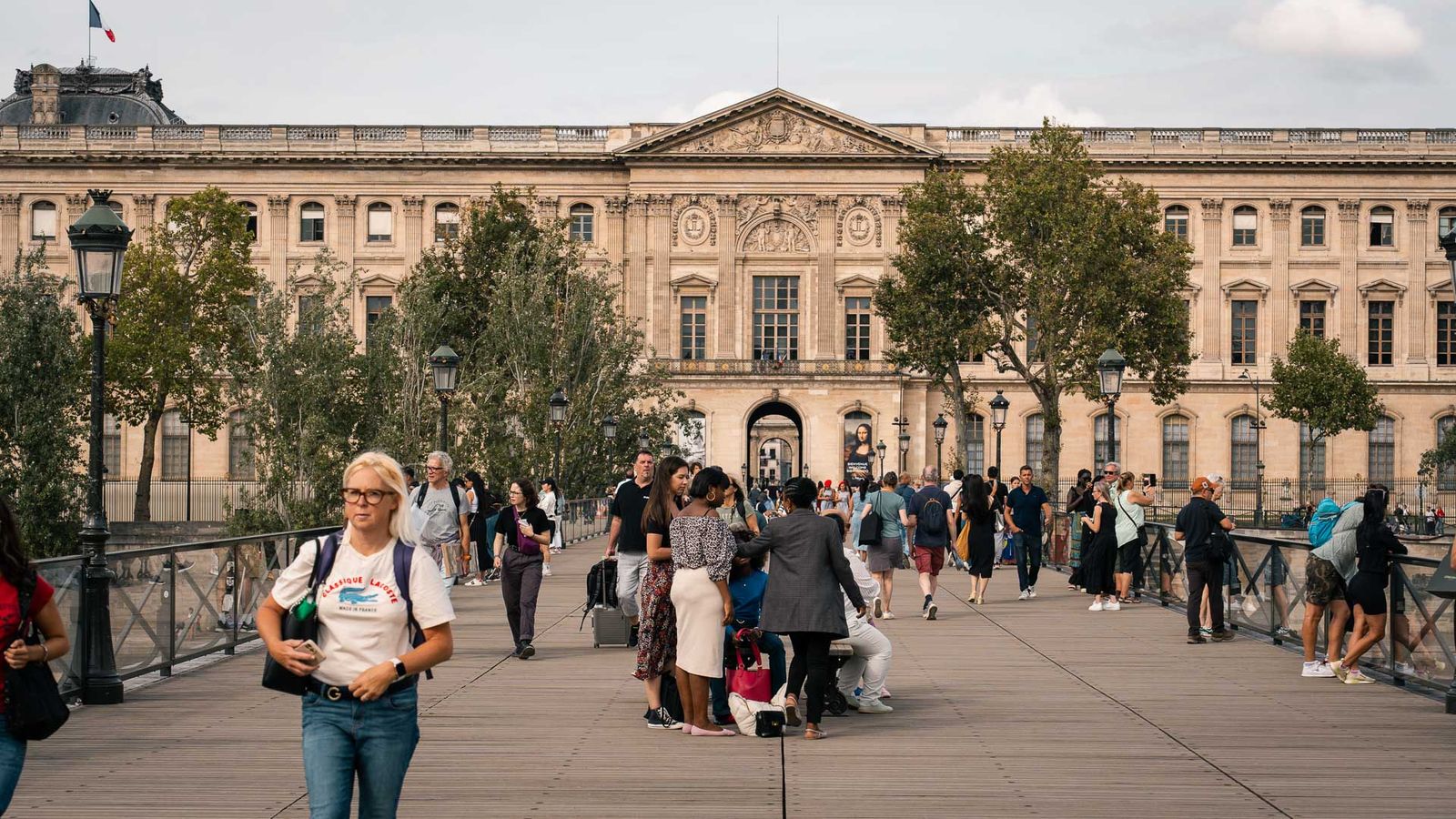

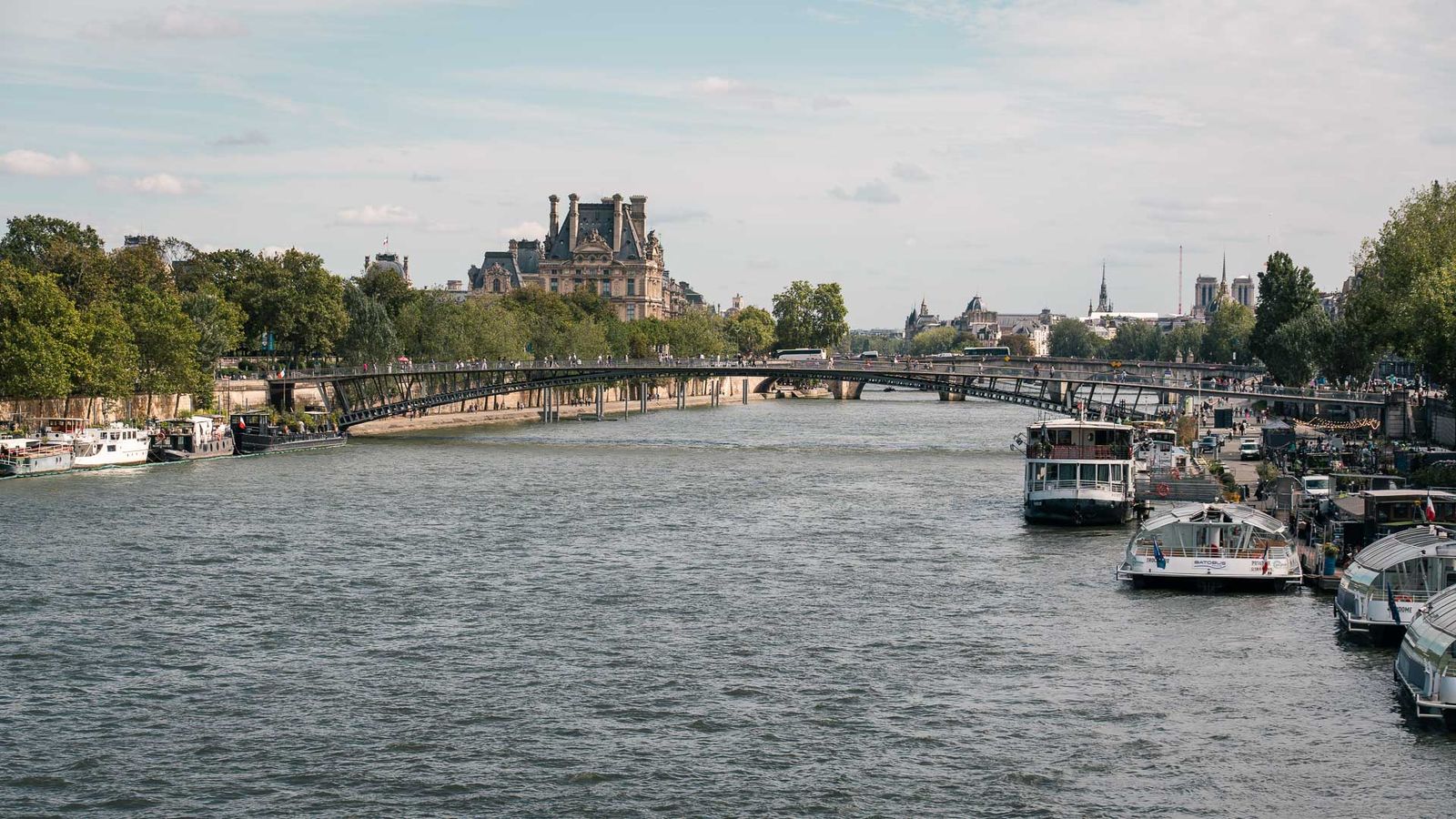


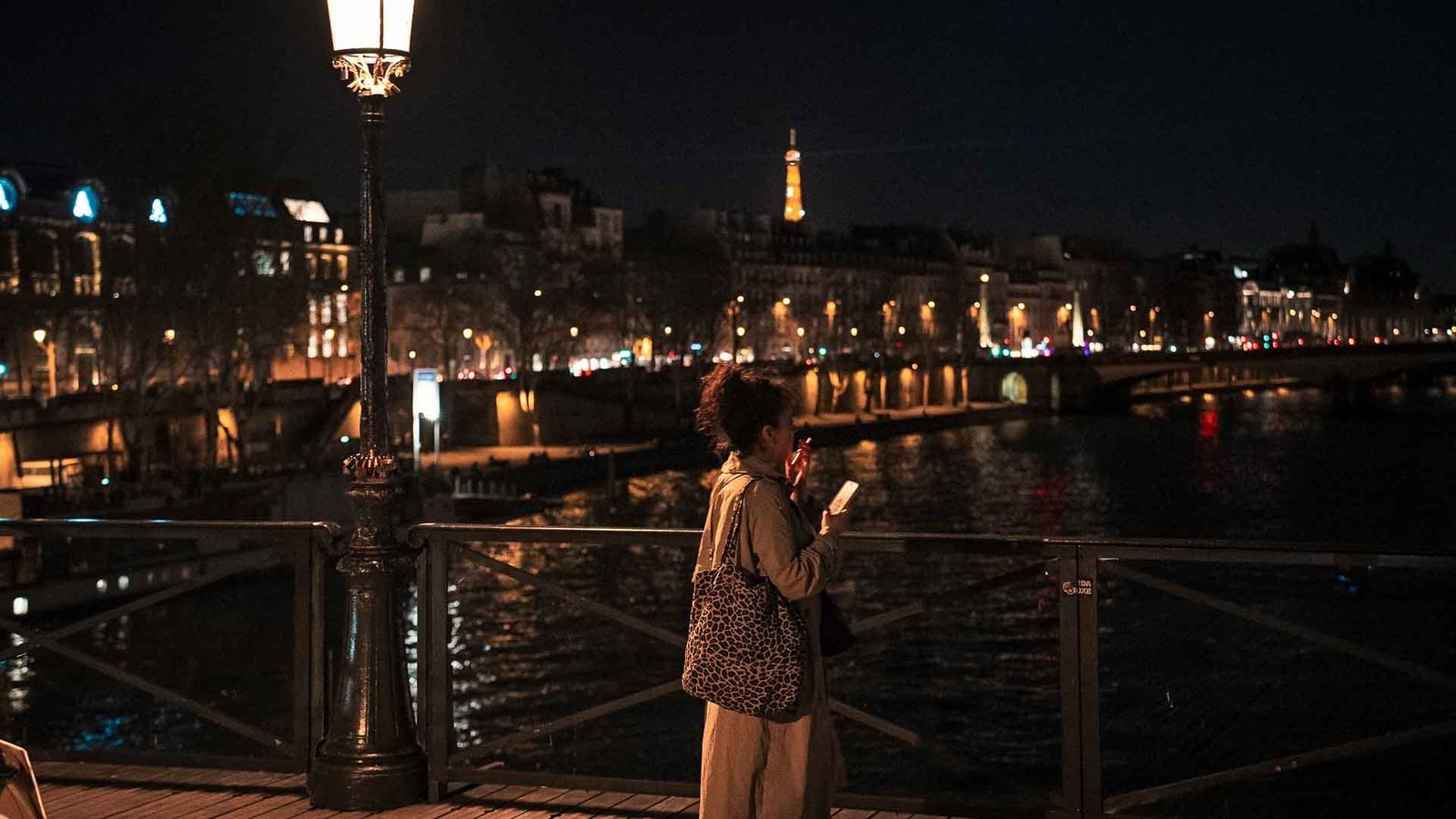
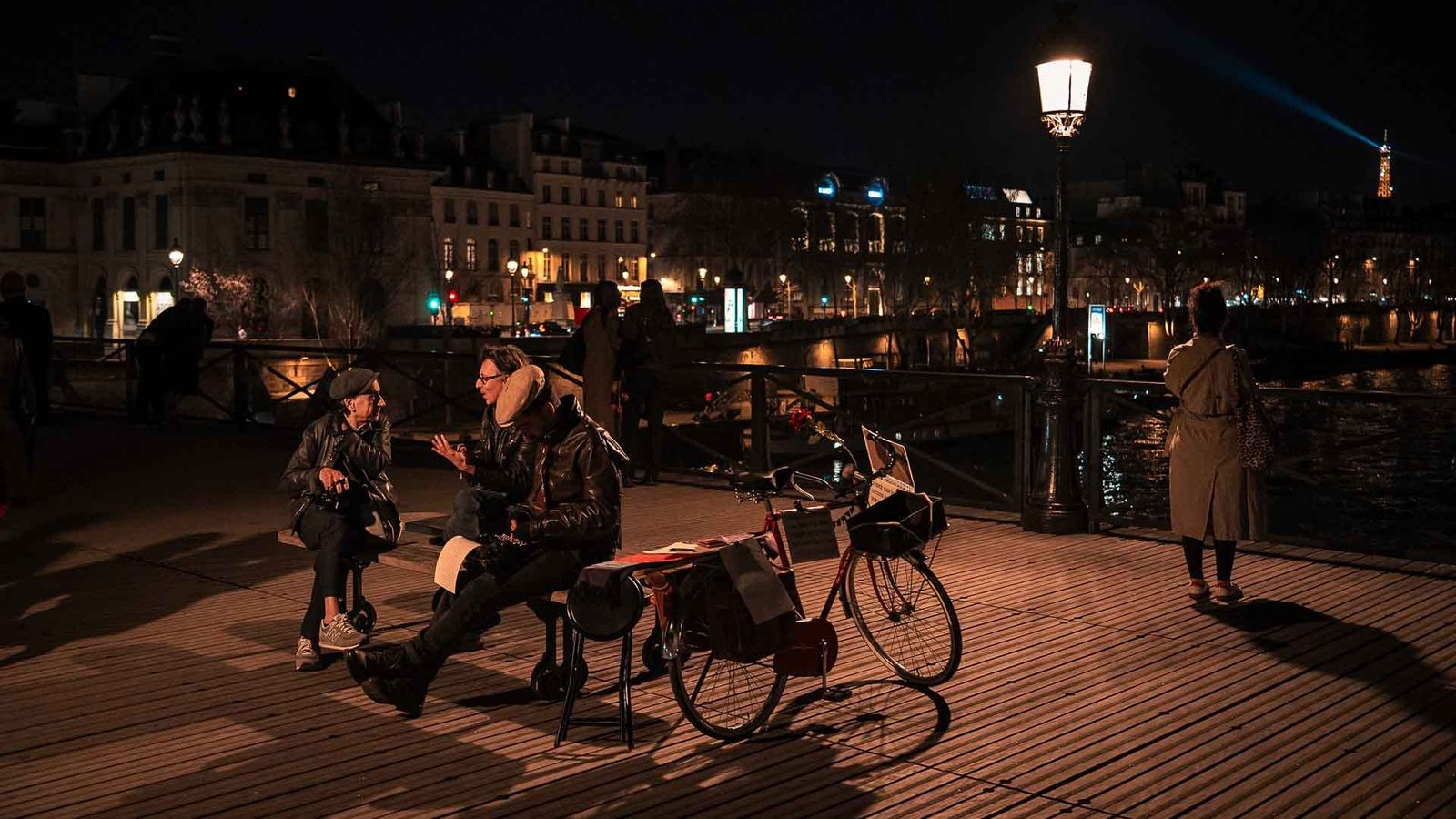
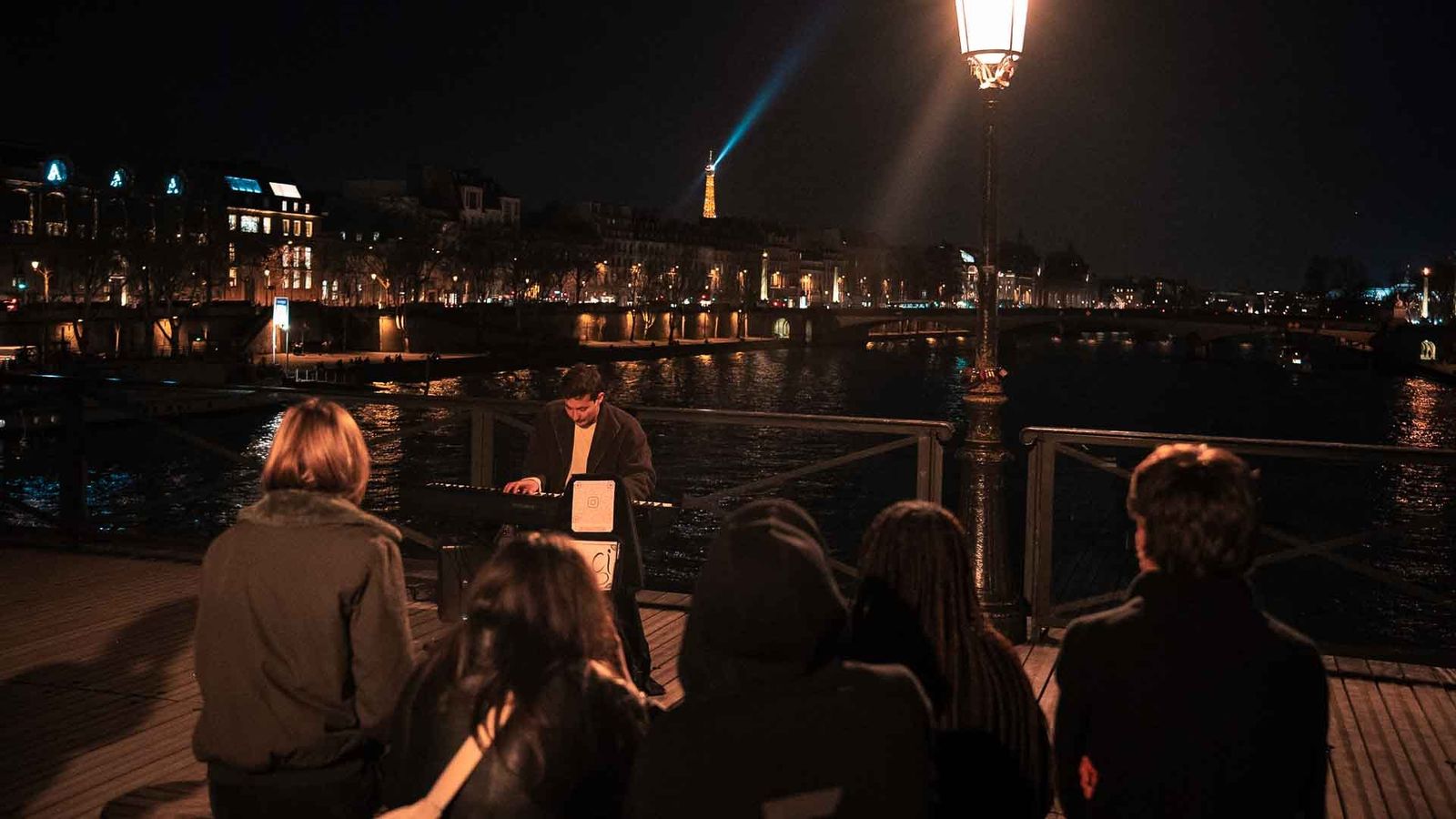


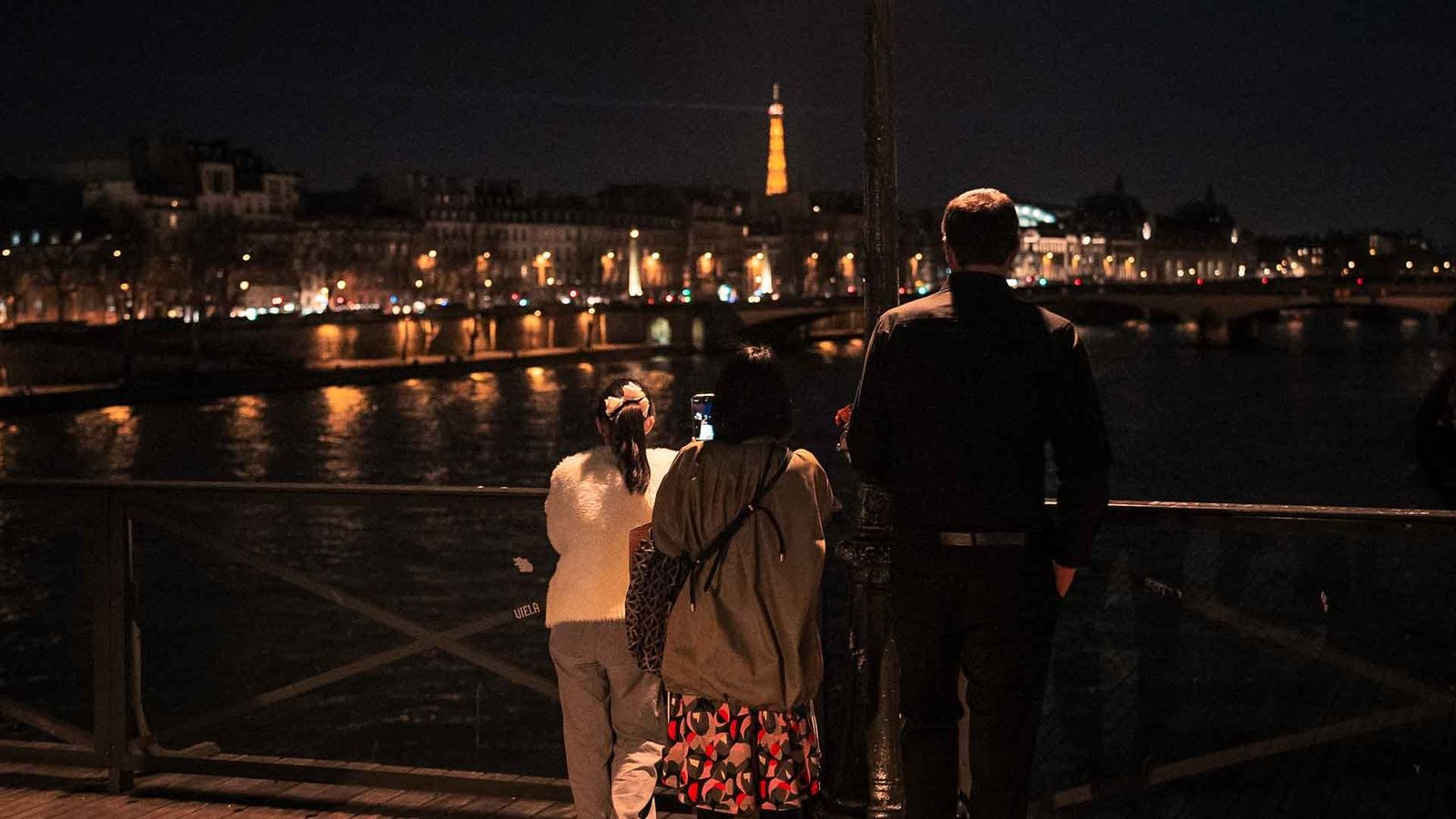

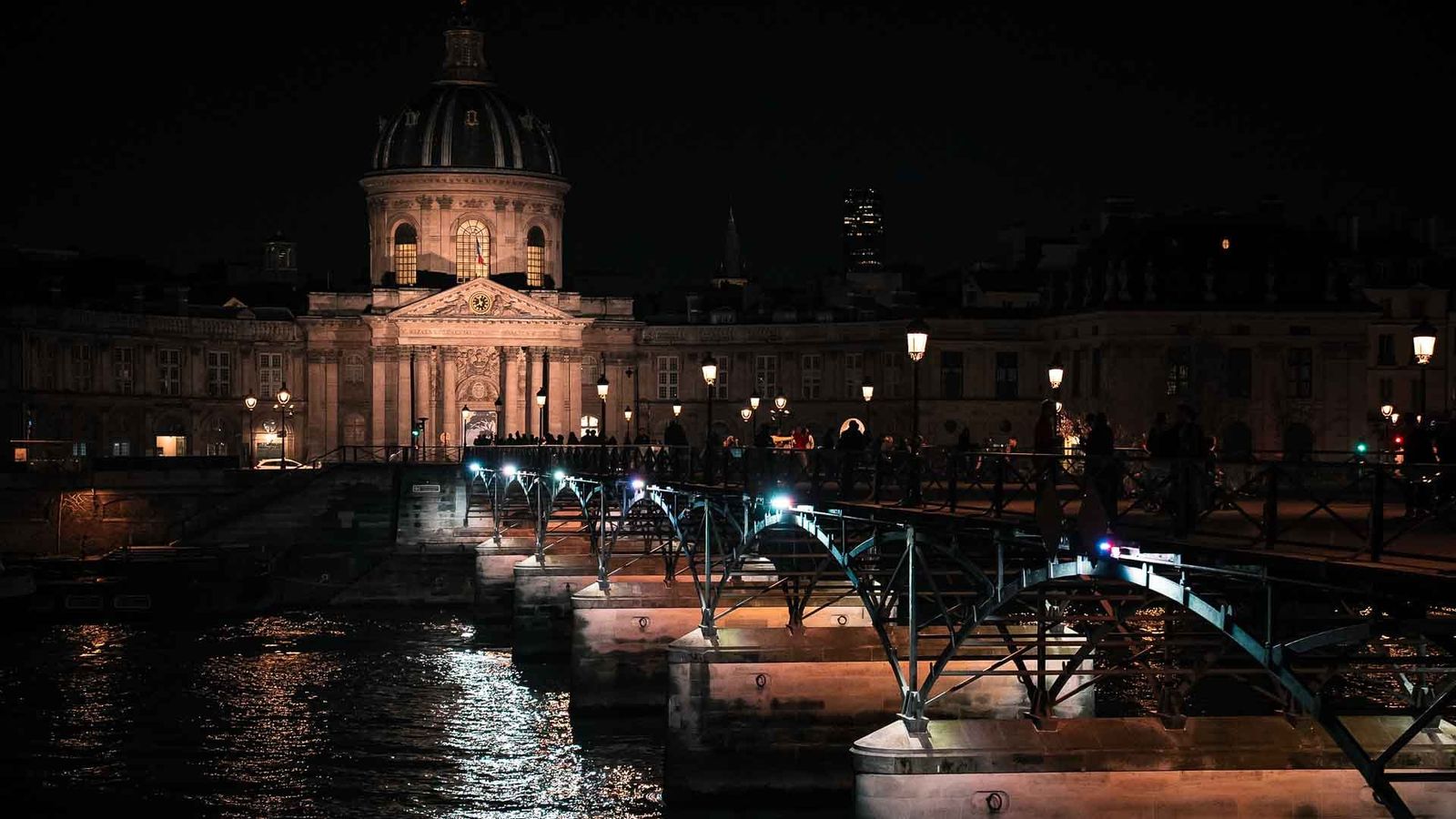

The Pont des Arts, connecting the Louvre and the Institut de France, holds a prominent place not only in Parisian architecture but also in the city’s heart. Its history is rich, from its origins as the first metal bridge in Paris to its transformation into the “Lovers’ Bridge,” adorned for years with countless locks symbolizing eternal love.
A Revolutionary Design in its Time
Commissioned by Napoleon Bonaparte, the Pont des Arts was completed between 1801 and 1804, marking a milestone in Paris’s urban development. Designed by Louis-Alexandre de Cessart and Jacques Dillon, the original bridge featured nine cast-iron arches and was exclusively for pedestrians. It was not just a functional structure, but a suspended garden in the sky, with potted plants and benches where Parisians could enjoy stunning views of the Seine.
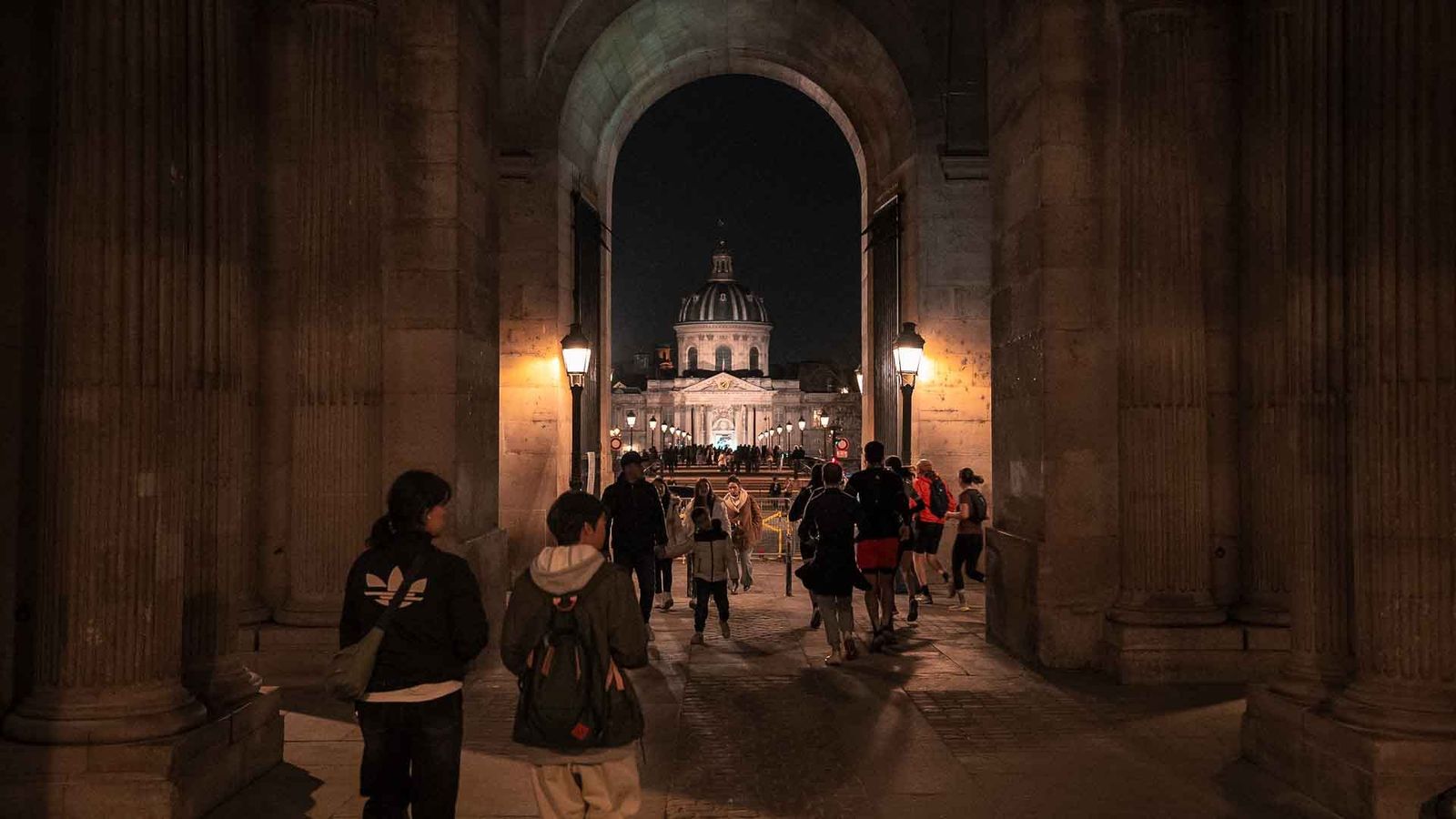
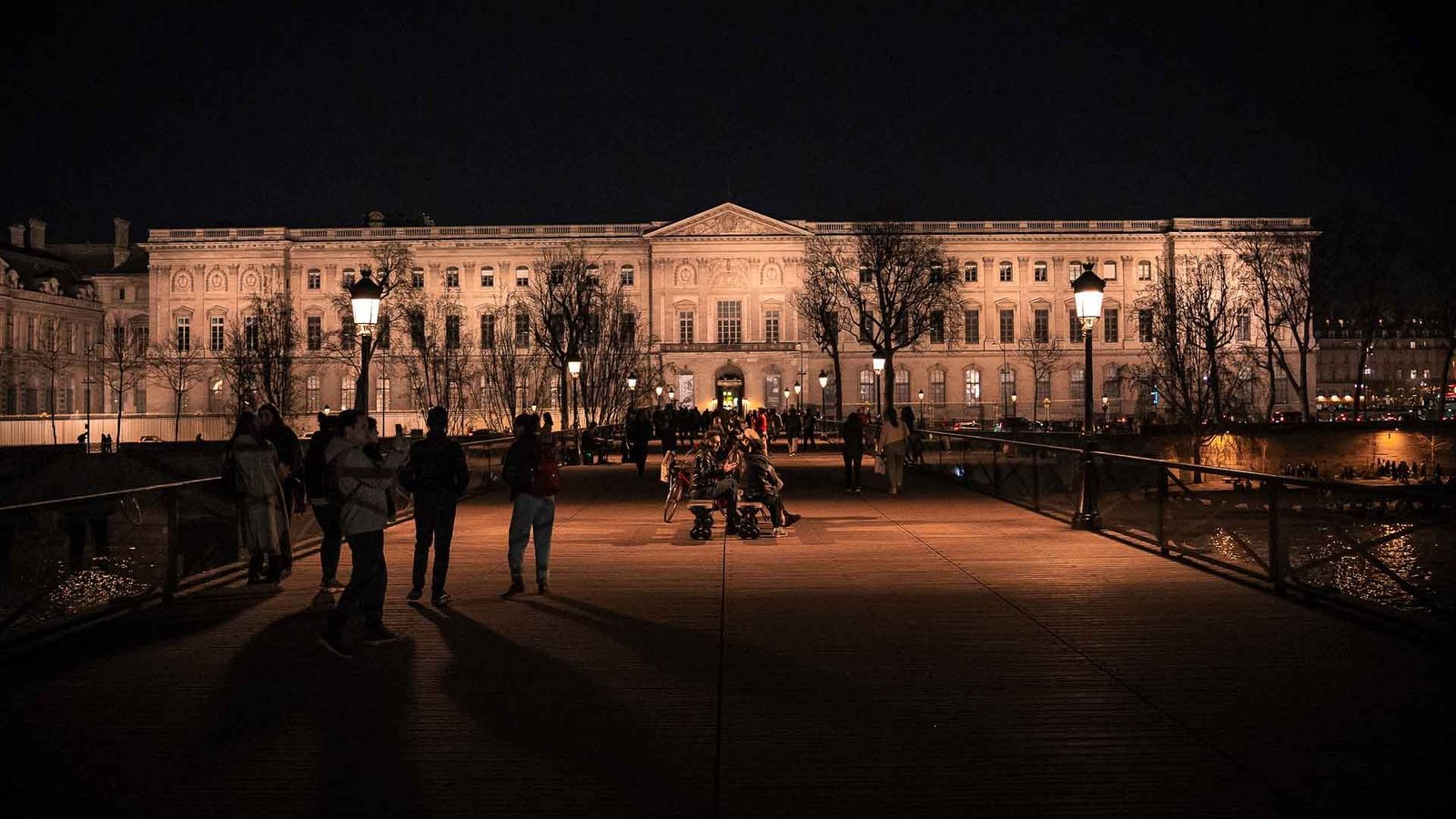
The bridge’s location was equally significant, linking two historic institutions—the Palais des Arts (the Louvre’s name at the time) and the Institut de France. This connection of arts and learning inspired the name “Pont des Arts,” and it quickly became a favorite spot for artists and intellectuals. Paul Signac, Renoir, and Pissarro were among those captivated by its beauty, and it often appeared in their paintings.
Rebirth After Tragedy
Despite its initial splendor, the Pont des Arts faced significant challenges. War, weather, and boat collisions weakened the structure, leading to its closure in 1977. After a tragic collapse in 1979, the original bridge was dismantled, and Paris was left with a void at the heart of its artistic and cultural landscape.
Fortunately, a new Pont des Arts rose from the ashes in 1984, designed by Louis Arretche. This reconstruction, which featured seven arches instead of the original nine, preserved the aesthetic and historical spirit of the bridge while ensuring it could withstand modern demands.
The Bridge of Love
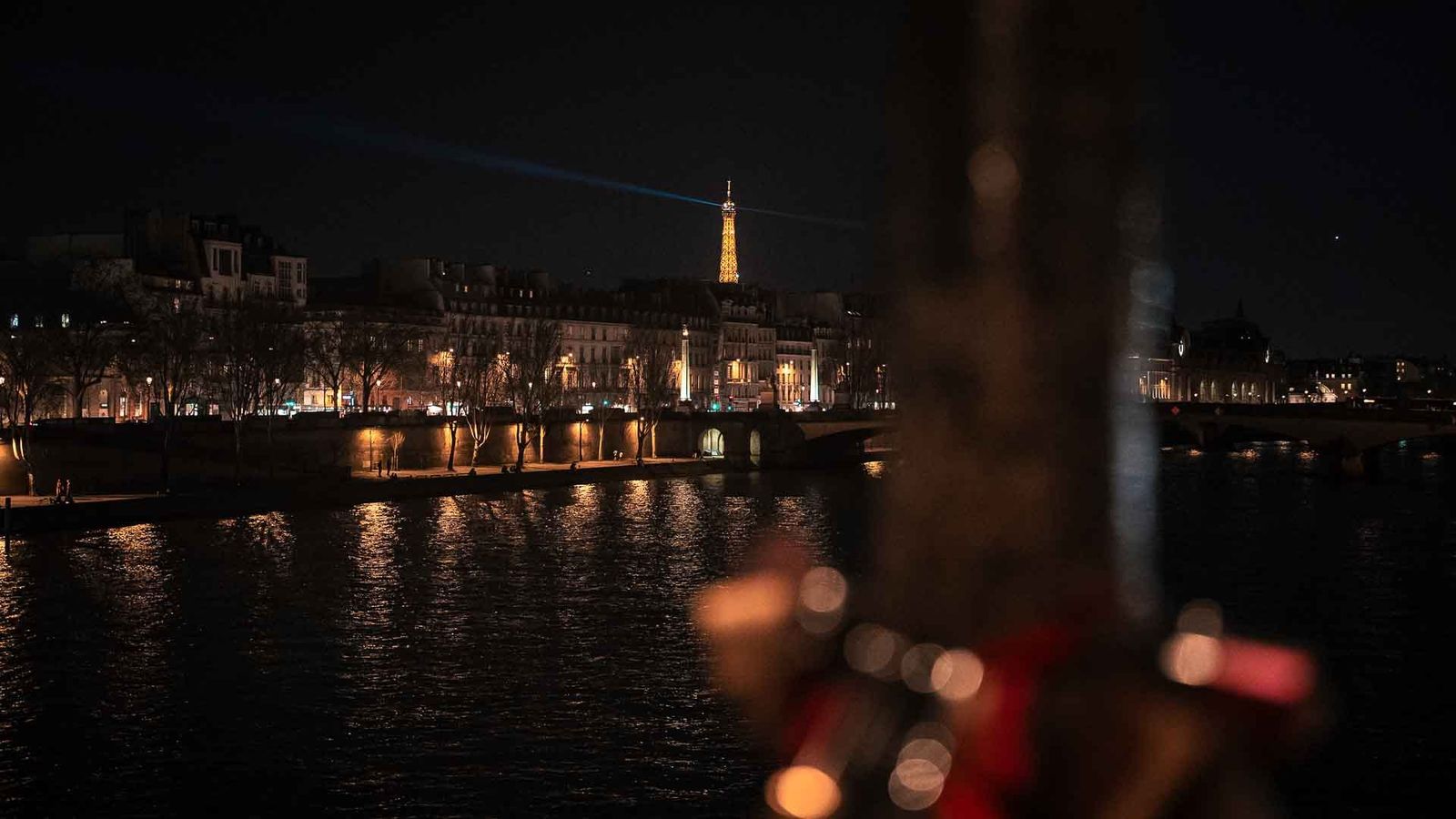
In the 2000s, the Pont des Arts became world-renowned as “the bridge of lovers,” thanks to the emergence of a global phenomenon—the love locks. Couples from around the world flocked to the bridge, inscribing their names on locks, attaching them to the bridge’s railings, and tossing the keys into the Seine below. The locks became an enduring symbol of love in Paris, creating an iconic image synonymous with romance.
However, by 2015, the weight of the locks—an estimated 40 tons—began to threaten the structural integrity of the bridge. In a difficult but necessary decision, the city removed the locks and replaced the railings with glass panels, ensuring the bridge could continue its legacy without risk. Though the locks are gone, the spirit of romance remains, with the Pont des Arts still being one of the most romantic spots in Paris.
A Cultural Landmark and Artistic Muse
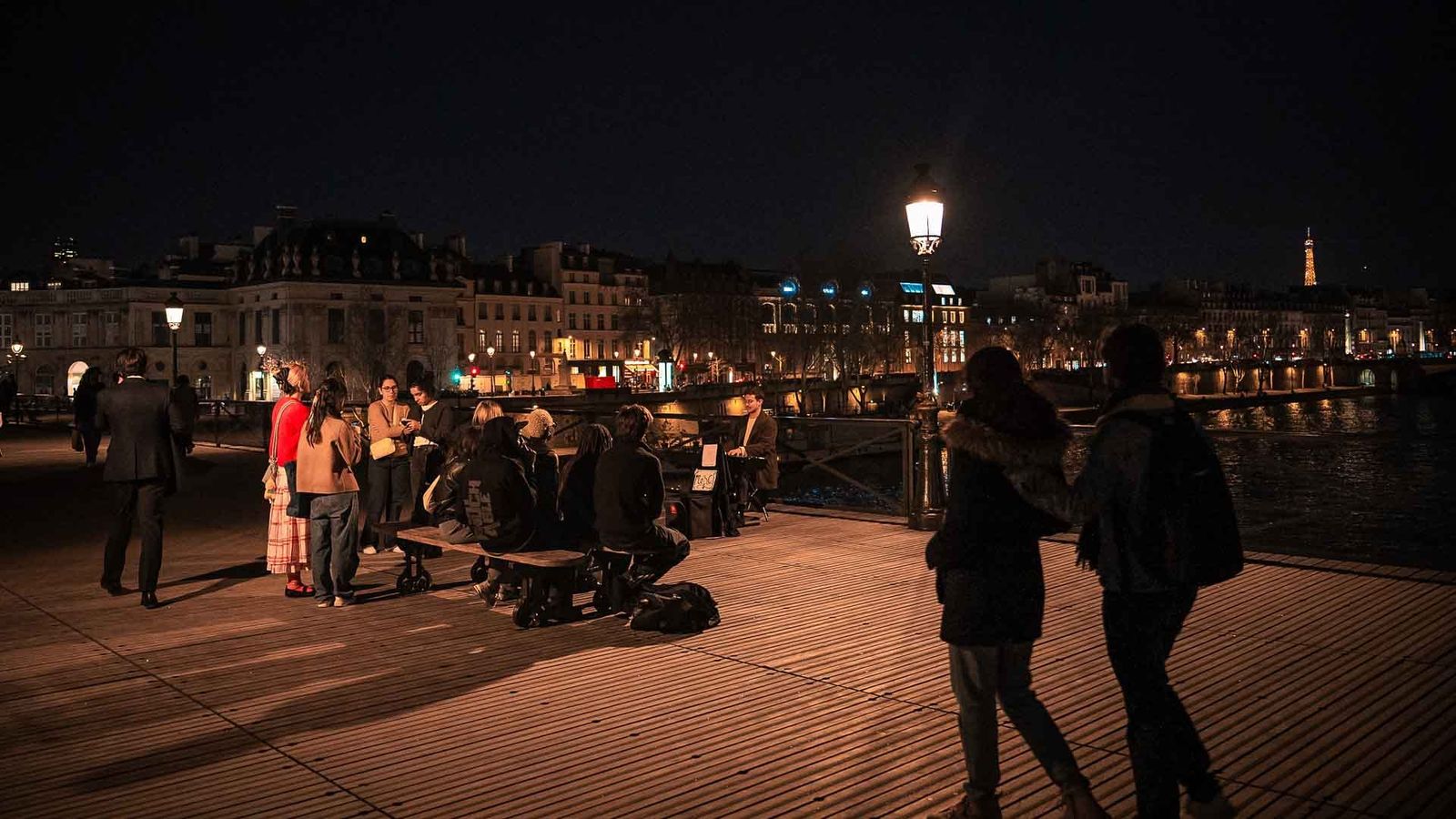
The Pont des Arts continues to inspire. Its central location offers breathtaking views of the Île de la Cité, the Pont Neuf, and the Louvre’s grand architecture. Strolling across the bridge today, visitors can still feel the presence of the many artists who have been inspired by its charm. The bridge has appeared in several films, including The Bourne Identity and Amélie, and has served as a venue for exhibitions, further cementing its role as a cultural icon.
Whether you are a lover of art, architecture, or simply looking for a romantic spot to reflect on the beauty of Paris, the Pont des Arts remains an unmissable destination—a place where history, culture, and love come together in perfect harmony.