

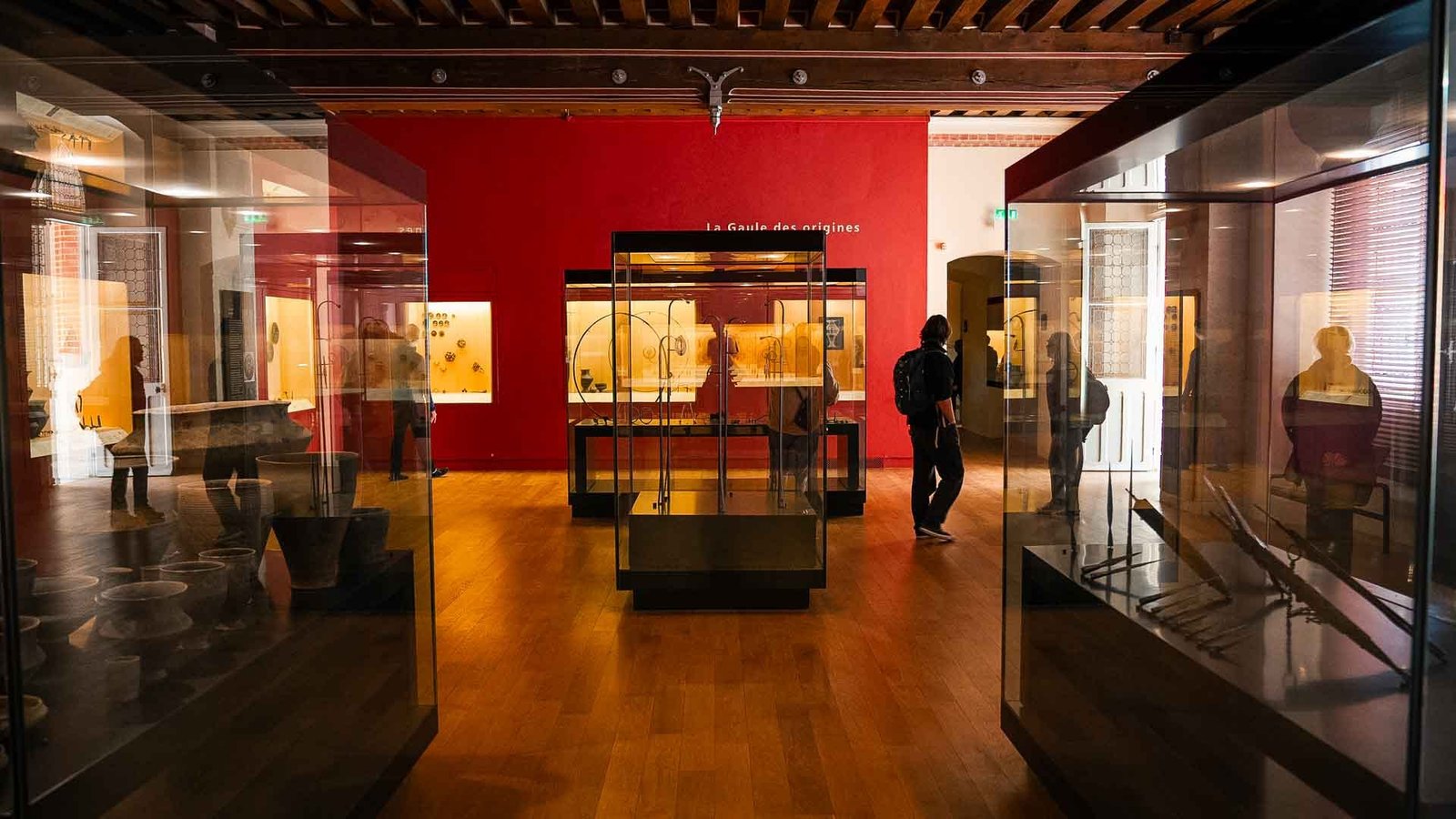
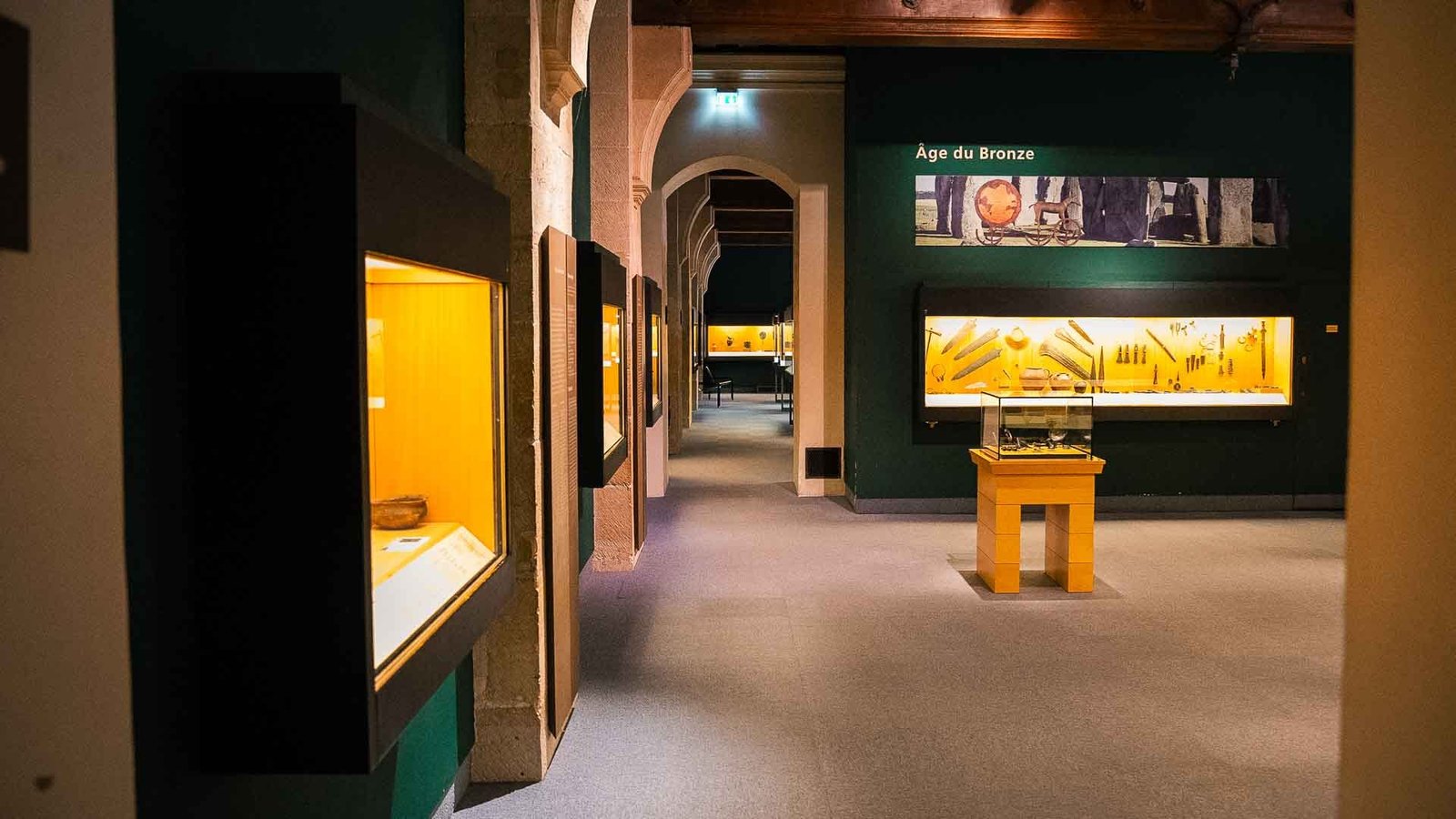
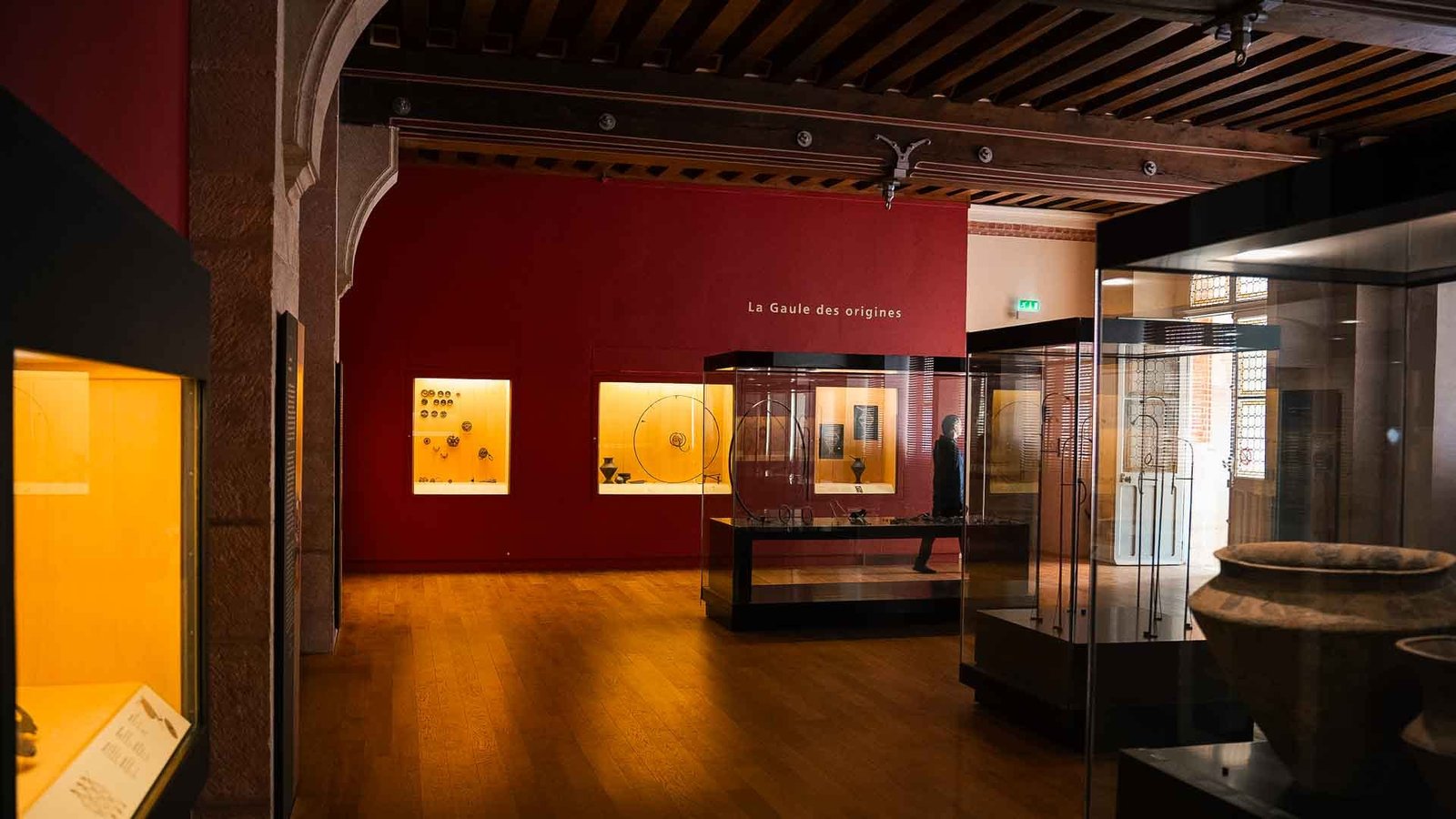
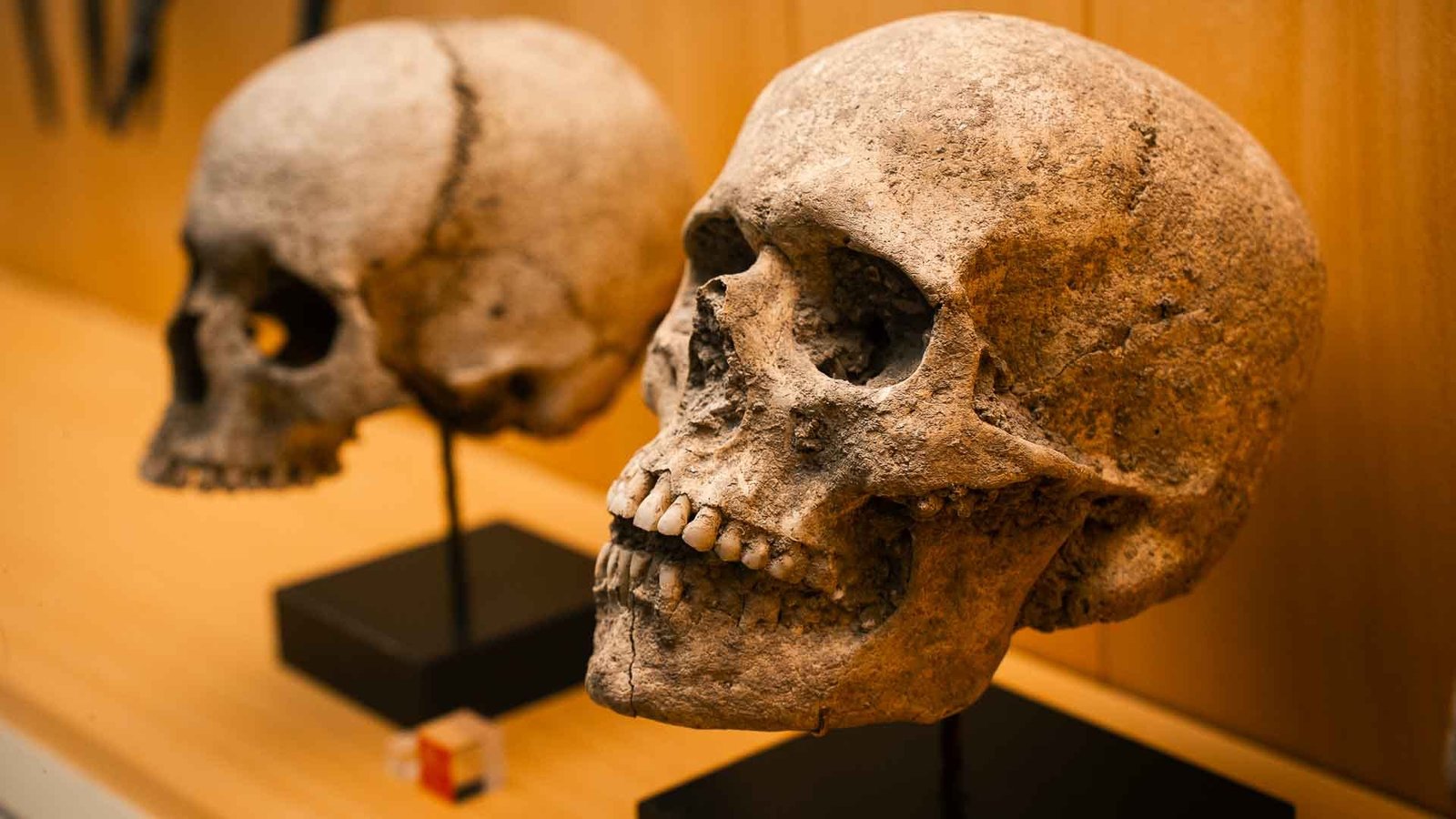
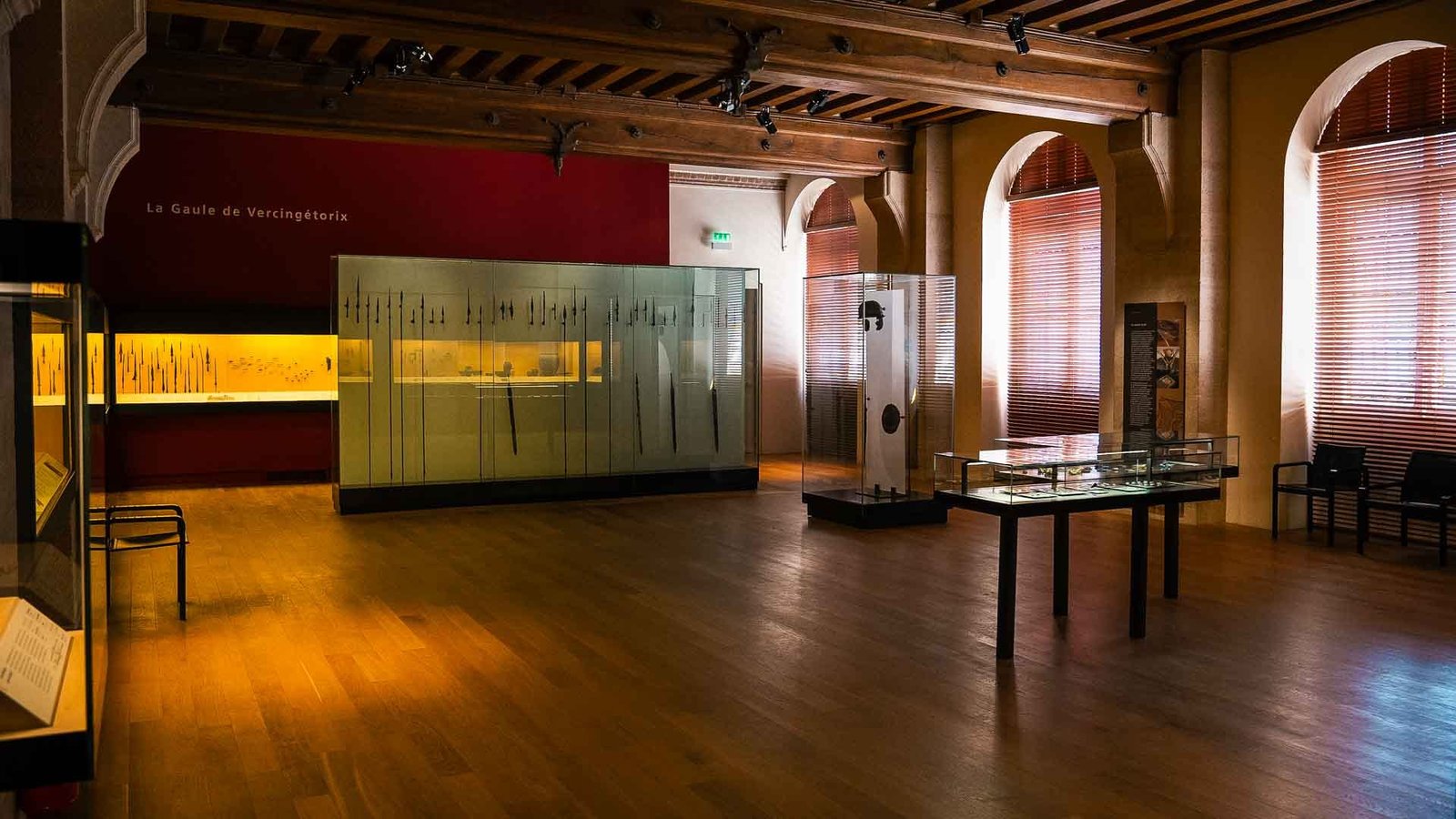
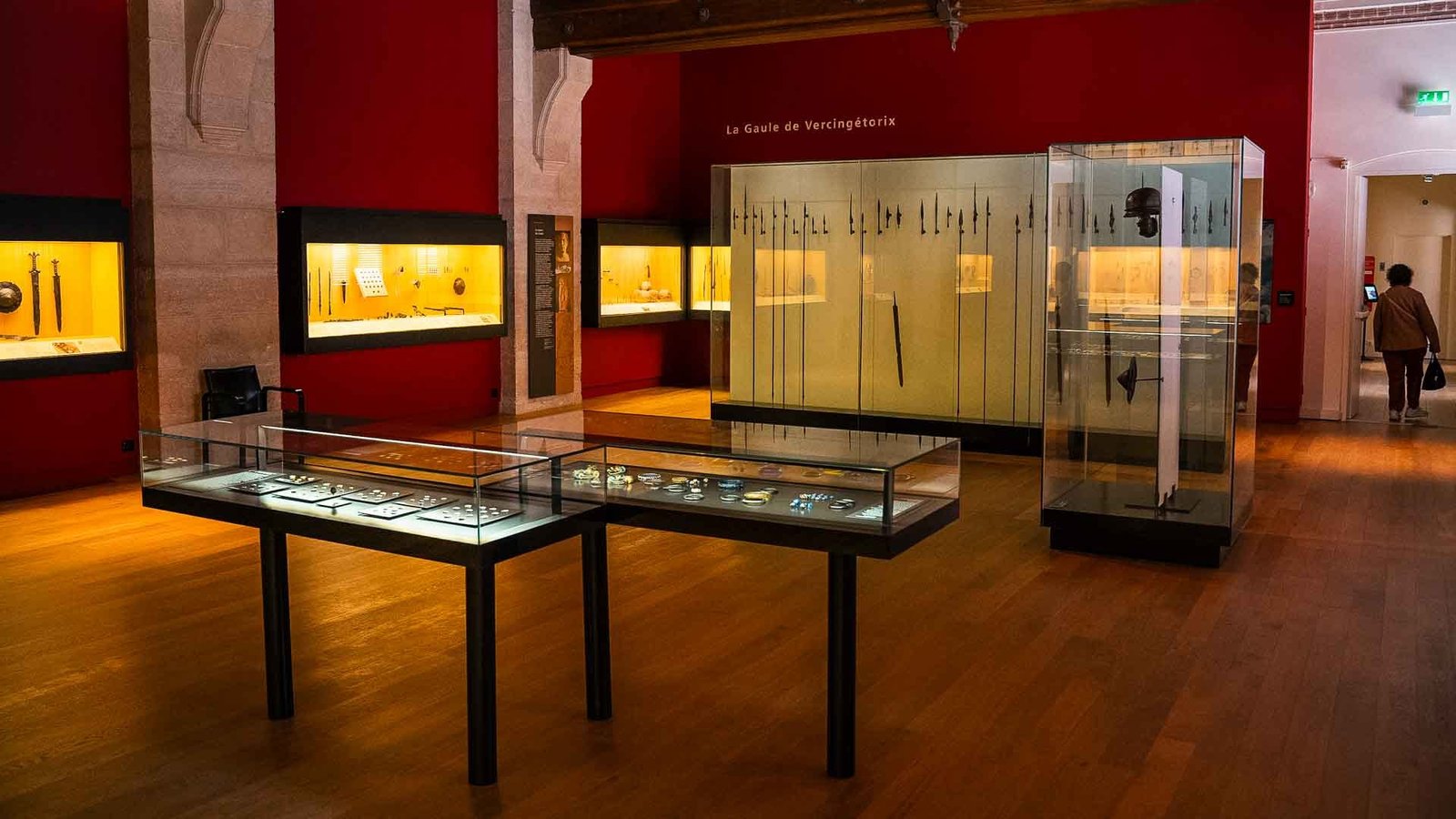
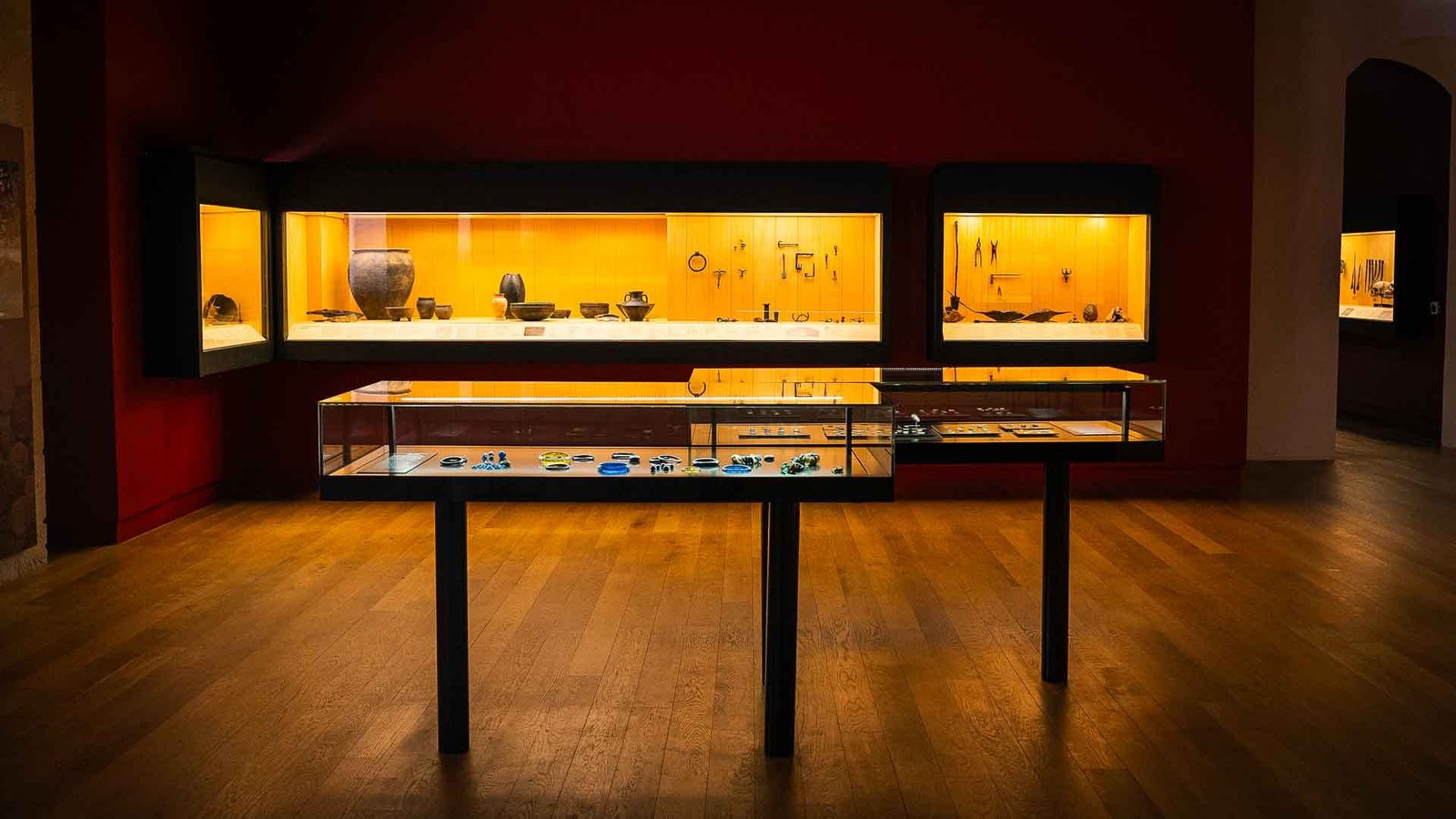
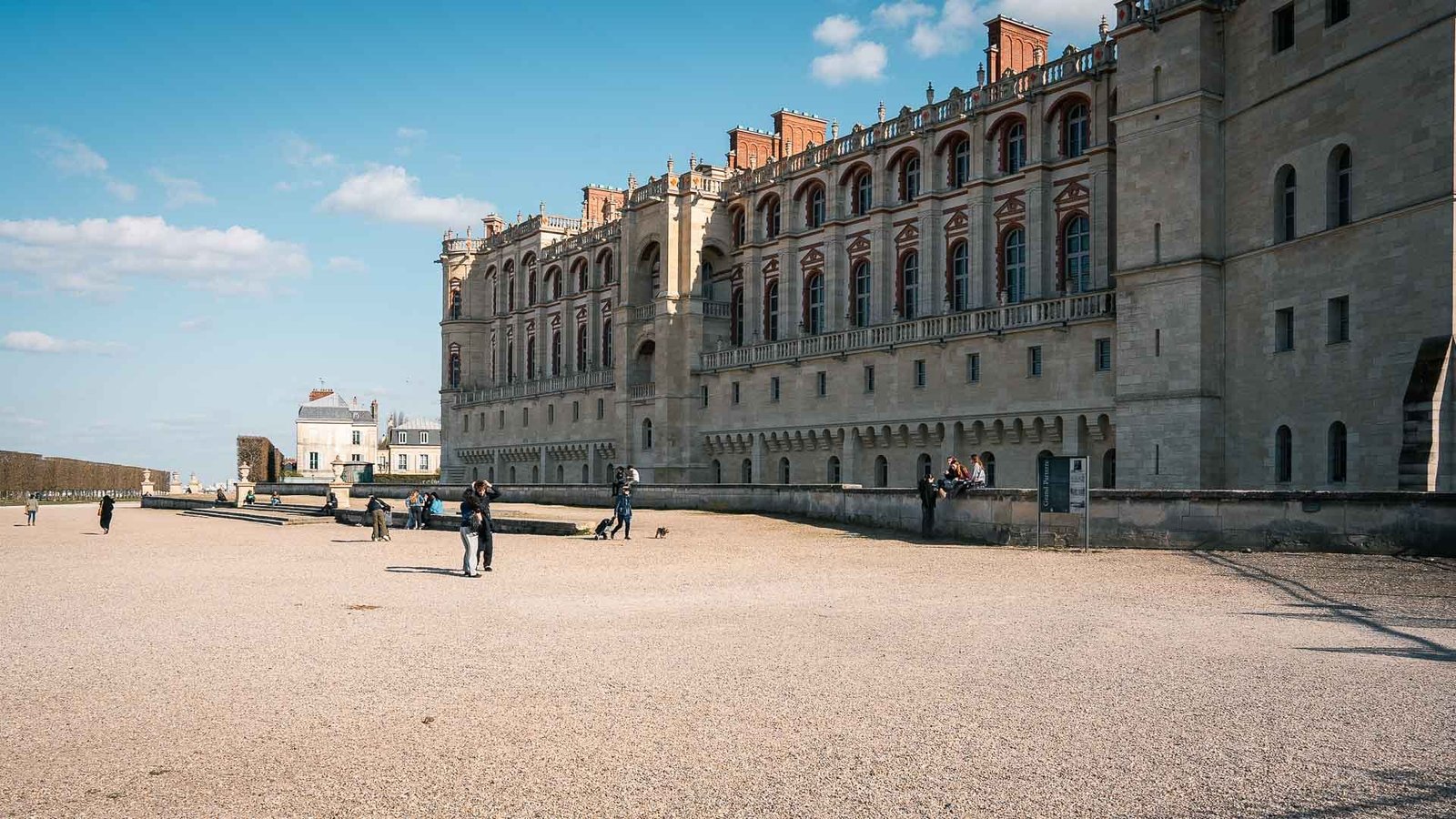
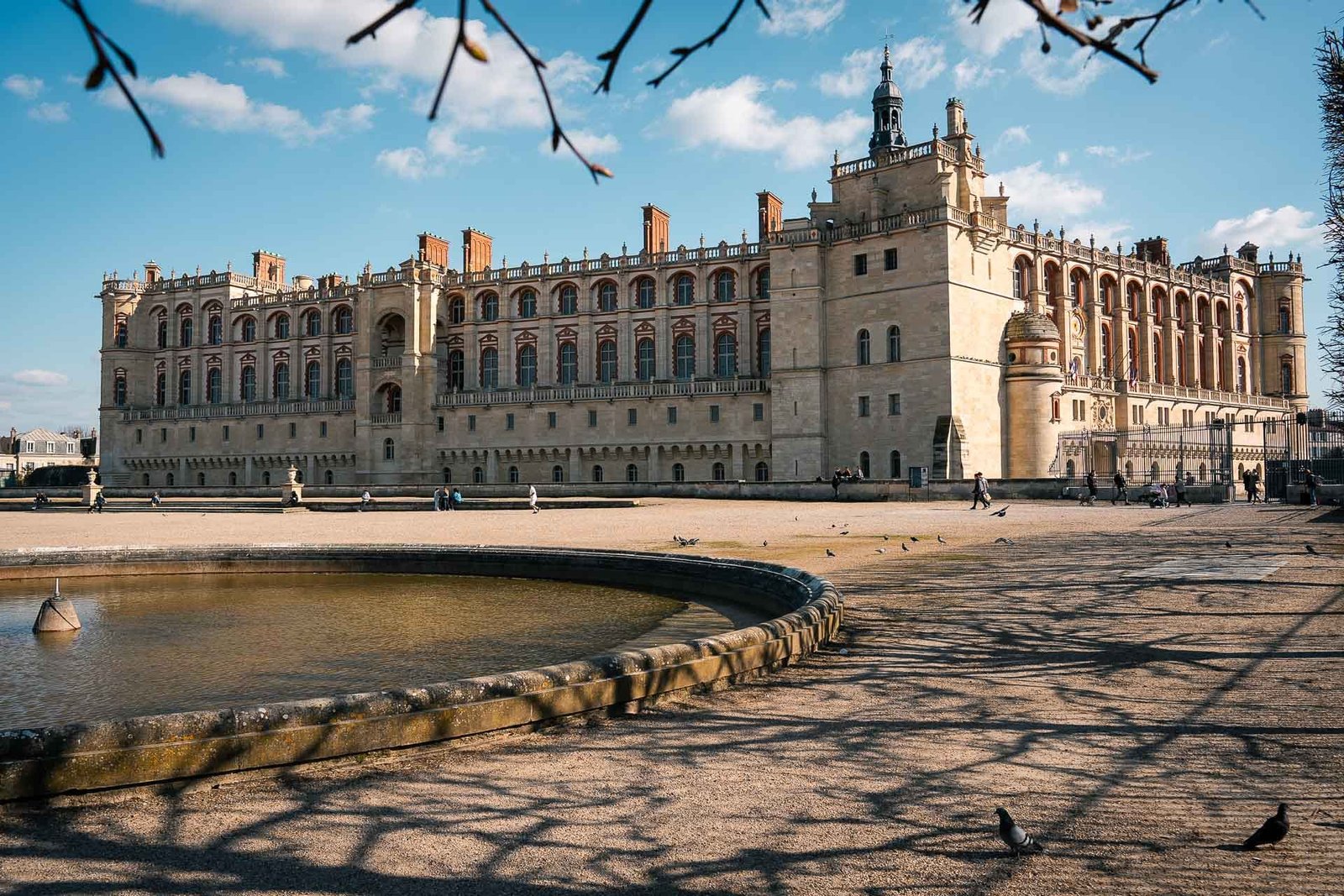
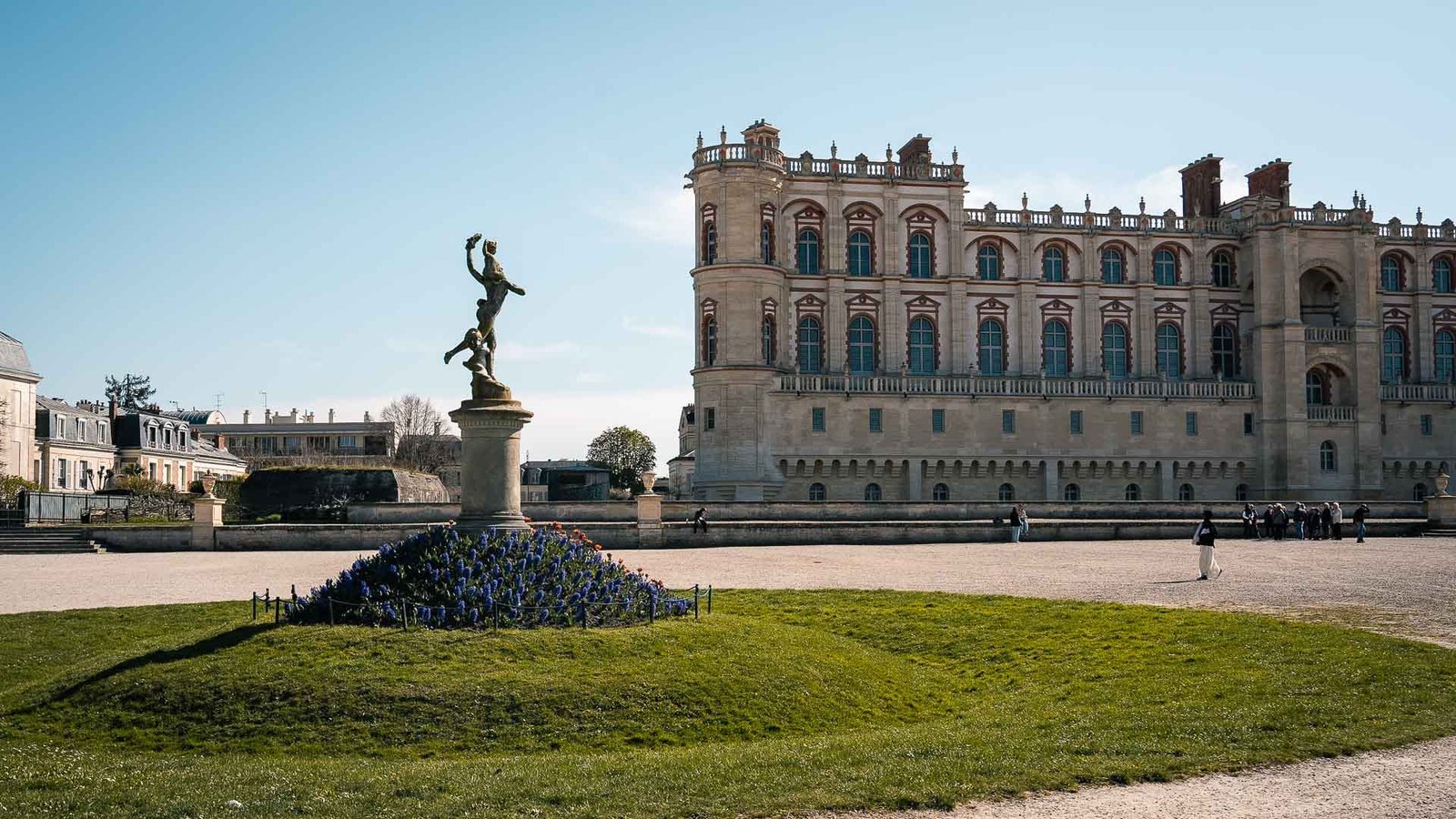
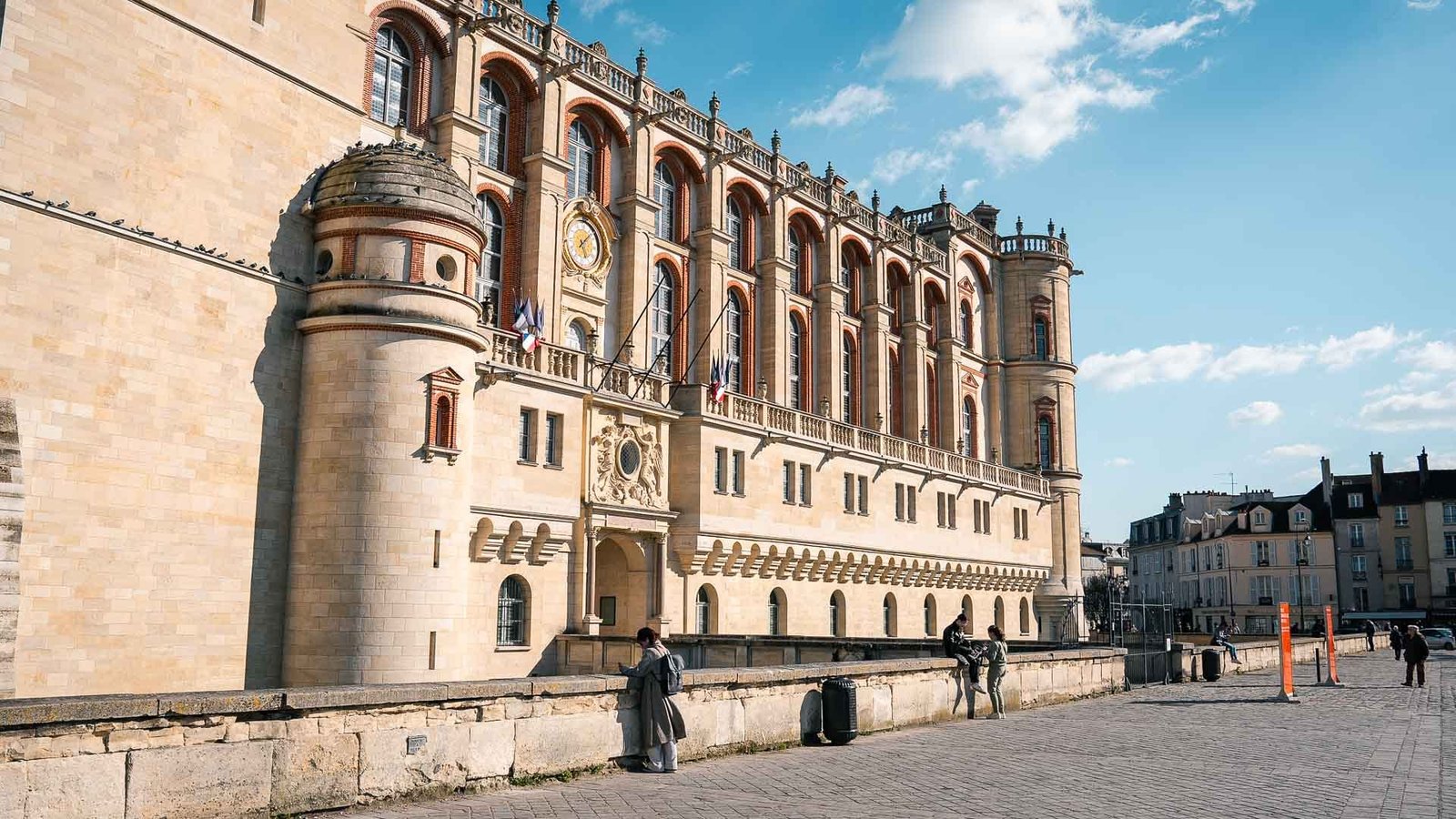
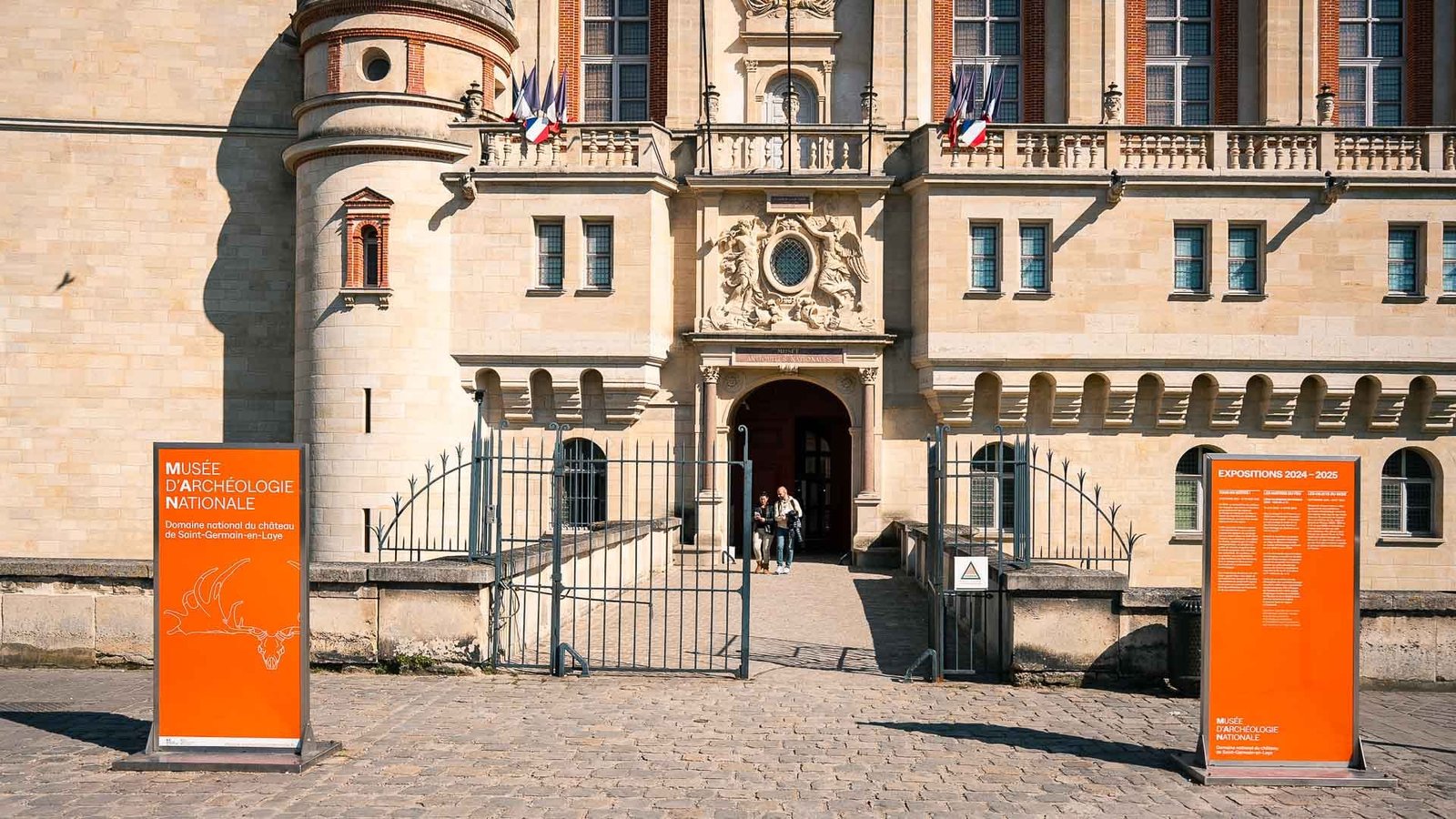
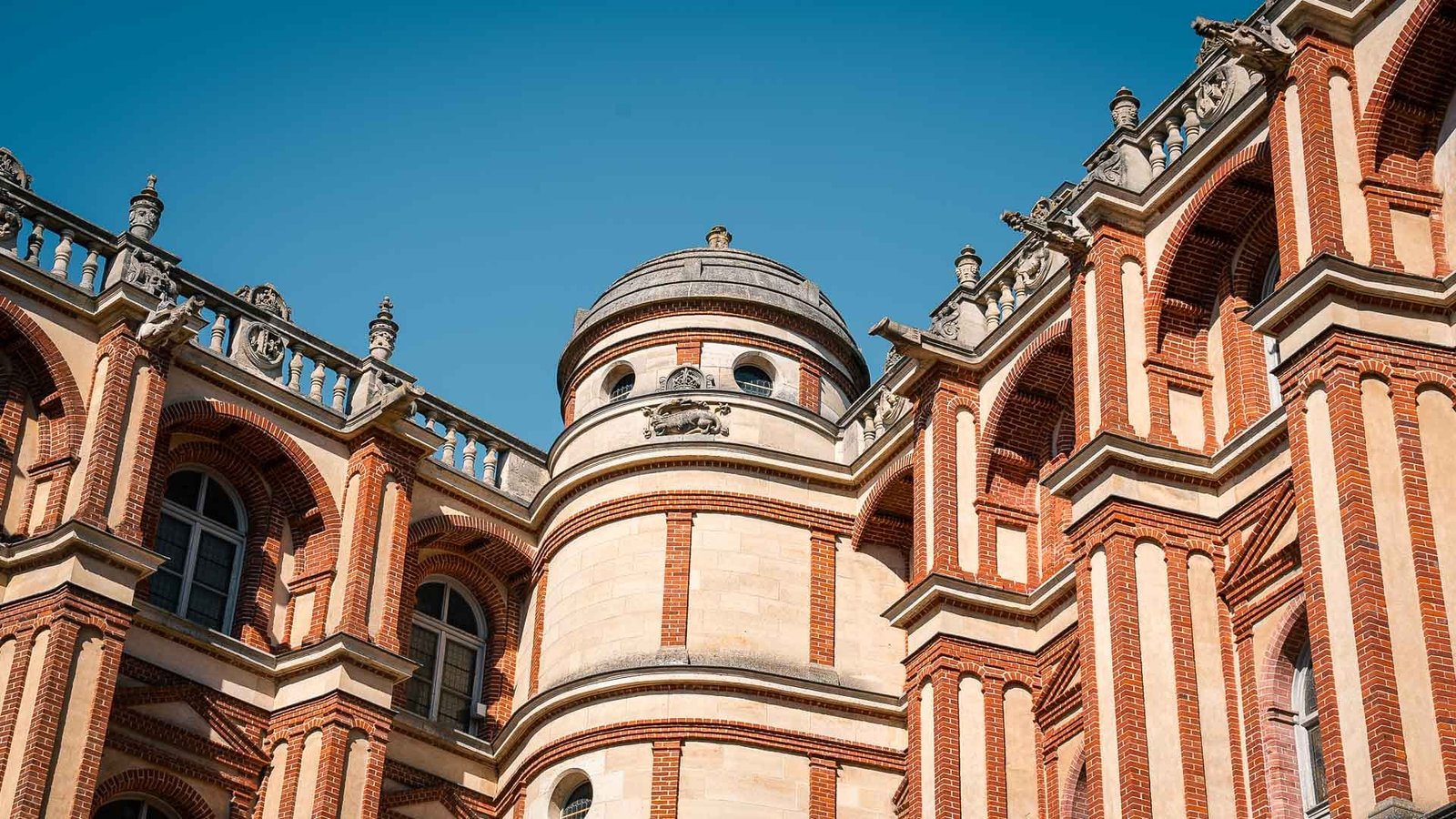
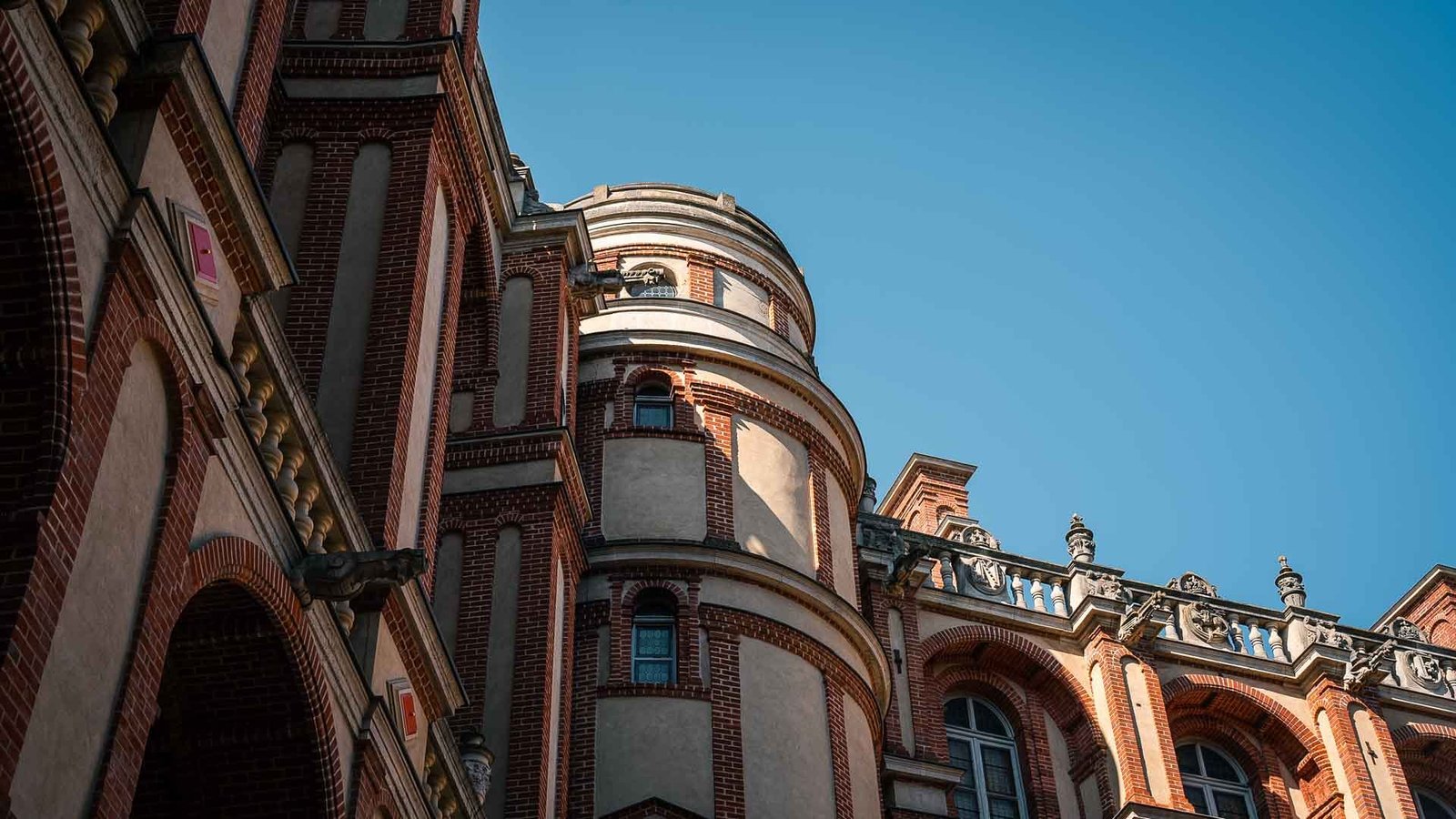
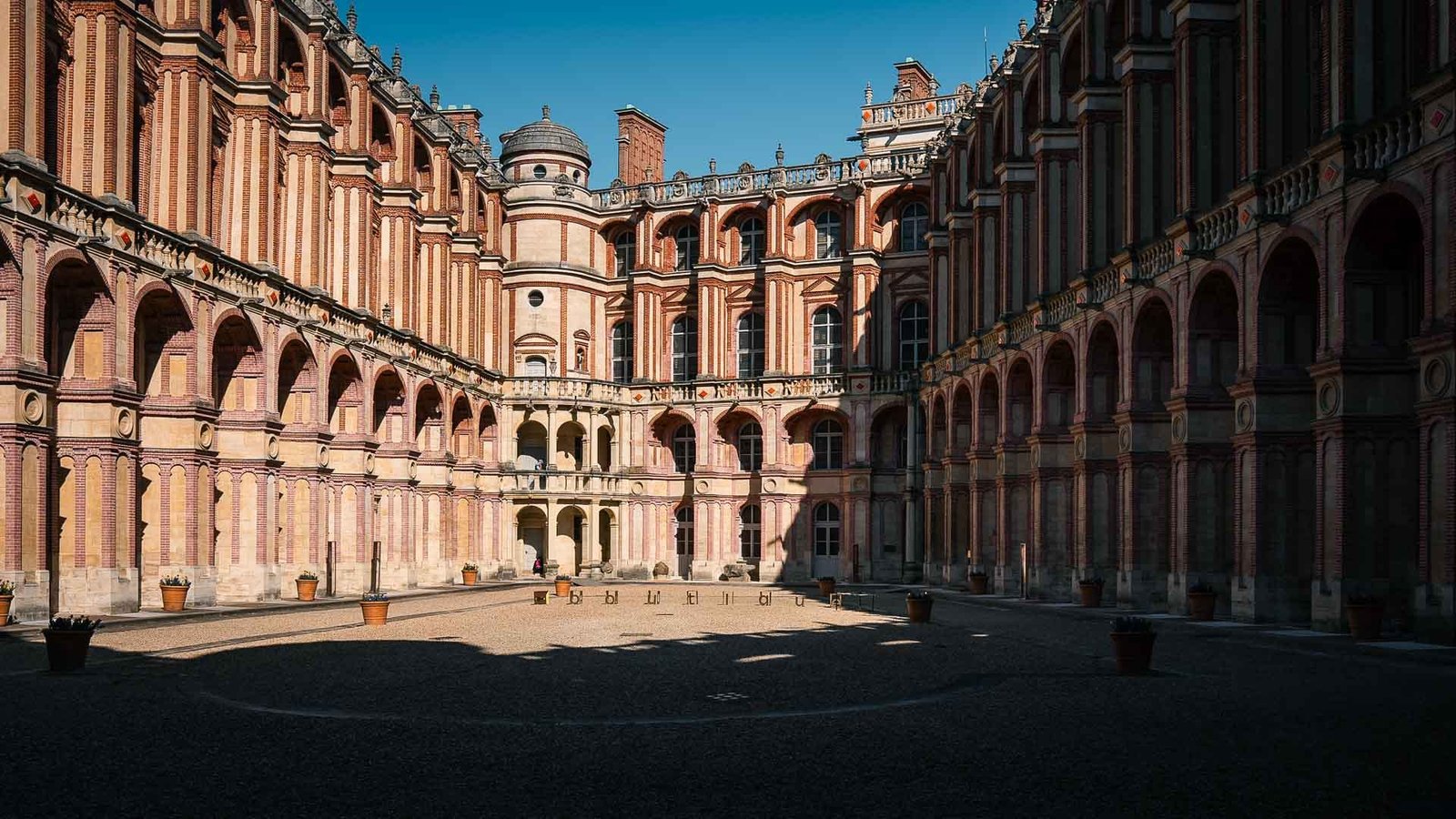
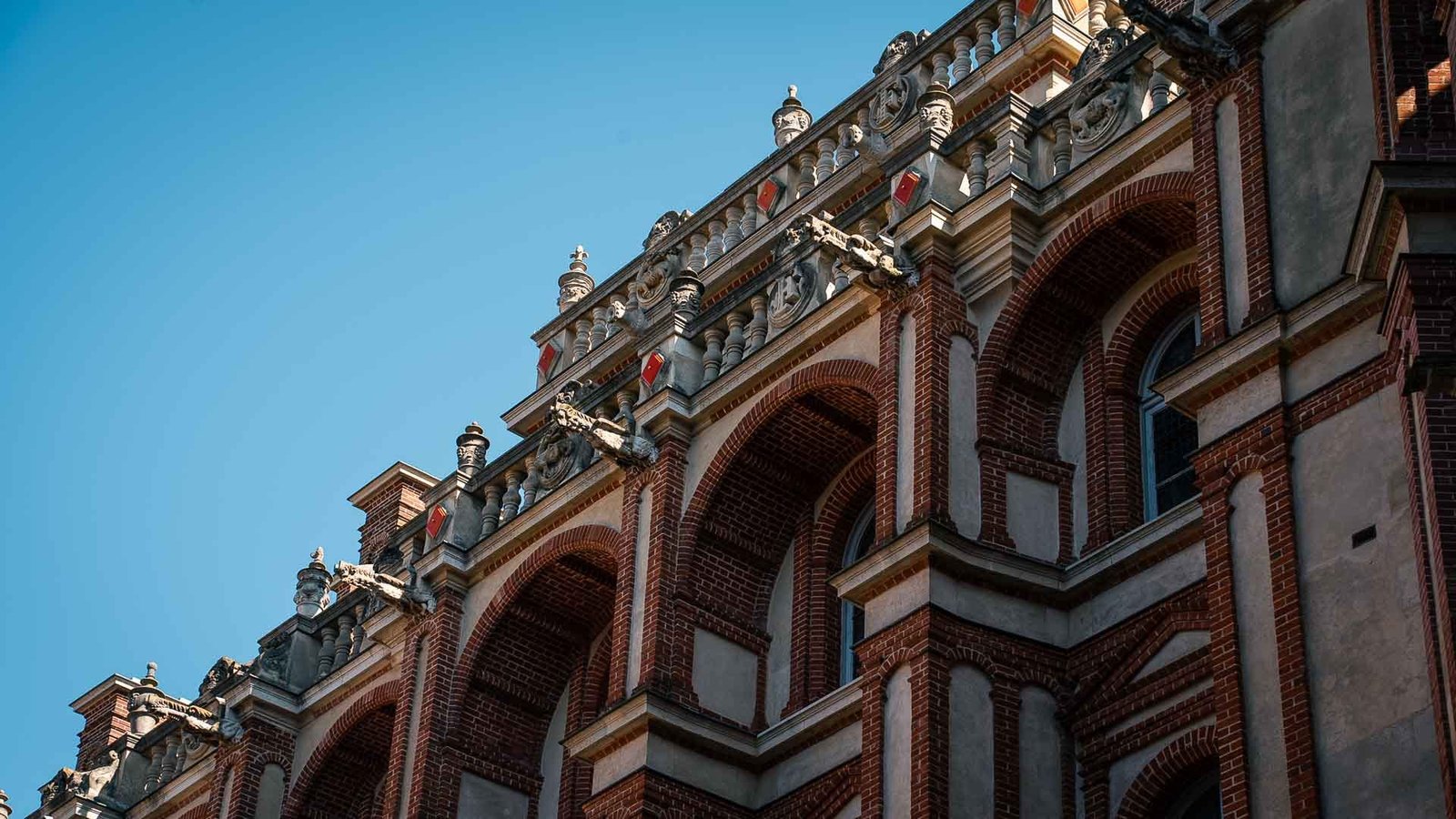
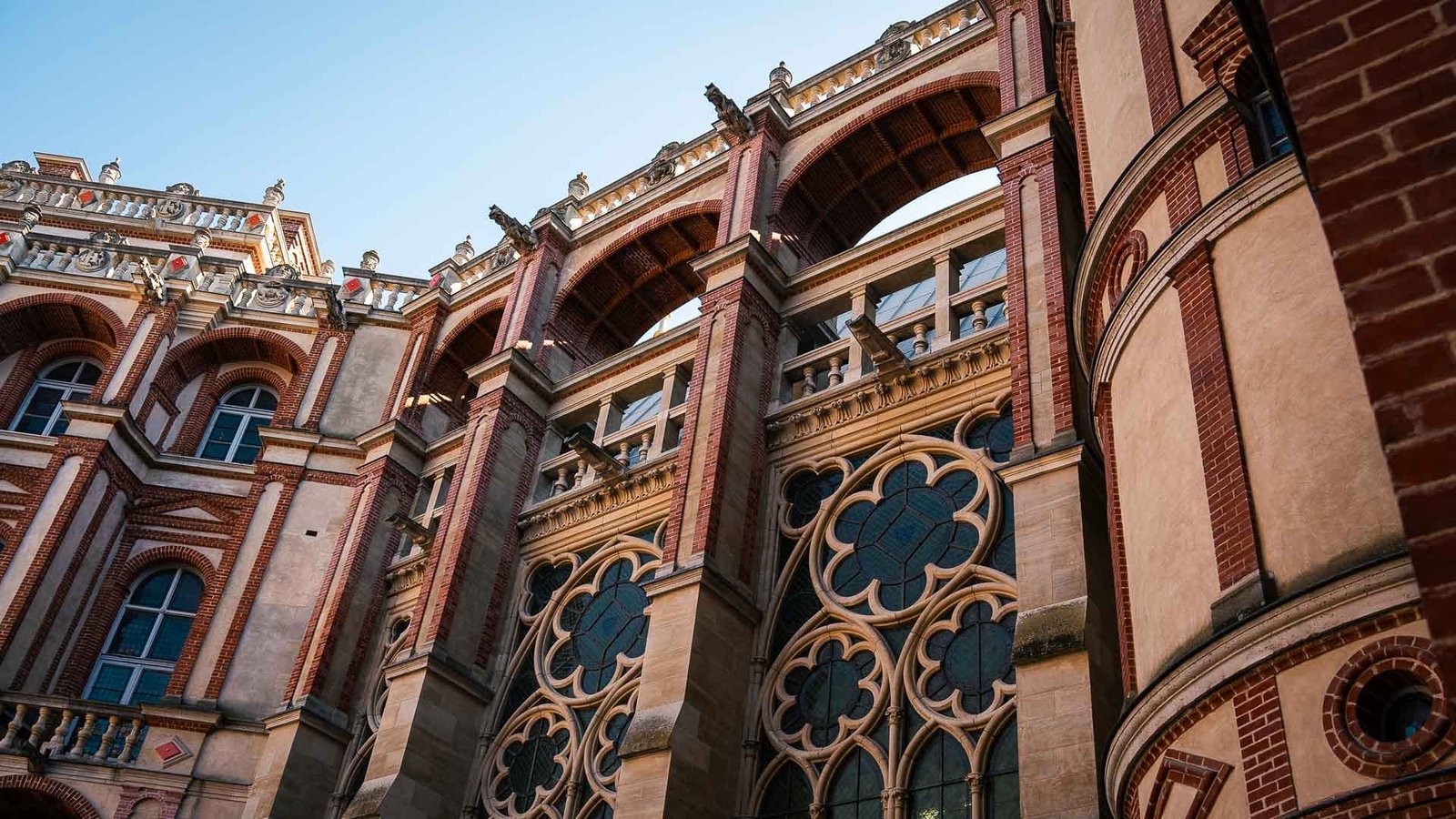
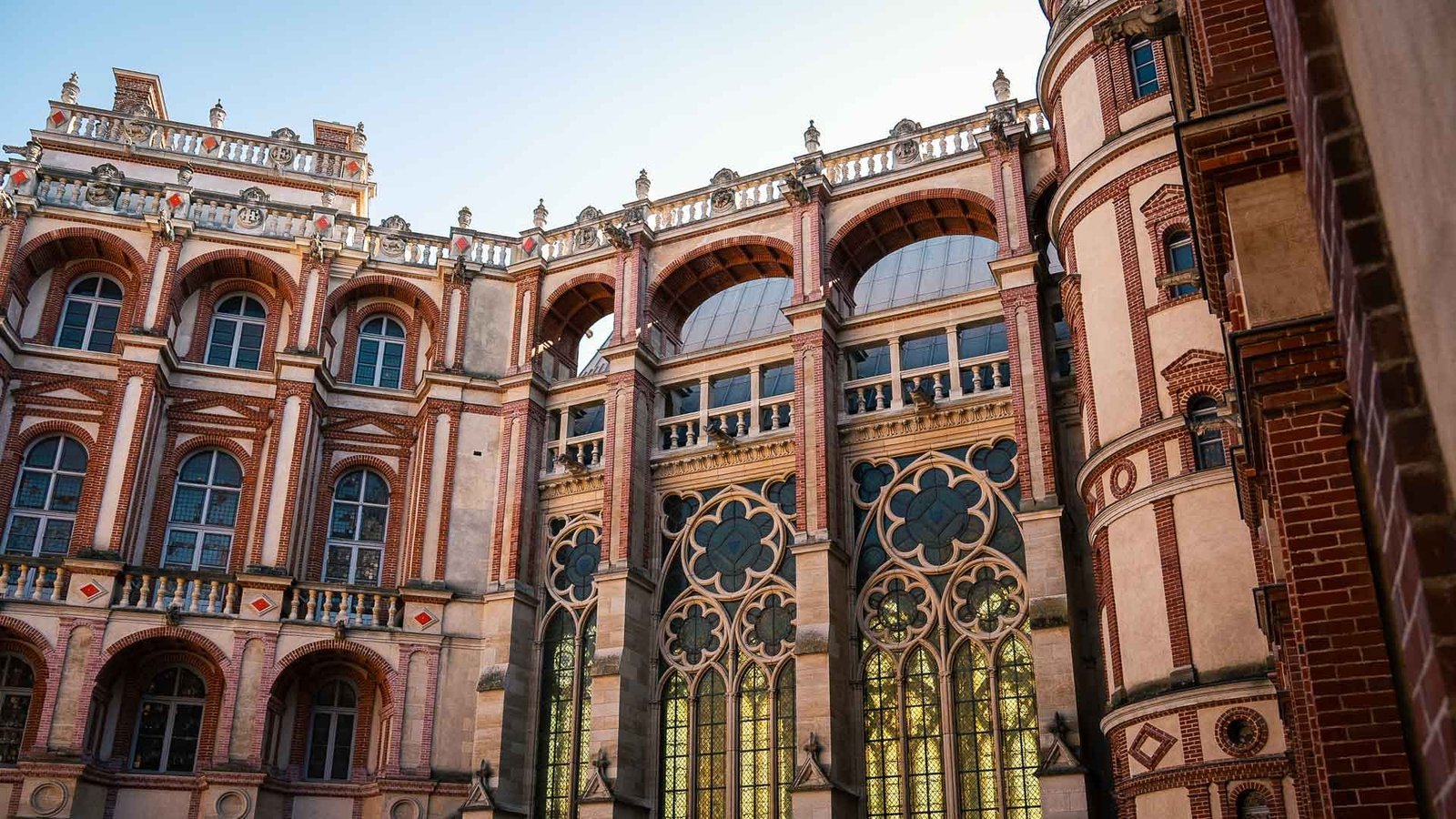
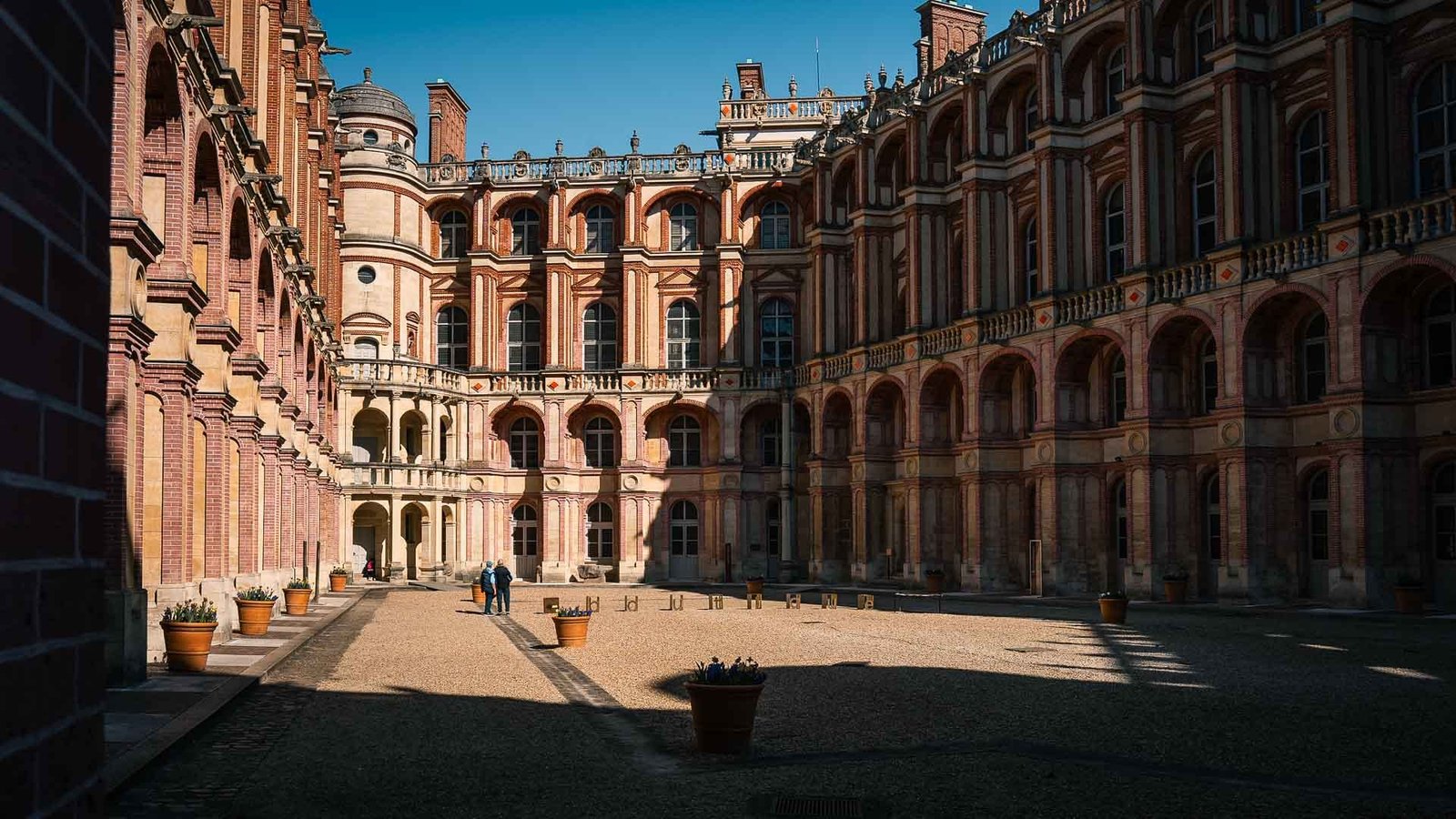
Set within the Château de Saint-Germain-en-Laye, the Musée d’Archéologie Nationale offers a fascinating glimpse into the history of France from prehistoric times to the early Middle Ages.
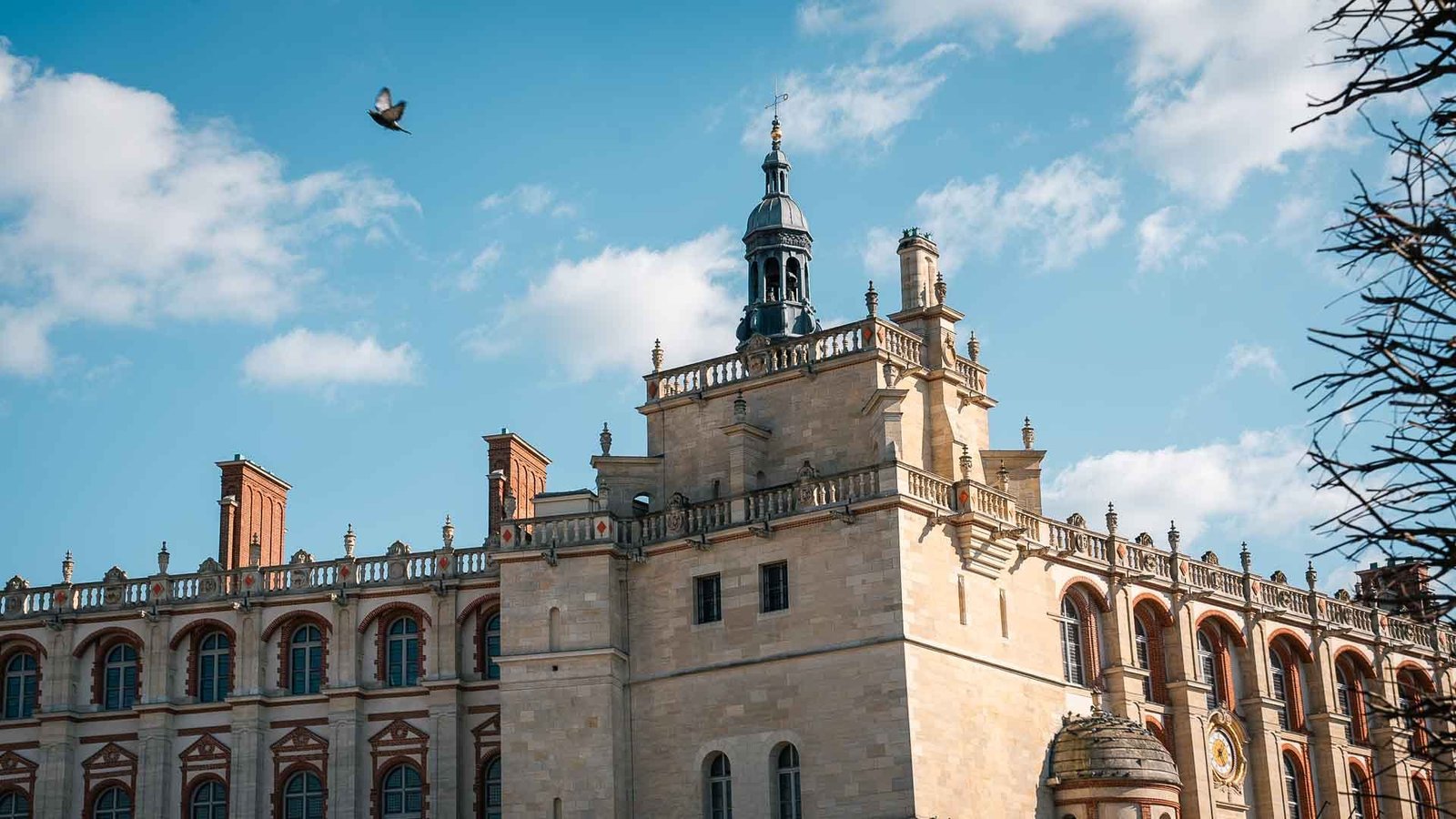
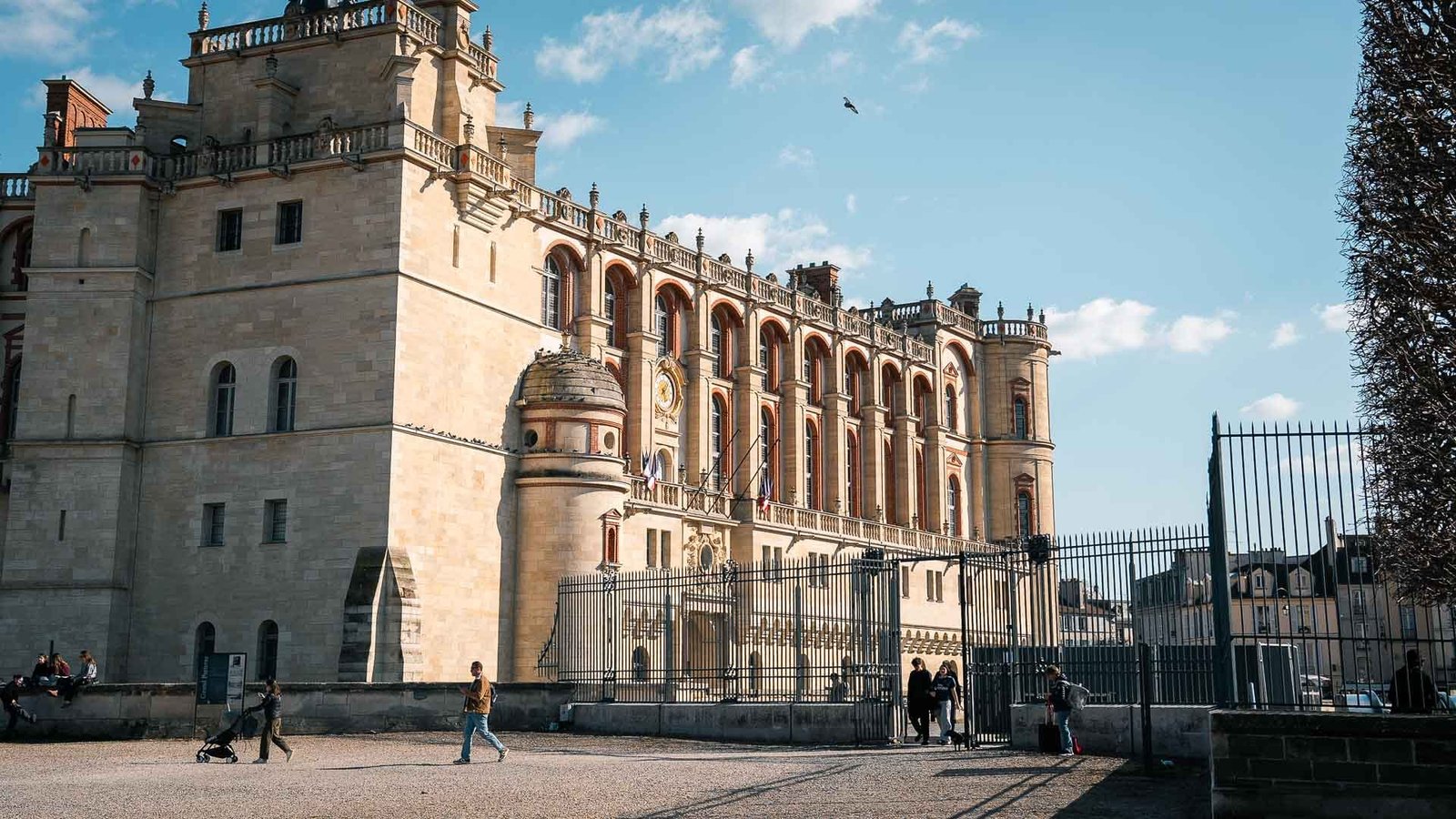
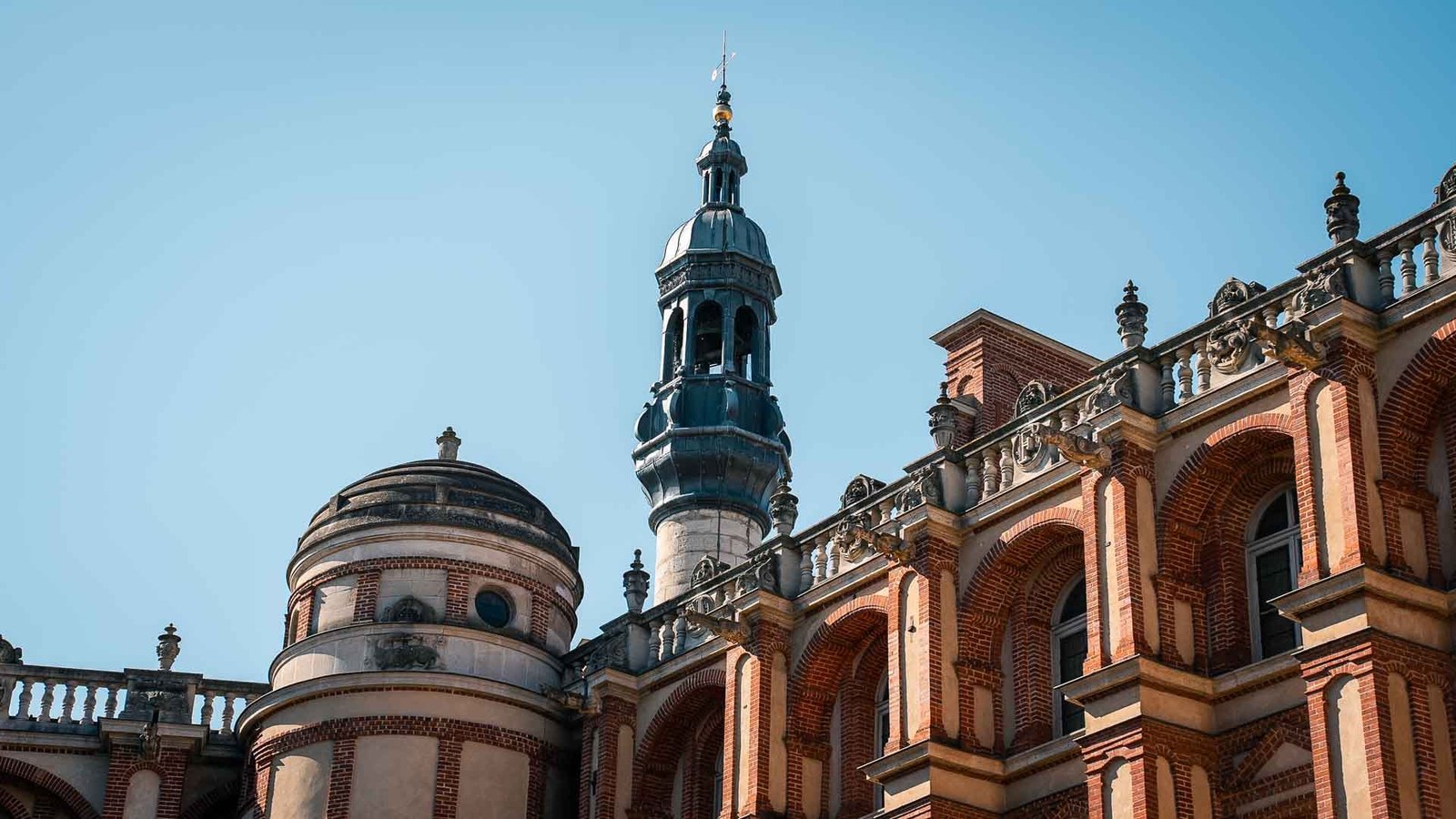
Established in 1862 at the initiative of Napoleon III, this museum was originally known as the Museum of National Antiquities before adopting its current name in 2005. The château itself, a former royal residence where several kings of France were born, adds an extra layer of historical significance, having been meticulously restored by architect Eugène Millet in the 19th century.
Rich Historical Background
Founded by Napoleon III, the museum’s initial mission was to showcase archaeological finds that contributed to the understanding of France’s national history. Over the years, it has grown to house one of Europe’s largest collections of archaeological artifacts, with around 30,000 objects currently on display. The château itself, once the residence of French kings and a symbol of France’s royal past, now serves as the perfect setting for exploring thousands of years of human history.
Archaeological Collections
The Musée d’Archéologie Nationale presents an unparalleled collection spanning from the Palaeolithic to the Carolingian era, with a particular focus on French archaeology. Key periods covered include:
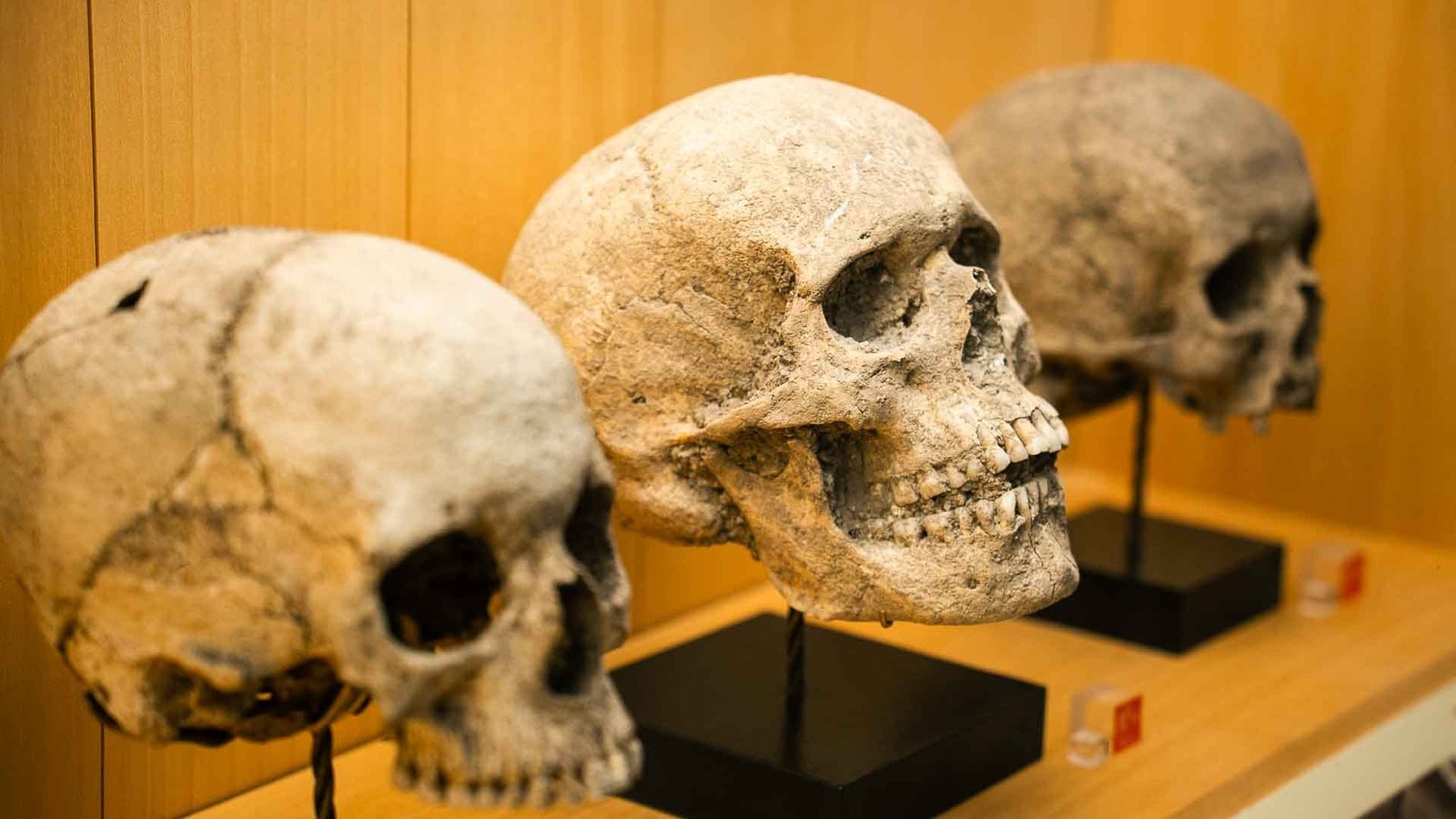
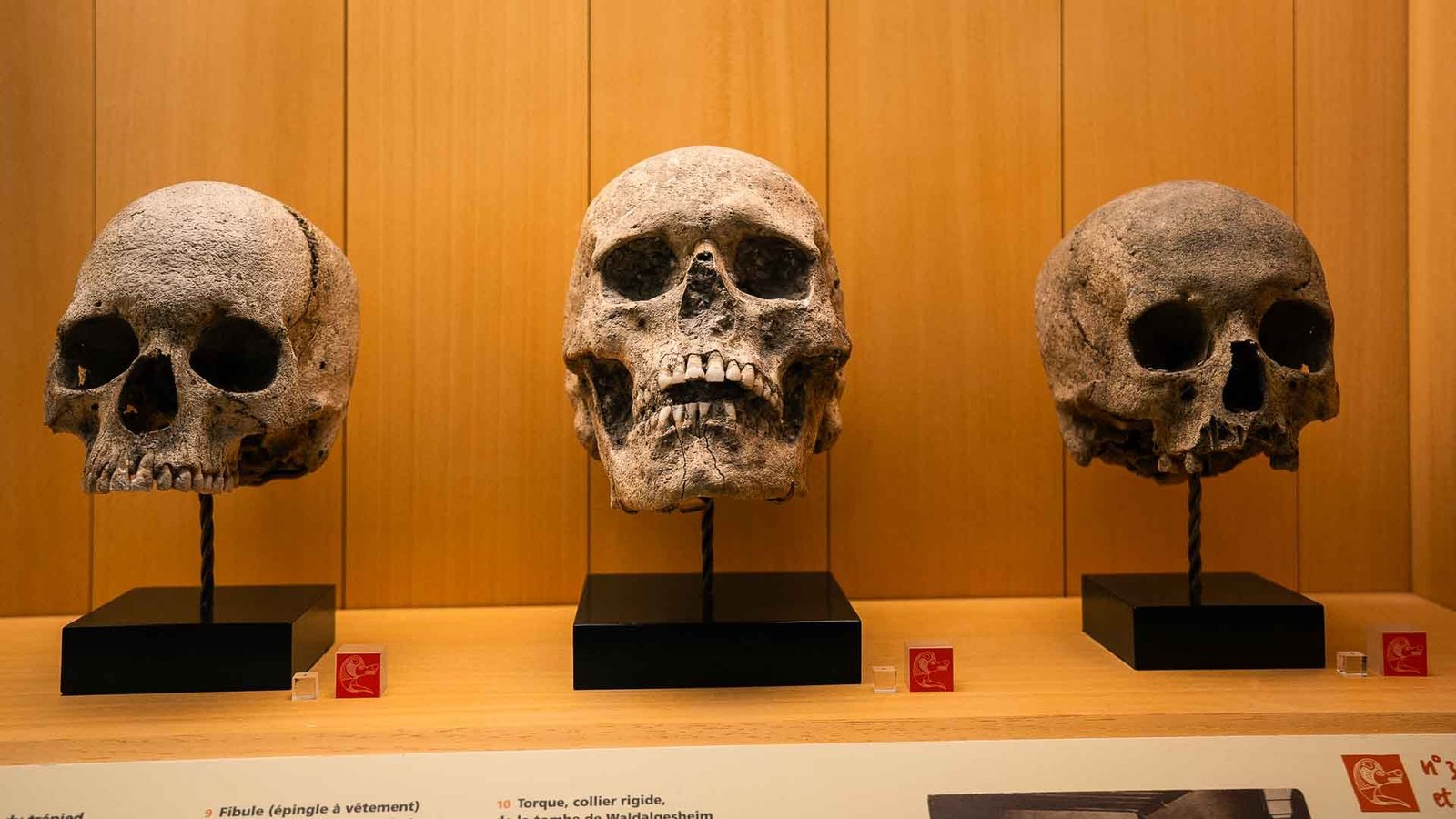
- Palaeolithic to Mesolithic: Early human evolution, hunter-gatherer lifestyles, and the dawn of tool use. This section highlights stone tools from the Lower Palaeolithic and the emergence of fire domestication around 400,000 years ago.
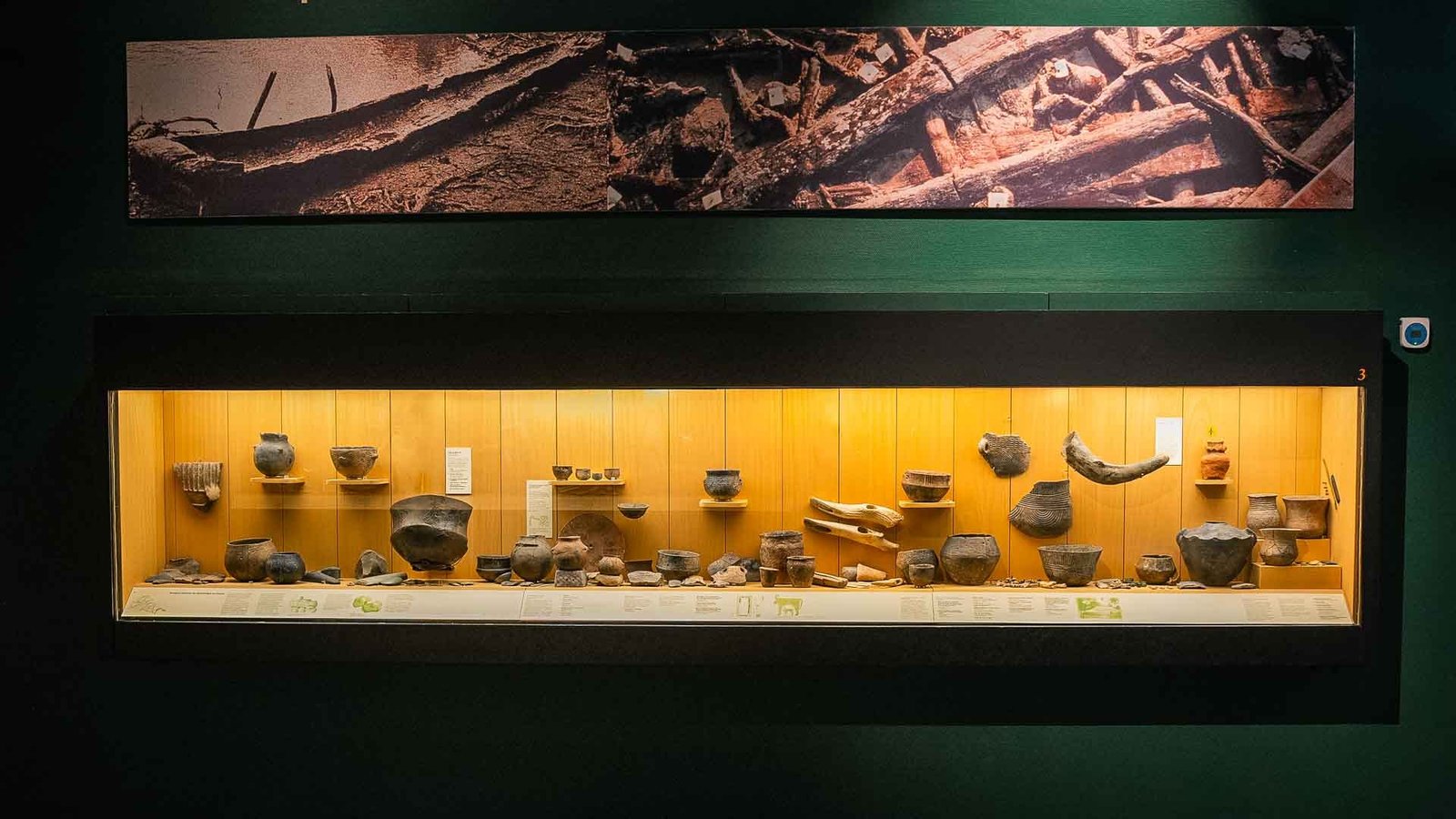
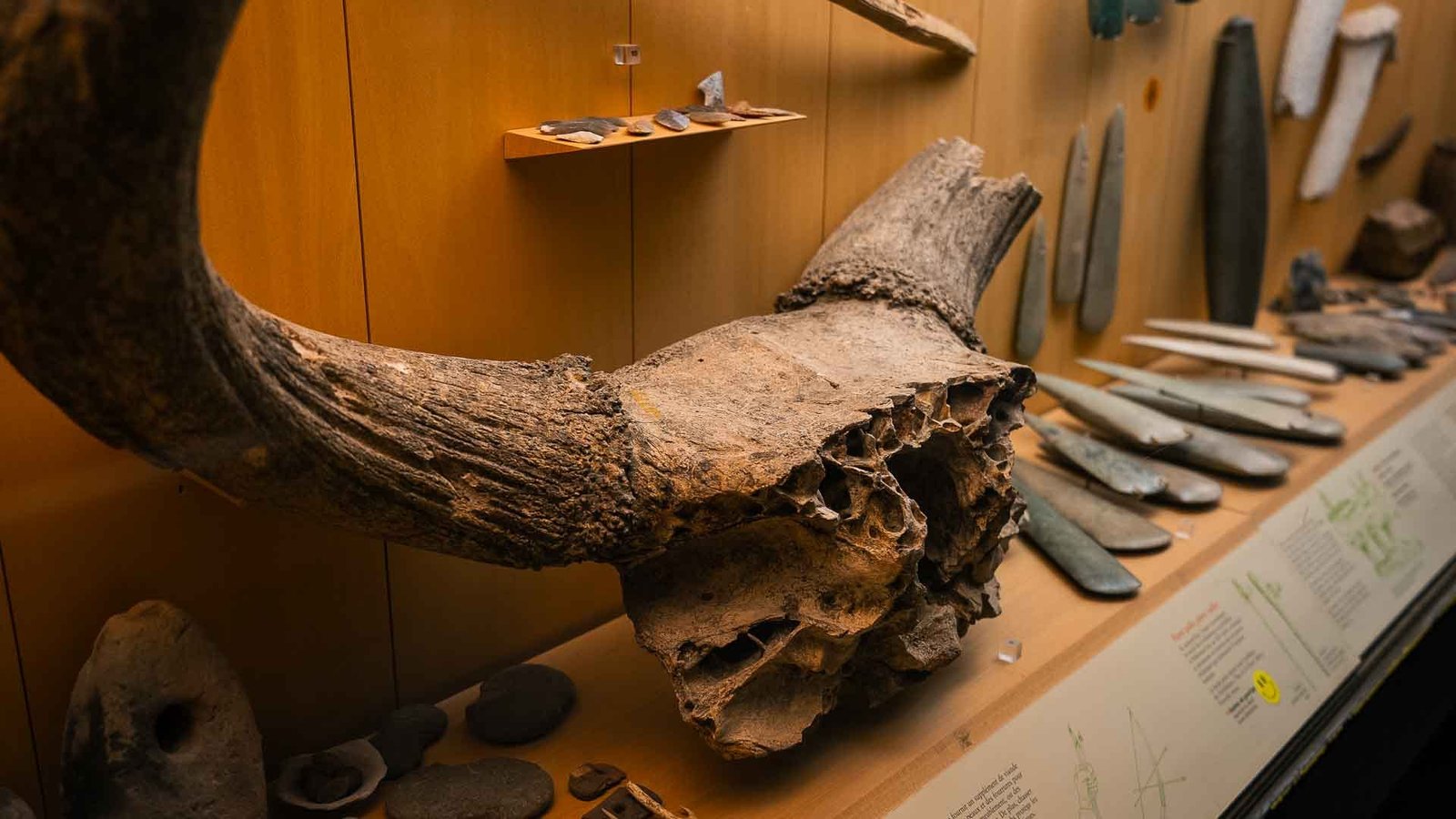
- Neolithic: A turning point in human history when early agricultural societies began to emerge. Visitors will discover the transition from nomadic life to sedentary village communities, the rise of megalithic structures, and the development of long-distance trade.
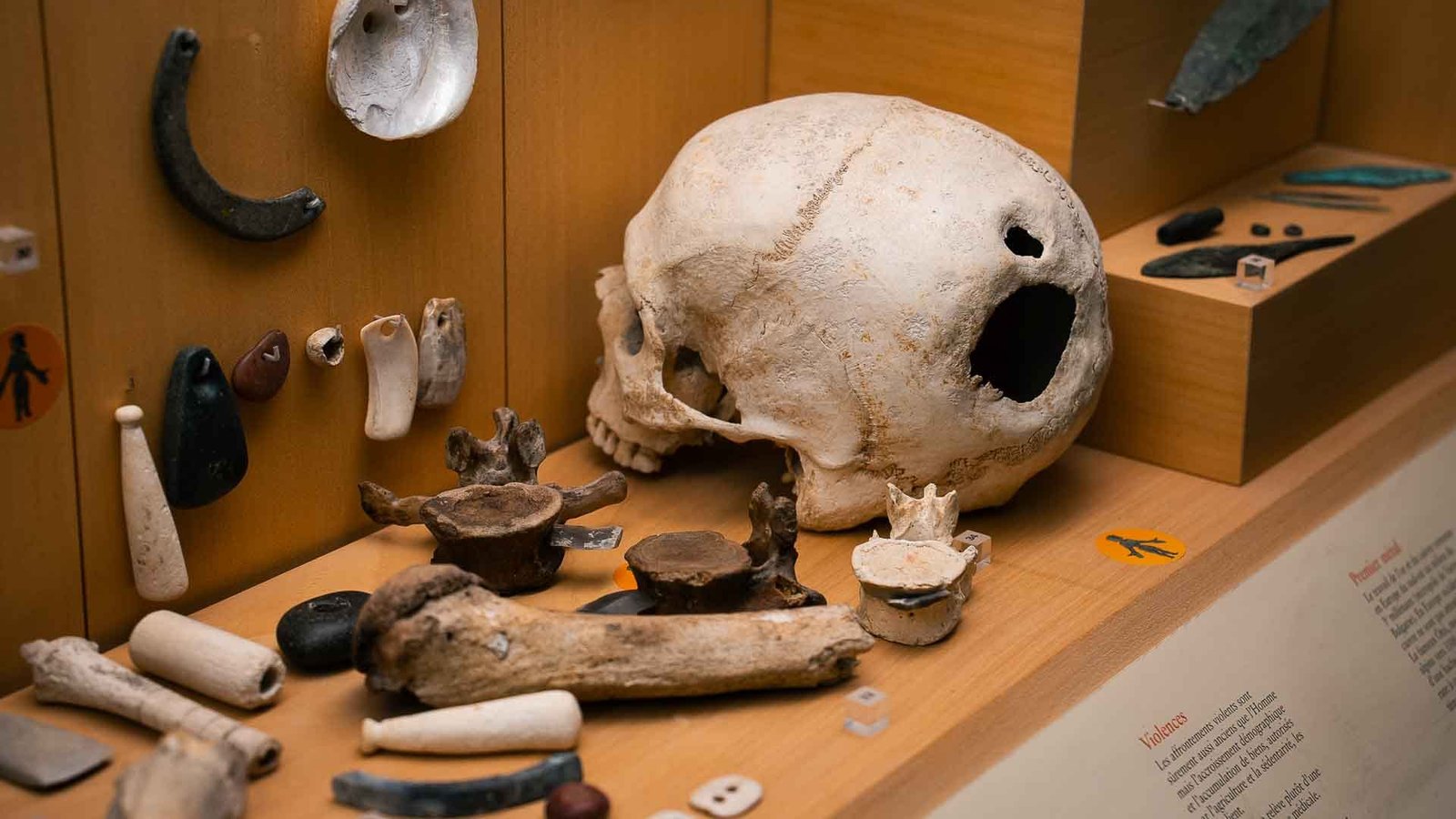
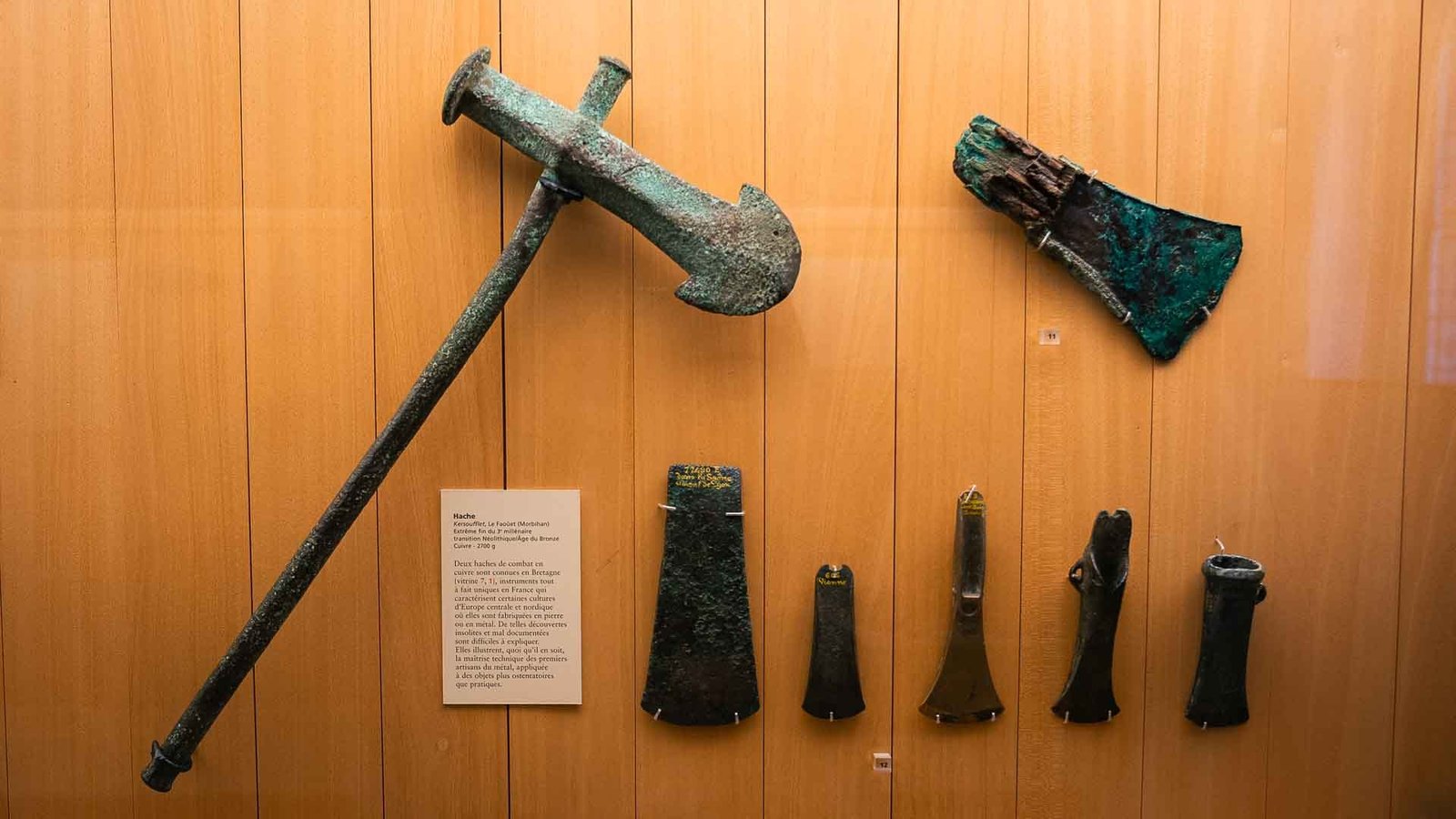
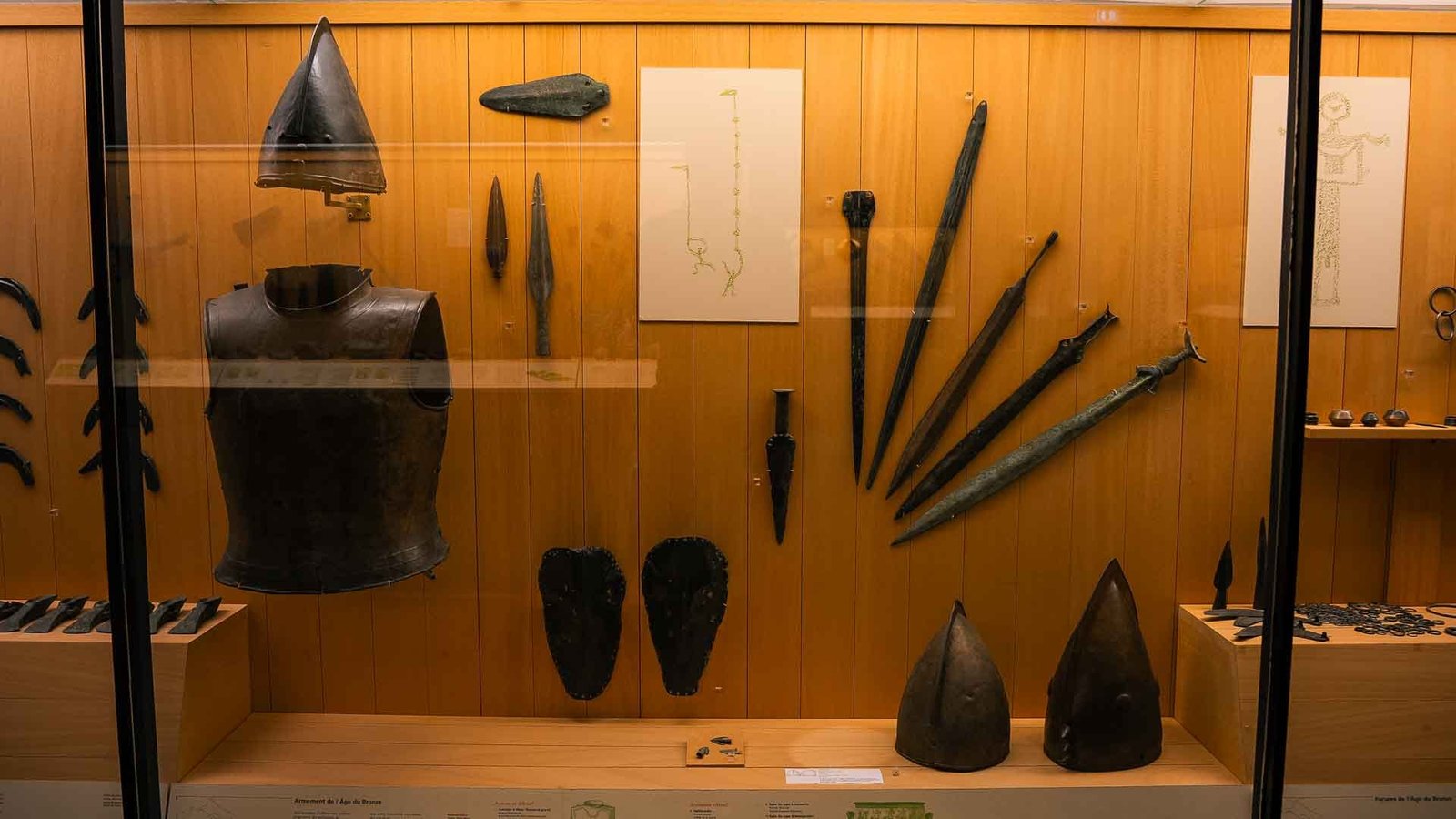
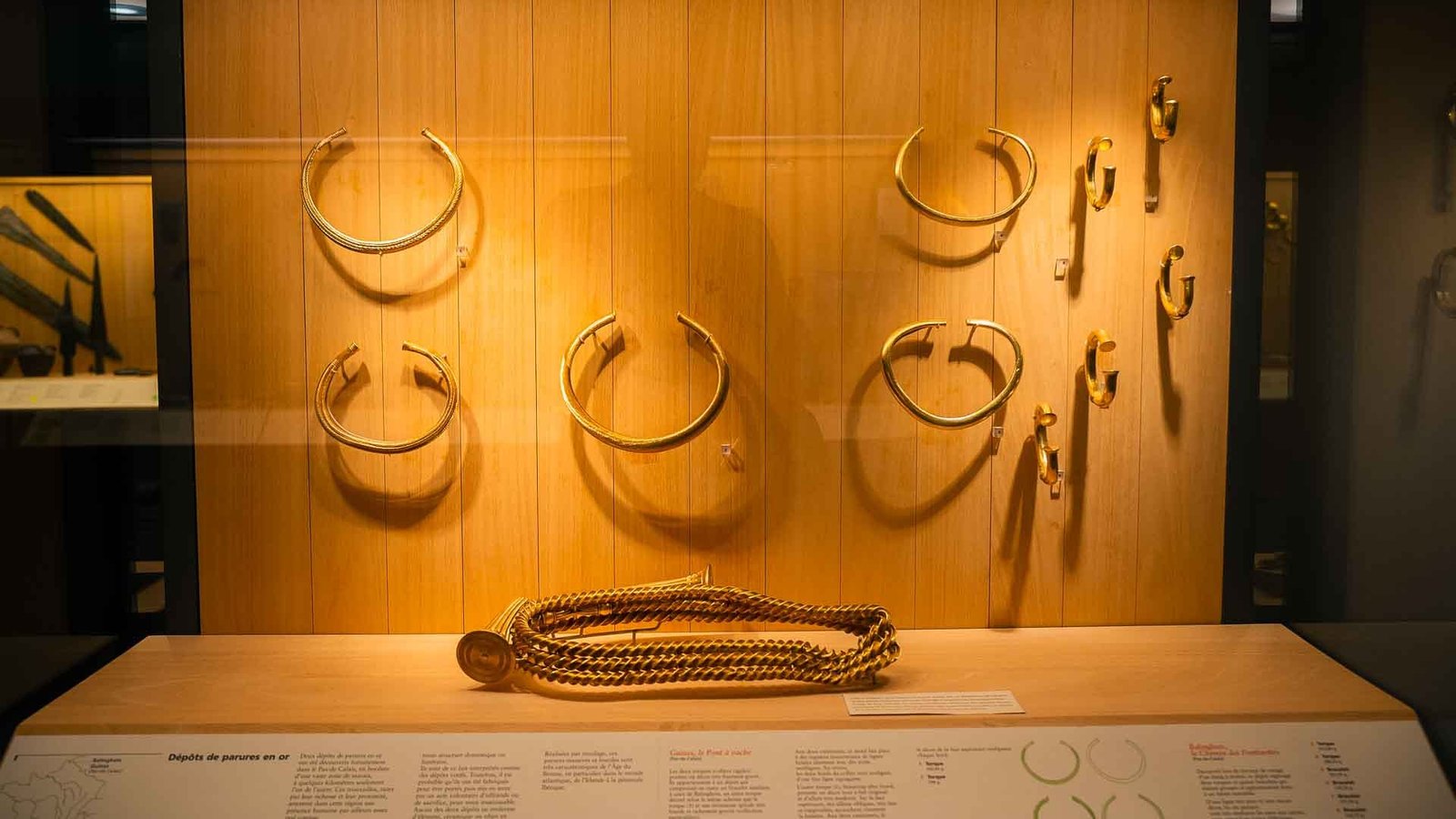
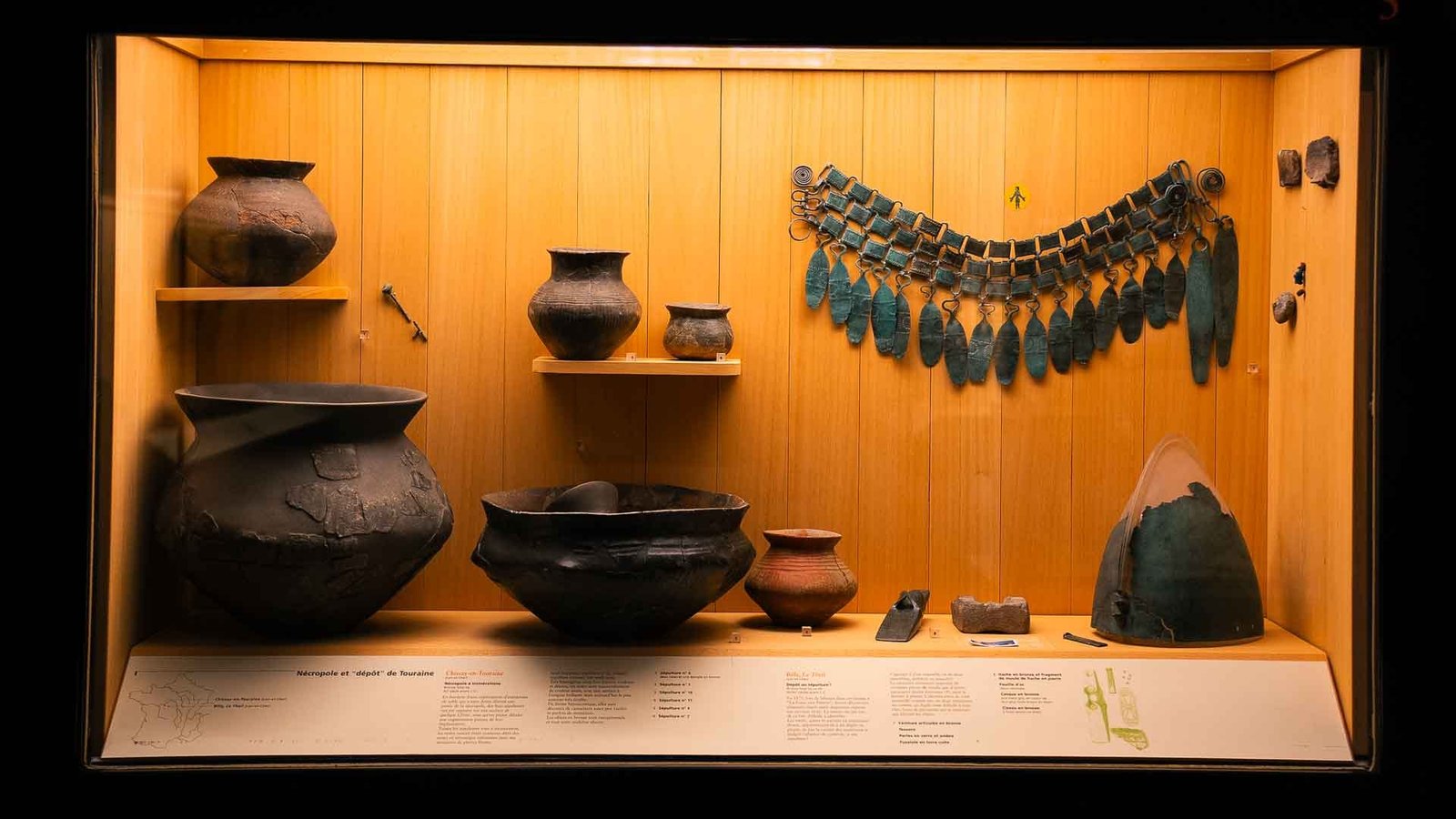
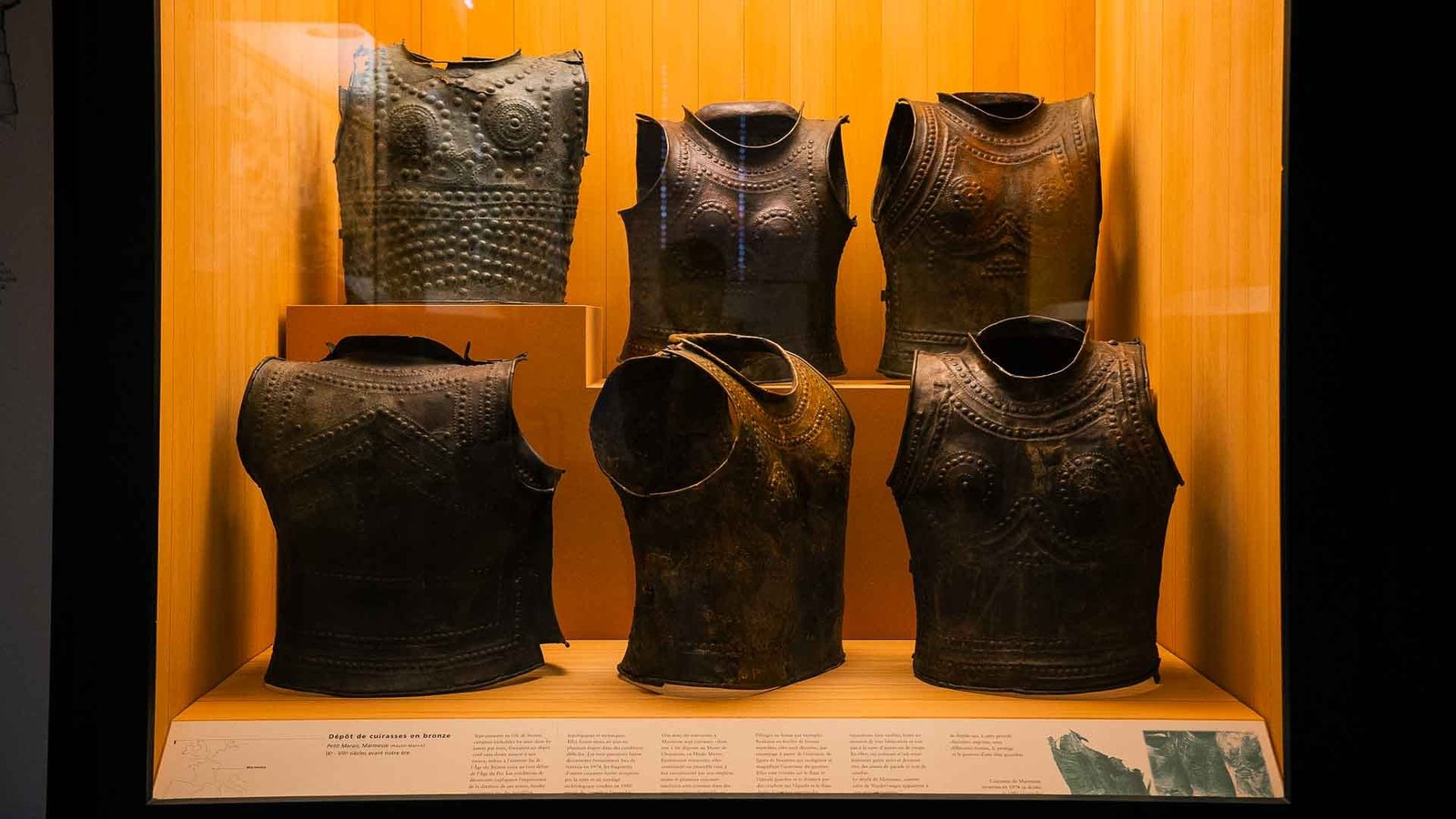
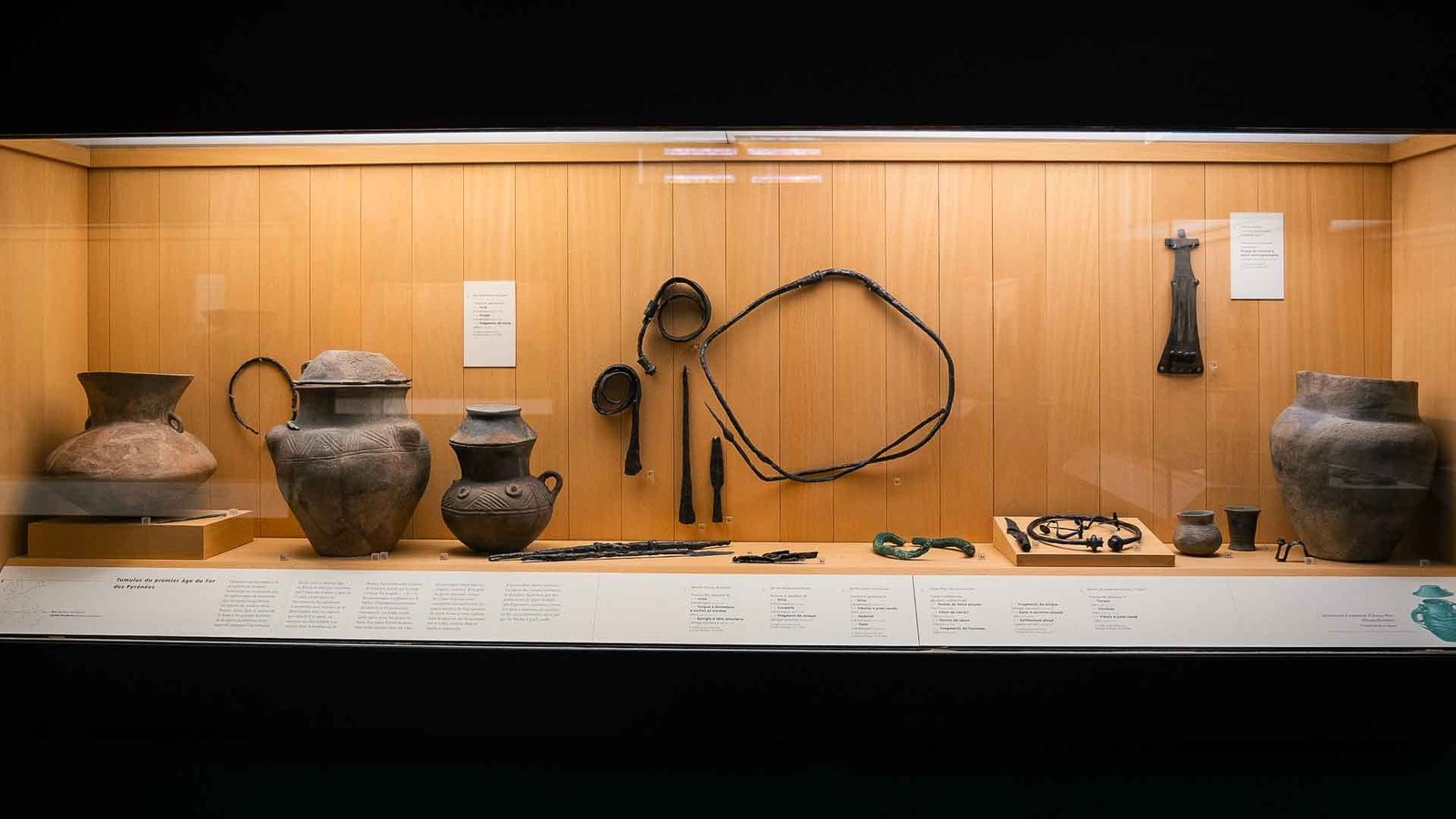
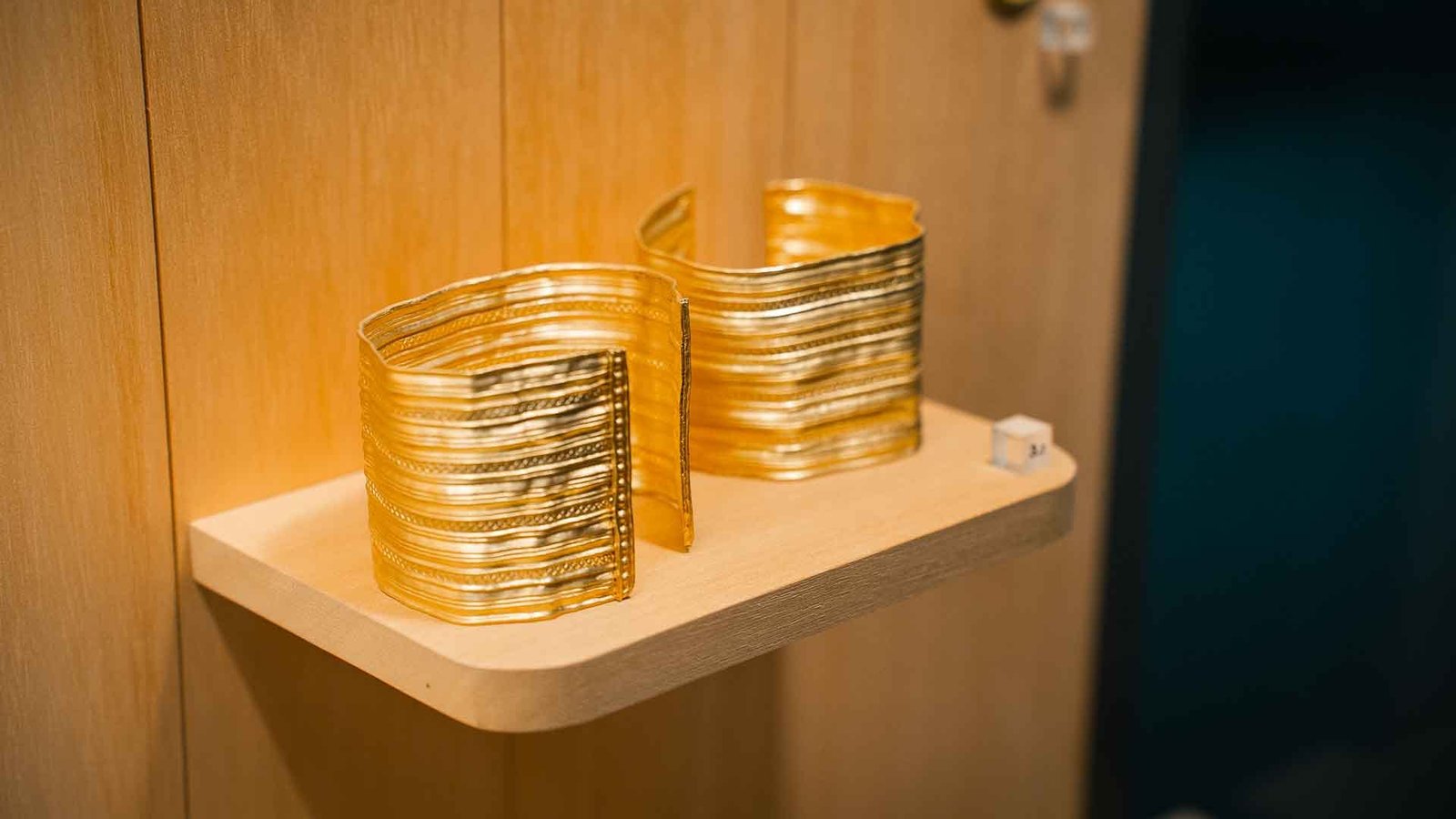
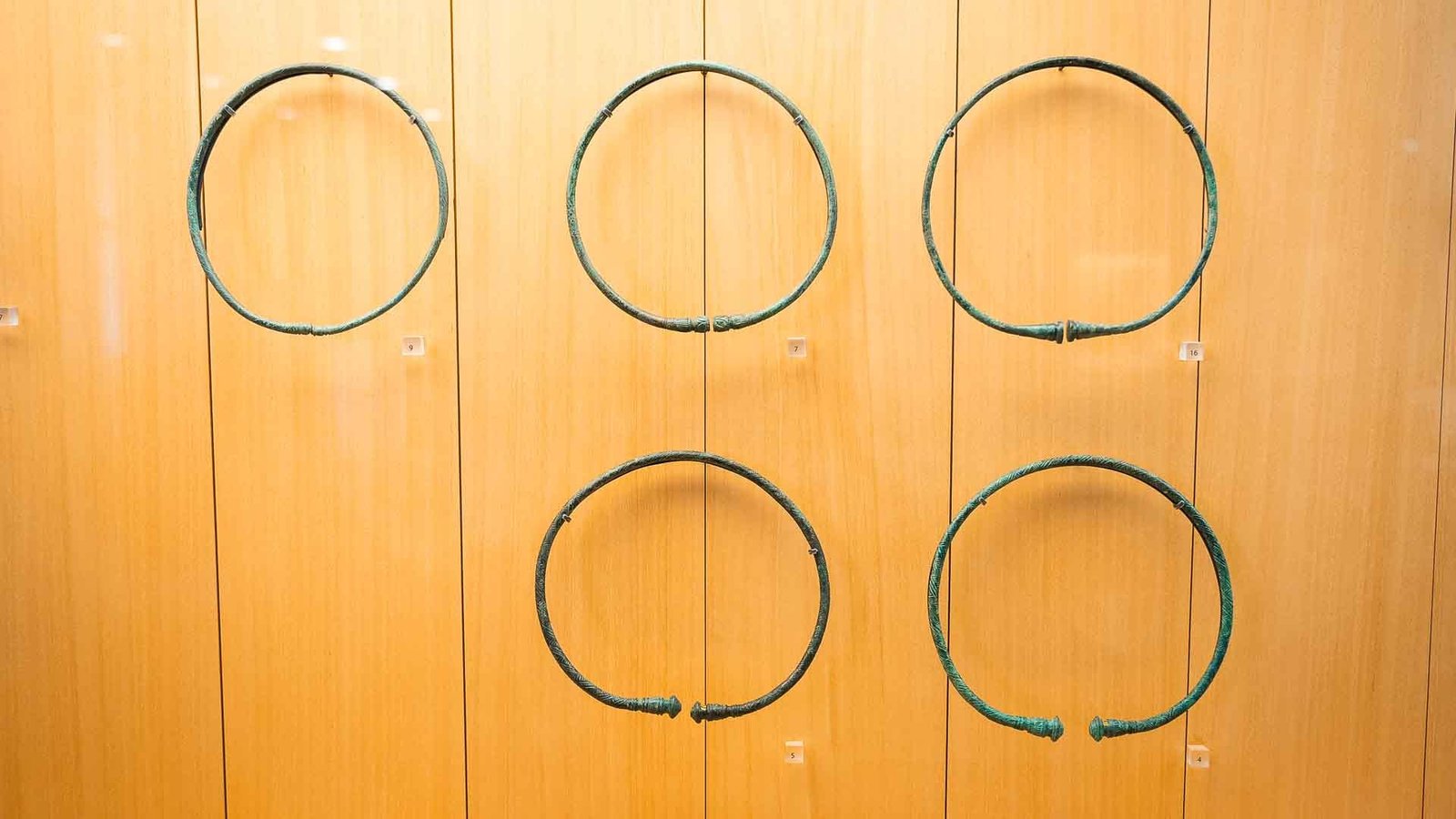
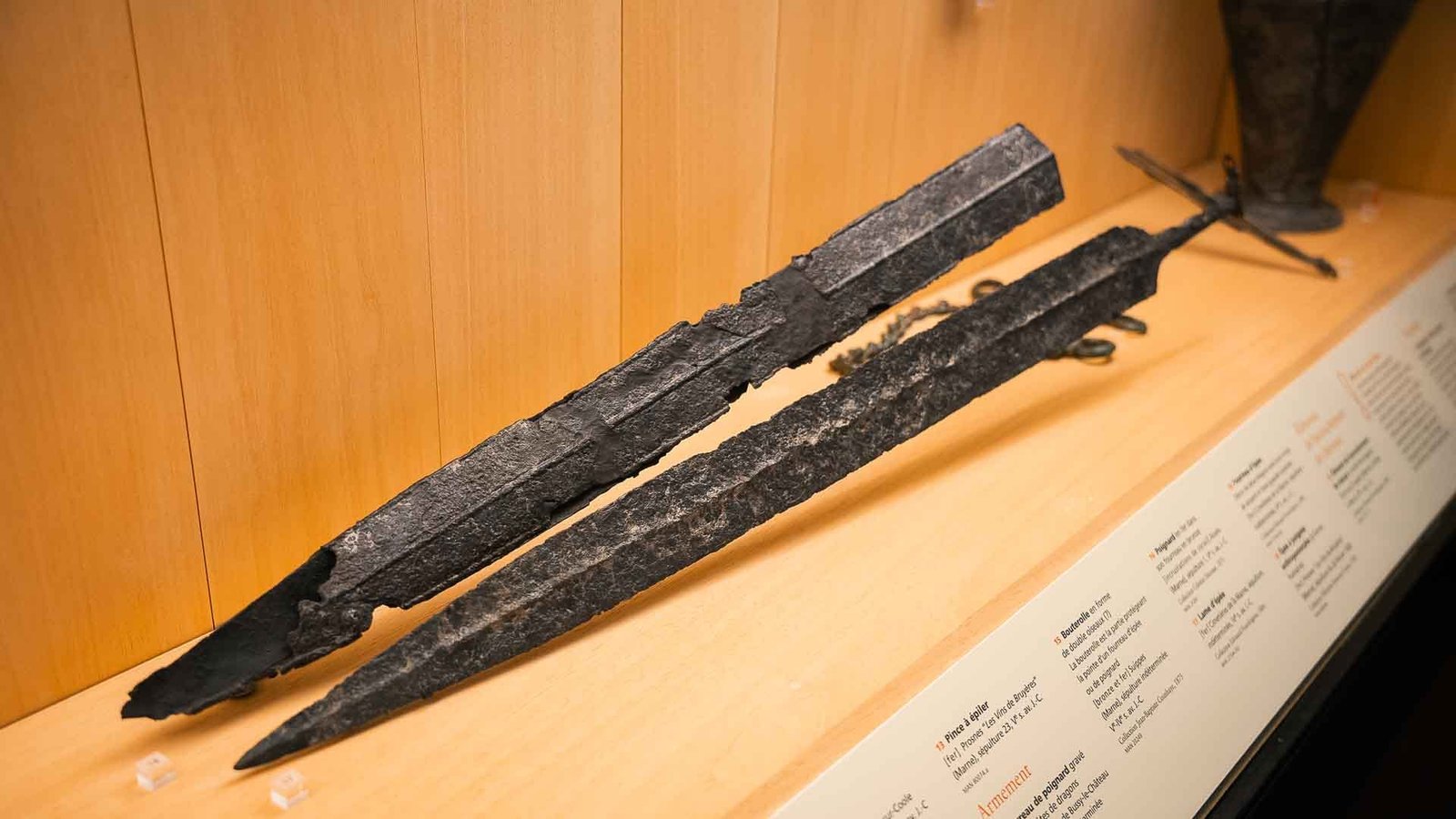
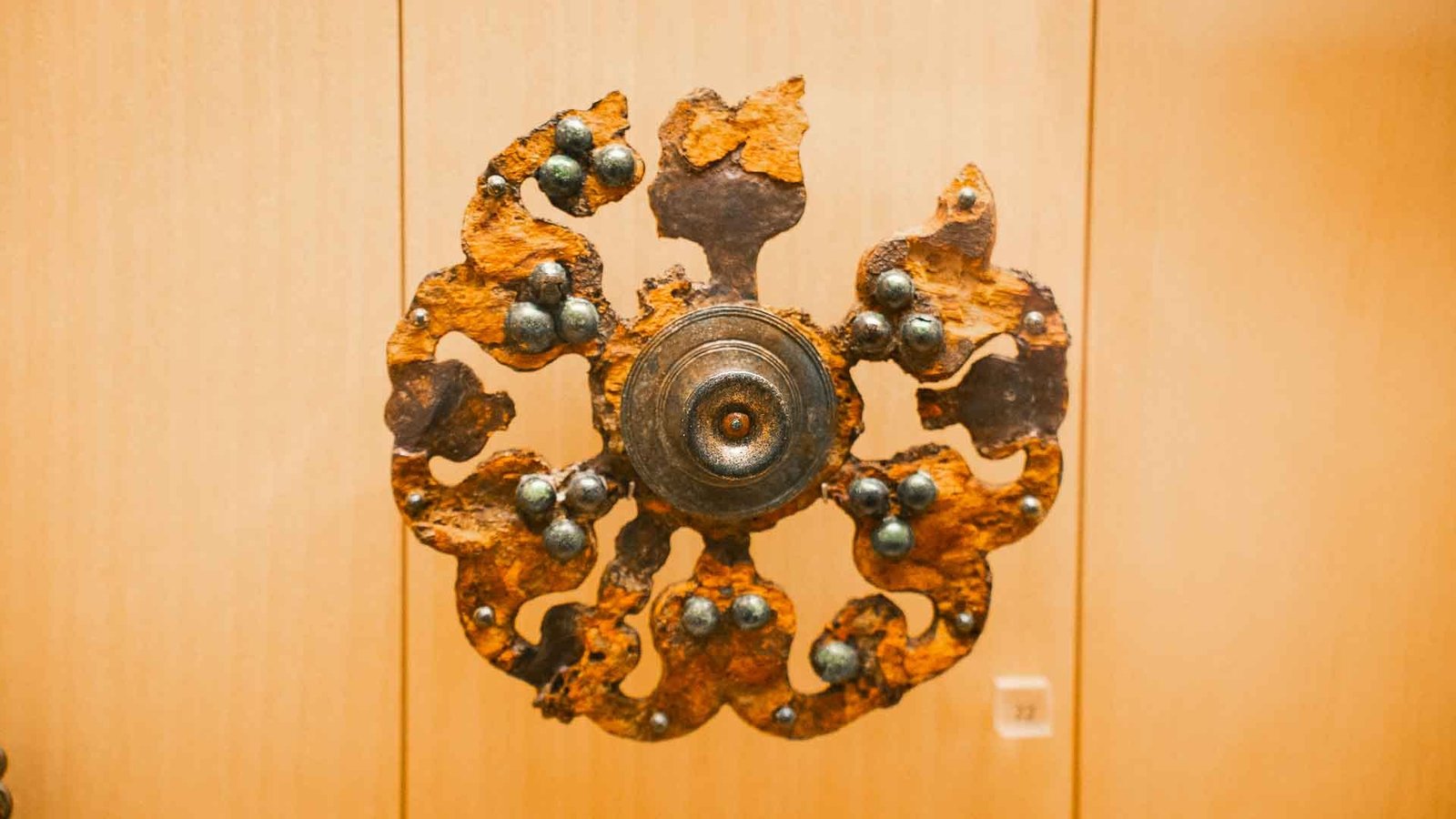
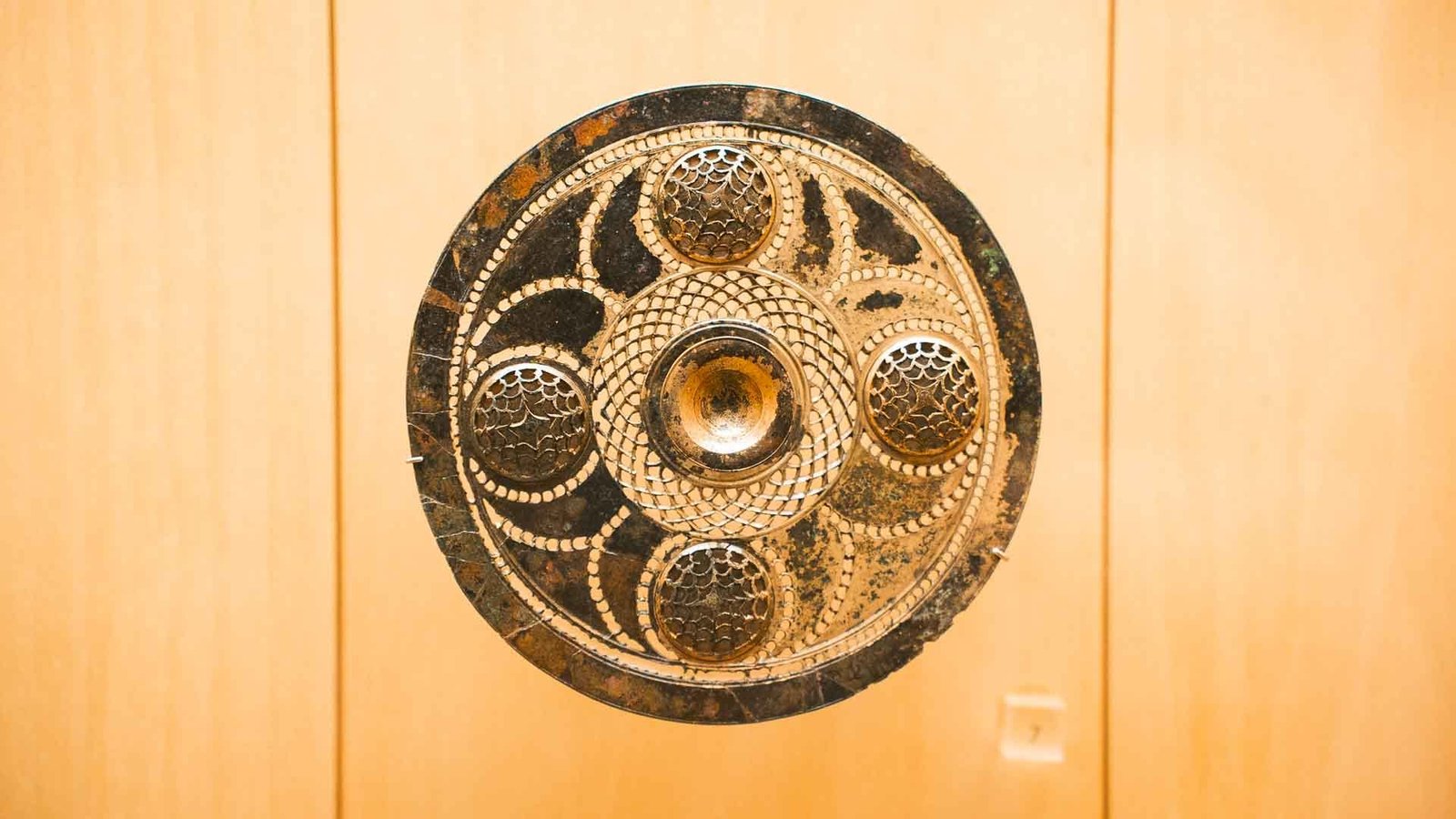
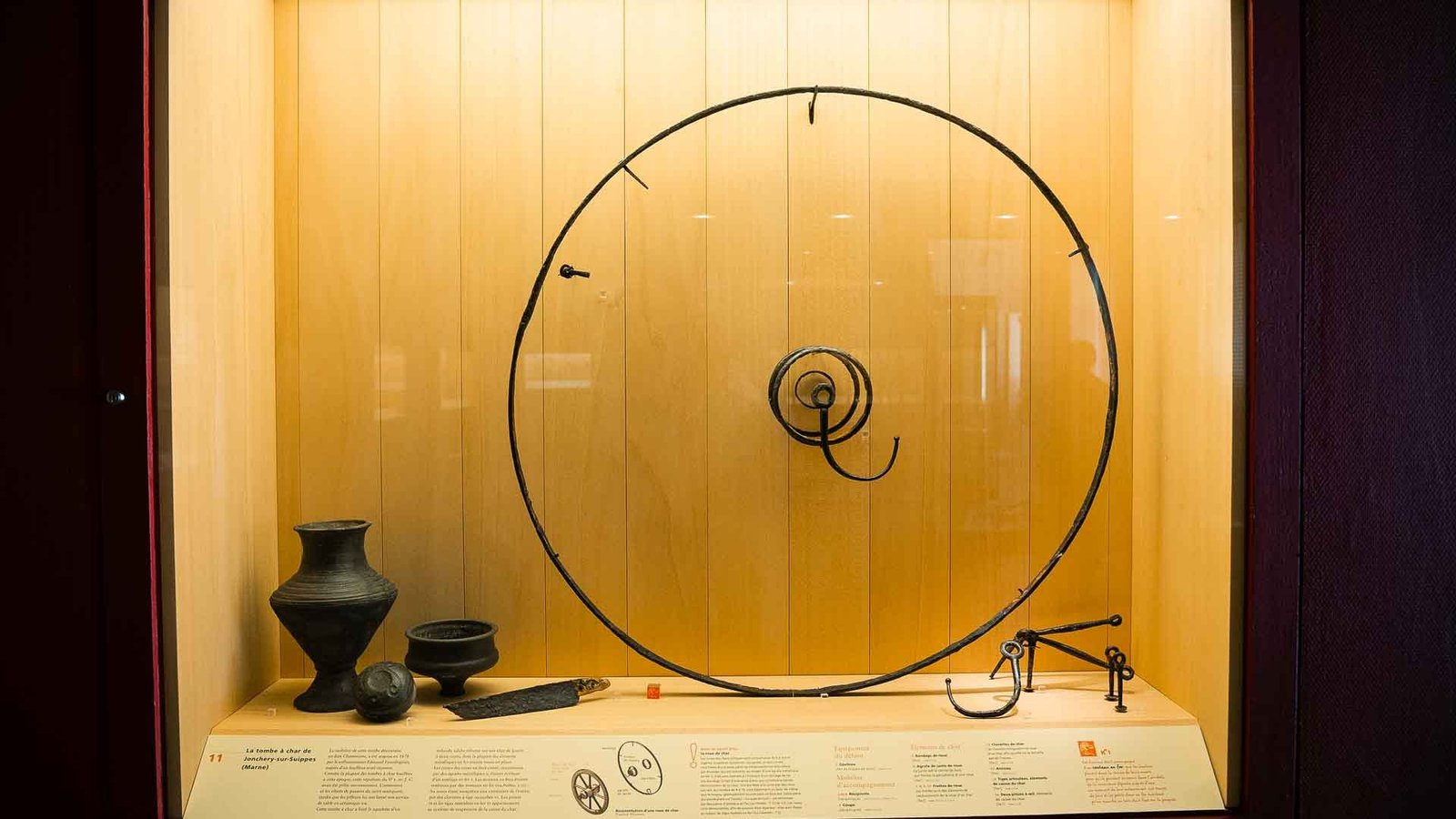
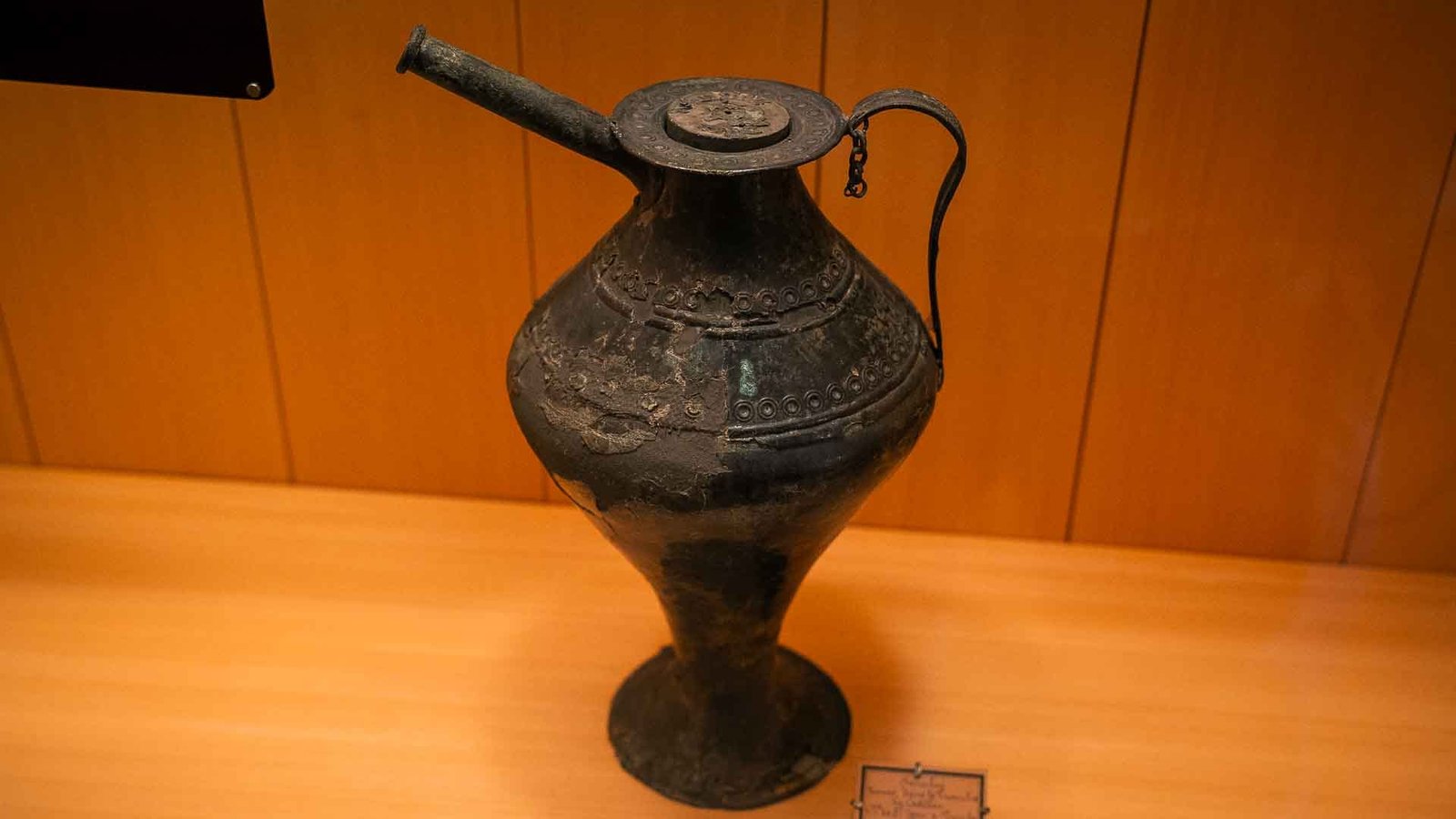
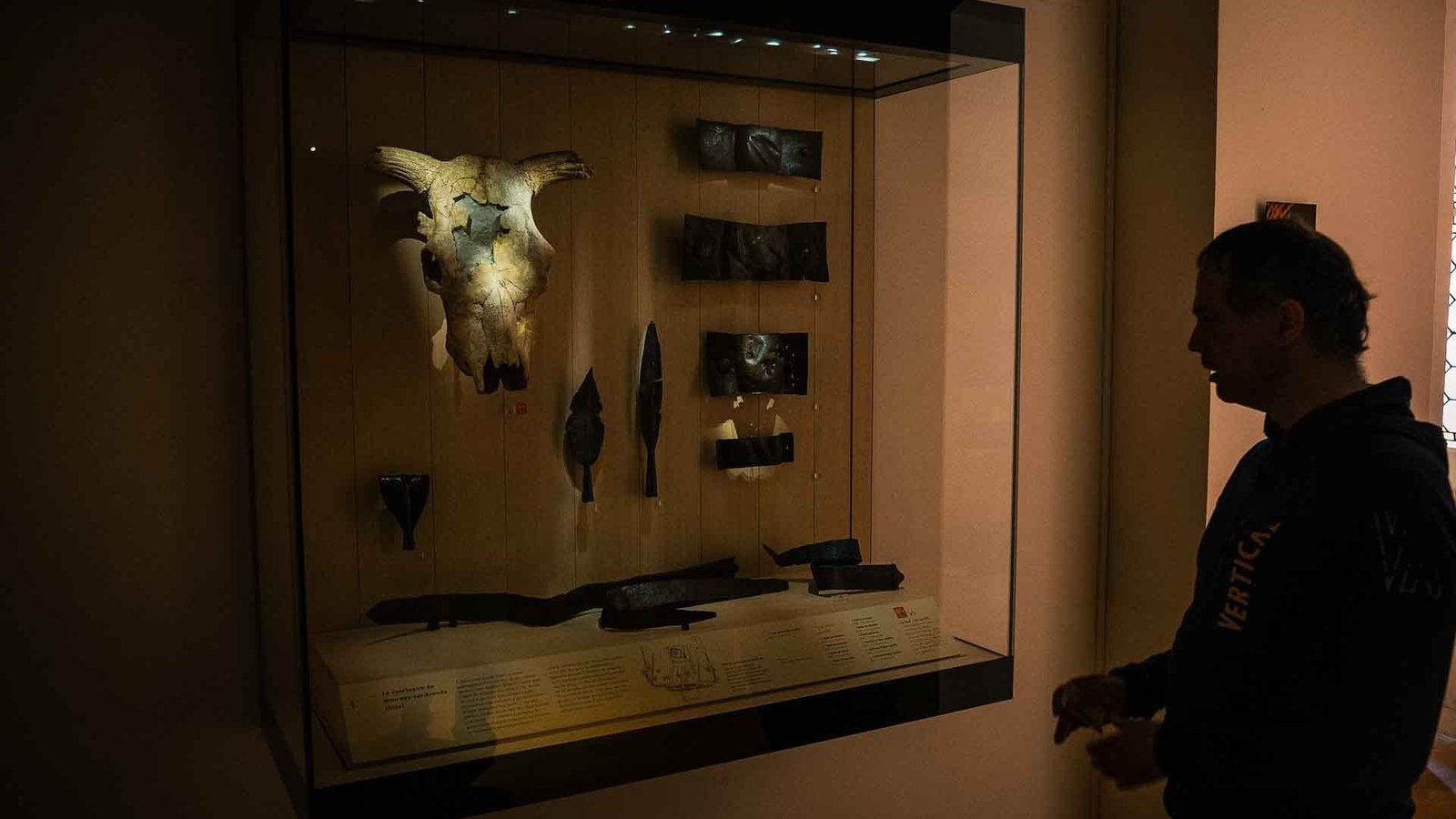
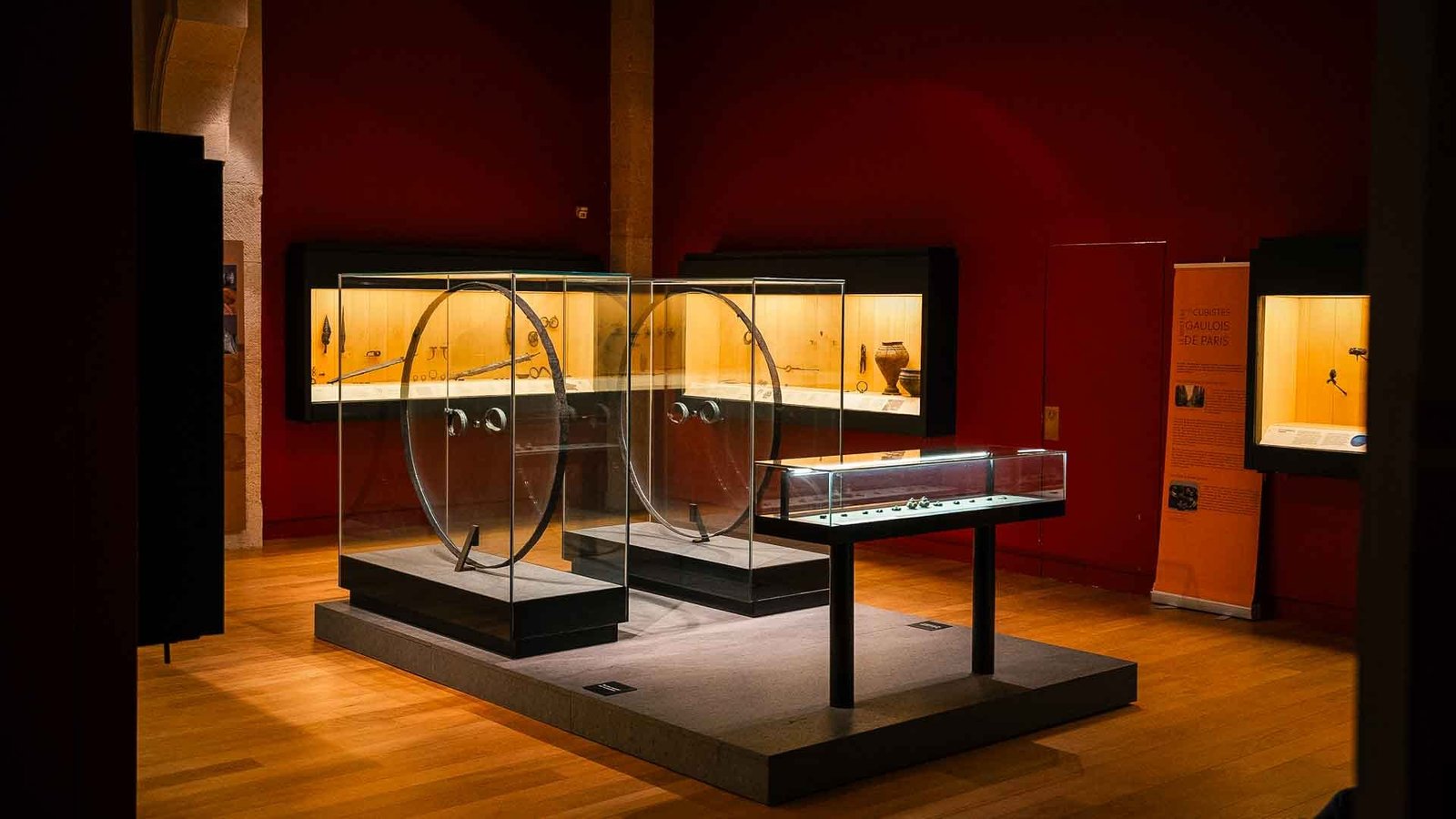
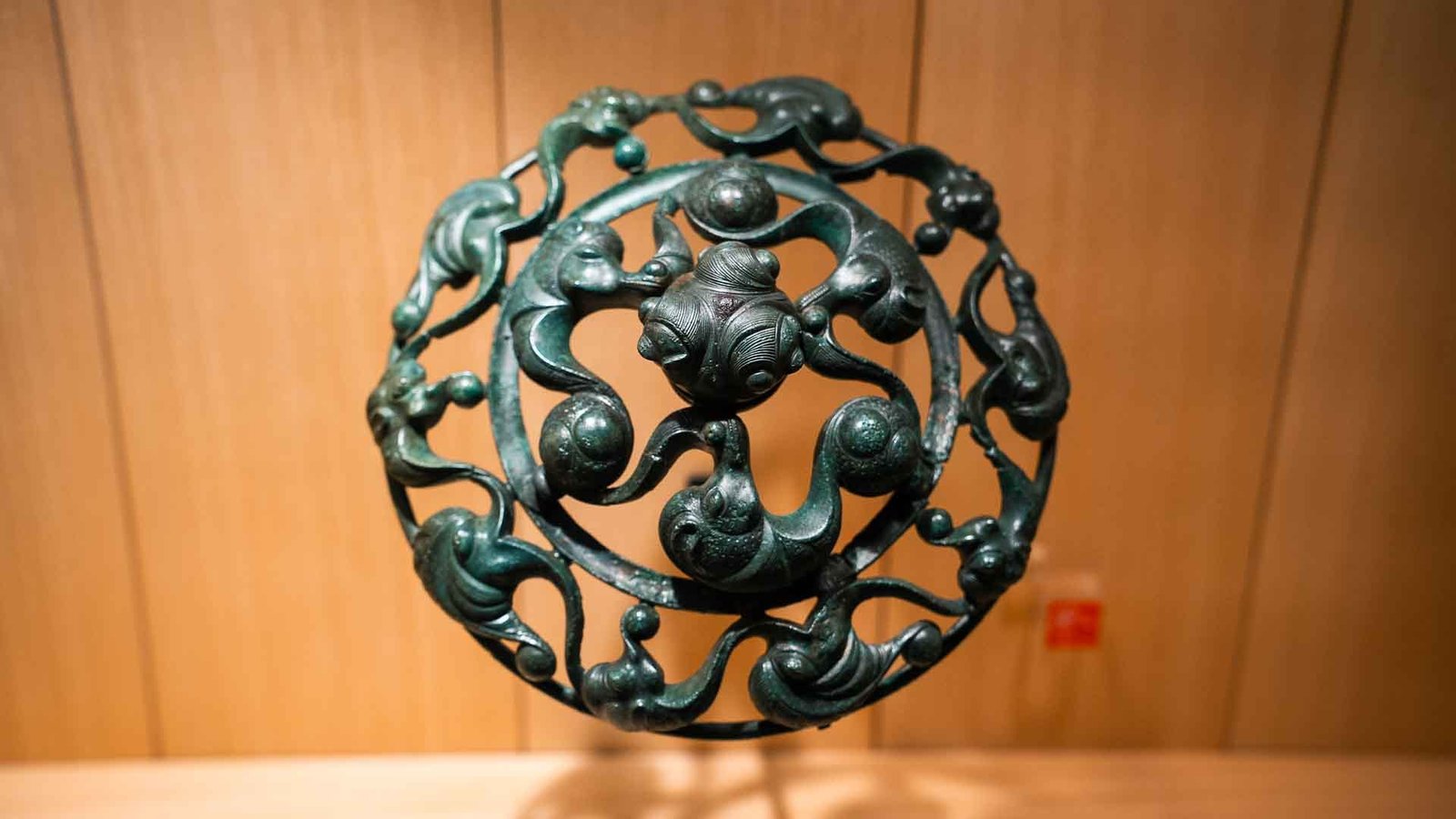
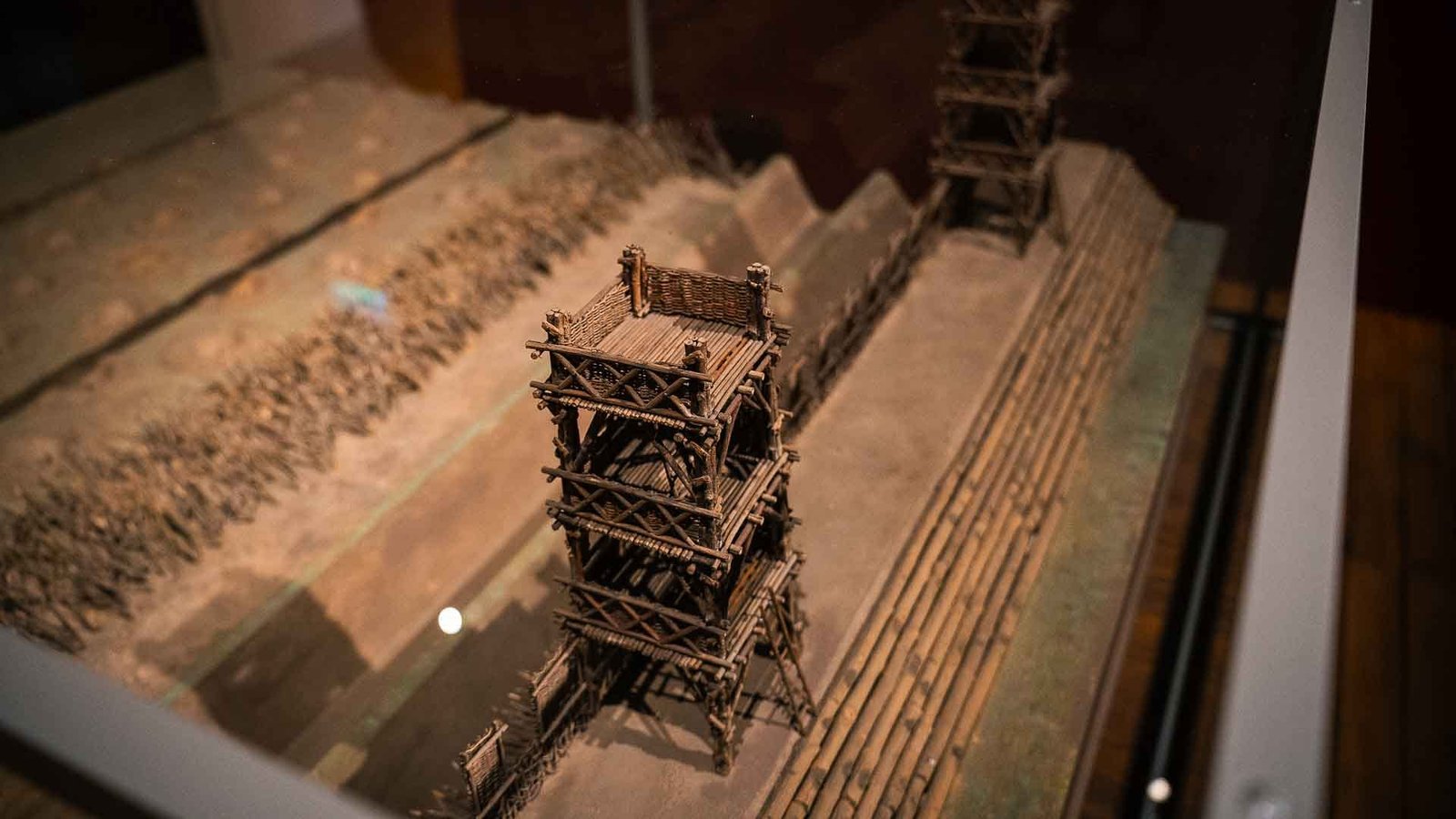
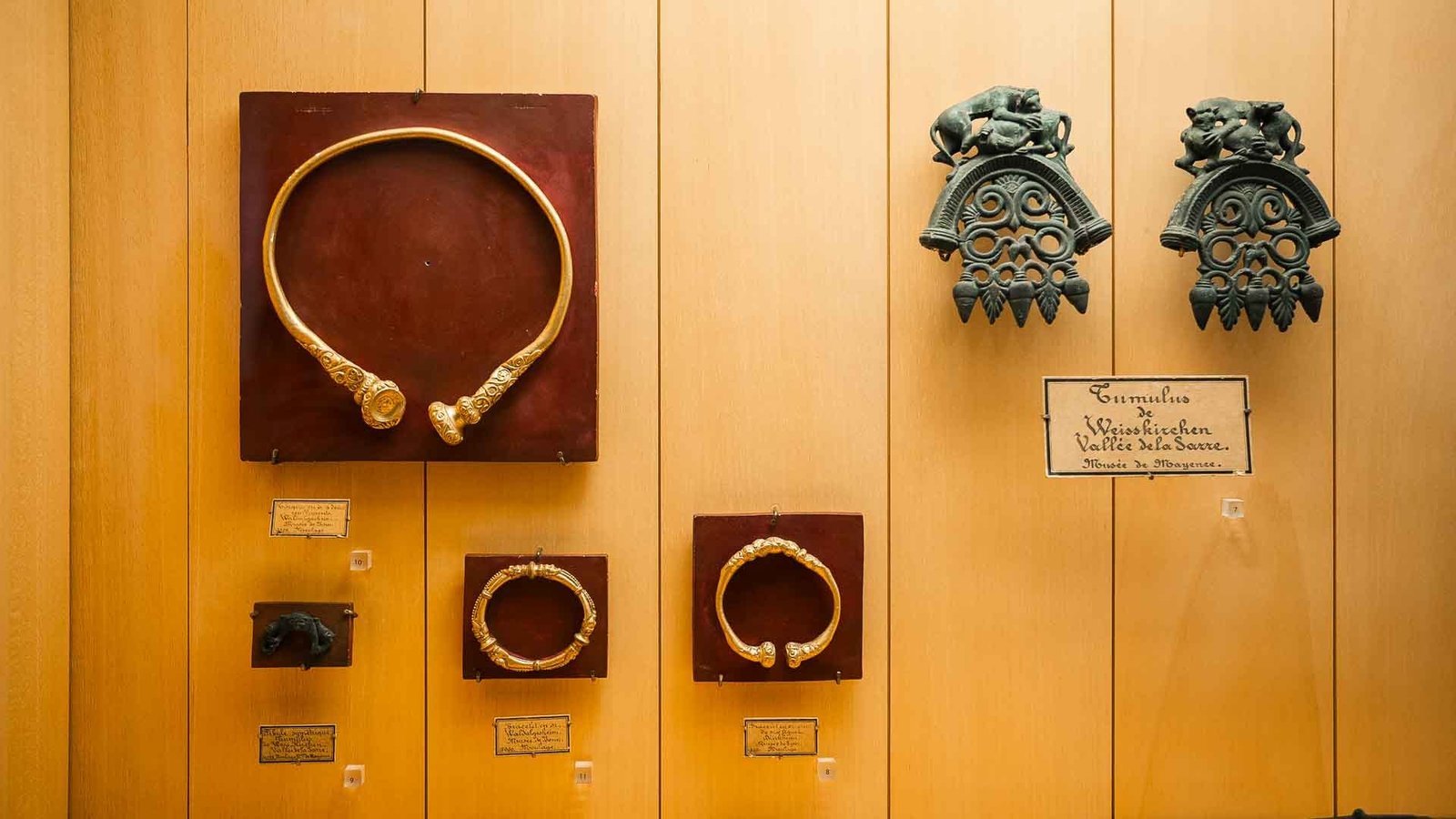
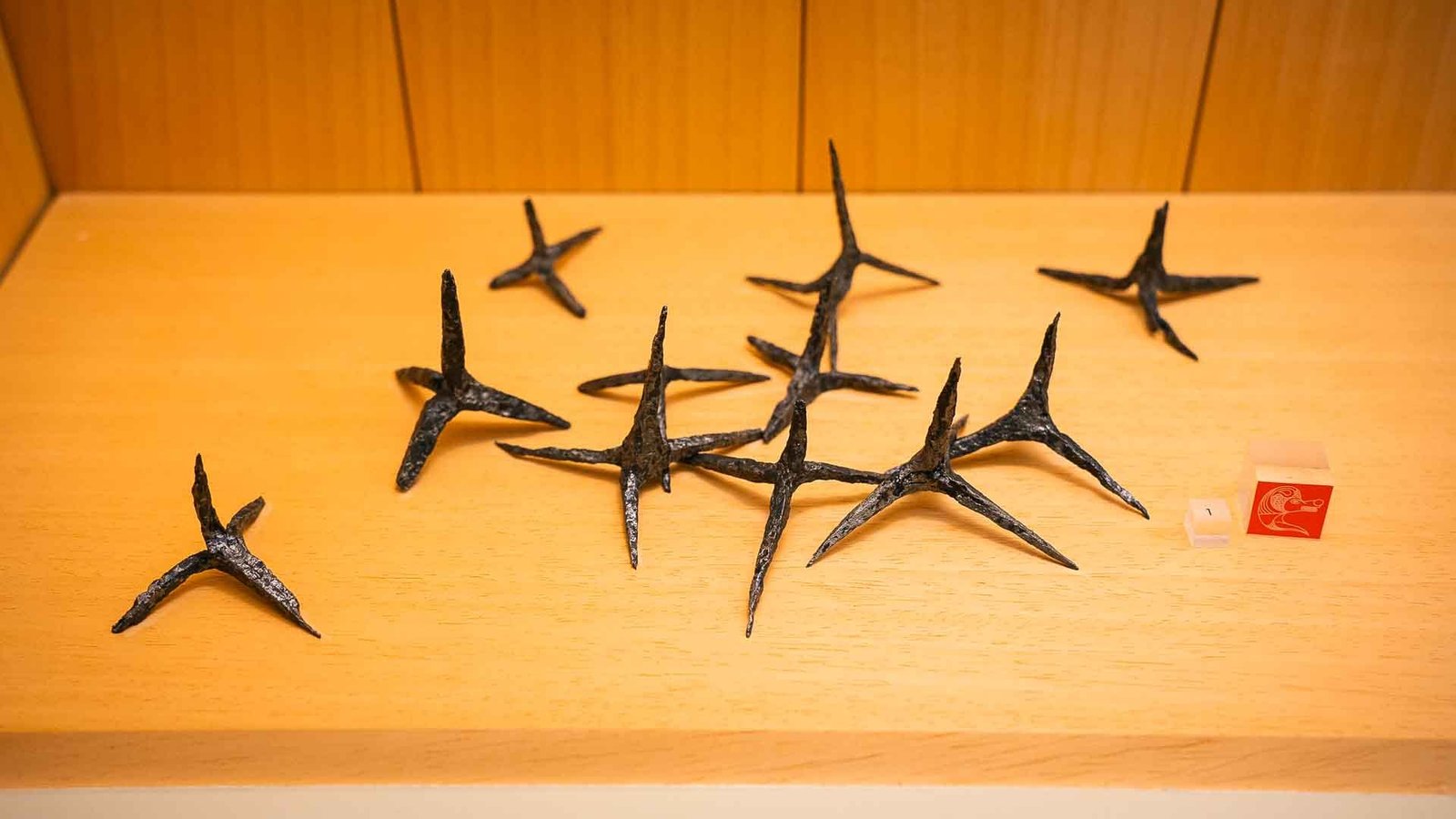
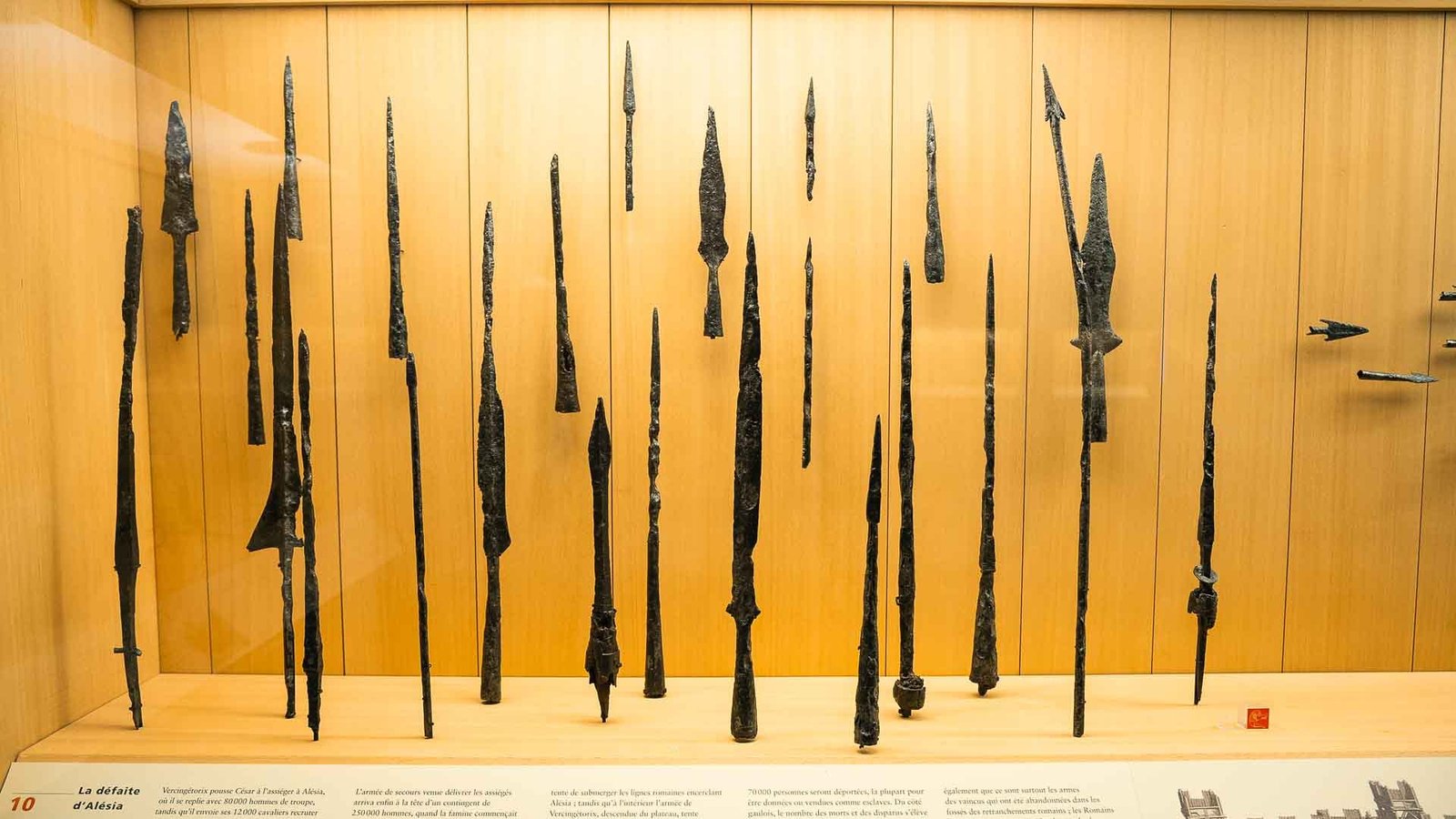
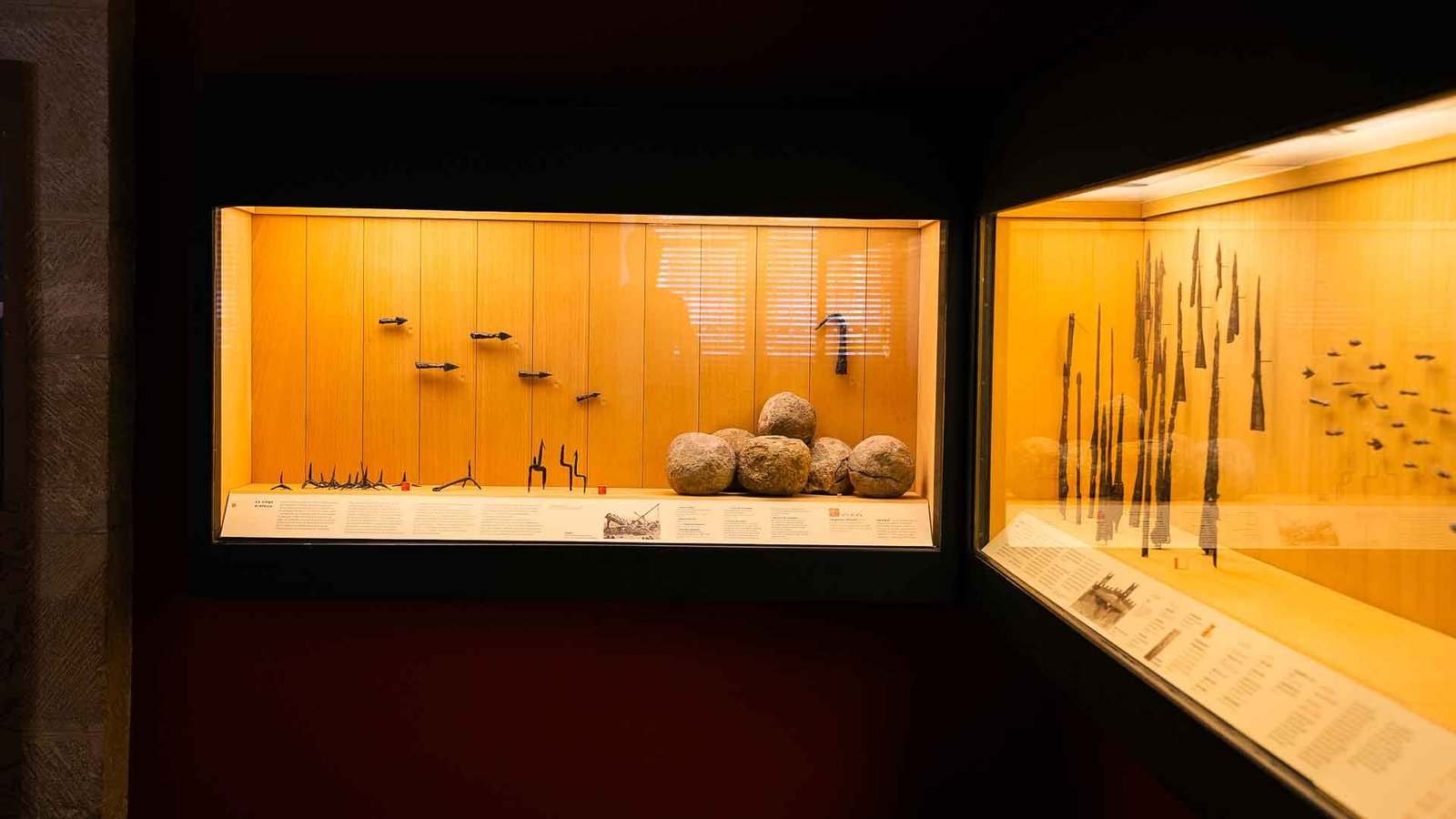
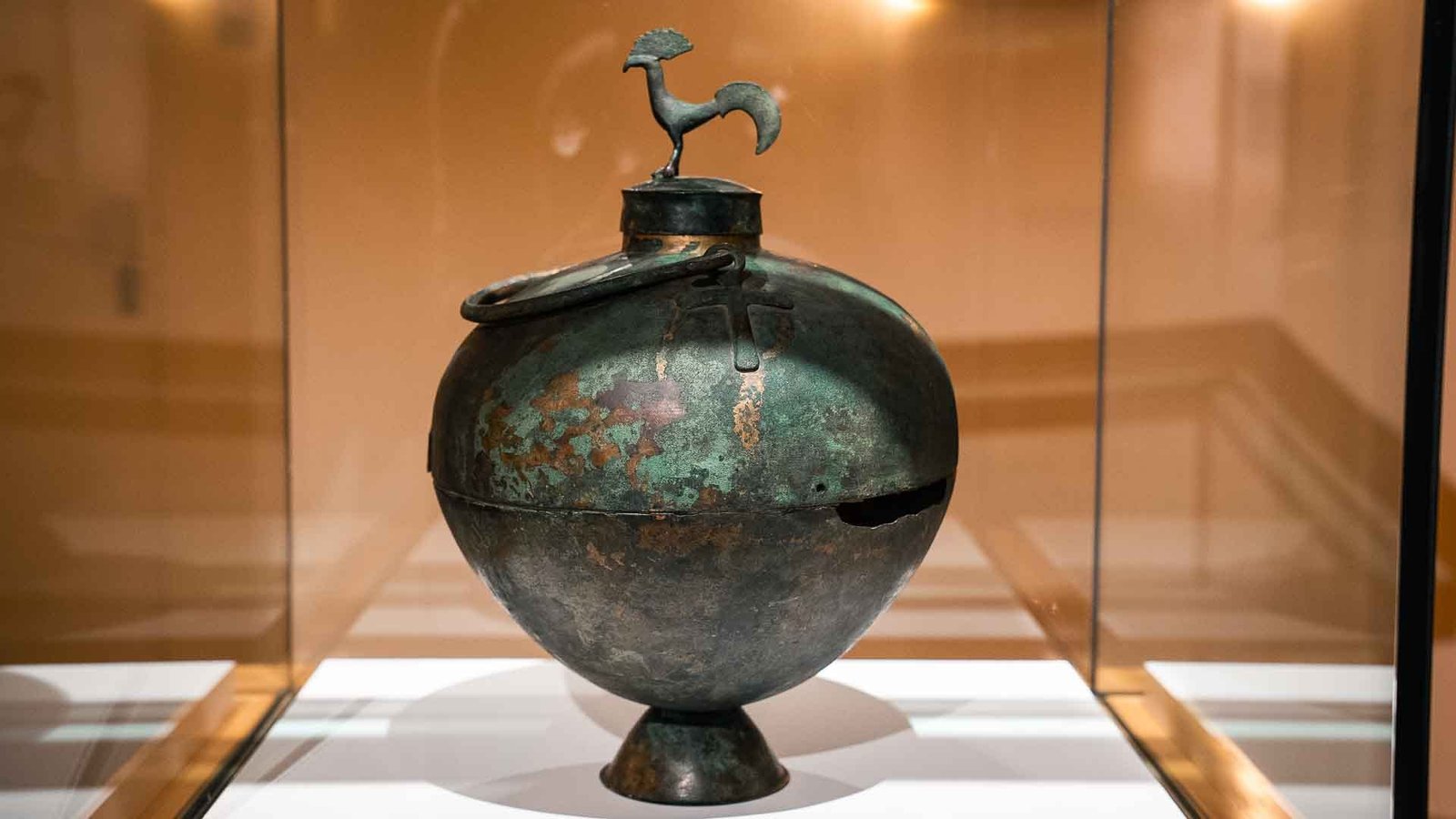
- Bronze and Iron Ages: The rise of social hierarchies driven by the advent of bronze metallurgy and the eventual introduction of iron tools. The museum showcases intricate weapons, jewelry, and warrior burials from these tumultuous eras.
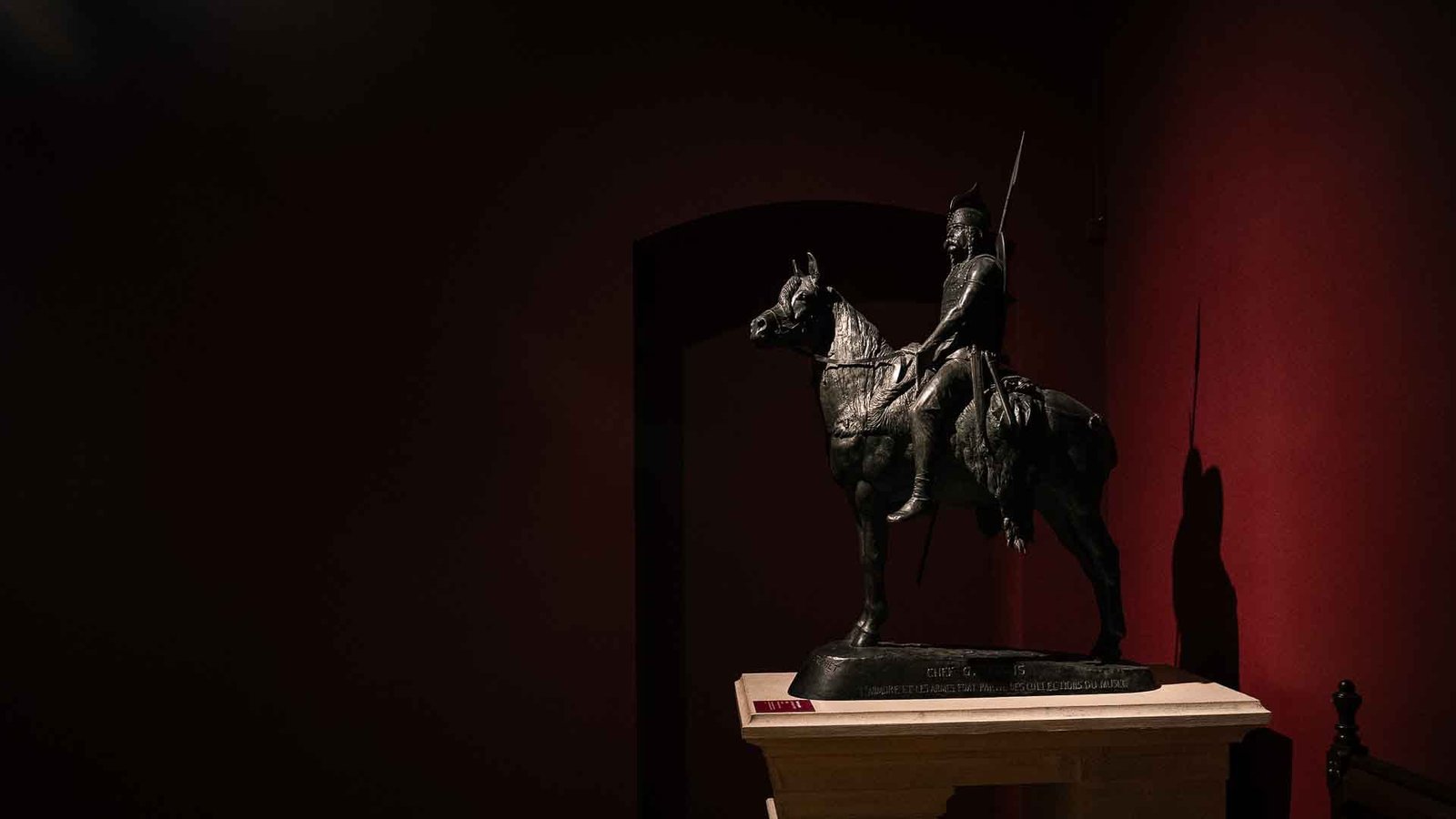
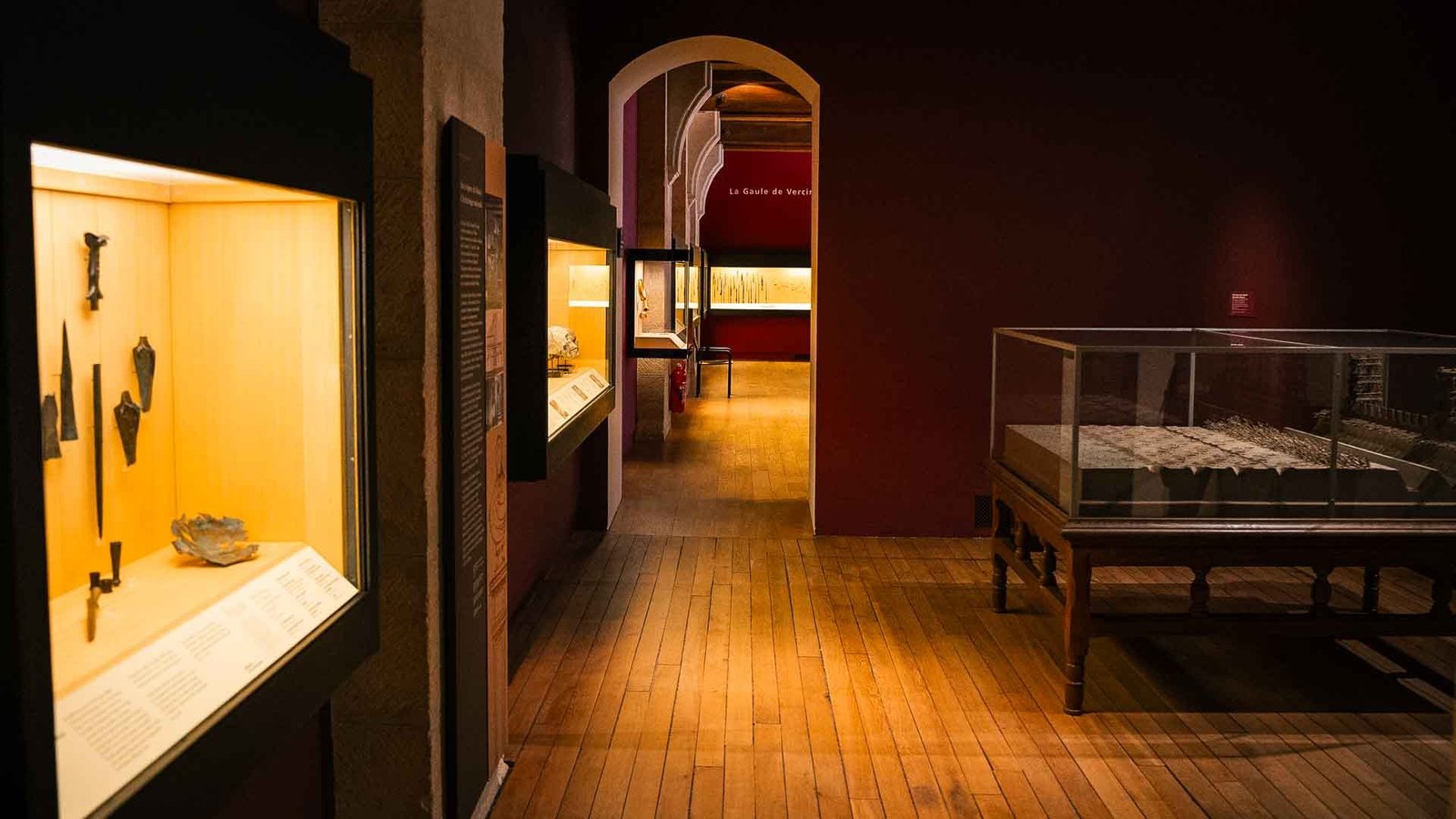
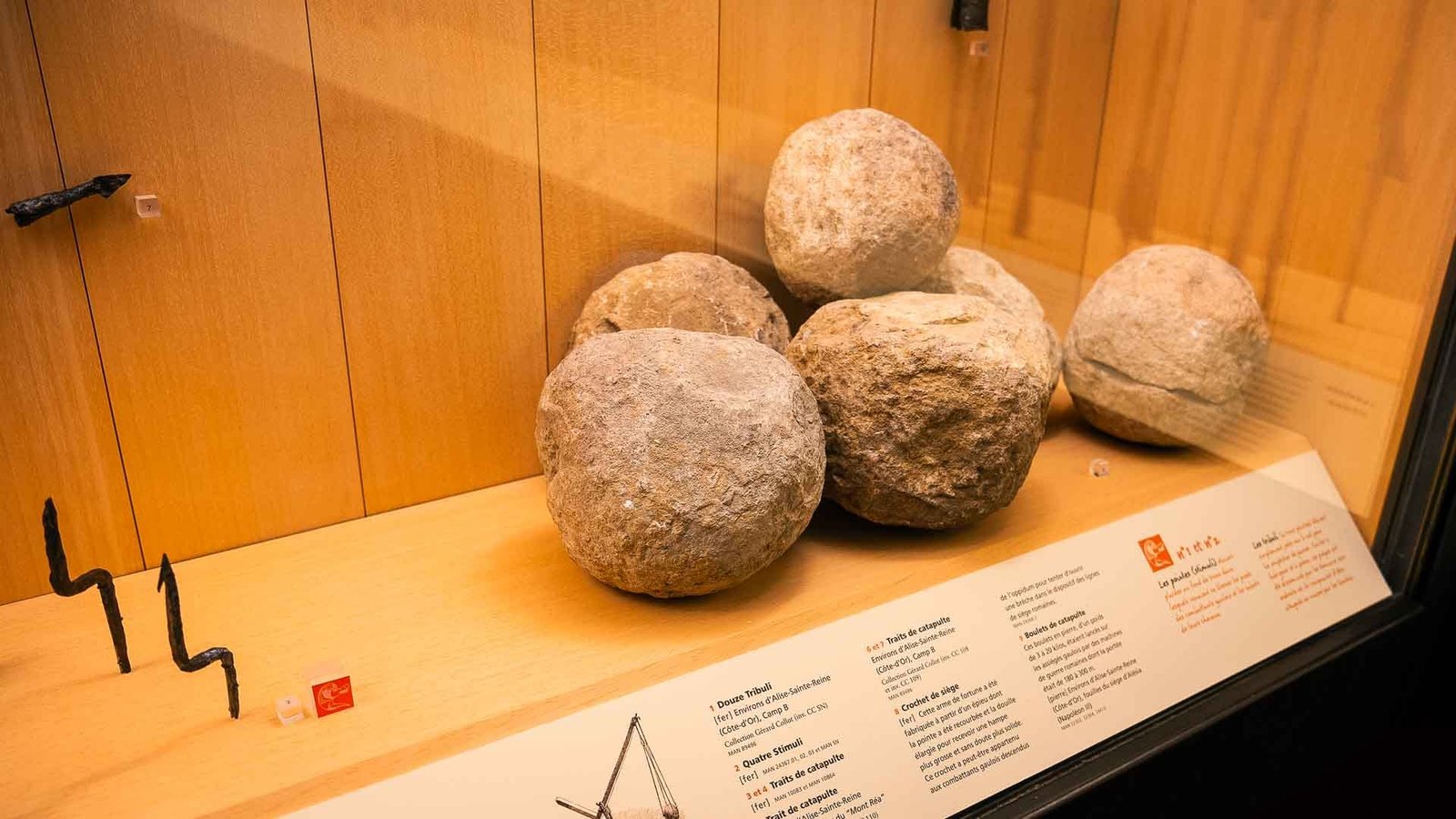
- Roman Gaul: The Roman conquest of Gaul and the subsequent integration into the Roman Empire. This section explores the fusion of Gallo-Roman culture, featuring pottery, mosaics, and daily life objects from the period of Julius Caesar and Emperor Augustus.
- Early Middle Ages: The emergence of Merovingian society and the transition from Roman to medieval culture. Highlights include Germanic artifacts and funerary objects from the time of Clovis, the first king of the Franks.
Comparative Archaeology
In addition to French archaeology, the museum features a unique Comparative Archaeology collection, displaying objects from around the world. This section offers a global perspective, showing the evolution of human societies from Africa to Asia, Europe, and the Americas, and placing French archaeological finds in an international context.
History of Archaeology
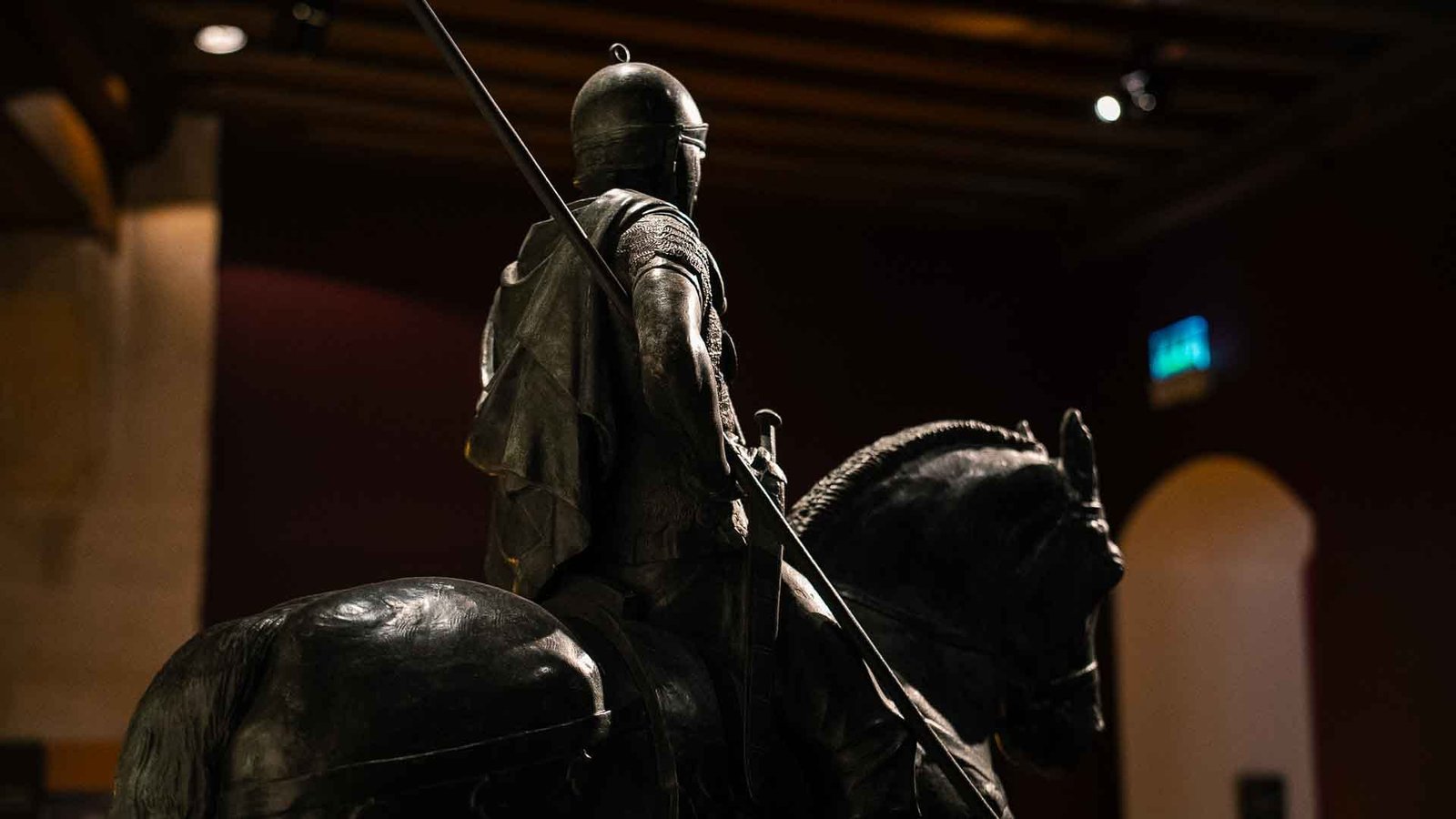
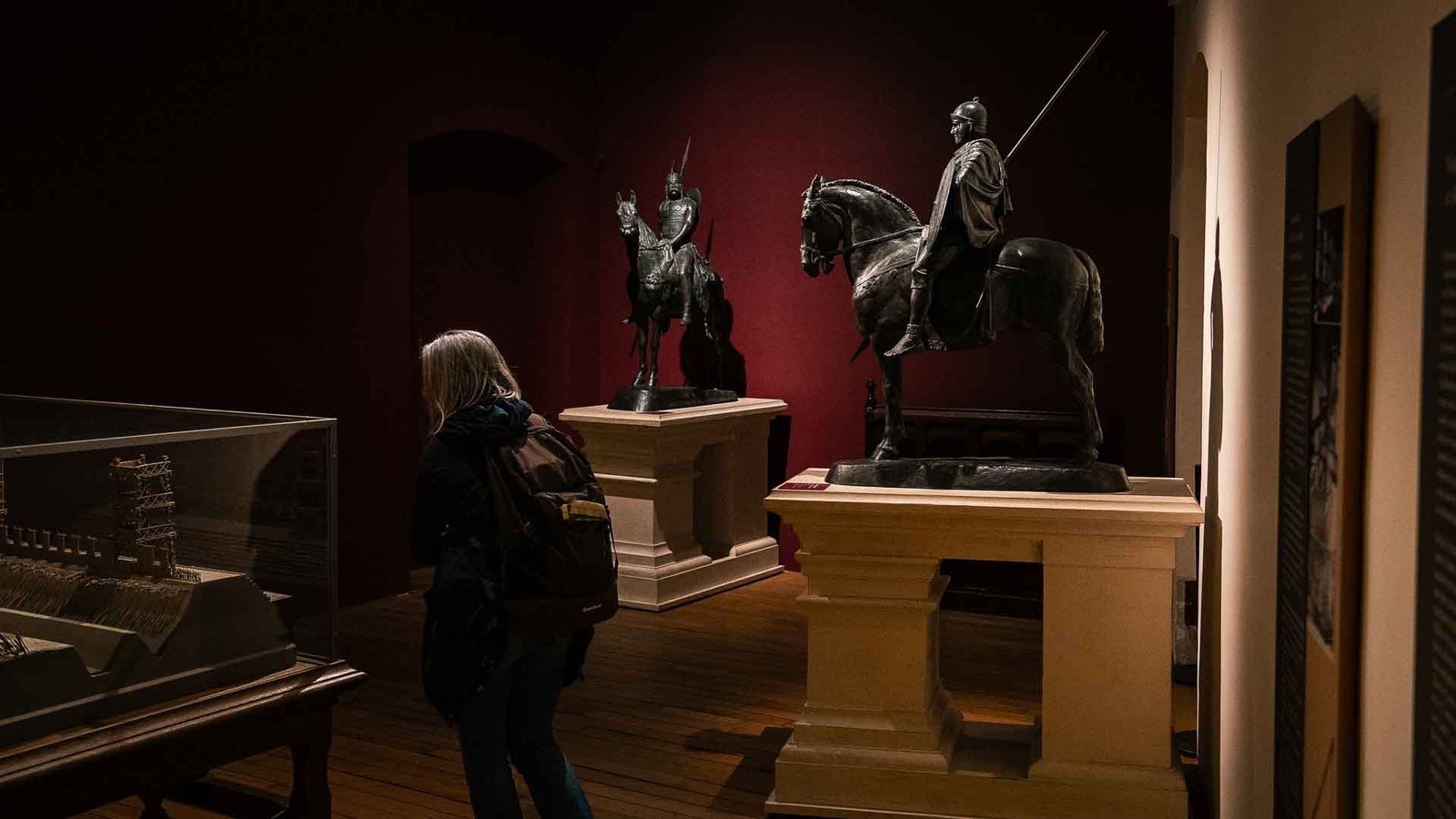
The museum also delves into the history of the field itself, with a dedicated section on the History of Archaeology. Here, visitors can explore the development of archaeological practices through models, casts, and sculptures, offering insight into how early archaeologists documented their discoveries and how the museum itself evolved over time.
Scenic walks
The museum is surrounded by a beautiful 40-hectare estate adjacent to a massive 3,500-hectare forest. This vast, ecologically managed domain invites visitors to enjoy scenic walks, exploring the history of the château’s gardens and the surrounding landscape. Entry to the grounds is free, offering a tranquil space for contemplation before or after visiting the museum.