


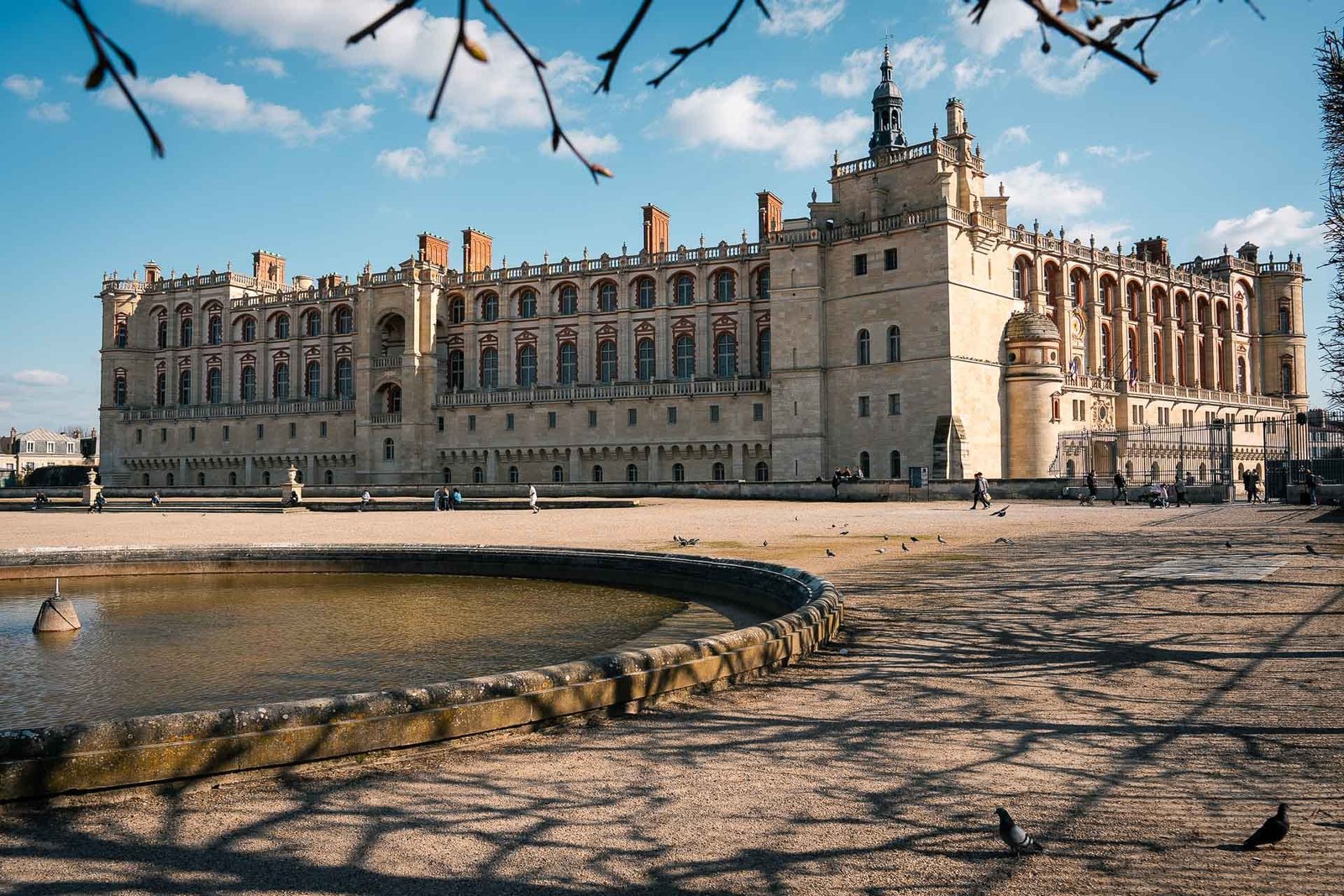
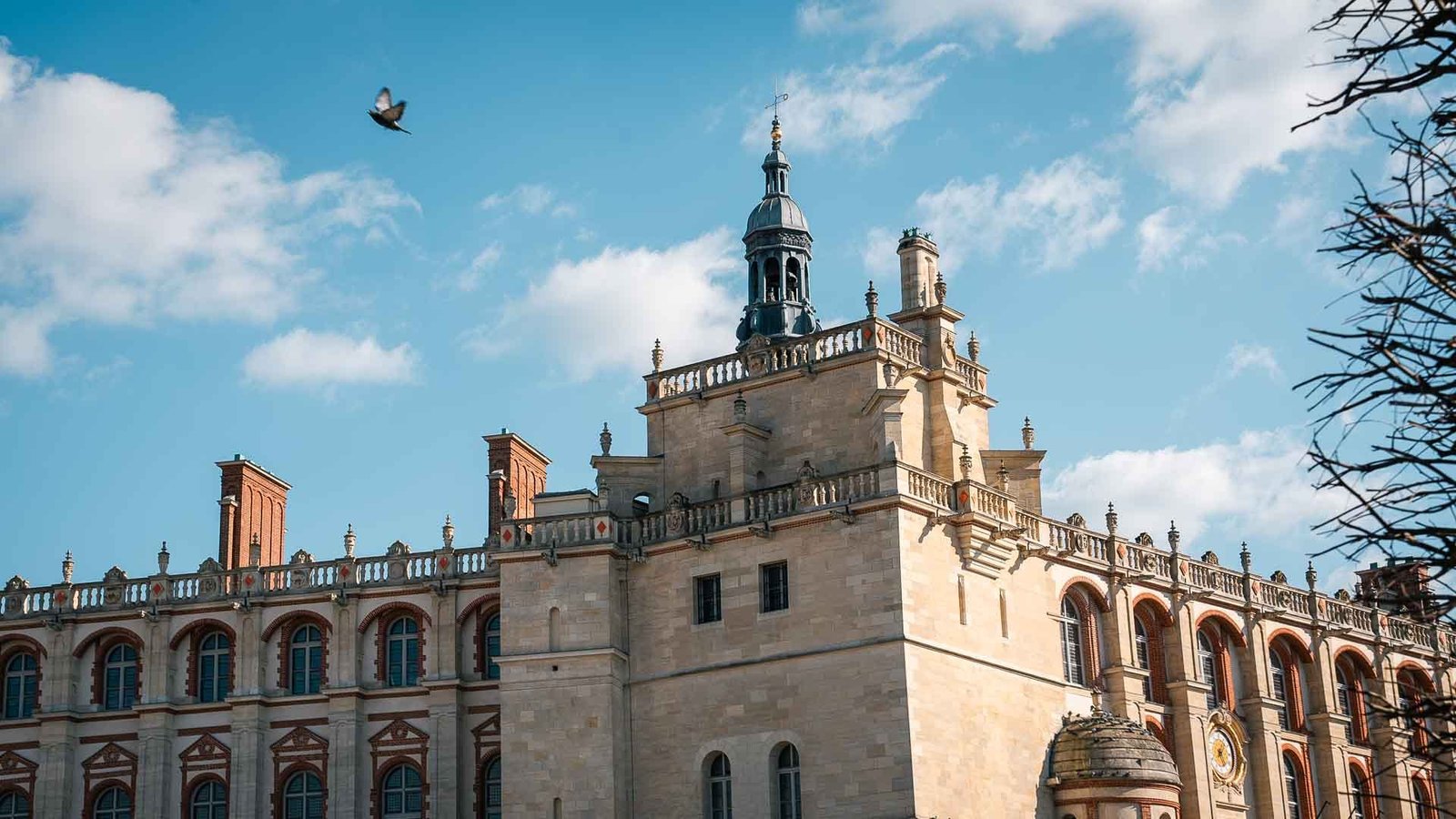
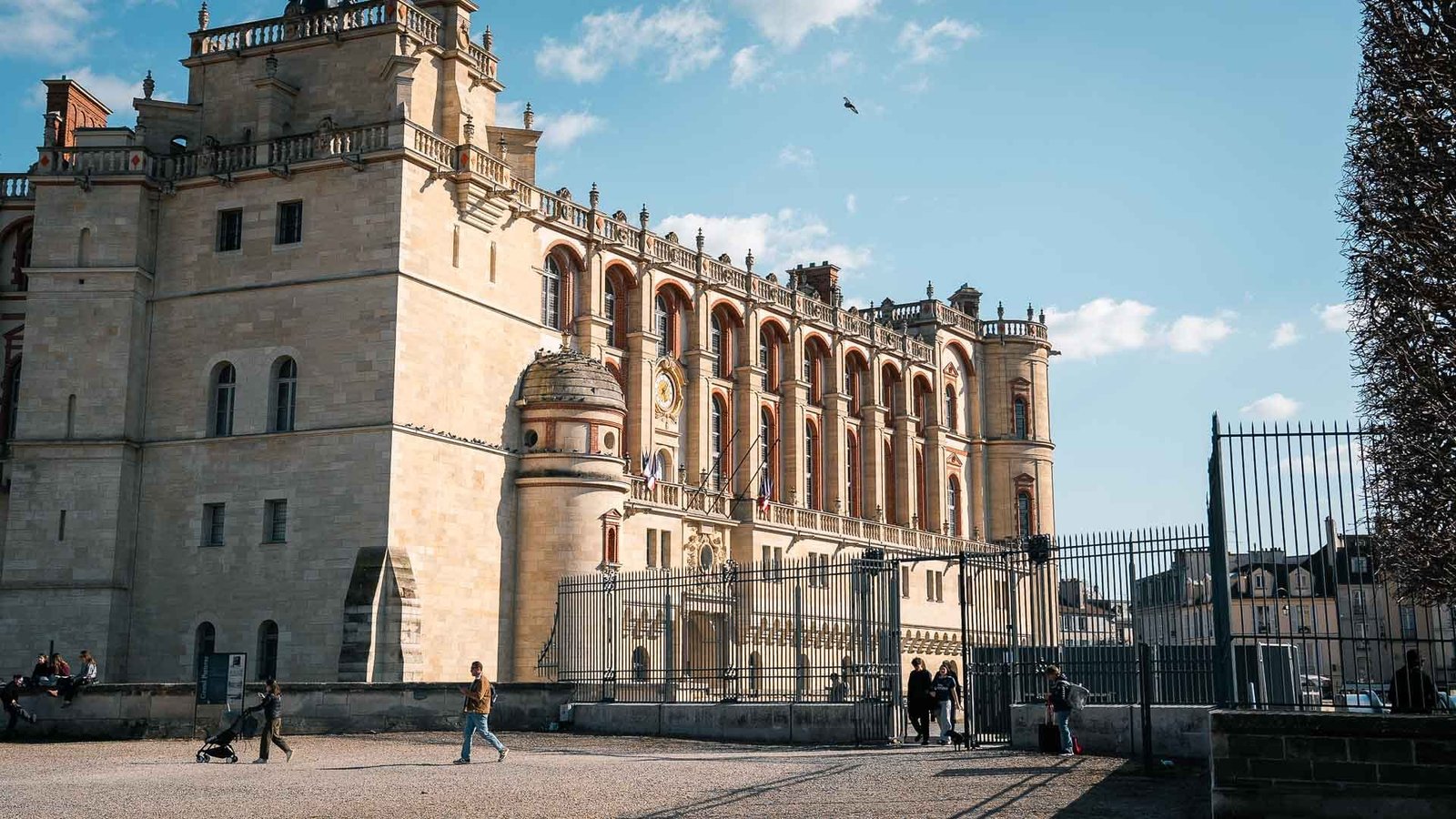
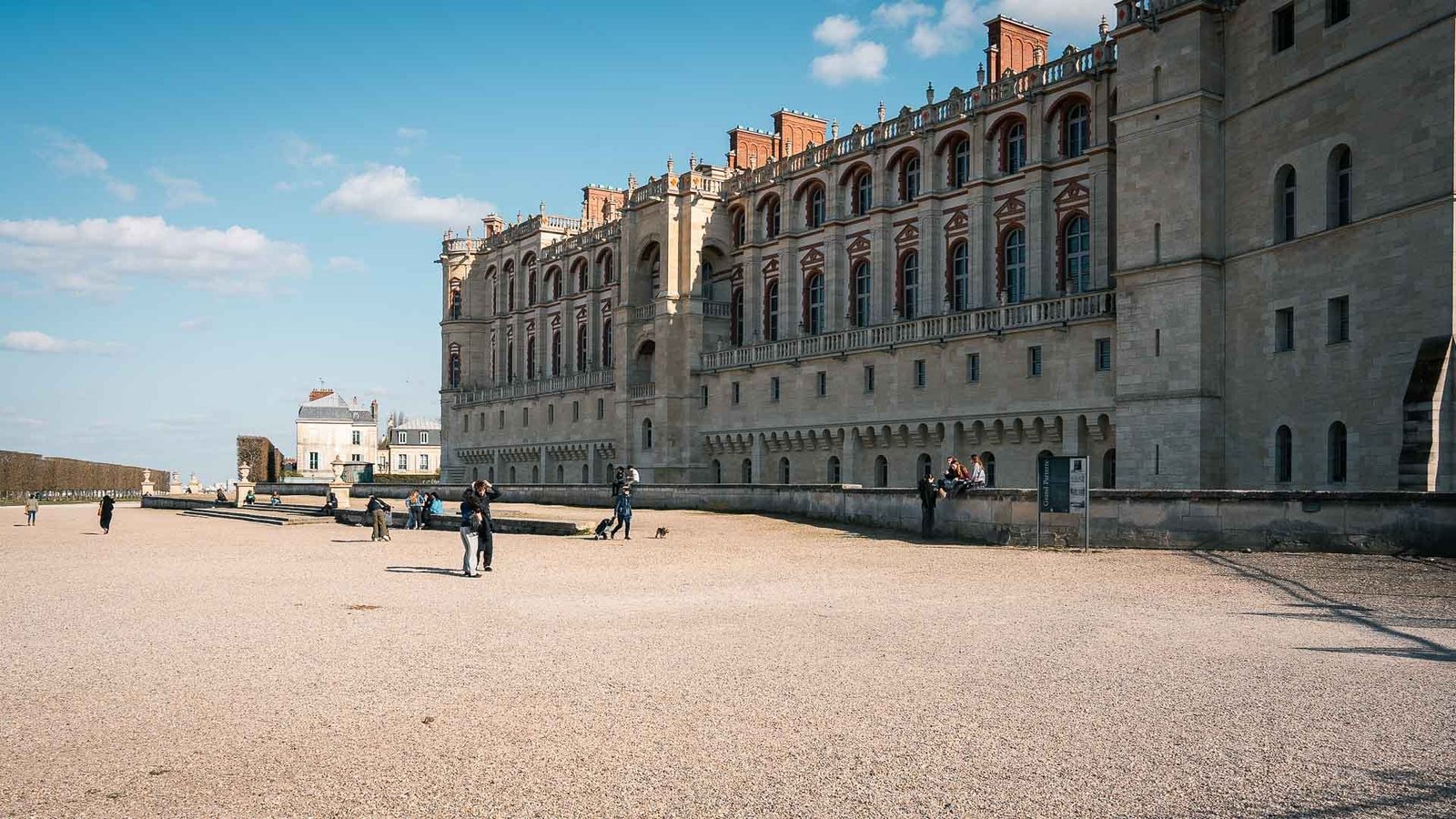
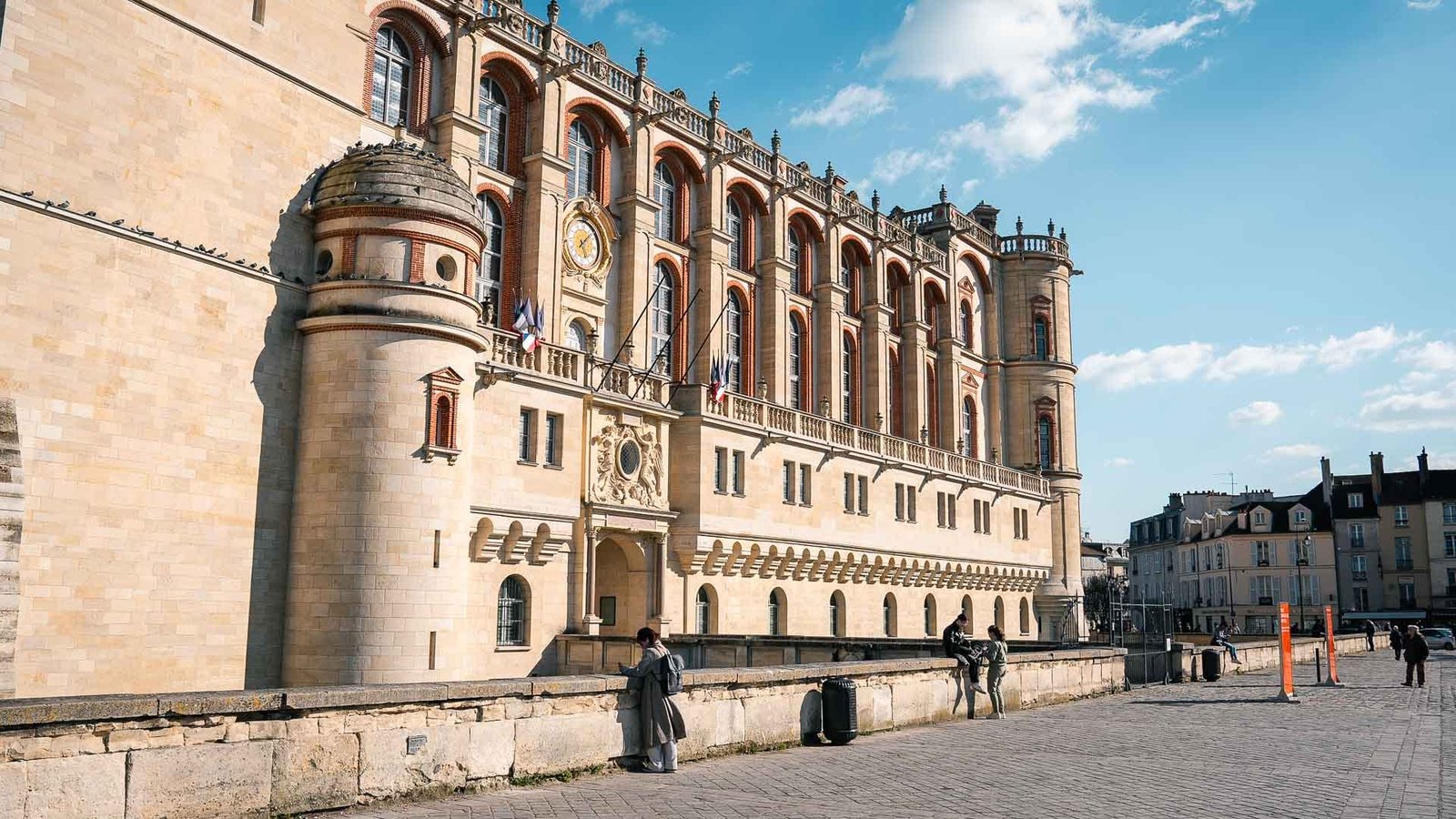
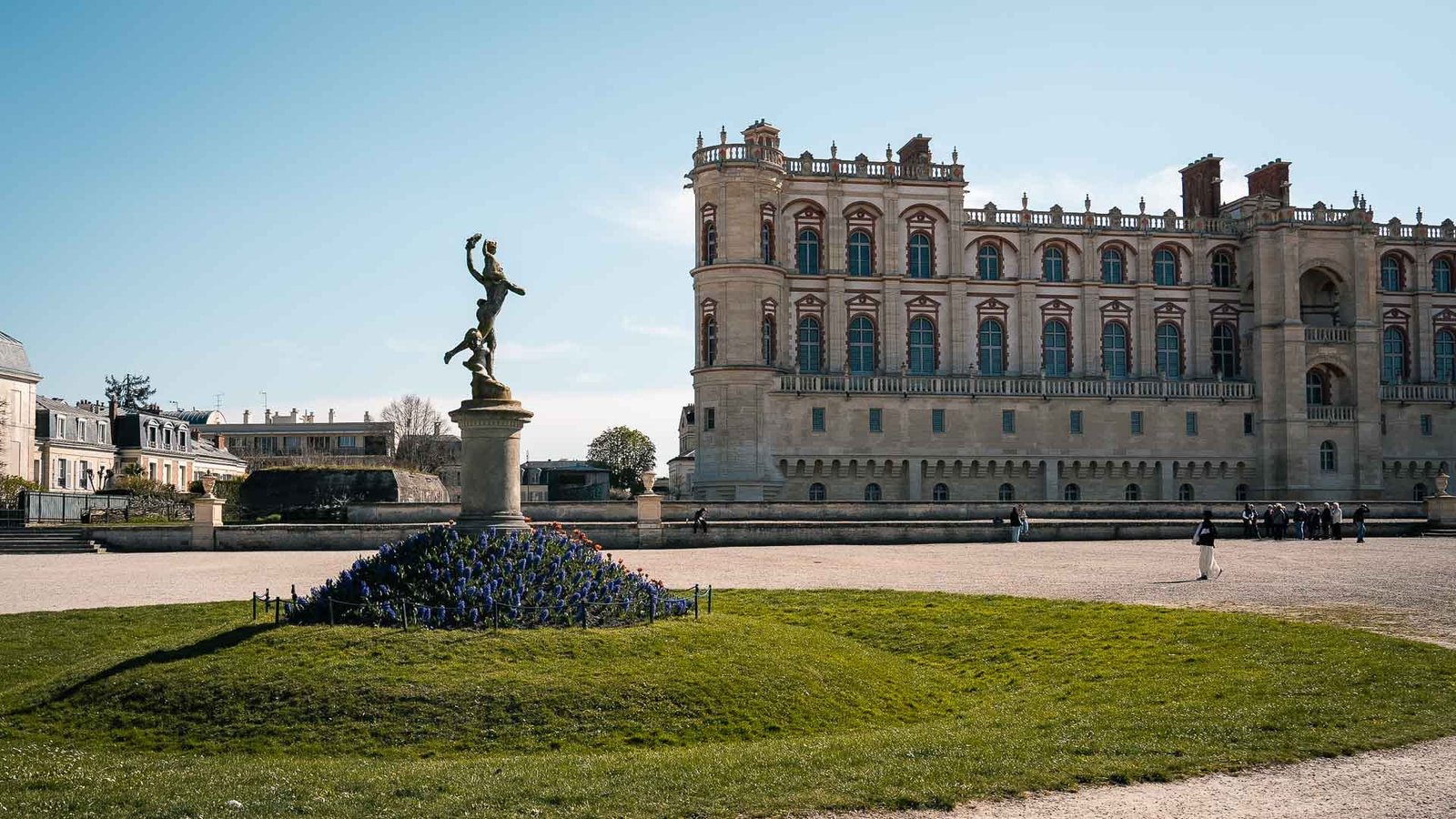
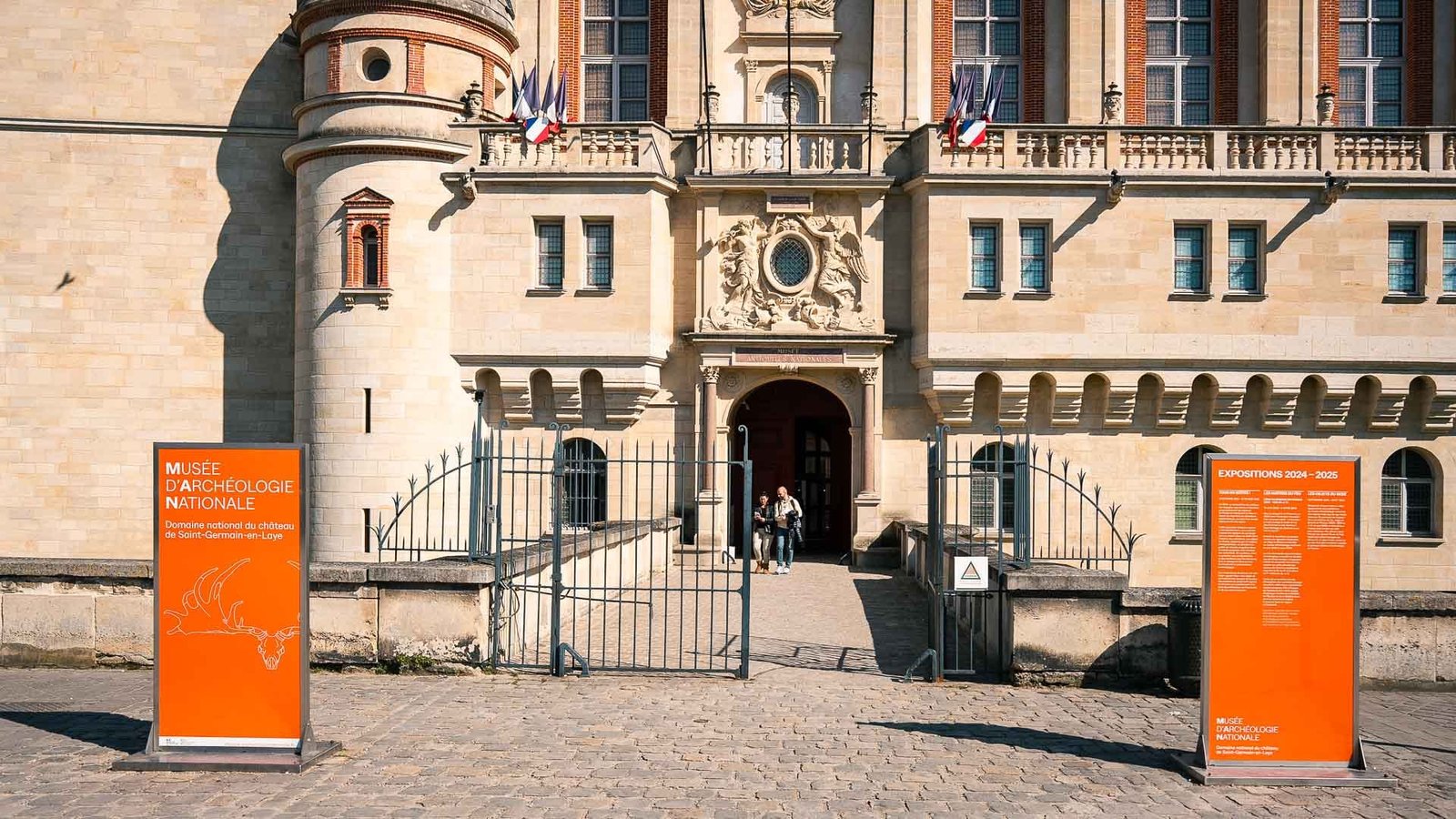
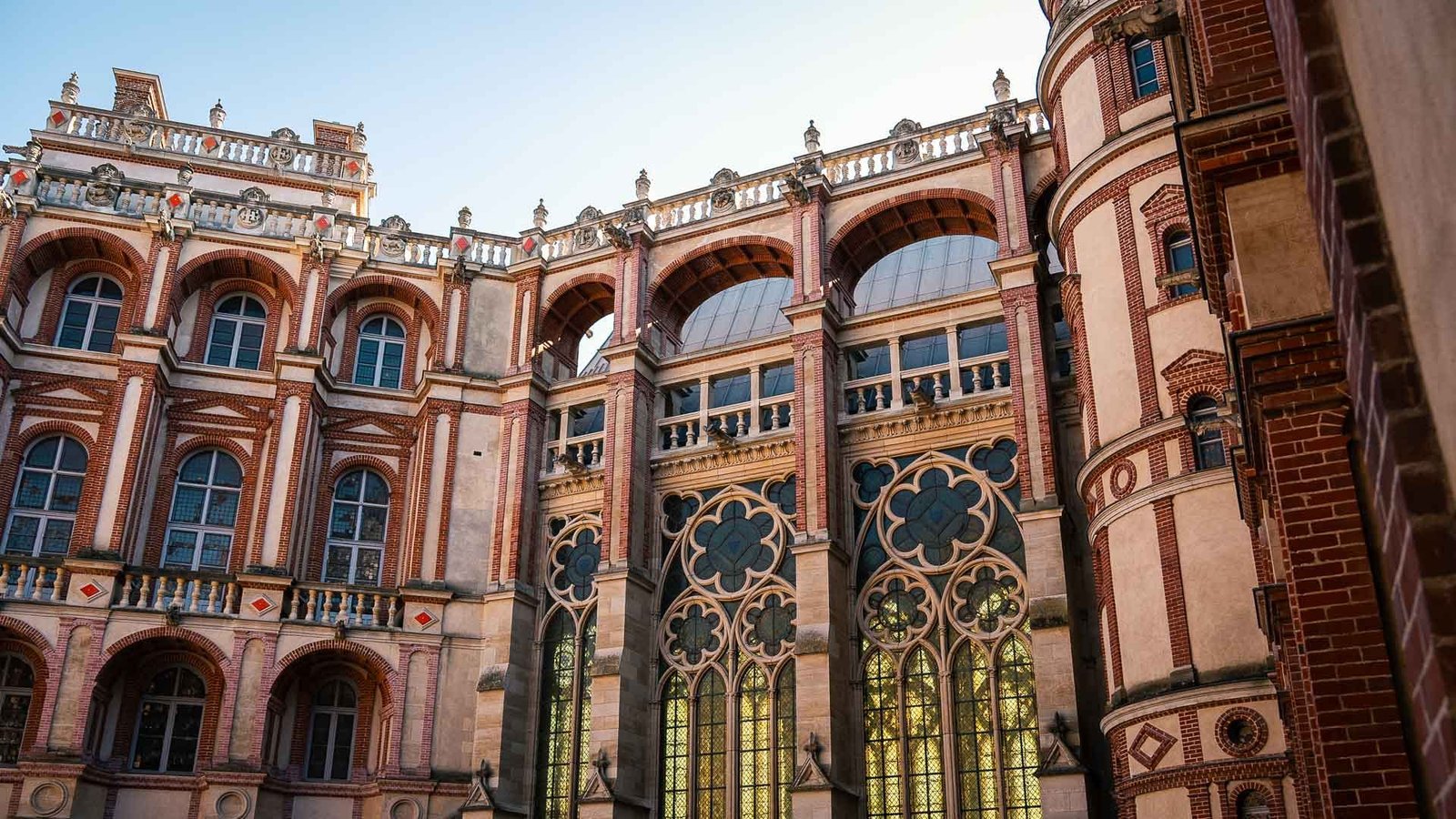
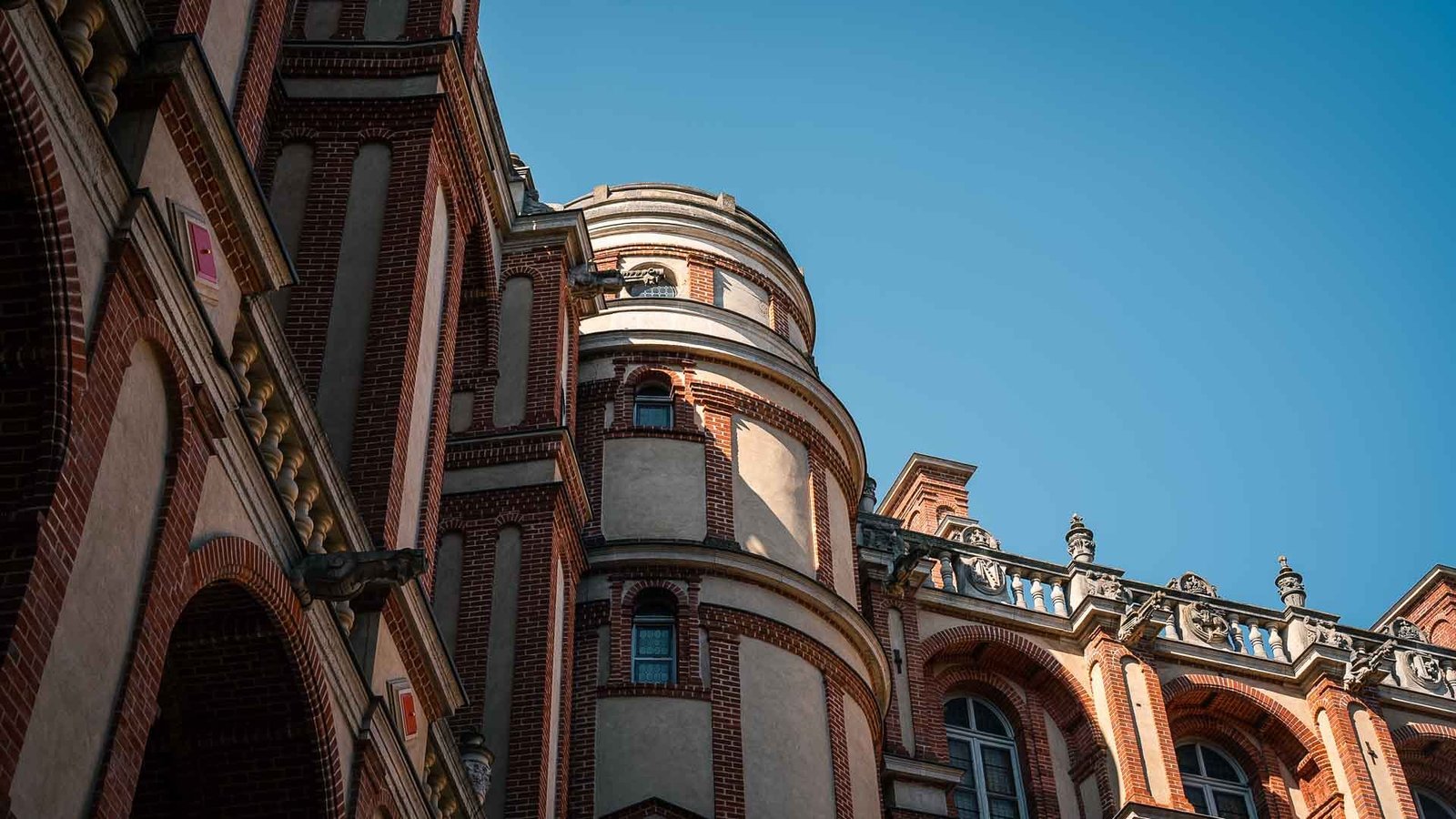
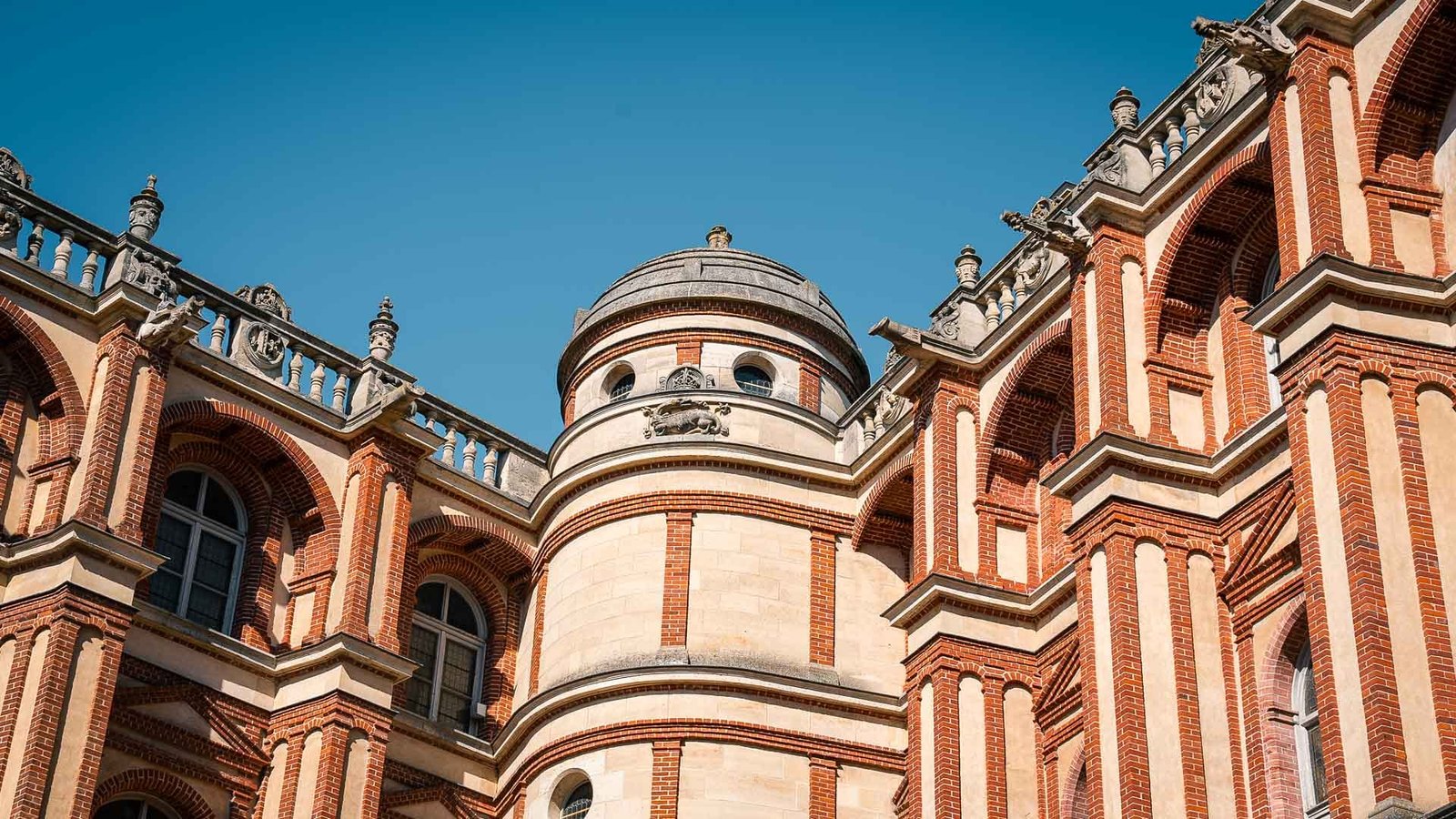
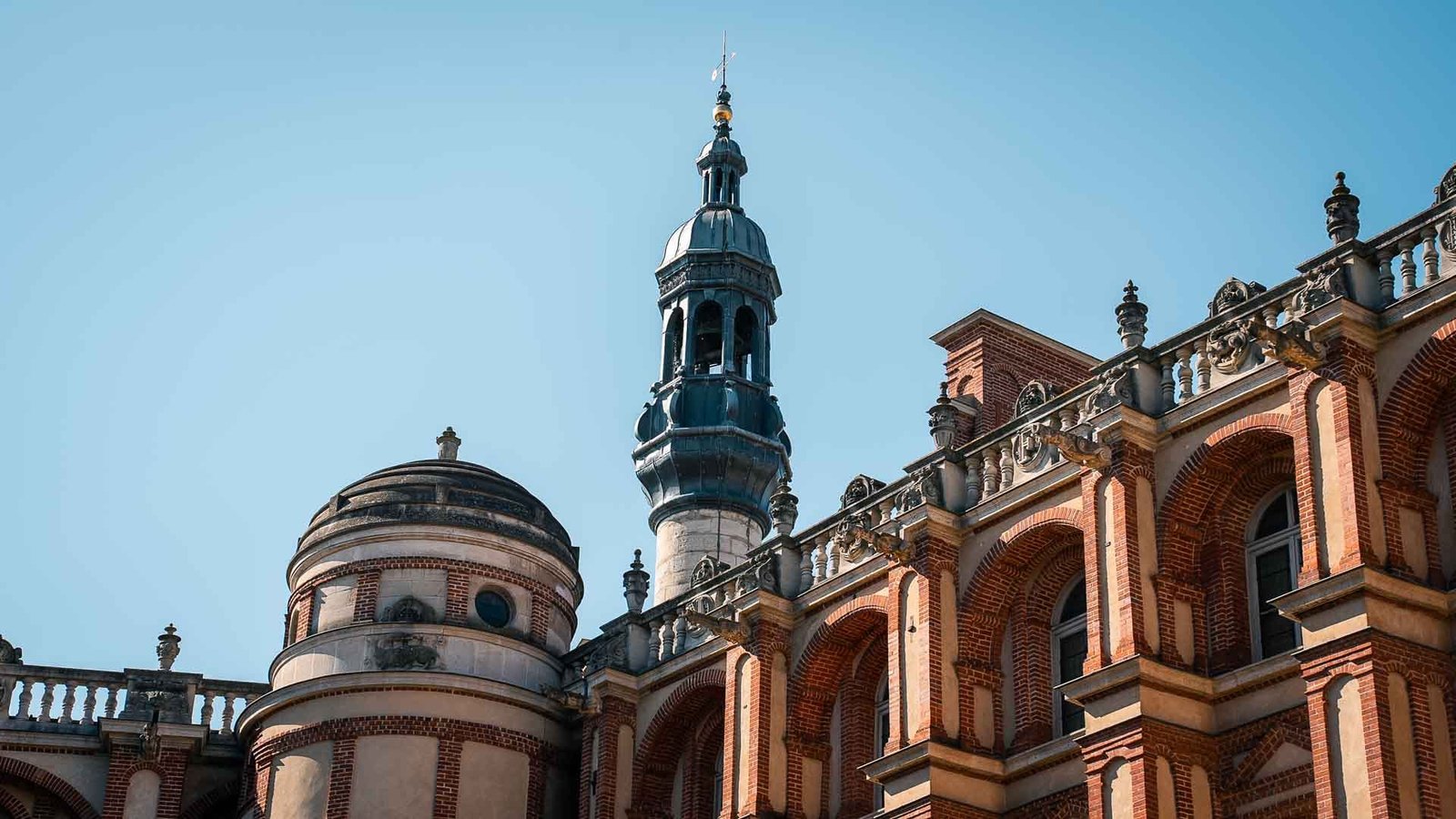


Overlooking the Seine from its majestic perch in the Yvelines, the Château de Saint-Germain-en-Laye has watched the tides of French history ebb and flow for nearly a thousand years. Once a strategic medieval fortress, then a favored residence of French royalty, and today the Musée d’Archéologie Nationale, the Château stands not merely as a building, but as a palimpsest of France’s dynastic, artistic, and political evolution.
A Medieval Jewel in the Forest of Laye
The story begins in the early 11th century, when King Robert the Pious established a monastery on the forested hill of Laye. The site’s elevated position and dense game-rich woodland quickly attracted royal attention. By 1122, Louis VI, known as Louis the Fat, had built a wooden palace on the site, frequently using it as a retreat. His successors, including Philippe Auguste, found the location advantageous as a gateway to Normandy.
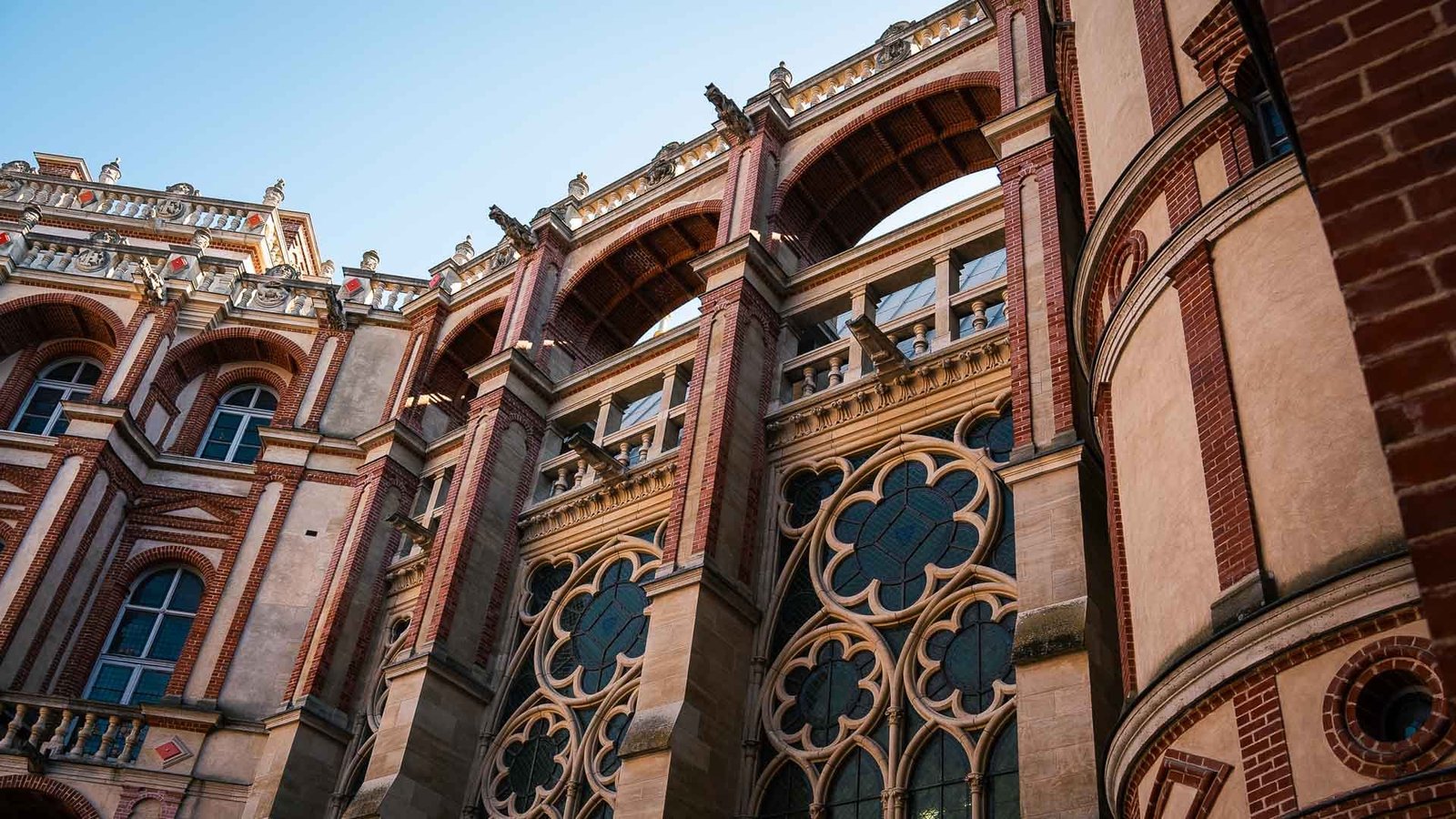
In the 1230s, Saint Louis (Louis IX) transformed the site into one of his favorite royal residences. He expanded the existing buildings and commissioned the construction of a radiant Gothic chapel, the Chapelle Saint-Louis, completed in 1238. This architectural masterpiece would become the prototype for Paris’s Sainte-Chapelle.
Royal Fire and Rebirth
The Hundred Years’ War left deep scars on the region. In 1346, during a brutal campaign, the Black Prince torched the Château, leaving only the chapel and tower intact. Charles V later resurrected the royal seat, surrounding it with a fortified pentagon-shaped enceinte. His successors, however, could not escape conflict. The castle was successively occupied by the Burgundians and English before being reclaimed by the Crown.
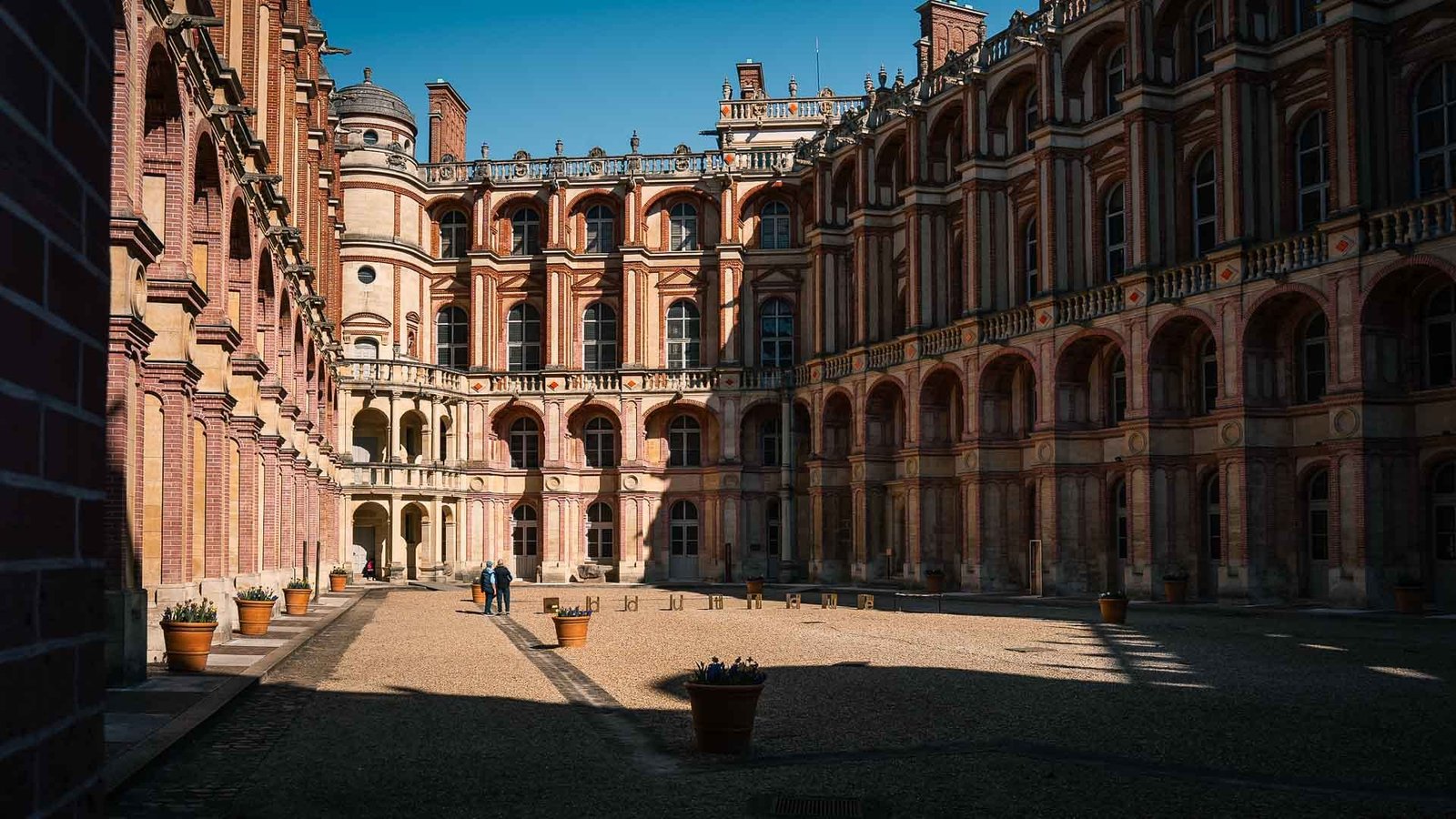
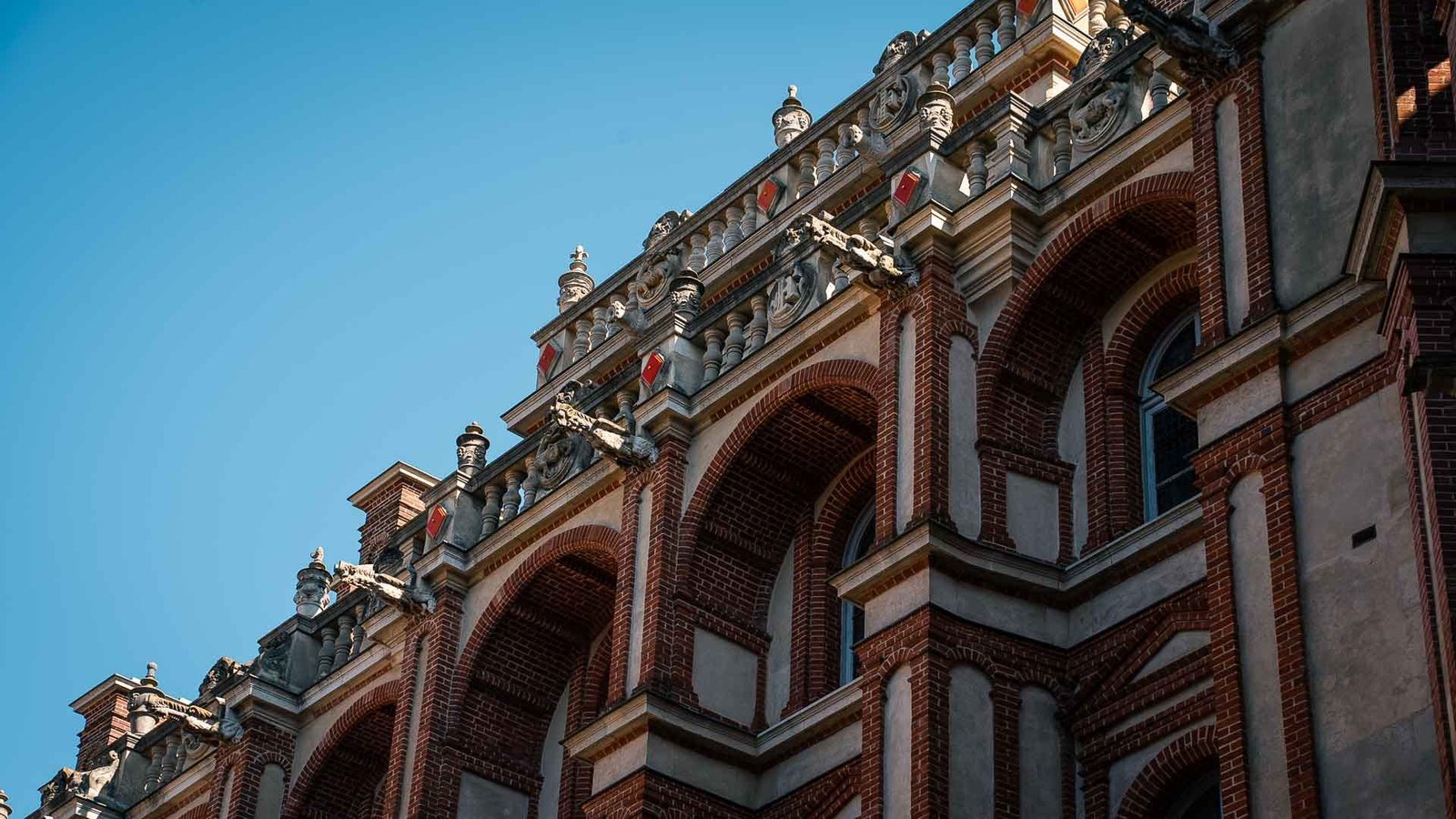
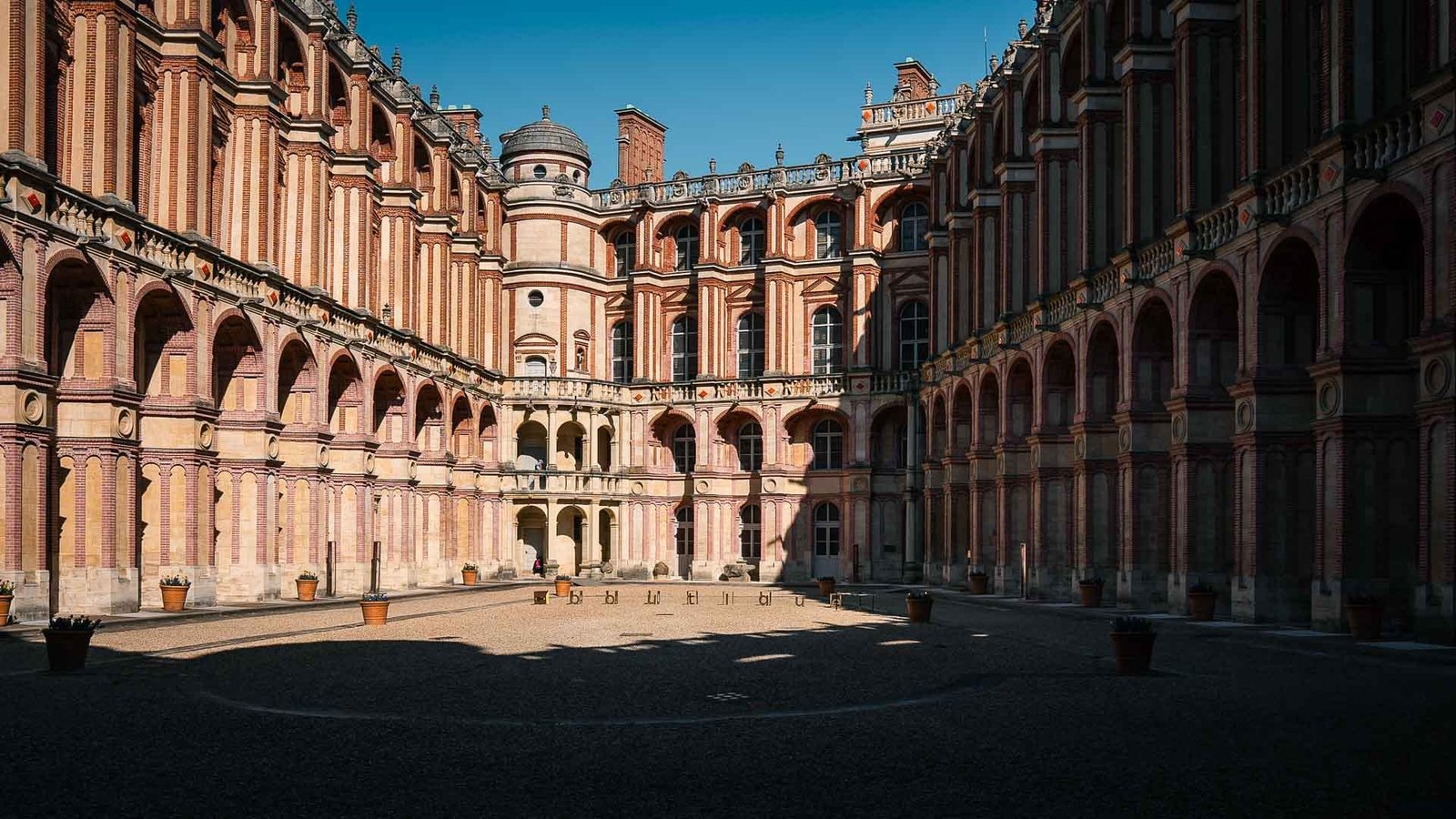
Under François I, the medieval fortress gave way to Renaissance elegance. He initiated the construction of the current structure in 1539, blending brick and stone in striking harmony. The Château became a pleasure palace and political hub, hosting courtly intrigue and legendary duels, such as the famed “coup de Jarnac” of 1547.
A Cradle of Kings
Saint-Germain-en-Laye was not merely a royal retreat—it was a royal nursery. Henri II, Charles IX, and Louis XIV were all born here. Henri IV raised his extensive brood in the Château-Vieux, famously calling his mixed band of legitimate and illegitimate children “le troupeau de Saint-Germain.” The future Louis XIII, born and raised here, would later return as king.
The Great Century (« Grand Siècle ») brought the Château to its artistic and political zenith. Louis XIV ruled from Saint-Germain between 1666 and 1682. He commissioned Le Nôtre to sculpt the formal gardens and the Grande Terrasse, offering sweeping views over the Seine Valley. Lully and Molière lit up the Salle de Bal with theatrical splendor, transforming it into the Salle des Comédies.
Yet despite ambitious expansions by Jules Hardouin-Mansart, Versailles beckoned. The Sun King departed, leaving behind unfinished plans and a legacy.
Exile and Decline
The Château found new royal occupants in 1689: James II of England and his Jacobite court, exiled after the Glorious Revolution. Welcomed by Louis XIV, James II remained at Saint-Germain until his death, plotting restoration and maintaining ceremonial dignity far from home.
The 18th century brought decline. Louis XVI gave the dilapidated Château-Neuf to his brother, the Comte d’Artois, who demolished most of it. The French Revolution transformed the Château-Vieux into a prison, and later, under Napoleon, a cavalry school and military penitentiary.
A Museum Rises from the Ruins
By the mid-19th century, the Château was in disrepair. Queen Victoria’s 1855 visit revealed a structure stripped of its royal furnishings and glory. Enter Napoleon III, who, passionate about archaeology and history, commissioned its salvation.
In 1862, the Château was officially designated a historic monument and repurposed as the Musée des Antiquités celtiques et gallo-romaines, now known as the Musée d’Archéologie Nationale. Architect Eugène Millet led the restoration, carefully returning the building to its Renaissance grandeur while adapting its halls for exhibitions. The Mansart additions were removed, revealing the original proportions of François I’s design.
Today, the museum houses one of Europe’s most comprehensive collections of prehistoric, Celtic, Gallo-Roman, and Merovingian artifacts.