








A Rich History Rooted in Botany and Science
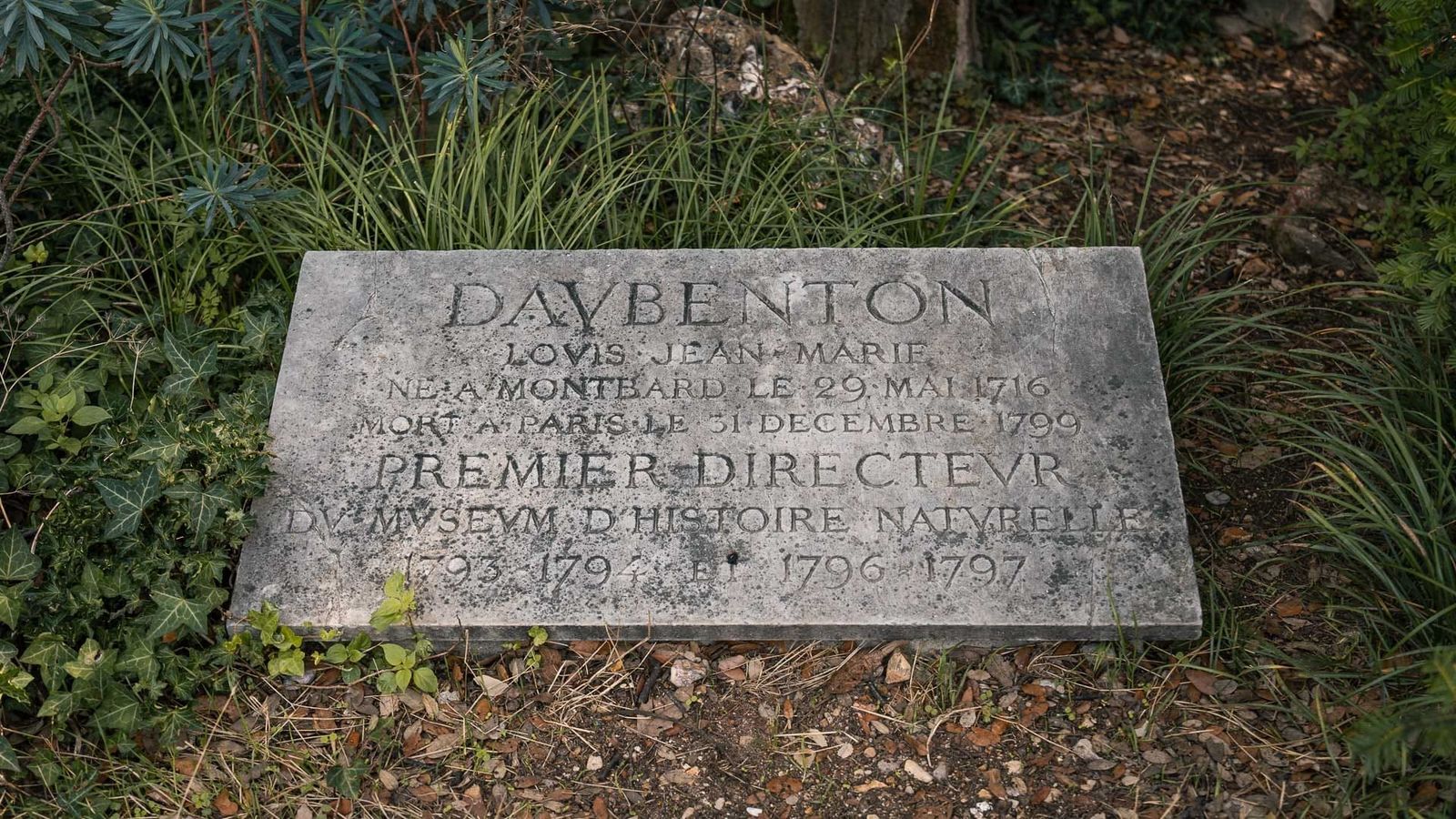
Founded in the early 17th century as the Jardin royal des plantes médicinales, the Jardin des Plantes has evolved from a royal garden to one of Paris’s most important scientific institutions.
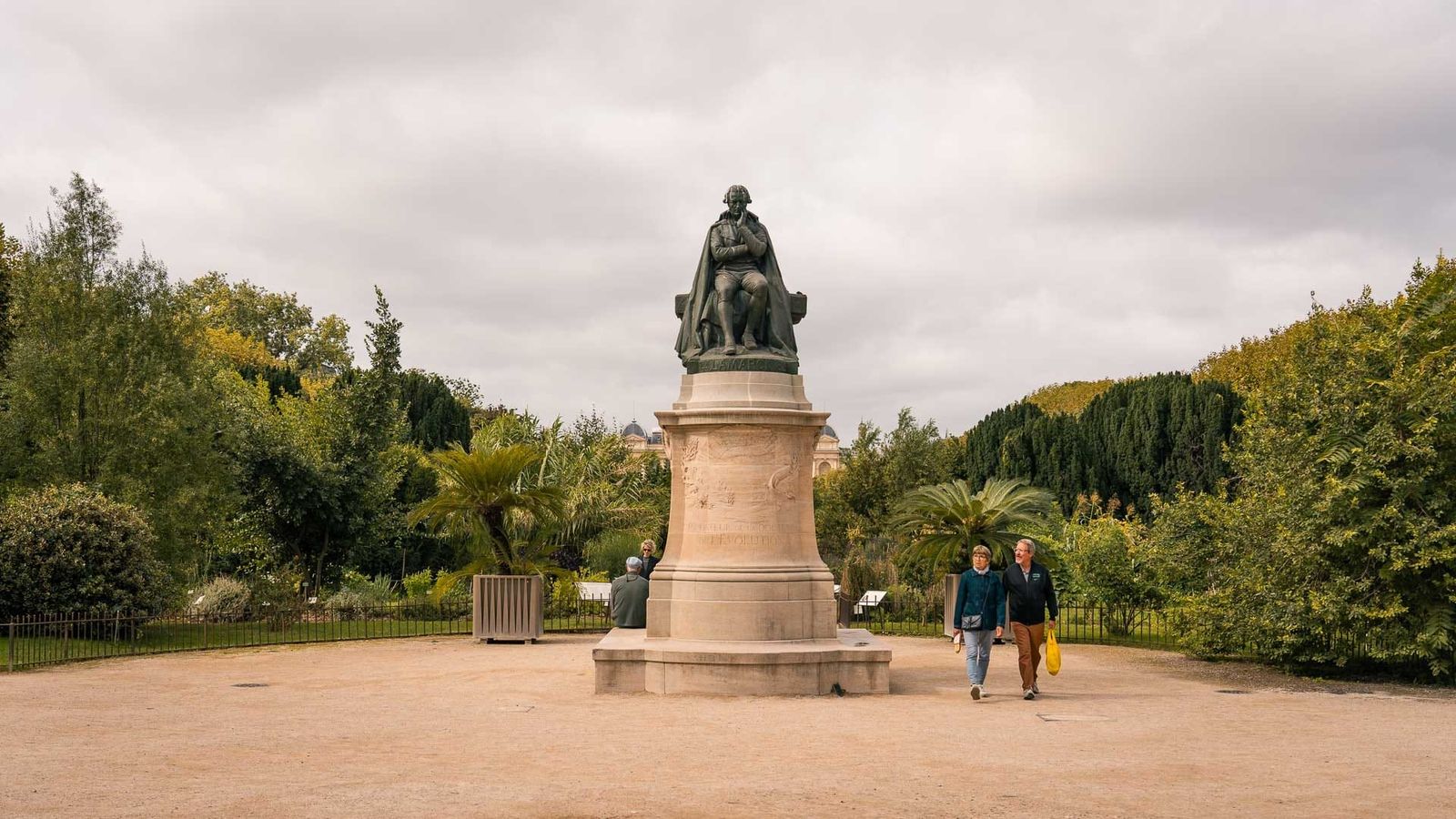
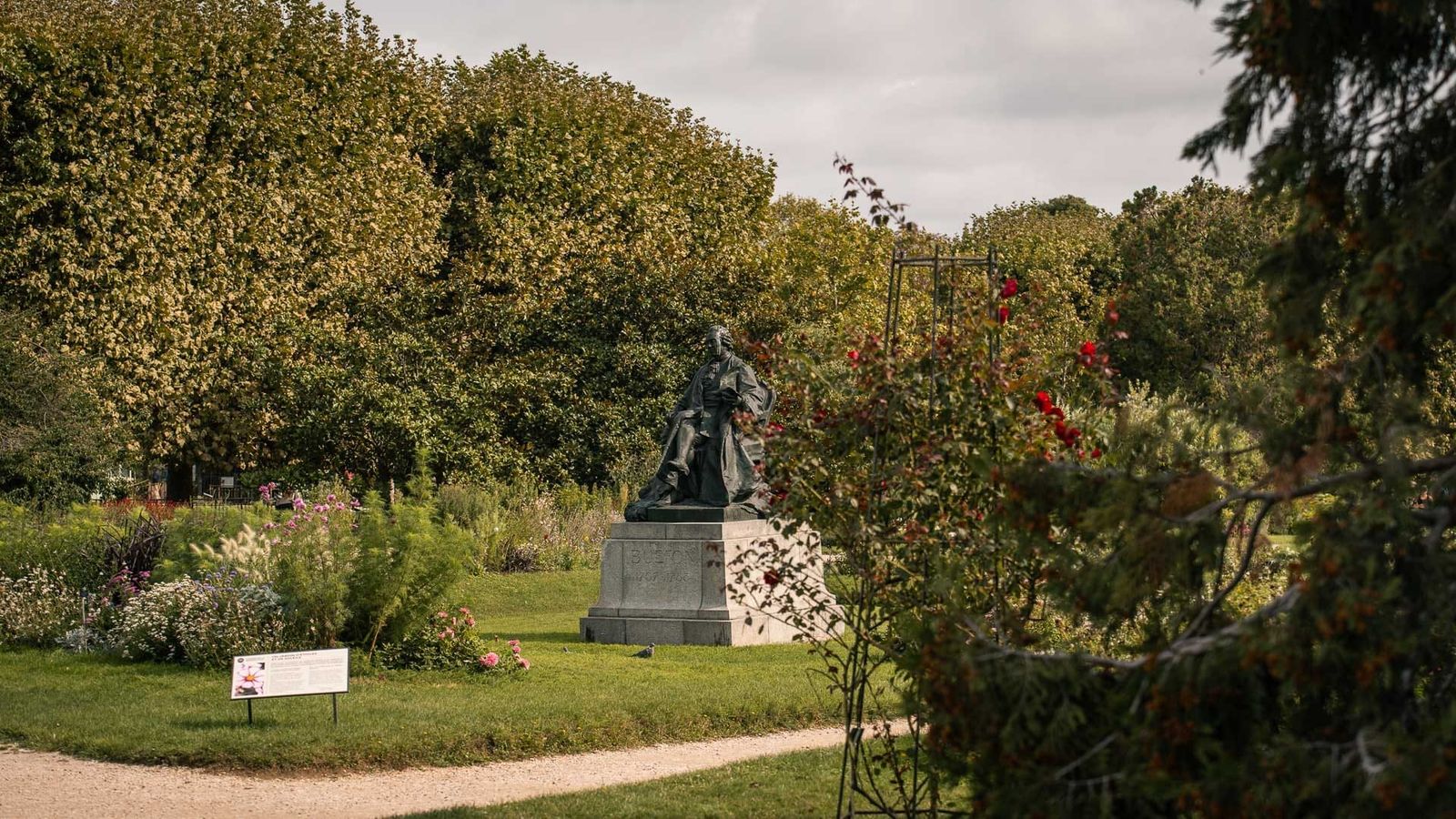
Initially created under the reign of Louis XIII as a medicinal garden, it became a space for botanical studies and education, evolving significantly under the leadership of the naturalist Georges-Louis Leclerc de Buffon in the 18th century.
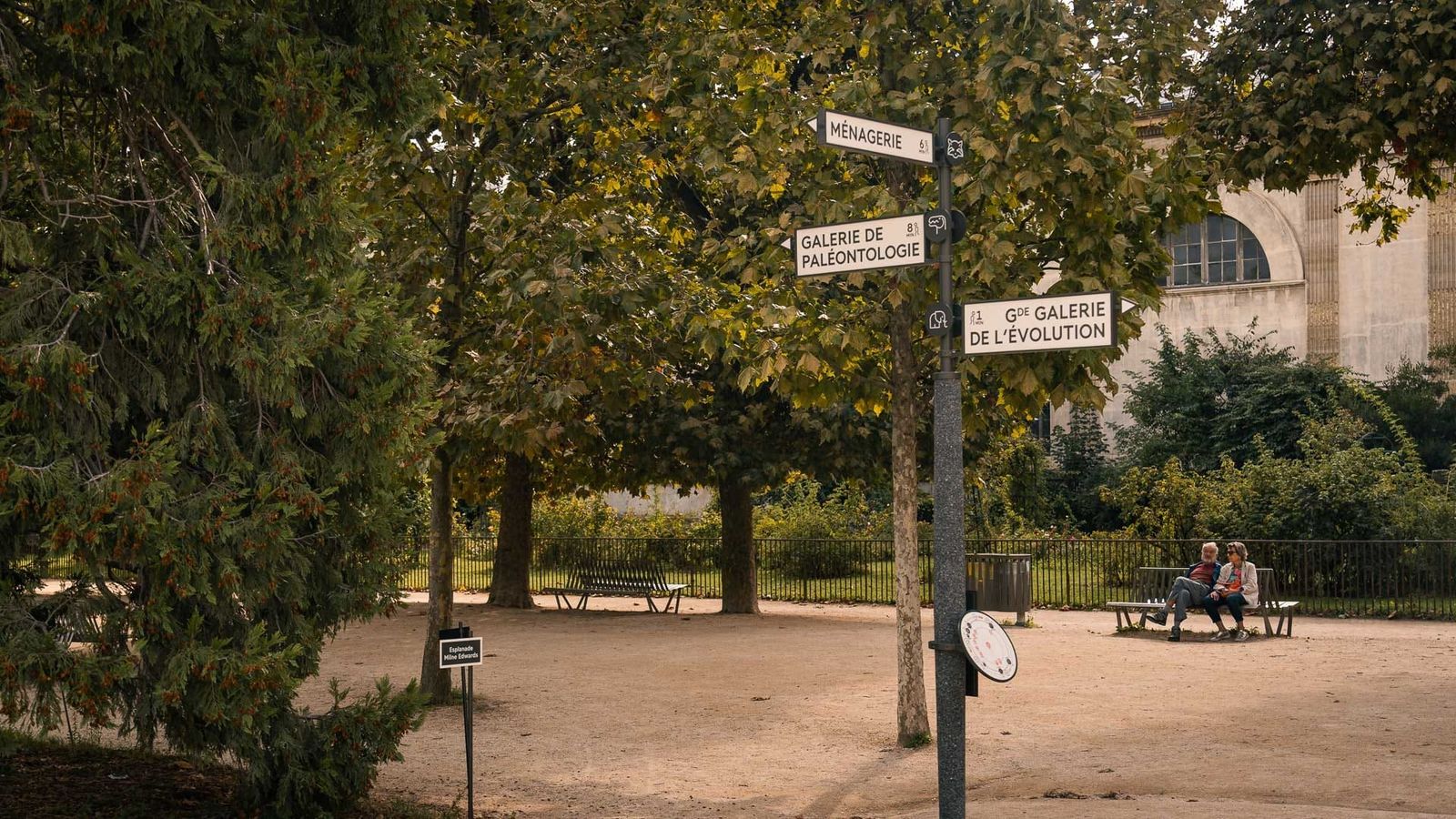
The garden now hosts the National Museum of Natural History, which manages various scientific galleries, including the Paleontology Gallery and the Mineralogy Gallery, offering visitors a chance to dive deep into the world of scientific exploration.
Explore the Unique Gardens and Attractions
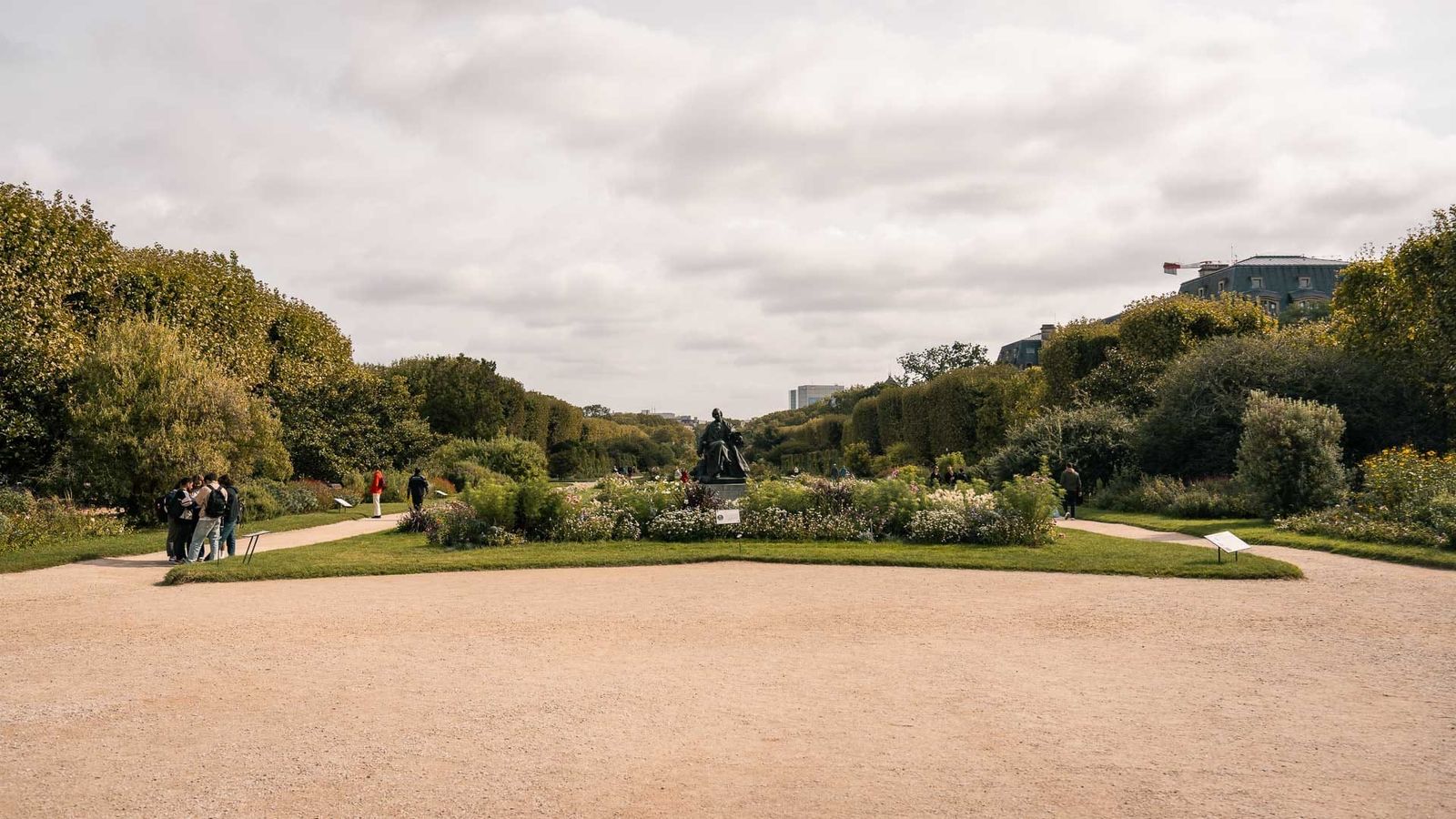
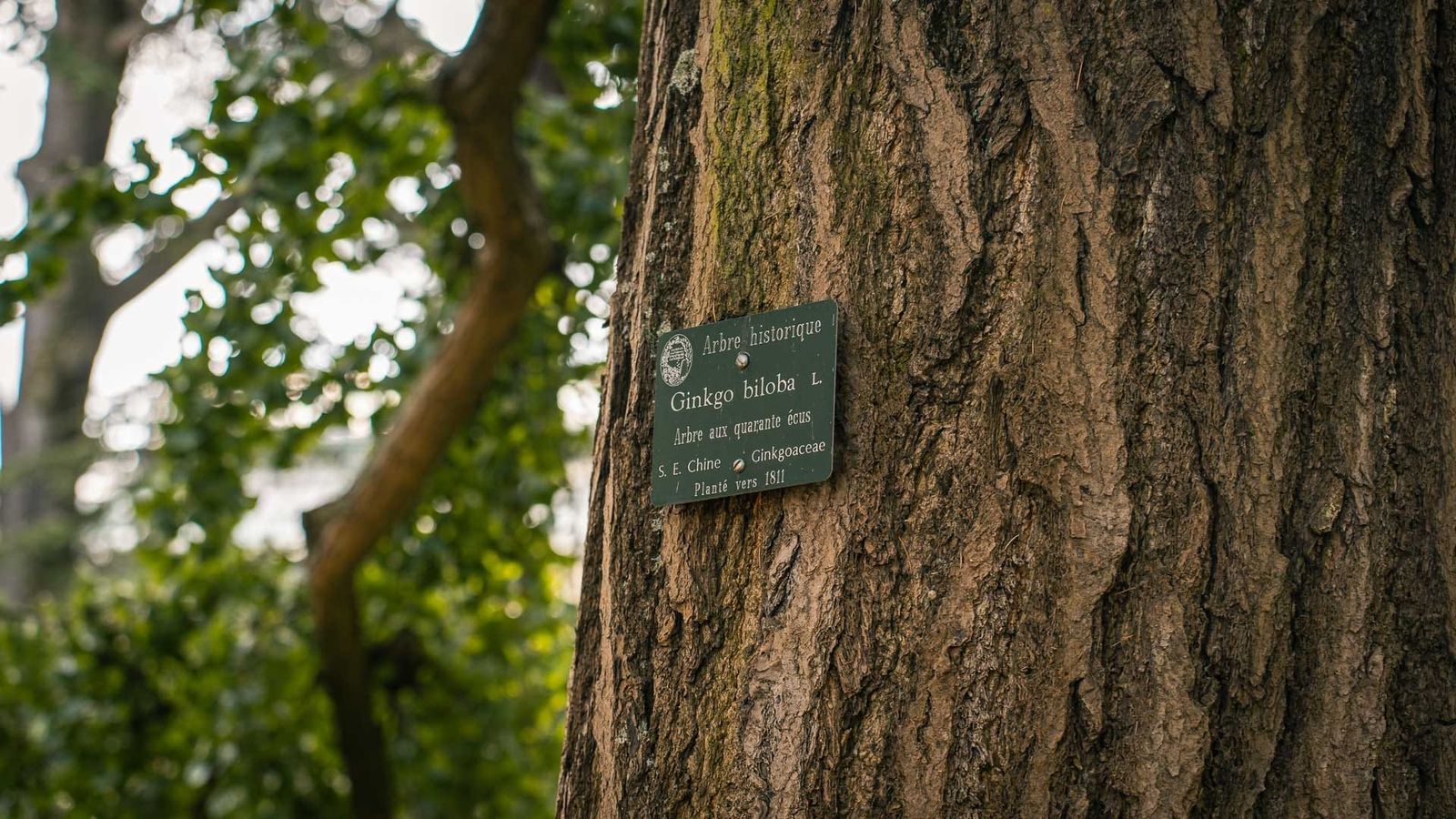
Spanning 23.5 hectares, the garden is a lush escape that offers a diverse collection of botanical spaces, from French-style parterres to expansive English-style landscapes. The Grande Perspective à la française is a stunning 500-meter-long vista bordered by plane trees and vibrant flowerbeds, while the English-style landscaped garden offers a more natural setting, showcasing a variety of plant species. Visitors can also explore the Grand Labyrinth and Alpine Garden, each with its own distinct charm and appeal.
At the heart of the garden is the Ménagerie, one of the oldest zoos in the world, home to a variety of animals, including rare species and endangered animals. The garden’s greenhouses are another highlight, featuring lush tropical plants, desert flora, and species from the Pacific Islands, offering an immersive botanical experience year-round.
A Space for Science and Nature Enthusiasts
What makes the Jardin des Plantes truly unique is its dual purpose as both a public garden and a scientific institution. The garden is not only a peaceful retreat but also a living laboratory where researchers from the Muséum national d’Histoire naturelle continue to study plant life, animal species, and environmental sustainability.
The zoothèque, located beneath the Milne-Edwards Esplanade, houses an extensive collection of preserved animal specimens. A visit here offers insight into both the natural world and the history of botanical and zoological research in France.