Paris may be the city of love, art, and gourmet delights, but it’s no secret that it can also be a costly destination. From charming cafés to world-famous museums, every experience comes with a price tag—but that doesn’t mean you can’t enjoy the magic of Paris on a budget.
Whether you’re planning a luxurious getaway or a wallet-friendly adventure, understanding the costs of accommodation, transport, dining, and attractions will help you make the most of your trip without breaking the bank.
In this guide, we’ll break down what to expect and share tips to stretch your euros while still savoring the best of the French capital.
Overview of Paris Travel Costs
Traveling to Paris involves several cost considerations that vary significantly based on the season and how it compares to other European capitals. Understanding these factors is crucial for budgeting effectively.
Seasonal Variations in Prices
Paris experiences distinct seasonal price fluctuations. High season typically runs from June to August and around the winter holidays. During this time, accommodation rates and flight prices spike, often exceeding $2,200 for round-trip tickets from the United States.
Conversely, low season, from November to March, offers lower rates. Flights can drop to around $620 (€650) round-trip during this period. Accommodation also tends to be cheaper, with average hotel prices around $130 per night.
Visitors planning travel in the shoulder seasons of spring and early fall can find a balance, enjoying moderate prices and pleasant weather.
Comparison with Other European Capitals
When comparing Paris travel costs to other major European cities, it remains on the higher end. For example, the average daily budget for visitors in Paris is about $275 (€263), which includes $75 on meals and $22 for local transportation.
Cities like Berlin or Lisbon often have lower daily expenses, sometimes under $200. While Paris offers unparalleled experiences, travelers should weigh their options based on budget constraints. Accommodation, dining, and activities in Paris generally rank higher than in many other European capitals, reflecting its status as a top tourist destination.

Accommodation Costs
Accommodation costs in Paris can vary significantly depending on the type and location of the lodging. From luxury hotels to budget-friendly hostels, there are options to fit various travel budgets.
Hotels and Hostels
Parisians enjoy a diverse range of hotels, from five-star luxury to basic motels. Prices for hotels in the city usually range from $80 up to $500 per night, depending on the season and amenities.
Mid-range hotels average around $130 per night, with peak season rates reaching around $250.
Hostels offer budget travelers a more economical option, with prices typically starting at about $30 per night. Not only do hostels provide affordable beds, but they also foster a community atmosphere that attracts many young travelers.
Vacation Rentals and Apartments
Vacation rentals and apartments present a popular choice for those seeking a homely experience in Paris. Options range from charming studio apartments to expansive family accommodations.
Average rental prices generally start at $90 per night but can go much higher for prime locations like the Marais or near the Eiffel Tower.
Airbnb and similar platforms have made booking these rentals easy, allowing visitors to find unique properties that suit their needs. Travelers can enjoy amenities like kitchens for cooking and laundry facilities, which can significantly reduce food and travel costs during their stay.
Budgeting for Accommodation
Accurately budgeting for accommodation in Paris is crucial for financial planning. It is advisable to consider factors like location, season, and personal preferences.
For mid-range accommodations, budgeting around $120 to $150 per night can result in a pleasant stay.
Additionally, travelers should account for extra fees such as cleaning and service charges, which can add up. Researching before booking is essential to ensure the best possible options within one’s price range, especially during peak tourist seasons when prices are generally higher.

Transportation Expenses
Travelers to Paris will encounter several transportation options to navigate the city efficiently. Each mode comes with its own cost structure and benefits that cater to different preferences and budgets.
Public Transit Options
The Paris Métro is known for its extensive and efficient network. A single ticket costs €2.55.
Visitors may also consider the Paris Visite travel pass, which allows unlimited travel on public transport for a duration of 1 to 5 days, starting at €30.60 for adults and €15.30 for children aged 4 to 9, depending on the selected zones.
For those staying longer, a monthly pass costs around €88.80 (including all zones). The Metro, buses, and trams operate frequently, making them a convenient choice for getting around the city without significant expense.
Check the official website of the RATP (Régie Autonome des Transports Parisiens), the organization responsible for operating public transportation services in Paris, including the Métro, buses, trams, and suburban trains, for more information.
Taxi Fares and Ridesharing
Taxis in Paris have a starting fare of about €4.00, with additional charges of around €1.50 per kilometer. Night fares and peak hours may lead to higher prices.
Ridesharing services like Uber operate in the city, often providing a more convenient and sometimes cheaper alternative to traditional taxis. A typical trip within the city center ranges from €10 to €30, depending on distance.
Travelers should be aware of additional fees for services like extra passengers or luggage. Comparing options can lead to substantial savings, particularly for groups or longer distances.
Bicycle and Scooter Rentals
Biking is a popular and environmentally friendly way to explore Paris. The Vélib’ bike-sharing system offers a variety of rental options.
A single ride on a classic bike costs €1 for the first 30 minutes, with an additional €1 per 30 minutes thereafter. For electric bikes, the first 45 minutes cost €3, followed by €2 per additional 30 minutes.
Visitors can also opt for a 24-hour pass: the classic pass costs €5 and includes 30-minute rides on classic bikes, while the electric pass costs €10 and includes 60 minutes on classic bikes and 45 minutes on electric bikes. Both passes allow up to five Vélib’ rentals at once.
Electric scooters are also widely available, with costs usually around €1 to unlock and about €0.15 per minute thereafter.
Both modes offer flexibility in travel and a unique way to experience the city’s sights. Travelers are encouraged to use bike lanes and always follow local traffic rules to ensure safety while navigating the streets.
Food and Dining Costs
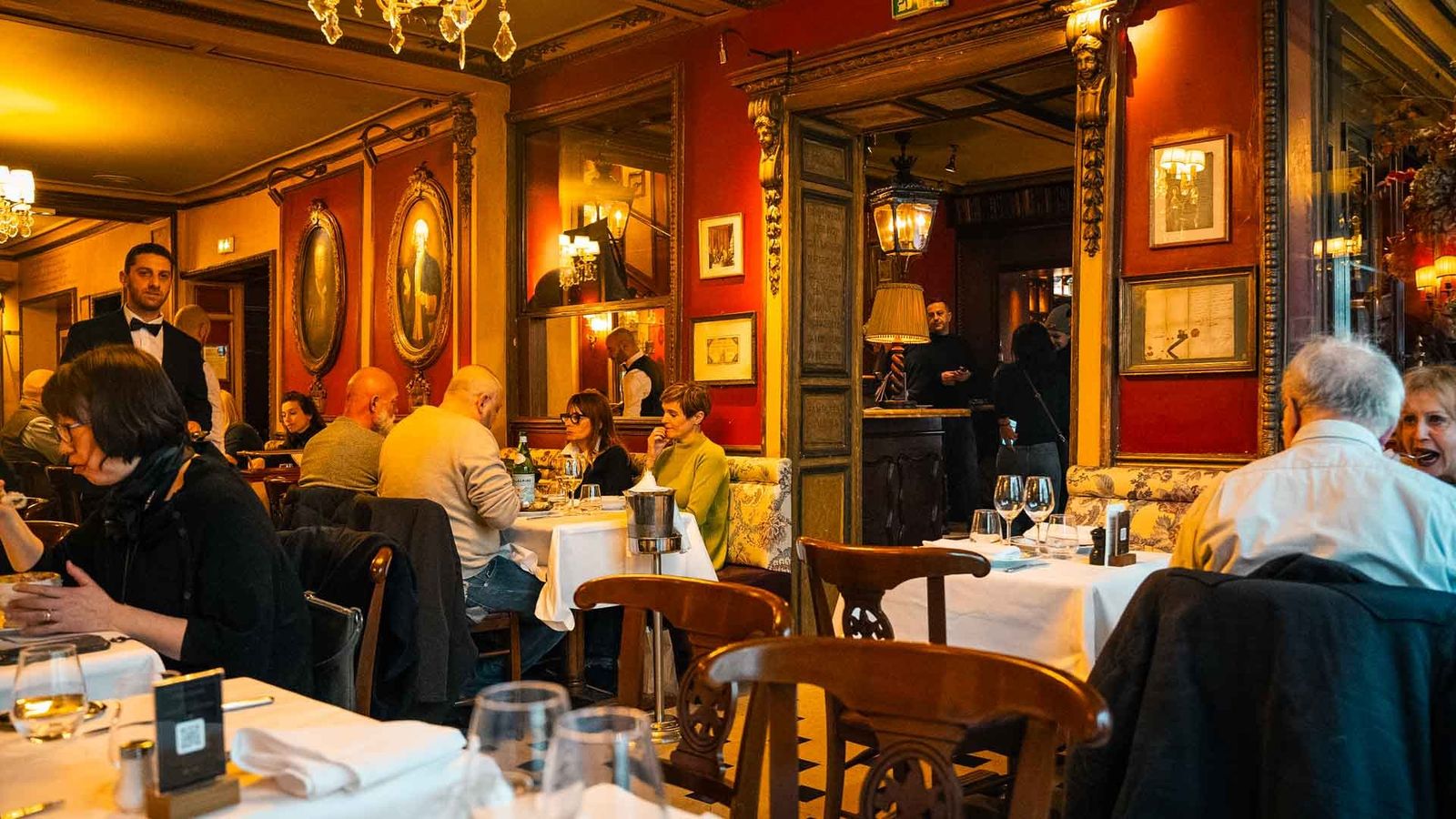
Dining in Paris offers a diverse range of experiences, from casual street food to high-end restaurants. Visitors can expect to find various price points catering to different budgets. Below are details on restaurant prices, grocery budgeting, and street food options.
Restaurant Price Ranges
In Paris, the cost of dining varies significantly based on the type of restaurant. On average, a meal at an inexpensive eatery costs about €15. Mid-range restaurants may charge around €30 to €50 for a three-course meal for one.
Those seeking a more upscale dining experience will find prices for fine dining establishments starting at approximately €70 per person. This can exceed €200 for premium choices.
Additionally, lunch menus often provide better value than dinner options. Many restaurants offer prix-fixe menus or lunch specials that can reduce costs while still providing a taste of local cuisine.
Budgeting for Groceries
For those who prefer to prepare their own meals, budgeting for groceries can be economical. On average, a person can spend about €45 daily for meals, but budget-conscious travelers might get by with €25.
Key grocery items like bread, cheese, and fruits can be found at reasonable prices. A loaf of bread typically costs around €1, while a block of cheese may cost between €5 and €10.
Markets and local shops can provide fresh produce at competitive prices. This approach not only saves money but also allows visitors to enjoy the local flavors of Paris.
Street Food and Snacks
Street food in Paris provides a delightful and affordable option for those on the go. Popular choices include crepes, which typically range from €5 to €10, and are available with various sweet or savory fillings.
Other favorites include falafel, often found in the Marais district, where a filling meal can cost about €7.
Additionally, local bakeries offer delicious pastries and sandwiches, with prices around €3 to €6. These snacks are perfect for a quick bite while exploring the city’s sights.

Attractions and Activities
Exploring Paris involves a variety of attractions and activities. From world-renowned museums to vibrant nightlife, costs can vary significantly, making it essential to plan accordingly.
Museum and Monument Entry Fees
Entry fees for museums and monuments in Paris are important to budget for. For instance, a ticket to the Louvre Museum costs €22. The Musée d’Orsay charges €16 for adults. Many museums offer reduced prices for students and seniors, typically around €12.
Additionally, visitors can access several attractions for free on the first Sunday of the month. Many museums also provide discounted rates for children and young adults under 26 years of age if they are residents of the European Union.
For those looking to save, consider obtaining a Paris Museum Pass, which grants access to over 60 attractions for a flat fee, significantly reducing overall costs.
Guided Tour Prices
Guided tours can enhance the experience of Paris’s iconic sites. Average prices for these tours range from €30 to €100, depending on the length and inclusivity.
For example, a guided tour of the Sainte-Chapelle is priced around €40, while a full-day tour encompassing both the Eiffel Tower and Seine River Cruise might reach approximately €90.
Custom and private tours are usually pricier, averaging about €150. Many companies also offer discounts for group bookings or early reservations.
Travelers should review what each tour includes, such as skip-the-line access or additional attractions, to make an informed decision.
Entertainment and Nightlife
Paris offers a diverse range of entertainment options, from cabarets to live music. Ticket prices can vary widely, with entry to venues like the iconic Moulin Rouge starting at €100, including dinner.
Other smaller venues or bars may offer live music for much lower fees, generally around €10 to €20. The vibrant nightlife scene on the Champs-Élysées provides numerous options, often with no cover charge, but drinks can be expensive.
It’s advisable to check for special events and promotions, as many establishments host themed nights or happy hours, providing an opportunity to experience Parisian nightlife without overspending.

Shopping and Souvenirs
Shopping in Paris can range from affordable finds to luxury purchases. The city offers a unique blend of local artisan goods and high-end designer items.
Average Spending on Souvenirs:
- Budget travelers often spend between €50 to €100 per day, which may include shopping.
- Luxury items can significantly increase that budget.
Common souvenirs include:
- Artisan gifts: Unique items created by local craftsmen.
- Food specialties: Famous culinary treats such as macarons, pastries, and regional liquors like Calvados.
For those interested in fashion, Paris is home to many flagship stores for luxury brands. Here, shoppers can find the latest in designer clothing and accessories.
Additionally, local markets provide opportunities for unique finds. Markets often feature handmade goods and local art at various price points.
When budgeting for shopping, it is important to consider:
- Accommodation costs: Staying in a hotel may tie up funds that could be spent on shopping.
- Dining expenses: Eating out at restaurants can also reduce available funds for souvenirs.
Travelers should also budget for incidental purchases such as clothing and tours, which can add up quickly. Prioritizing expenses can help in enjoying the shopping experience without overspending.
Daily Budget Estimates
Traveling in Paris can fit a range of budgets, each offering unique experiences. From budget-friendly options to extravagant indulgences, understanding the daily expenses can help vacationers plan effectively.
Budget Travel
For budget travelers, managing daily expenses is crucial. On average, they can expect to spend around €63 per day.
Costs Breakdown:
- Accommodation: Hostels are around €40 per night.
- Food: Budget for about €10-€20 for meals, with options like boulangeries and street food.
- Transportation: A metro ticket costs approximately €1.90.
Attractions can also be low-cost, with many parks and free museums available. Engaging in free walking tours can enrich the experience without straining the wallet.
Mid-Range Travel
Mid-range travelers often seek comfort with a balance of cost and quality. Daily expenses typically hover around €150.
Costs Breakdown:
- Accommodation: A mid-range hotel averages €100-€150 per night.
- Food: Dining at casual restaurants might cost €20-€35 per meal.
Transportation can include a combination of metro and occasional taxis. Sightseeing, incorporating paid attractions, may add €15-€25 for entry fees. Planning for a mix of paid and free activities can enhance the experience while keeping expenses manageable.
Luxury Travel
Luxury travelers enjoy a more indulgent experience in Paris. Daily budgets can soar above €300.
Costs Breakdown:
- Accommodation: High-end hotels or boutique options range from €250-€500 per night.
- Food: Fine dining experiences can exceed €50-€100 per meal.
Private transportation services, such as car hires, can add to the daily budget. Visitors often opt for exclusive tours, averaging €50-€150 per attraction. Overall, the focus is on premium experiences that highlight the best of Paris.
Money-Saving Tips
Traveling in Paris doesn’t have to be an expensive endeavor. Many practical strategies can reduce costs while enjoying the city’s attractions.
Choose Public Transportation
Using the Metro is often more cost-effective than taxis. A single ticket costs about €1.90, while a Paris Visite travel card offers unlimited travel with varying durations.
Dine Smartly
Opt for meals at local bistros instead of tourist traps. Lunch menus, known as “formules,” often provide great value. Eating out during lunch can significantly lower dining expenses.
Explore Free Activities
Paris boasts numerous free attractions. Museums like the Petit Palais offer free entry. Parks such as the Luxembourg Garden provide a perfect place to relax without spending a dime.
Take Advantage of Discounts
Certain attractions offer discounted rates on specific days or for students. Research in advance for savings on entry fees.
Save on Accommodations
Consider staying in hostels or budget hotels located outside the city center. This choice typically results in lower prices while still offering easy access to major sights.
While Paris can be an expensive destination, with a bit of planning and flexibility, you can craft a memorable experience without overspending. By considering your accommodation options, exploring affordable dining, and making smart choices when it comes to attractions and transportation, you’ll discover that the city’s charm isn’t tied to its price tag.
With the right approach, Paris is a place where unforgettable moments await—no matter your budget.