






A Park Above the City: The Coulée Verte’s Unique Design
The Coulée verte René-Dumont is one of Paris’s most innovative urban green spaces. Created in 1988 by Philippe Mathieux and Jacques Vergely, it was built along the route of an old railway line that once connected Place de la Bastille to Vincennes.
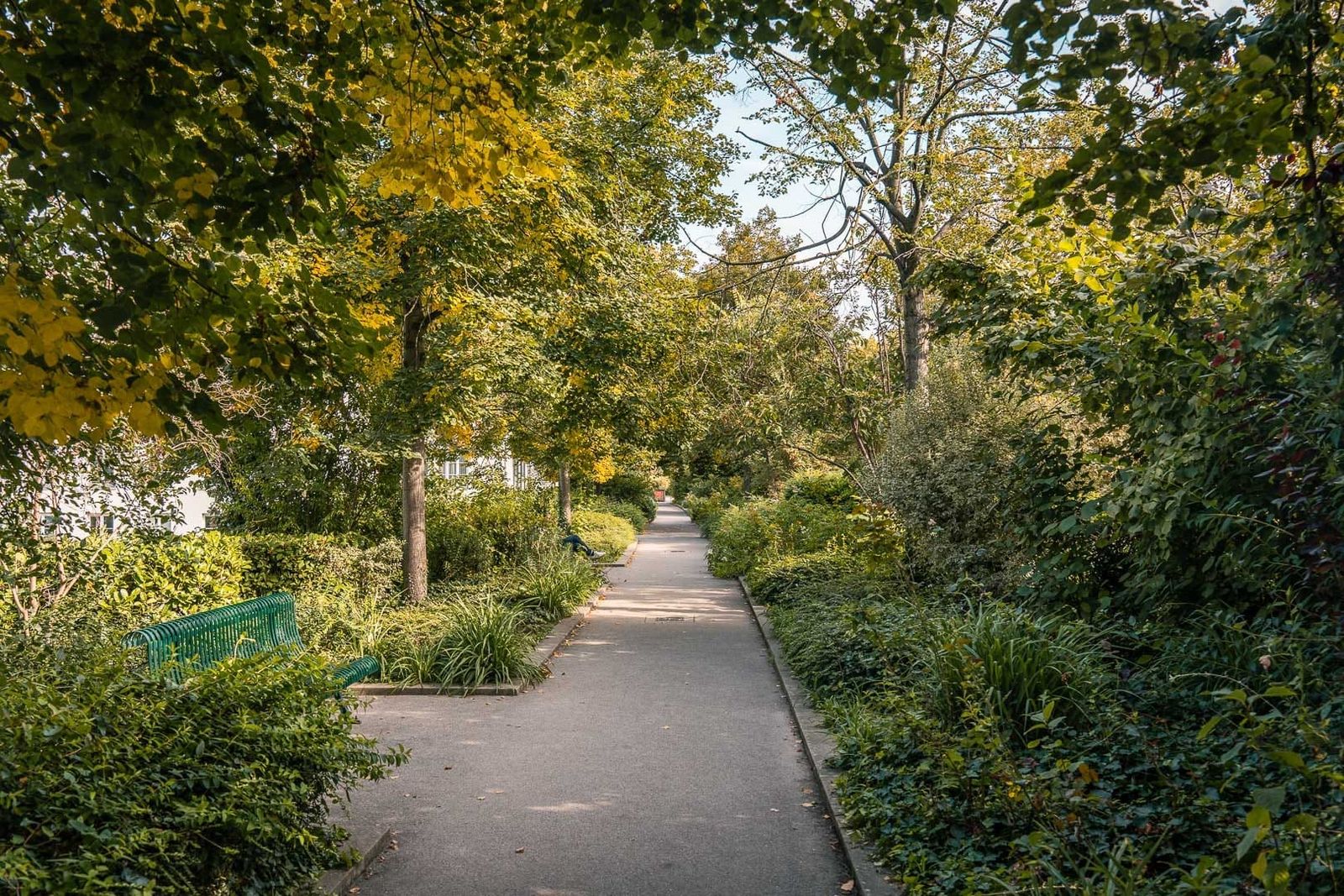
The park is a harmonious blend of wild vegetation and modern landscaping, taking visitors on a captivating journey from elevated walkways to tunnels beneath the bustling streets. This former train route was abandoned in 1969 and transformed into a green belt, preserving the old railway structures and offering a rare green escape in the heart of the city.
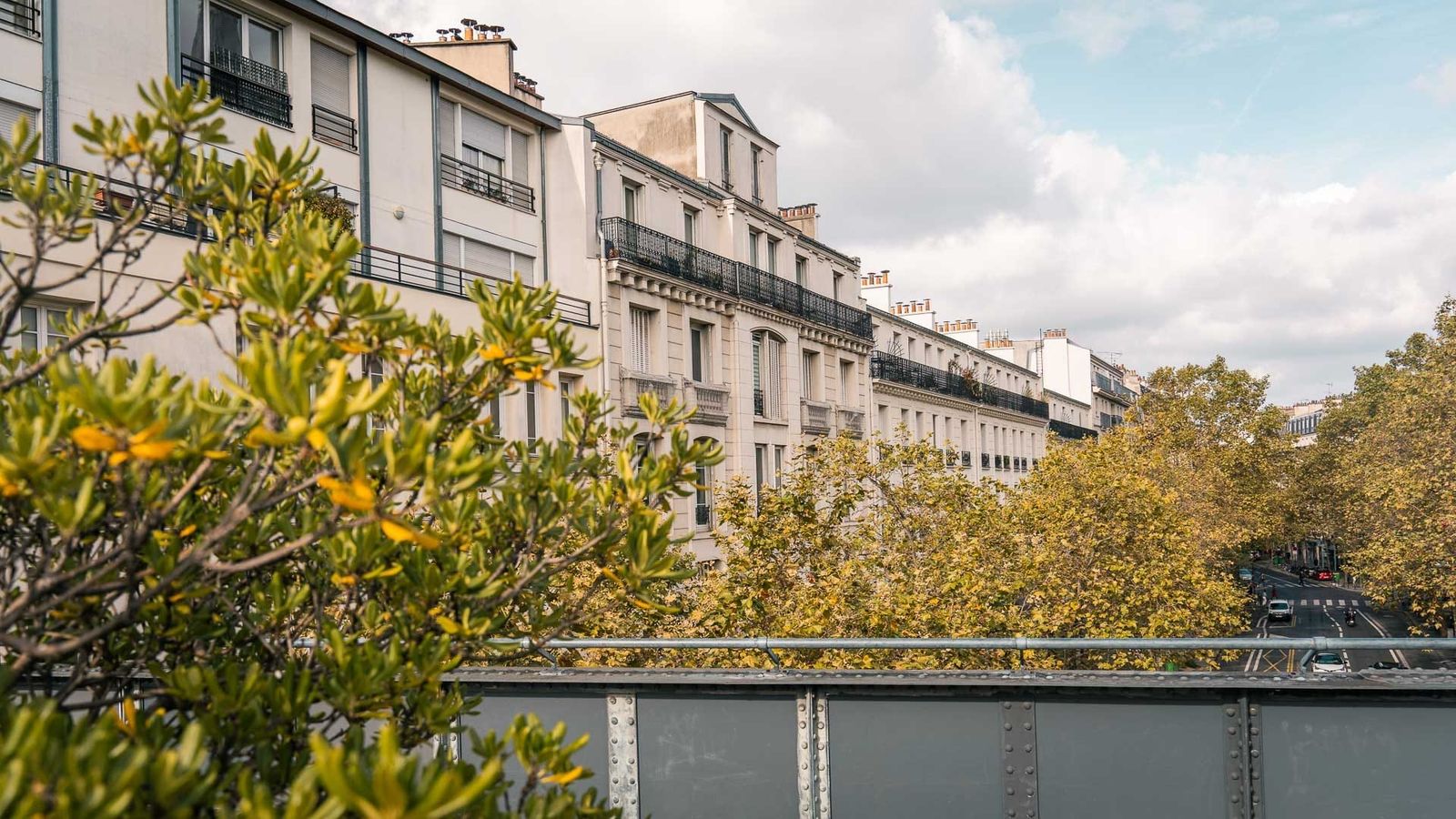
Starting near the Opéra Bastille, the Promenade Plantée (now renamed in honor of agronomist René Dumont) takes you over the Viaduc des Arts, a bridge that rises above the Avenue Daumesnil and leads to the Jardin de Reuilly.
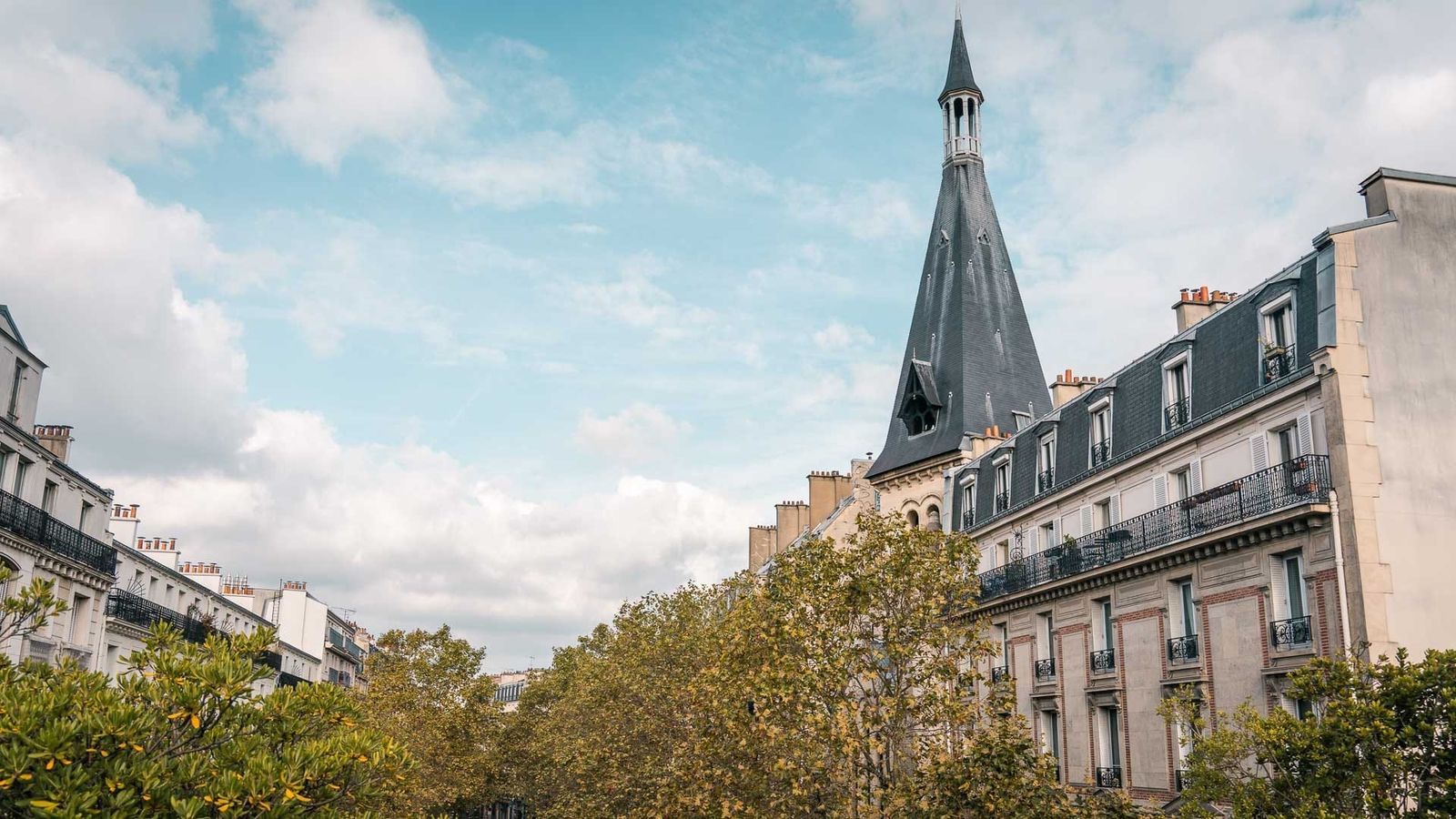
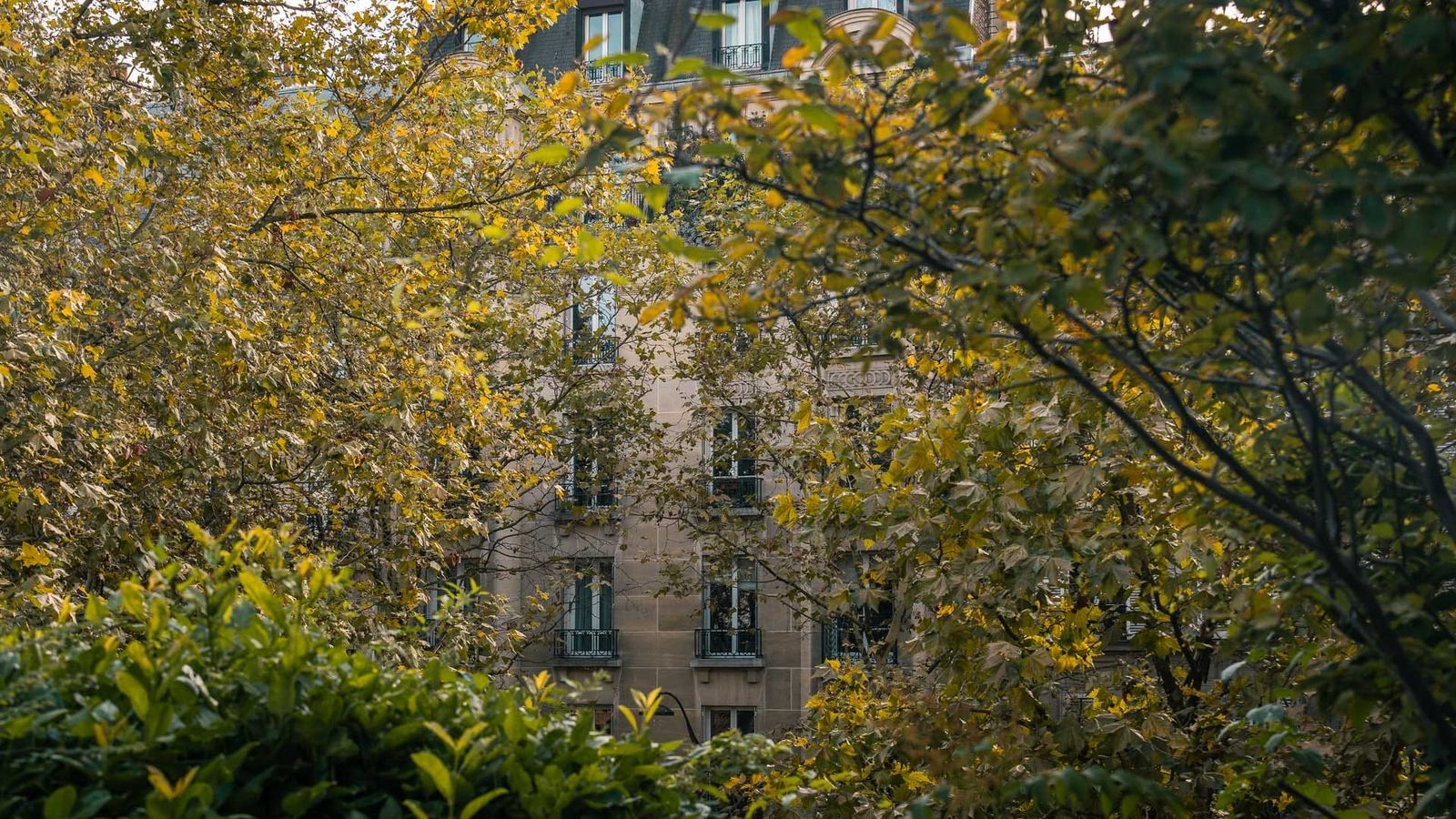
Along this elevated path, you’ll encounter unexpected sights like overhanging branches and unique architectural elements from buildings that are otherwise hidden from view. The Viaduc des Arts, which runs along part of the route, hosts artisans who work in the arcades, offering a chance to see craftsmanship in action.
Floral Splendor: A Walk Through Varied Landscapes
As you stroll, the vegetation evolves, from field bindweed and wild poppies to carefully cultivated plantings. The diverse plant life reflects both the park’s natural roots and its modern redesign. Visitors can enjoy an ever-changing landscape, with shaded paths and tranquil greenery, providing a soothing escape from the busy streets below.
The park also features notable gardens like Jardin Hector-Malot, Jardin de la Gare de Reuilly, and Square Charles-Péguy, each offering its own unique charm.
Historical Layers: Tracing the Past Through the Promenade
The Coulée verte stands as a testament to urban renewal and historical preservation. The original railway line, operational since 1859, was a vital route for transporting goods between Paris and the suburbs.
Following its decommissioning in 1969, parts of the route were re-purposed, and the Promenade Plantée became a visionary project in the 1980s. The Viaduc des Arts was restored, creating an environment where art and nature coexist. The park’s transformation reflects the city’s evolving relationship with its past, blending historical industrial elements with contemporary green space.