






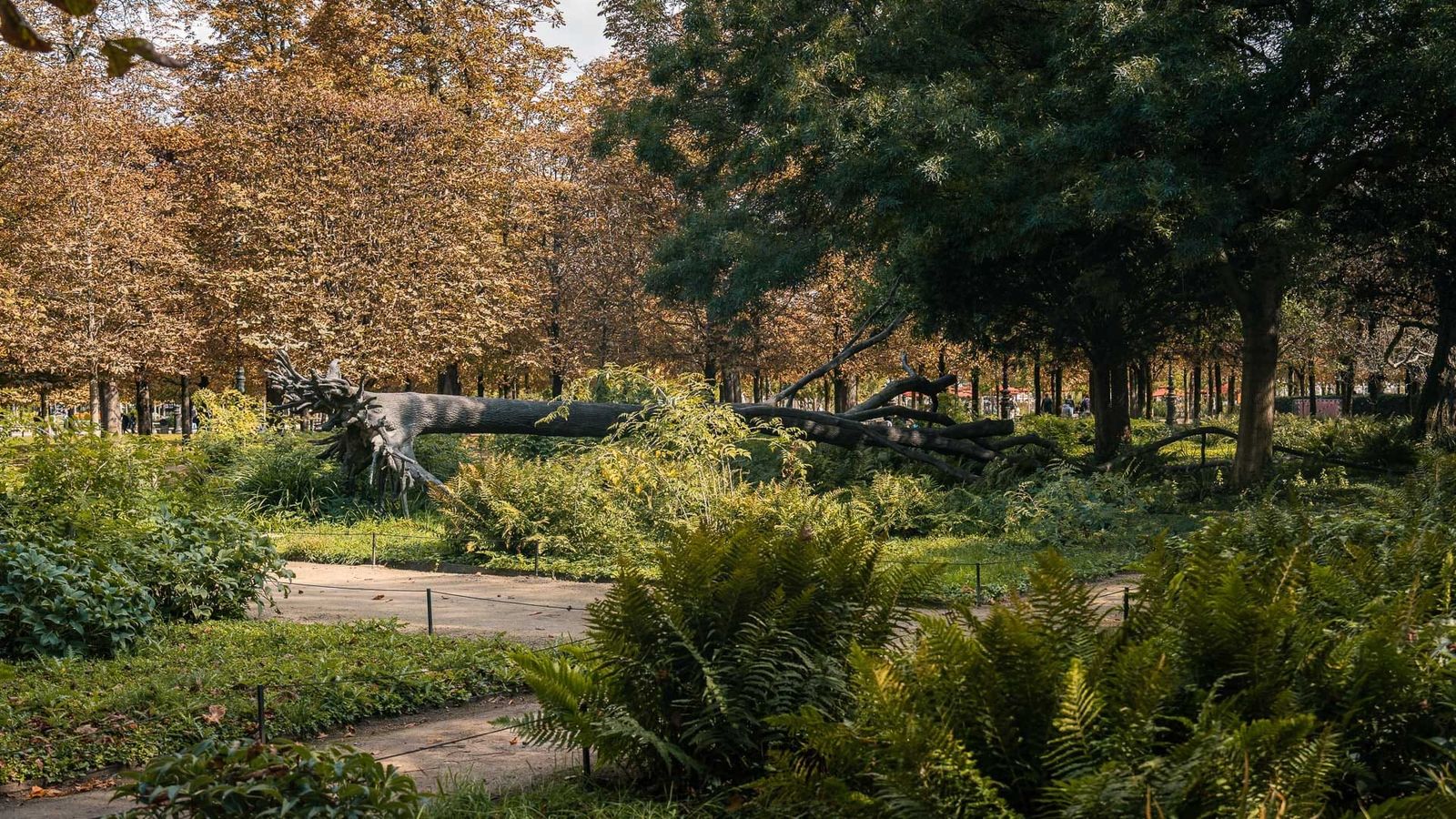

The Jardin des Tuileries is the oldest and largest garden in Paris, offering visitors a blend of history, art, and serene beauty right in the heart of the city.
A Timeless Masterpiece of French Gardens
Nestled between the Louvre Museum and Place de la Concorde, the Jardin des Tuileries is a symbol of French elegance and historical grandeur.
Initially conceived in the 16th century by Catherine de Médicis, it was designed in the Italian Renaissance style before André Le Nôtre, the famous landscape architect of Versailles, redesigned it in 1664, giving it the classic French formal garden layout.
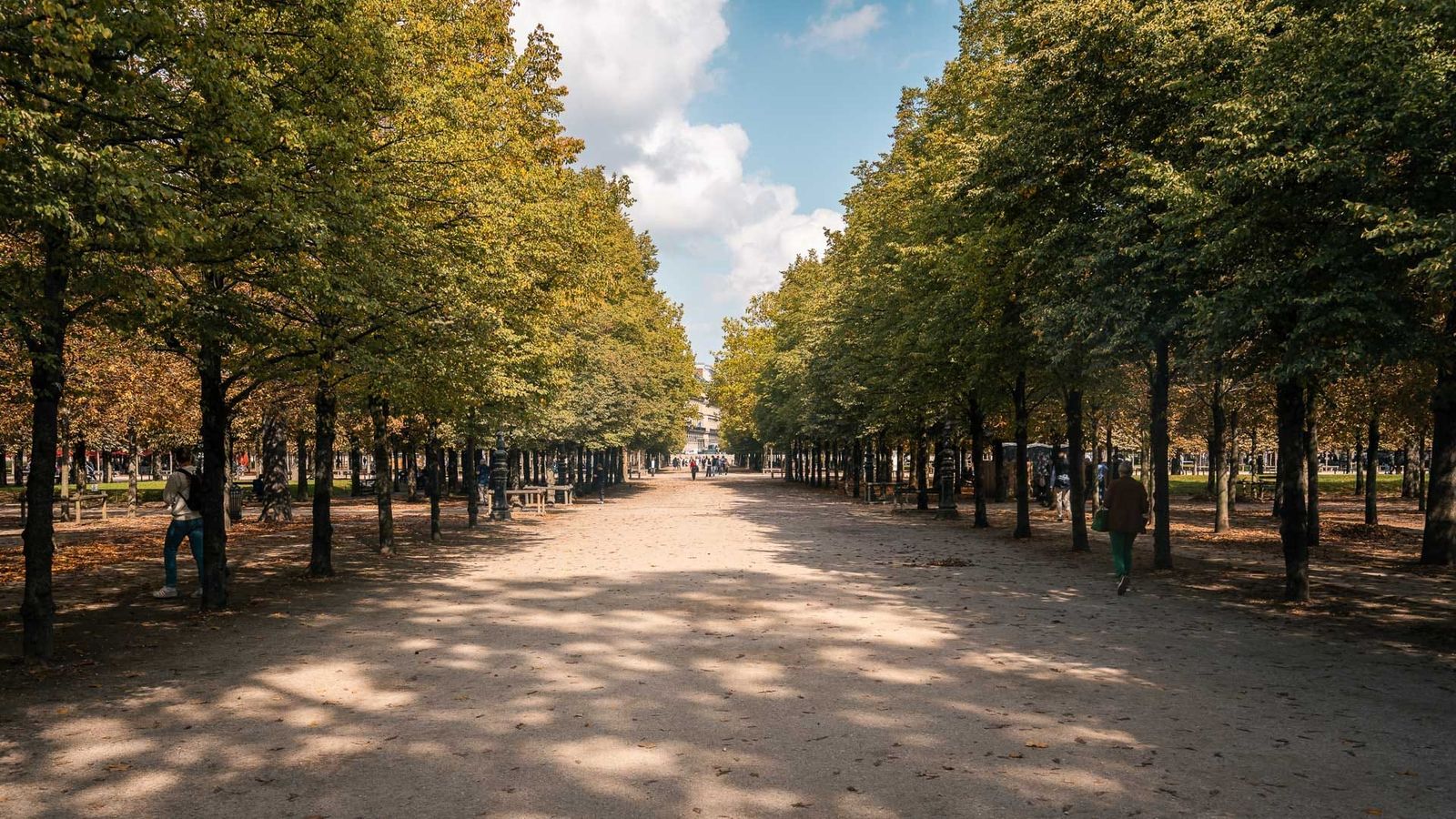
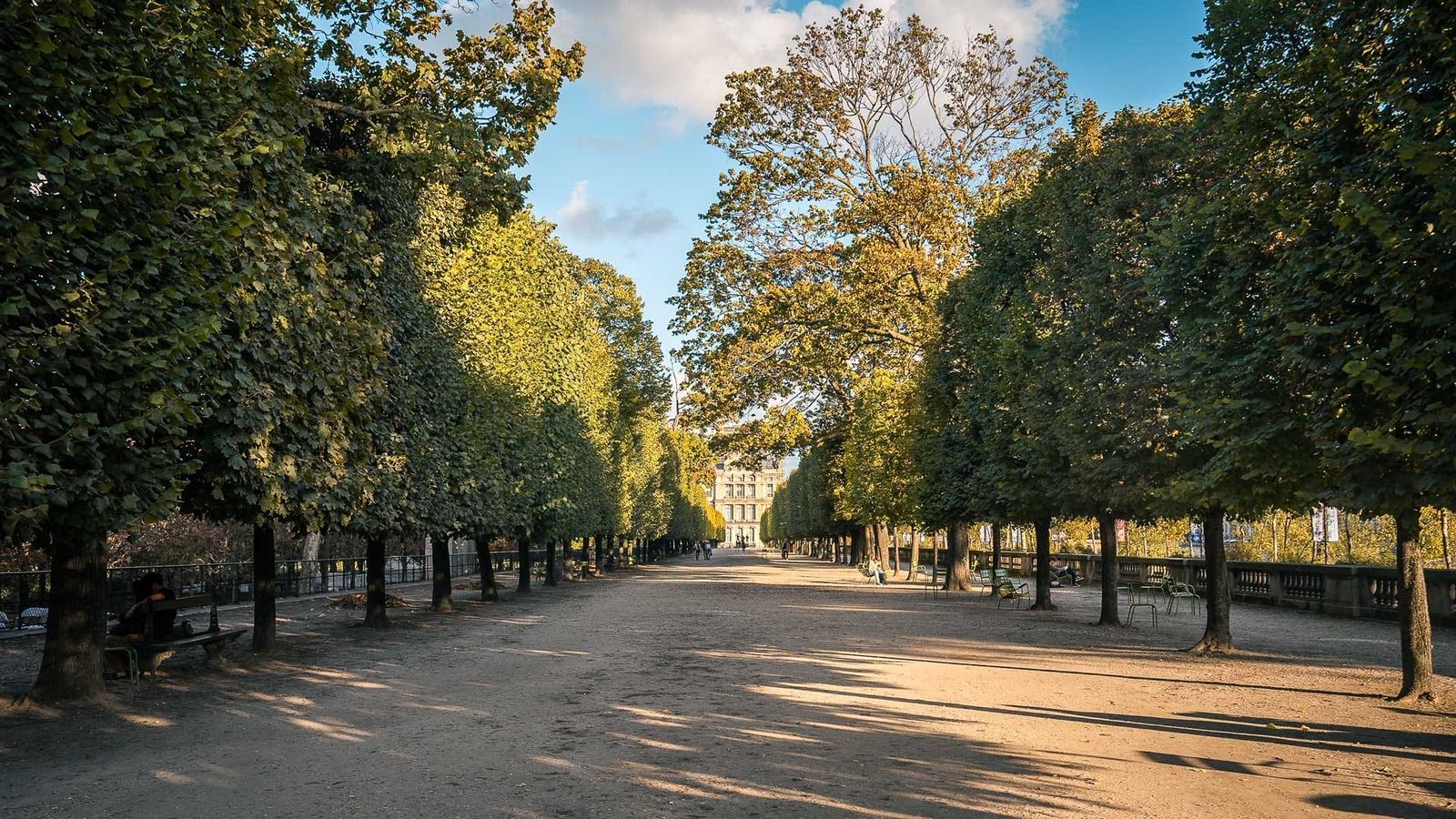
Spanning across 25 hectares, this vast park combines intricate parterre designs, long, tree-lined avenues, and tranquil ponds, offering both a cultural and leisurely escape from the bustling city streets.
The Jardin du Carrousel: Gateway to the Tuileries
Located at the east end of the Tuileries Garden, closest to the Louvre, Jardin du Carrousel is a historical area that once formed part of the royal grounds. Known also as Place du Carrousel, this space used to be enclosed by the two wings of the Louvre and the Tuileries Palace, which was destroyed in 1871.
In the 18th century, it served as a parade ground for cavalry and grand festivities. Today, it is most famous for the Arc de Triomphe du Carrousel (1809), an elegant arch commissioned by Napoleon I to commemorate his victories. The arch’s design features bas-relief sculptures of Napoleon’s battles, created by Jean-Joseph Espercieux.
The original horses atop the arch were the famous Horses of Saint Mark from Venice, captured by Napoleon in 1798. These were later returned to Venice in 1815, and in 1826, replaced by sculptures symbolizing the triumph of peace under Charles X.
The Moat of Charles V: Medieval Relics and 19th-Century Statues
The Moat of Charles V is an important historical feature of the garden. Dating back to the 14th century, it was part of the fortifications of the Medieval Louvre Castle and was reconstructed by Charles V of France.
During the 1590 siege of Paris, remnants of the battle can still be seen on the west side of the moat. In 1994, statues from the old Tuileries Palace façade were added to the moat, along with 19th-century bas-reliefs from the Restoration period. These statues were originally intended for the Arc de Triomphe du Carrousel but were never used.
The Grand Carré: A Formal Garden
Moving to the Grand Carré (Large Square), this eastern part of the Tuileries follows the classical Garden à la Française design of André Le Nôtre.
It was once the private garden of the kings under Louis Philippe and Napoleon III, and it was separated from the rest of the Tuileries by a fence. Today, visitors can enjoy a collection of 19th-century statues, some of which were placed in the Grand Carré, including works by Auguste Cain and Auguste Levêque.
Notable sculptures in this section include “Tigre terrassant un crocodile” and “Tigresse portant un paon à ses petits”, both by Cain, depicting animal symbolism.
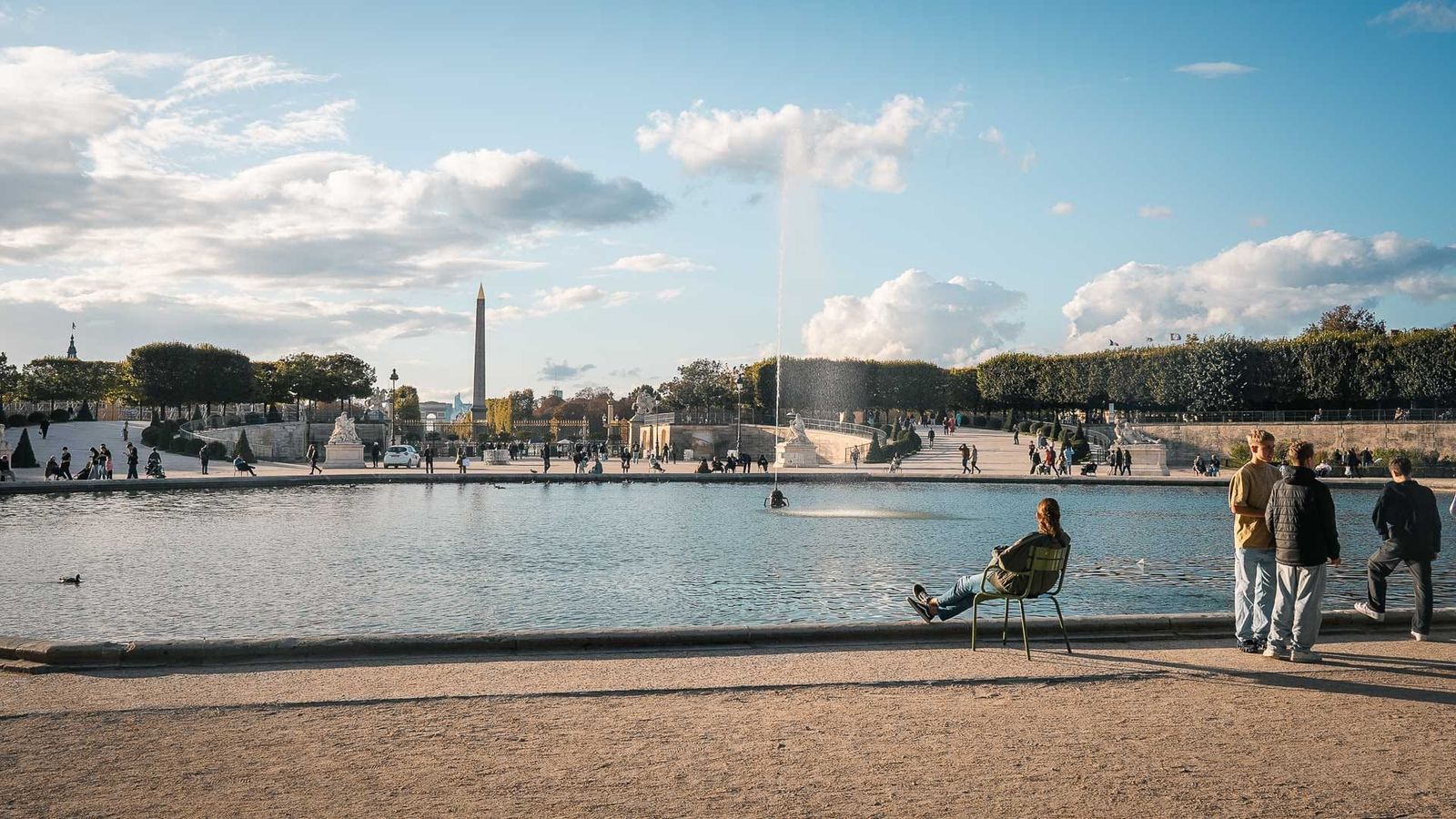
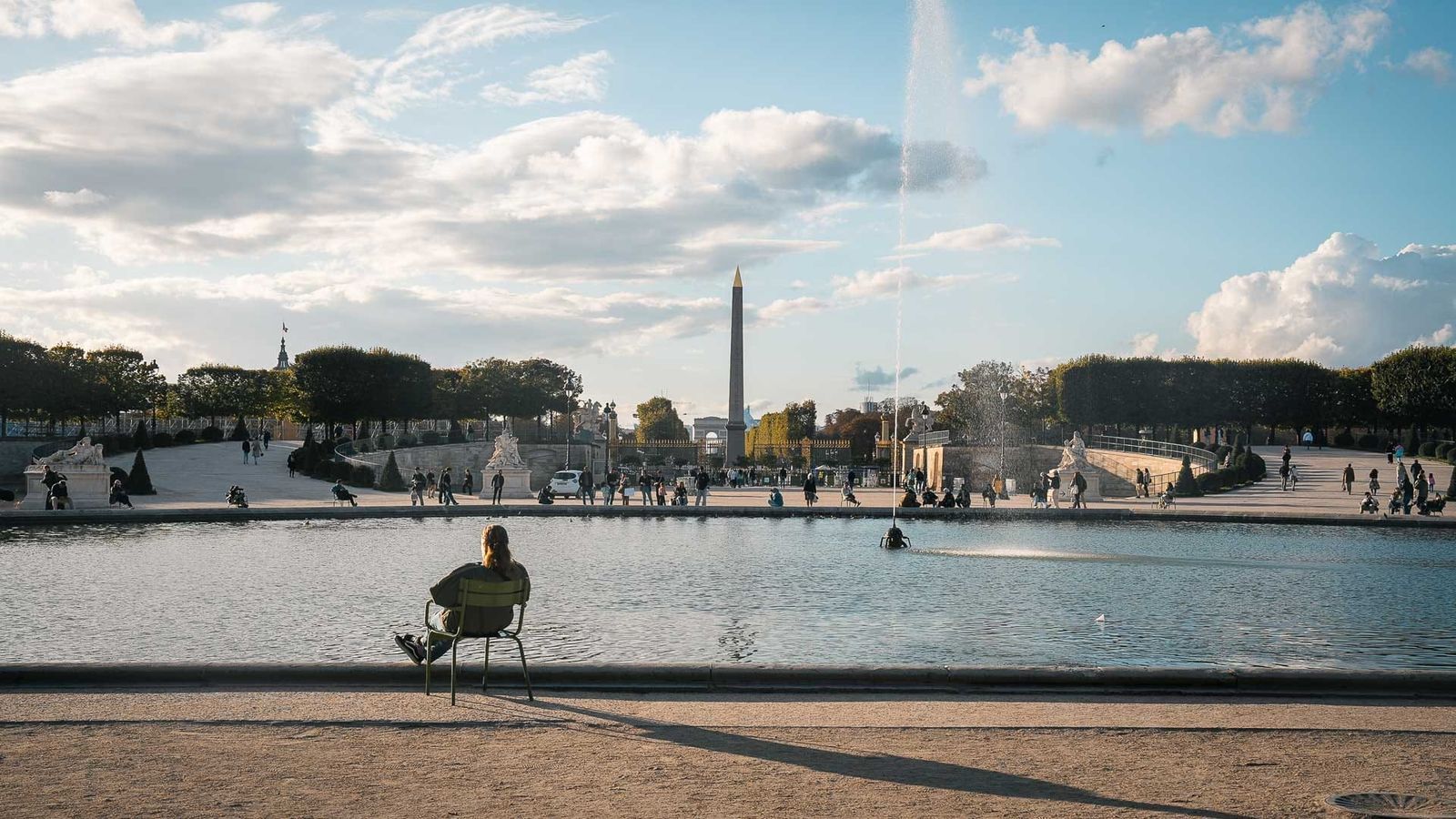
The large circular pond at the center is surrounded by allegorical figures, ranging from serene to dramatic poses. Statues such as “Le Bon Samaritain” and “Le Serment de Spartacus” stand on either side, showcasing classical themes and heroic depictions.
The Grande Allée and Grand Couvert: A Central Green Haven
In the heart of the Tuileries, the Grand Couvert is a wooded area, serving as a central sanctuary for shade and relaxation.
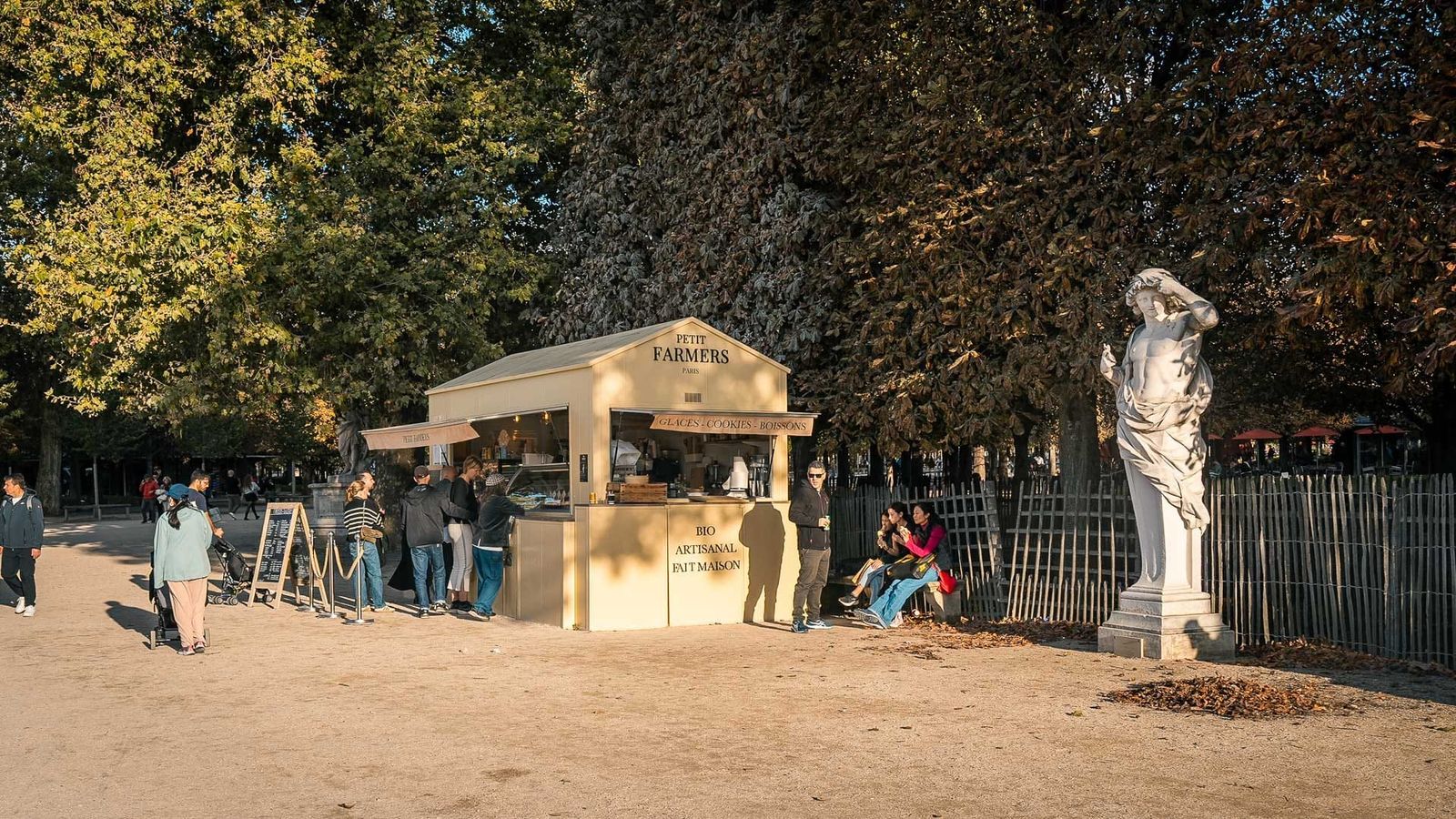
Divided by the Grande Allée, a wide path running from the round pond to Place de la Concorde, this area boasts a rich collection of trees, with 800 new trees planted in the 1990s. Visitors can enjoy two outdoor cafés, Café Very and Café Renard, named after historical cafés that once graced the garden.
Additionally, two exedra (curved walls with statues) are remnants from a larger garden plan by Jacques-Louis David from the French Revolution. A notable Quercus robur (English oak) planted in 1992 symbolizes the “Liberty Tree”, which had historical significance during the French Revolution.
The Esplanade des Feuillants: A Historic Terrace
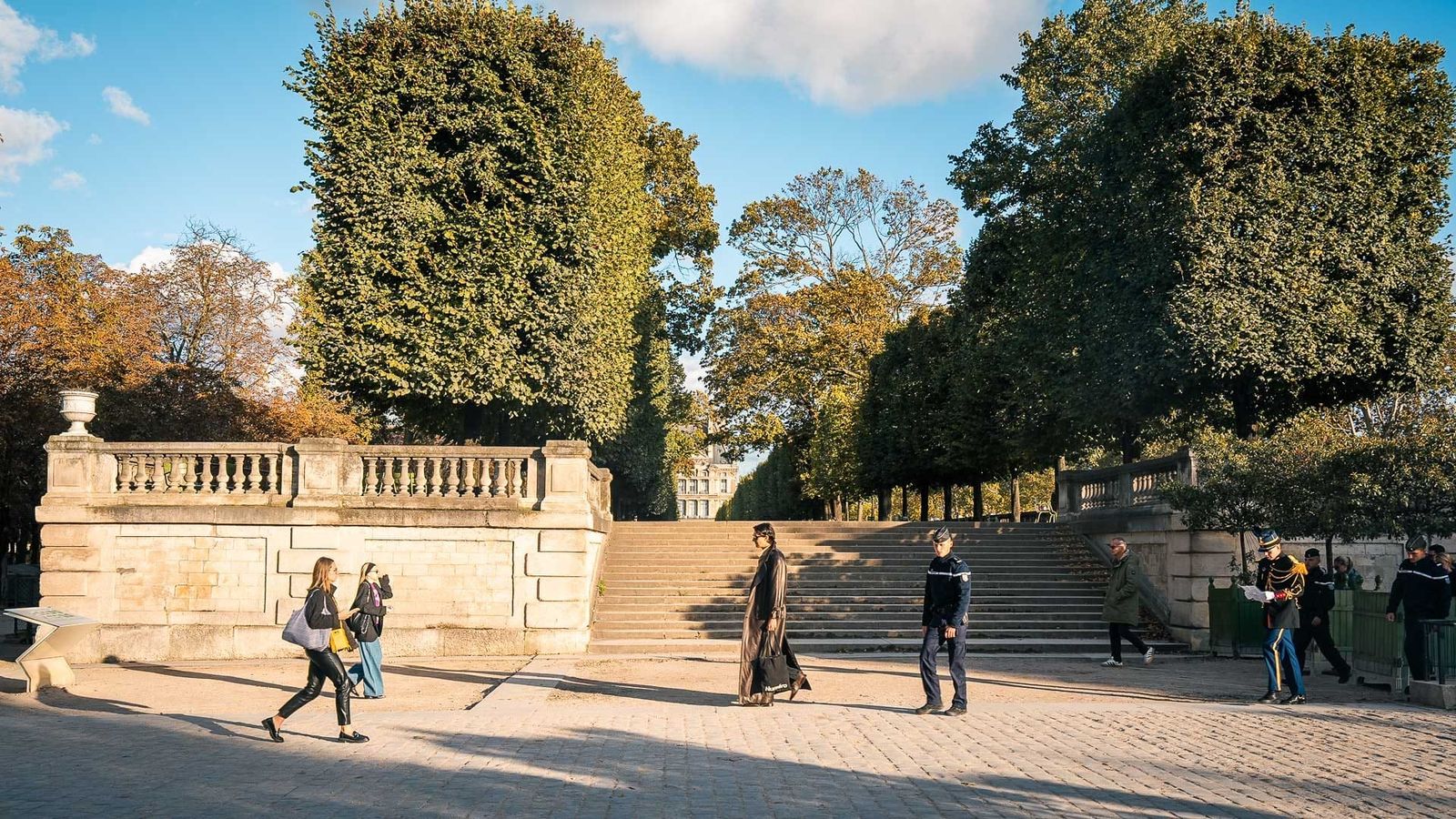
Parallel to Rue de Rivoli, the Esplanade des Feuillants is a wide terrace originally designed in the 17th century. This area, named after a convent of Feuillantine nuns, was later transformed during the French Revolution into a meeting place for a revolutionary faction, the Feuillants.
The esplanade is now used for large events and temporary exhibitions, adorned with statues from the 19th and early 20th centuries. This section was historically planted with mulberry trees and orange trees and has become an iconic spot for outdoor gatherings.
The Octagonal Basin: Overlooking Place de la Concorde
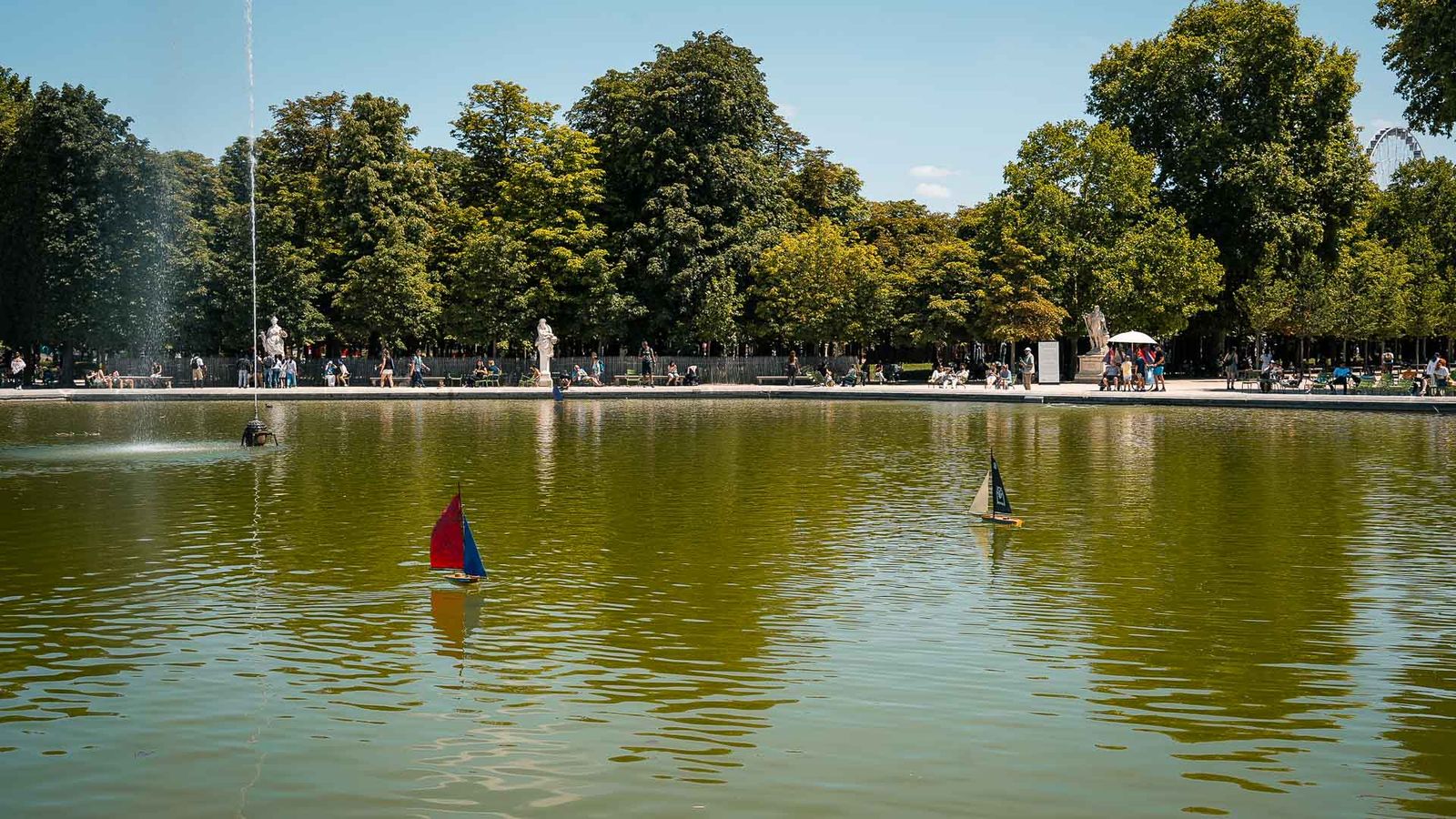
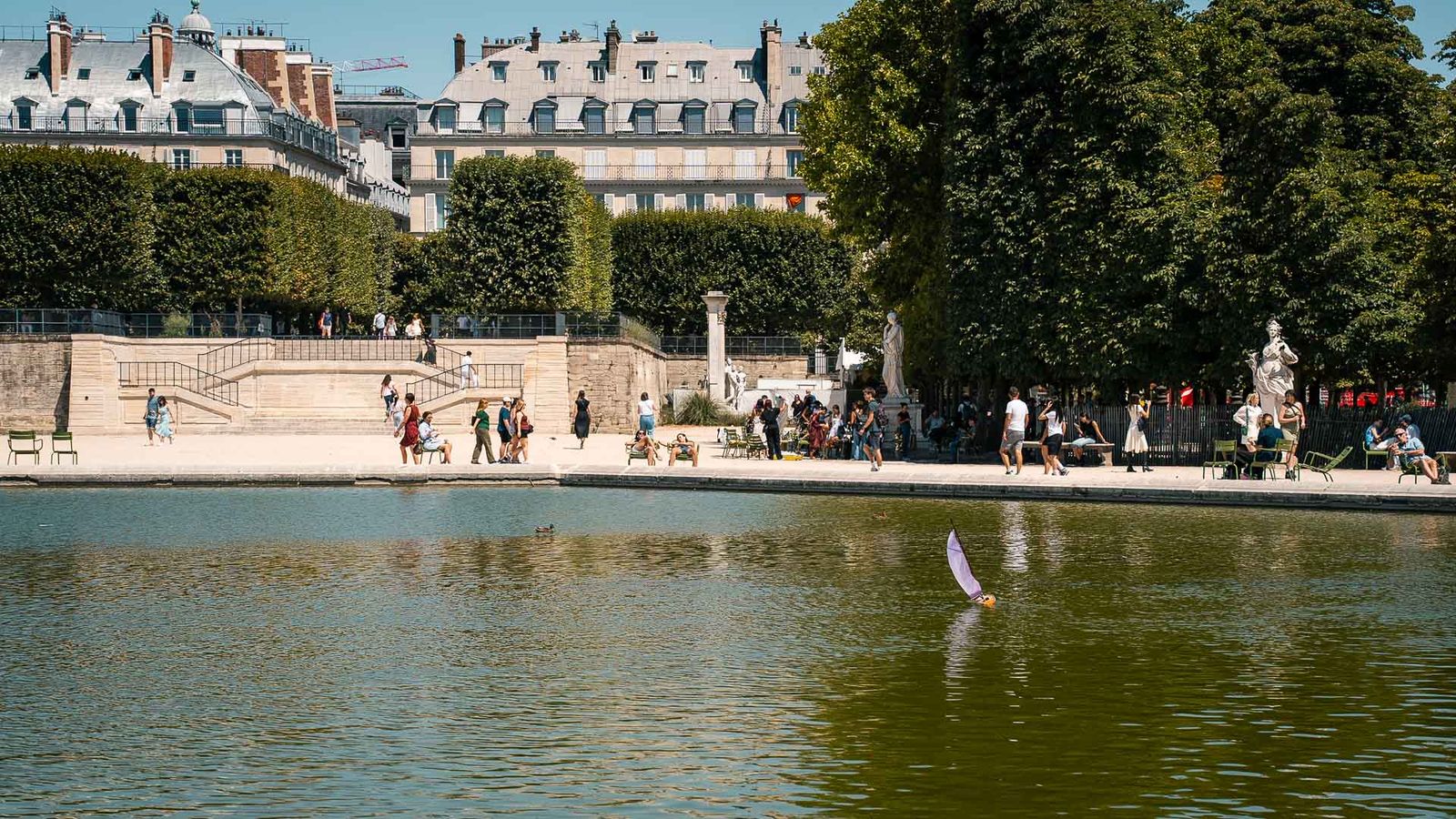
At the western end of the Tuileries, the Octagonal Basin sits prominently, offering stunning views towards Place de la Concorde. This area is especially popular for visitors enjoying the picturesque setting, including children with sailboats.
The statues around the basin, depicting figures from Ancient Rome, such as Julius Caesar and Hannibal, add a classical charm to the garden.
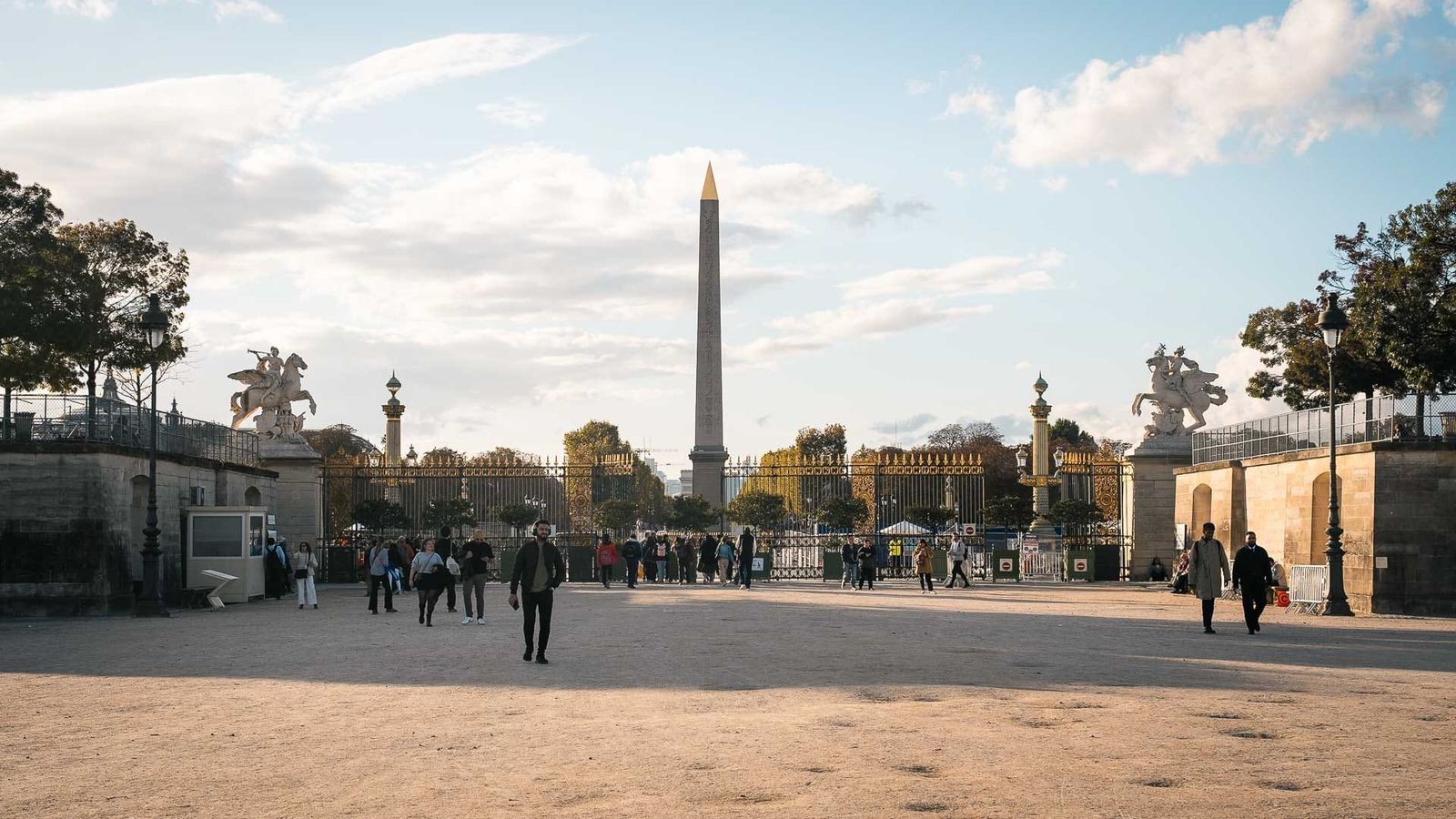
The gateway, designed by Ange-Jacques Gabriel, provides access to the garden, showcasing 18th-century design elements. Originally, the western end of the garden was used for a cabaret, the “Garenne de Renard”, during the 17th century.
The Orangerie and Jeu de Paume: Art and History at the Tuileries
On the western side of the Tuileries, the Musée de l’Orangerie and Jeu de Paume hold an essential place in the history of the garden.
Originally constructed to house citrus trees, the Orangerie was repurposed in 1927 to house Claude Monet’s famous “Water Lilies”, alongside other masterpieces of Impressionist art.
The Jeu de Paume, a former tennis court, now serves as a contemporary art gallery. This section also features works by Auguste Rodin, including “Eve” and “The Kiss”, exhibited on the terraces.