



The Birth of an Icon: From Trocadéro to Chaillot
The Palais de Chaillot, erected for the 1937 Exposition Universelle, replaced the earlier Palais du Trocadéro, blending modern monumentalism with echoes of its predecessor.
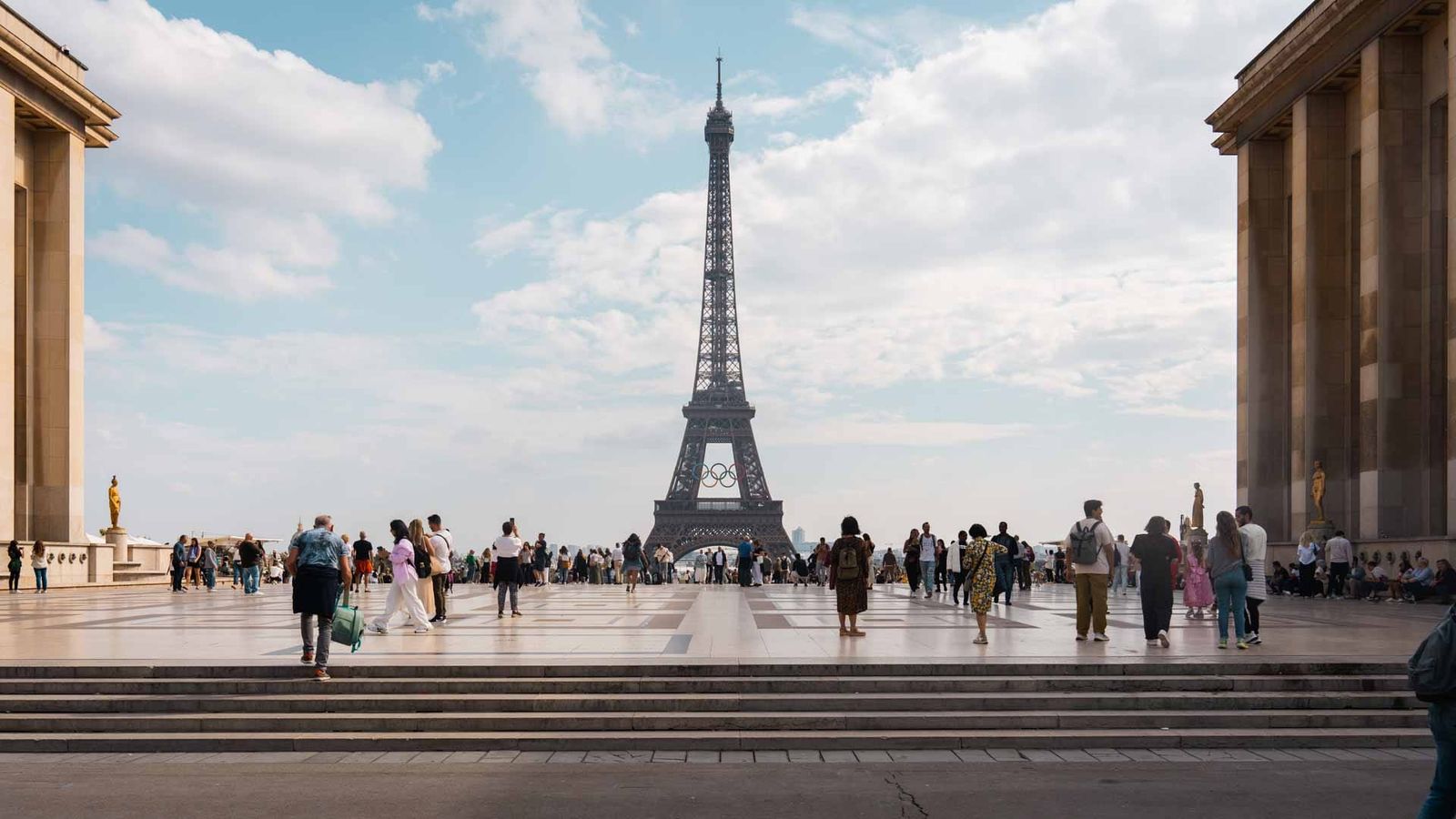
Designed by prominent architects Léon Azéma, Jacques Carlu, and Louis-Hippolyte Boileau, the palace retains the crescent-shaped wings of the former structure, which now frame the Esplanade des Droits de l’Homme.
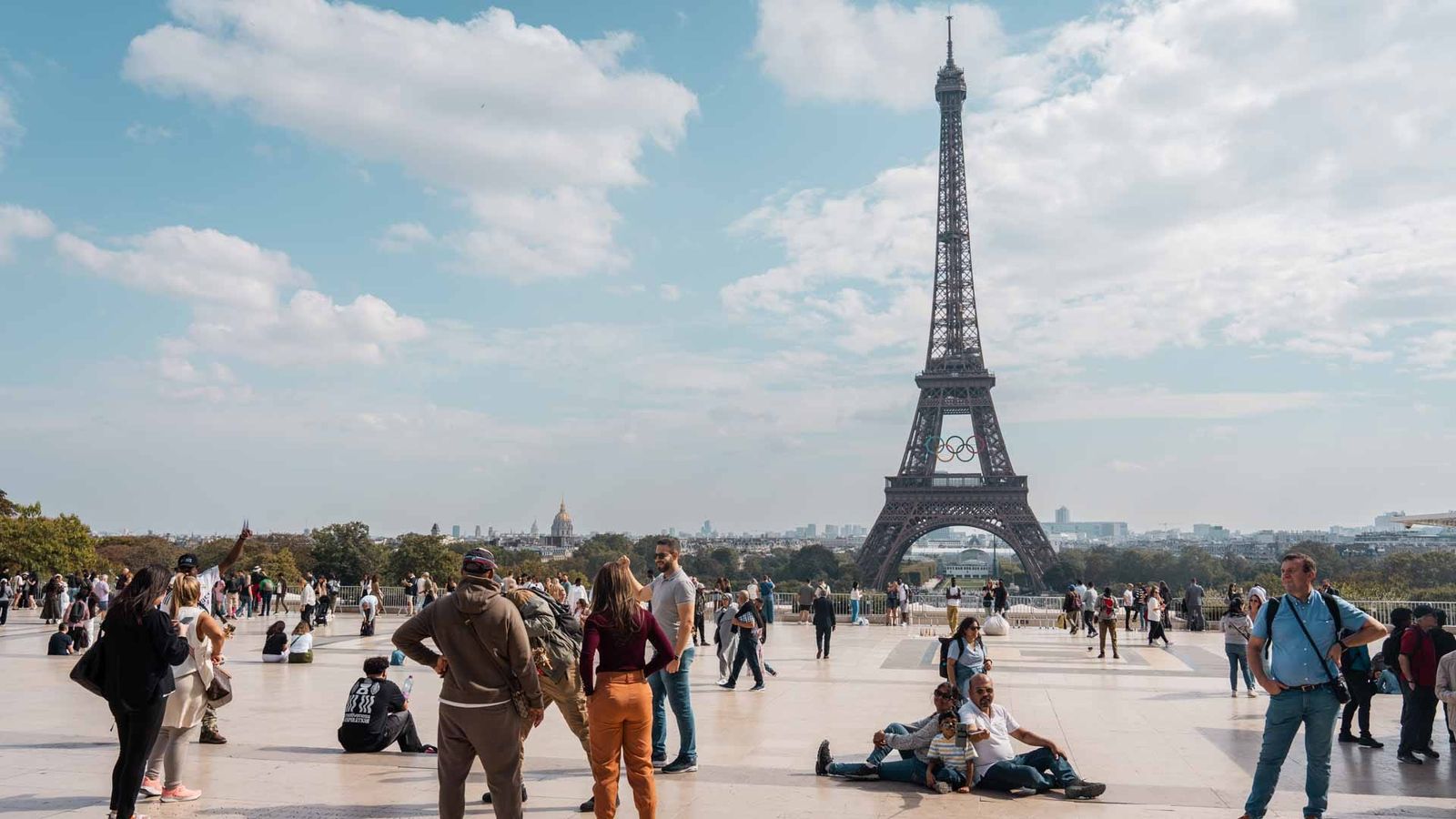
This esplanade, a symbol of universal human rights, offers one of the most photographed panoramas of Paris, with the Eiffel Tower commanding center stage.
Architectural Grandeur and Artistic Detailing
The Palais de Chaillot exemplifies monumental architecture, with its curvilinear wings adorned by elaborate bas-reliefs, sculptures, and engravings.
Renowned artists like Paul Belmondo and Raymond Delamarre contributed to its decorative elements. The cascading Trocadéro Gardens, replete with fountains, statues, and a sprawling English-style park, further elevate the site’s grandeur.
Among its highlights is the Fontaine de Varsovie, featuring twenty synchronized water jets that create a mesmerizing display.
A Cultural Nexus: Museums and Theaters
Home to several notable institutions, the Palais de Chaillot houses the Musée de l’Homme, dedicated to anthropology and human history, and the National Marine Museum, celebrating France’s maritime heritage.
The Théâtre National de Chaillot, an iconic venue for contemporary dance and theater, enriches the cultural landscape. Its innovative design, shaped by the acoustic lessons of its predecessor, ensures a world-class experience for audiences.
A Historic Landmark with Global Ties
The Palais de Chaillot holds a special place in world history. It was here, in 1948, that the United Nations General Assembly adopted the Universal Declaration of Human Rights. This legacy continues to resonate, making the palace a symbol of freedom and dignity.