





Tracing Templar History to Modern Peace: A Journey Through the Square du Temple – Elie-Wiesel
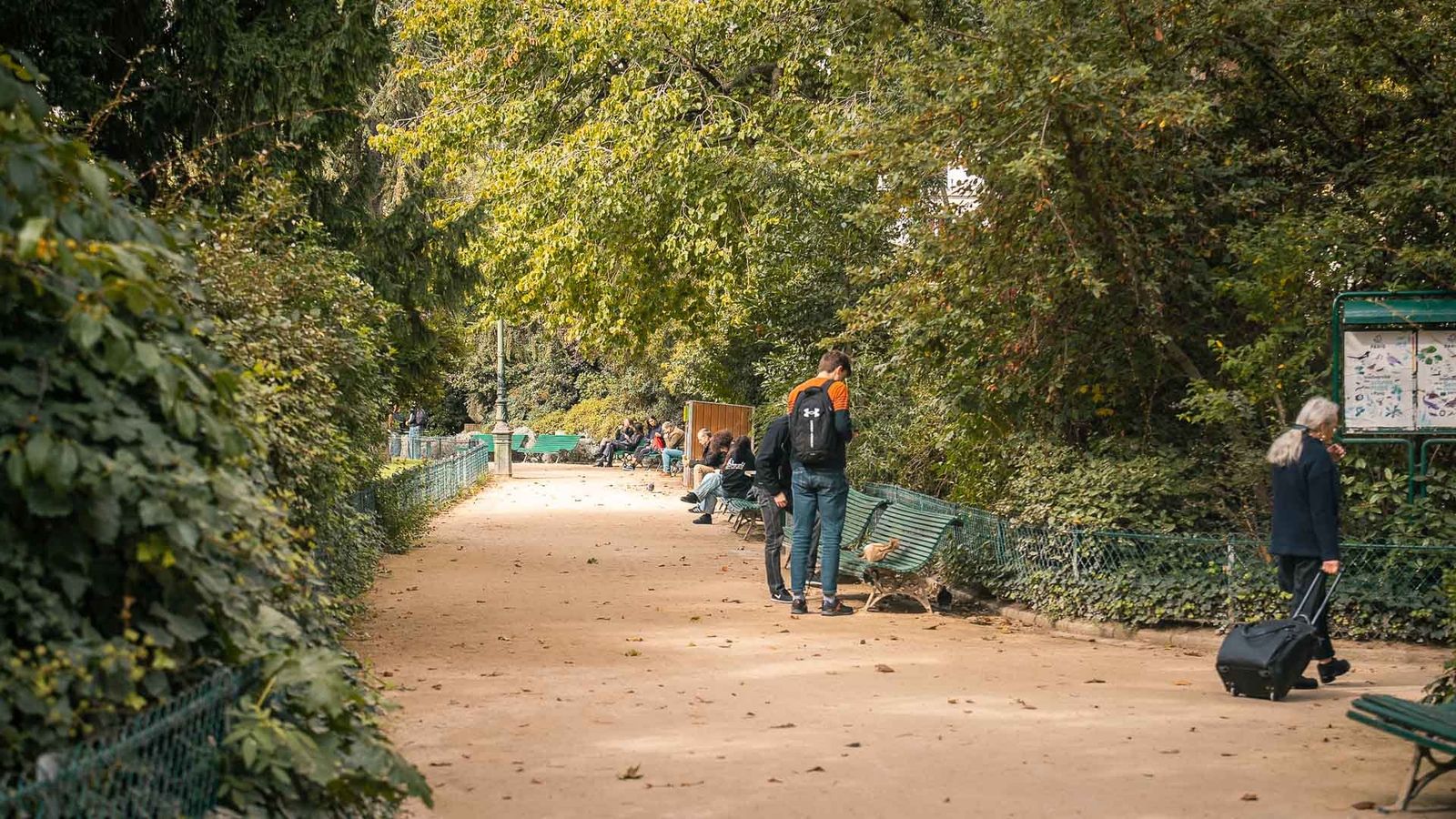
The Square du Temple – Elie-Wiesel intertwines centuries-old Parisian history with a serene green landscape. This space, historically significant as the stronghold of the Templar Order until their dissolution in 1312, carries a profound narrative from the Middle Ages to modern remembrance.
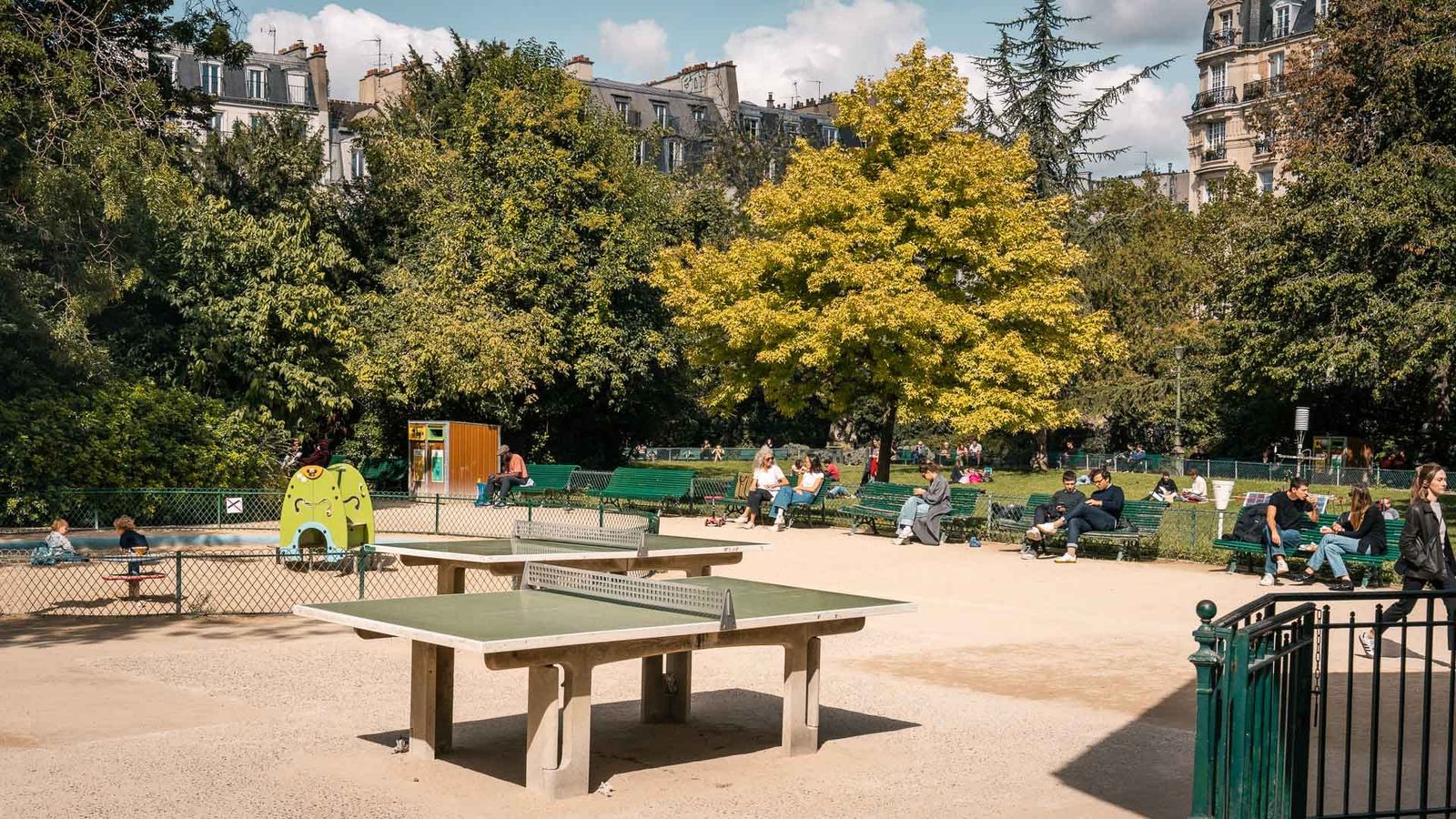
The garden was designed in 1857 by Adolphe Alphand, under the grand transformation of Paris led by Georges Eugène Haussmann. Enclosed by the elegant streets of rue de Bretagne and rue du Temple, this 7,700 m² park is now a tranquil escape adorned with both botanical richness and statues symbolizing France’s resilience.
A Monument to Memory and Reflection
In 2017, the garden was rededicated to honor Elie Wiesel (1928–2016), the renowned writer and Nobel laureate, who survived Auschwitz and dedicated his life to promoting peace.
Wiesel’s connection to this park is deeply personal: he found refuge in Paris as an orphan after the Holocaust, thanks to the Œuvre de Secours aux Enfants (OSE), an organization that continues its humanitarian work across the city.
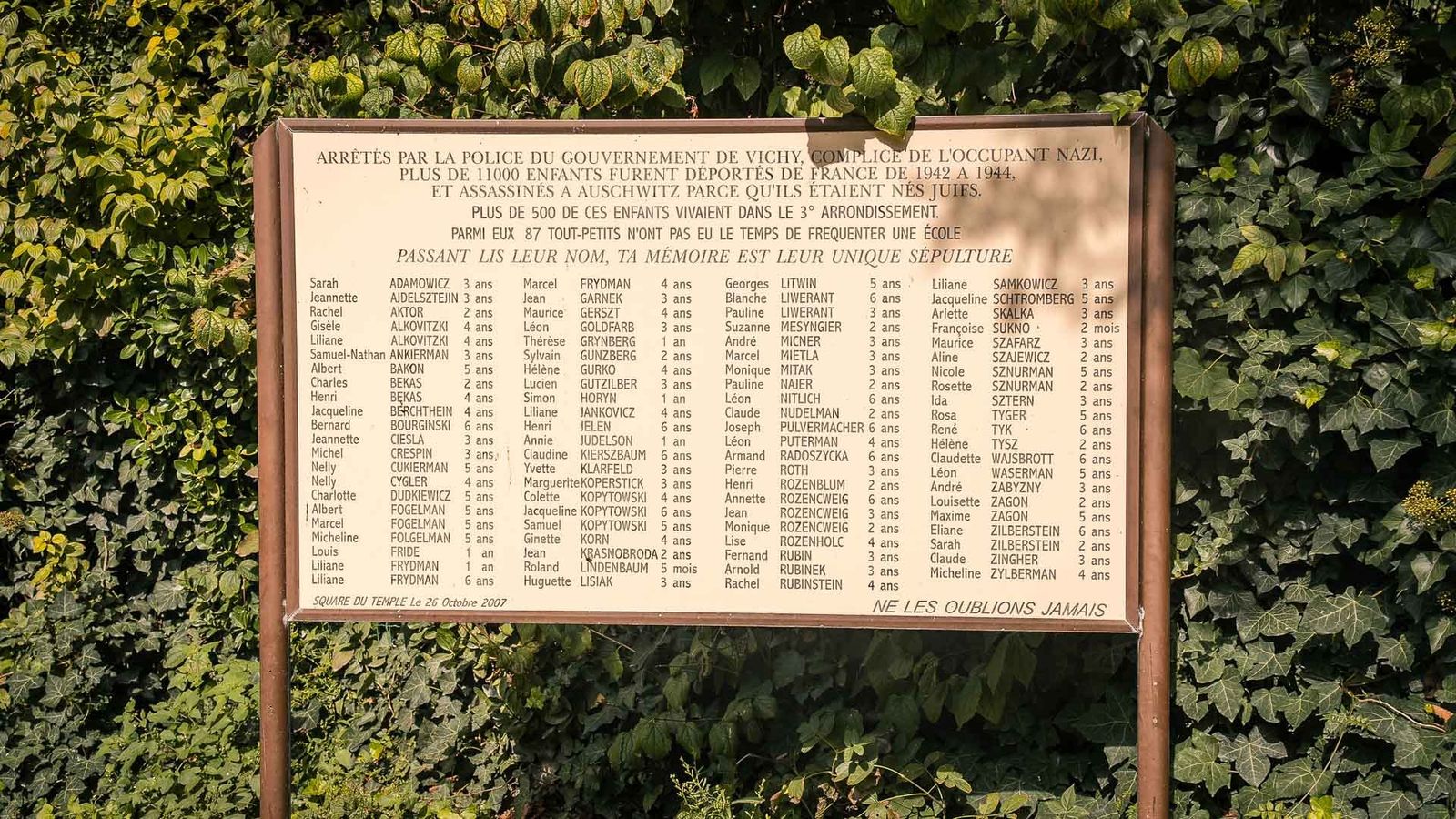
A commemorative stelae within the square lists the names of 85 Jewish children, victims of Nazi deportation from the 3rd arrondissement, some as young as two months old.
Botanical Rarity and Ecological Harmony
An enchanting aspect of this park is its diverse flora, comprising 71 mature trees and nearly 200 plant varieties. Visitors can appreciate exotic species such as the Byzantine hazel, a rare tree reaching 18 meters and designated as “remarkable,” alongside a towering Japanese pagoda tree.
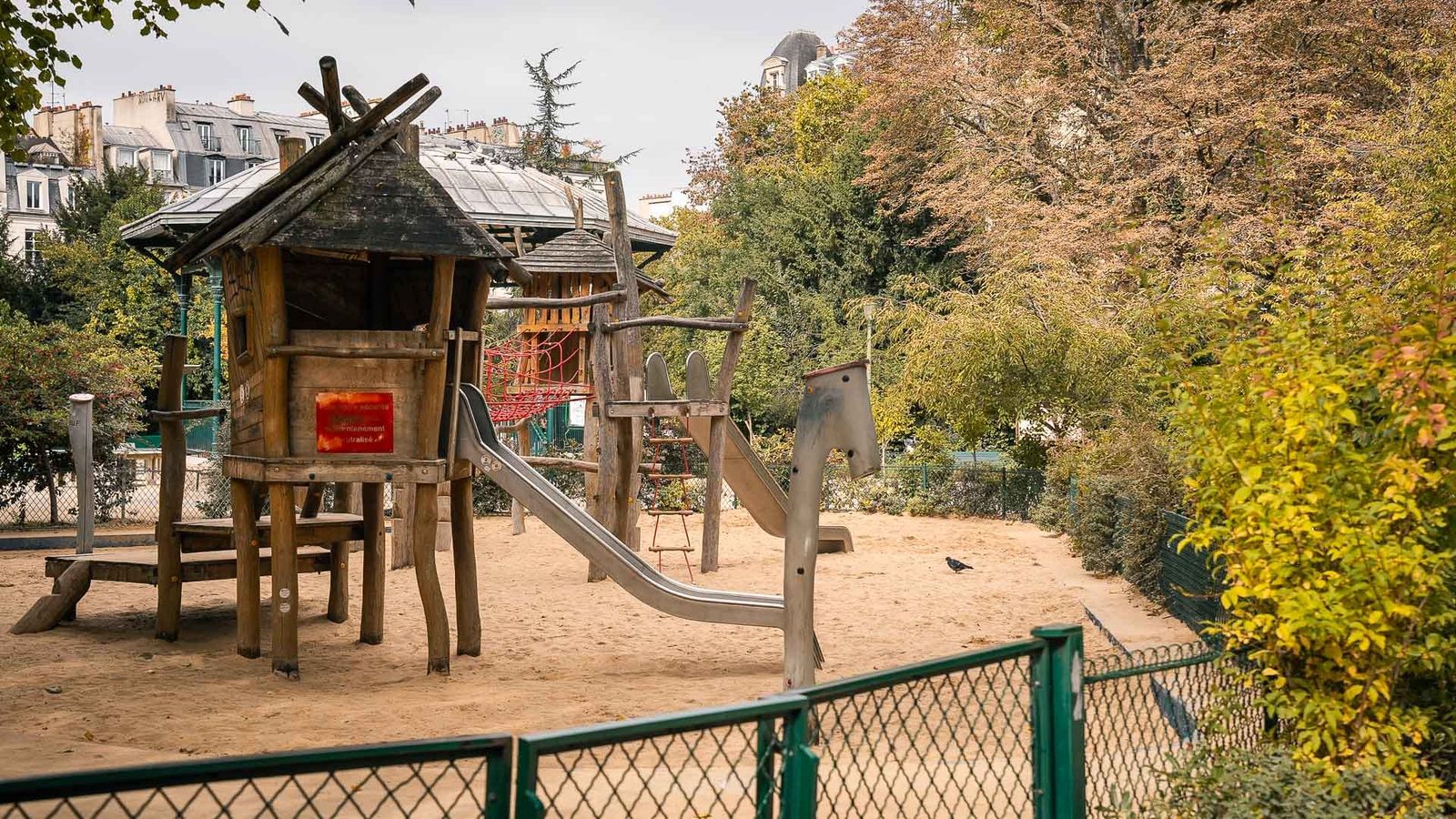
The square’s meticulous care earned it the “Green Spaces Ecology” label from ECOCERT in 2007, certifying its environmental practices and habitat for various bird species. A musical kiosk dating back to 1900 adds to its nostalgic charm, while children enjoy a dedicated play area.
History Engraved in Stone: Statues and Structures
The park features two notable statues: a stone representation of Béranger, a chansonnier who lived nearby, and a bust honoring B. Wilhelm, the founder of L’Orphéon, France’s first musical society.
These sculptures echo the square’s artistic roots, and nearby, a stately granite column from the Jura commemorates Napoléon’s victories, adding historical weight to the garden’s quiet paths.
Serene Cascades and English Garden Design
The square’s main feature, an artificial waterfall, tumbles over stones brought from the Fontainebleau Forest. Its gentle sound attracts a lively bird population, creating a symphony of nature in the midst of urban life.
The layout, styled as an English garden, blends wild elegance with curated greenery, making it an idyllic retreat for Parisians and tourists alike.