



The Pont de Bercy is more than just a crossing over the Seine; it’s a symbol of Paris’s architectural evolution and a key element in the city’s infrastructure. With its roots in the 19th century and multiple expansions over the years, this bridge marries tradition with modernity.
A Tale of Two Bridges
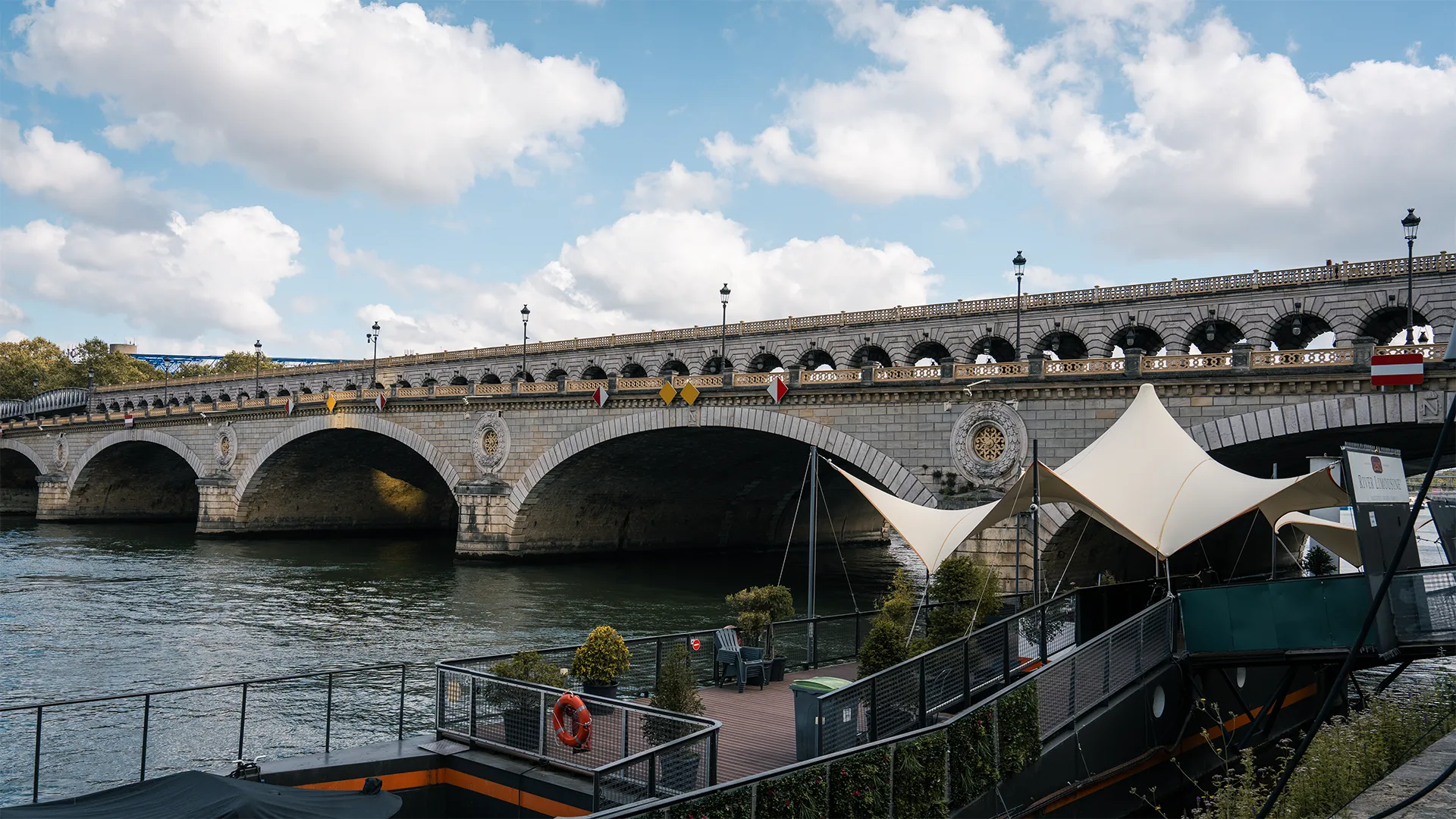
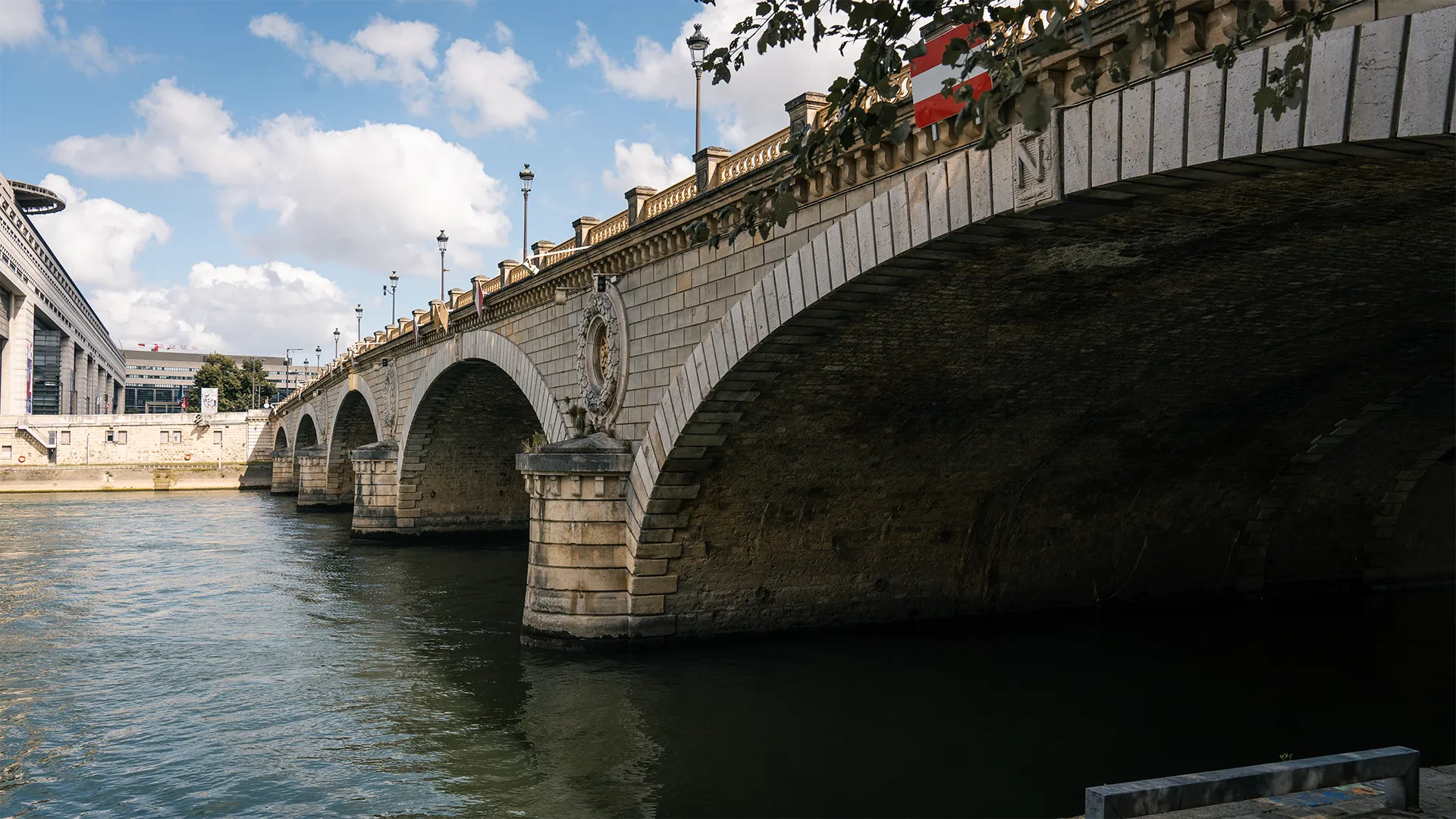
Originally built as a toll suspension bridge in 1832, the Pont de Bercy has undergone significant transformations. By the early 1860s, the traffic was too much for the suspension bridge to handle, and it was replaced with a stone structure in 1864, designed by the engineer Feline-Romany. This stone bridge reflected the urban changes initiated by Baron Haussmann under Napoleon III’s direction.
Expanding for the Metro
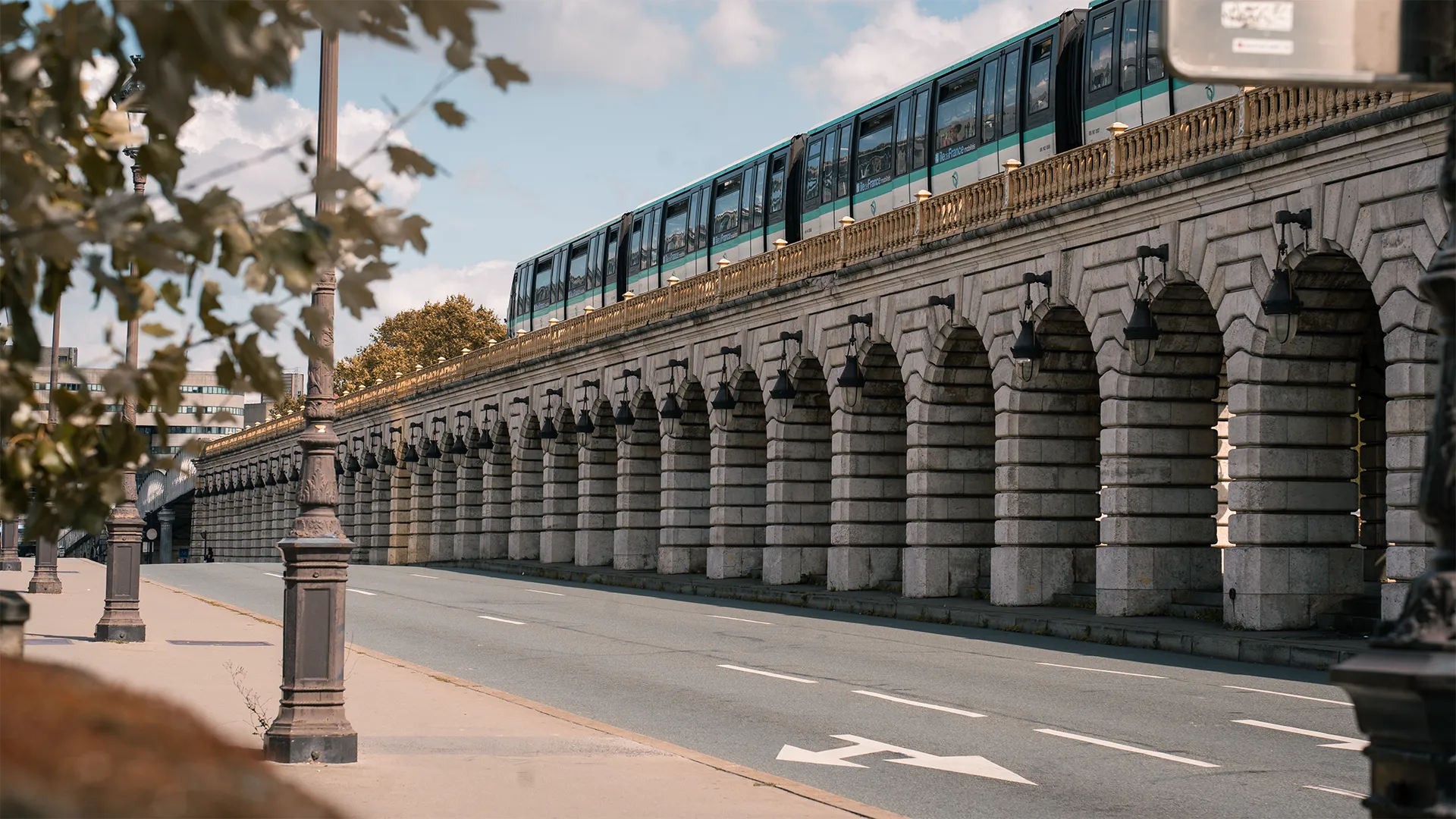
In 1904, the bridge saw its first expansion to accommodate the growing needs of the city. The upper level was raised to incorporate a viaduct for the Paris Metro’s Line 6. This addition made the Pont de Bercy a dual-purpose bridge, serving both road and rail traffic. The Metro’s airy passage across the bridge, with its iconic arches, became a well-recognized feature of the Paris skyline.
Modernization in the Late 20th Century
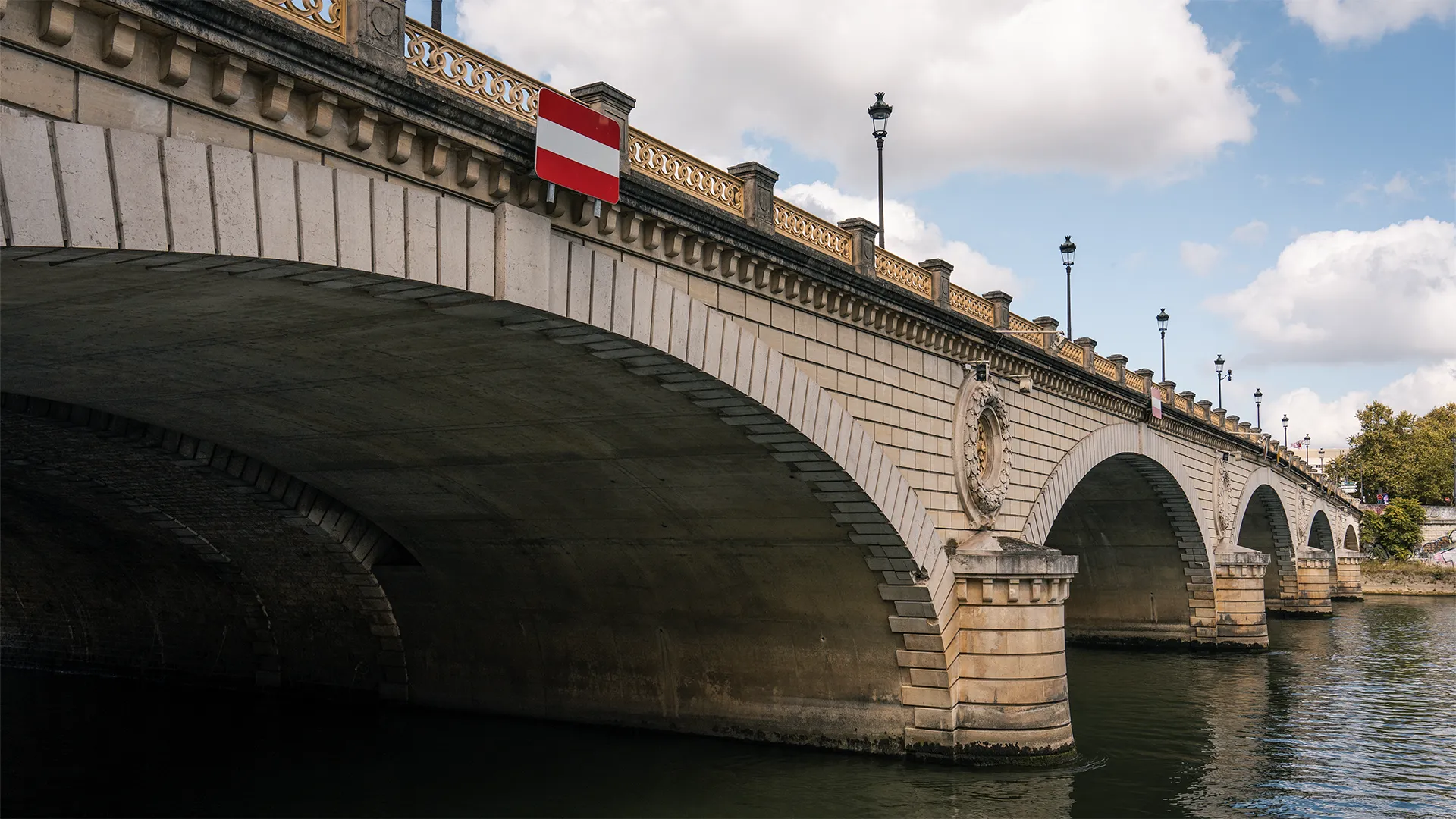
With the increasing demands of automobile traffic, a second expansion was completed between 1989 and 1992. A parallel bridge was added, designed to replicate the original stone structure, but using modern materials such as reinforced concrete. This seamless blending of old and new allowed the Pont de Bercy to maintain its historical charm while addressing contemporary urban needs.
A Strategic Gateway Between Two Arrondissements
Connecting the 12th and 13th arrondissements, the Pont de Bercy plays an essential role in Paris’s transportation network. It links major points of interest such as the Ministry of Finance, the Accor Arena, and the Gare de Lyon. Its strategic location makes it a vital crossing for both pedestrians and vehicles, serving thousands of commuters daily.
Architectural Harmony Across Time
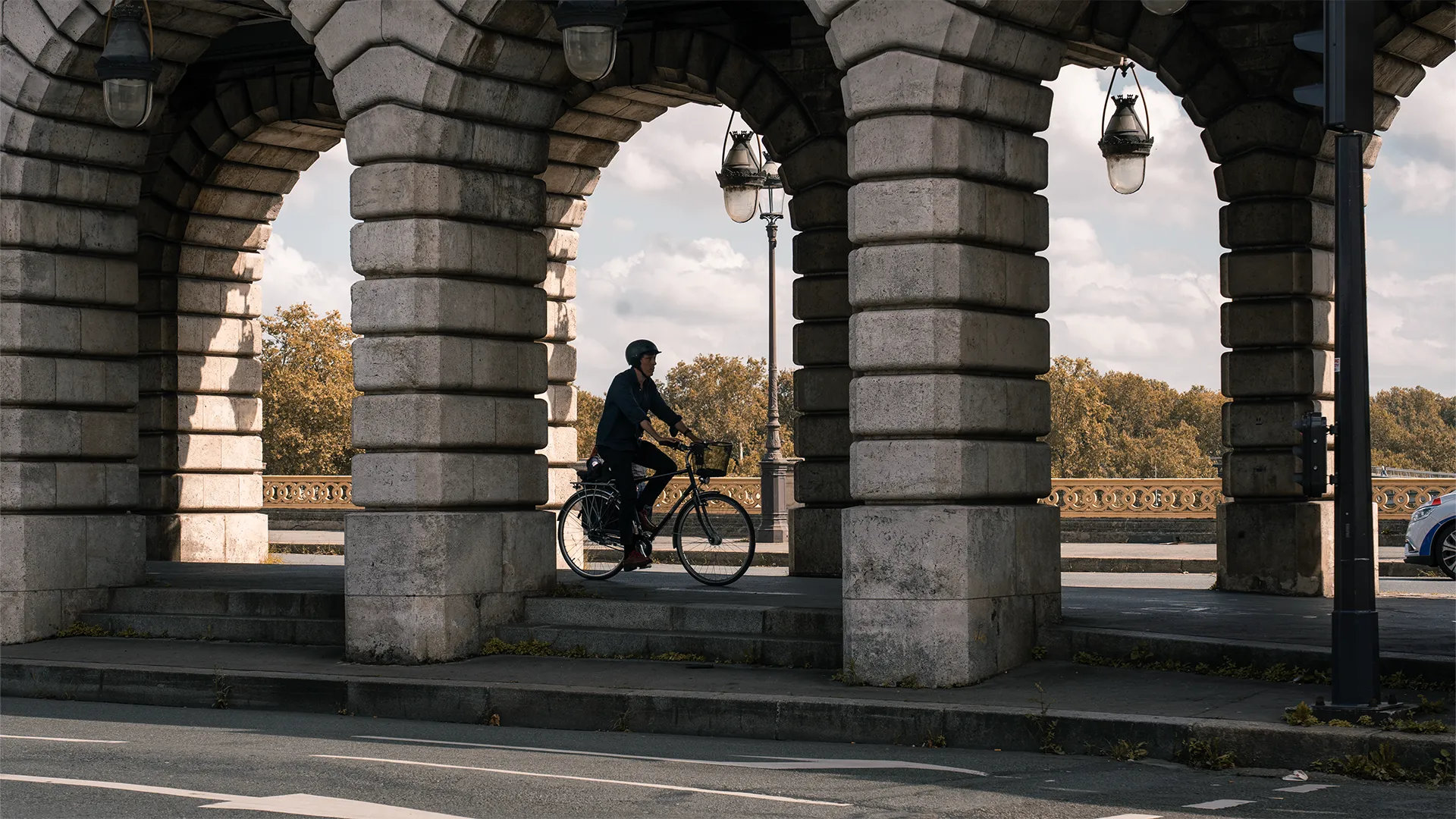
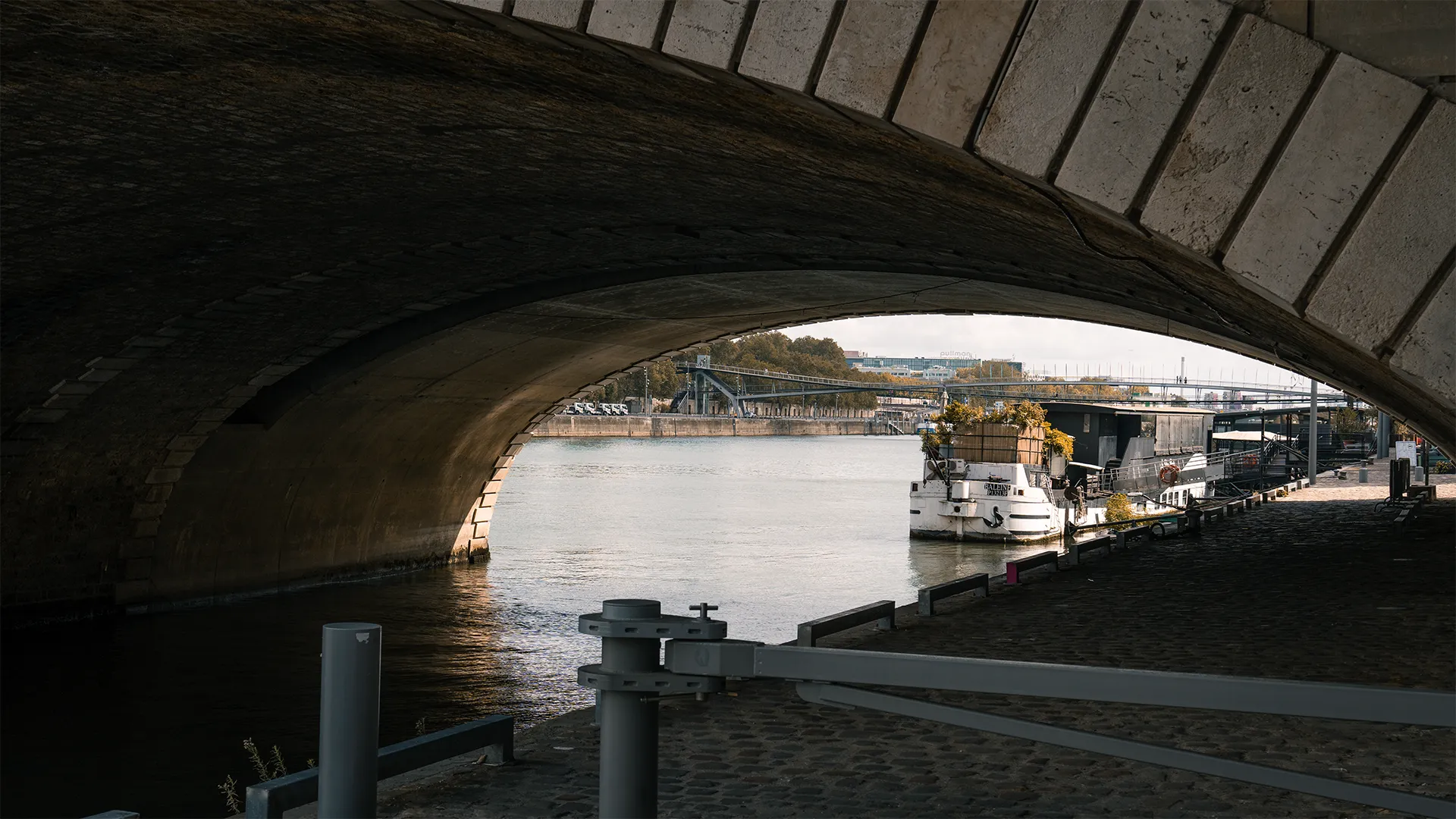
Despite its expansions, the Pont de Bercy maintains an architectural harmony that preserves its 19th-century elegance. The five elliptical arches, stone cladding, and intricate laurel decorations above the piers give it a classic look, even as the reinforced concrete underneath supports the modern demands of the city.
Exploring the Surroundings of Pont de Bercy
The bridge’s location offers a perfect starting point to explore nearby attractions. To the south, the Parc de Bercy invites visitors to relax among its serene gardens, while the Viaduc des Arts offers a glimpse into Paris’s vibrant creative community. The area is rich in cultural, gastronomic, and recreational opportunities, making the Pont de Bercy more than just a crossing—it’s a gateway to experiencing the diverse wonders of Paris.