


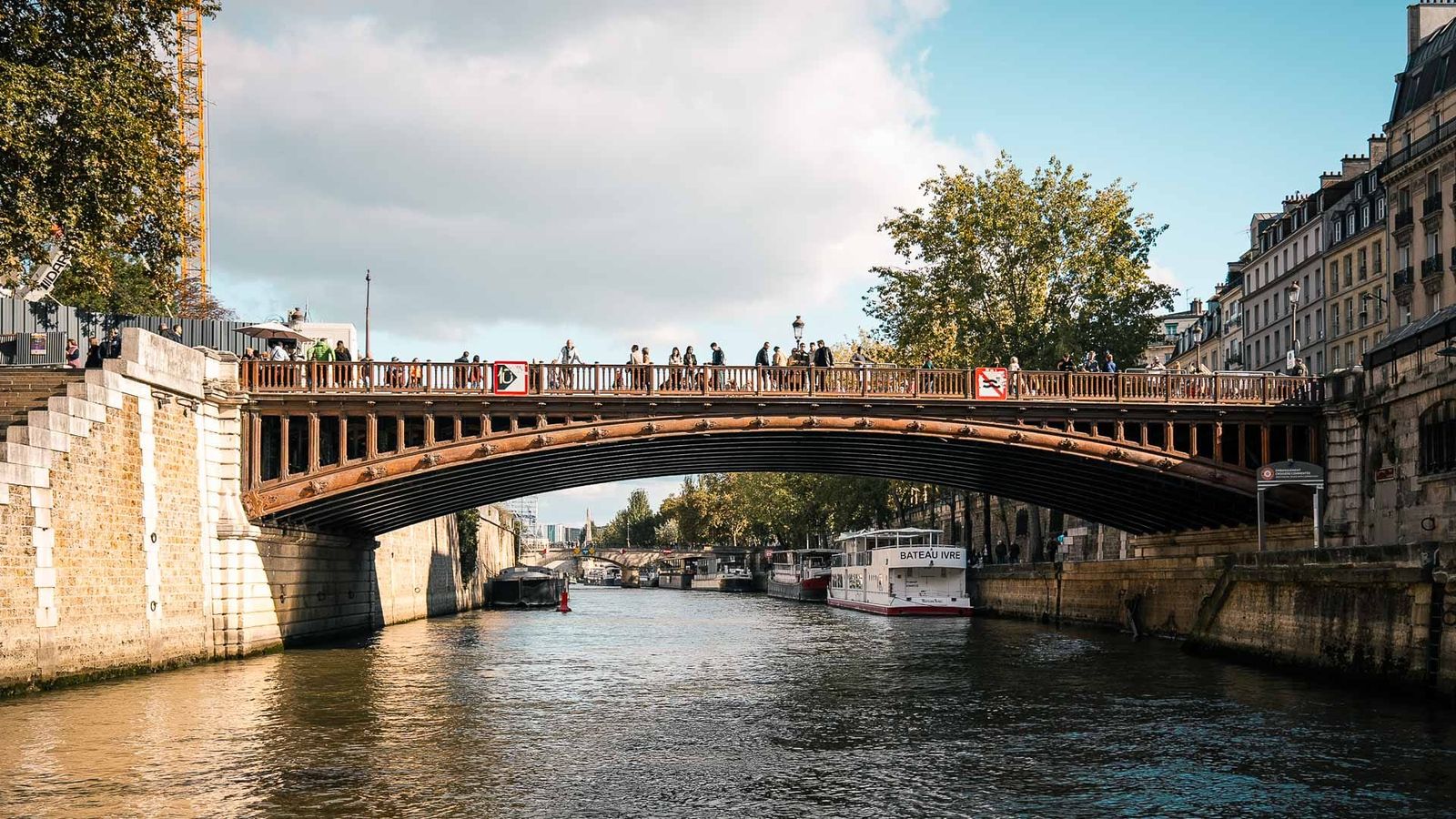

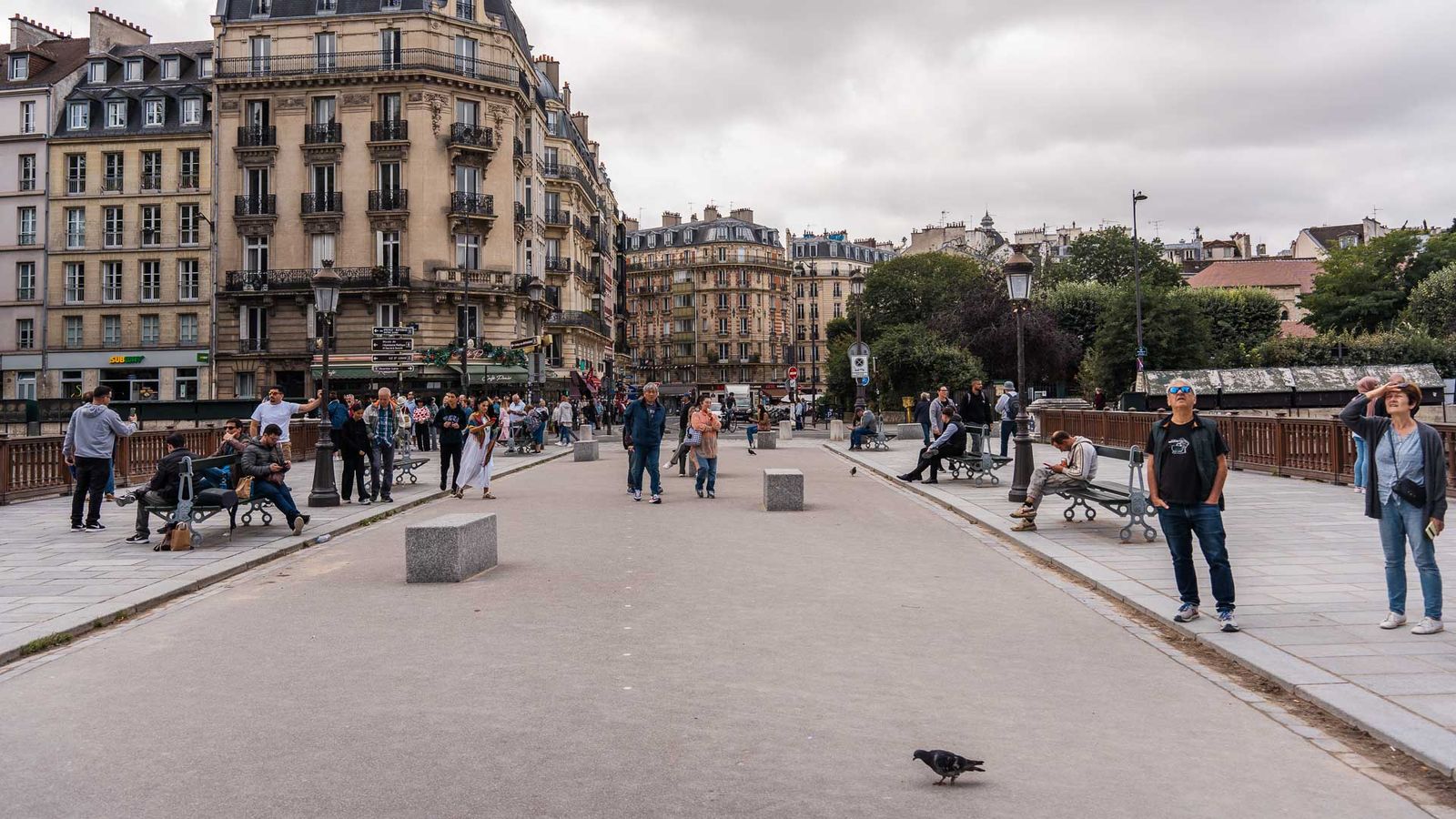
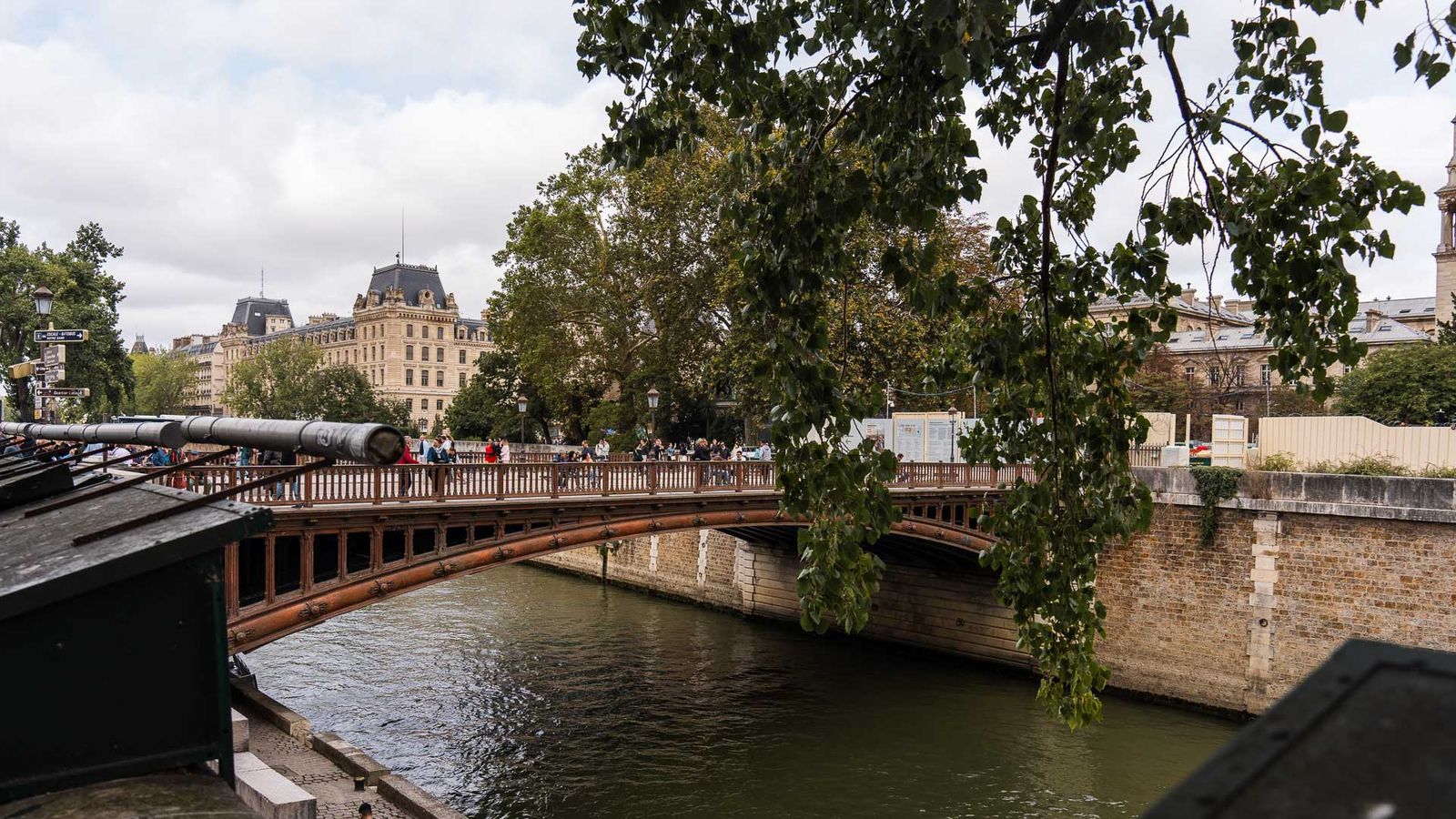
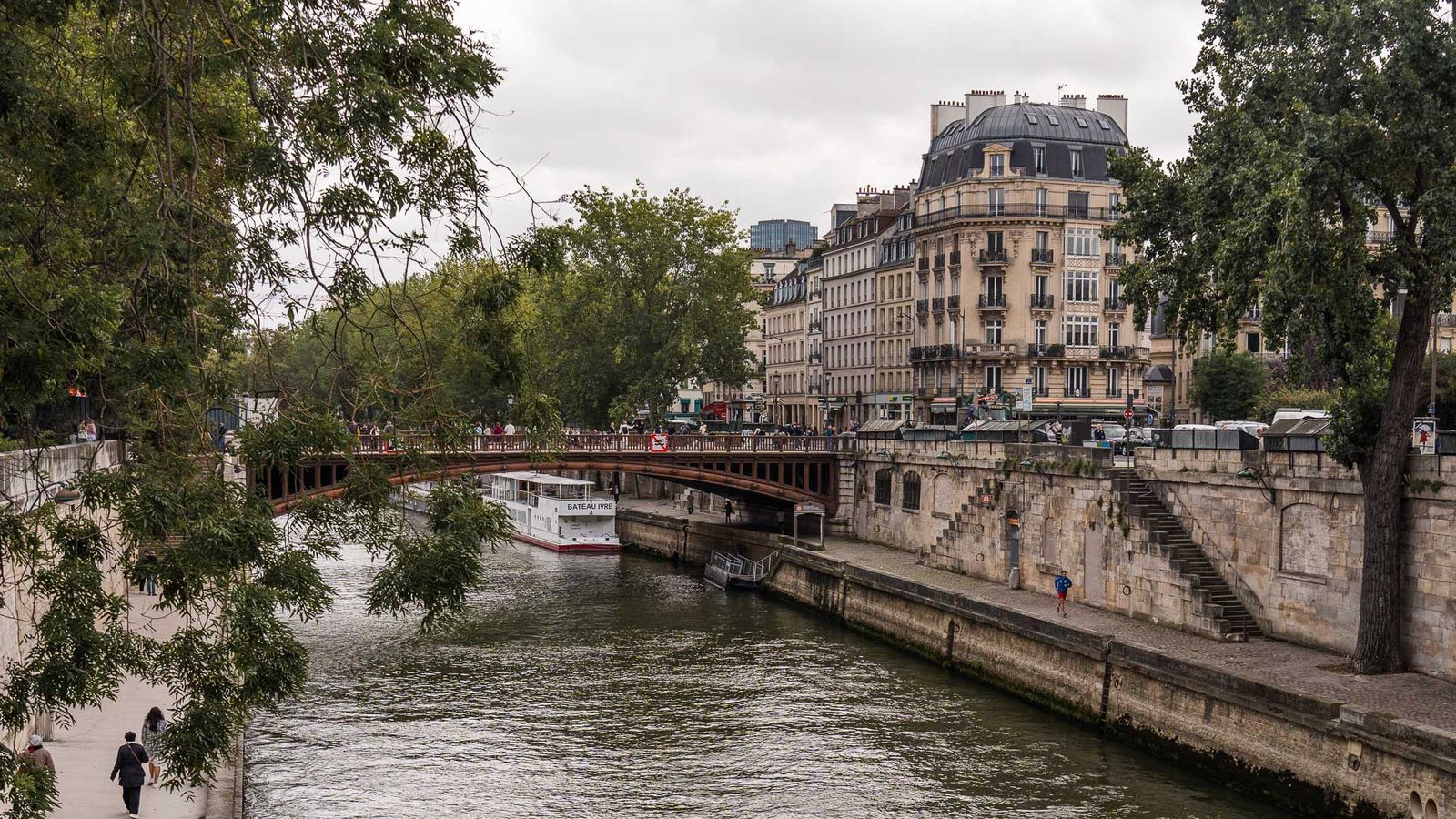
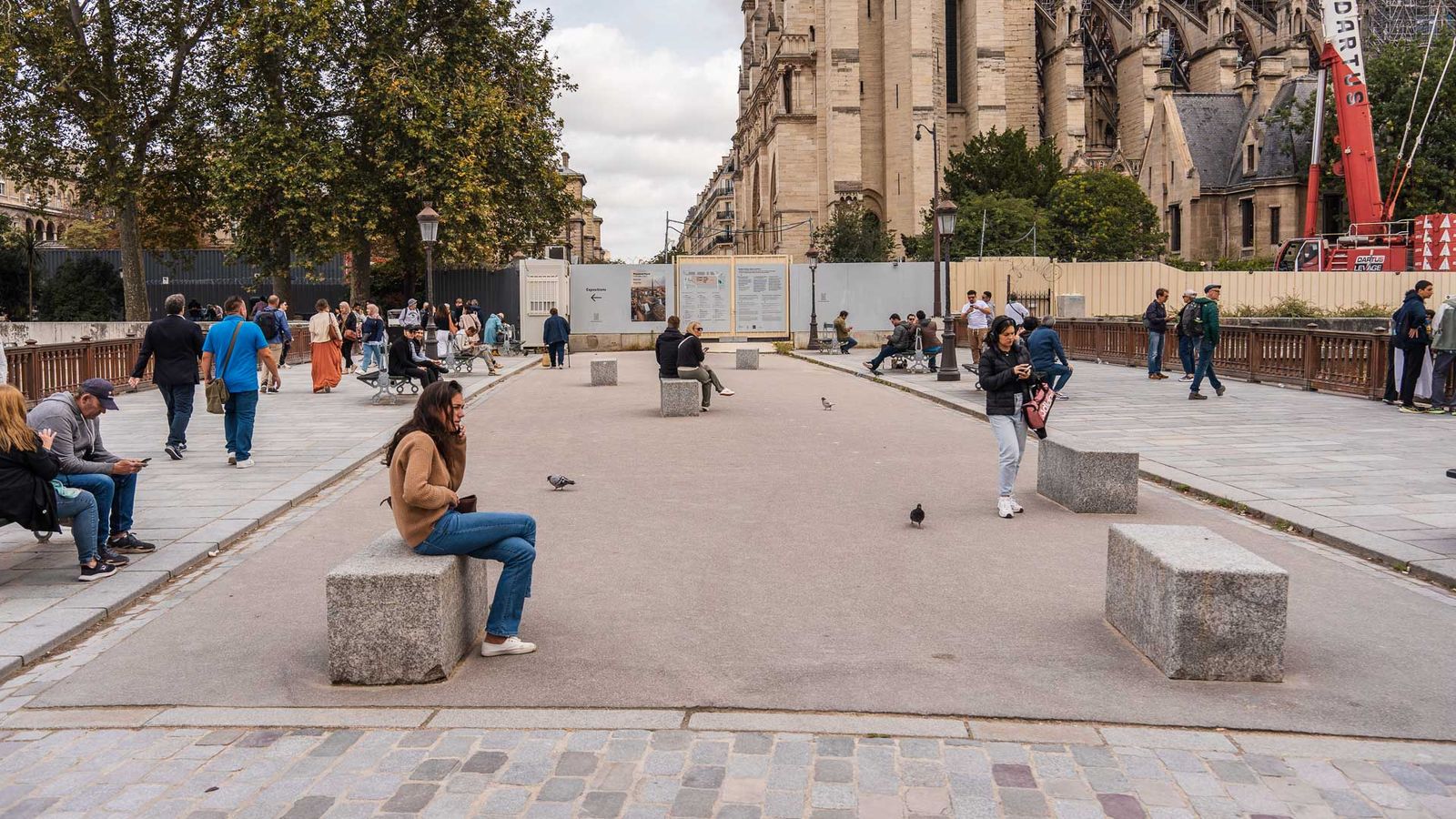

The Pont au Double elegantly spans the Seine, connecting the 4th arrondissement near the iconic Notre-Dame Cathedral to the 5th arrondissement on the quai de Montebello. This vital pedestrian bridge offers easy access to multiple Metro stations, including Cité, Cluny – La Sorbonne, Maubert – Mutualité, and Saint-Michel, making it a popular route for both locals and tourists exploring the area.
Naming Origins of the Bridge
The bridge’s name derives from the toll initially charged for crossing: two deniers, or a “double denier.” This toll was established in the early 17th century and remained a source of discontent among Parisians until its abolition in 1789, adding a layer of historical significance to its identity.
Construction for Healthcare Needs
The first iteration of the Pont au Double was commissioned in 1515 by François Ier to facilitate access to the Hôtel-Dieu, a hospital that was severely overcrowded during that period. The original bridge, a three-arched stone structure, was completed between 1626 and 1632 by architects Christophe Gamart and Louis Noblet, who also designed adjoining hospital facilities that occupied space atop the bridge.
Resilience Through Collapse
The original bridge faced challenges, collapsing on New Year’s Eve in 1709 and necessitating immediate reconstruction. While it was rebuilt and remained operational, the constant need for repairs and modifications reflected the challenges of maintaining such a vital structure over a waterway prone to changing conditions.
Evolution of Design
The Pont au Double underwent significant transformations over the centuries. In 1847, a new design was introduced, replacing the existing structure with a single arch bridge to alleviate navigation issues caused by the previous design. This bridge featured a masonry arch with a 31-meter span, accommodating increased traffic and improving the flow of river navigation.
The Current Structure
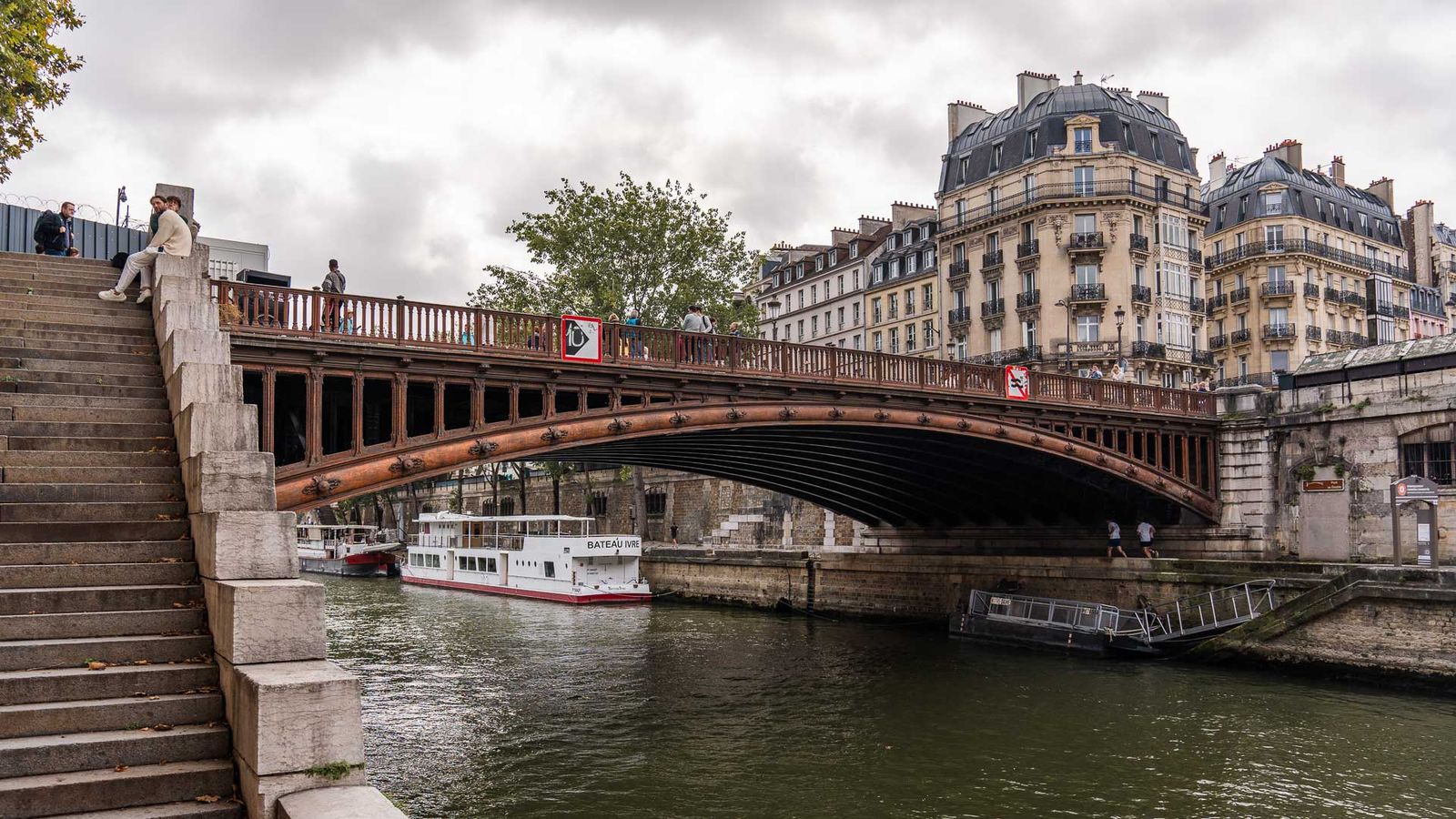
The present-day Pont au Double, constructed between 1881 and 1883, showcases a sophisticated design by engineers Henri-Prosper Bernard and Jules Lax. This bridge is distinguished by its elegant single iron arch composed of eleven smaller arches and reinforced with steel struts. The distinctive balustrades are crafted from cast iron and beautifully adorned with copper, enhancing its aesthetic appeal.
Cultural Significance and Modern Use
Today, the Pont au Double stands as a pedestrian-only bridge, offering a serene escape for walkers and cyclists amid the bustling urban environment. Its historical roots and architectural elegance make it a treasured part of Paris’s landscape, and it continues to be a prominent location for leisurely strolls, photography, and enjoying picturesque views of the Seine and Notre-Dame Cathedral.