


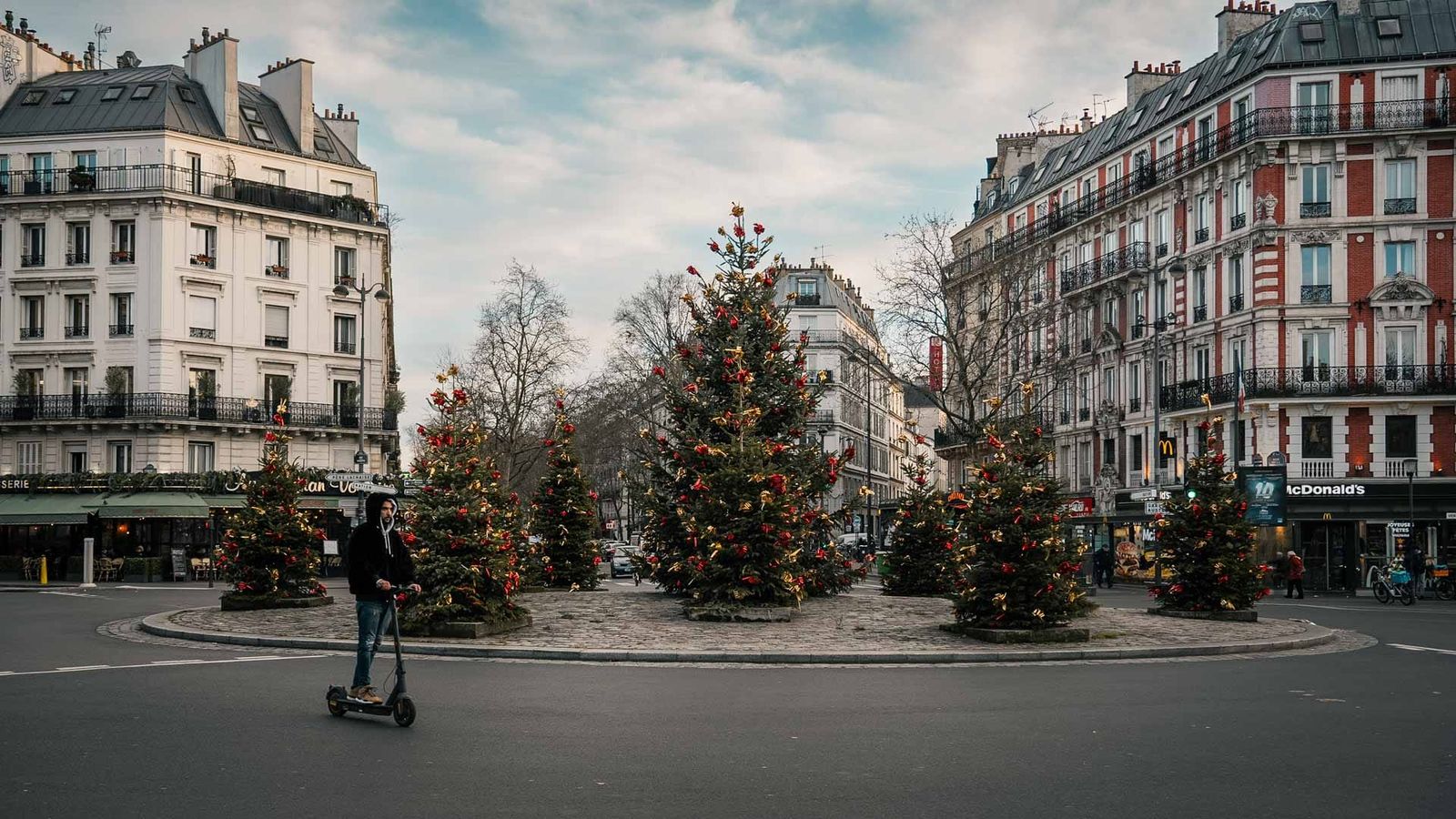
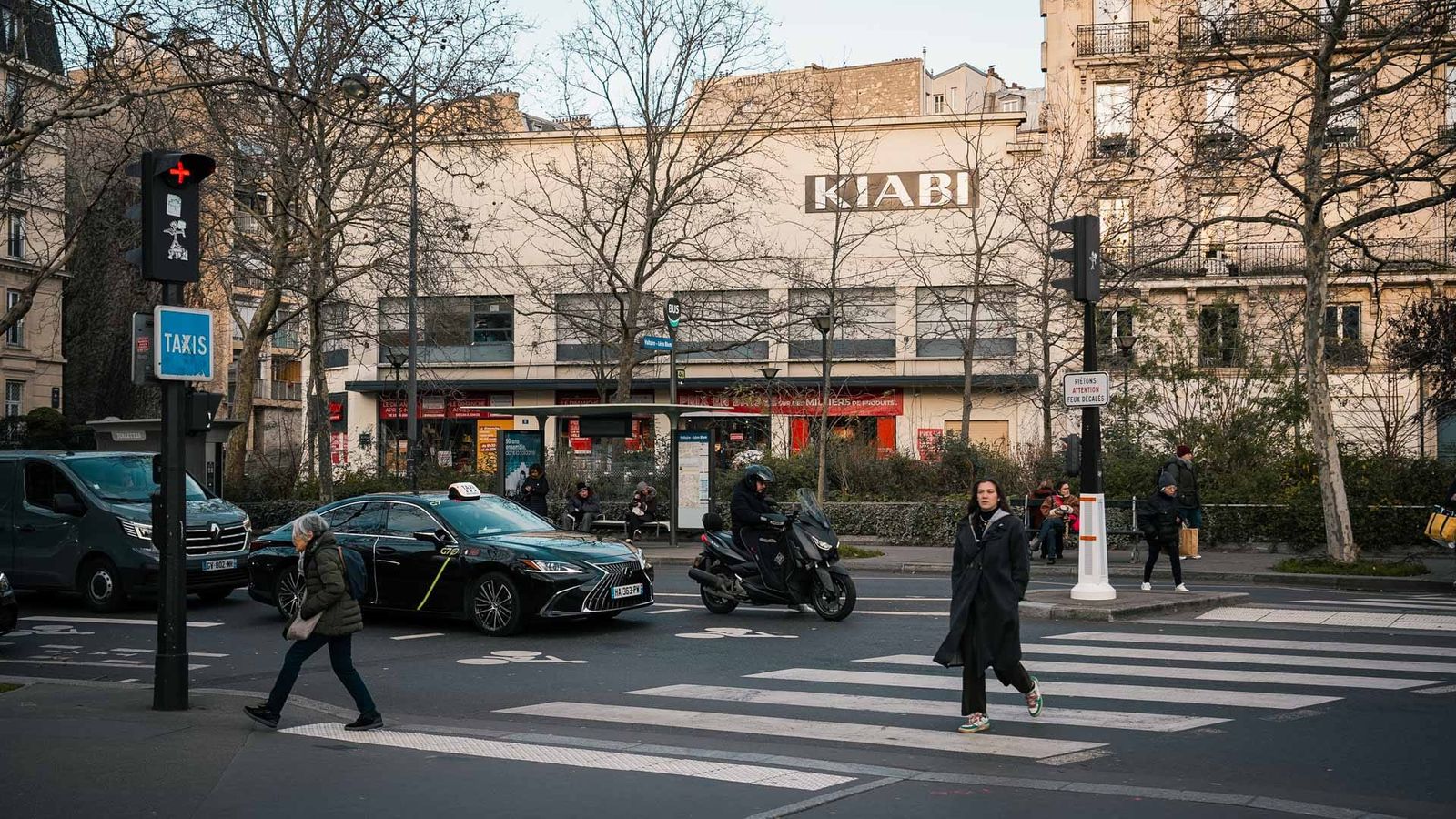

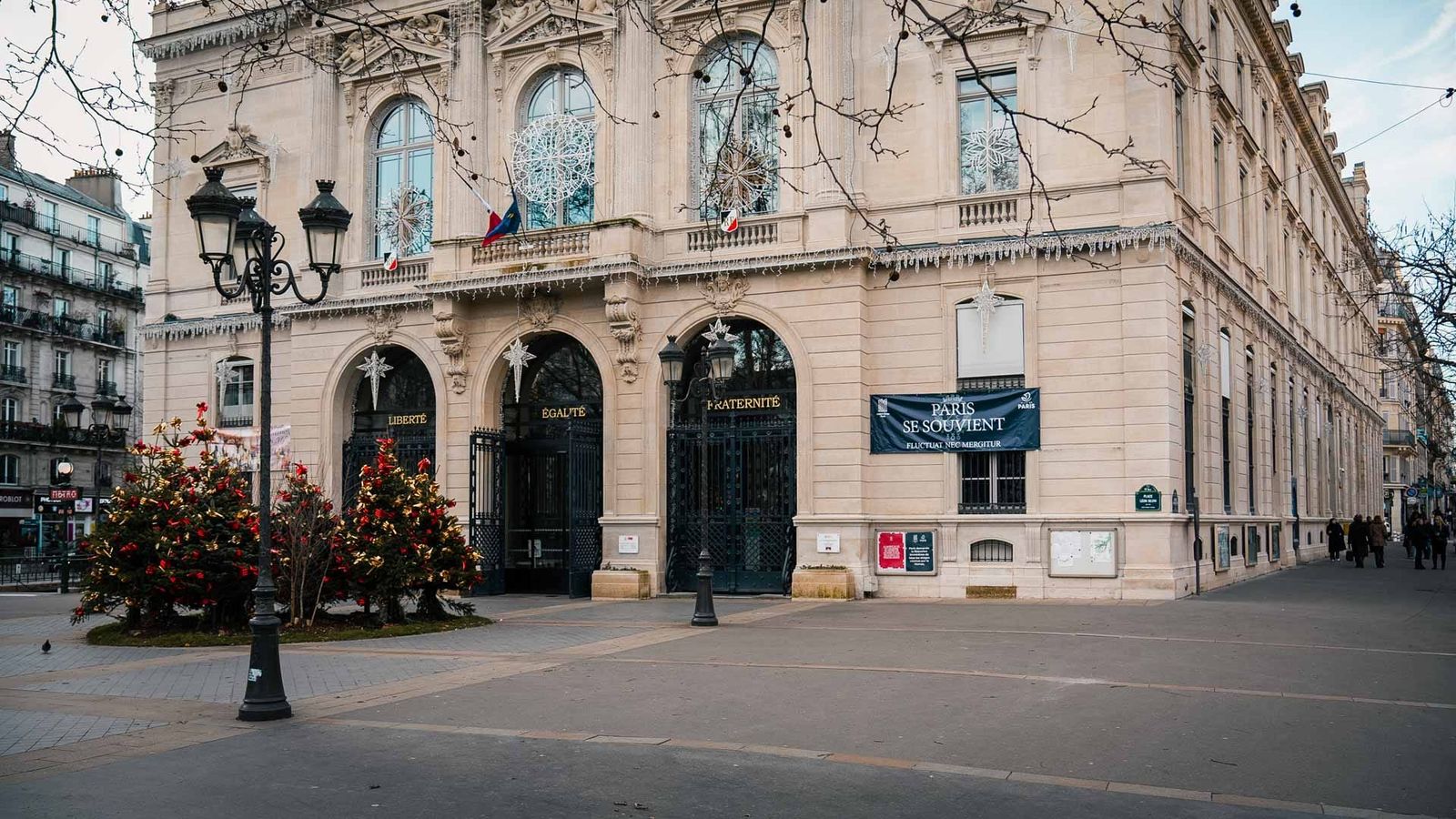
This iconic square, officially named Place Léon-Blum in 1957, holds the legacy of one of France’s prominent political figures, Léon Blum (1872-1950), a statesman and leader in French socialism.
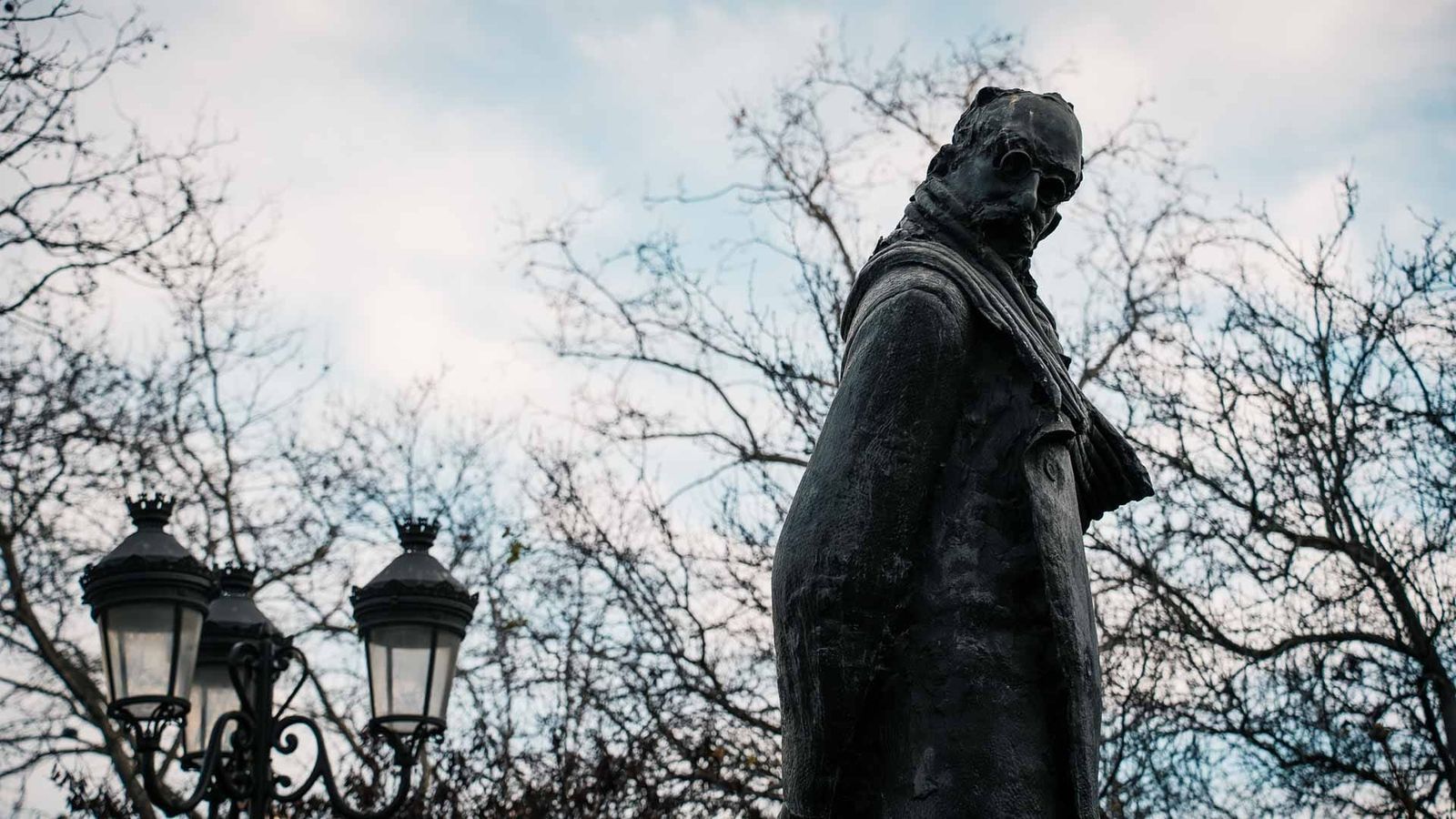
Blum’s statue, created by artist Philippe Garel in 1985, stands as a reminder of his significant influence on French political history. This sculpture faces the 11th arrondissement’s town hall, a historic building inaugurated in 1865 that has played a critical role in Paris’s civic life.
Notably, this town hall served as the temporary central mairie during the turbulent days of the Paris Commune after the Hôtel de Ville’s devastating fire.
The Evolution of a Monumental Space
Place Léon-Blum is steeped in rich historical layers, originally formed in 1857 as “Place du Prince-Eugène” under Napoleon III. During the Second Empire, a statue of Prince Eugène Napoléon, crafted by Auguste Dumont, was prominently placed here.
Following France’s 1870 defeat, the square’s name changed to Place Voltaire. This renaming honored Enlightenment philosopher Voltaire, with a seated statue of him by Jean-Antoine Houdon replacing Prince Eugène’s in 1870.
In 1885, a new sculpture by Léopold Steiner depicting revolutionary Alexandre Ledru-Rollin replaced Voltaire’s statue, only to be melted down in 1942 as part of a wartime metal requisition.
Today, the pedestal remains vacant, with Blum’s statue now central to the square.