


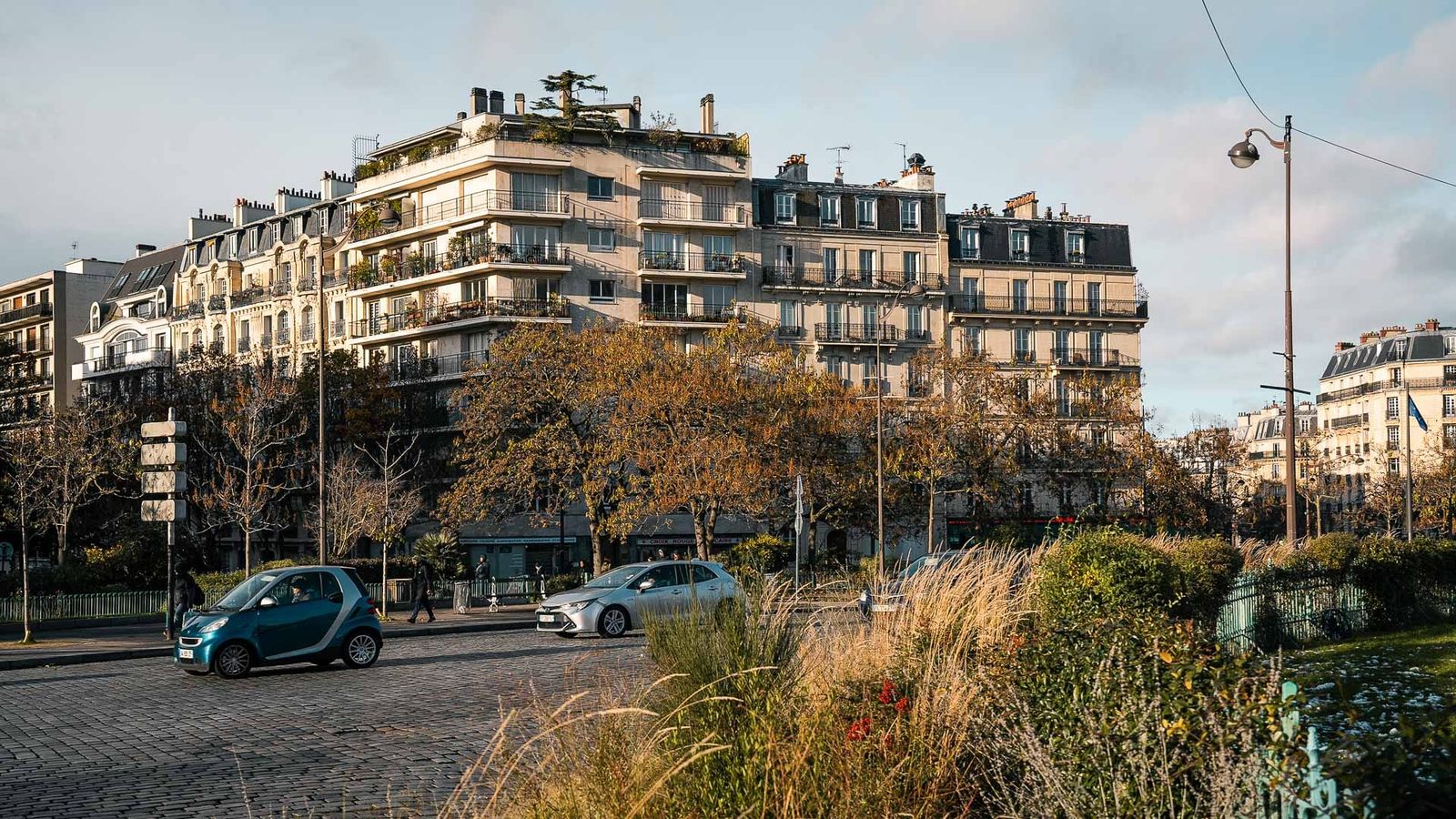
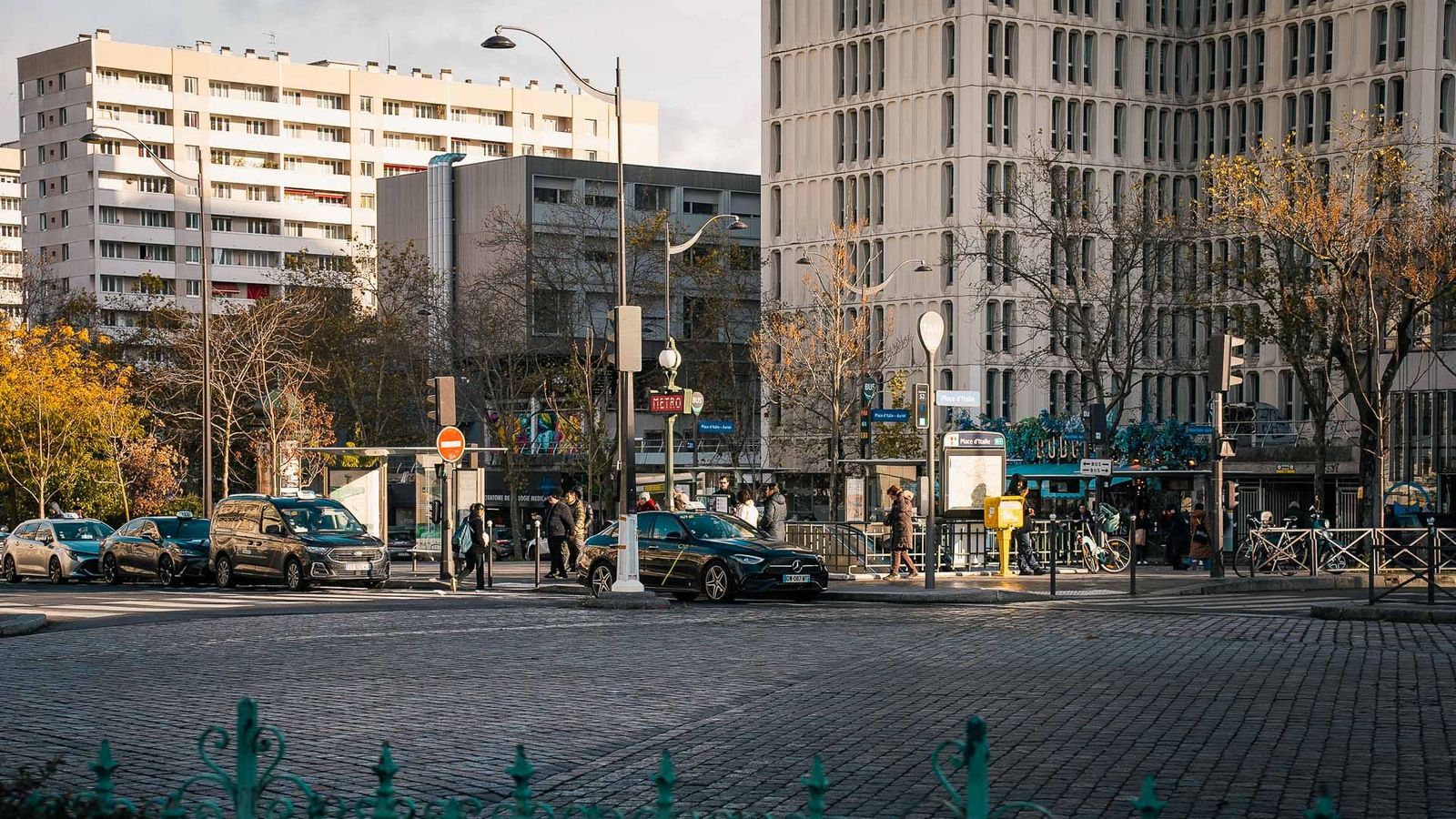
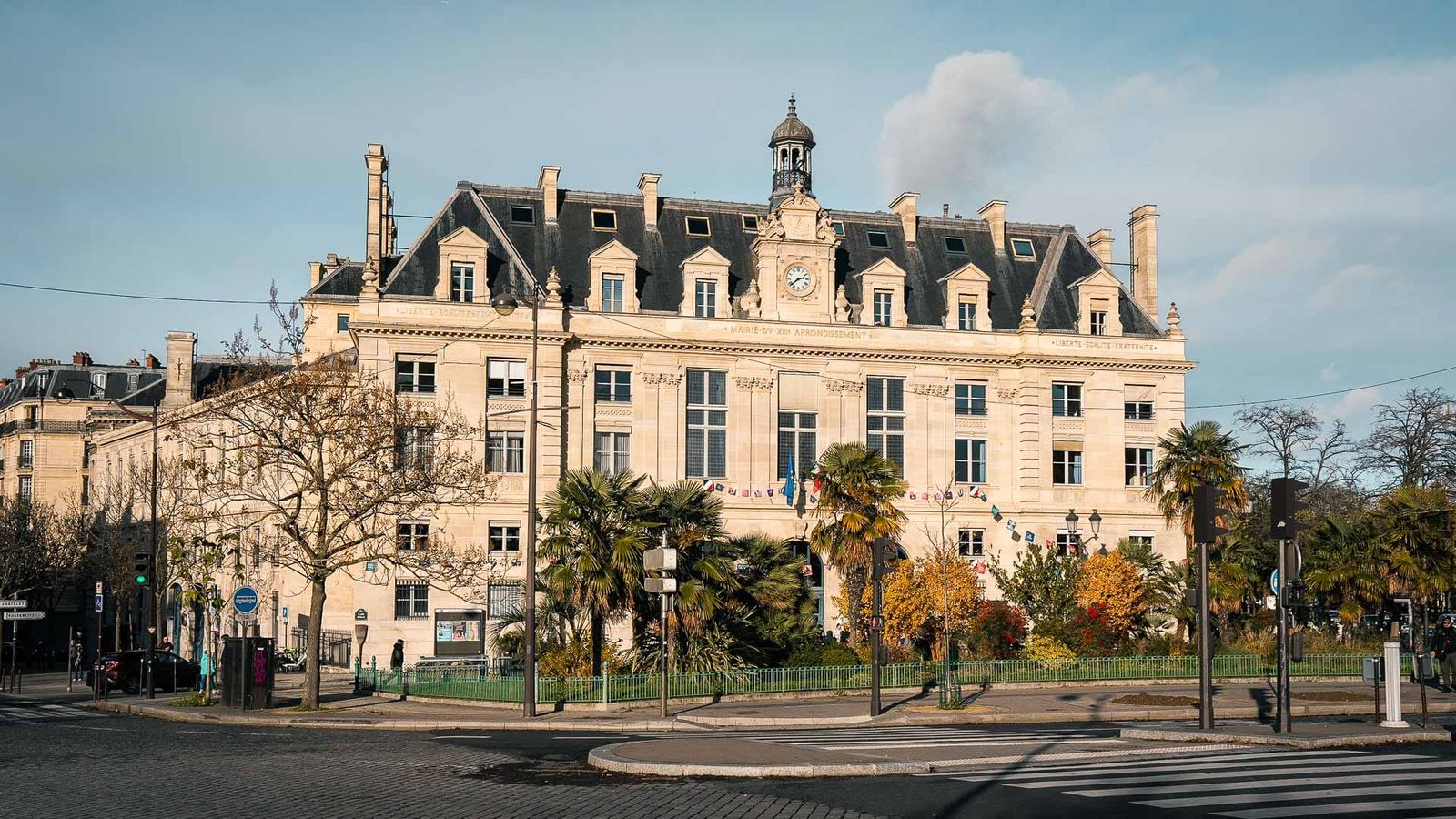
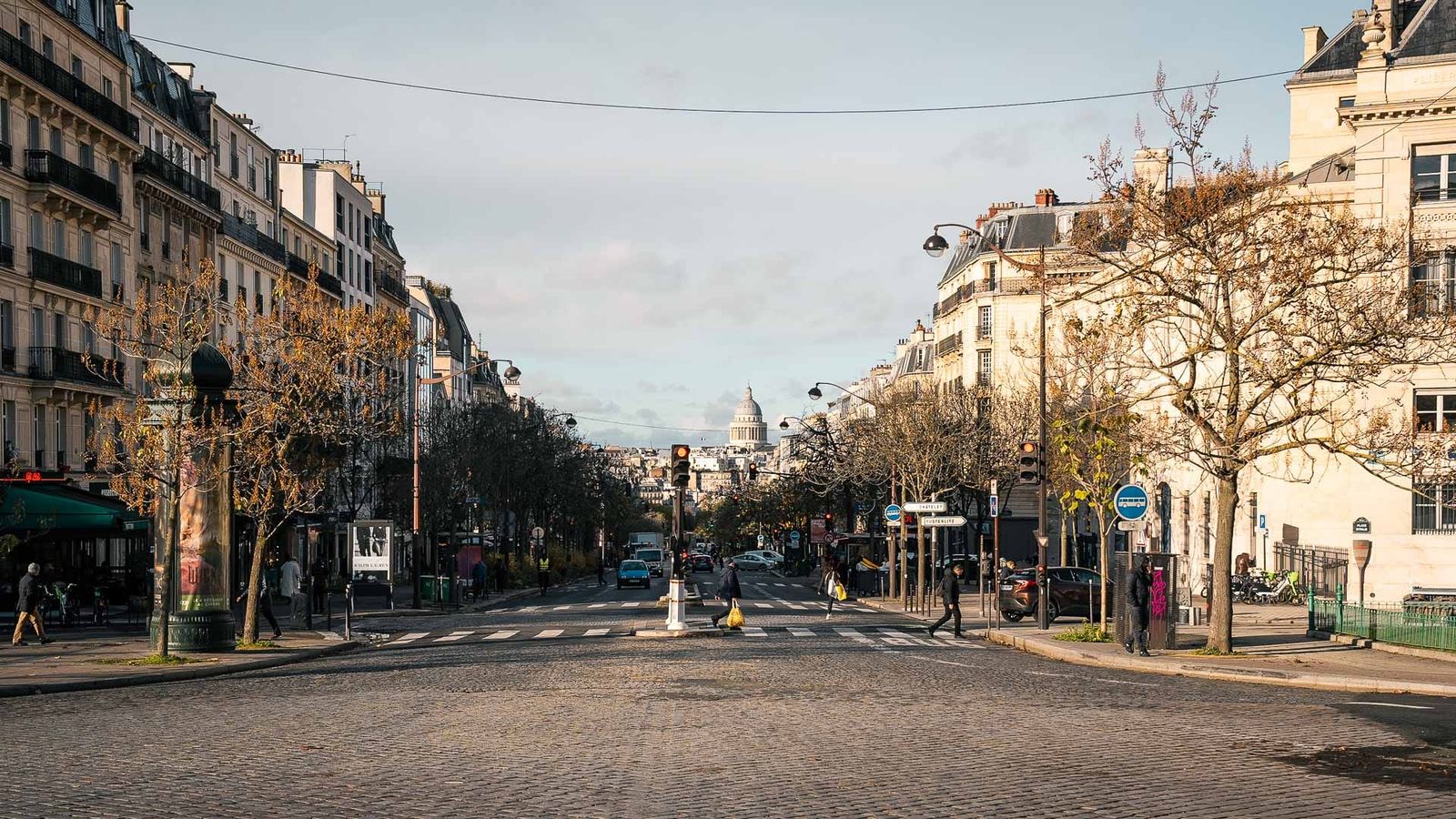
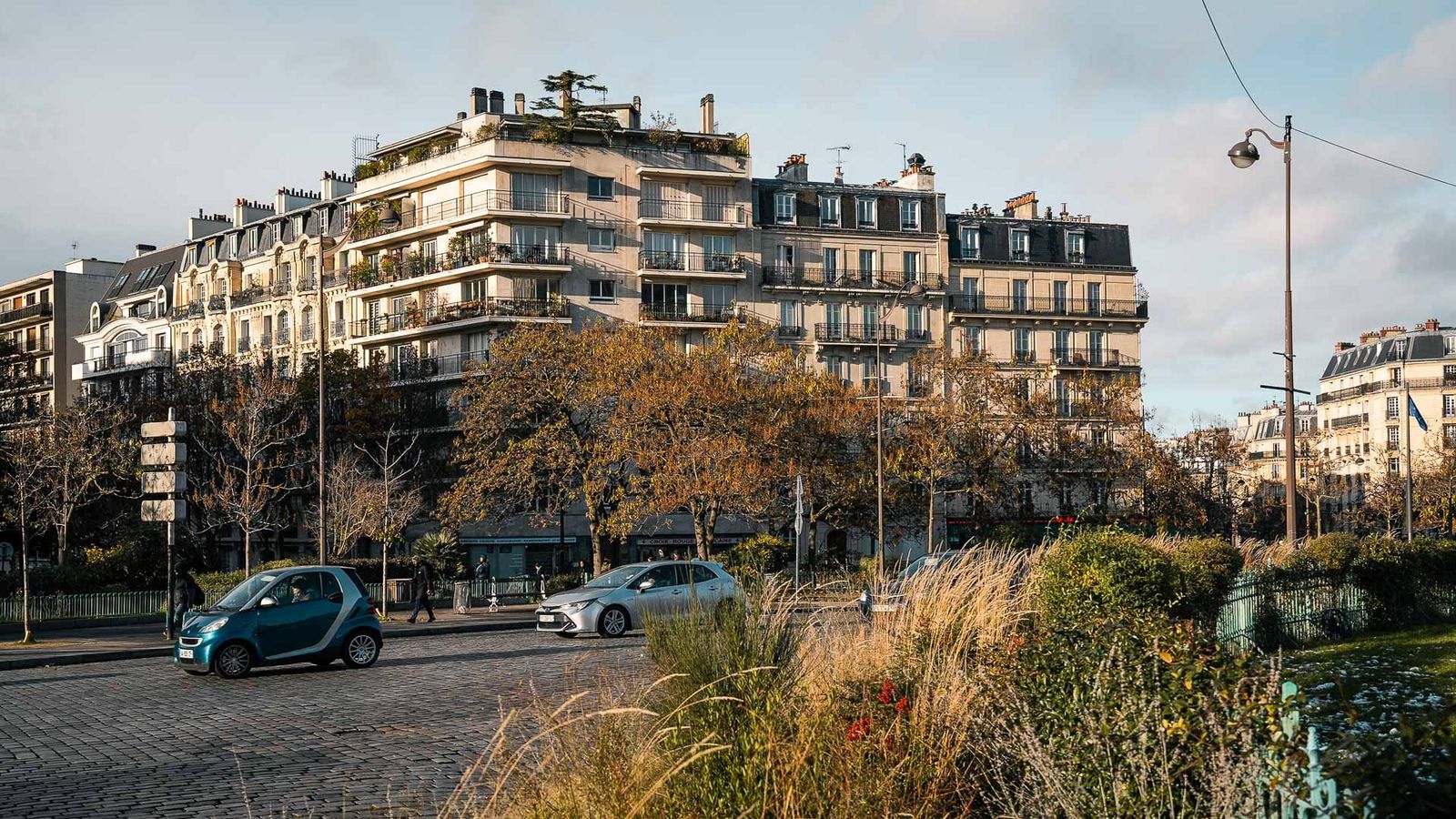
Place d’Italie stands as a dynamic crossroads in the 13th arrondissement of Paris, connecting numerous historic and modern neighborhoods, including the Butte-aux-Cailles, the Asian Quarter, and the Avenue des Gobelins.
Spanning a diameter of around 200 meters, this roundabout is both a vibrant traffic hub and a significant historical site, established as a crucial urban junction in 1760 and named after the Avenue d’Italie, which historically marked the route between Paris and Italy.
Today, Place d’Italie pulses with life as a major passageway, intersecting avenues like Boulevard Vincent-Auriol and Boulevard de l’Hôpital.
From Roman Roads to the 19th Century
Originally a Roman road connecting Lutèce (ancient Paris) with Lyon, Place d’Italie has evolved through centuries of French and urban history.
In the 18th century, the French crown transformed it into a key national thoroughfare, known as the National Road 7. By 1860, it became part of Paris proper, where the walls of the Fermiers Généraux once stood, and soon witnessed vital changes with the construction of grand boulevards and Ledoux’s iconic octroi buildings (city toll gates), which marked the city’s boundaries.
Although these structures were lost in 1877, the square remains a symbolic testament to Paris’s expansion and modernization, reflected in the juxtaposition of historical and modern architecture.
A Social and Cultural Hub in the 13th Arrondissement
Today, Place d’Italie is more than just a roundabout; it’s a social and cultural landmark. The Italie 2 shopping center attracts locals and tourists alike with a wide array of stores and eateries, while avenues lined with cinemas, bistros, and cafés create a lively nightlife scene.
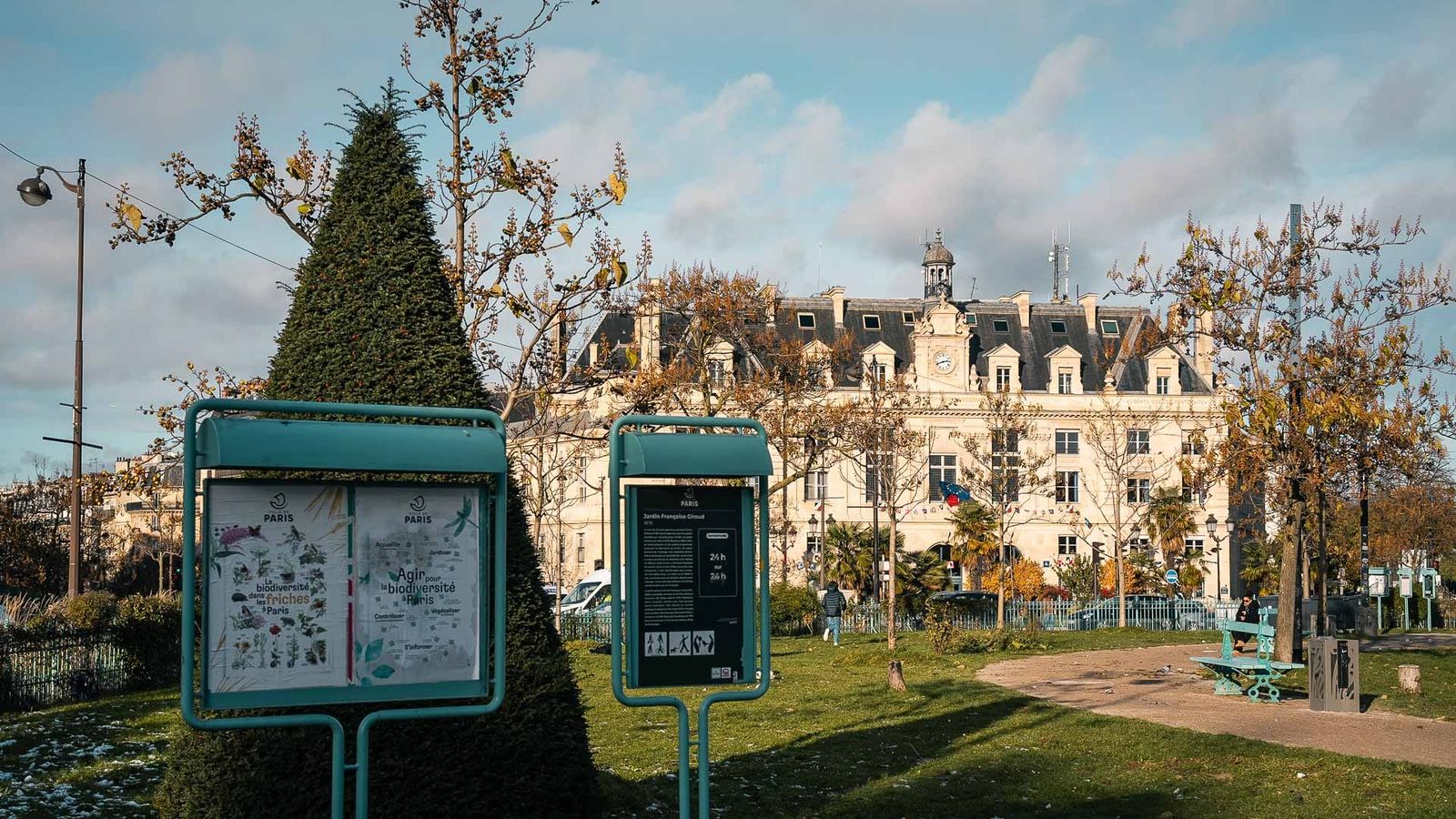
At its center, Jardin Françoise-Giroud offers green respite from the bustling roads encircling the square, and visitors will find several Paulownia trees, rare in Paris, providing shade and a touch of natural beauty.
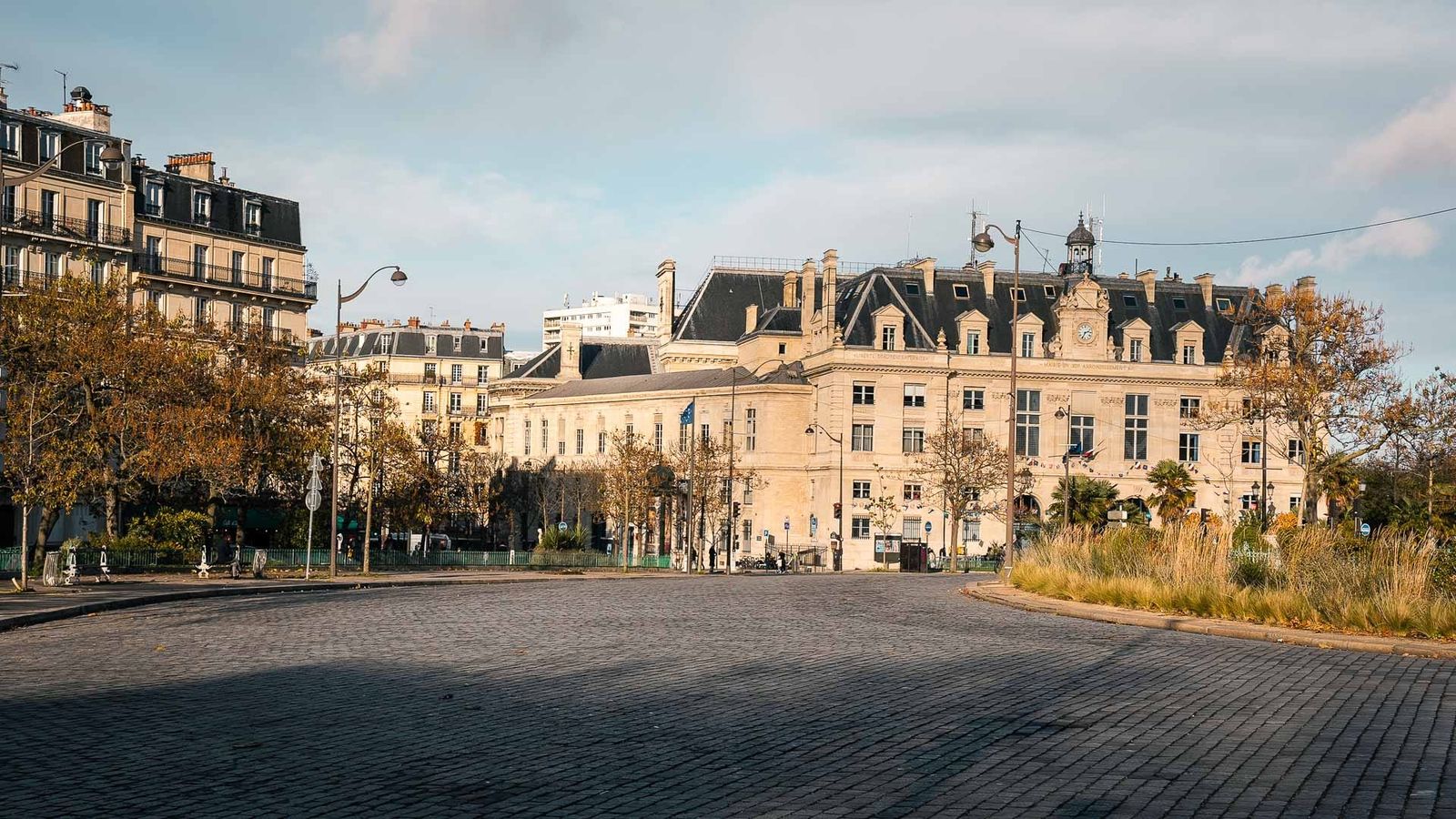
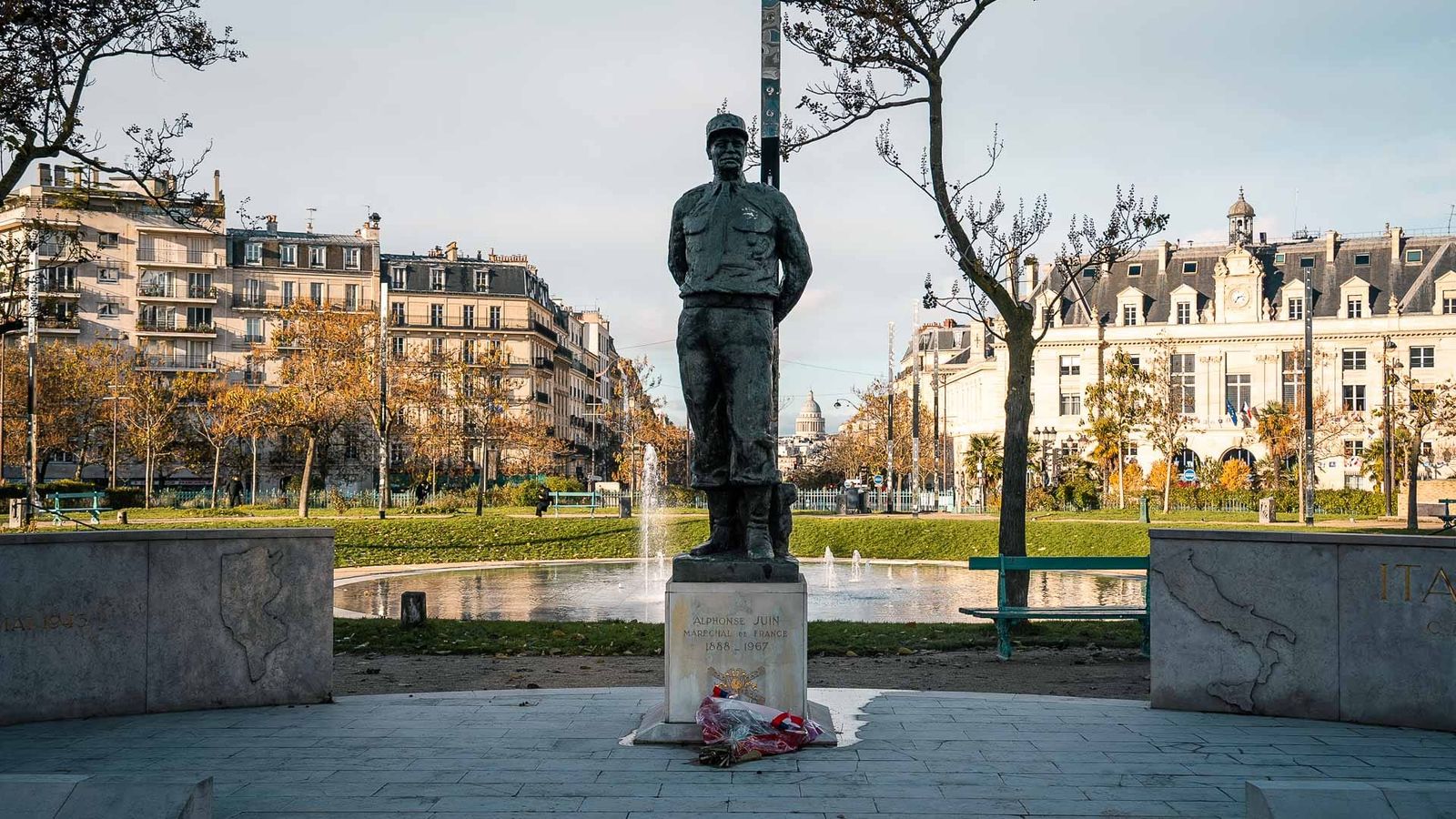
Close by, monuments and sculptures, such as the statue honoring Marshal Alphonse Juin and the Return of the Prodigal Son by Ossip Zadkine near the Town Hall, add layers of cultural richness.
Architectural and Cultural Highlights
Visitors will be intrigued by two Guimard-designed metro entrances, distinguished Art Nouveau landmarks listed as historical monuments, and a commemorative plaque at 17 Rue Godefroy, where Chou En-Lai once lived during his Parisian years.
These attractions give the square a distinctly Parisian charm, blending history and modern-day vibrancy.