


A Semi-Circular Haven of History
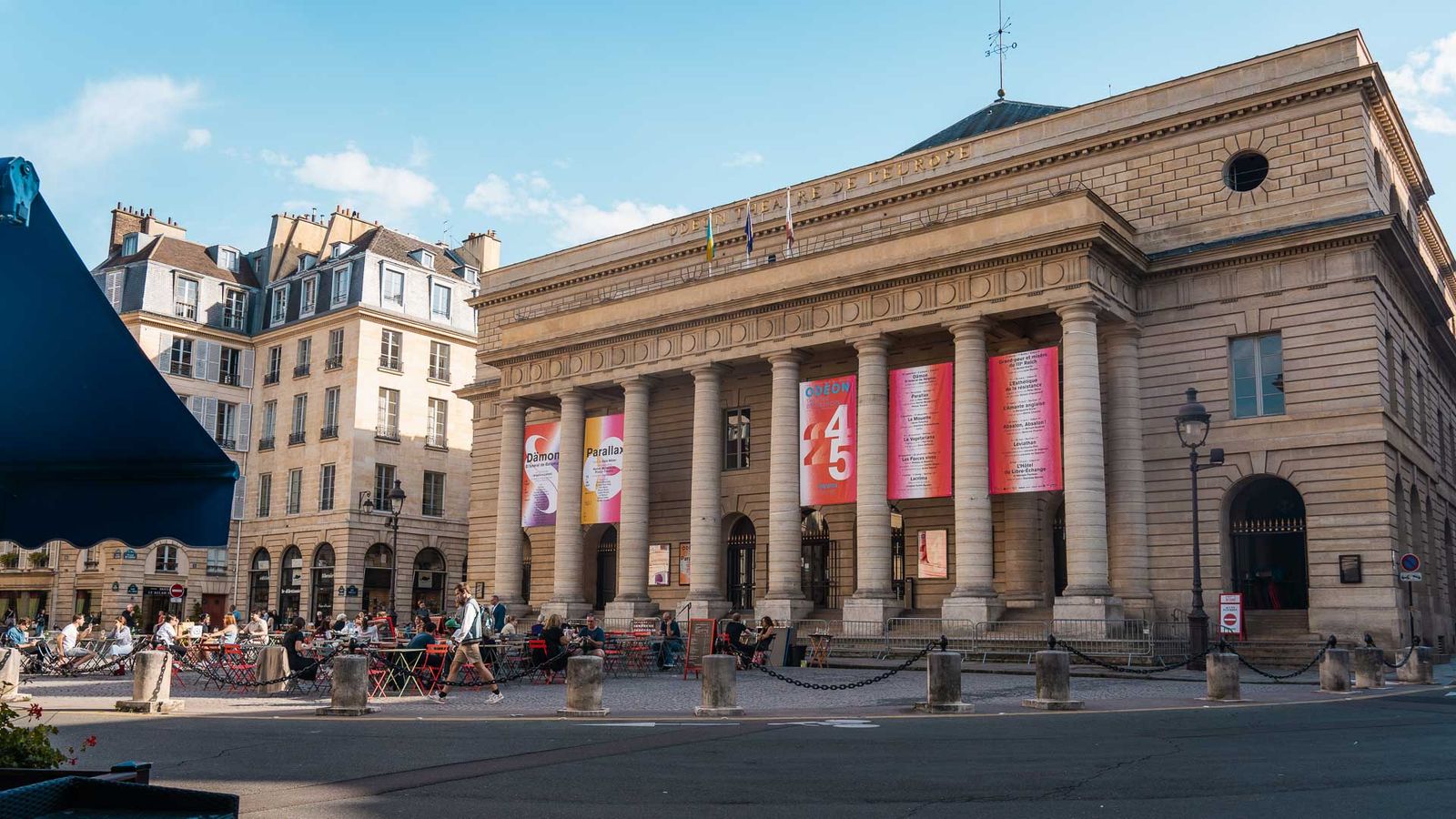
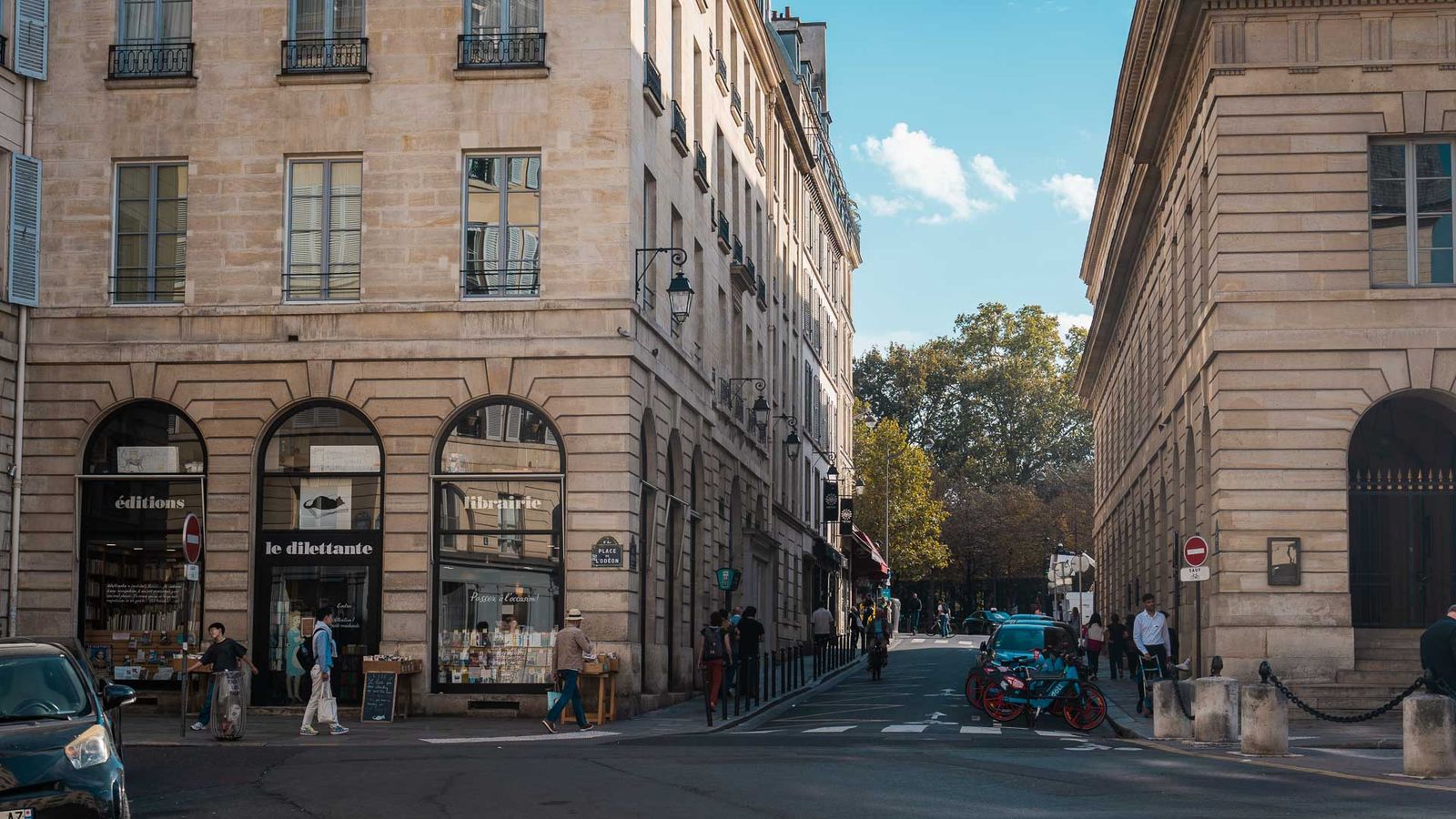
The Place de l’Odéon is not just a public square; it’s a cultural landmark in Paris. Shaped like a half-circle, it gracefully curves around the Théâtre de l’Odéon, one of the city’s premier theaters, which has been a focal point of Parisian life since its inauguration in 1792.
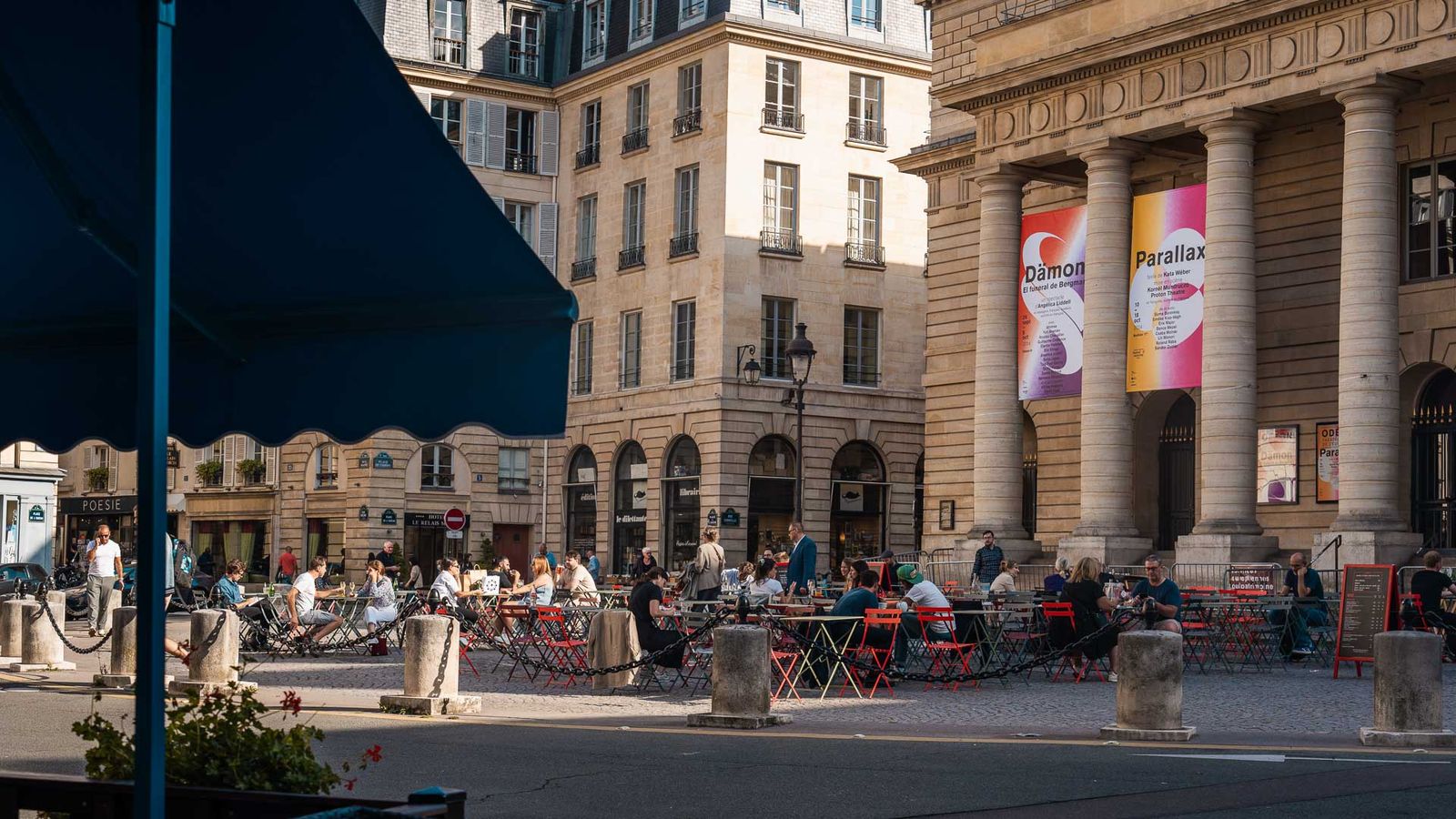
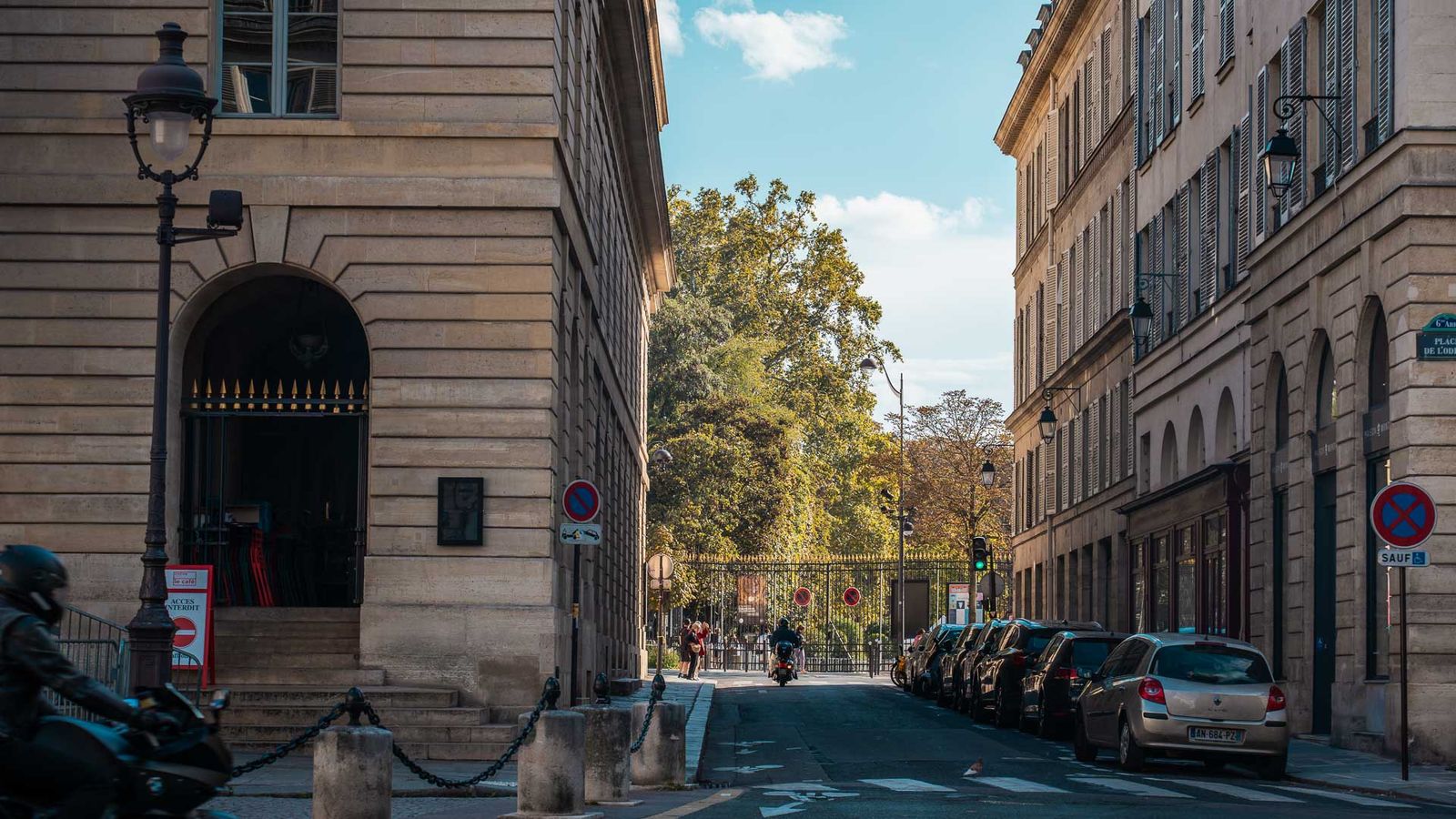
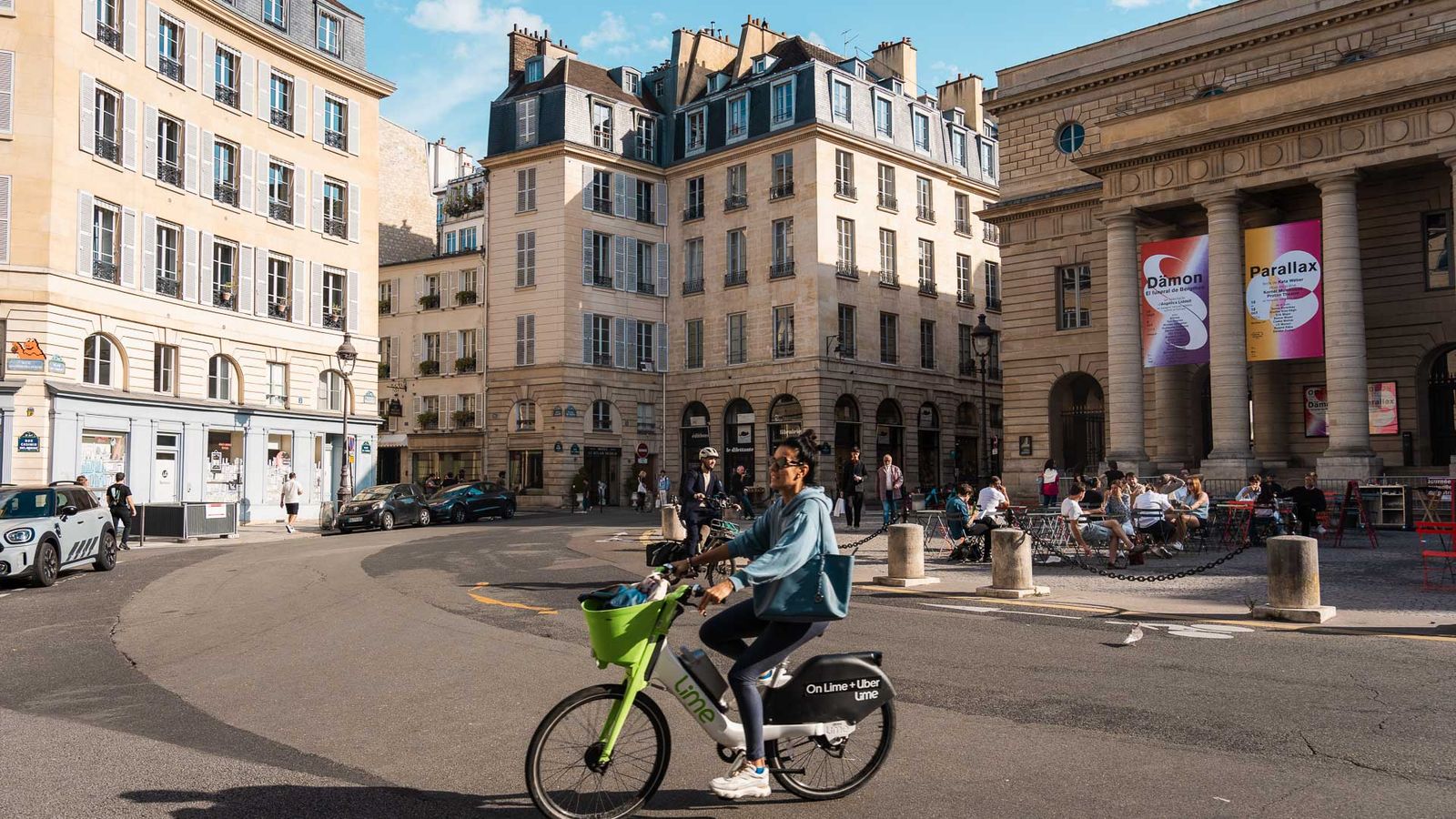
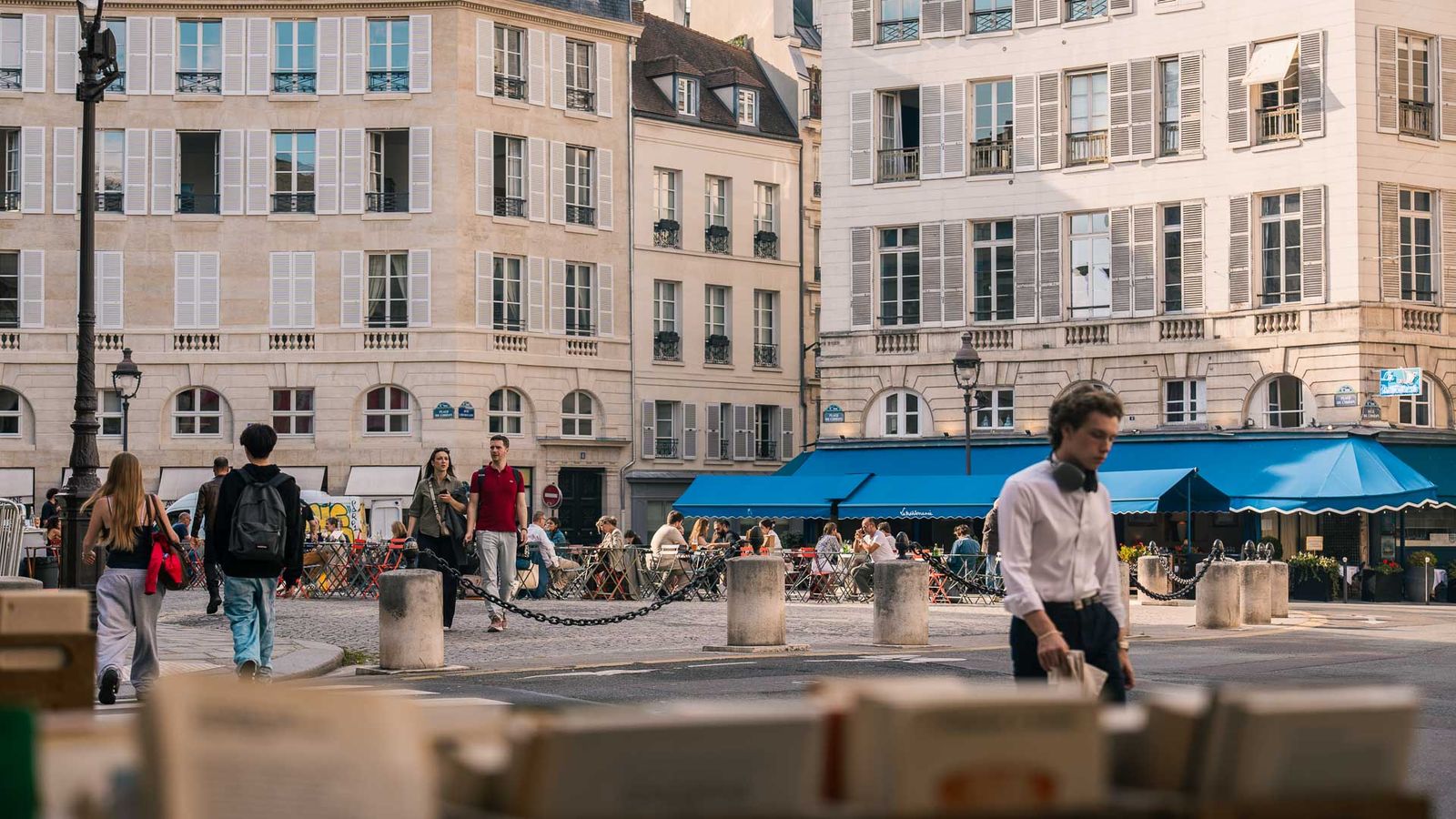
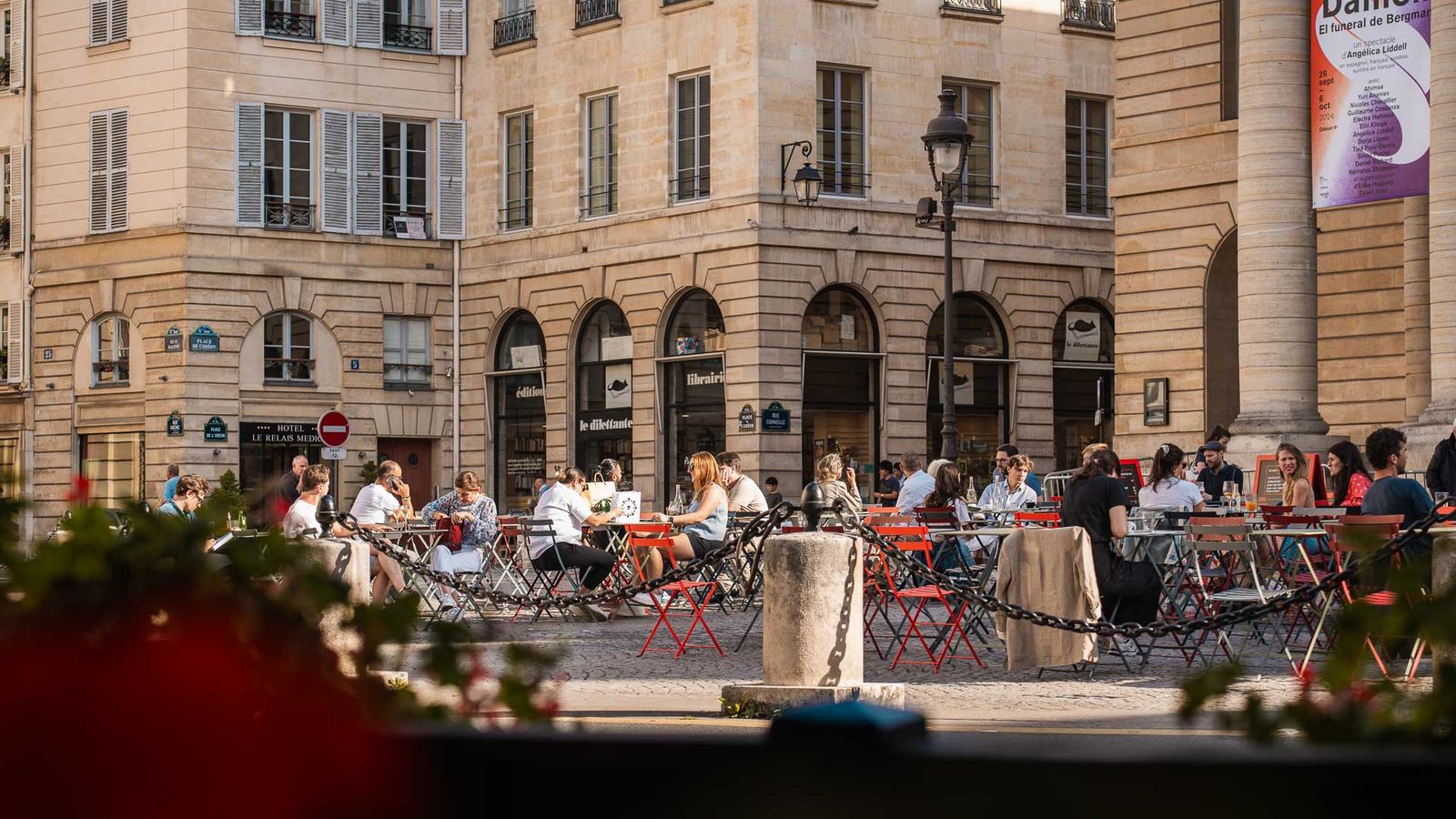
The square opens up to five symmetrical streets, allowing a seamless flow of both pedestrian and vehicular traffic. As you stand here, you can feel the vibrant energy of passersby, whether they are hurrying to catch a show or leisurely enjoying a coffee at one of the many nearby cafés.
A Walk Through History
Originally named the Place du Théâtre-Français in 1779, the square has undergone several name changes throughout its storied past, reflecting its evolving significance. It became known as the Place de la Comédie-Française before adopting its current name in 1807.
Notably, this square is also a site of memory; it is near the apartment of Camille Desmoulins, a prominent figure in the French Revolution, who was arrested here in 1794. The square has witnessed significant historical events, including the Trois Glorieuses, where it became a battleground between insurgents and troops.
Architectural Highlights and Memorials
The Théâtre de l’Odéon itself is a masterpiece, classified as a historical monument since 1947. The surrounding buildings also hold architectural merit, with several listed as historic sites. Notable locations include the famous Café Procope, established in 1688, which claims to be the oldest café in Paris, and various publishing houses that contribute to the square’s literary heritage.
The uneven cobblestones of the adjacent Cour du Commerce Saint-André add to the charm, lined with shops and restaurants that showcase the essence of Parisian life. As you wander, you may even stumble upon remnants of the Philippe-Auguste wall, a reminder of the city’s medieval roots.