


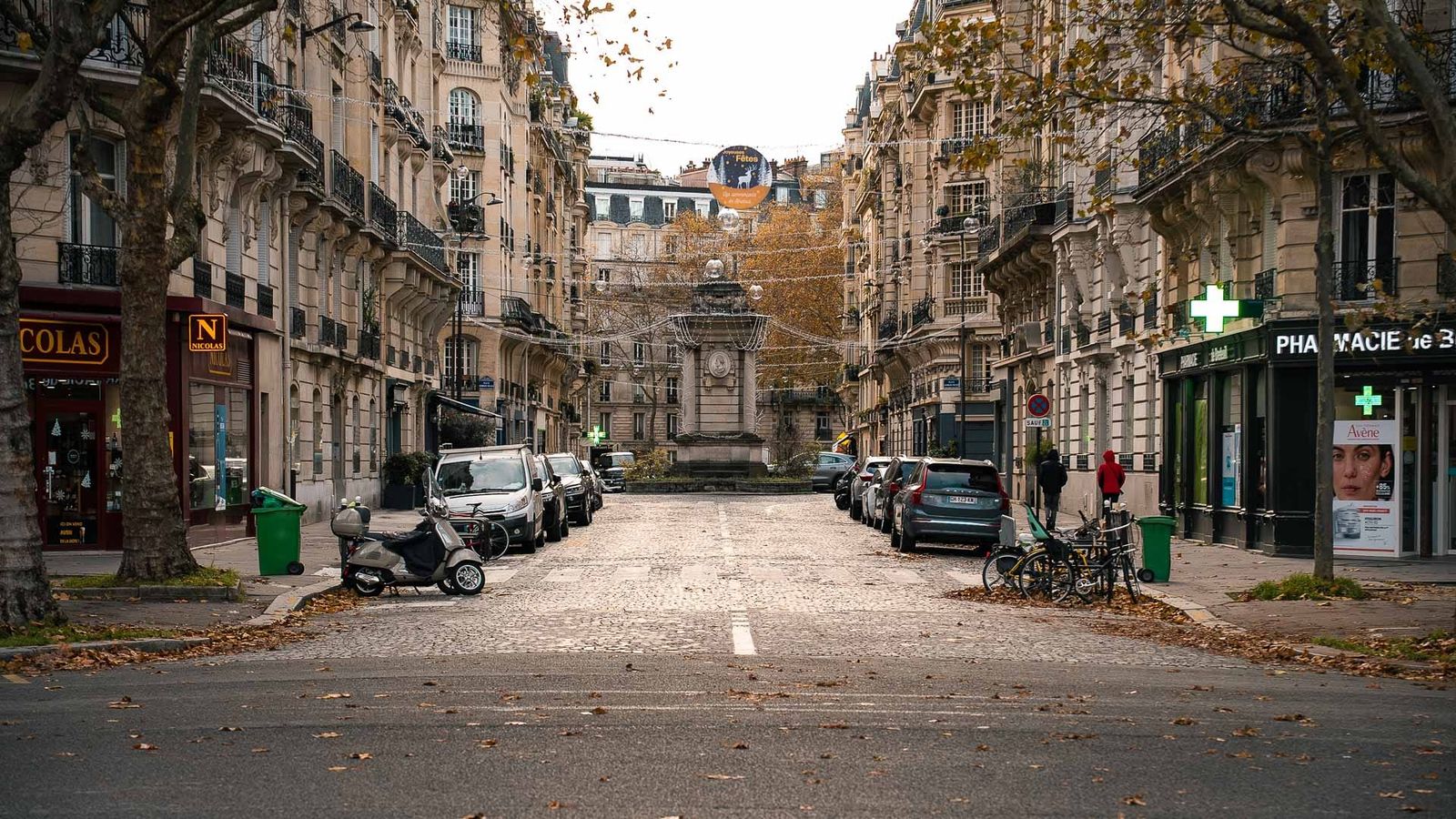
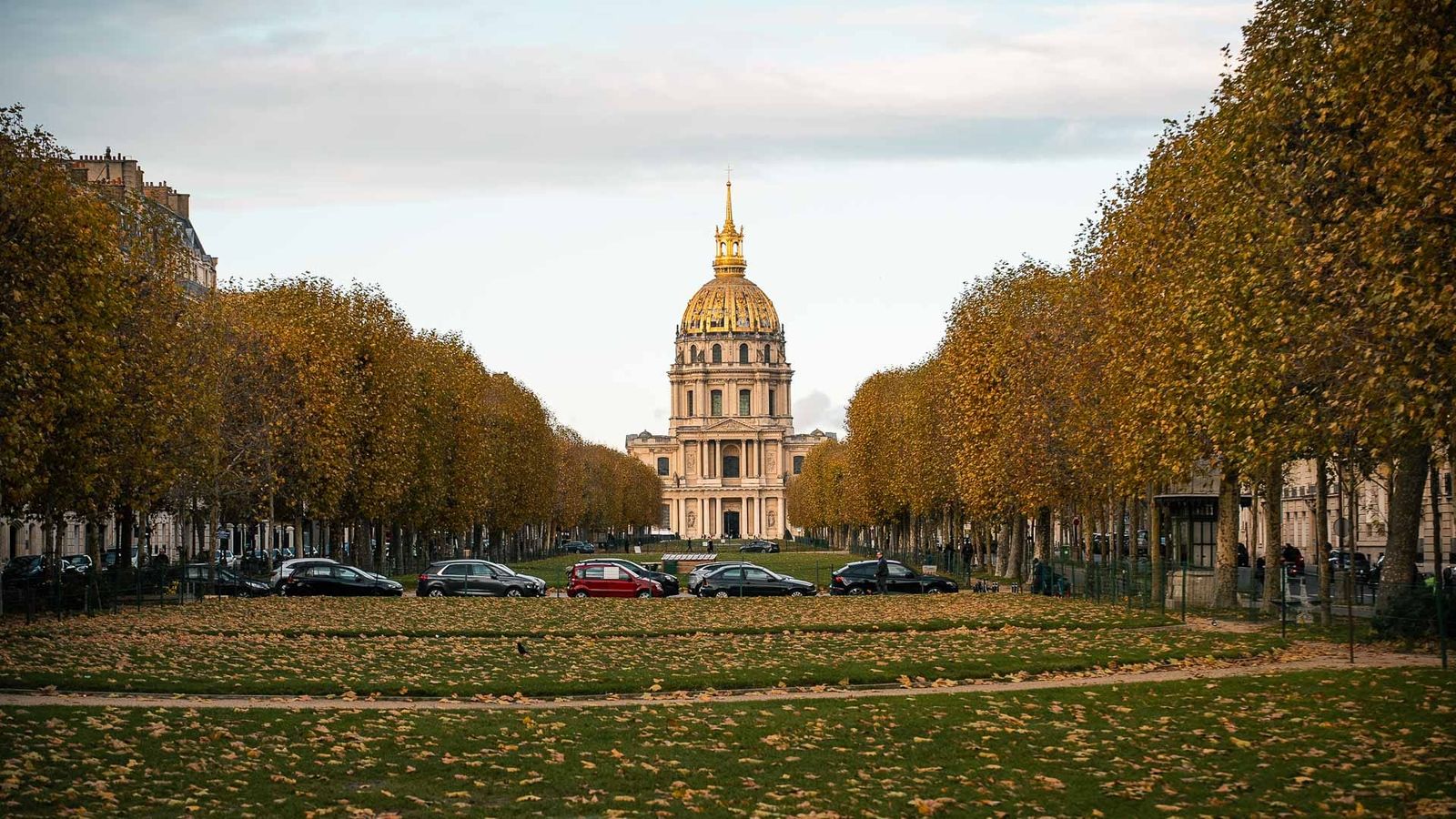
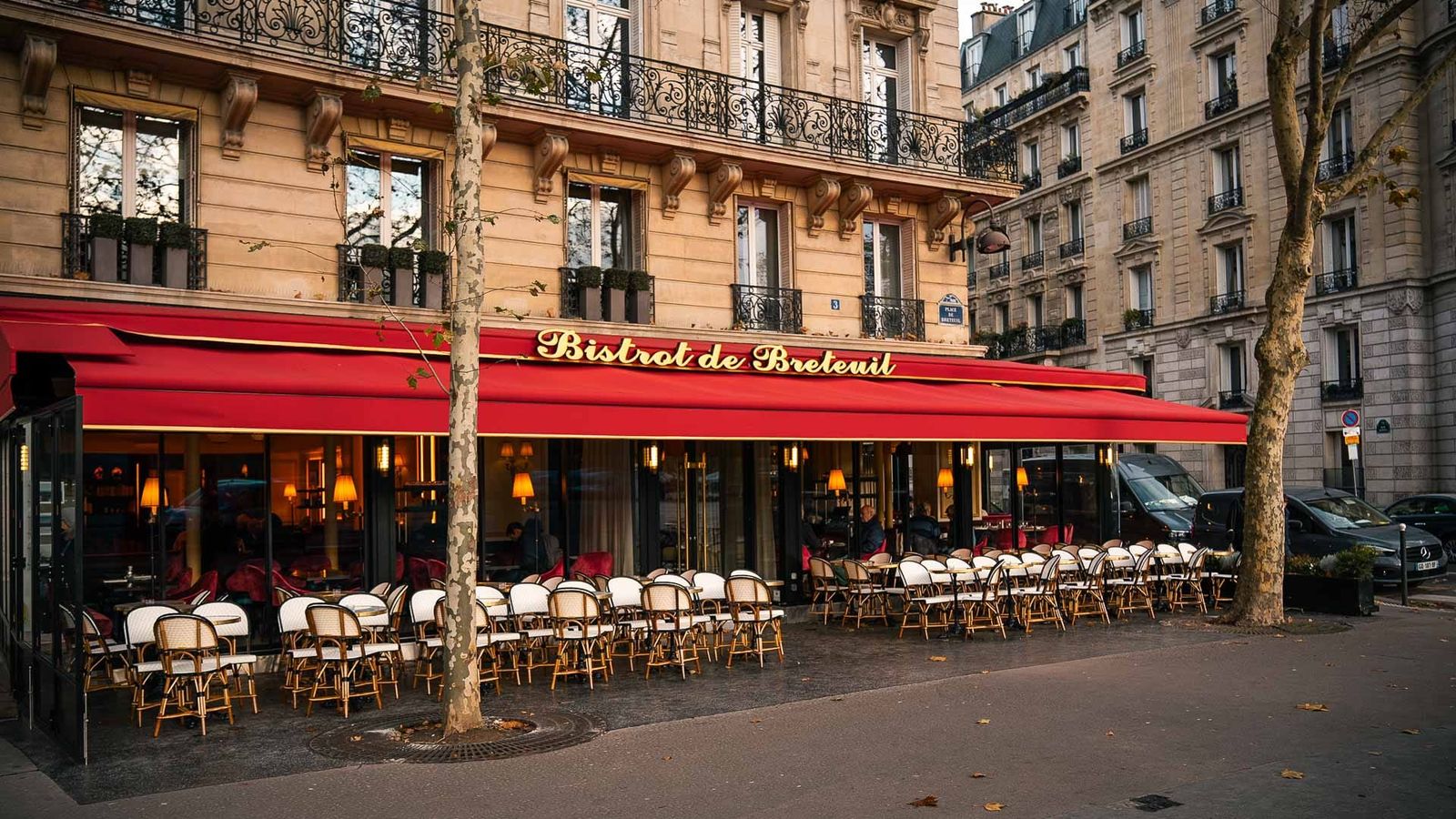
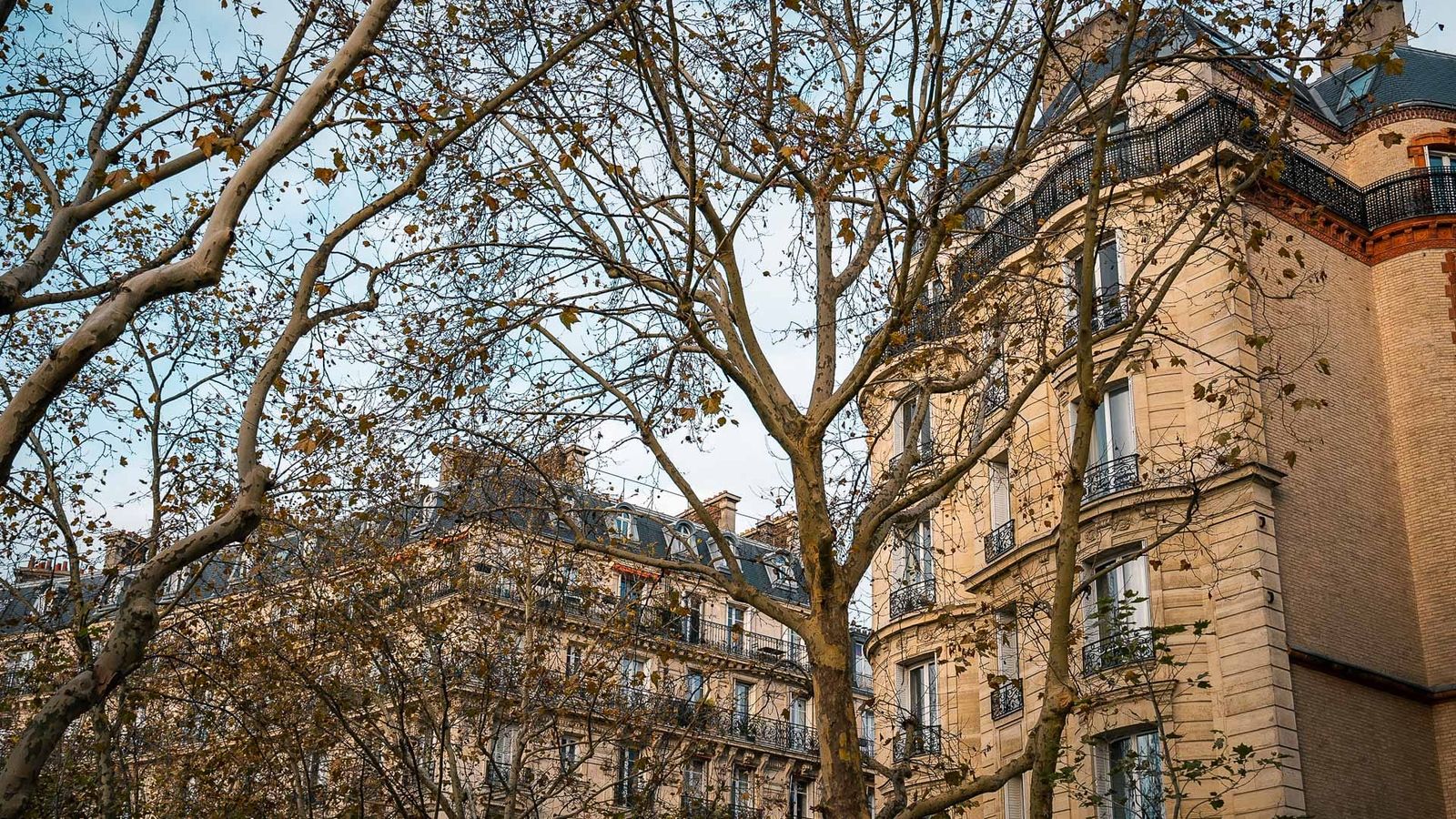

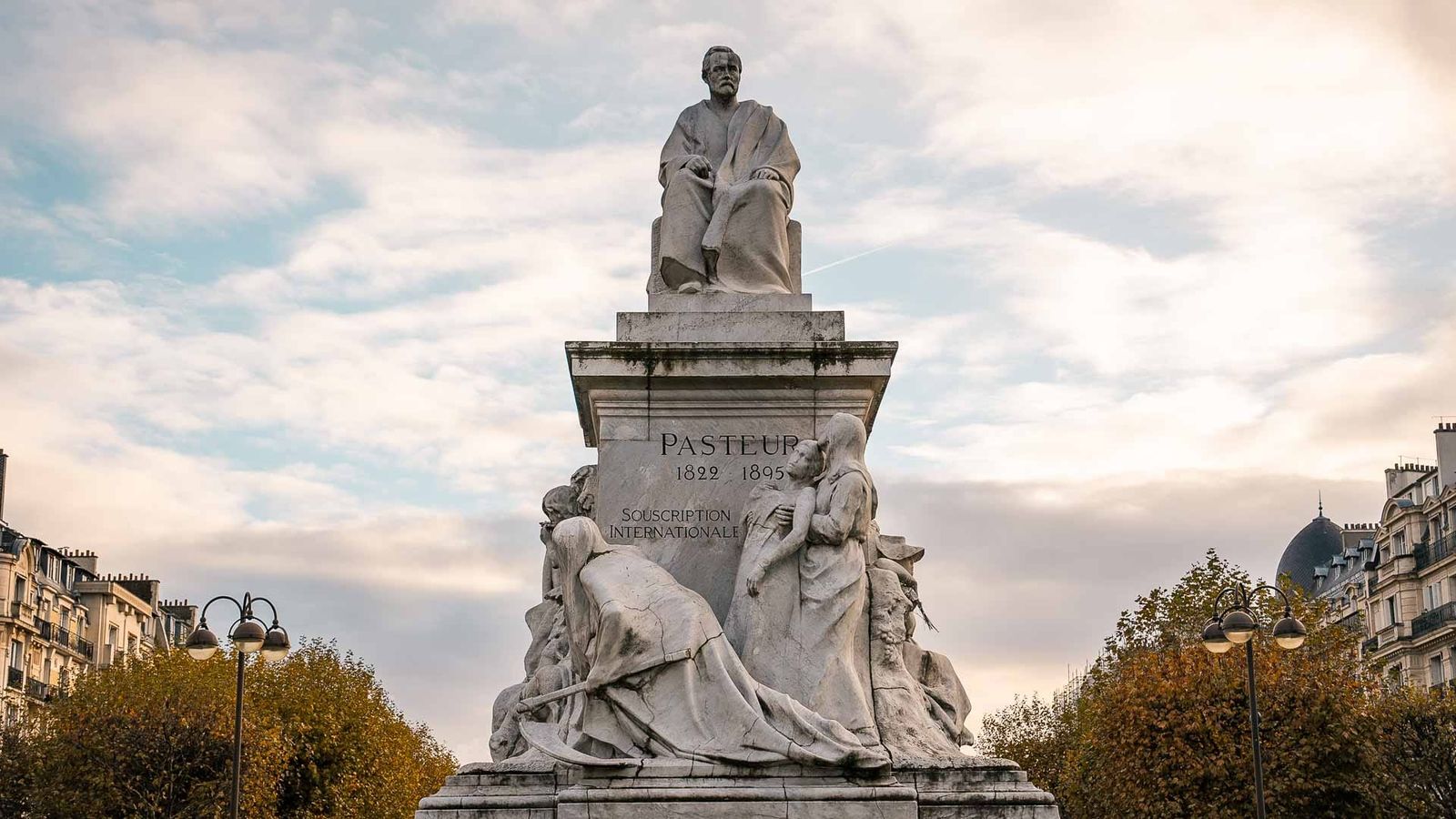
Place de Breteuil, a striking square at the boundary of Paris’ 7th and 15th arrondissements, offers visitors a seamless blend of historic architecture, green promenades, and symbolic monuments.
Situated at the intersection of Avenue de Breteuil and Avenue de Saxe, the square is historically connected to the legacy of Baron Louis Auguste Le Tonnelier de Breteuil, a diplomat and political figure of 18th-century France. His influence led to the square’s and avenue’s names, memorializing a commitment to French diplomatic history.
The Monument to Louis Pasteur
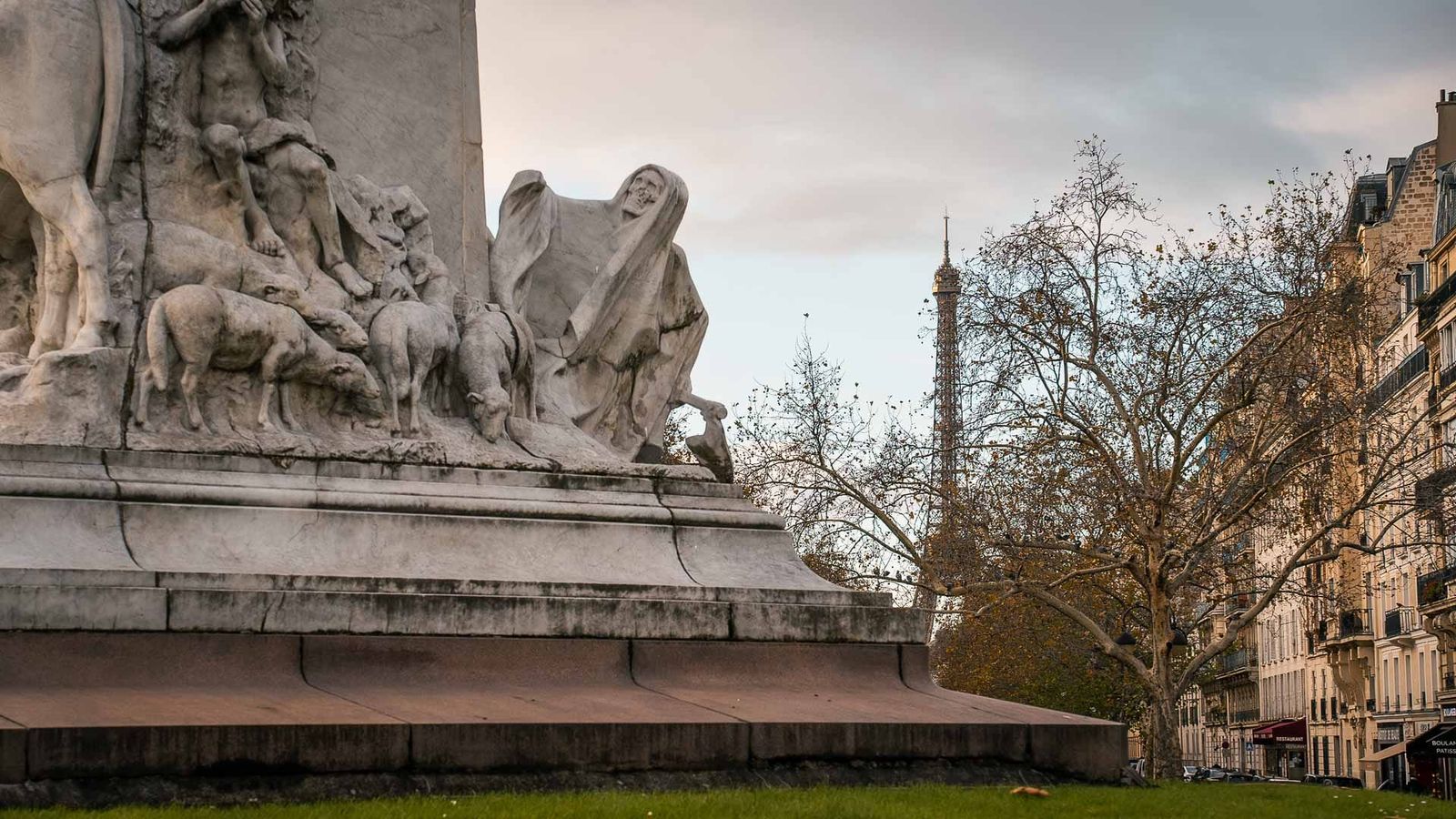
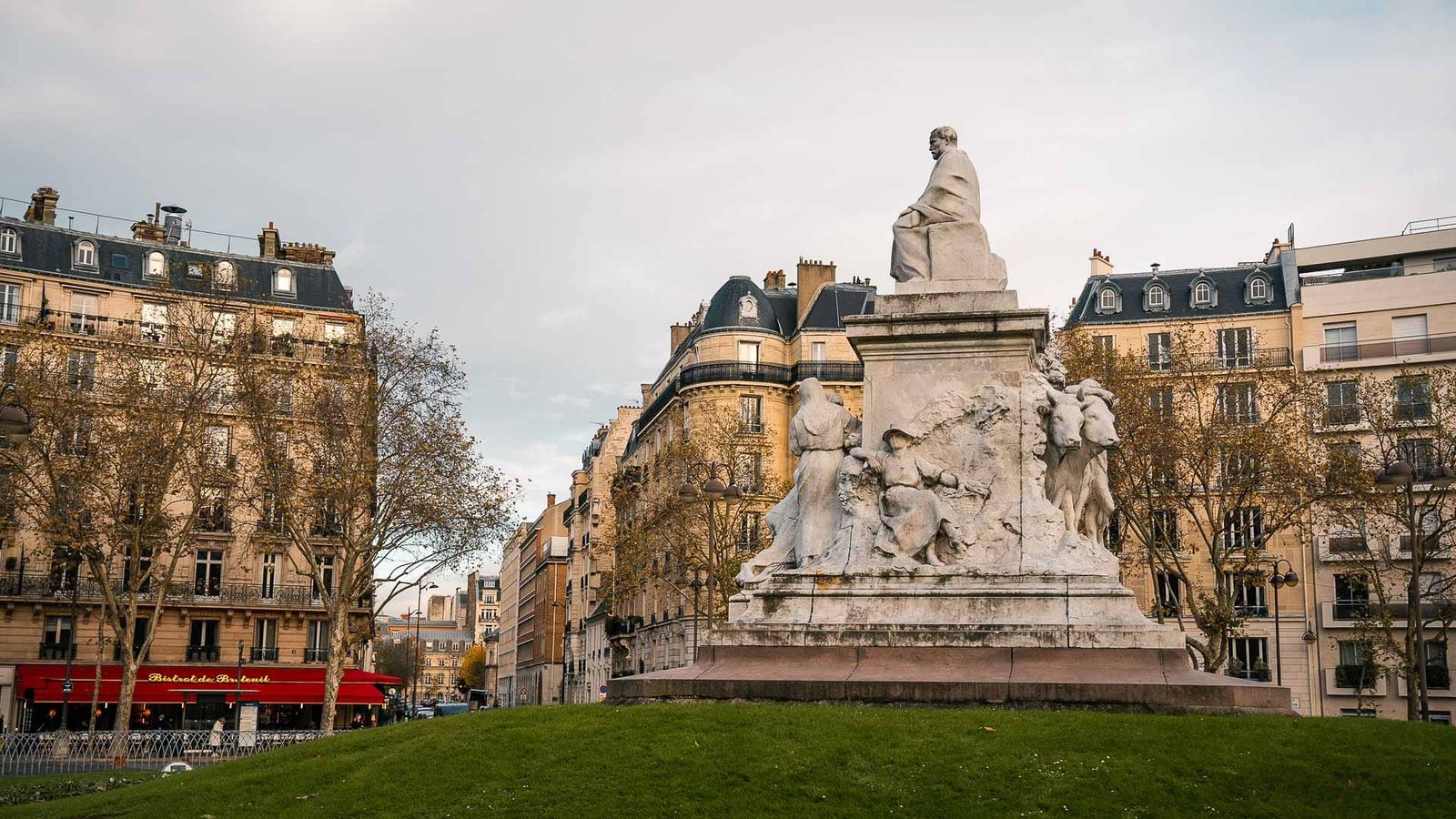
One of the most iconic features of Place de Breteuil is the statue of Louis Pasteur at its center, crafted by Alexandre Falguière in 1904. This monument replaced a former 43-meter-tall artesian water tower, originally designed to elevate water near the Panthéon and later demolished in 1903.
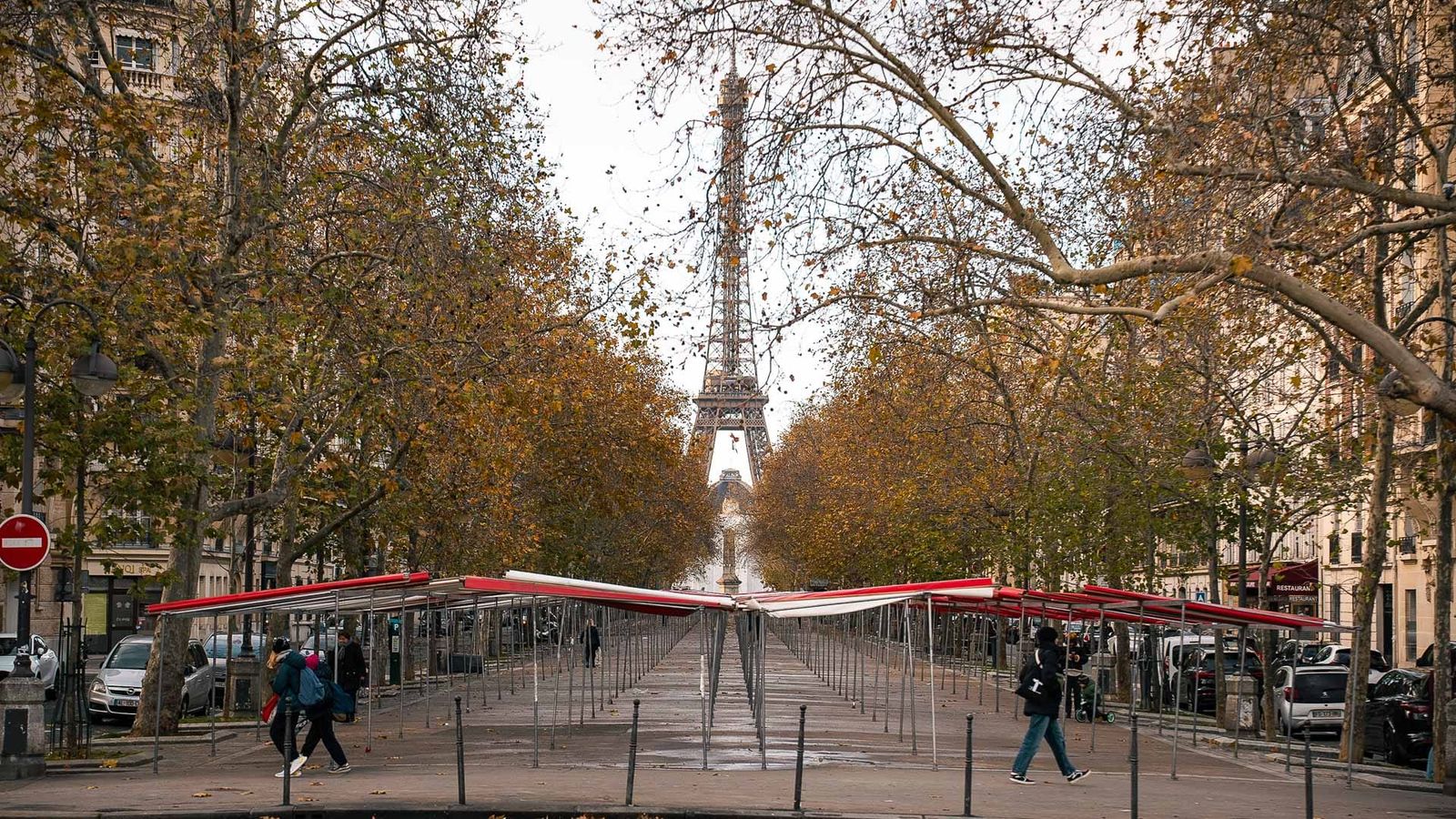
Pasteur’s statue pays tribute to the influential scientist, capturing his importance not only in Paris but globally. The surrounding avenue de Breteuil was elegantly landscaped in 1900, creating a scenic and spacious promenade, further enhancing the square’s grandeur.
Historical Significance and Events
In addition to its impressive central monument, the square also has deep-rooted connections to the Olympic Games of 1900, where it hosted various equestrian events as part of the competition held during the Exposition Universelle. This event highlighted Place de Breteuil’s versatility as both a public gathering space and an area for significant historical events.
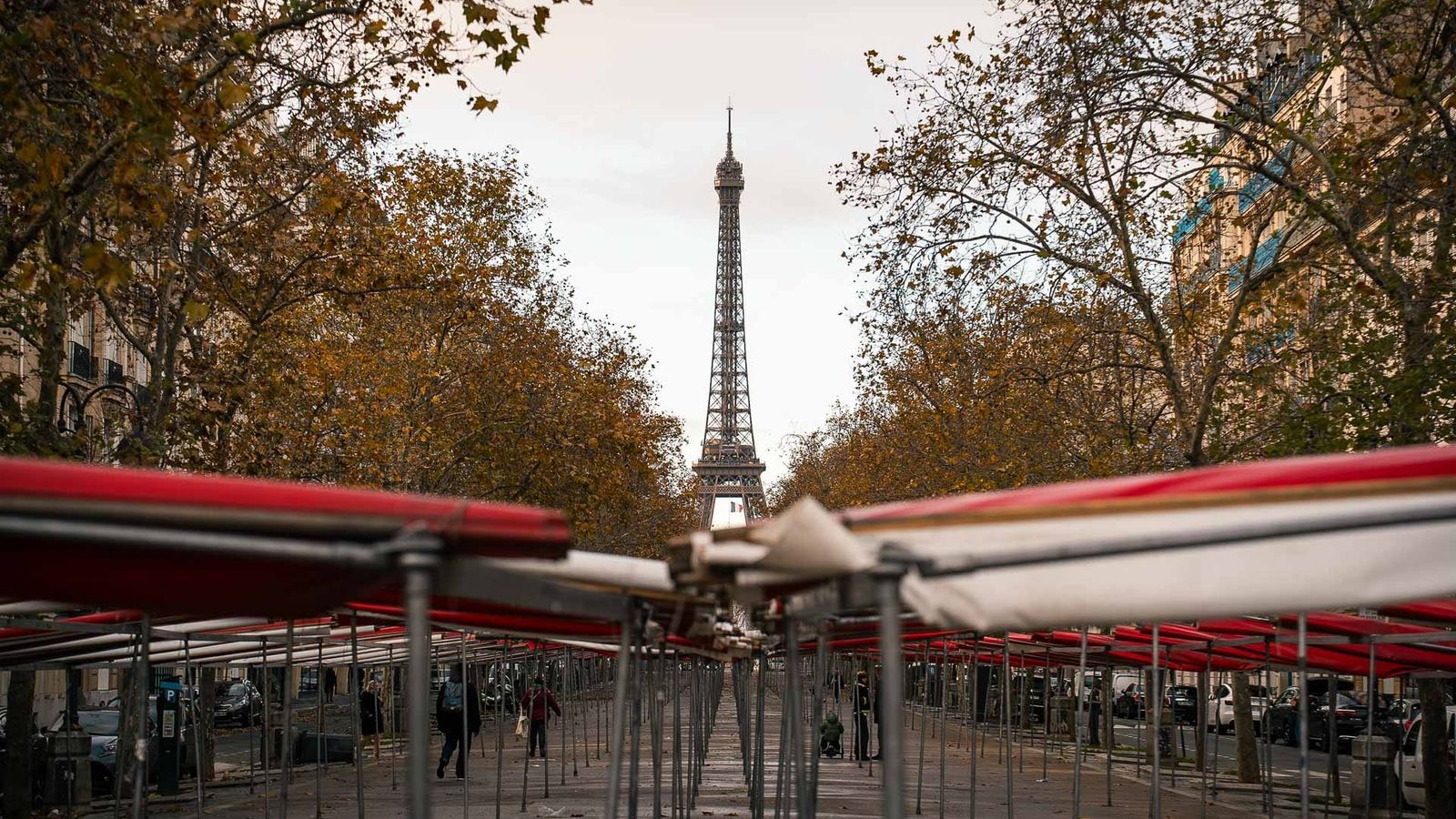
To this day, the Eiffel Tower can be seen in the distance, lending a photogenic backdrop to this already iconic square and underscoring its position as one of Paris’ must-visit locations for both history and scenery.