


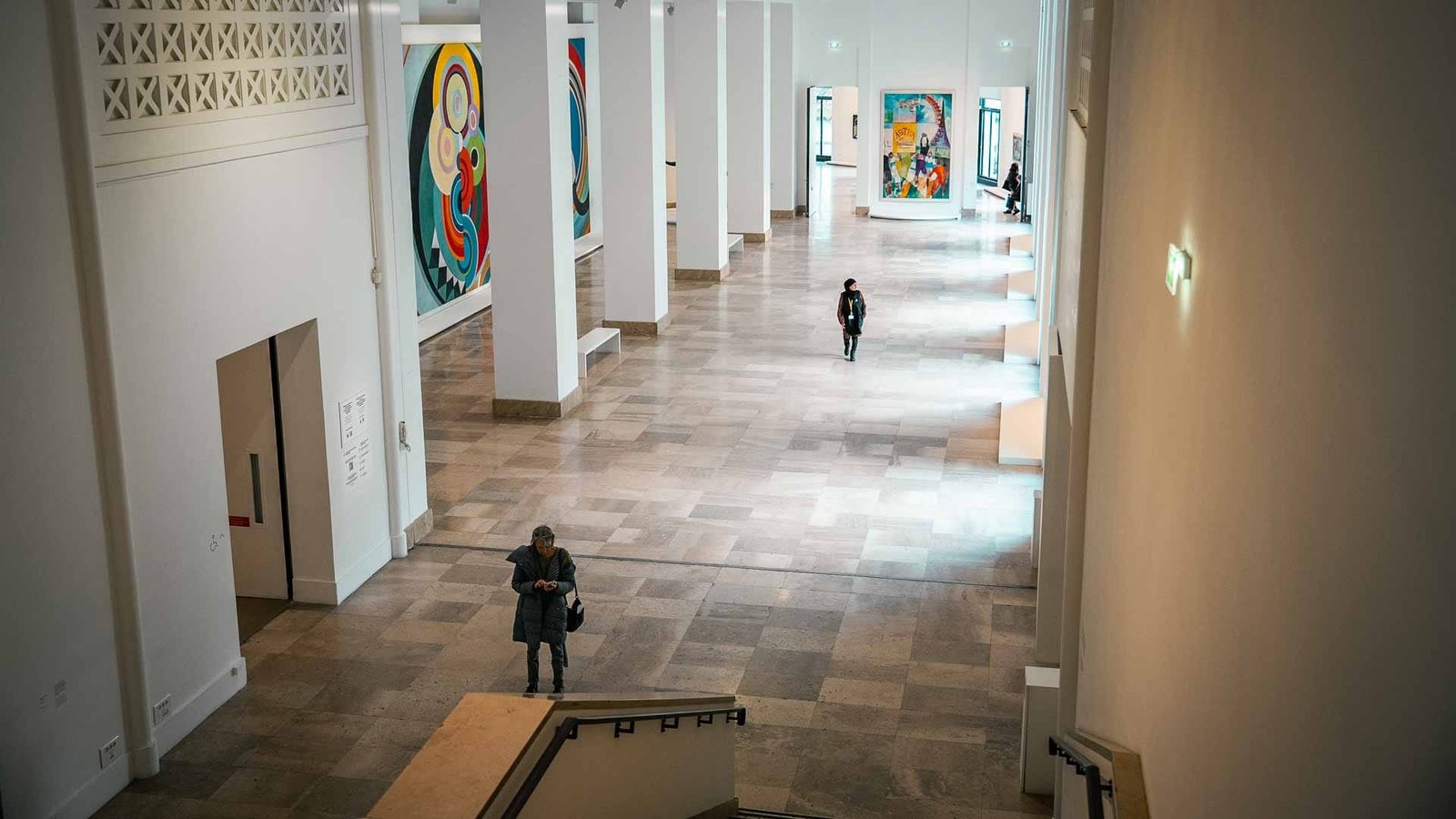


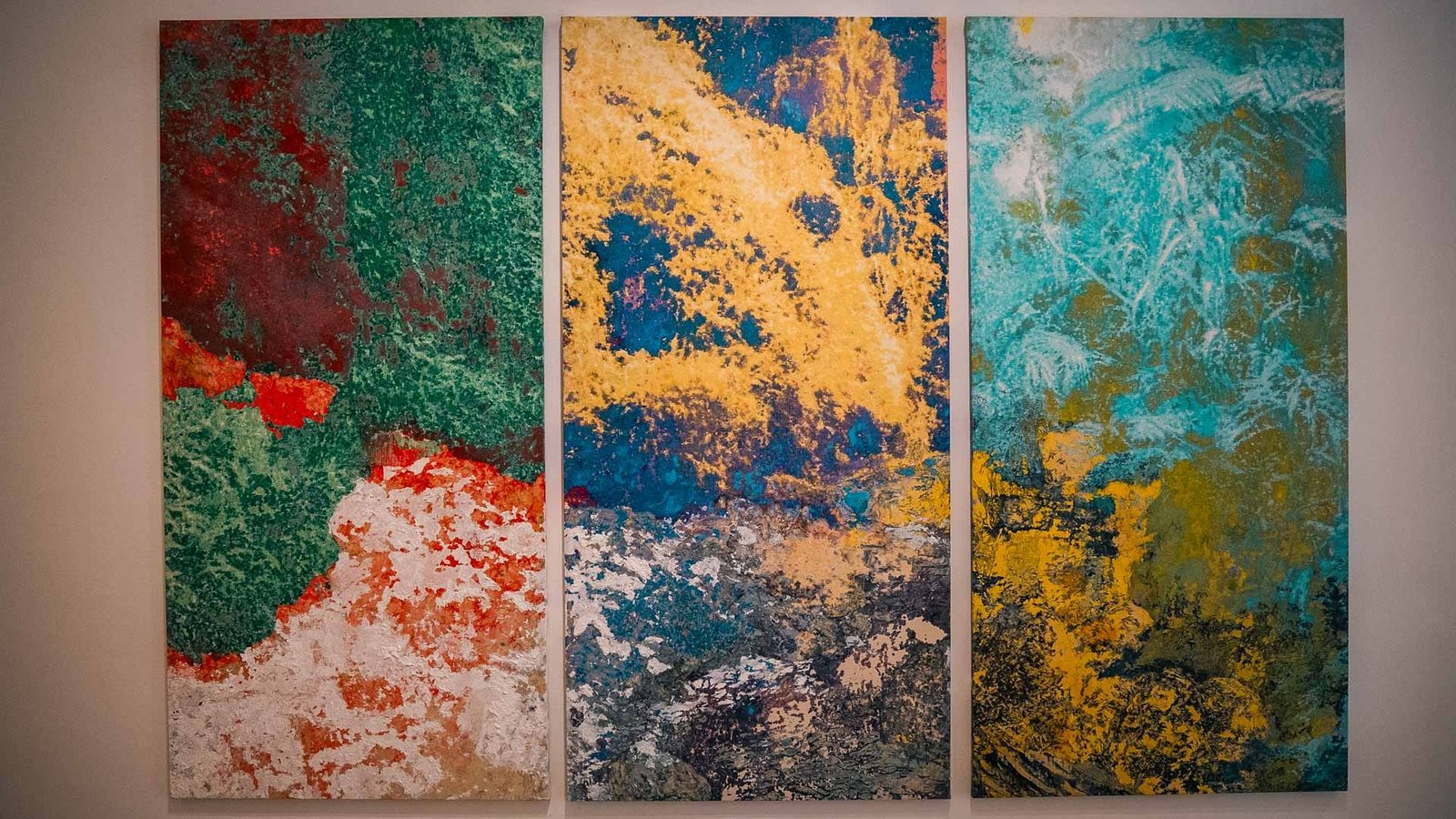
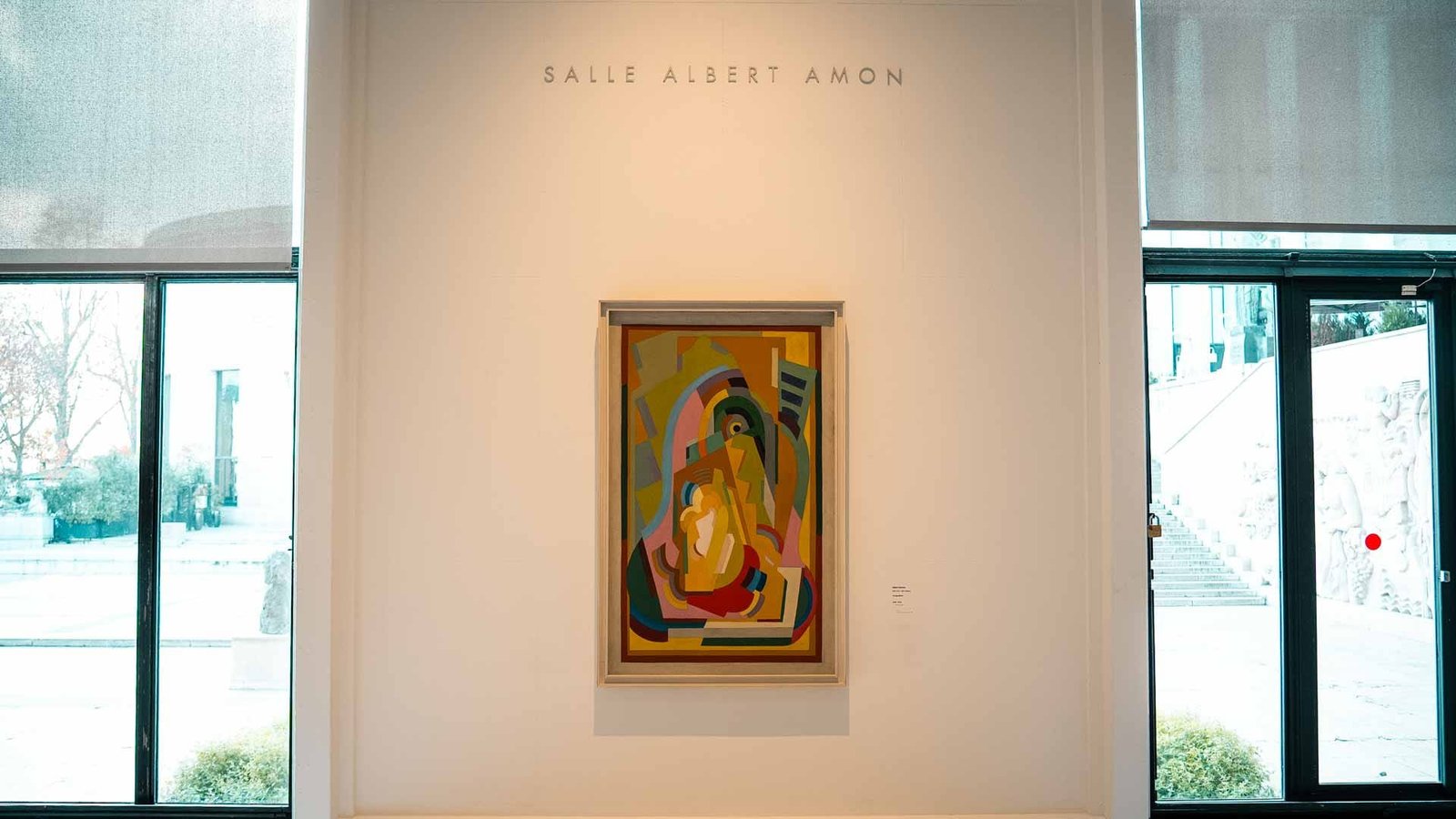
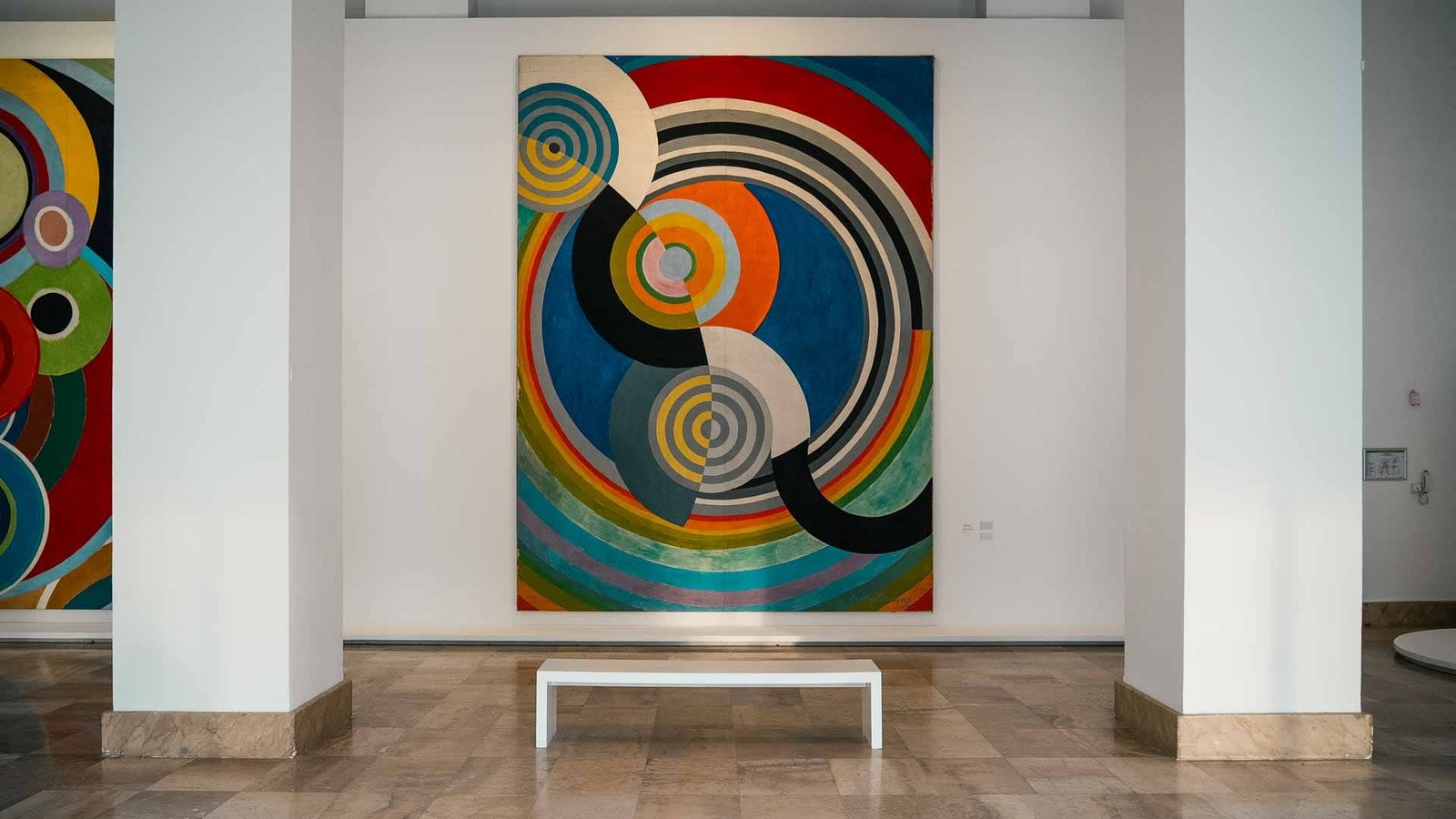
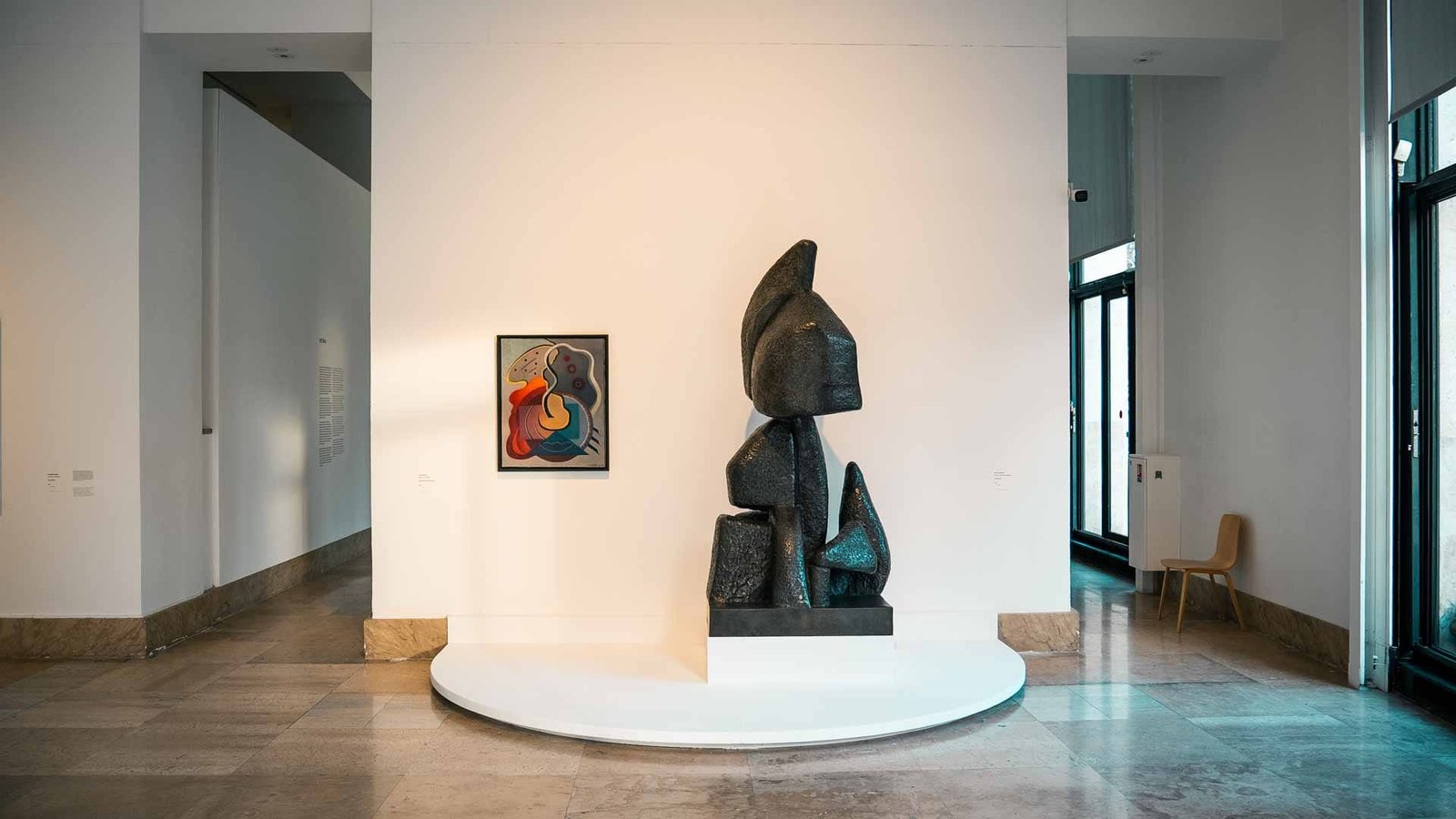
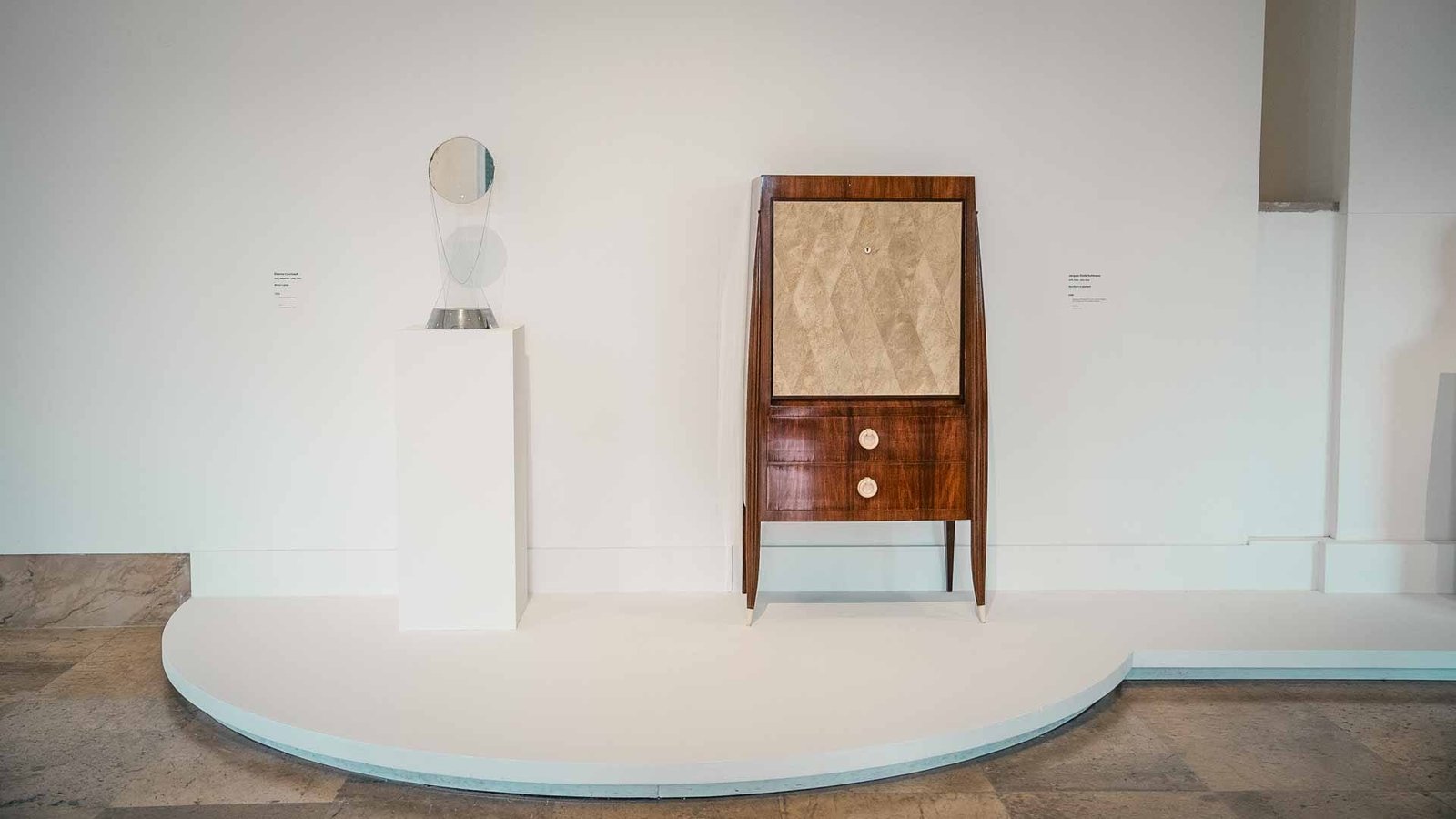

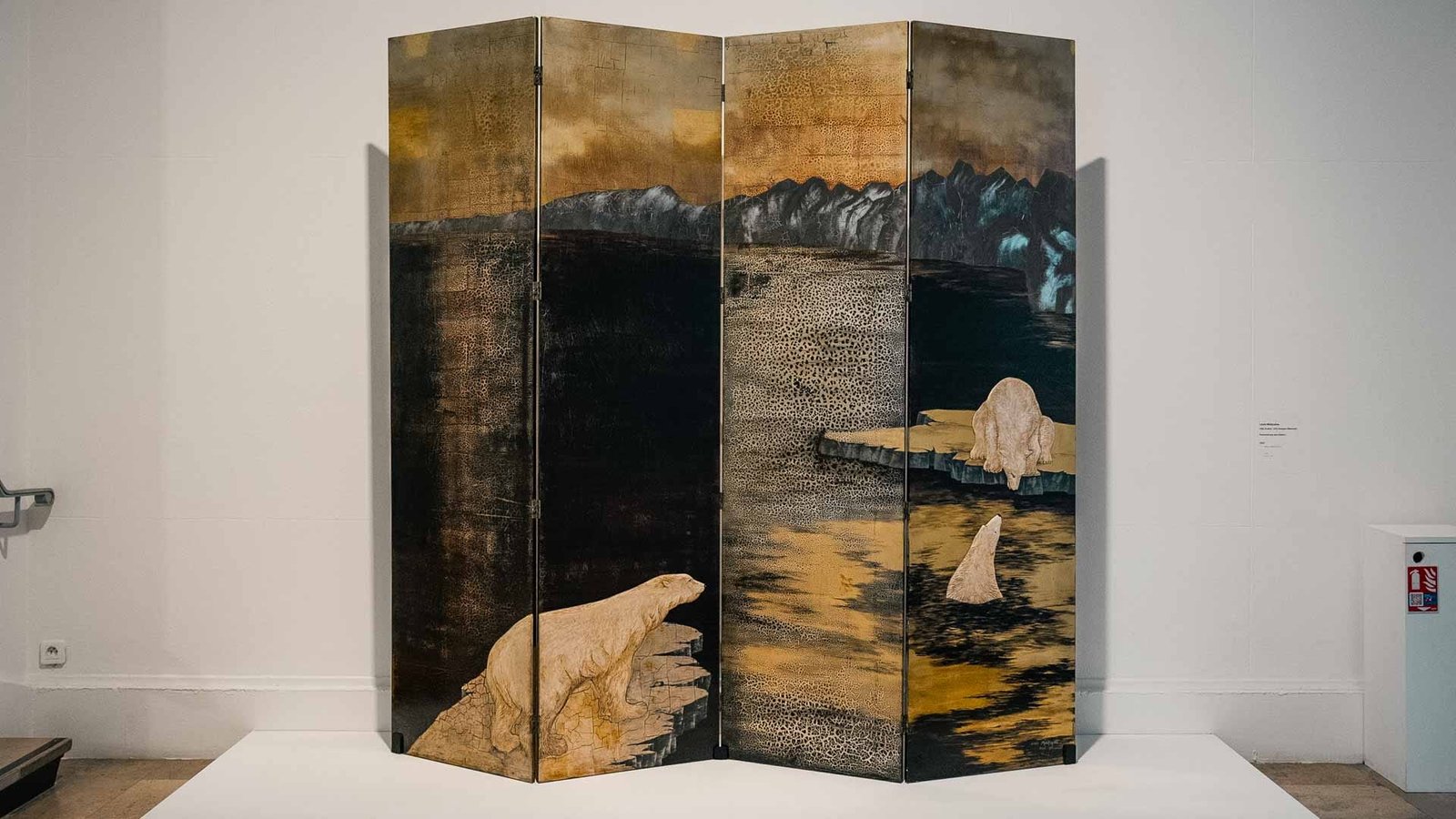

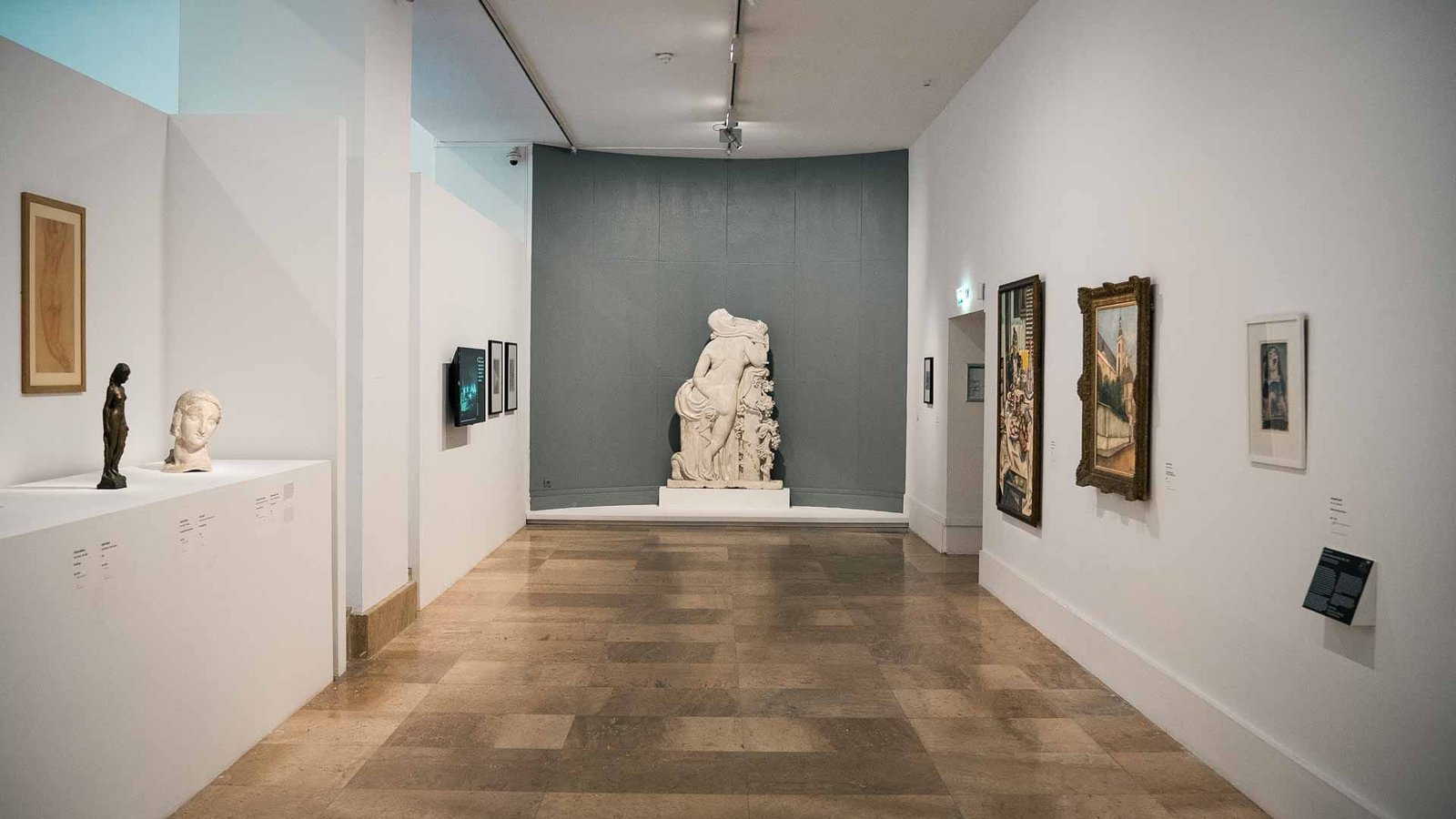
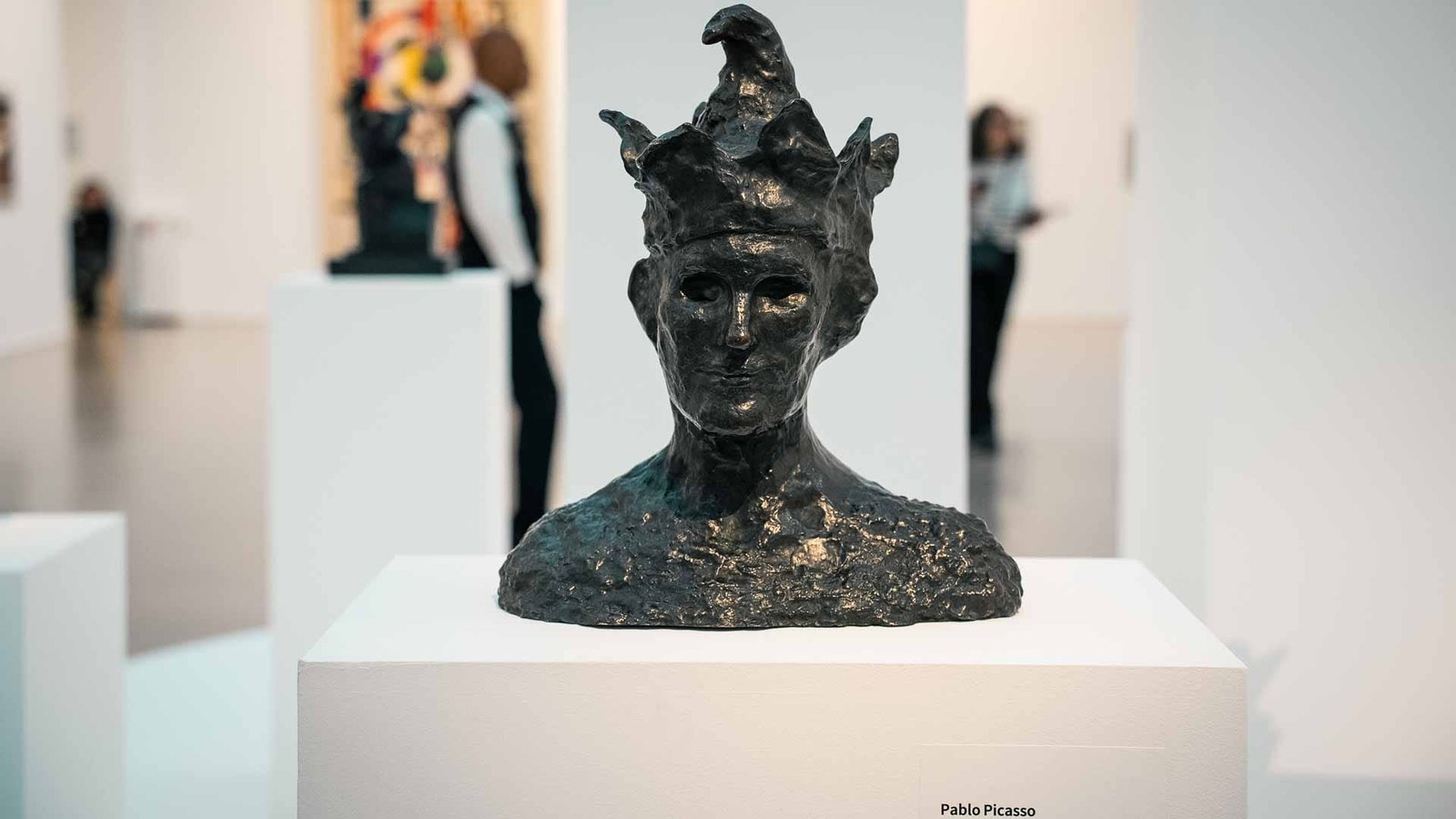
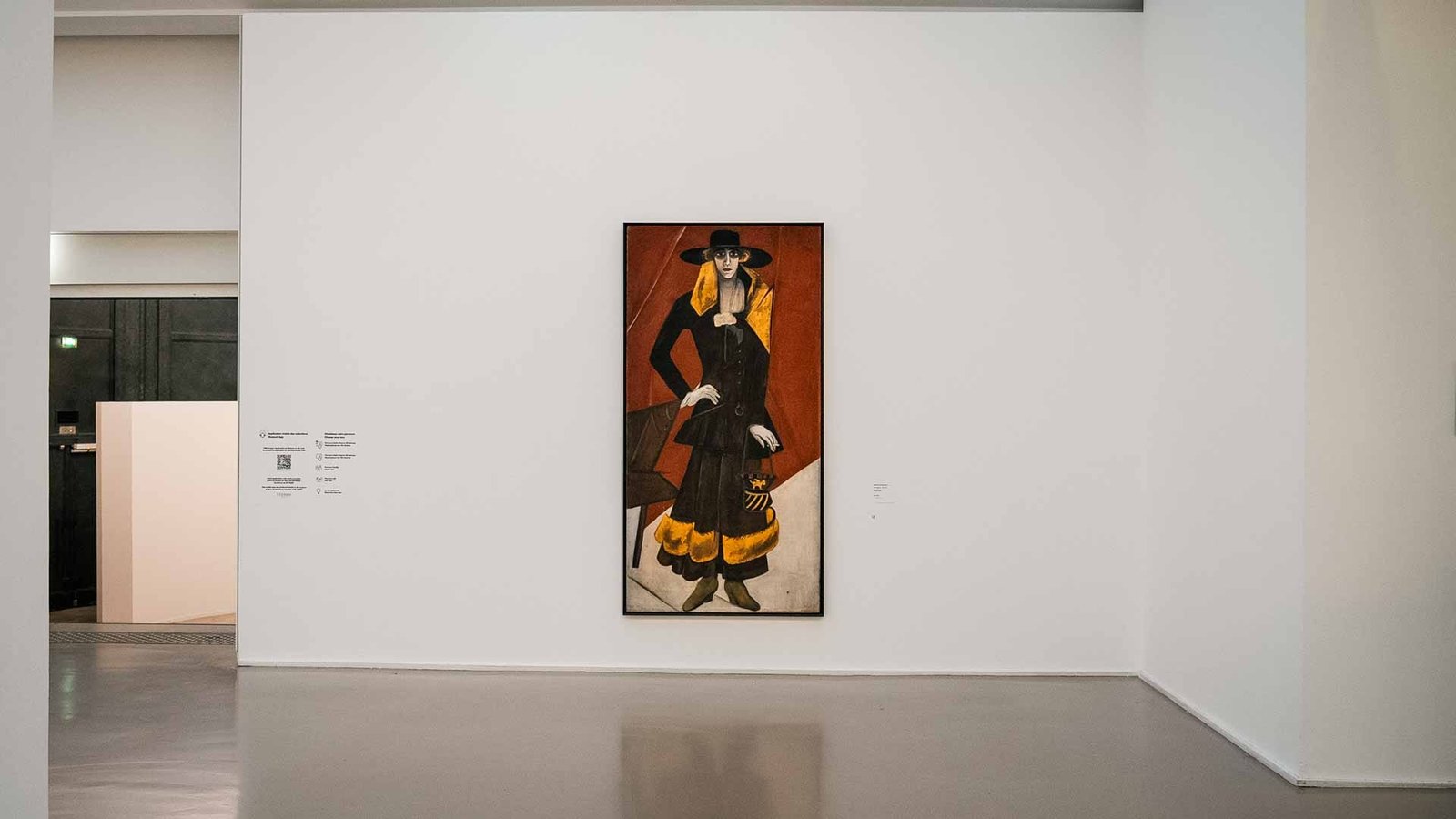
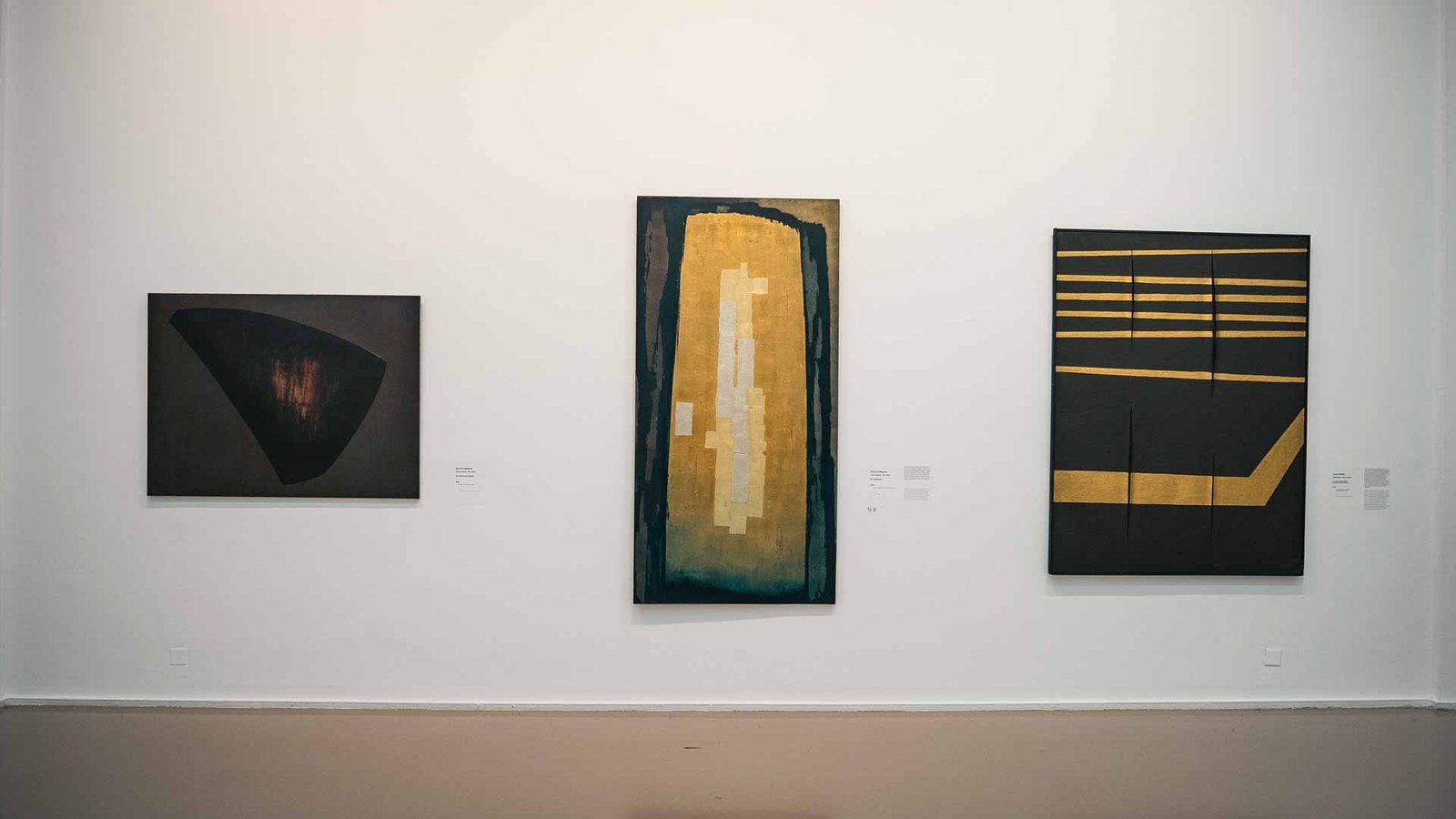
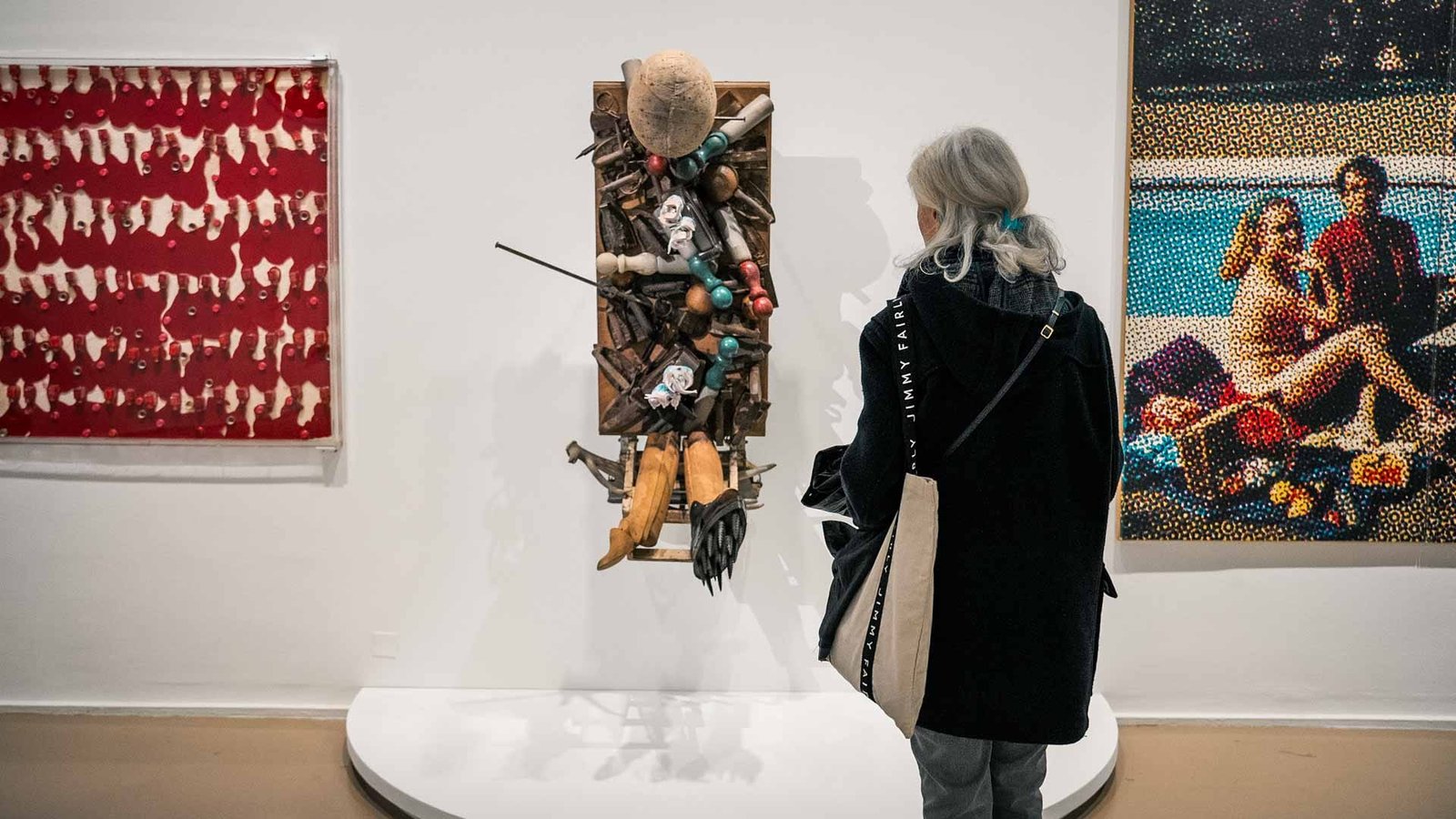
Occupying the east wing of the Palais de Tokyo, the Musée d’Art Moderne de Paris (also known as MAM Paris) houses over 15,000 works, showcasing a sweeping panorama of modern and contemporary art. Its extensive collection spans from Fauvism to cutting-edge European contemporary art, making it a crucial landmark in the artistic landscape of Paris.
A Rich Collection of Artistic Movements
The permanent collection at the Musée d’Art Moderne de Paris is an artistic journey through the 20th century and beyond, focusing on movements that have shaped modern art, including Fauvism, Cubism, Surrealism, and Abstract Art. Visitors will encounter masterpieces by icons such as Pablo Picasso, Amedeo Modigliani, Georges Braque, and Raoul Dufy.
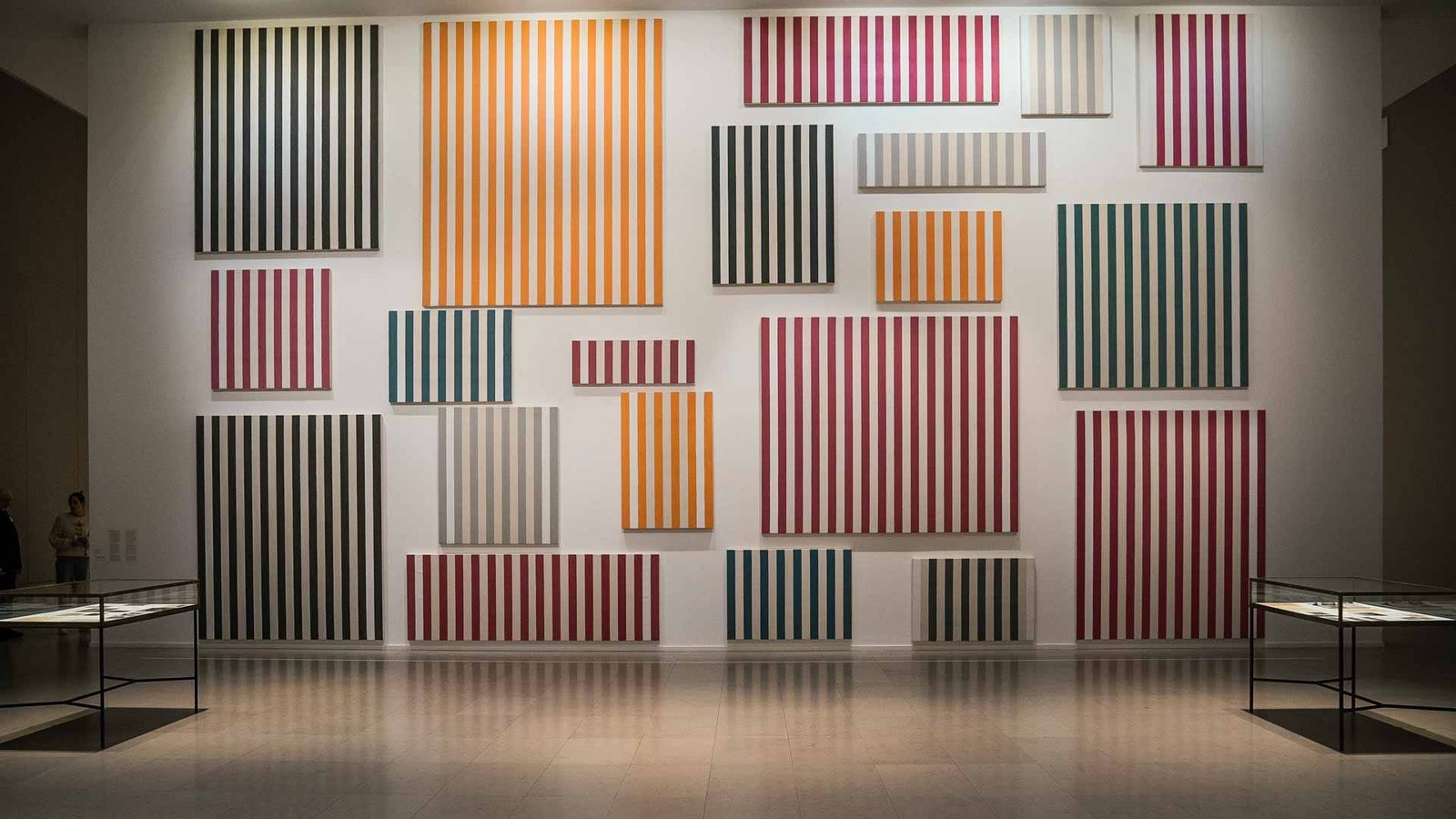
The museum is also home to major contemporary works by artists like Christian Boltanski and Philippe Parreno, reflecting its ongoing commitment to evolving art forms.
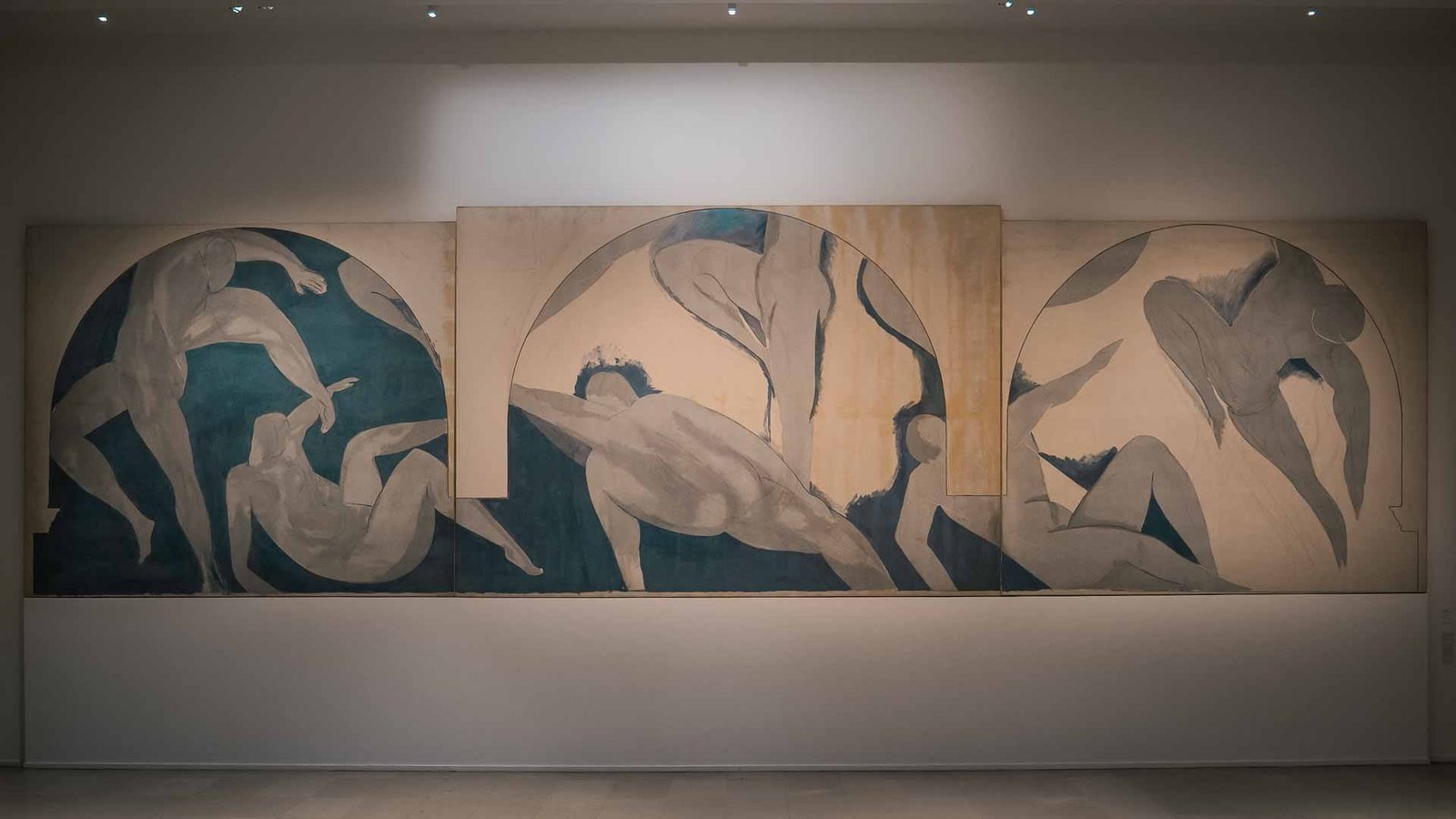
One of the museum’s crown jewels is Raoul Dufy’s “La Fée Électricité”, a monumental piece that occupies an entire room and depicts the history of electricity. Another in-situ masterpiece is Henri Matisse’s “La Danse”, a stunning tribute to movement and color.
A Dynamic Collection
The museum’s collection has grown through major donations from private collectors and artists, shaping its unique identity. Highlights include the donation of Maurice Girardin in 1953, which significantly enriched its modern art holdings with works from the likes of André Derain, Georges Rouault, and Fauvist masters.
Later, the Michael Werner donation added a wealth of contemporary German art, making the Musée d’Art Moderne de Paris one of the most important repositories of German contemporary art in France.
Recent acquisitions have expanded the museum’s global reach, with works from artists across America, China, Africa, and beyond, ensuring a diverse representation of the global contemporary scene.
Architectural Heritage
The Musée d’Art Moderne de Paris shares its home with the Palais de Tokyo, a striking example of 1930s architecture. The building’s sleek, minimalist design, combined with classical touches, creates a unique backdrop for the diverse art collections it houses.
Built for the 1937 International Exposition, the museum has undergone several renovations, most notably in 2006, to accommodate growing collections and offer a contemporary space that harmonizes with its artistic content.