


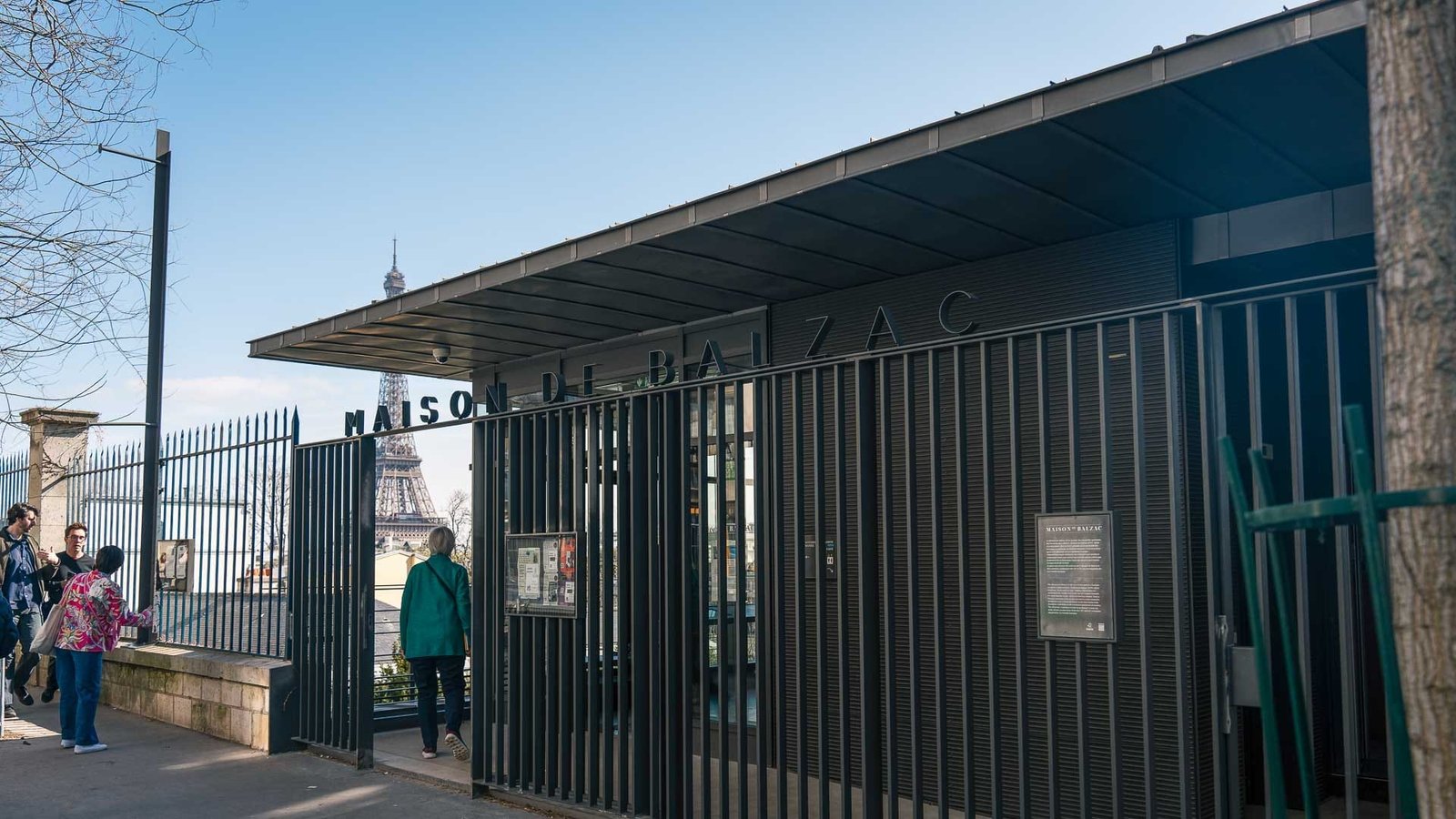



Nestled in the picturesque 16th arrondissement of Paris, the Maison de Balzac is a charming pavilion dedicated to the illustrious writer Honoré de Balzac. This museum stands as a testament to Balzac’s literary legacy, drawing visitors into the world of one of France’s most celebrated authors.
A Glimpse into History
Honoré de Balzac resided in this very house from 1840 to 1847, concealing his identity under the pseudonym “Monsieur de Breugnol” to evade his creditors. The building’s unique layout features two entrances on rue Raynouard and rue Berton, enabling Balzac to lead a discreet life while immersing himself in his prolific writing. It is within these walls that he crafted many of his literary masterpieces, including the entire Comédie humaine series, fueled by his signature midnight writing sessions accompanied by copious amounts of black coffee.
Collections and Exhibitions
The Maison de Balzac houses a fascinating collection of Balzac’s personal effects, including manuscripts, letters, and rare editions. Visitors can marvel at unique artifacts like his turquoise cane and a coffee pot inscribed with the initials “HB.” A genealogical chart displays over 1,000 characters from the Comédie humaine, offering insight into Balzac’s intricate world-building. The museum also features a basement filled with busts of the author by various sculptors, including the renowned Auguste Rodin.
Works Conserved in the Museum’s Reserves
The Musée de la Maison de Balzac houses a precious collection of works, some of which are extremely fragile and are carefully kept in reserve to protect them from light and environmental conditions. These works, drawn from various collections, bear witness to the importance and richness of the literary and artistic heritage left behind by Balzac.
Manuscripts
One of the most significant collections includes a substantial assortment of manuscripts, featuring pieces written in Balzac’s own hand. This collection encompasses manuscripts, correspondence, notes, and corrected proofs, offering a fascinating glimpse into his creative process. Additionally, letters and signed manuscripts by renowned writers such as Colette, Bourdelle, Gautier, and Dumas enrich this collection, highlighting the literary and artistic connections of the time.
Drawings and Prints
The museum’s graphic collection consists of approximately 4,500 engravings and 225 drawings. These works range from illustrations for La Comédie humaine to representations of daily life and manners in the early 19th century, featuring notable artists like Daumier, Gavarni, Grandville, and Monnier. The collection also includes portraits of contemporaries, drawings by contemporary artists, comic strips, and film posters, showcasing the artistic diversity of the era.
Photographs
Among the photographic treasures is the iconic daguerreotype by Bisson, depicting Balzac in a shirt, which is undoubtedly one of the museum’s highlights. The museum also conserves a few glass negatives and a collection of around 300 vintage photographs, meticulously categorized by themes, such as Balzac’s Homes, Theater and Cinema, and Portraits of Contemporaries.
Books and Newspapers
Since its establishment, the Maison de Balzac has built an impressive collection of printed works, including first editions, illustrated editions, and books printed by Balzac himself. The collections also feature annotated copies, dedications, and volumes enriched with drawings. These literary treasures are meticulously preserved and accessible to researchers and literature enthusiasts in the museum’s library.
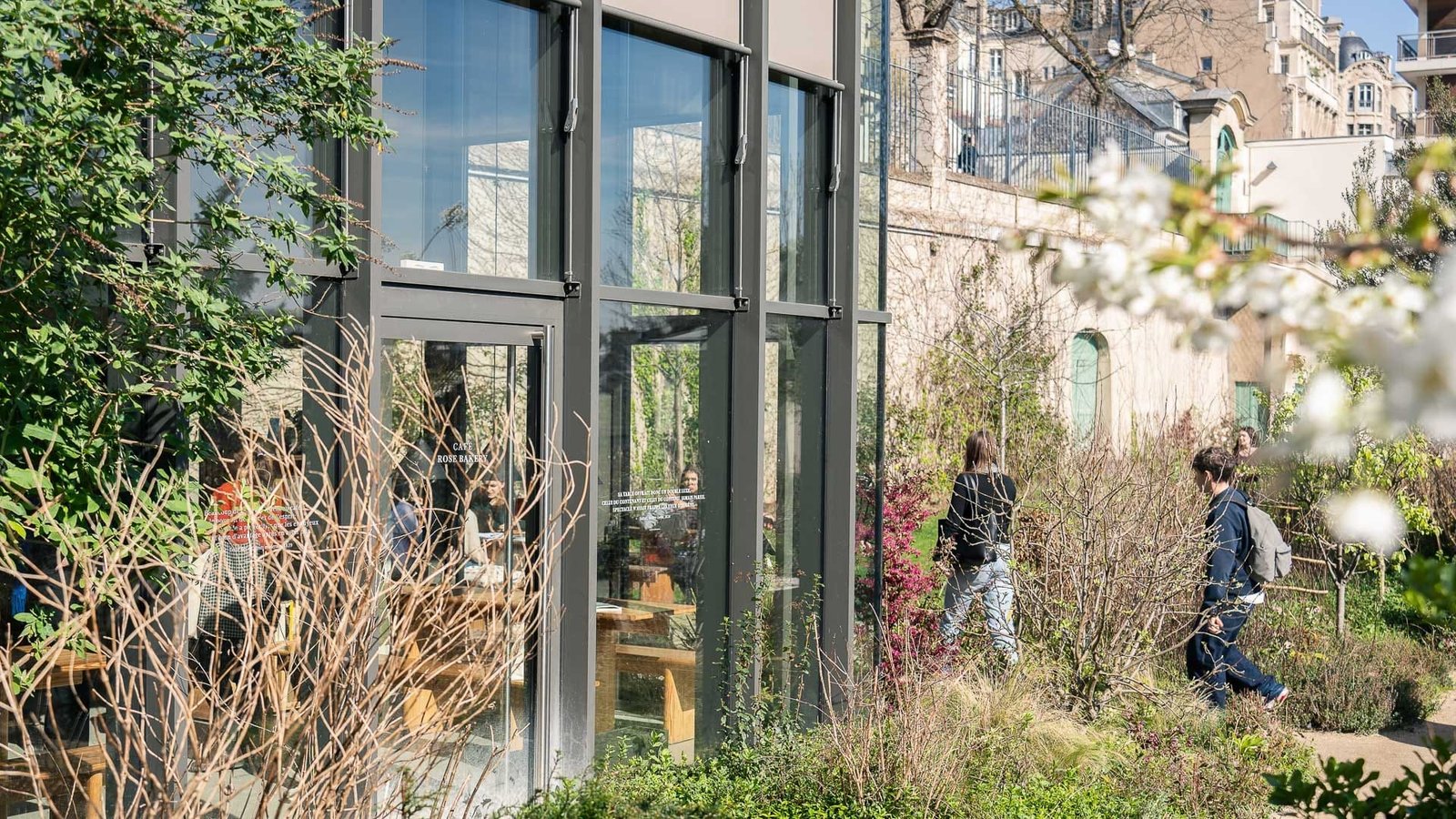
In recent years, the museum has been revitalized, including the opening of a new café and the enhancement of its garden space. Special exhibitions, such as the one dedicated to the film Illusions perdues, further enrich the visitor experience.
The Serene Garden
The museum’s garden, spanning 650 square meters, provides a tranquil escape adorned with indigenous plants, fruit trees, and stunning views of the Eiffel Tower. This serene outdoor space invites visitors to relax and reflect, much like Balzac himself once did amidst the greenery.
Library Access
A treasure trove for literary enthusiasts, the museum also features a library rich with editions of Balzac’s and Théophile Gautier’s works. Open to the public, it offers a wealth of resources for those interested in delving deeper into the lives and legacies of these authors.